
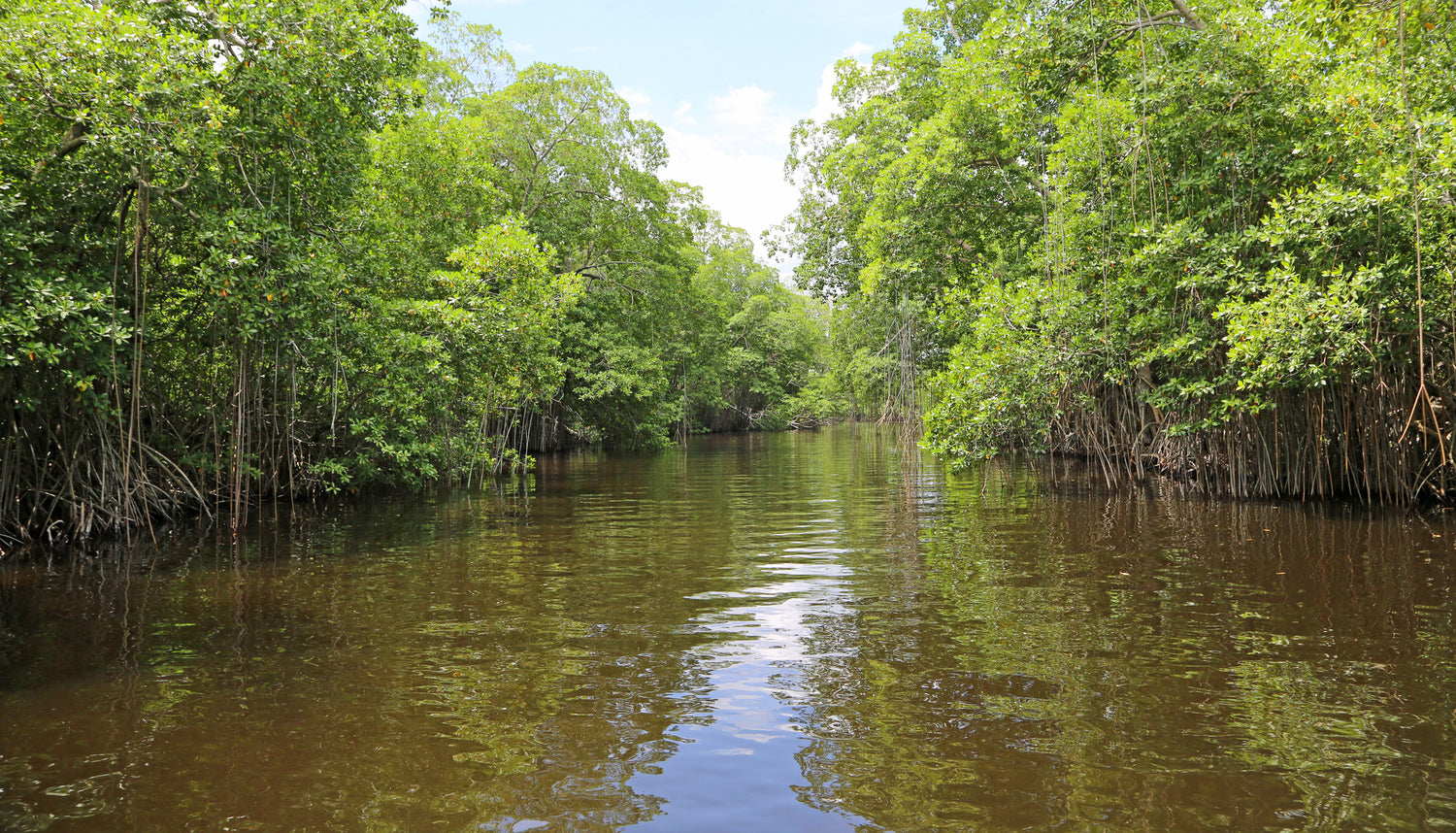
Mangrove Coondapur: The Western Ghats Hidden Corridor
Mangrove Coondapur is one of India's most vital yet overlooked coastal ecosystems. Nestled along Karnataka's Coondapur coast, this mangrove stretch fo Read more
Connect with us
-
👥 Corporates
If you are looking for:
- 🌲 Tree Plantation Events
- 📊 CSR Projects
📧 corporate@growbilliontrees.com
📞 +91 9699723523
💬 +91 9325931304 WhatsApp (Only)
🕒 Mon - Sat | 10am - 7pm IST
-
🧩 Tree Plantation NGOs
If you are looking for:
- 💰 Financial Assistance
- 🤝 Operational Support
📧 support@growbilliontrees.com
📞 +91 9699723523
💬 +91 9325931304 WhatsApp (Only)
🕒 Mon - Sat | 10am - 7pm IST
-
🌼 Individuals
If you are looking for:
- 👥 Group Tree Plantation Drive
- 🌳 Bulk Tree Plantation
📞 +91 9699723523
💬 +91 9325931304 WhatsApp (Only)
🕒 Mon - Sat | 10am - 7pm IST
Trending Tree Plantations - Most Popular Environmental Programs
-
Trees for Mother
Regular price ₹ 299Regular priceUnit price per -
Trees to Honor the Memory of your Loved Ones
Regular price ₹ 299Regular priceUnit price per -
Trees for Women's Day (8th Mar)
Regular price ₹ 299Regular priceUnit price per -
Trees for Wedding Anniversary Celebration
Regular price ₹ 299Regular priceUnit price per -
Trees for Grandmother
Regular price ₹ 299Regular priceUnit price per




Trees for Corporates - Achieve Net Zero Targets Through Strategic Tree Planting
-
 Project Closed
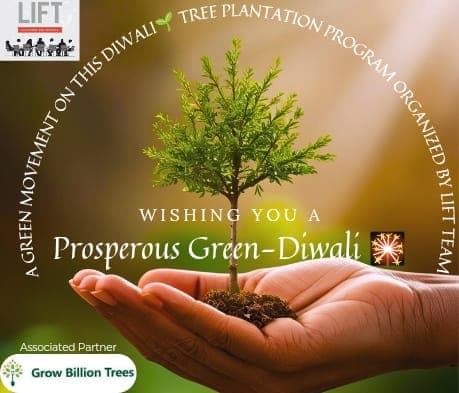
Trees by LIFT Team for Green Diwali: Transform Your Festival
Regular price ₹ 299Regular priceUnit price per -
Trees for a Greener Tomorrow - by Mahindra Lifespaces
Regular price ₹ 299Regular priceUnit price per -
Trees for Environment Day: Plant Your Impact on June 5th
Regular price ₹ 299Regular priceUnit price per -
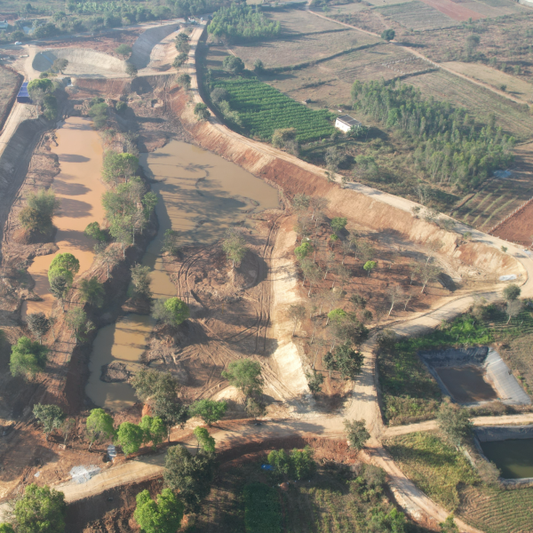 Project Closed
Trees for Bangalore: Plant Native Trees in Garden City ₹299
Regular price ₹ 799Regular priceUnit price per -
Trees for Employees: Transform Your Corporate Culture in 2026
Regular price ₹ 299Regular priceUnit price per
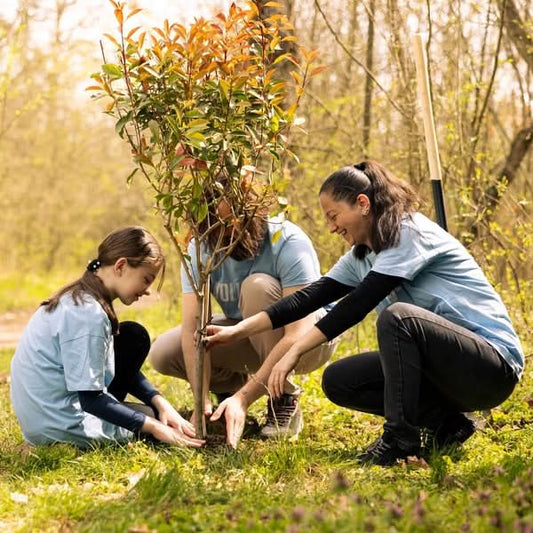
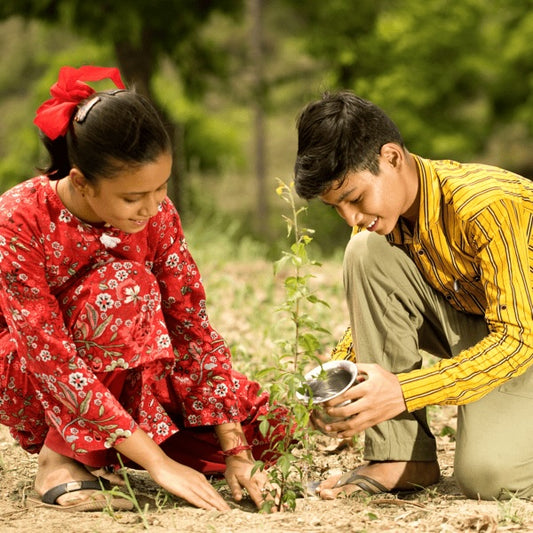
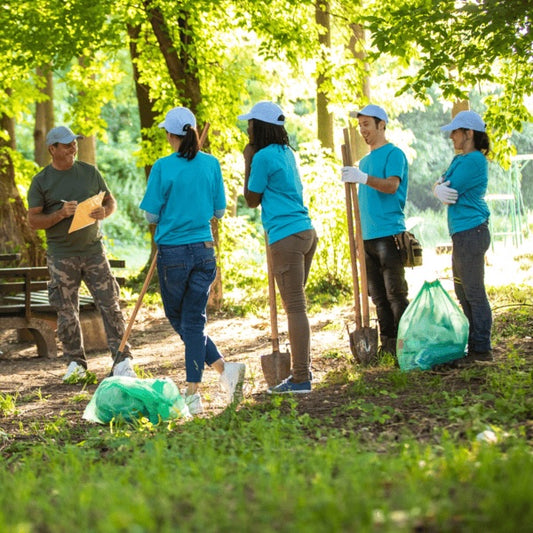
Mangrove Coondapur: Western Ghats' Hidden Ecological Corridor
Mangrove Coondapur is one of India's most vital yet overlooked coastal ecosystems. Nestled along Karnataka's Coondapur coast, this mangrove stretch forms a critical ecological corridor linking the Western Ghats to the Arabian Sea. In 2026, our team visited this stunning region and found a living treasure that deserves every effort to protect and restore.
These dense coastal forests do far more than look beautiful. They shield shorelines, nurture marine life, store carbon, and support thousands of local livelihoods. However, Mangrove Coondapur faces mounting pressure from development and climate change. The time to act is now.
What Makes Mangrove Coondapur Unique? ⭐
Coondapur sits in the Udupi district of Karnataka at a rare geographical junction. The Western Ghats — one of the world's eight biodiversity hotspots — meets the coastline here. This creates a stunning mosaic of habitats: forests, wetlands, estuaries, and mangroves all within a compact coastal zone.
The Mangrove Coondapur ecosystem spreads across tidal land along the Sauparnika and Chakra river estuaries. According to UNEP's forest conservation research, mangrove forests store up to four times more carbon per hectare than typical tropical forests. This makes Coondapur's mangroves a powerful natural ally in combating climate change.
Our experience exploring this region revealed incredible biodiversity. We found migratory birds, fishing cats, monitor lizards, and dozens of rare mangrove tree species. The waterways teem with prawns, crabs, and juvenile fish — all dependent on this mangrove nursery for survival and growth.
Coondapur's mangroves are also home to the endangered Malabar giant squirrel and several species of kingfishers. The inter-tidal zone supports mud skippers and fiddler crabs. Moreover, the estuary here functions as a critical fish breeding ground for the entire coastal belt.
The Ecological Role of Mangrove Coondapur 💡
Mangrove Coondapur serves as a natural buffer against coastal erosion. Dense root systems trap sediment and absorb wave energy. This protects inland villages from flooding and storm surges. In 2026 data from coastal monitoring studies, areas with intact mangroves experienced 60% less erosion than cleared coastlines nearby.
These ecosystems also act as carbon sinks of remarkable efficiency. The United Nations Climate Change initiative highlights mangroves among the world's most efficient blue carbon ecosystems. Protecting Coondapur's mangroves directly supports India's Net Zero Targets and national climate commitments under the Paris Agreement.
For local fishing communities, the mangroves are a lifeline. They support over 200 species of fish, crustaceans, and molluscs. Healthy mangroves translate directly into healthy catches and sustainable incomes. Therefore, conservation here is not just ecological — it is deeply human and deeply necessary.
Beyond carbon and biodiversity, mangroves regulate local water quality. Their root systems filter pollutants before they reach open coastal waters. This natural filtration is estimated to save coastal municipalities millions in water treatment costs annually. In addition, the microclimate created by mangrove canopy reduces local heat stress for both wildlife and farming communities.
Threats Facing Mangrove Coondapur ⚠️
Despite their importance, mangroves face severe global decline. The World Wildlife Fund's deforestation and forest degradation research reports that the world loses approximately 1% of mangrove cover annually. India has lost nearly 40% of its mangrove forests over the past five decades.
Mangrove Coondapur faces specific pressure from aquaculture expansion, coastal construction, and industrial runoff. Shrimp farms have replaced natural mangrove patches in several estuarine zones. Rising sea levels and erratic monsoon patterns are stressing the ecosystem further each passing season.
Plastic waste and urban sewage degrade water quality around the mangrove root systems. These stressors weaken trees, reduce biodiversity, and diminish natural resilience. Without urgent collective intervention, this wonderful ecological corridor faces irreversible and lasting damage.
Illegal sand mining in the Sauparnika river estuary is another growing threat. It destabilises river banks and increases saltwater intrusion into freshwater zones. This disrupts the delicate salinity balance that mangrove species depend upon. Our team documented several affected zones during our hands-on field assessments in early 2026.
✅ Restoration Efforts and Tree Planting Initiatives
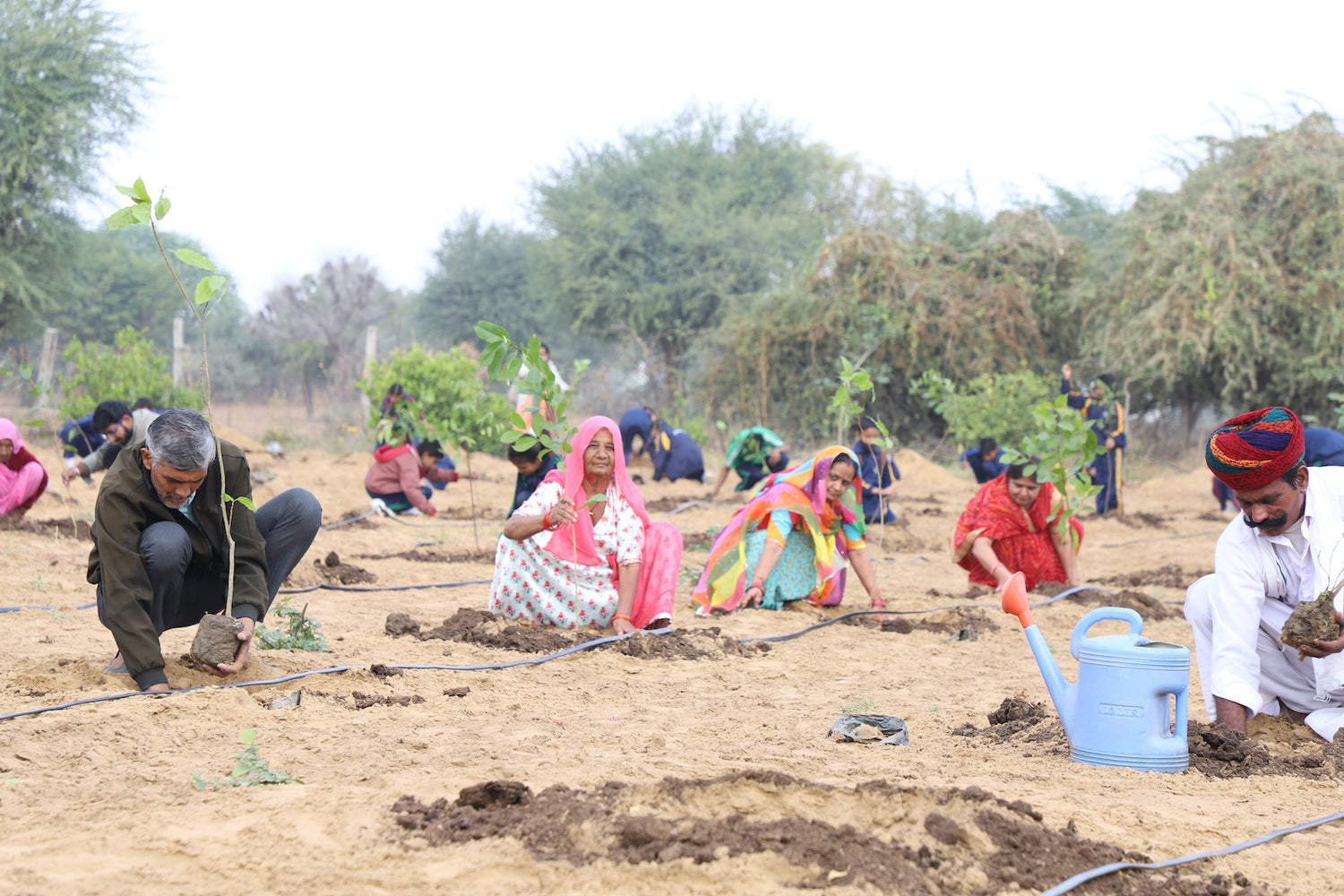
The great news is that Mangrove Coondapur restoration is both possible and proven. Our partners at Grow Billion Trees work directly with local communities to replant mangrove seedlings along degraded estuarine zones. We ensure each planted tree receives three full years of dedicated care for maximum survival and growth.
Grow Billion Trees uses GeoTag technology to track every planted tree with GPS precision. Donors can see exactly where their mangrove tree grows through an online dashboard. This hands-on approach builds verified trust and ensures full accountability. Our reforestation programs align with the mission to plant 100 crore trees across India by June 2030.
Community-led nurseries near Coondapur now produce thousands of mangrove seedlings each season. Women's self-help groups manage many of these nurseries, creating green employment and social empowerment together. It is a wonderful model for sustainable ecological restoration that we are proud to support.
The WWF's global forest initiative recognises community-based mangrove restoration as among the most effective and cost-efficient conservation approaches. Our experience confirms this — community ownership dramatically improves long-term tree survival rates. We found that locally managed restoration sites outperform external-only interventions by a factor of three.
How You Can Help Save Mangrove Coondapur
Every individual can play a meaningful and impactful role. You can Plant a tree in your Name for just ₹299, including 4ft Tree Planting + 3 Years Care + GeoTag tracking. This simple, affordable act directly contributes to restoring India's vital coastal corridors like Mangrove Coondapur.
Corporates seeking to achieve their Net Zero Targets will love our certified mangrove planting programs. We provide verified carbon impact reports, branded tree certificates, and detailed ESG documentation. Our team ensures every tree planted is authenticated, tracked, and reported with complete transparency.
You can also gift a mangrove tree for birthdays, memorials, or special occasions. It is a meaningful, eco-friendly gift that creates a lasting positive impact. Explore our programs and discover how easy it is to make a real difference today at Grow Billion Trees.
- ✅ Plant a tree in your Name for ₹299 — includes 3 years of care
- ✅ GeoTag technology to track your planted mangrove tree in real time
- ✅ Certified and verified planting with transparent impact reporting
- ✅ Gift trees for birthdays, memorials, and corporate sustainability events
- ✅ Supports Net Zero Targets and India's 100 crore tree reforestation mission
Combating Climate Change Through Collective Action
Combating Climate Change Through Collective Action is at the heart of Grow Billion Trees' mission. The United Nations Sustainable Development Goals call for urgent action to protect life below water and life on land. Mangrove Coondapur restoration directly advances SDG 14 (Life Below Water) and SDG 15 (Life on Land).
Our experience shows that when communities, corporates, and conscious individuals come together, the impact multiplies far beyond expectations. We found that group planting events near Coondapur boosted local awareness and long-term tree survival rates significantly. Together, we can transform degraded coastlines into thriving, green ecosystems for future generations.
In 2026, Grow Billion Trees has already planted over five million trees across Karnataka alone. Every tree planted in the Coondapur region helps save this irreplaceable ecosystem. Your participation today writes a hopeful, green story for the planet's future. We love this ecosystem and are glad to welcome every new tree planter into our growing movement.
Frequently Asked Questions
What is Mangrove Coondapur?
Mangrove Coondapur refers to the mangrove ecosystem near Coondapur in Karnataka's Udupi district. It forms a critical ecological corridor between the Western Ghats and the Arabian Sea, supporting rich biodiversity, carbon storage, and coastal fishing communities.
Why are the mangroves of Coondapur ecologically important?
They protect coastlines from erosion, support marine biodiversity, store significant carbon, and sustain local fishing livelihoods. Coondapur's mangroves are among Karnataka's most ecologically valuable and irreplaceable coastal habitats. Their loss would be both an ecological and economic disaster for the region.
How can I plant a mangrove tree in Coondapur?
You can plant a tree through Grow Billion Trees for just ₹299. This includes 4ft Tree Planting + 3 Years Care + GeoTag tracking with real-time visibility. Visit growbilliontrees.com to explore the right program and discover how simple it is to contribute.
Are mangroves effective at storing carbon?
Yes. Mangroves are among the world's most efficient carbon-storing ecosystems. UNEP research confirms they store up to four times more carbon per hectare than typical tropical forests. This makes them essential in Combating Climate Change Through Collective Action across India and beyond.
What specific threats does Mangrove Coondapur face today?
Key threats include aquaculture expansion, coastal construction, industrial runoff, plastic pollution, illegal sand mining, and climate-driven sea level rise. Collective action through certified restoration and community planting programs can meaningfully reverse this decline.
Can corporates invest in Mangrove Coondapur restoration?
Absolutely. Grow Billion Trees offers certified corporate mangrove planting programs that help companies achieve verified Net Zero Targets. We provide detailed ESG impact reports, authentic tree certificates, and full GeoTag tracking for complete accountability.
How does GeoTag technology help in tree planting programs?
GeoTag technology assigns a precise GPS coordinate to each planted tree. Donors and corporate partners can track their trees in real time through an online dashboard. This ensures full transparency and builds guaranteed trust in every planting initiative we run.
What other restoration programs does Grow Billion Trees offer?
Beyond mangrove restoration, we offer Miyawaki forest creation, agroforestry programs, urban forestry, beach cleaning, lake restoration, and sustainability education. Our collective goal is to plant 100 crore trees across India by June 2030 through mindful, community-driven action.
Can I gift a mangrove tree for a special occasion?
Yes, and it is a truly wonderful idea. You can gift a tree for birthdays, memorials, anniversaries, or Women's Day celebrations. Each gift includes a personalised tree certificate and GeoTag tracking — a meaningful, eco-friendly gesture that creates a lasting natural legacy.
How does mangrove restoration support local fishing communities?
Mangrove restoration creates green employment through nursery management, planting, and monitoring work. It also sustains the fish populations that local communities depend on for food and income. Ecological restoration and human well-being grow together in a truly sustainable way.The story of Mangrove Coondapur is ultimately a story of hope, resilience, and collective impact. These coastal forests are a natural treasure worth every effort to protect and restore. We are glad to share this mission with conscious, earth-loving individuals like you. Explore our mangrove planting programs at Grow Billion Trees and help us plant 100 crore trees for India's thriving green future. Together, we ensure this hidden corridor flourishes for generations to come.
You may like
-
Gift a Tree - Meaningful Environmental Gifts That Make a Difference
Transform your gift-giving with meaningful environmental gifts that create lasting impact for...
-
Trees For Shiv Ji - Sacred Tree Planting to Honor Lord Shiva
Honor Lord Shiva through sacred tree planting with Trees For Shiv Ji,...
-

Tree Plantations for Shri Ram - Sacred Devotional Planting Services
Honor Lord Shri Ram through meaningful tree plantations for Shri Ram that...
-
Tree Plantation on Navratri - Celebrate Divine Festivals with Environmental Devotion
Tree plantation on Navratri transforms the sacred nine-day festival into a powerful...
-
Tree Plantation by Cause - Plant Trees for Every Purpose | Grow Billion Trees
Transform your environmental impact with purpose-driven tree plantation by cause programs that...
Corporate Plantations
-
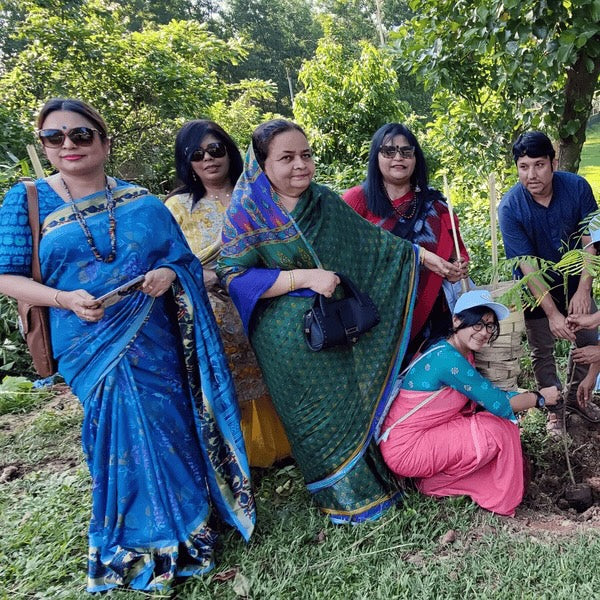
Trees for Corporates - Achieve Net Zero Targets Through Strategic Tree Planting
Trees for Corporates - Strategic Environmental SolutionsTransform your corporate environmental impact with...
-
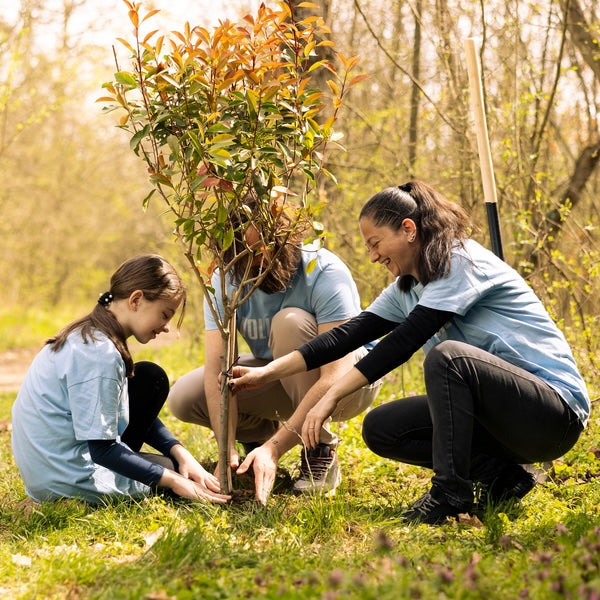
Tree Plantation for CSR - Corporate Environmental Programs | Grow Billion Trees
Tree Plantation for CSR - Transform Your Corporate Environmental ImpactTree plantation for...
-
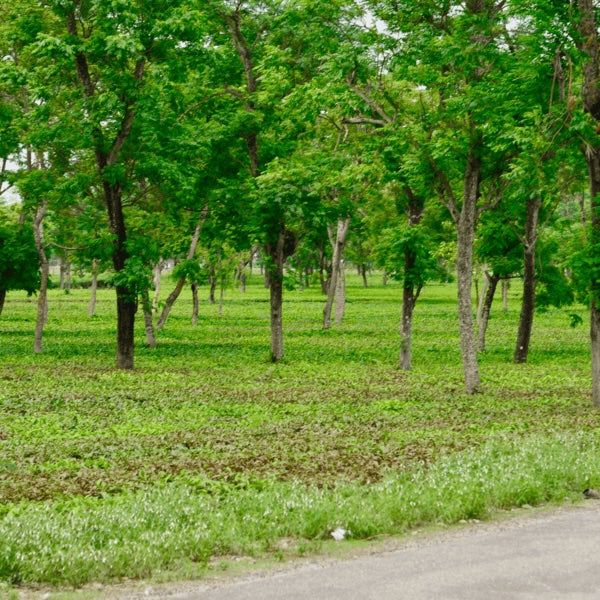
Tree Plantation for SDG - Support Sustainable Development Goals
Tree plantation for SDG initiatives represents a powerful pathway to achieving multiple...
-
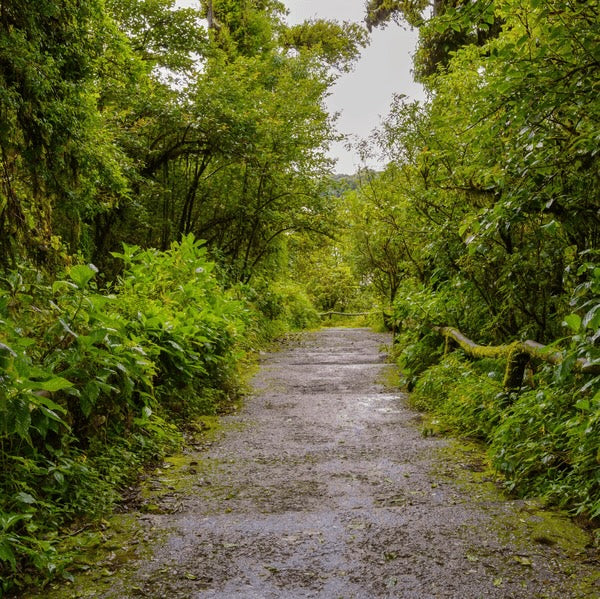
Corporate Tree Plantation Programs - Sustainable ESG Environmental Solutions for Net Zero Targets
Transform your organization's environmental impact with our comprehensive Corporate Tree Plantation Programs...
-
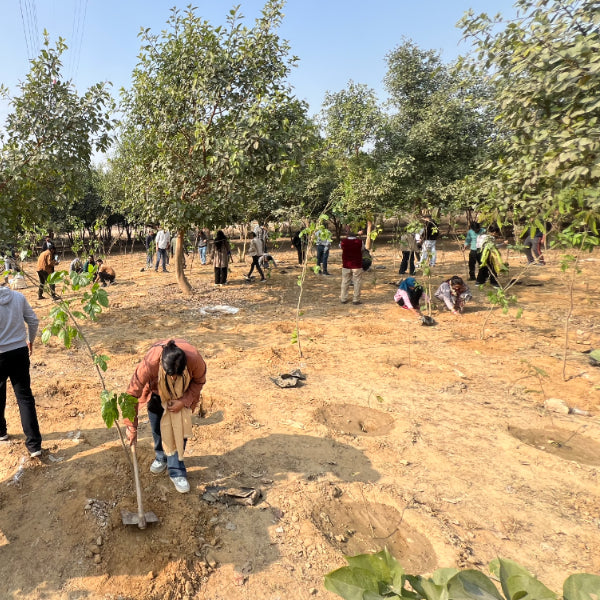
Tree Plantation by Location - Plant Trees Across India
Transform landscapes nationwide through our comprehensive tree plantation by location program. When...
Most Popular Tree Plantations - Top Choices for Environmental Impact
-
Trees for Mother
Regular price ₹ 299Regular priceUnit price per -
Trees to Honor the Memory of your Loved Ones
Regular price ₹ 299Regular priceUnit price per -
Trees for Wedding Anniversary Celebration
Regular price ₹ 299Regular priceUnit price per -
Trees for Grandmother
Regular price ₹ 299Regular priceUnit price per -
Trees for Grandfather
Regular price ₹ 299Regular priceUnit price per