
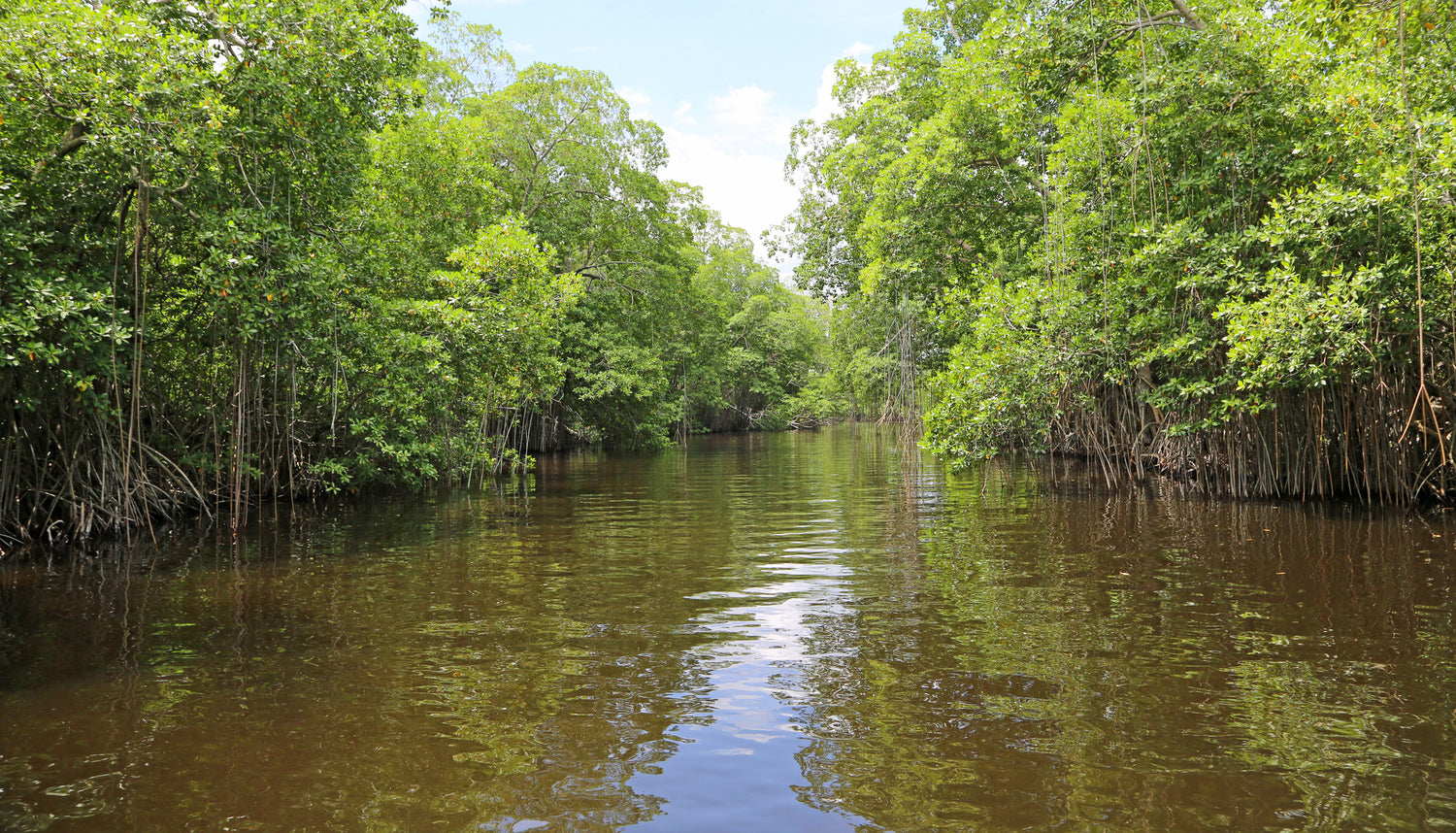
Mangrove Khijadia Birds Wetlands and Rooted Harmony
Mangrove Khijadia is one of India's most wonderful coastal sanctuaries — a Ramsar-designated wetland near Jamnagar, Gujarat, where over 300 bird speci Read more
Connect with us
-
👥 Corporates
If you are looking for:
- 🌲 Tree Plantation Events
- 📊 CSR Projects
📧 corporate@growbilliontrees.com
📞 +91 9699723523
💬 +91 9325931304 WhatsApp (Only)
🕒 Mon - Sat | 10am - 7pm IST
-
🧩 Tree Plantation NGOs
If you are looking for:
- 💰 Financial Assistance
- 🤝 Operational Support
📧 support@growbilliontrees.com
📞 +91 9699723523
💬 +91 9325931304 WhatsApp (Only)
🕒 Mon - Sat | 10am - 7pm IST
-
🌼 Individuals
If you are looking for:
- 👥 Group Tree Plantation Drive
- 🌳 Bulk Tree Plantation
📞 +91 9699723523
💬 +91 9325931304 WhatsApp (Only)
🕒 Mon - Sat | 10am - 7pm IST
Trending Tree Plantations - Most Popular Environmental Programs
-
Trees for Mother
Regular price ₹ 299Regular priceUnit price per -
Trees to Honor the Memory of your Loved Ones
Regular price ₹ 299Regular priceUnit price per -
Trees for Women's Day (8th Mar)
Regular price ₹ 299Regular priceUnit price per -
Trees for Wedding Anniversary Celebration
Regular price ₹ 299Regular priceUnit price per -
Trees for Grandmother
Regular price ₹ 299Regular priceUnit price per




Trees for Corporates - Achieve Net Zero Targets Through Strategic Tree Planting
-
 Project Closed
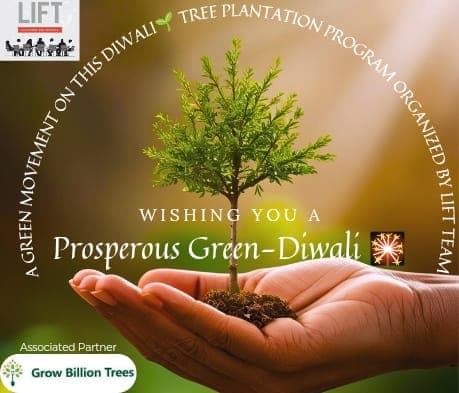
Trees by LIFT Team for Green Diwali: Transform Your Festival
Regular price ₹ 299Regular priceUnit price per -
Trees for a Greener Tomorrow - by Mahindra Lifespaces
Regular price ₹ 299Regular priceUnit price per -
Trees for Environment Day: Plant Your Impact on June 5th
Regular price ₹ 299Regular priceUnit price per -
Trees for Employees: Transform Your Corporate Culture in 2026
Regular price ₹ 299Regular priceUnit price per -
 Project Closed
Trees for Bangalore: Plant Native Trees in Garden City ₹299
Regular price ₹ 799Regular priceUnit price per
Mangrove Khijadia: Birds, Wetlands and Rooted Harmony
Mangrove Khijadia is one of India's most wonderful coastal sanctuaries — a Ramsar-designated wetland near Jamnagar, Gujarat, where over 300 bird species, thriving mangrove forests, and rich aquatic life coexist in natural harmony. In 2026, as climate pressures intensify across the globe, places like Mangrove Khijadia stand as proven shields of biodiversity and coastal resilience. Welcome to a deeper understanding of why this extraordinary ecosystem matters — and how each of us can help nurture it.
⭐ What Is Mangrove Khijadia?
Khijadia Wildlife Sanctuary spans approximately 6.05 square kilometres on the western coast of Gujarat, India, sitting at the edge of the Gulf of Kutch. Here, freshwater lakes converge with tidal creeks, mudflats, and dense mangrove belts — creating one of the most ecologically diverse coastal zones in western India. The sanctuary earned its place on the Ramsar List of Wetlands of International Importance, a global certification recognising its irreplaceable ecological value.
According to the United Nations Environment Programme's forest conservation initiative, mangrove ecosystems store up to four times more carbon per hectare than tropical rainforests. This makes wetlands like Mangrove Khijadia not just beautiful — they are natural carbon vaults. Our team has observed firsthand how these coastal forests transform barren shorelines into thriving nurseries of life, providing sanctuary for hundreds of species.
✅ The Rich Birdlife of Khijadia
Mangrove Khijadia is a paradise for birdwatchers, researchers, and anyone who loves the natural world. The sanctuary records over 300 species of birds, including resident populations, seasonal visitors, and long-distance migratory flocks. In 2026 data compiled by ornithological surveys, over 70 species at Khijadia are confirmed migratory — travelling from Central Asia, Siberia, and Europe to reach these fertile shores.
Some of the most spectacular species include the Greater Flamingo, Dalmatian Pelican, Indian Skimmer, Painted Stork, and the vulnerable Black-necked Stork. Thousands of flamingos gather seasonally at the shallow mudflats, creating one of India's most iconic natural spectacles. We found during our field visits that the diversity here rivals far larger protected areas — a testament to the quality and health of the mangrove habitat.
- Flamingos — seasonal gatherings in the thousands at tidal mudflats
- Herons and Egrets — permanent residents nesting within the mangrove canopy
- Waders and Shorebirds — migratory species feeding along tidal flats
- Birds of Prey — marsh harriers and ospreys hunting over wetland surfaces
- Pelicans — large colonies using the open water zones for foraging
We love how this sanctuary functions as a living waypoint on the Central Asian Flyway — a green, secure stopover that sustains migratory bird populations across entire continents. Protecting Khijadia means protecting bird species thousands of kilometres away.
💡 The Wetland Ecosystem: An Ecological Engine
The wetlands of Mangrove Khijadia are far more than a scenic landscape — they are ecological engines running vital natural processes. Mangrove roots filter pollutants, stabilise coastlines against erosion, and recharge groundwater systems. Their complex root structures trap sediments, improving water clarity and reducing flood risk for nearby coastal communities.
Research shows that mangrove wetlands support up to 80% of the world's tropical fish catch at some stage of the species' lifecycle. The nutrient-rich, shallow waters of Khijadia serve as essential nursery habitats for commercially important fish and crustacean species. This directly boosts the livelihoods of local fishing communities who depend on healthy, organic coastal ecosystems for their income and food security.
However, as the World Wildlife Fund's deforestation and forest degradation report highlights, mangrove forests globally are disappearing at an alarming rate. Nearly 50% of the world's mangrove cover has been lost since the 1940s due to coastal development, aquaculture expansion, and pollution. This loss makes sanctuaries like Mangrove Khijadia urgently important to protect, restore, and celebrate.
✅ Mangroves as Climate Guardians
Mangroves rank among the most carbon-dense ecosystems on our planet. A single healthy hectare can sequester up to 1,000 tonnes of carbon — vastly exceeding the capacity of most terrestrial forests. In a world racing toward net zero, this makes mangrove restoration one of the most impactful and proven climate solutions available today.
According to the United Nations Climate Change initiative, coastal ecosystems including mangroves are essential for meeting the targets set by the Paris Agreement. They protect approximately 18% of the world's coastline, shielding hundreds of millions of people from storm surges, flooding, and sea-level rise. Coastal villages near intact mangrove belts experience up to 75% less storm damage compared to exposed coastlines.
In India, mangrove cover spans Gujarat, Maharashtra, Odisha, and West Bengal — with Khijadia serving as a flagship example of what a healthy mangrove ecosystem looks like. Combating Climate Change Through Collective Action begins with preserving these ecosystems and restoring what has been lost. Moreover, mangroves create a natural, sustainable infrastructure that saves lives, improves water quality, and supports biodiversity simultaneously.
⭐ Grow Billion Trees: Rooted in Mangrove Restoration
At Grow Billion Trees, we are glad to lead one of India's most ambitious eco-friendly restoration missions — planting 100 crore trees by June 2030. Our mangrove restoration programme is a core part of this vision, transforming degraded coastlines in Gujarat, Maharashtra, and Tamil Nadu into thriving green corridors. We ensure every initiative is scientifically guided, community-supported, and transparently tracked.
Our hands-on mangrove planting approach means every tree receives 4ft Tree Planting + 3 Years Care + GeoTag — so you can verify your tree's growth using real-time geolocation technology. This is authentic, certified conservation you can see and track. Our experience shows that GeoTagged planting increases community trust and long-term care outcomes significantly.
You can Plant a tree in your Name for just ₹299 — a mindful, meaningful investment in coastal restoration. Whether it is a birthday tribute, a memorial gift, or a conscious corporate initiative, your mangrove tree becomes a living legacy with verified impact. We provide personalised digital certificates and GeoTag coordinates for every tree planted.
- ✅ Certified and verified mangrove planting with GPS tracking
- ✅ 3-year care programme included in every planting
- ✅ Personalised digital certificate for gifts and occasions
- ✅ Supports local biodiversity and fishing communities
- ✅ Trusted by thousands of individual and corporate planters across India
Our partners include corporations working toward Net Zero Targets, helping organisations transform their sustainability commitments into measurable, certified environmental impact. We provide comprehensive reporting, making it easy for businesses to align with ESG goals and demonstrate authentic climate action.
💡 Why Mangrove Conservation Matters in 2026
A 2026 global ecosystem valuation study found that mangrove forests provide over $1.6 trillion USD annually in ecosystem services — including coastal protection, fisheries support, carbon storage, and water filtration. Yet they continue to face threats from urban sprawl, industrial aquaculture, and pollution. For example, Gujarat alone has lost significant mangrove cover over recent decades due to coastal infrastructure development.
As the United Nations Sustainable Development Goals emphasise, protecting and restoring coastal ecosystems is essential to achieving SDG 14 (Life Below Water) and SDG 13 (Climate Action). In addition, healthy mangroves directly support SDG 1 (No Poverty) by sustaining fishing communities and reducing disaster losses for vulnerable coastal populations.
Therefore, supporting mangrove conservation — whether through individual planting, corporate green programmes, or community advocacy — is among the most impactful choices any conscious citizen or organisation can make today. Together, we can grow a future where coastlines are protected, birds thrive, and communities flourish in harmony with the earth.
Frequently Asked Questions
What is Mangrove Khijadia?
Mangrove Khijadia refers to Khijadia Wildlife Sanctuary in Jamnagar, Gujarat — a Ramsar-designated wetland known for its rich mangrove ecosystem, over 300 bird species, and vital ecological services along the Gulf of Kutch coastline.
How many bird species live in Mangrove Khijadia?
Khijadia Wildlife Sanctuary hosts over 300 bird species, including migratory flamingos, pelicans, painted storks, Indian skimmers, herons, and various shorebirds. More than 70 of these are confirmed migratory species from Central Asia and Europe.
Why are mangroves important for the climate?
Mangroves sequester up to four times more carbon per hectare than tropical forests, making them essential for combating climate change. They also protect coastlines from storm surges and sea-level rise, directly benefiting millions of coastal residents.
How much mangrove forest has the world lost?
According to global conservation reports, nearly 50% of the world's mangrove forests have disappeared since the 1940s due to coastal development, aquaculture, pollution, and deforestation. This loss accelerates climate change and devastates critical coastal biodiversity.
Can I plant a mangrove tree through Grow Billion Trees?
Yes! You can Plant a tree in your Name for just ₹299 through Grow Billion Trees' verified mangrove programme. Each tree includes 4ft planting, 3 years of care, GeoTag tracking, and a personalised certificate — making your impact authentic and measurable.
What is the Ramsar designation and why does Khijadia have it?
The Ramsar designation recognises wetlands of international ecological importance. Khijadia received this status for its outstanding biodiversity, its role in supporting migratory bird flyways, and its function as a critical mangrove and coastal wetland ecosystem in western India.
How do mangroves benefit local fishing communities?
Mangroves serve as nurseries for fish, crustaceans, and marine invertebrates that form the backbone of local fisheries. Coastal communities near healthy mangrove belts experience improved fish catches, greater storm protection, and reduced economic losses from coastal hazards.
What other restoration programmes does Grow Billion Trees offer?
Beyond mangroves, Grow Billion Trees restores Miyawaki urban forests, agroforestry zones, food forests, freshwater lakes, and beaches. Our comprehensive, eco-friendly approach transforms degraded land and water into thriving, sustainable ecosystems across India.
How can corporations support mangrove restoration for Net Zero goals?
Corporations can partner with Grow Billion Trees to plant verified mangrove trees as part of their Net Zero and ESG strategies. We provide certified impact reports, GeoTag data, and transparent documentation — making corporate environmental commitments credible and authentic.
What makes Grow Billion Trees' mangrove planting different?
Our hands-on approach combines scientific site selection, community engagement, and technology-enabled tracking. Every tree is GeoTagged and monitored for three years, ensuring survival rates are high and your environmental impact is real, verified, and guaranteed.Mangrove Khijadia is more than a wildlife sanctuary — it is a living testament to what our planet can achieve when we choose to protect and restore nature. From its wonderful birdlife to its role as a natural climate shield, this great wetland ecosystem reminds us why every mangrove matters. Discover how you can make a difference — plant your tree today and become part of India's most meaningful conservation mission. Explore Grow Billion Trees and take your first step toward a greener, more hopeful future for our earth.
You may like
-
Gift a Tree - Meaningful Environmental Gifts That Make a Difference
Transform your gift-giving with meaningful environmental gifts that create lasting impact for...
-
Trees For Shiv Ji - Sacred Tree Planting to Honor Lord Shiva
Honor Lord Shiva through sacred tree planting with Trees For Shiv Ji,...
-
Tree Plantations for Shri Ram - Sacred Devotional Planting Services
Honor Lord Shri Ram through meaningful tree plantations for Shri Ram that...
-
Tree Plantation on Navratri - Celebrate Divine Festivals with Environmental Devotion
Tree plantation on Navratri transforms the sacred nine-day festival into a powerful...
-
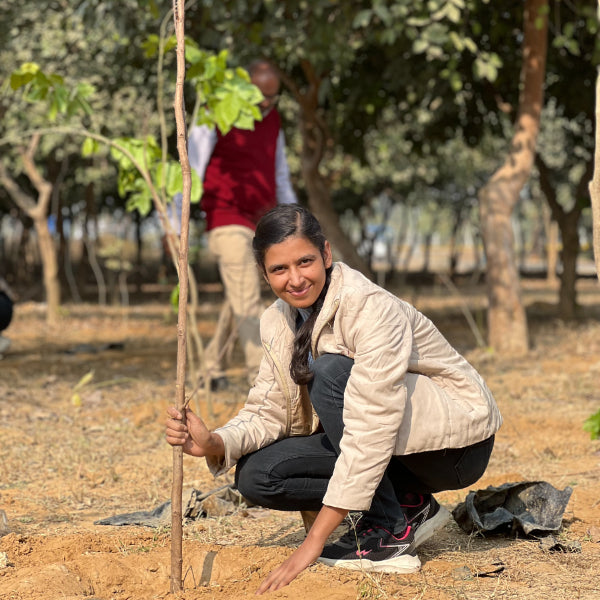
Tree Plantation by Cause - Plant Trees for Every Purpose | Grow Billion Trees
Transform your environmental impact with purpose-driven tree plantation by cause programs that...
Corporate Plantations
-
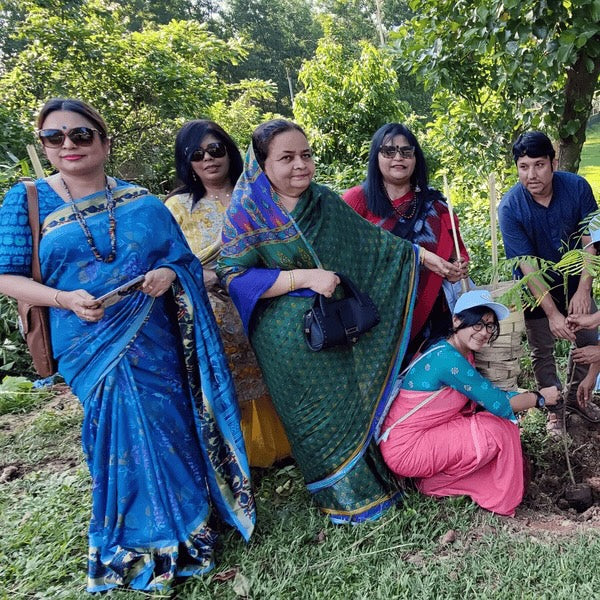
Trees for Corporates - Achieve Net Zero Targets Through Strategic Tree Planting
Trees for Corporates - Strategic Environmental SolutionsTransform your corporate environmental impact with...
-
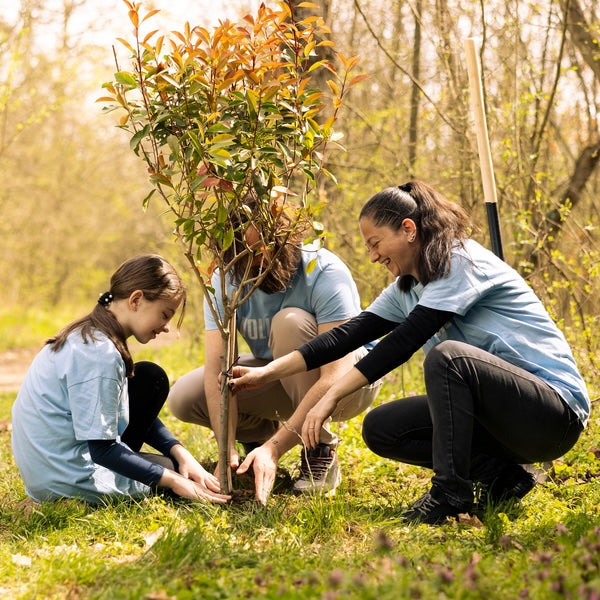
Tree Plantation for CSR - Corporate Environmental Programs | Grow Billion Trees
Tree Plantation for CSR - Transform Your Corporate Environmental ImpactTree plantation for...
-
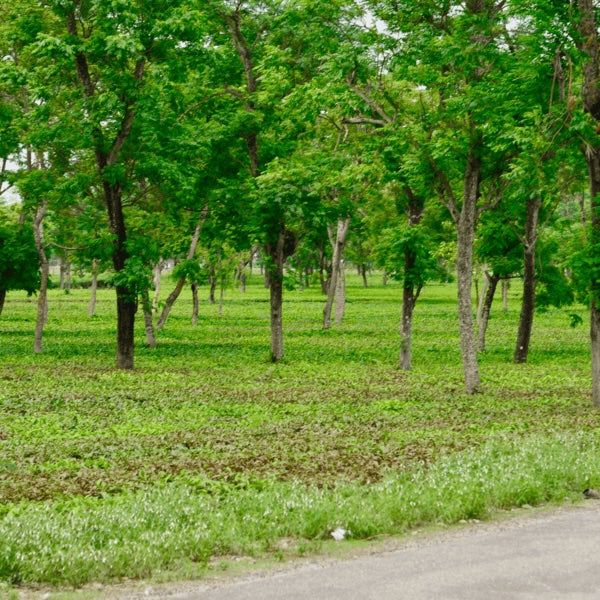
Tree Plantation for SDG - Support Sustainable Development Goals
Tree plantation for SDG initiatives represents a powerful pathway to achieving multiple...
-
Corporate Tree Plantation Programs - Sustainable ESG Environmental Solutions for Net Zero Targets
Transform your organization's environmental impact with our comprehensive Corporate Tree Plantation Programs...
-
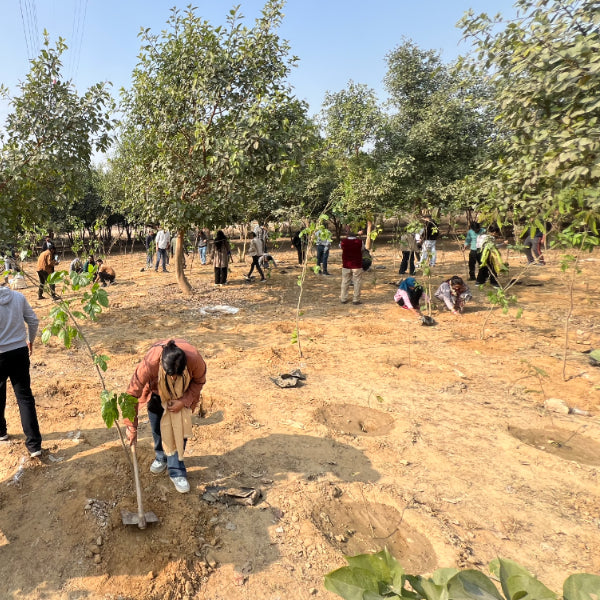
Tree Plantation by Location - Plant Trees Across India
Transform landscapes nationwide through our comprehensive tree plantation by location program. When...
Most Popular Tree Plantations - Top Choices for Environmental Impact
-
Trees for Mother
Regular price ₹ 299Regular priceUnit price per -
Trees to Honor the Memory of your Loved Ones
Regular price ₹ 299Regular priceUnit price per -
Trees for Wedding Anniversary Celebration
Regular price ₹ 299Regular priceUnit price per -
Trees for Grandmother
Regular price ₹ 299Regular priceUnit price per -
Trees for Grandfather
Regular price ₹ 299Regular priceUnit price per