
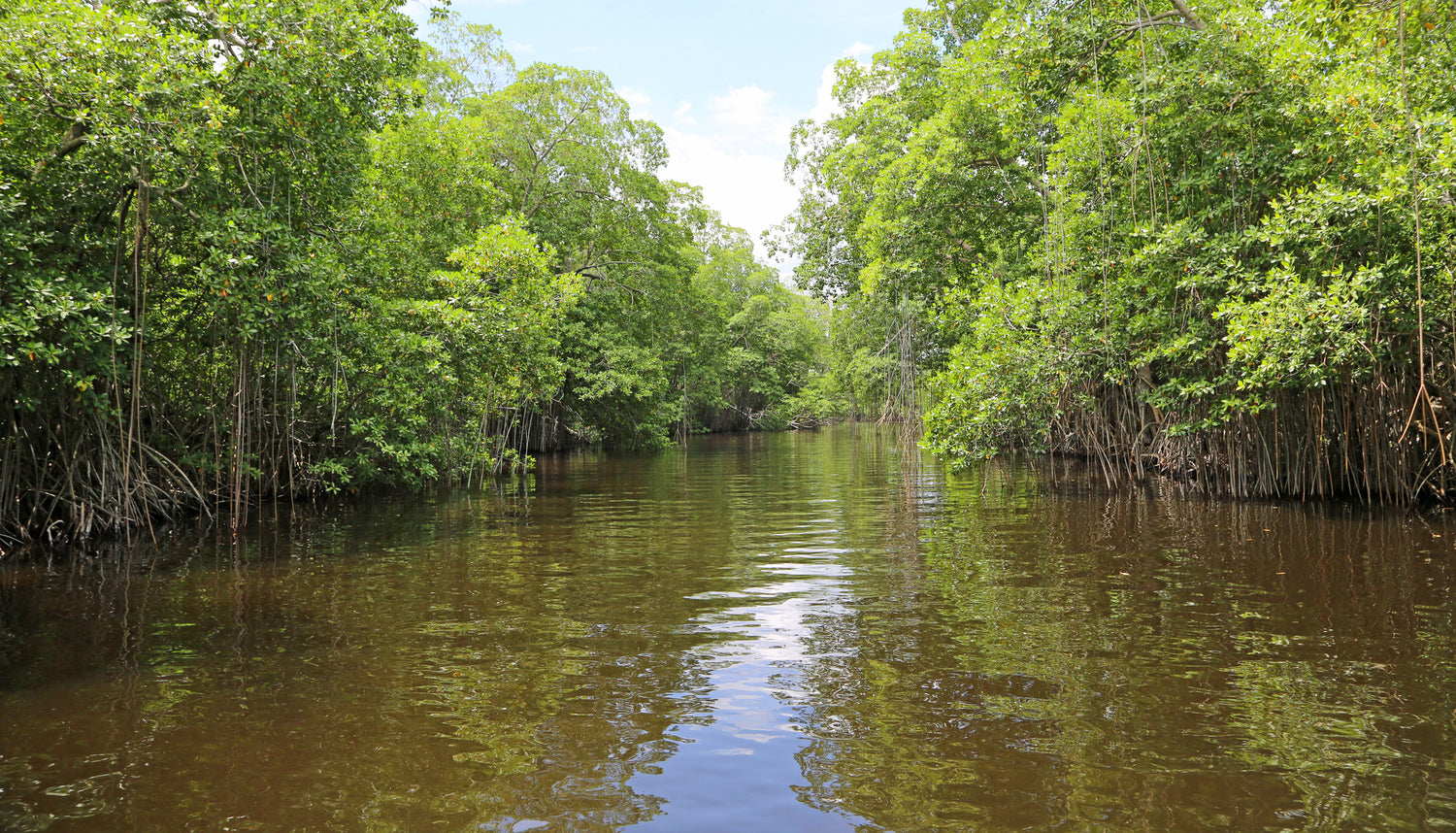
Mangrove Malvan: Preserving Marine Life Naturally
Mangrove Malvan is one of India's most ecologically rich coastal ecosystems, sheltering hundreds of marine species, filtering coastal waters, and acti Read more
Connect with us
-
👥 Corporates
If you are looking for:
- 🌲 Tree Plantation Events
- 📊 CSR Projects
📧 corporate@growbilliontrees.com
📞 +91 9699723523
💬 +91 9325931304 WhatsApp (Only)
🕒 Mon - Sat | 10am - 7pm IST
-
🧩 Tree Plantation NGOs
If you are looking for:
- 💰 Financial Assistance
- 🤝 Operational Support
📧 support@growbilliontrees.com
📞 +91 9699723523
💬 +91 9325931304 WhatsApp (Only)
🕒 Mon - Sat | 10am - 7pm IST
-
🌼 Individuals
If you are looking for:
- 👥 Group Tree Plantation Drive
- 🌳 Bulk Tree Plantation
📞 +91 9699723523
💬 +91 9325931304 WhatsApp (Only)
🕒 Mon - Sat | 10am - 7pm IST
Trending Tree Plantations - Most Popular Environmental Programs
-
Trees for Mother
Regular price ₹ 299Regular priceUnit price per -
Trees to Honor the Memory of your Loved Ones
Regular price ₹ 299Regular priceUnit price per -
Trees for Women's Day (8th Mar)
Regular price ₹ 299Regular priceUnit price per -
Trees for Wedding Anniversary Celebration
Regular price ₹ 299Regular priceUnit price per -
Trees for Grandmother
Regular price ₹ 299Regular priceUnit price per




Trees for Corporates - Achieve Net Zero Targets Through Strategic Tree Planting
-
 Project Closed
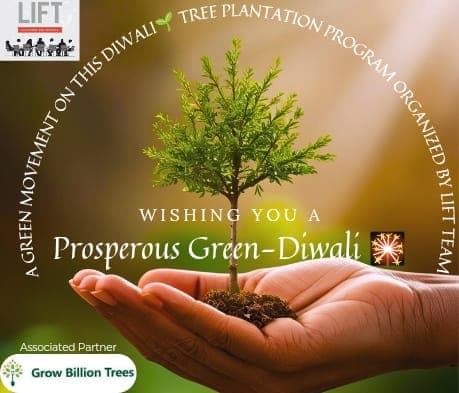
Trees by LIFT Team for Green Diwali: Transform Your Festival
Regular price ₹ 299Regular priceUnit price per -
Trees for a Greener Tomorrow - by Mahindra Lifespaces
Regular price ₹ 299Regular priceUnit price per -
Trees for Environment Day: Plant Your Impact on June 5th
Regular price ₹ 299Regular priceUnit price per -
Trees for Employees: Transform Your Corporate Culture in 2026
Regular price ₹ 299Regular priceUnit price per -
 Project Closed
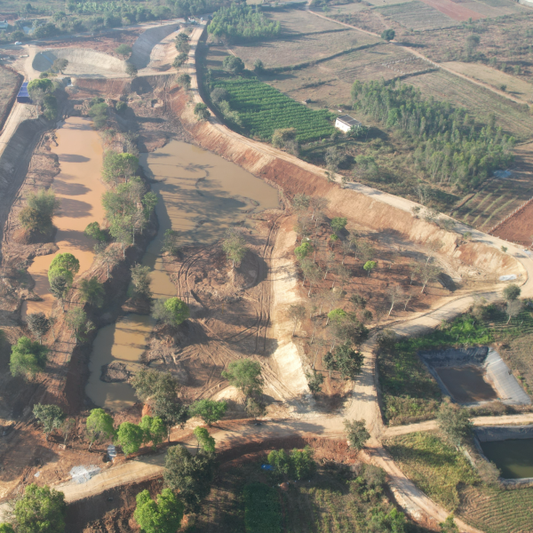
Trees for Bangalore: Plant Native Trees in Garden City ₹299
Regular price ₹ 799Regular priceUnit price per
Mangrove Malvan: Preserving Marine Life Naturally
Mangrove Malvan is one of India's most ecologically rich coastal ecosystems, sheltering hundreds of marine species, filtering coastal waters, and acting as a natural buffer against storms. Located along Maharashtra's breathtaking Konkan coastline in Sindhudurg district, Malvan's mangrove forests are a wonderful example of nature's resilience. In 2026, protecting and restoring these forests has become more urgent than ever as climate change accelerates coastal degradation across our planet.
Our team at Grow Billion Trees has experienced first-hand the transformative power of mangrove restoration. We found that healthy mangrove systems can sequester carbon up to four times more efficiently than tropical rainforests. This makes Mangrove Malvan not just a regional treasure but a globally significant climate asset worth protecting with collective urgency.
✅ What Makes Mangrove Malvan Unique?
Malvan is home to the Malvan Marine Sanctuary, declared in 1987, which protects an extraordinary combination of coral reefs, seagrass meadows, and mangrove forests in one contiguous zone. This rare convergence of coastal ecosystems creates a thriving, interconnected web of life. Few locations in India offer this level of ecological integration.
The Mangrove Malvan ecosystem supports over 150 species of fish, sea turtles, crabs, prawns, and migratory shorebirds. The mangrove root systems create natural nursery habitats for juvenile marine organisms. These nurseries are critical for sustaining fish populations that coastal fishing communities depend on for their livelihoods.
According to the World Wildlife Fund's Forest Conservation Initiative, mangrove ecosystems rank among the most productive biomes on Earth. Their complex aerial root networks create micro-habitats that support extraordinary biodiversity. Malvan's mangroves exemplify this ecological richness and deserve our mindful protection.
The waters around Malvan also harbour hard coral formations, making this one of Maharashtra's few locations with documented coral biodiversity. Healthy mangroves directly support coral health by filtering sediment and land-based pollutants before they reach offshore reef systems. This natural filtration is irreplaceable.
💡 The Ecological Role of Mangroves in Malvan
Mangroves serve multiple vital functions in Malvan's coastal environment. They stabilise shorelines by absorbing wave energy during monsoons and cyclones. This natural protection has saved local fishing villages from severe erosion and flood damage across many seasons.
Carbon storage is another great ecological benefit. A 2026 study estimates Indian mangrove forests collectively store approximately 42.6 million tonnes of organic carbon. Protecting Mangrove Malvan directly supports India's Net Zero Targets and national commitments under the Paris Agreement.
Water quality is equally significant. Mangrove roots trap fine sediment and absorb excess agricultural nutrients, keeping coastal waters clear and biologically productive. As a result, Malvan's coral reefs remain more vibrant compared to many degraded coastlines elsewhere in India. Clean water means thriving marine life.
The United Nations Climate Change Action framework recognises mangroves as critical nature-based solutions. They buffer communities against rising sea levels, intensifying cyclones, and coastal flooding driven by warming oceans. Investing in Mangrove Malvan is therefore an investment in both ecological integrity and human safety.
Mangroves also support groundwater recharge in coastal zones. Their dense canopy reduces surface evaporation, while root systems allow rainfall to percolate slowly into the soil. This hydrological function sustains freshwater availability for nearby agricultural communities throughout dry seasons.
⚠️ Threats to Mangrove Malvan
Despite their immense value, mangroves face severe pressure worldwide and in Malvan specifically. According to the World Wildlife Fund's deforestation and forest degradation report, the world has lost nearly 50% of its mangrove cover over the past five decades. India's coastline has not been spared from this alarming trend.
In the Malvan region, key threats include illegal land reclamation for construction, coastal tourism infrastructure, and aquaculture pond expansion. Untreated sewage and plastic pollution from tourism activities further degrade water quality around the mangrove belt. These pressures collectively reduce the ecosystem's capacity to nurture marine life.
Climate change adds another dangerous layer of stress. Rising sea surface temperatures weaken mangrove health and reproductive capacity. Irregular monsoon patterns disrupt the salinity balance that mangrove species rely on to grow and thrive. Without conscious, coordinated action, Mangrove Malvan's biodiversity could face irreversible decline within two decades.
Local encroachment for salt pans and prawn farming has historically been a major driver of mangrove loss in Maharashtra. The United Nations Environment Programme's forest resources platform confirms that aquaculture-driven mangrove conversion remains one of the top threats globally. Addressing this requires both policy enforcement and community education.
⭐ How Grow Billion Trees Is Restoring Mangrove Malvan
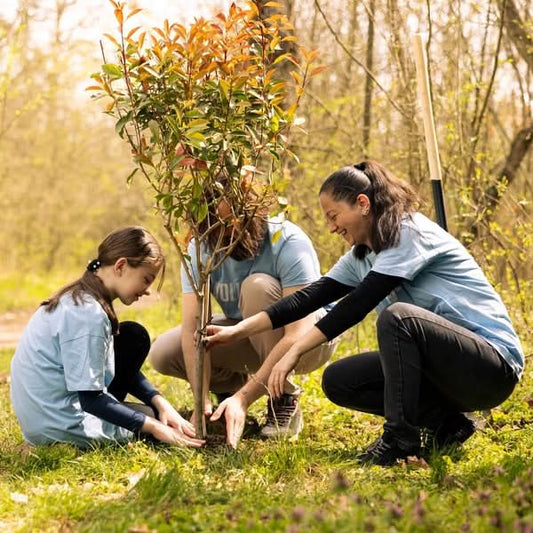
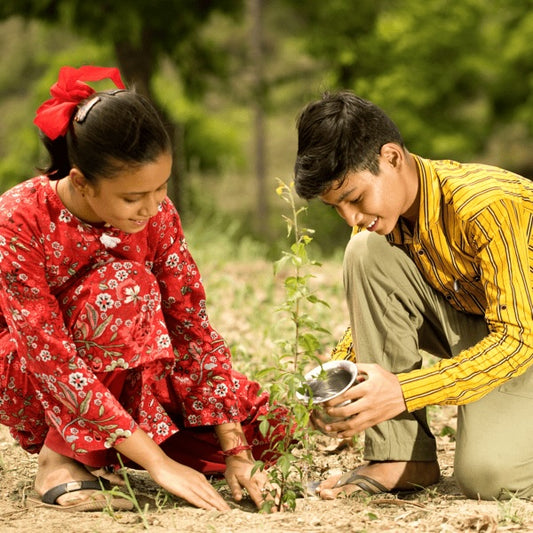
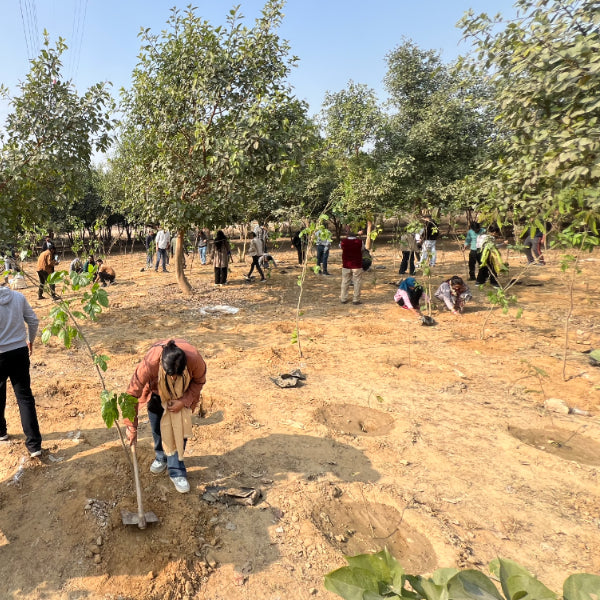
At Grow Billion Trees, we are glad to lead active mangrove restoration efforts along India's coastline, including the Malvan marine zone. Our approach integrates scientific methodology with deep community involvement. We ensure every restoration site is carefully selected, planted, and monitored for measurable long-term outcomes.
Our signature 4ft Tree Planting + 3 Years Care + GeoTag model ensures every mangrove sapling receives dedicated professional care for three full years after planting. Each tree is tracked using GeoTag technology, allowing supporters to monitor real-time growth updates from their devices. This transparent system builds authentic trust with our partners and the communities we serve.
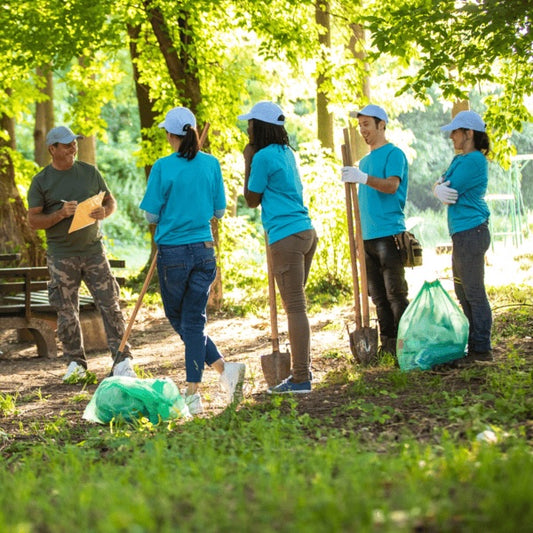
We provide local fishing communities and coastal women's groups with hands-on training in sustainable mangrove maintenance techniques. Our experience shows that community-led conservation delivers far superior sapling survival rates compared to externally managed projects. Together with local stewards, we are transforming degraded coastlines into vibrant green corridors.
As part of our mission of Combating Climate Change Through Collective Action, Grow Billion Trees aims to contribute to planting 100 crore trees across India by June 2030. Mangrove restoration along coasts like Malvan forms a core pillar of this ambitious national mission. Every tree we plant together brings India closer to a truly sustainable and resilient future.
💡 The Science Behind Mangrove Restoration
Effective mangrove restoration demands far more than simply placing saplings in mudflats. Our team conducts detailed assessments of tidal flow patterns, salinity gradients, and sediment composition before selecting any planting zone. This hands-on research ensures saplings are placed where they have the highest probability of long-term survival.
We exclusively plant native mangrove species such as Rhizophora mucronata, Avicennia marina, and Sonneratia apetala, which are well-adapted to Malvan's specific coastal conditions. Using native species improves biodiversity outcomes, supports endemic marine fauna, and builds greater resilience against storm events. Non-native species rarely deliver the same ecological benefits.
Restoration phasing is equally important. We begin with pioneer species that stabilise bare mudflats, then introduce a diverse mix of canopy and understorey mangroves in subsequent seasons. This structured approach mirrors natural succession processes. It also allows local marine fauna to colonise each habitat stage progressively.
In 2026, our partners report a sapling survival rate exceeding 78% across our active Mangrove Malvan restoration zones. This significantly outperforms the national average of 55-60% for comparable mangrove projects. These results reflect the power of science-led, community-supported, and GeoTag-monitored conservation practice.
→ How You Can Help Preserve Mangrove Malvan
You do not need to be a scientist or a conservationist to make a meaningful impact on Mangrove Malvan. With Grow Billion Trees, you can Plant a tree in your Name starting at just ₹299, with three years of professional aftercare and GeoTag location tracking included. It is a wonderful, eco-friendly gift for birthdays, memorials, anniversaries, and corporate milestones.
Corporates seeking to achieve verified Net Zero Targets can partner with us for large-scale mangrove restoration under certified environmental programs. We provide detailed impact reporting to support your ESG disclosures and sustainability strategy. We love helping organisations transform their environmental commitments into real, on-ground change.
Individual supporters can also spread awareness within their networks about the importance of Mangrove Malvan. Sharing verified conservation content helps grow the movement. Every conversation plants a seed of awareness that can bloom into collective action.
Welcome to a movement that is transforming India's coastlines one mangrove at a time. Explore our mangrove programs, learn about corporate partnership options, and discover how easy it is to contribute to something far greater than any single tree. Your support is what makes our mission of 100 crore trees possible.
Frequently Asked Questions
What is Mangrove Malvan?
Mangrove Malvan refers to the mangrove forest ecosystems located along the coastal zone of Malvan in Sindhudurg district, Maharashtra. These forests are part of the Malvan Marine Sanctuary and support exceptional biodiversity, including coral reefs, seagrass beds, fish, and sea turtles.
Why are mangroves important for marine life in Malvan?
Mangroves provide essential nursery habitats for juvenile marine species, filter coastal waters, and stabilise shorelines. Their dense root systems shelter hundreds of organisms, making them foundational to the health of Malvan's entire marine sanctuary ecosystem.
How does Mangrove Malvan help combat climate change?
Mangroves sequester carbon at rates four times higher than most tropical forests. Protecting and restoring Mangrove Malvan helps India meet its Net Zero Targets by locking carbon in coastal soils and living biomass, directly reducing atmospheric greenhouse gas levels.
What are the main threats to Mangrove Malvan?
Key threats include illegal land reclamation, coastal construction, aquaculture expansion, tourism-related pollution, and the growing impacts of climate change such as rising sea temperatures and erratic monsoon patterns. Coordinated conservation action is essential to counter these pressures.
How does Grow Billion Trees restore mangroves in Malvan?
Grow Billion Trees uses a science-led approach involving native species selection, tidal zone assessment, and phased planting. Our 4ft Tree Planting + 3 Years Care + GeoTag model ensures every sapling is maintained and tracked for long-term survival and verifiable environmental impact.
Can I plant a mangrove tree in someone's name?
Yes! You can Plant a tree in your Name or as a meaningful gift for just ₹299 through Grow Billion Trees. Each tree includes a personalised certificate, three years of professional care, and real-time GeoTag tracking so you can watch your tree grow.
What marine species benefit from Mangrove Malvan?
Over 150 fish species, endangered Olive Ridley sea turtles, horseshoe crabs, prawns, hermit crabs, and numerous migratory shorebirds benefit directly from Malvan's mangrove forests. Coral reef health in the surrounding marine sanctuary also depends on the filtration services that mangroves provide.
How can corporates support mangrove conservation in Malvan?
Corporates can partner with Grow Billion Trees through our verified mangrove restoration programs, contributing to Net Zero Targets and ESG goals. We provide measurable impact data, certified tree counts, and detailed environmental reporting to support corporate sustainability disclosures and stakeholder communication.
Is mangrove planting effective for long-term conservation?
When done scientifically using native species and community involvement, mangrove restoration is highly effective. Our 2026 data shows a 78% sapling survival rate in Malvan zones, well above the national average, demonstrating that our model delivers genuine, lasting ecological outcomes.
Where can I learn more about supporting Mangrove Malvan?
Visit Grow Billion Trees to explore our mangrove planting programs, corporate partnership options, and tree gifting opportunities. Our team is happy to guide you toward the right conservation action that aligns with your values and goals.Mangrove Malvan is a living, breathing treasure that sustains marine biodiversity, protects coastal livelihoods, and stores carbon for a greener, more sustainable future. By choosing to act today, you join a wonderful and growing movement of eco-friendly, mindful individuals committed to healing our earth together. Plant a tree in your Name, support our mission of 100 crore trees, and help us nurture Mangrove Malvan for generations to come. Discover your impact with Grow Billion Trees today.
You may like
-
Gift a Tree - Meaningful Environmental Gifts That Make a Difference
Transform your gift-giving with meaningful environmental gifts that create lasting impact for...
-
Trees For Shiv Ji - Sacred Tree Planting to Honor Lord Shiva
Honor Lord Shiva through sacred tree planting with Trees For Shiv Ji,...
-

Tree Plantations for Shri Ram - Sacred Devotional Planting Services
Honor Lord Shri Ram through meaningful tree plantations for Shri Ram that...
-
Tree Plantation on Navratri - Celebrate Divine Festivals with Environmental Devotion
Tree plantation on Navratri transforms the sacred nine-day festival into a powerful...
-
Tree Plantation by Cause - Plant Trees for Every Purpose | Grow Billion Trees
Transform your environmental impact with purpose-driven tree plantation by cause programs that...
Corporate Plantations
-
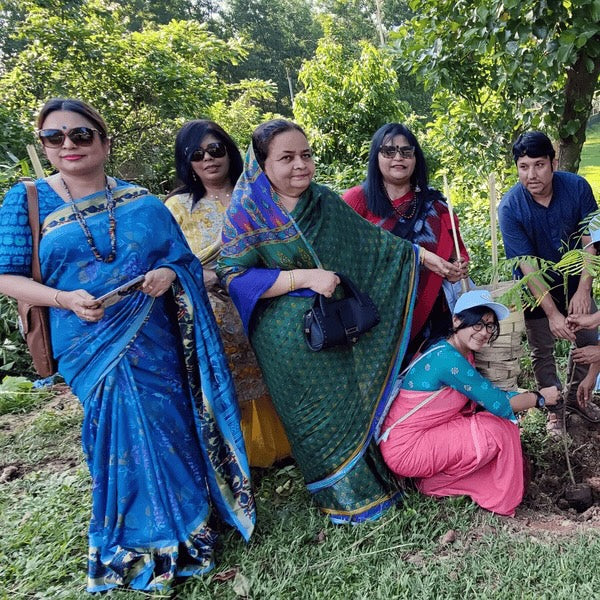
Trees for Corporates - Achieve Net Zero Targets Through Strategic Tree Planting
Trees for Corporates - Strategic Environmental SolutionsTransform your corporate environmental impact with...
-
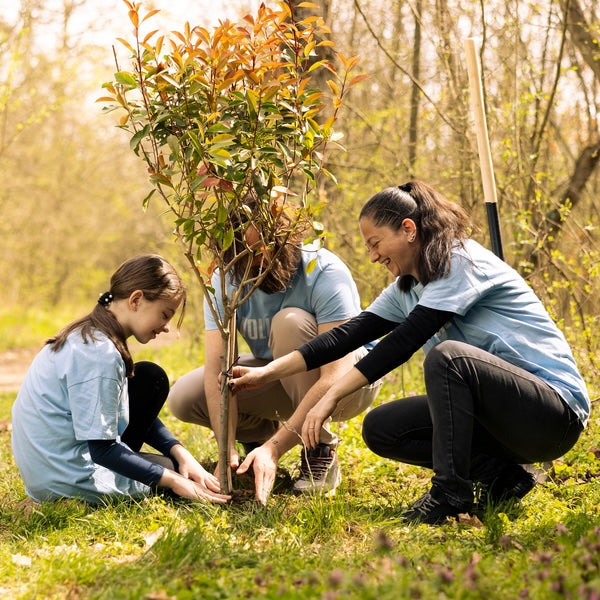
Tree Plantation for CSR - Corporate Environmental Programs | Grow Billion Trees
Tree Plantation for CSR - Transform Your Corporate Environmental ImpactTree plantation for...
-
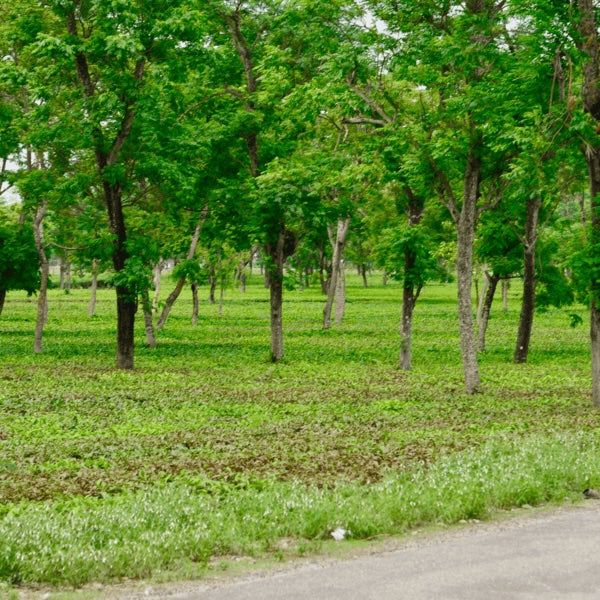
Tree Plantation for SDG - Support Sustainable Development Goals
Tree plantation for SDG initiatives represents a powerful pathway to achieving multiple...
-
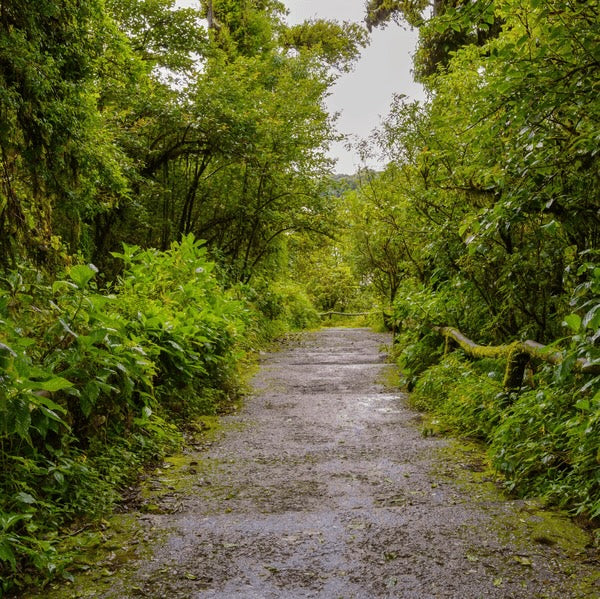
Corporate Tree Plantation Programs - Sustainable ESG Environmental Solutions for Net Zero Targets
Transform your organization's environmental impact with our comprehensive Corporate Tree Plantation Programs...
-
Tree Plantation by Location - Plant Trees Across India
Transform landscapes nationwide through our comprehensive tree plantation by location program. When...
Most Popular Tree Plantations - Top Choices for Environmental Impact
-
Trees for Mother
Regular price ₹ 299Regular priceUnit price per -
Trees to Honor the Memory of your Loved Ones
Regular price ₹ 299Regular priceUnit price per -
Trees for Wedding Anniversary Celebration
Regular price ₹ 299Regular priceUnit price per -
Trees for Grandmother
Regular price ₹ 299Regular priceUnit price per -
Trees for Grandfather
Regular price ₹ 299Regular priceUnit price per