
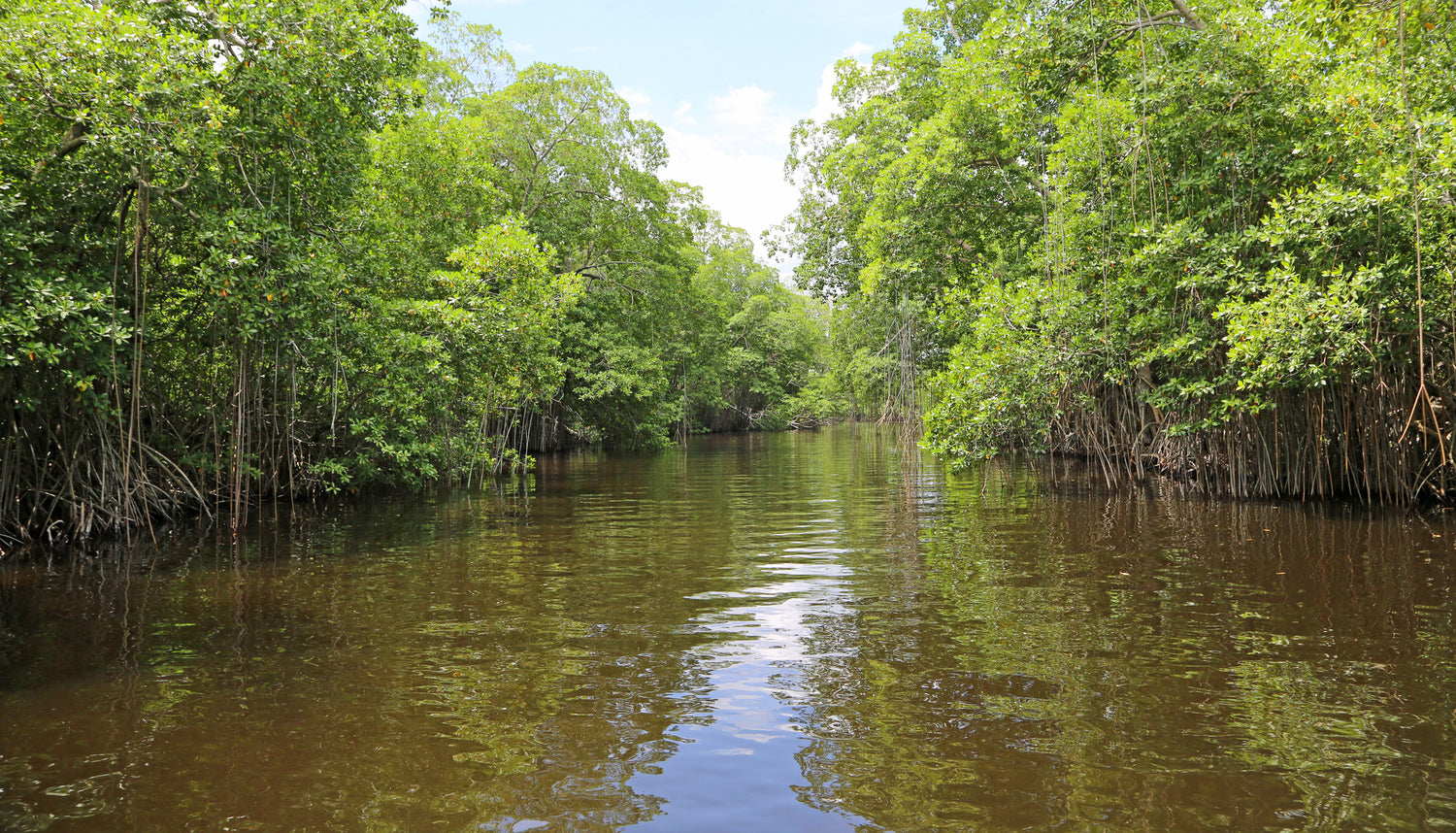
Mangrove Nagayalanka: Krishna Delta's Living Shore
Mangrove Nagayalanka is a breathtaking coastal ecosystem where the sacred Krishna River meets the Bay of Bengal in Andhra Pradesh, India. These natura Read more
Connect with us
-
👥 Corporates
If you are looking for:
- 🌲 Tree Plantation Events
- 📊 CSR Projects
📧 corporate@growbilliontrees.com
📞 +91 9699723523
💬 +91 9325931304 WhatsApp (Only)
🕒 Mon - Sat | 10am - 7pm IST
-
🧩 Tree Plantation NGOs
If you are looking for:
- 💰 Financial Assistance
- 🤝 Operational Support
📧 support@growbilliontrees.com
📞 +91 9699723523
💬 +91 9325931304 WhatsApp (Only)
🕒 Mon - Sat | 10am - 7pm IST
-
🌼 Individuals
If you are looking for:
- 👥 Group Tree Plantation Drive
- 🌳 Bulk Tree Plantation
📞 +91 9699723523
💬 +91 9325931304 WhatsApp (Only)
🕒 Mon - Sat | 10am - 7pm IST
Trending Tree Plantations - Most Popular Environmental Programs
-
Trees for Mother
Regular price ₹ 299Regular priceUnit price per -
Trees to Honor the Memory of your Loved Ones
Regular price ₹ 299Regular priceUnit price per -
Trees for Women's Day (8th Mar)
Regular price ₹ 299Regular priceUnit price per -
Trees for Wedding Anniversary Celebration
Regular price ₹ 299Regular priceUnit price per -
Trees for Grandmother
Regular price ₹ 299Regular priceUnit price per




Trees for Corporates - Achieve Net Zero Targets Through Strategic Tree Planting
-
 Project Closed
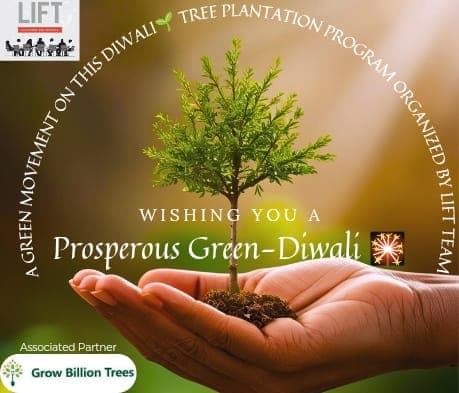
Trees by LIFT Team for Green Diwali: Transform Your Festival
Regular price ₹ 299Regular priceUnit price per -
Trees for a Greener Tomorrow - by Mahindra Lifespaces
Regular price ₹ 299Regular priceUnit price per -
Trees for Environment Day: Plant Your Impact on June 5th
Regular price ₹ 299Regular priceUnit price per -
Trees for Employees: Transform Your Corporate Culture in 2026
Regular price ₹ 299Regular priceUnit price per -
 Project Closed
Trees for Bangalore: Plant Native Trees in Garden City ₹299
Regular price ₹ 799Regular priceUnit price per
Mangrove Nagayalanka: Where Krishna Embraces the Sea
Mangrove Nagayalanka is a breathtaking coastal ecosystem where the sacred Krishna River meets the Bay of Bengal in Andhra Pradesh, India. These natural mangrove forests protect the shoreline, nurture extraordinary biodiversity, and store vast amounts of carbon for our planet. In 2026, Nagayalanka stands as one of India's most vital yet vulnerable coastal habitats, urgently calling for our collective care.
Located in the Krishna district of Andhra Pradesh, the Nagayalanka island chain sits within the vast Krishna-Godavari delta system. The mangroves here stretch across thousands of hectares of tidal flats, creeks, and inter-tidal zones. Our team has worked hands-on in this extraordinary region, and we are always glad to share what makes it so truly special.
What Makes Mangrove Nagayalanka Unique? ⭐
The Nagayalanka mangrove belt forms part of India's second-largest delta system, nourished by the mighty Krishna River. According to the United Nations Environment Programme's forests conservation programme, mangrove ecosystems store up to four times more carbon per hectare than tropical rainforests. This makes Nagayalanka a natural powerhouse for Combating Climate Change Through Collective Action.
The unique mix of freshwater from the Krishna River and saltwater from the Bay of Bengal creates a rich brackish habitat. This natural setting helps diverse mangrove species thrive alongside coastal fish, birds, and marine mammals. For example, the endangered Irrawaddy dolphin is among the remarkable species found in these waters.
- ✅ Over 20 recorded mangrove species in the delta region
- ✅ Critical nesting habitat for the Olive Ridley sea turtle
- ✅ Home to more than 140 bird species including migratory visitors
- ✅ Natural storm barrier protecting inland farming communities
- ✅ Significant blue carbon sink reducing atmospheric CO2
The Ecological Importance of Nagayalanka's Mangroves ✅
The mangroves of Nagayalanka provide eco-friendly services worth billions of rupees to coastal communities each year. Their dense root systems prevent soil erosion and stabilize the shoreline against cyclone damage. Moreover, they filter agricultural runoff before it reaches the open sea, improving water quality across the entire delta.
The World Wildlife Fund's global forests initiative confirms that mangroves support over 3,000 fish and wildlife species worldwide. We found during our field visits that Nagayalanka's waters teem with prawns, crabs, and juvenile fish that sustain local fishing livelihoods. In addition, these forests boost marine fishery productivity by an estimated 75%, supporting food security for thousands of families.
A 2026 Forest Survey of India report confirms gradual improvement in mangrove cover across Andhra Pradesh. However, Nagayalanka still requires sustained investment and active restoration. Therefore, community-led and technology-driven conservation programs are more important than ever for its long-term future.
Key Species of Mangrove Nagayalanka 💡
Our experience in Nagayalanka reveals a wonderful variety of plant and animal life found nowhere else in the region. Dominant mangrove tree species include Avicennia marina, Rhizophora apiculata, and Excoecaria agallocha. These proven survivors are well adapted to tidal flooding, saline soils, and low-oxygen coastal conditions.
Bird diversity here is outstanding, with spot-billed pelicans, greater flamingos, and painted storks being regular visitors. The waters host rare marine mammals including dugongs and Irrawaddy dolphins. In 2026, Nagayalanka continues to attract researchers and eco-conscious wildlife enthusiasts from across the country.
Threats Facing Mangrove Nagayalanka ⚠️
Despite its ecological importance, Mangrove Nagayalanka faces severe threats from human activity and rising climate pressures. Aquaculture expansion, especially large-scale shrimp farming, has encroached significantly on mangrove land in the delta. According to the World Wildlife Fund's deforestation and forest degradation report, mangroves are among the most threatened ecosystems on earth today.
Pollution from agricultural chemicals and industrial waste further degrades water quality in the Krishna estuary. Rising sea levels and intensifying cyclones driven by climate change put growing stress on these natural coastal forests. An estimated 35% of India's original mangrove cover has been lost over the past five decades due to these combined pressures.
- ⚠️ Shrimp farm expansion clearing critical mangrove land
- ⚠️ Chemical and plastic pollution from nearby industries
- ⚠️ Rising sea levels threatening low-lying tidal islands
- ⚠️ Unsustainable fuelwood collection by local households
- ⚠️ Increased cyclone intensity damaging forest structure
Conservation Efforts: Restoring the Krishna Delta
Proven conservation programs have begun to transform the outlook for Mangrove Nagayalanka in recent years. The Andhra Pradesh Forest Department runs community-based mangrove management initiatives that involve local fishers as active stewards. These programs save critical coastal habitat while generating sustainable livelihoods for fishing families across the delta.
The United Nations Climate Change Action platform recognizes mangrove restoration as a powerful nature-based climate solution. Restoring one hectare of mangrove forest can sequester up to 1,000 tonnes of carbon over its lifetime. This is far more cost-effective than most engineered carbon capture technologies available today.
Our partners on the ground in Andhra Pradesh have verified that restored mangroves reach ecological maturity within 10 to 15 years. The key is choosing native species and ensuring consistent aftercare and monitoring. Together, science-backed planting and community stewardship can grow degraded coastlines back into thriving green ecosystems.
Grow Billion Trees: Restoring Mangrove Nagayalanka ⭐
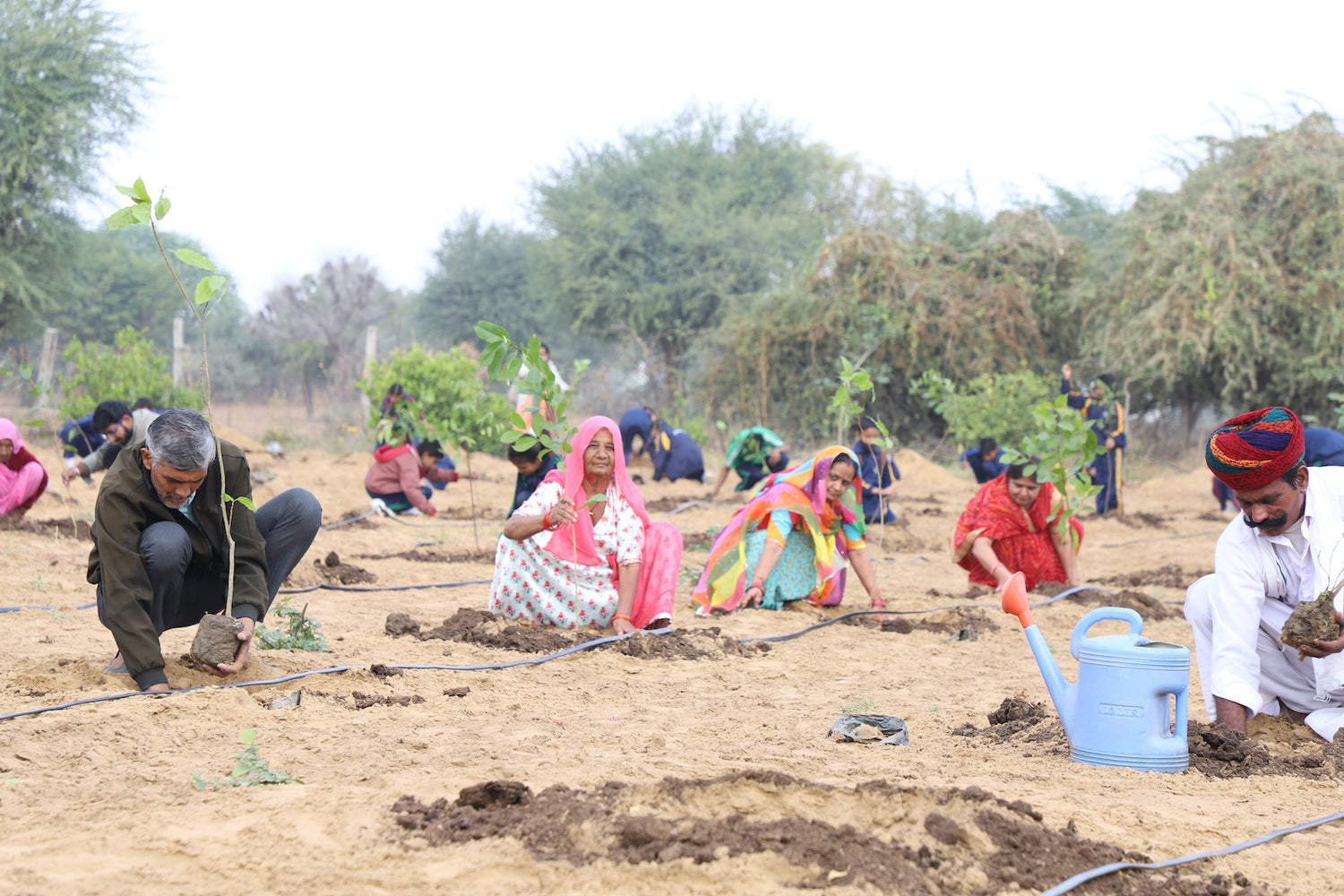
At Grow Billion Trees, we are happy and proud to contribute directly to the restoration of Mangrove Nagayalanka and coastal ecosystems across India. Our mission is to plant 100 crore trees by June 2030, with mangrove restoration as a cornerstone of this great green journey. We love nurturing these remarkable forests back to life for future generations of people and wildlife.
We provide a certified mangrove plantation program featuring 4ft Tree Planting + 3 Years Care + GeoTag technology at every site. This allows you to Plant a tree in your Name and track its real-world growth from anywhere in the country. Our verified GeoTag system ensures authentic and transparent impact for every single tree planted in Nagayalanka's coastal forests.
Starting at just ₹299, our eco-friendly programs are designed to be accessible to every conscious individual and organization. Whether you are celebrating a birthday, a corporate pursuing Net Zero Targets, or a family honoring a loved one, we guarantee meaningful environmental impact. Our hands-on field team ensures every sapling receives expert care to thrive for decades ahead.
- ✅ Certified native mangrove species for coastal Andhra Pradesh
- ✅ GeoTag tracking to monitor your tree's growth in real time
- ✅ Three full years of professional aftercare included
- ✅ Personalized tree certificates for gifts and memorials
- ✅ Corporate mangrove programs supporting Net Zero Targets
We ensure our field teams conduct regular monitoring and health checks at every plantation site across coastal Andhra Pradesh. Our experience has helped us develop some of India's most effective coastal mangrove restoration models. Together, we are building resilient green coastlines that protect communities and improve the health of our shared planet.
How You Can Help Protect Mangrove Nagayalanka 💡
You do not need a degree in ecology to make a wonderful difference for Mangrove Nagayalanka. Planting just one mangrove tree sets in motion decades of ecological benefit for the coastline and the communities that depend on it. Moreover, supporting sustainable coastal tourism helps fund on-the-ground conservation work in the Nagayalanka delta.
Mindful everyday choices can transform how we relate to these natural ecosystems. Choosing certified sustainable seafood reduces the pressure that aquaculture places on mangrove habitats. In addition, reducing plastic waste prevents the pollution that damages Nagayalanka's delicate tidal waters and the species that call them home.
The United Nations Sustainable Development Goals urge all nations to protect life below water and life on land. Mangrove Nagayalanka is precisely where these two global goals converge in one extraordinary place. Your support today helps secure this irreplaceable coastal treasure for generations to come.
Discover how easy it is to take action right now. Explore our mangrove planting programs at Grow Billion Trees and join the movement Combating Climate Change Through Collective Action. Every tree you plant today grows a more sustainable, resilient, and beautiful India for all.
Frequently Asked Questions
Where is Mangrove Nagayalanka located?
Mangrove Nagayalanka is located in the Krishna district of Andhra Pradesh, India. It sits at the delta of the Krishna River where it flows into the Bay of Bengal, forming a rich network of tidal islands and coastal mangrove forests.
Why are Nagayalanka's mangroves ecologically important?
The mangroves at Nagayalanka protect the coastline from cyclones, store large amounts of carbon, filter river-borne pollution, and provide vital nursery habitats for marine fish. They also support over 140 bird species and several endangered marine animals including sea turtles and Irrawaddy dolphins.
What species live in Mangrove Nagayalanka?
Key species include Avicennia marina, Rhizophora apiculata, Excoecaria agallocha, Olive Ridley sea turtles, Irrawaddy dolphins, dugongs, spot-billed pelicans, painted storks, and a rich variety of coastal fish and crustaceans that sustain the local fishing economy.
What threats do Nagayalanka's mangroves face?
The main threats include shrimp farm expansion, industrial and plastic pollution, rising sea levels, unsustainable fuelwood collection, and intensifying cyclones driven by climate change. An estimated 35% of India's original mangrove cover has been lost over the past 50 years due to such pressures.
How does Grow Billion Trees help restore Mangrove Nagayalanka?
Grow Billion Trees runs certified mangrove plantation programs in coastal Andhra Pradesh. Each planting includes 4ft Tree Planting + 3 Years Care + GeoTag technology, delivering transparent and authentic long-term ecological restoration in the Nagayalanka region and beyond.
Can I plant a mangrove tree in someone's name as a gift?
Yes. Grow Billion Trees lets you Plant a tree in your Name or as a gift for birthdays, memorials, Women's Day, and other special occasions. You receive a personalized certificate and can track the tree's progress via GeoTag technology from anywhere in the world.
How much does it cost to plant a mangrove tree with Grow Billion Trees?
You can plant a mangrove tree starting at just ₹299 with Grow Billion Trees. This includes three years of professional care and GeoTag tracking, making it one of the most impactful and accessible eco-gifts available in India in 2026.
How do mangroves help fight climate change?
Mangroves sequester up to four times more carbon per hectare than tropical rainforests, making them among the most powerful natural tools for fighting climate change. They also reduce storm damage, support fisheries, and maintain clean coastal water quality for millions of people. Mangrove Nagayalanka is a wonderful natural treasure that deserves our deepest care and most active protection. It is a great reminder that nature's most powerful climate solutions are rooted in the earth itself. Together, by planting trees, reducing pollution, and making conscious lifestyle choices, we can improve the future of this remarkable coastal ecosystem for all. Explore our planting programs at Grow Billion Trees and join the mission to plant 100 crore trees across India. Every action you take today grows a greener, safer, and more sustainable tomorrow for our shared planet.
You may like
-
Gift a Tree - Meaningful Environmental Gifts That Make a Difference
Transform your gift-giving with meaningful environmental gifts that create lasting impact for...
-
Trees For Shiv Ji - Sacred Tree Planting to Honor Lord Shiva
Honor Lord Shiva through sacred tree planting with Trees For Shiv Ji,...
-
Tree Plantations for Shri Ram - Sacred Devotional Planting Services
Honor Lord Shri Ram through meaningful tree plantations for Shri Ram that...
-
Tree Plantation on Navratri - Celebrate Divine Festivals with Environmental Devotion
Tree plantation on Navratri transforms the sacred nine-day festival into a powerful...
-
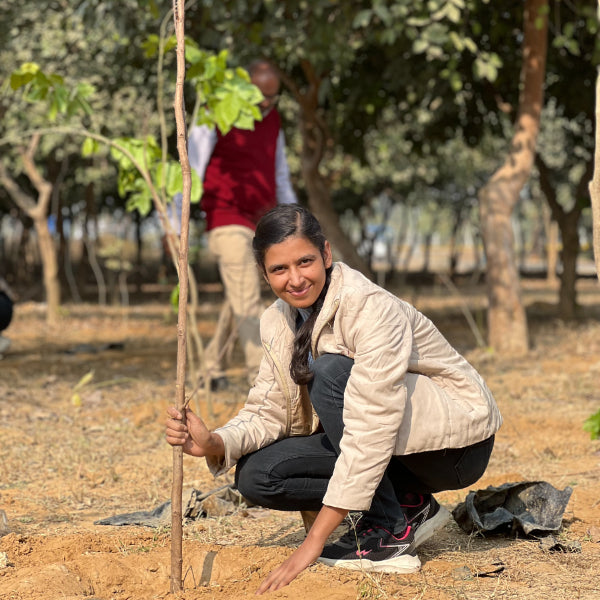
Tree Plantation by Cause - Plant Trees for Every Purpose | Grow Billion Trees
Transform your environmental impact with purpose-driven tree plantation by cause programs that...
Corporate Plantations
-
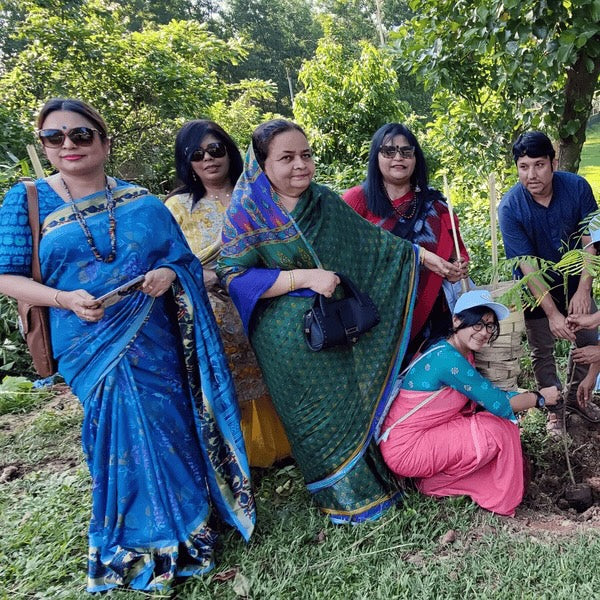
Trees for Corporates - Achieve Net Zero Targets Through Strategic Tree Planting
Trees for Corporates - Strategic Environmental SolutionsTransform your corporate environmental impact with...
-
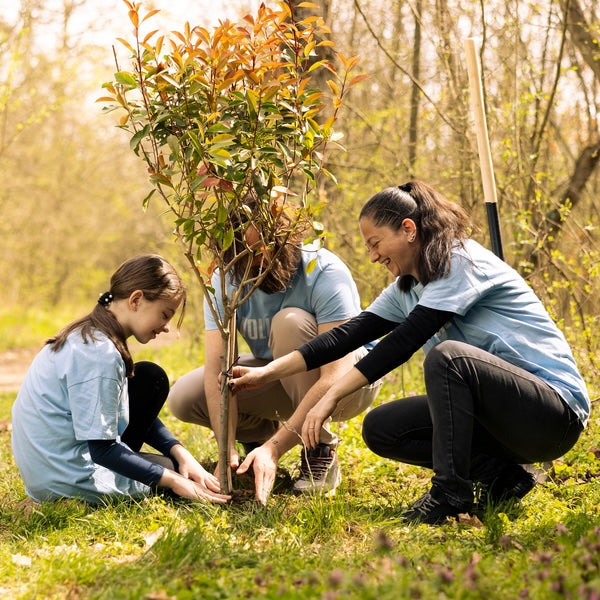
Tree Plantation for CSR - Corporate Environmental Programs | Grow Billion Trees
Tree Plantation for CSR - Transform Your Corporate Environmental ImpactTree plantation for...
-
Tree Plantation for SDG - Support Sustainable Development Goals
Tree plantation for SDG initiatives represents a powerful pathway to achieving multiple...
-
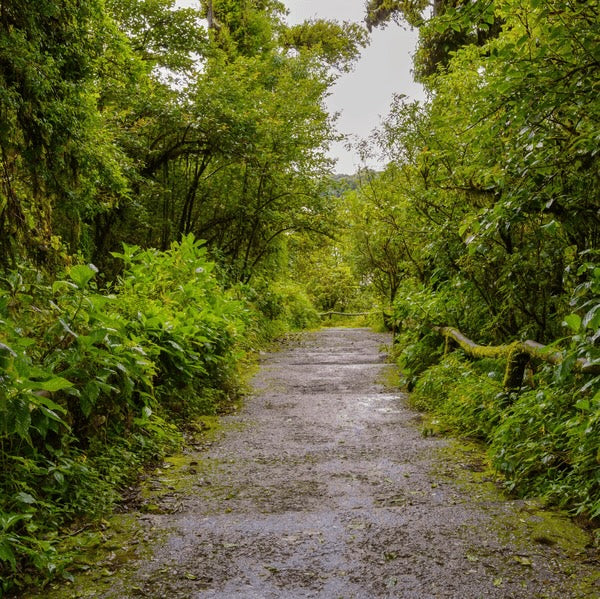
Corporate Tree Plantation Programs - Sustainable ESG Environmental Solutions for Net Zero Targets
Transform your organization's environmental impact with our comprehensive Corporate Tree Plantation Programs...
-
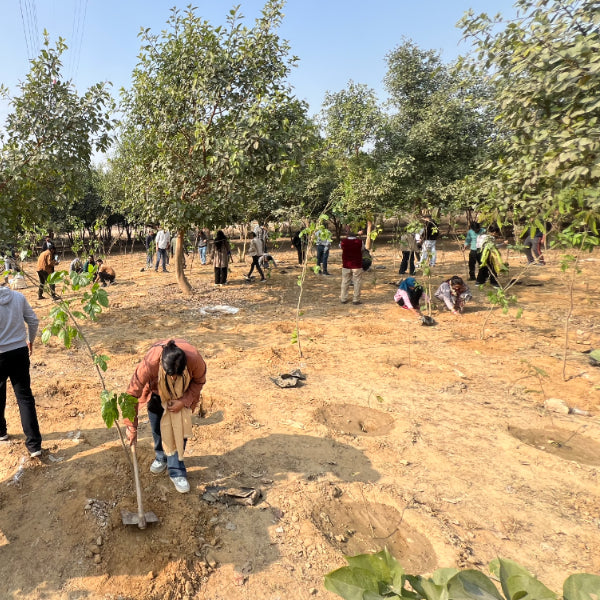
Tree Plantation by Location - Plant Trees Across India
Transform landscapes nationwide through our comprehensive tree plantation by location program. When...
Most Popular Tree Plantations - Top Choices for Environmental Impact
-
Trees for Mother
Regular price ₹ 299Regular priceUnit price per -
Trees to Honor the Memory of your Loved Ones
Regular price ₹ 299Regular priceUnit price per -
Trees for Wedding Anniversary Celebration
Regular price ₹ 299Regular priceUnit price per -
Trees for Grandmother
Regular price ₹ 299Regular priceUnit price per -
Trees for Grandfather
Regular price ₹ 299Regular priceUnit price per