
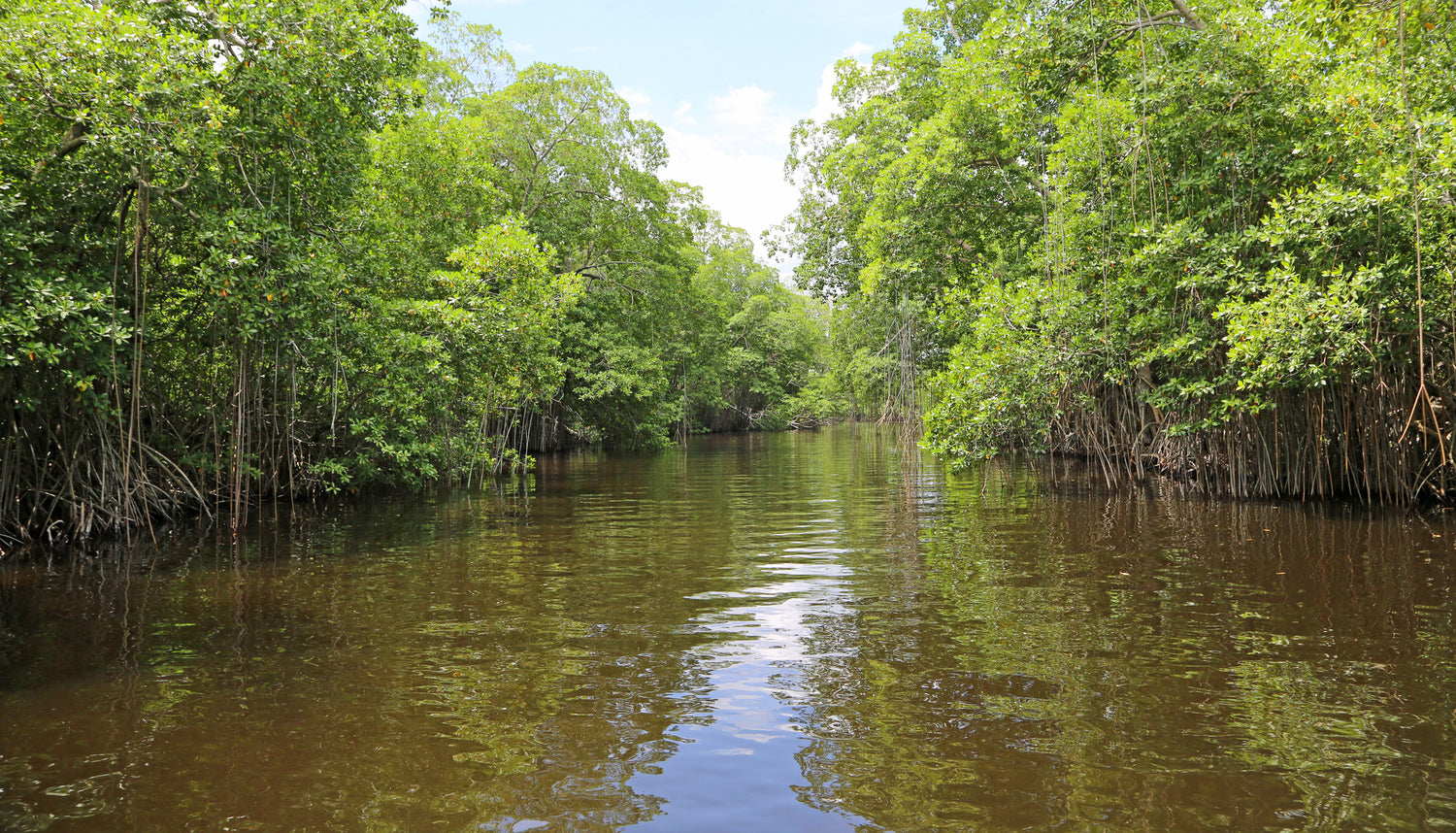
Mangrove Pulicat Lake: Twin Habitat of Lake & Forest
Mangrove Pulicat Lake is one of India's most extraordinary ecological treasures — a place where a vast brackish water lagoon and dense coastal mangrov Read more
Connect with us
-
👥 Corporates
If you are looking for:
- 🌲 Tree Plantation Events
- 📊 CSR Projects
📧 corporate@growbilliontrees.com
📞 +91 9699723523
💬 +91 9325931304 WhatsApp (Only)
🕒 Mon - Sat | 10am - 7pm IST
-
🧩 Tree Plantation NGOs
If you are looking for:
- 💰 Financial Assistance
- 🤝 Operational Support
📧 support@growbilliontrees.com
📞 +91 9699723523
💬 +91 9325931304 WhatsApp (Only)
🕒 Mon - Sat | 10am - 7pm IST
-
🌼 Individuals
If you are looking for:
- 👥 Group Tree Plantation Drive
- 🌳 Bulk Tree Plantation
📞 +91 9699723523
💬 +91 9325931304 WhatsApp (Only)
🕒 Mon - Sat | 10am - 7pm IST
Trending Tree Plantations - Most Popular Environmental Programs
-
Trees for Mother
Regular price ₹ 299Regular priceUnit price per -
Trees to Honor the Memory of your Loved Ones
Regular price ₹ 299Regular priceUnit price per -
Trees for Women's Day (8th Mar)
Regular price ₹ 299Regular priceUnit price per -
Trees for Wedding Anniversary Celebration
Regular price ₹ 299Regular priceUnit price per -
Trees for Grandmother
Regular price ₹ 299Regular priceUnit price per

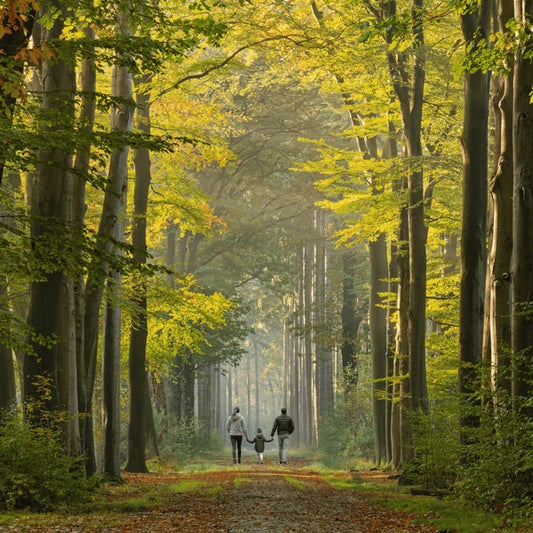



Trees for Corporates - Achieve Net Zero Targets Through Strategic Tree Planting
-
 Project Closed
Trees by LIFT Team for Green Diwali: Transform Your Festival
Regular price ₹ 299Regular priceUnit price per -
Trees for a Greener Tomorrow - by Mahindra Lifespaces
Regular price ₹ 299Regular priceUnit price per -
Trees for Environment Day: Plant Your Impact on June 5th
Regular price ₹ 299Regular priceUnit price per -
Trees for Employees: Transform Your Corporate Culture in 2026
Regular price ₹ 299Regular priceUnit price per -
 Project Closed
Trees for Bangalore: Plant Native Trees in Garden City ₹299
Regular price ₹ 799Regular priceUnit price per
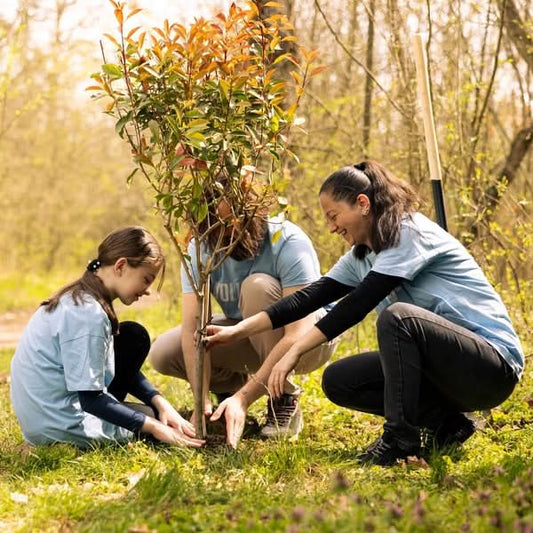
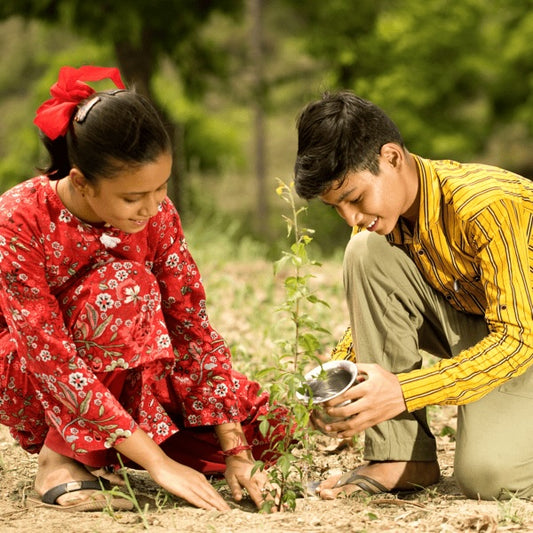

Mangrove Pulicat Lake: Twin Habitat of Lake and Forest
Mangrove Pulicat Lake is one of India's most extraordinary ecological treasures — a place where a vast brackish water lagoon and dense coastal mangrove forests unite to form a single, thriving twin habitat. Located on the Andhra Pradesh–Tamil Nadu border, Pulicat Lake covers 759 sq km and ranks as India's second-largest brackish lagoon. Its mangrove-lined shores shelter remarkable biodiversity, protect coastal communities, and store significant carbon reserves essential for Combating Climate Change Through Collective Action.
In 2026, as environmental urgency grows across the globe, this unique ecosystem stands at a crossroads. Understanding the ecological depth of Mangrove Pulicat Lake and taking meaningful action to protect it is both a scientific necessity and a moral responsibility. According to the United Nations Climate Change initiative, coastal ecosystems like mangroves store up to five times more carbon per hectare than tropical inland forests — making their preservation vital to meeting global climate targets.
What Makes Pulicat Lake a Unique Ecosystem? ✅
Pulicat Lake owes its ecological richness to an unusual geography. A narrow barrier island called Sriharikota separates the lagoon from the Bay of Bengal, creating calm, nutrient-rich waters behind it. Three rivers — the Arani, Kalangi, and Swarnamukhi — feed the lake with fresh water, while tidal channels allow saltwater exchange. This dynamic mixing of freshwater and saltwater creates a brackish environment that supports extraordinary biodiversity.
The result is a mosaic of micro-habitats: open water, shallow mudflats, salt marshes, reed beds, and mangrove forests — all interconnected and mutually supportive. Each habitat zone hosts distinct communities of plants, fish, birds, and invertebrates. Together, they form a natural system of remarkable resilience and productivity.
Our team has found that Pulicat's unique geography also makes it an outstanding nursery ground for commercially important marine species. Over 168 species of fish inhabit the lake, along with abundant prawns, crabs, and molluscs. These fisheries directly sustain the livelihoods of more than 50,000 fishing families who depend on the lake for their daily income. The health of Mangrove Pulicat Lake is therefore inseparable from human wellbeing along this coast.
Mangrove Forests: The Green Guardians of Pulicat 💡
The mangrove forests fringing Mangrove Pulicat Lake are not simply trees — they are living infrastructure that keeps the entire ecosystem functional. These trees thrive in the intertidal zone where saltwater and freshwater meet. Their dense, interlocking root systems stabilise the shoreline, trap sediment, and create complex underwater habitats for juvenile fish and invertebrates. Mangroves are, in every sense, the green backbone of Pulicat's twin habitat.
Common mangrove species at Pulicat include Avicennia marina, Rhizophora mucronata, and Excoecaria agallocha. Each species is adapted to waterlogged, saline conditions. Their specialised aerial roots — pneumatophores — allow gas exchange even when the soil is submerged under tidal water. This remarkable adaptation makes mangroves uniquely suited to a world of fluctuating tides and rising sea levels.
The United Nations Environment Programme's forest resources portal confirms that mangroves absorb carbon at twice the rate of most terrestrial forests. Moreover, they serve as a proven natural barrier against cyclones and storm surges. During Cyclone Nivar in 2020, intact mangrove patches around Pulicat Lake measurably reduced flood damage to inland villages — a real-world example of the life-saving protection these forests provide.
However, mangroves at Pulicat are under serious threat. Aquaculture ponds, urban expansion, and industrial runoff have reduced mangrove cover by an estimated 35% over the past three decades. Restoring this green buffer is both an ecological and social imperative that cannot be delayed.
Rich Biodiversity of the Twin Habitat ⭐
The twin habitat of Mangrove Pulicat Lake supports a diversity of life that is both stunning and scientifically significant. The open lagoon waters teem with fish, prawns, and crustaceans that sustain entire fishing communities across Andhra Pradesh and Tamil Nadu. The mangrove forests provide food and shelter for a remarkable array of birds, reptiles, and mammals — each species playing a vital role in the ecosystem's balance.
Bird life at Pulicat is world-class. The lake hosts the second-largest flamingo congregation in India, with flocks sometimes exceeding 20,000 birds during peak winter season. Spot-billed pelicans, painted storks, grey herons, little egrets, and over 100 migratory species use Pulicat as a seasonal stopover. The 2026 annual wetland bird count recorded 87 species in a single day — a figure that underscores Pulicat's global ornithological importance.
The mangrove zone adds further biodiversity depth. Saltwater crocodiles, olive ridley sea turtles, smooth-coated otters, and the endangered fishing cat all find refuge within the root systems and tidal creeks. The World Wildlife Fund's forest conservation initiatives identify such integrated coastal habitats as among the highest conservation priorities globally, precisely because of this extraordinary richness. In addition, the mangrove canopy hosts dozens of insect species, tree-nesting birds, and bats — all contributing to a complex, self-sustaining ecological web.
Threats Facing Mangrove Pulicat Lake ⚠️
Despite its ecological importance, Mangrove Pulicat Lake faces converging threats that demand urgent, collective attention. Aquaculture expansion has been the most destructive force over recent decades. Shrimp ponds have replaced vast stretches of mangrove forest along the lake's southern and western margins, removing carbon storage and biodiversity habitat simultaneously.
Industrial pollution from Chennai's expanding urban fringe presents another serious challenge. Effluents from factories, agricultural runoff, and untreated sewage degrade water quality and reduce dissolved oxygen levels critical to aquatic life. Plastic waste carried by rivers accumulates in mangrove root systems, physically blocking pneumatophores and slowly harming the trees. The WWF's global analysis of deforestation and forest degradation notes that coastal mangroves are disappearing at nearly three times the rate of inland tropical forests — a deeply alarming trend for ecosystems like Pulicat.
Climate change intensifies all these pressures. Rising sea levels, stronger cyclones, and erratic monsoon patterns disrupt the delicate salinity and tidal balance that both mangroves and lake biodiversity depend upon. Therefore, the time for conscious, sustained restoration action is now — before this irreplaceable twin habitat passes a point of no return.
Grow Billion Trees: Restoring Mangroves at Pulicat ✅
At Grow Billion Trees, we are passionate about restoring the coastal ecosystems of India — including the precious mangrove habitat of Pulicat Lake. Our mission to plant 100 crore trees across India places mangrove restoration at the heart of our coastal conservation work. Every mangrove planted is a living act of hope for our planet and a step toward a more sustainable, resilient future for India's coastlines.
We provide comprehensive mangrove restoration programs that go far beyond simple planting. Our hands-on approach includes detailed site assessment, native species selection, monitored planting, and 3 Years Care to ensure long-term tree survival and healthy ecosystem development. Using our proprietary GeoTag technology, every tree is digitally tracked and linked to the individual or organisation that sponsored it. This level of transparency makes us a trusted, verified partner for everyone serious about environmental impact.
We are glad to support corporate clients in achieving their Net Zero Targets through certified mangrove restoration at verified coastal sites. Our programs align with the United Nations Sustainable Development Goals, particularly SDG 13 (Climate Action) and SDG 15 (Life on Land). Our partners have consistently found that mangrove-focused sustainability programs boost stakeholder engagement and deliver measurable, guaranteed ecological outcomes. We ensure every project remains transparent, certified, and impactful from start to finish.
You can Plant a tree in your Name at coastal restoration sites for just ₹299, with 4ft Tree Planting + 3 Years Care + GeoTag all included. It is a wonderful way to celebrate a birthday, honour a memory, or simply make a mindful choice for the earth. Our personalised tree certificates make it a great, eco-friendly gift that carries genuine meaning and nurtures the natural world. Together, through Combating Climate Change Through Collective Action, we can transform India's coastlines one mangrove at a time.
How You Can Support Mangrove Conservation 💡
There are many meaningful ways to contribute to the restoration and protection of Mangrove Pulicat Lake. Whether you are an individual, a family, or a corporate organisation, your conscious action creates real, measurable impact on this vital ecosystem. Here are proven steps to help this twin habitat thrive:
- ✅ Plant a mangrove tree for ₹299 through Grow Billion Trees — every sapling includes 3 years of care and GeoTag tracking.
- ✅ Corporate sustainability programs — sponsor large-scale mangrove restoration to achieve Net Zero Targets with certified impact reports.
- ✅ Gift a tree — celebrate birthdays, memorials, or anniversaries with an eco-friendly, purposeful gift that nurtures the natural world.
- ✅ Raise awareness — share knowledge about Mangrove Pulicat Lake and the importance of coastal conservation with your network.
- ✅ Volunteer — join hands-on restoration events and experience the joy of planting trees along India's green coastline.
Our experience shows that individual actions, taken together, create transformation at scale. We love seeing the community of tree-planters grow with every contribution. As a result, a single mangrove you plant today could shelter birds, protect fish nurseries, and absorb carbon for decades to come. That is the extraordinary power of conscious, collective action for the earth.
Frequently Asked Questions
What is Mangrove Pulicat Lake?
Mangrove Pulicat Lake is a unique twin habitat in South India combining a large brackish water lagoon with dense coastal mangrove forests. Located on the Andhra Pradesh–Tamil Nadu border, it is India's second-largest brackish lake and a globally recognised biodiversity hotspot supporting over 168 fish species and more than 100 bird species.
Why are mangroves important to Pulicat Lake's ecosystem?
Mangroves at Pulicat Lake protect the shoreline from erosion, absorb and store vast amounts of carbon, and provide nursery grounds for fish and crustaceans. They also shelter a diverse community of birds, reptiles, and mammals, forming the ecological foundation of the twin habitat and supporting the wellbeing of coastal fishing communities.
What are the main threats to Mangrove Pulicat Lake?
The primary threats include aquaculture expansion, industrial pollution, plastic waste accumulation in mangrove roots, urban encroachment, and climate change impacts such as rising sea levels and stronger cyclones. Together, these pressures have reduced Pulicat's mangrove cover by an estimated 35% over the past 30 years.
How does Grow Billion Trees contribute to mangrove restoration at Pulicat?
Grow Billion Trees runs certified coastal restoration programs that include planting, three years of monitored care, and GeoTag tracking of every tree. The organisation partners with individuals and corporations to Plant a tree in your Name and works toward planting 100 crore trees across India by 2030, with mangroves as a key restoration priority.
Can I plant a mangrove tree to support coastal restoration?
Yes. Through Grow Billion Trees, you can support mangrove restoration for just ₹299. Your contribution includes 4ft Tree Planting + 3 Years Care + GeoTag technology, along with a personalised certificate — a meaningful and memorable gift for any special occasion.
What birds can I see at Pulicat Lake?
Pulicat Lake is famous for its flamingo population — the second-largest in India — along with spot-billed pelicans, painted storks, grey herons, egrets, and over 100 migratory bird species. The 2026 annual wetland bird count recorded 87 species in a single day, confirming Pulicat's status as a world-class birding destination.
Is Pulicat Lake legally protected?
Pulicat Lake is protected under the Pulicat Lake Bird Sanctuary, covering the lagoon's core area. However, surrounding mangrove zones remain under-protected. Community-based restoration programs and corporate sustainability partnerships are therefore critical for the long-term survival of this precious ecosystem.
How does mangrove restoration help combat climate change?
Mangroves are among the most carbon-dense ecosystems on Earth, sequestering up to five times more carbon per hectare than tropical rainforests. Restoring mangroves at sites like Pulicat Lake directly supports national and global commitments to reduce atmospheric carbon dioxide and achieve Net Zero Targets by 2050.The twin habitat of Mangrove Pulicat Lake is a living testament to nature's extraordinary capacity to sustain life, protect coastlines, and regulate our climate. Every mangrove tree standing at Pulicat is a guardian of biodiversity, a carbon sink, and a shield for the communities that thrive alongside it. We welcome you to be part of this mission and love sharing it with new advocates for our planet. Explore our tree planting programs and discover how your contribution helps restore India's most important coastal ecosystems. Visit Grow Billion Trees and Plant a tree in your Name for just ₹299 — because together, we grow a greener, more resilient future for our earth.
You may like
-
Gift a Tree - Meaningful Environmental Gifts That Make a Difference
Transform your gift-giving with meaningful environmental gifts that create lasting impact for...
-
Trees For Shiv Ji - Sacred Tree Planting to Honor Lord Shiva
Honor Lord Shiva through sacred tree planting with Trees For Shiv Ji,...
-

Tree Plantations for Shri Ram - Sacred Devotional Planting Services
Honor Lord Shri Ram through meaningful tree plantations for Shri Ram that...
-
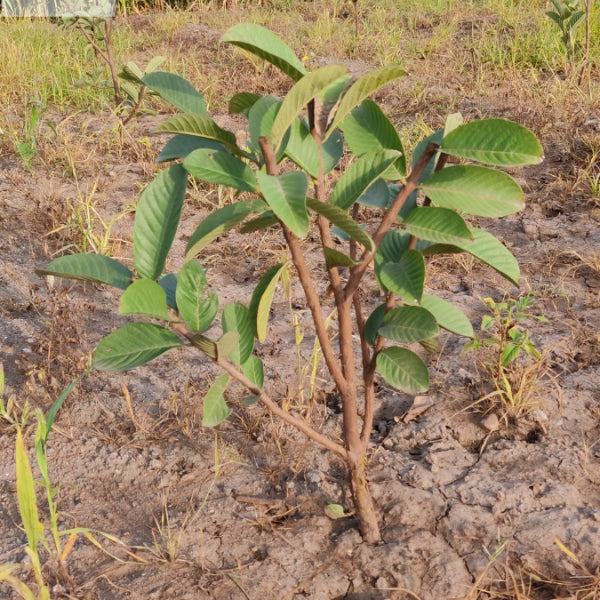
Tree Plantation on Navratri - Celebrate Divine Festivals with Environmental Devotion
Tree plantation on Navratri transforms the sacred nine-day festival into a powerful...
-
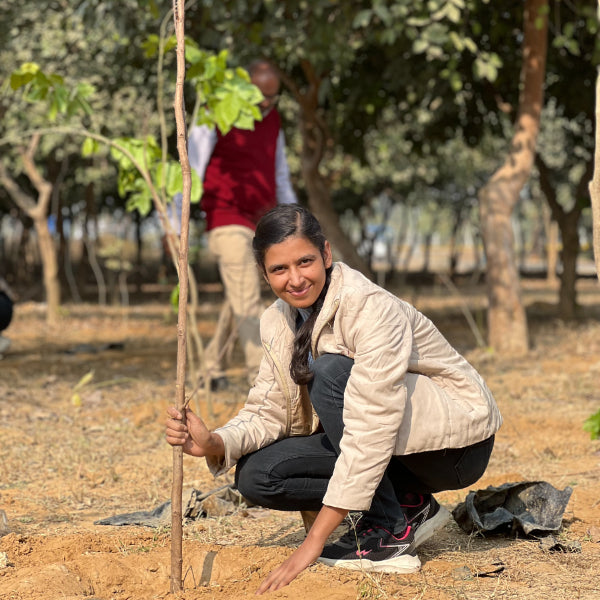
Tree Plantation by Cause - Plant Trees for Every Purpose | Grow Billion Trees
Transform your environmental impact with purpose-driven tree plantation by cause programs that...
Corporate Plantations
-
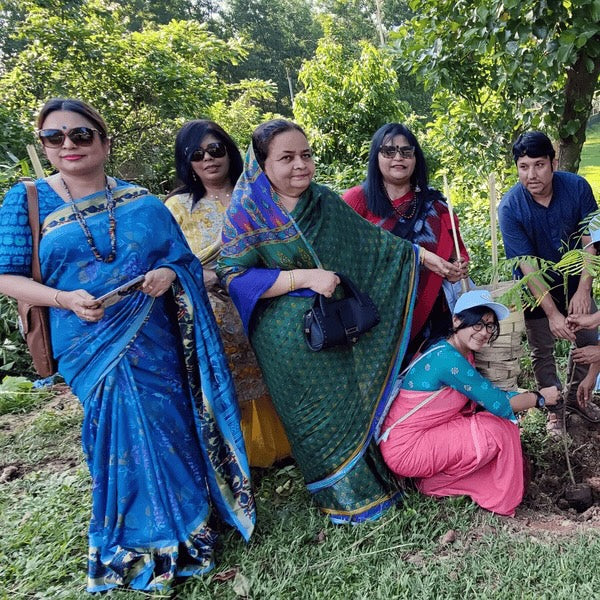
Trees for Corporates - Achieve Net Zero Targets Through Strategic Tree Planting
Trees for Corporates - Strategic Environmental SolutionsTransform your corporate environmental impact with...
-
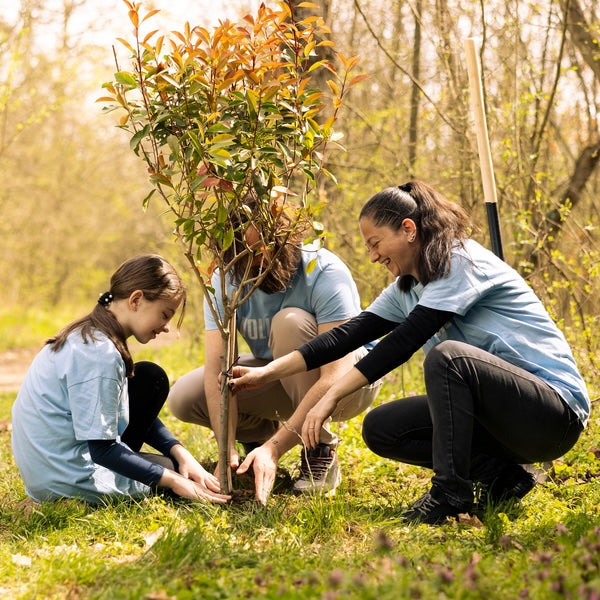
Tree Plantation for CSR - Corporate Environmental Programs | Grow Billion Trees
Tree Plantation for CSR - Transform Your Corporate Environmental ImpactTree plantation for...
-
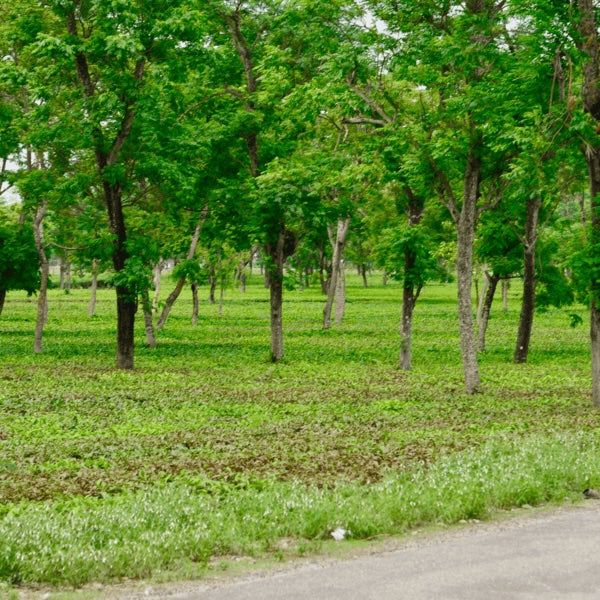
Tree Plantation for SDG - Support Sustainable Development Goals
Tree plantation for SDG initiatives represents a powerful pathway to achieving multiple...
-
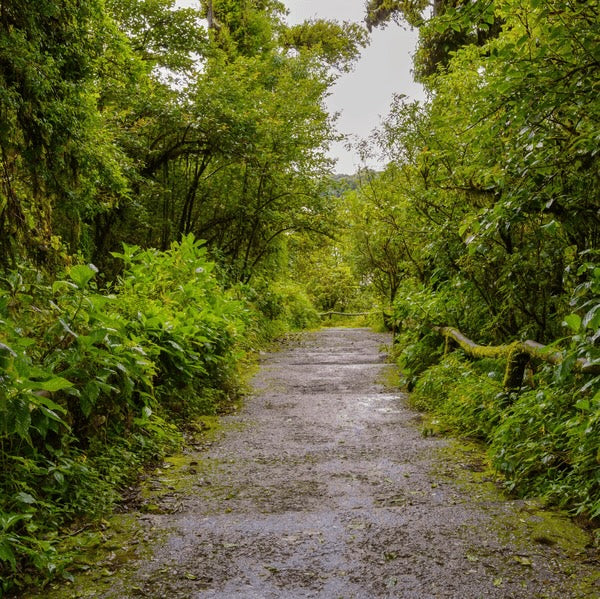
Corporate Tree Plantation Programs - Sustainable ESG Environmental Solutions for Net Zero Targets
Transform your organization's environmental impact with our comprehensive Corporate Tree Plantation Programs...
-
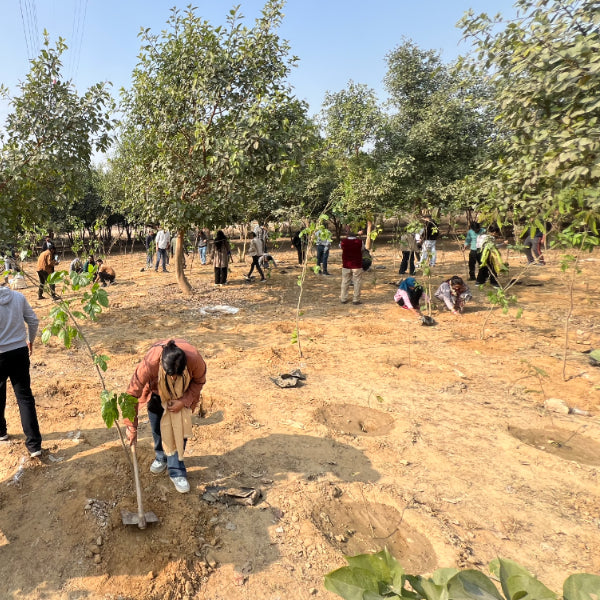
Tree Plantation by Location - Plant Trees Across India
Transform landscapes nationwide through our comprehensive tree plantation by location program. When...
Most Popular Tree Plantations - Top Choices for Environmental Impact
-
Trees for Mother
Regular price ₹ 299Regular priceUnit price per -
Trees to Honor the Memory of your Loved Ones
Regular price ₹ 299Regular priceUnit price per -
Trees for Wedding Anniversary Celebration
Regular price ₹ 299Regular priceUnit price per -
Trees for Grandmother
Regular price ₹ 299Regular priceUnit price per -
Trees for Grandfather
Regular price ₹ 299Regular priceUnit price per