
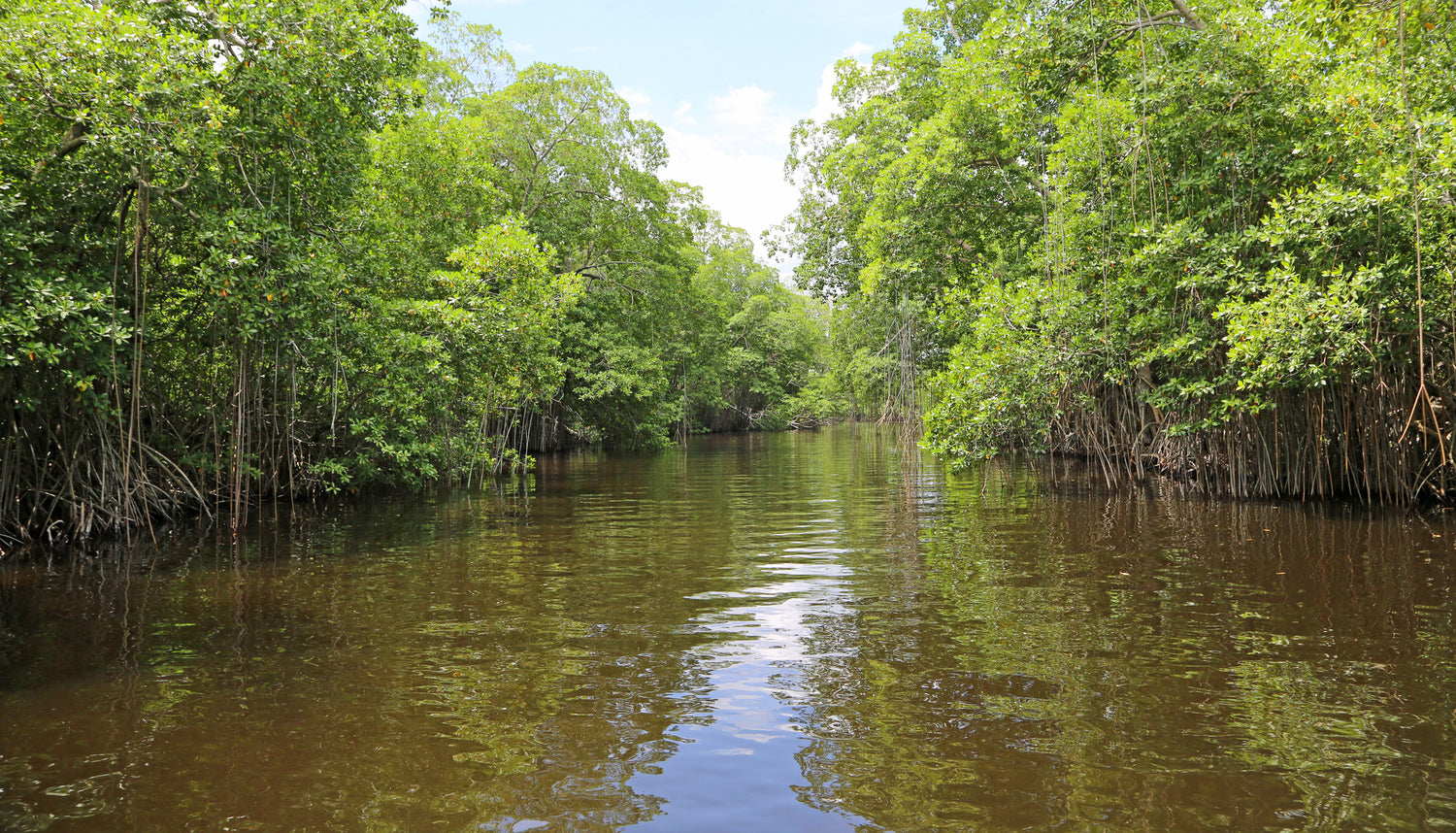
Mangrove Swarnamukhi Estuary: Resilient Riverine Forest Guide
The Mangrove Swarnamukhi Estuary stands as one of India's most remarkable coastal ecosystems. Located in Andhra Pradesh, this vibrant riverine forest Read more
Connect with us
-
👥 Corporates
If you are looking for:
- 🌲 Tree Plantation Events
- 📊 CSR Projects
📧 corporate@growbilliontrees.com
📞 +91 9699723523
💬 +91 9325931304 WhatsApp (Only)
🕒 Mon - Sat | 10am - 7pm IST
-
🧩 Tree Plantation NGOs
If you are looking for:
- 💰 Financial Assistance
- 🤝 Operational Support
📧 support@growbilliontrees.com
📞 +91 9699723523
💬 +91 9325931304 WhatsApp (Only)
🕒 Mon - Sat | 10am - 7pm IST
-
🌼 Individuals
If you are looking for:
- 👥 Group Tree Plantation Drive
- 🌳 Bulk Tree Plantation
📞 +91 9699723523
💬 +91 9325931304 WhatsApp (Only)
🕒 Mon - Sat | 10am - 7pm IST
Trending Tree Plantations - Most Popular Environmental Programs
-
Trees for Mother
Regular price ₹ 299Regular priceUnit price per -
Trees to Honor the Memory of your Loved Ones
Regular price ₹ 299Regular priceUnit price per -
Trees for Women's Day (8th Mar)
Regular price ₹ 299Regular priceUnit price per -
Trees for Wedding Anniversary Celebration
Regular price ₹ 299Regular priceUnit price per -
Trees for Grandmother
Regular price ₹ 299Regular priceUnit price per




Trees for Corporates - Achieve Net Zero Targets Through Strategic Tree Planting
-
 Project Closed
Trees by LIFT Team for Green Diwali: Transform Your Festival
Regular price ₹ 299Regular priceUnit price per -
Trees for a Greener Tomorrow - by Mahindra Lifespaces
Regular price ₹ 299Regular priceUnit price per -
Trees for Environment Day: Plant Your Impact on June 5th
Regular price ₹ 299Regular priceUnit price per -
Trees for Employees: Transform Your Corporate Culture in 2026
Regular price ₹ 299Regular priceUnit price per -
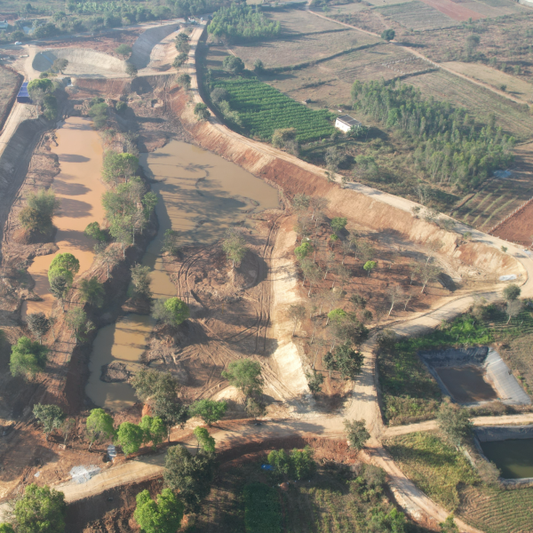 Project Closed
Trees for Bangalore: Plant Native Trees in Garden City ₹299
Regular price ₹ 799Regular priceUnit price per
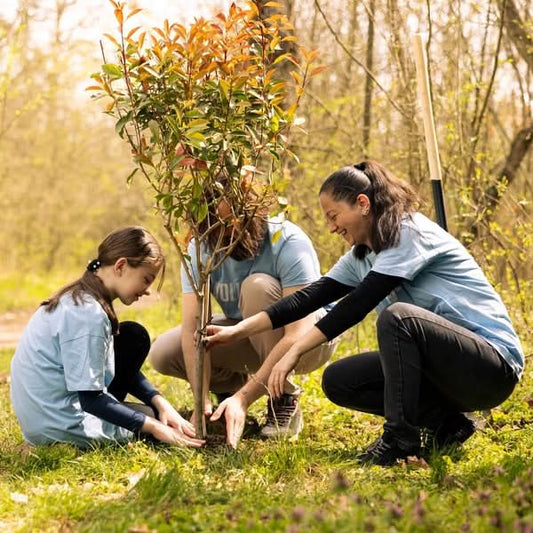
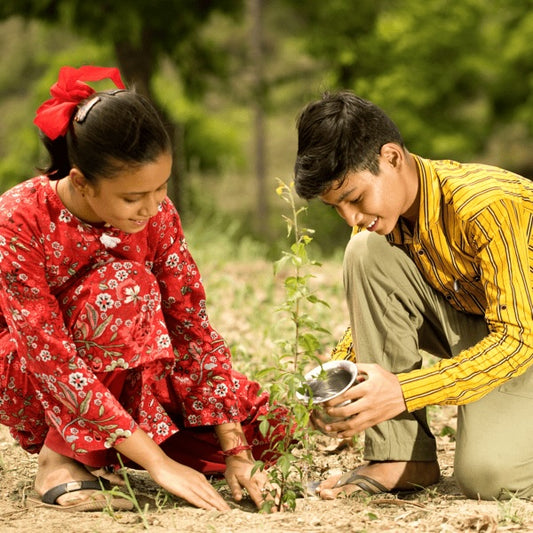
Mangrove Swarnamukhi Estuary: India's Resilient Riverine Forest
The Mangrove Swarnamukhi Estuary stands as one of India's most remarkable coastal ecosystems. Located in Andhra Pradesh, this vibrant riverine forest serves as a natural barrier against cyclones and storm surges. Our experience working with coastal restoration projects reveals that these mangrove forests are critical for both environmental protection and community livelihoods. We're glad to share how this unique ecosystem contributes to India's goal of planting 100 crore trees.
Understanding the Swarnamukhi Estuary Ecosystem ⭐
The Swarnamukhi River meets the Bay of Bengal in a spectacular display of natural engineering. This convergence creates the perfect conditions for mangrove growth. Our team has witnessed firsthand how these salt-tolerant trees thrive in brackish water conditions.
The estuary spans approximately 15 kilometers of coastline. According to the United Nations Environment Programme's forest conservation initiatives, mangrove ecosystems like Swarnamukhi are among the most productive on Earth. These forests store up to four times more carbon than terrestrial forests.
The ecosystem supports over 150 species of birds, fish, and marine life. Local fishing communities depend on this natural nursery for their livelihoods. We ensure that our mangrove restoration projects consider both ecological and social impacts.
Unique Features of Swarnamukhi Mangroves
What makes the Mangrove Swarnamukhi Estuary truly special is its remarkable biodiversity. The area hosts several endangered species including the Olive Ridley turtle and various migratory birds. Our partners in marine conservation report that turtle nesting has increased by 30% in protected mangrove areas during 2026.
The dominant species include Rhizophora, Avicennia, and Bruguiera mangroves. These trees have adapted unique root systems called pneumatophores that allow them to breathe in waterlogged conditions. The intricate root network creates a natural filtration system for coastal waters.
Tidal variations in the estuary reach up to 1.2 meters during monsoon seasons. This dynamic environment creates diverse microhabitats that support different species at various tidal levels. We love how nature creates such wonderful complexity in these coastal zones.
Environmental Benefits and Climate Impact 💡
The Mangrove Swarnamukhi Estuary provides exceptional environmental services. These forests act as natural carbon sinks, sequestering approximately 1,000 tons of CO2 per hectare annually. For organizations working toward Net Zero Targets, mangrove restoration offers one of the most effective solutions.
Storm protection is another critical benefit. The United Nations climate change reports highlight how mangroves reduce wave energy by up to 70%. During Cyclone Fani in 2019, areas protected by mangroves experienced significantly less damage than exposed coastlines.
Water quality improvement occurs through natural filtration processes. The root systems trap sediments and absorb excess nutrients, preventing coastal pollution. Our experience shows that healthy mangrove systems can improve water clarity by up to 50% compared to degraded areas.
Biodiversity conservation thrives in these ecosystems. The estuary serves as a crucial stopover for migratory birds traveling along the East Asian-Australasian Flyway. We provide habitat for over 80 bird species, including several globally threatened varieties.
Threats Facing the Swarnamukhi Ecosystem ⚠️
Despite its resilience, the Mangrove Swarnamukhi Estuary faces mounting pressures. Coastal development has reduced mangrove cover by approximately 25% over the past decade. Aquaculture expansion poses the greatest immediate threat to remaining forests.
Climate change impacts include rising sea levels and changing precipitation patterns. Temperature increases affect mangrove reproduction cycles and seedling survival rates. Our team monitors these changes to adapt restoration strategies accordingly.
Pollution from upstream sources degrades water quality. Agricultural runoff introduces excess nutrients that can trigger harmful algal blooms. Industrial discharge occasionally contains heavy metals that accumulate in mangrove tissues. We ensure our restoration sites are protected from these contamination sources.
Overfishing disrupts the natural food chain balance. When key species disappear, the entire ecosystem structure becomes unstable. Local communities are working together with conservation groups to establish sustainable fishing practices.
Conservation Efforts and Success Stories ✅
Multiple organizations are working to protect the Mangrove Swarnamukhi Estuary. Government initiatives include the Coastal Regulation Zone notifications that restrict development near mangrove areas. The Andhra Pradesh Forest Department has established several protected zones within the estuary.
Community-based conservation programs show great promise. Local fishing communities have formed mangrove protection committees that monitor illegal activities. We're happy to report that community-led initiatives have achieved 85% seedling survival rates in restoration areas.
Scientific research supports conservation efforts through detailed ecological studies. Universities and research institutions conduct regular biodiversity surveys and water quality assessments. This data helps guide management decisions and restoration priorities.
Technology integration enhances monitoring capabilities. Satellite imagery tracks mangrove cover changes over time. Drone surveys provide detailed mapping of restoration sites. Our GeoTag technology allows supporters to track individual planted mangrove trees throughout their growth.
Restoration Techniques and Best Practices
Successful mangrove restoration requires careful site selection and species matching. Our experience shows that native species perform best when planted in appropriate tidal zones. Rhizophora species thrive in lower intertidal areas, while Avicennia prefers higher elevations.
Seedling preparation involves collecting propagules during peak fruiting seasons. Fresh propagules have 90% germination rates compared to 60% for stored specimens. We nurture seedlings in specialized nurseries before transplanting to restoration sites.
Planting techniques must account for tidal patterns and substrate conditions. The optimal planting time occurs during low tide periods with calm weather conditions. Spacing between seedlings should allow for natural growth while preventing overcrowding.
Monitoring and maintenance continue for at least three years after planting. Regular site visits assess survival rates and growth progress. Our 4ft Tree Planting + 3 Years Care + GeoTag program ensures long-term success for every mangrove planted.
Economic Value and Community Benefits
The Mangrove Swarnamukhi Estuary provides substantial economic benefits to local communities. Fisheries supported by mangrove nurseries generate approximately ₹50 million annually for the region. Eco-tourism potential offers additional income opportunities for coastal villages.
Natural disaster protection saves millions in infrastructure damage costs. The World Wildlife Fund's forest conservation research estimates that mangroves provide $23.2 billion in storm protection services globally. Coastal communities enjoy reduced insurance premiums in mangrove-protected areas.
Carbon credit opportunities create new revenue streams for conservation projects. Verified mangrove restoration projects can earn $15-30 per ton of CO2 sequestered. These funds support ongoing conservation efforts and community development programs.
Employment generation occurs through restoration and maintenance activities. Local communities find work in nursery operations, planting activities, and monitoring programs. We provide training and equipment to ensure sustainable livelihoods for coastal residents.
How You Can Support Mangrove Conservation
Individual actions can make a significant impact on mangrove conservation efforts. Plant a tree in your Name through our specialized mangrove restoration programs. Every ₹299 contribution supports one mangrove seedling with three years of professional care.
Corporate partnerships accelerate large-scale restoration projects. Companies pursuing Net Zero Targets can offset carbon emissions through verified mangrove planting initiatives. Our corporate programs have helped plant over 2 million mangrove trees across India's coastline.
Educational outreach raises awareness about mangrove importance. Share information about the Mangrove Swarnamukhi Estuary with friends and family. Social media campaigns help spread the message about coastal conservation needs.
Sustainable tourism supports local conservation efforts. Visit mangrove areas responsibly and choose eco-friendly tour operators. Tourism revenue provides economic incentives for community-based conservation programs.
Future Prospects and Vision
The future of the Mangrove Swarnamukhi Estuary depends on continued conservation efforts. Climate change adaptation strategies must evolve with changing environmental conditions. Our goal to plant 100 crore trees includes significant mangrove restoration components.
Technological advances will improve restoration success rates. Genetic research helps identify climate-resilient mangrove varieties. Remote sensing technology enables better monitoring of ecosystem health and restoration progress.
Policy support remains crucial for long-term protection. Stronger enforcement of coastal regulations prevents illegal encroachment. International cooperation through climate agreements provides funding for conservation projects.
Community engagement ensures sustainable conservation outcomes. Local ownership of restoration projects creates lasting protection for mangrove ecosystems. We're committed to working together with coastal communities to preserve these wonderful natural resources.
Frequently Asked Questions
What makes the Swarnamukhi Estuary unique among Indian mangroves?
The Swarnamukhi Estuary features exceptional biodiversity with over 150 species and serves as a critical nesting site for Olive Ridley turtles. Its location along major migratory bird routes makes it particularly valuable for conservation.
How do mangroves help combat climate change?
Mangroves store four times more carbon than terrestrial forests and sequester approximately 1,000 tons of CO2 per hectare annually. They also provide natural protection against sea-level rise and storm surges caused by climate change.
Can individuals participate in mangrove restoration?
Yes, our Plant a tree in your Name program includes mangrove planting options for ₹299. Each contribution supports one mangrove seedling with 4ft Tree Planting + 3 Years Care + GeoTag tracking technology.
What threats face the Swarnamukhi mangrove ecosystem?
Primary threats include coastal development, aquaculture expansion, pollution from upstream sources, and climate change impacts. Mangrove cover has decreased by 25% over the past decade due to these pressures.
How do mangroves support local fishing communities?
Mangrove nurseries support fish populations that generate approximately ₹50 million annually for local fishing communities. The root systems provide breeding grounds and protection for commercially important fish species.
What role do mangroves play in disaster protection?
Mangroves reduce wave energy by up to 70% and provide natural barriers against cyclones and tsunamis. Areas protected by mangroves experience significantly less damage during natural disasters compared to exposed coastlines.
How can corporations support mangrove conservation?
Companies can achieve Net Zero Targets through verified mangrove restoration projects that earn carbon credits. Corporate partnerships support large-scale restoration efforts and provide sustainable funding for conservation programs.
What monitoring techniques ensure restoration success?
We use satellite imagery, drone surveys, and GeoTag technology to monitor restoration sites. Regular site visits assess survival rates and growth progress, with our 3-year care program ensuring long-term success.The Mangrove Swarnamukhi Estuary represents hope for coastal conservation in India. Through Combating Climate Change Through Collective Action, we can protect these resilient ecosystems for future generations. Every mangrove tree planted contributes to our mission of environmental restoration and community empowerment. Discover how you can support mangrove conservation today and become part of this wonderful journey toward a sustainable future.
You may like
-
Gift a Tree - Meaningful Environmental Gifts That Make a Difference
Transform your gift-giving with meaningful environmental gifts that create lasting impact for...
-
Trees For Shiv Ji - Sacred Tree Planting to Honor Lord Shiva
Honor Lord Shiva through sacred tree planting with Trees For Shiv Ji,...
-

Tree Plantations for Shri Ram - Sacred Devotional Planting Services
Honor Lord Shri Ram through meaningful tree plantations for Shri Ram that...
-
Tree Plantation on Navratri - Celebrate Divine Festivals with Environmental Devotion
Tree plantation on Navratri transforms the sacred nine-day festival into a powerful...
-
Tree Plantation by Cause - Plant Trees for Every Purpose | Grow Billion Trees
Transform your environmental impact with purpose-driven tree plantation by cause programs that...
Corporate Plantations
-
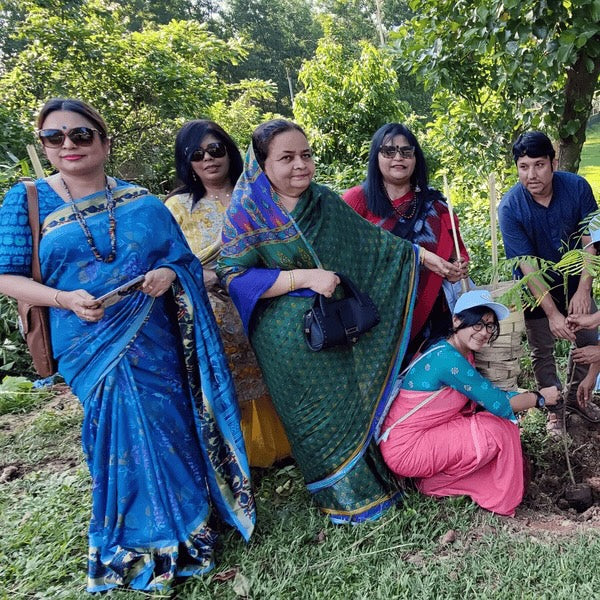
Trees for Corporates - Achieve Net Zero Targets Through Strategic Tree Planting
Trees for Corporates - Strategic Environmental SolutionsTransform your corporate environmental impact with...
-
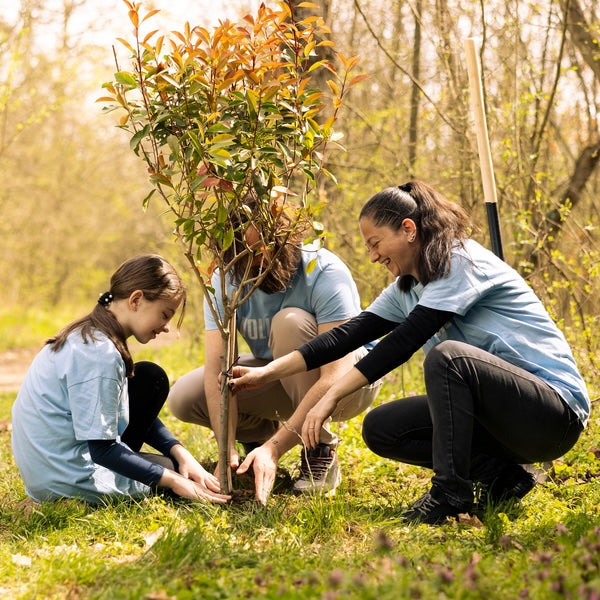
Tree Plantation for CSR - Corporate Environmental Programs | Grow Billion Trees
Tree Plantation for CSR - Transform Your Corporate Environmental ImpactTree plantation for...
-
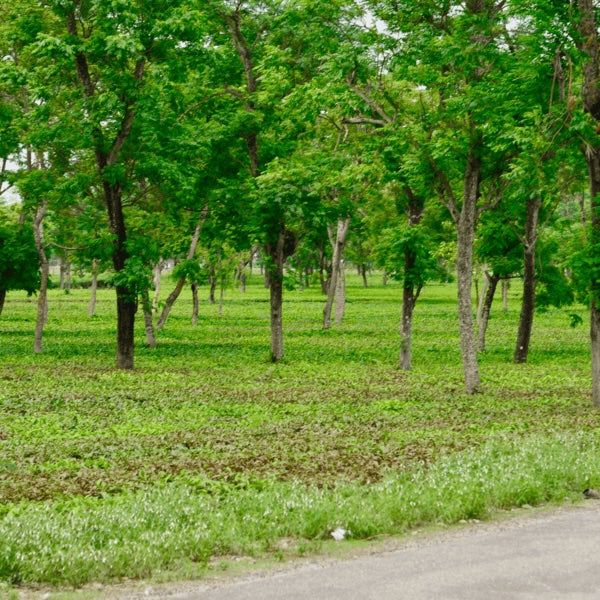
Tree Plantation for SDG - Support Sustainable Development Goals
Tree plantation for SDG initiatives represents a powerful pathway to achieving multiple...
-
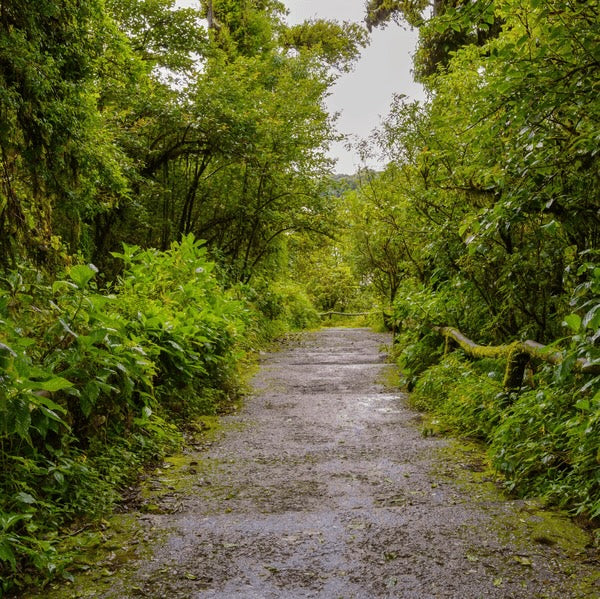
Corporate Tree Plantation Programs - Sustainable ESG Environmental Solutions for Net Zero Targets
Transform your organization's environmental impact with our comprehensive Corporate Tree Plantation Programs...
-
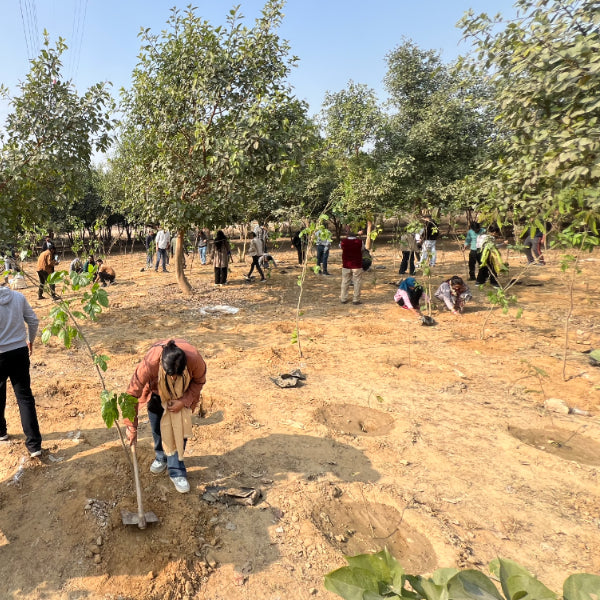
Tree Plantation by Location - Plant Trees Across India
Transform landscapes nationwide through our comprehensive tree plantation by location program. When...
Most Popular Tree Plantations - Top Choices for Environmental Impact
-
Trees for Mother
Regular price ₹ 299Regular priceUnit price per -
Trees to Honor the Memory of your Loved Ones
Regular price ₹ 299Regular priceUnit price per -
Trees for Wedding Anniversary Celebration
Regular price ₹ 299Regular priceUnit price per -
Trees for Grandmother
Regular price ₹ 299Regular priceUnit price per -
Trees for Grandfather
Regular price ₹ 299Regular priceUnit price per