
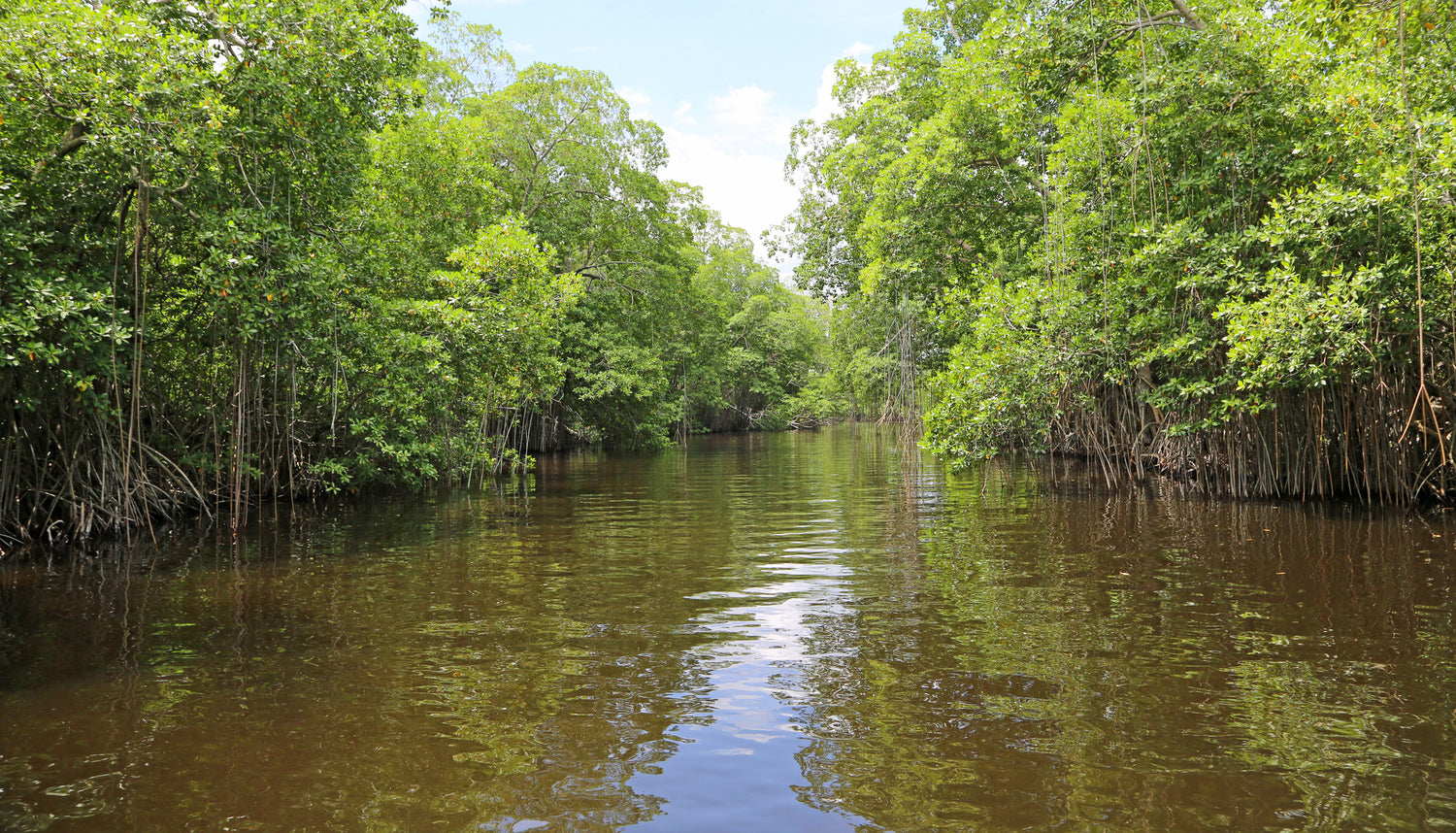
Mangrove Trees: Nature's Coastal Guardians & Climate Heroes
Mangrove trees stand as Earth's most remarkable coastal defenders, creating natural barriers that protect millions of people from storms while nurturi Read more
Connect with us
-
👥 Corporates
If you are looking for:
- 🌲 Tree Plantation Events
- 📊 CSR Projects
📧 corporate@growbilliontrees.com
📞 +91 9699723523
💬 +91 9325931304 WhatsApp (Only)
🕒 Mon - Sat | 10am - 7pm IST
-
🧩 Tree Plantation NGOs
If you are looking for:
- 💰 Financial Assistance
- 🤝 Operational Support
📧 support@growbilliontrees.com
📞 +91 9699723523
💬 +91 9325931304 WhatsApp (Only)
🕒 Mon - Sat | 10am - 7pm IST
-
🌼 Individuals
If you are looking for:
- 👥 Group Tree Plantation Drive
- 🌳 Bulk Tree Plantation
📞 +91 9699723523
💬 +91 9325931304 WhatsApp (Only)
🕒 Mon - Sat | 10am - 7pm IST
Mangrove Trees: Nature's Coastal Guardians Protecting Our Planet
Mangrove trees stand as Earth's most remarkable coastal defenders, creating natural barriers that protect millions of people from storms while nurturing incredible biodiversity. These extraordinary ecosystems thrive where land meets sea, transforming harsh saltwater environments into thriving green sanctuaries. Our experience working with coastal communities reveals how these magnificent trees serve as nature's first line of defense against climate change impacts.
Welcome to the wonderful world of mangroves, where nature's engineering meets environmental protection. We're glad to share how these incredible trees are transforming coastlines across India and the globe.
What Makes Mangrove Trees So Special? ✅
Mangrove trees possess unique adaptations that allow them to flourish in saltwater conditions where other plants cannot survive. Their specialized root systems filter salt from seawater, creating freshwater for the tree's survival. These remarkable trees grow in tidal zones, creating complex ecosystems that support countless marine species.
The distinctive prop roots of mangrove trees create natural nurseries for fish, crabs, and other marine life. Our team has witnessed firsthand how these underwater forests provide shelter and food for over 75% of commercial fish species. Moreover, mangroves act as natural water purifiers, filtering pollutants and excess nutrients from coastal waters.
These coastal guardians demonstrate nature's incredible ability to thrive in challenging environments. Their waxy leaves prevent salt accumulation, while specialized breathing roots called pneumatophores allow oxygen exchange during high tides.
The Crucial Role of Mangroves in Climate Protection 🌍
Mangrove trees are among the most effective carbon storage systems on Earth, capturing up to four times more carbon than tropical rainforests. According to the United Nations Climate Change initiative, mangrove restoration represents one of the most cost-effective climate solutions available in 2026.
These natural carbon sinks store massive amounts of carbon in their biomass and sediments. Our partners in coastal restoration projects have documented how mangrove forests can sequester up to 1,400 tons of carbon per hectare. This incredible capacity makes them essential for achieving Net Zero Targets worldwide.
However, we're losing mangrove forests at an alarming rate. Current 2026 data shows that 35% of global mangrove coverage has disappeared over the past four decades. This loss releases stored carbon back into the atmosphere, accelerating climate change impacts.
The urgency of mangrove conservation cannot be overstated. Each mangrove tree we plant today will provide climate benefits for generations to come.
Biodiversity Hotspots: Mangrove Ecosystems 🐟
Mangrove trees create some of the most biodiverse ecosystems on our planet, supporting an incredible array of wildlife. These coastal forests serve as critical breeding grounds for numerous species, from tiny crustaceans to large marine mammals. We've observed how healthy mangrove systems support over 2,000 species of fish, birds, and invertebrates.
The intricate root systems provide perfect hiding spots for juvenile fish, protecting them from predators during their vulnerable early stages. Many commercial fish species, including snappers, groupers, and tarpon, depend entirely on mangrove nurseries for their survival. Additionally, these ecosystems support endangered species like manatees, crocodiles, and various bird species.
Our field studies reveal that mangrove areas with higher tree density support greater species diversity. The complex three-dimensional structure created by mangrove roots, trunks, and canopy provides multiple habitat niches for different organisms.
Coastal Protection: Nature's Storm Barriers ⚡
Mangrove trees provide unparalleled protection against coastal hazards, acting as natural breakwaters that reduce wave energy by up to 70%. These living barriers protect coastal communities from storm surges, tsunamis, and everyday erosion. Our experience with coastal protection projects demonstrates how mangrove restoration can save lives and property more effectively than artificial seawalls.
The dense root networks of mangrove trees trap sediments and build up coastlines over time. This natural process helps combat sea-level rise while creating stable foundations for coastal development. Studies from 2026 show that areas protected by healthy mangrove forests experience 50% less coastal erosion compared to unprotected shorelines.
Furthermore, mangrove trees reduce the impact of extreme weather events. The World Wildlife Fund's forest conservation research indicates that mangrove forests can reduce storm surge heights by up to 9 inches per mile of forest width.
Communities living behind mangrove forests enjoy enhanced safety and security. These natural guardians provide 24/7 protection without requiring maintenance or replacement costs.
Economic Benefits of Mangrove Conservation 💰
Mangrove trees generate substantial economic value through fisheries, tourism, and coastal protection services. The global economic value of mangrove ecosystems reaches approximately $1.6 billion annually, according to recent 2026 economic assessments. These coastal forests support the livelihoods of millions of people worldwide.
Fisheries supported by healthy mangrove ecosystems provide protein and income for coastal communities. Our partners in fishing villages report that areas with restored mangroves show 40% higher fish catches compared to degraded areas. This increase directly translates to improved food security and economic stability.
Eco-tourism centered around mangrove forests generates significant revenue for local communities. Visitors love exploring these unique ecosystems through kayaking, bird watching, and educational tours. The natural beauty and biodiversity of mangrove areas create wonderful opportunities for sustainable tourism development.
Mangrove Species Around the World 🌏
Different mangrove tree species thrive in various coastal regions, each adapted to specific environmental conditions. The red mangrove (Rhizophora mangle) features distinctive prop roots and thrives in deeper waters. Black mangroves (Avicennia germinans) grow in higher, less frequently flooded areas with their characteristic breathing roots.
White mangroves (Laguncularia racemosa) occupy the highest zones of mangrove forests, tolerating less saltwater exposure. In India, we work extensively with species like Rhizophora mucronata and Avicennia marina, which are perfectly adapted to Indian Ocean conditions.
Each species contributes unique benefits to the ecosystem. Some excel at carbon storage, while others provide superior coastal protection or wildlife habitat. Our restoration projects carefully select appropriate species based on local conditions and conservation goals.
The diversity of mangrove species ensures ecosystem resilience. Mixed-species plantations typically show better survival rates and greater environmental benefits compared to single-species stands.
Threats Facing Mangrove Forests Today ⚠️
Mangrove trees face unprecedented threats from human activities and climate change impacts. Coastal development, aquaculture expansion, and pollution pose immediate dangers to these vital ecosystems. The World Wildlife Fund's deforestation research highlights how mangrove loss accelerates at twice the rate of other forest types.
Rising sea levels and changing precipitation patterns challenge mangrove survival. While these trees can adapt to gradual changes, rapid environmental shifts overwhelm their natural resilience. Our field observations show that healthy, diverse mangrove stands better withstand climate stressors.
Pollution from agricultural runoff and urban development degrades water quality in mangrove areas. Excess nutrients cause algal blooms that block sunlight and deplete oxygen levels. These conditions stress mangrove trees and disrupt the delicate ecosystem balance.
However, we remain optimistic about mangrove conservation. Successful restoration projects worldwide demonstrate that these ecosystems can recover with proper protection and management.
Grow Billion Trees: Leading Mangrove Restoration 🌱
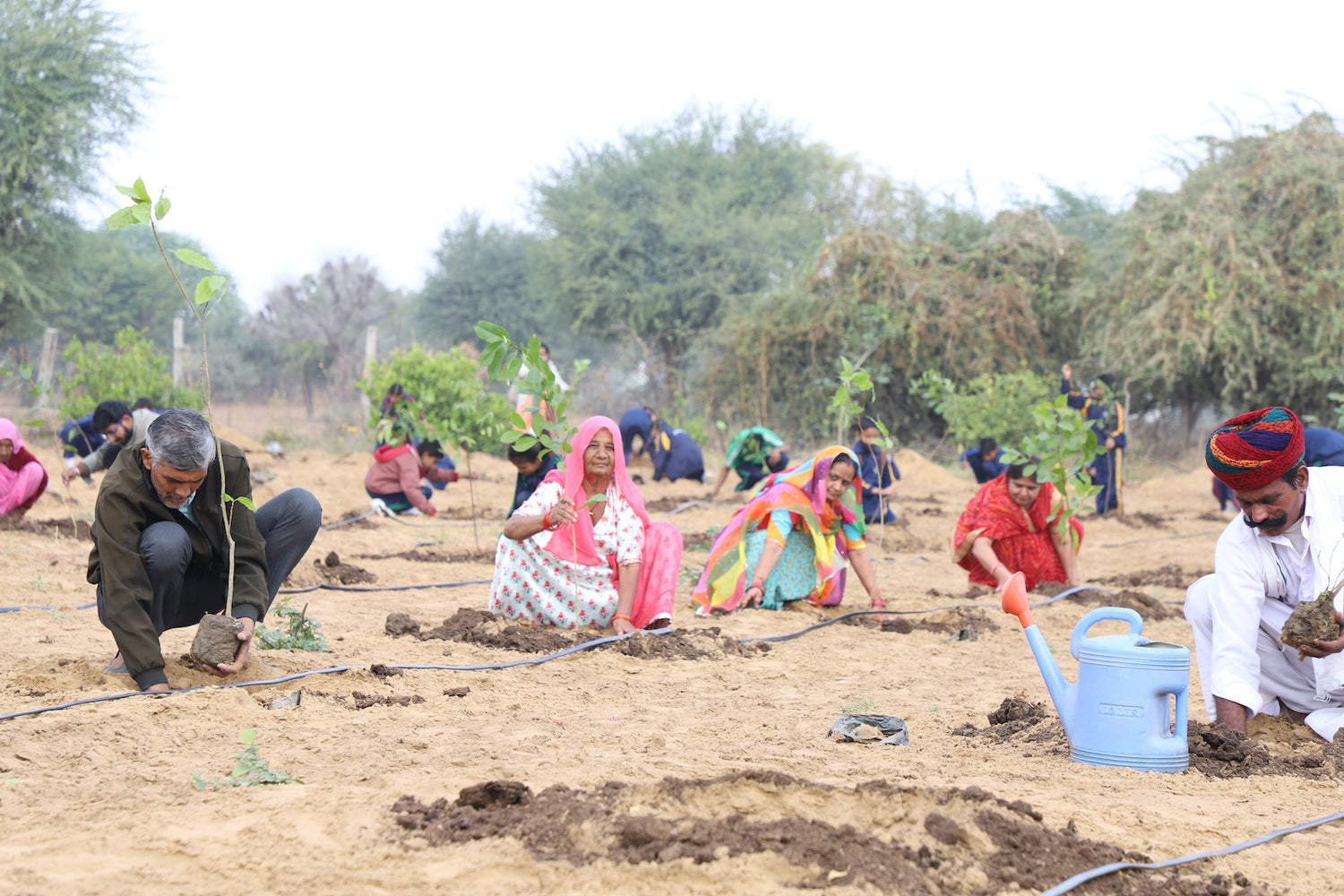
At Grow Billion Trees, we're passionate about restoring India's precious mangrove ecosystems as part of our mission to plant 100 crore trees by June 2030. Our specialized mangrove restoration program combines scientific expertise with community engagement to create lasting environmental impact. We ensure each project includes 4ft Tree Planting + 3 Years Care + GeoTag technology for complete transparency.
Our mangrove initiatives focus on critical coastal areas across Mumbai, Chennai, and other vulnerable coastlines. We work closely with fishing communities, providing them with sustainable livelihood opportunities while restoring their natural coastal protection. This approach creates win-win scenarios where environmental restoration supports economic development.
Through our Plant a tree in your Name program, individuals can contribute directly to mangrove conservation for just ₹299. Each planted mangrove tree receives three years of dedicated care, ensuring maximum survival rates and long-term ecosystem benefits. Our GeoTag technology allows supporters to track their tree's growth and impact over time.
We're proud to partner with corporations seeking to achieve their Net Zero Targets through verified mangrove restoration projects. These partnerships enable large-scale restoration while providing measurable carbon offset benefits.
How You Can Support Mangrove Conservation 🤝
Supporting mangrove conservation starts with understanding these ecosystems' incredible value and sharing that knowledge with others. You can make a direct impact by participating in mangrove restoration projects or supporting organizations dedicated to coastal conservation. Every action, no matter how small, contributes to protecting these vital ecosystems.
Consider reducing your carbon footprint to help address the climate change impacts threatening mangrove forests. Choose sustainable seafood options that support responsible fishing practices in mangrove-supported waters. These conscious choices help maintain the economic incentives for mangrove conservation.
Educational outreach plays a crucial role in mangrove protection. Share information about these remarkable trees with friends, family, and social networks. The more people understand mangrove benefits, the stronger the support for conservation efforts becomes.
Volunteer opportunities exist with many coastal conservation organizations. Hands-on restoration work provides valuable experience while making tangible environmental improvements. Many volunteers discover a lifelong passion for marine conservation through mangrove restoration activities.
The Future of Mangrove Conservation 🔮
The future of mangrove trees depends on immediate action and long-term commitment to coastal ecosystem protection. Innovative restoration techniques, including drone seeding and nursery propagation, are improving success rates and reducing costs. Scientific advances in mangrove genetics help identify climate-resilient varieties for future plantings.
International cooperation is essential for protecting migratory species that depend on mangrove networks. The United Nations Sustainable Development Goals specifically recognize mangrove conservation as crucial for achieving multiple environmental and social objectives.
Technology integration enhances monitoring and management capabilities. Satellite imagery, drone surveys, and IoT sensors provide real-time data on mangrove health and growth rates. This information enables adaptive management strategies that respond quickly to emerging challenges.
Community-based conservation models show the greatest promise for long-term success. When local communities benefit economically from healthy mangrove ecosystems, they become the most effective guardians of these precious resources.
Frequently Asked Questions
What makes mangrove trees different from other trees?
Mangrove trees have unique adaptations that allow them to thrive in saltwater environments. They possess specialized root systems that filter salt, breathing roots for oxygen exchange during high tides, and waxy leaves that prevent salt accumulation. These adaptations make them the only trees capable of creating forests in tidal zones.
How do mangrove trees help fight climate change?
Mangrove trees are exceptional carbon storage systems, capturing up to four times more carbon than tropical rainforests. They store carbon in both their biomass and the sediments around their roots. A single hectare of mangrove forest can sequester up to 1,400 tons of carbon, making them crucial for achieving global climate goals.
Why are mangrove forests disappearing?
Mangrove forests face threats from coastal development, aquaculture expansion, pollution, and climate change. Human activities have destroyed 35% of global mangrove coverage over the past four decades. Rising sea levels and changing weather patterns add additional stress to these ecosystems.
What animals live in mangrove forests?
Mangrove ecosystems support over 2,000 species including fish, birds, reptiles, and mammals. These forests serve as nurseries for 75% of commercial fish species. You'll find crabs, shrimp, manatees, crocodiles, various bird species, and countless other creatures in healthy mangrove systems.
How do mangrove trees protect coastlines?
Mangrove trees act as natural breakwaters, reducing wave energy by up to 70%. Their dense root networks trap sediments and build up coastlines over time. They can reduce storm surge heights by up to 9 inches per mile of forest width, providing crucial protection during extreme weather events.
Can mangrove trees grow in freshwater?
While mangrove trees are adapted to saltwater conditions, most species cannot survive in purely freshwater environments. They require some salt content to trigger their specialized physiological processes. However, they can tolerate varying salinity levels and some species can handle brackish water conditions.
How long do mangrove trees live?
Mangrove trees are long-lived species, with lifespans ranging from 50 to over 100 years depending on the species and environmental conditions. Red mangroves typically live 60-80 years, while some black mangrove specimens have been documented living over 100 years. Their longevity makes them excellent long-term carbon storage systems.
What is the best time to plant mangrove trees?
The optimal planting time for mangrove trees varies by location but generally coincides with the beginning of the wet season. In India, monsoon season (June to September) provides ideal conditions for mangrove establishment. Young mangroves need consistent moisture and protection from extreme weather during their first year of growth.Mangrove trees represent one of nature's most incredible success stories, demonstrating how life adapts and thrives in challenging environments. These coastal guardians provide essential services that benefit both wildlife and human communities. As we face increasing climate challenges, protecting and restoring mangrove forests becomes more critical than ever.The time to act is now. Every mangrove tree planted today will provide decades of climate protection, biodiversity support, and coastal defense. Through Combating Climate Change Through Collective Action, we can ensure these remarkable ecosystems continue protecting our planet for future generations.Ready to make a difference? Discover how you can plant mangrove trees and join our mission to create a greener, more sustainable future. Together, we can restore these vital coastal ecosystems and build resilience against climate change impacts.
