
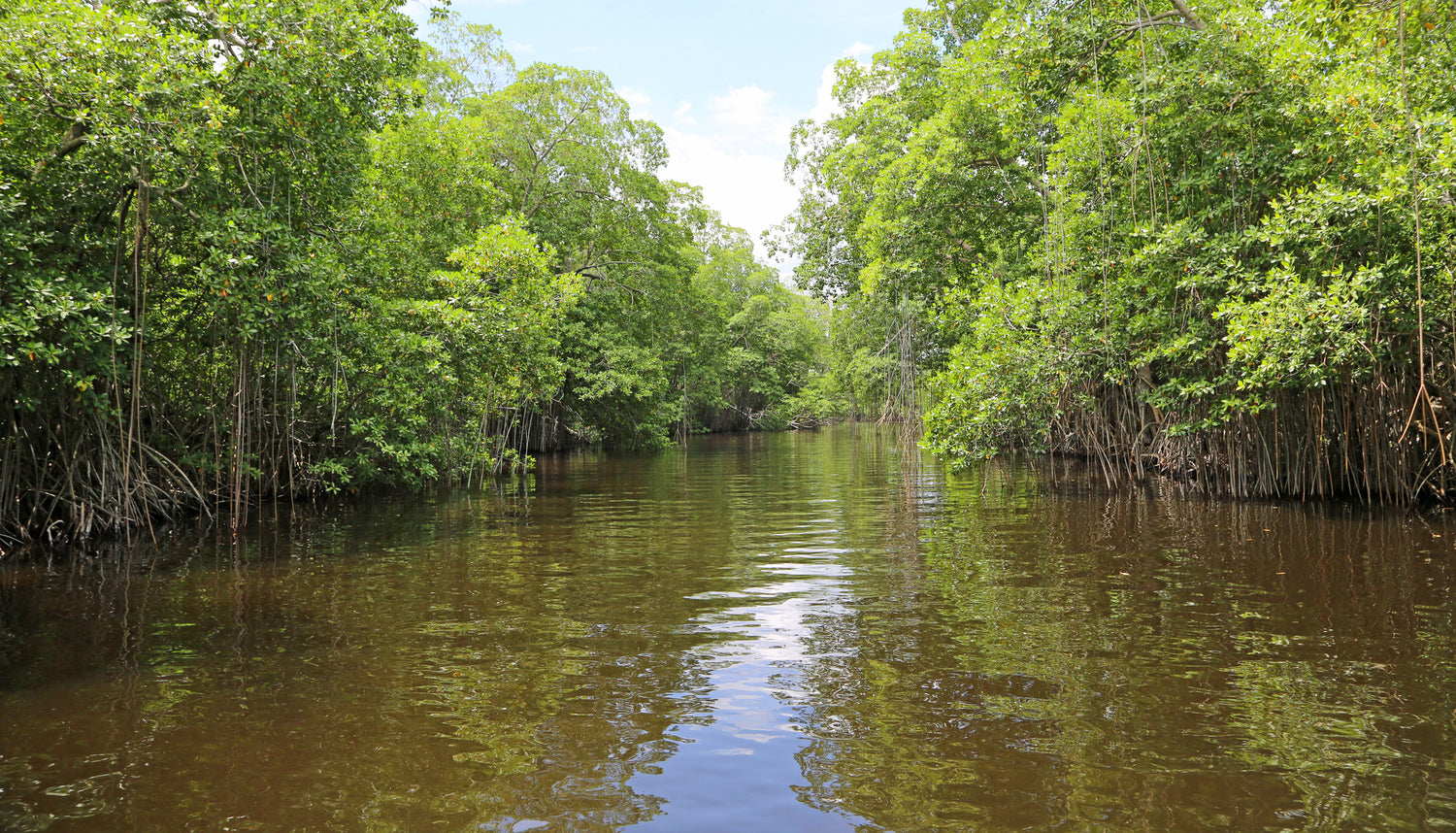
Mangroves in Kavaratti: Lakshadweep's Coastal Forests
The mangroves in Kavaratti are among India's most vital and biodiverse coastal forests, protecting the fragile islands of Lakshadweep from rising seas Read more
Connect with us
-
👥 Corporates
If you are looking for:
- 🌲 Tree Plantation Events
- 📊 CSR Projects
📧 corporate@growbilliontrees.com
📞 +91 9699723523
💬 +91 9325931304 WhatsApp (Only)
🕒 Mon - Sat | 10am - 7pm IST
-
🧩 Tree Plantation NGOs
If you are looking for:
- 💰 Financial Assistance
- 🤝 Operational Support
📧 support@growbilliontrees.com
📞 +91 9699723523
💬 +91 9325931304 WhatsApp (Only)
🕒 Mon - Sat | 10am - 7pm IST
-
🌼 Individuals
If you are looking for:
- 👥 Group Tree Plantation Drive
- 🌳 Bulk Tree Plantation
📞 +91 9699723523
💬 +91 9325931304 WhatsApp (Only)
🕒 Mon - Sat | 10am - 7pm IST
Trending Tree Plantations - Most Popular Environmental Programs
-
Trees for Mother
Regular price ₹ 299Regular priceUnit price per -
Trees to Honor the Memory of your Loved Ones
Regular price ₹ 299Regular priceUnit price per -
Trees for Women's Day (8th Mar)
Regular price ₹ 299Regular priceUnit price per -
Trees for Wedding Anniversary Celebration
Regular price ₹ 299Regular priceUnit price per -
Trees for Grandmother
Regular price ₹ 299Regular priceUnit price per




Trees for Corporates - Achieve Net Zero Targets Through Strategic Tree Planting
-
 Project Closed
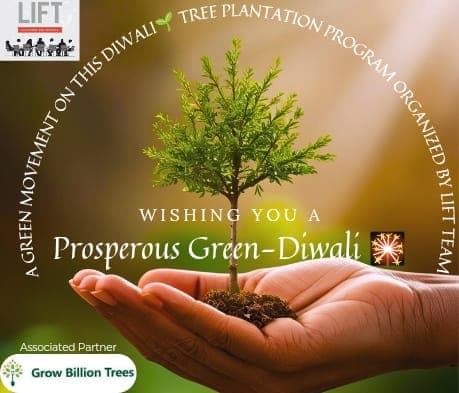
Trees by LIFT Team for Green Diwali: Transform Your Festival
Regular price ₹ 299Regular priceUnit price per -
Trees for a Greener Tomorrow - by Mahindra Lifespaces
Regular price ₹ 299Regular priceUnit price per -
Trees for Environment Day: Plant Your Impact on June 5th
Regular price ₹ 299Regular priceUnit price per -
Trees for Employees: Transform Your Corporate Culture in 2026
Regular price ₹ 299Regular priceUnit price per -
 Project Closed
Trees for Bangalore: Plant Native Trees in Garden City ₹299
Regular price ₹ 799Regular priceUnit price per
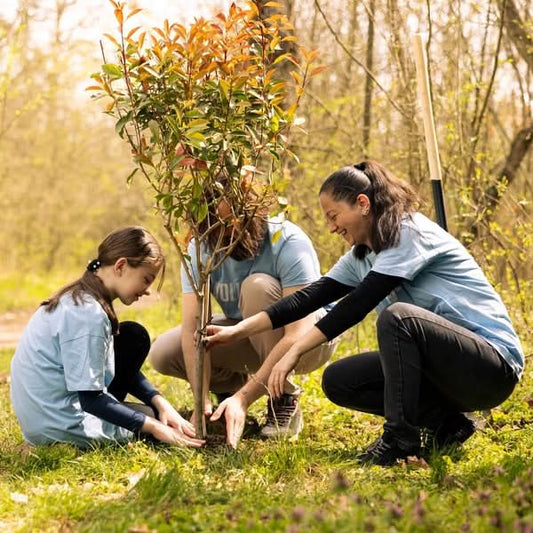
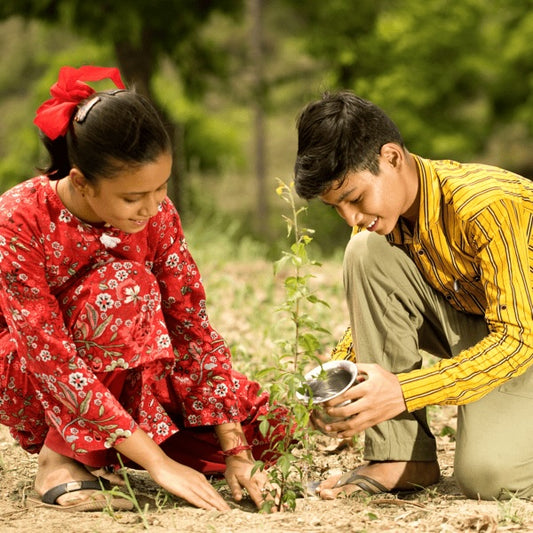
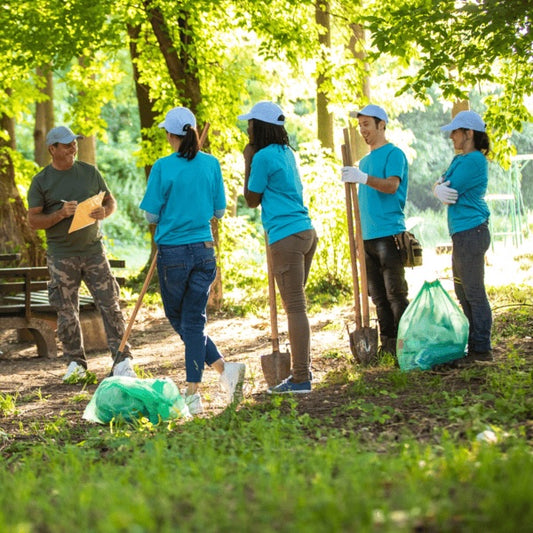
Mangroves in Kavaratti: Lakshadweep's Unique Coastal Forests
The mangroves in Kavaratti are among India's most vital and biodiverse coastal forests, protecting the fragile islands of Lakshadweep from rising seas and devastating erosion. These remarkable trees grow where land meets ocean, forming a natural green shield that supports marine life, sequesters carbon, and sustains local communities. Our team has witnessed firsthand how these lush sanctuaries transform vulnerable coastlines into thriving, resilient ecosystems. In 2026, protecting these forests is more urgent than ever.
Kavaratti, the capital of Lakshadweep, sits in the Arabian Sea roughly 404 kilometres from Kerala's coast. Its mangrove forests are not merely scenic — they are ecological lifelines. Environmental experts confirm that healthy mangrove systems store up to five times more carbon per unit area than tropical rainforests. Therefore, their preservation is central to India's broader climate mission.
✅ Why Mangroves in Kavaratti Matter
Mangroves in Kavaratti provide critical, multi-layered protection for the entire island chain. They absorb wave energy during storms, dramatically reducing coastal flooding and erosion. According to the United Nations Environment Programme's forests initiative, mangrove ecosystems protect over 18% of the world's coastlines and support hundreds of species of fish, birds, and invertebrates. This makes them irreplaceable for island communities.
These coastal forests also regulate our planet's climate. They capture and store "blue carbon" — carbon absorbed from the atmosphere and locked deep in roots and sediment. Moreover, mangroves filter pollutants, improve water quality, and act as nurseries for juvenile reef fish. Together, these functions make Kavaratti's mangroves one of the most productive natural ecosystems in India.
⭐ The Unique Ecology of Kavaratti's Mangrove Forests
Mangroves in Kavaratti are ecologically unique because they grow on coral atoll terrain. Unlike mainland mangroves, these island forests face saltier water, stronger tidal action, and a more exposed environment. We found that the dominant species include Rhizophora mucronata, Avicennia marina, and Sonneratia alba — each beautifully adapted to survive in the dynamic tidal zone.
The root systems of these trees are extraordinary feats of natural engineering. Arching prop roots and pencil-like pneumatophores anchor trees in shifting coral sand and allow oxygen exchange below the waterline. In addition, these root systems trap sediment, actively building new land over time. This natural land-building process is crucial for low-lying atolls like Kavaratti, which face constant threats from sea level rise.
The biodiversity within these forests is truly wonderful. Over 60 species of birds — including rare migratory visitors — use Kavaratti's mangroves as feeding and nesting grounds. Marine turtles nest on nearby beaches, and juvenile reef fish shelter in dense root tangles. Our experience shows that wherever mangroves thrive, entire marine food chains grow stronger and more resilient. This is the real, measurable impact of healthy coastal forests.
⚠️ Threats Facing Kavaratti's Coastal Forests
Despite their immense value, mangroves in Kavaratti face serious and growing threats. Climate change-driven sea level rise, increased storm intensity, and ocean warming are the primary dangers for this low-lying island ecosystem. According to the United Nations Climate Change initiative, small island developing states like Lakshadweep rank among the most vulnerable territories on earth to climate impacts.
Human pressures also cause significant harm. Tourism development, coastal construction, and plastic pollution degrade mangrove habitats at an alarming pace. The World Wildlife Fund reports that the world has lost approximately 35% of its mangrove cover in recent decades. This loss is devastating for island communities that depend on these forests for food security and storm protection.
Sedimentation and changes in freshwater flow further disrupt the delicate balance these forests require. Without conscious, sustained intervention, Kavaratti's mangroves may continue to shrink. However, targeted, community-led restoration can reverse this trend and save these vital ecosystems.
💡 Grow Billion Trees: Restoring Mangroves Across India
At Grow Billion Trees, we are proud to lead active mangrove restoration programs across India's coastal zones, including initiatives that directly support island ecosystems. Our partners work alongside local communities using proven, eco-friendly restoration methods. We ensure every planting site receives long-term care, scientific monitoring, and transparent impact reporting — a guarantee of authentic, verified conservation work.
Our mangrove program features 4ft Tree Planting + 3 Years Care + GeoTag technology. Every tree we plant is tracked using geolocation data, giving donors and corporate partners verified, real-time proof of their environmental impact. Our team collects hands-on field data, monitors growth milestones, and publishes transparent reports. This certified process is trusted by hundreds of organisations across India.
We are working toward our mission of planting 100 crore trees across India by June 2030, with mangrove restoration forming a vital pillar of this effort. Corporates seeking to meet Net Zero Targets can partner with us for certified mangrove restoration — one of the most carbon-efficient environmental investments available today. Our verified programs boost corporate ESG scores while creating genuine ecological change.
You can Plant a tree in your Name for just ₹299, with three full years of dedicated care included. This accessible, mindful pricing means individuals, families, and businesses can all join the movement of Combating Climate Change Through Collective Action. Great impact does not need to be complicated — it starts with a single, conscious step.
✅ Key Benefits of Mangrove Restoration in Kavaratti
Restoring mangroves in Kavaratti delivers layered, lasting benefits for nature and people. First, restored forests stabilise shorelines and save homes and infrastructure from destructive erosion. Second, they improve water quality by filtering land-based pollutants before they reach coral reefs. Third, they transform degraded coastlines into thriving habitats for hundreds of species.
For local island communities, healthy mangroves mean sustainable livelihoods and improved food security. Fishermen enjoy stronger fish stocks and better-protected fishing grounds. Eco-tourism opportunities grow as birdlife, marine turtles, and reef fish return to restored areas. Moreover, mangrove belts reduce the devastating impact of cyclones — a critical benefit as climate change intensifies storm events across the Arabian Sea.
A 2026 study estimates that restoring all degraded mangroves globally could sequester up to 1.6 billion tonnes of carbon annually. This makes every planted mangrove sapling a powerful, natural contribution to our planet's future. As outlined by the United Nations Sustainable Development Goals, protecting coastal and marine ecosystems is central to achieving a just and sustainable world for all.
🌱 How You Can Help Protect Mangroves in Kavaratti
You can make a real, measurable difference for Kavaratti's coastal forests today. Grow Billion Trees offers easy, verified mangrove planting programs that fund restoration across India's most vulnerable coastlines. Whether you want to celebrate a birthday, honour a loved one's memory, or meet corporate sustainability goals, we have a wonderful program designed for you.
We love seeing coastlines transform from eroded shorelines into lush, green sanctuaries. Our programs are mindful of local ecology and community needs, working with certified nurseries, trained field teams, and trusted local partners. Every contribution you make helps nurture a future where India's coastal forests grow strong and resilient once again.
Discover how your contribution can save coastlines, boost biodiversity, and improve the lives of island communities. Explore our eco-friendly mangrove planting programs at Grow Billion Trees and learn more about how we are restoring India's coastal heritage — one mangrove at a time. Together, we can make the change our planet needs.
Frequently Asked Questions
What are the mangroves in Kavaratti?
Mangroves in Kavaratti are coastal forests growing in the tidal zones of Kavaratti island, the capital of Lakshadweep. They include species like Rhizophora mucronata and Avicennia marina and are vital for coastal protection, carbon storage, and marine biodiversity across the island chain.
Why are mangroves important for Lakshadweep's islands?
Mangroves protect Lakshadweep's low-lying atolls from coastal erosion, storm surges, and sea level rise. They support fisheries, nurture biodiversity, sequester blue carbon, and improve water quality — making them essential for the ecological and economic health of every island in the union territory.
How does Grow Billion Trees support mangrove conservation?
Grow Billion Trees runs certified mangrove restoration programs featuring 4ft Tree Planting + 3 Years Care + GeoTag tracking. Our hands-on team works with local partners and provides verified proof of every planted tree to donors and corporate partners seeking transparent impact reporting.
Can I plant a mangrove tree in someone's name as a gift?
Yes! You can Plant a tree in your Name or as a mindful gift for just ₹299 through Grow Billion Trees. The planting includes three years of professional care and a personalised certificate — a wonderful, meaningful gift for birthdays, memorials, anniversaries, or Women's Day.
What are the main threats to mangroves in Kavaratti?
The primary threats include climate change-driven sea level rise, intensifying storm activity, coastal development, plastic pollution, and sedimentation. These pressures have reduced mangrove cover globally by around 35%, making active, sustained restoration essential for Kavaratti's long-term ecological survival.
How do mangroves help fight climate change?
Mangroves sequester blue carbon, storing it in their biomass and sediment at rates up to five times higher than tropical forests. Restoring mangroves is therefore one of the most proven, cost-effective natural solutions to climate change available today, especially for coastal and island regions.
What marine life depends on Kavaratti's mangrove forests?
Kavaratti's mangroves support over 60 bird species, juvenile reef fish, marine turtles, crustaceans, and diverse invertebrates. The dense root systems provide critical nursery habitat and feeding grounds that sustain the broader coral reef ecosystem surrounding the Lakshadweep islands.
How can corporates contribute to mangrove restoration through Grow Billion Trees?
Corporates can partner with Grow Billion Trees to fund certified mangrove restoration as part of their Net Zero Targets. We provide GeoTag-verified data, detailed impact reports, and sustainability certificates to support ESG reporting and environmental compliance goals.
Are the mangroves in Kavaratti legally protected?
Lakshadweep's mangroves fall under multiple coastal conservation regulations, and the Union Territory administration maintains policies to protect these ecosystems. However, active restoration programs and community engagement — like those run by Grow Billion Trees — remain vital for their long-term health and survival.
Where can I learn more about global mangrove and forest conservation?
You can explore in-depth resources from the World Wildlife Fund's forest conservation initiative and the United Nations Environment Programme. You can also visit Grow Billion Trees to discover our hands-on, certified restoration programs across India's most ecologically important landscapes.The mangroves in Kavaratti are a natural treasure that belong to all of us. Together, we can protect and restore these extraordinary coastal forests for future generations. Explore our sustainable planting programs today at Grow Billion Trees — and take your first step toward meaningful, lasting environmental action.
You may like
-
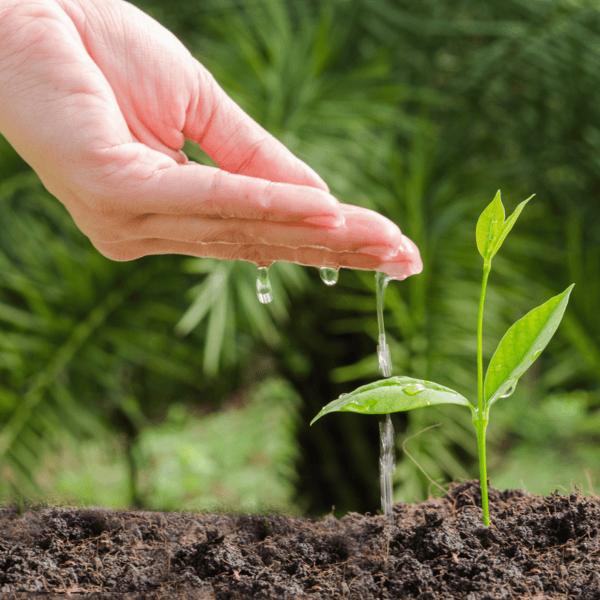
Gift a Tree - Meaningful Environmental Gifts That Make a Difference
Transform your gift-giving with meaningful environmental gifts that create lasting impact for...
-
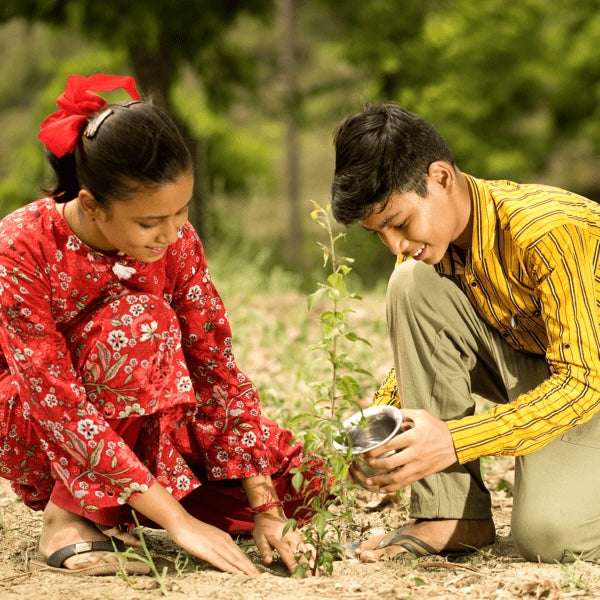
Trees For Shiv Ji - Sacred Tree Planting to Honor Lord Shiva
Honor Lord Shiva through sacred tree planting with Trees For Shiv Ji,...
-
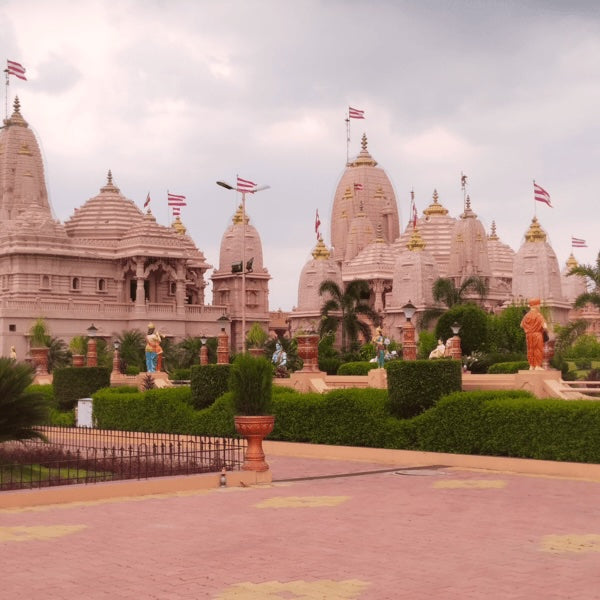
Tree Plantations for Shri Ram - Sacred Devotional Planting Services
Honor Lord Shri Ram through meaningful tree plantations for Shri Ram that...
-
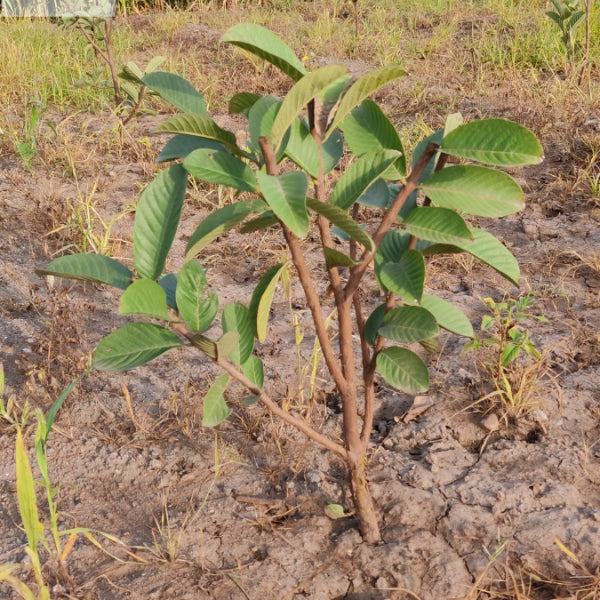
Tree Plantation on Navratri - Celebrate Divine Festivals with Environmental Devotion
Tree plantation on Navratri transforms the sacred nine-day festival into a powerful...
-
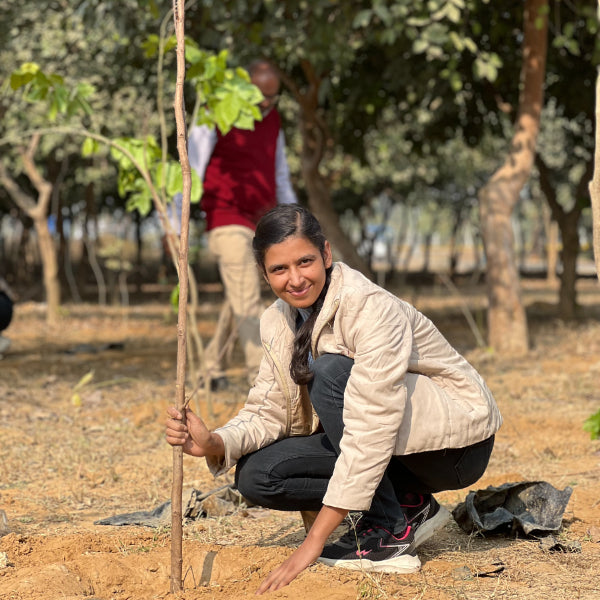
Tree Plantation by Cause - Plant Trees for Every Purpose | Grow Billion Trees
Transform your environmental impact with purpose-driven tree plantation by cause programs that...
Corporate Plantations
-
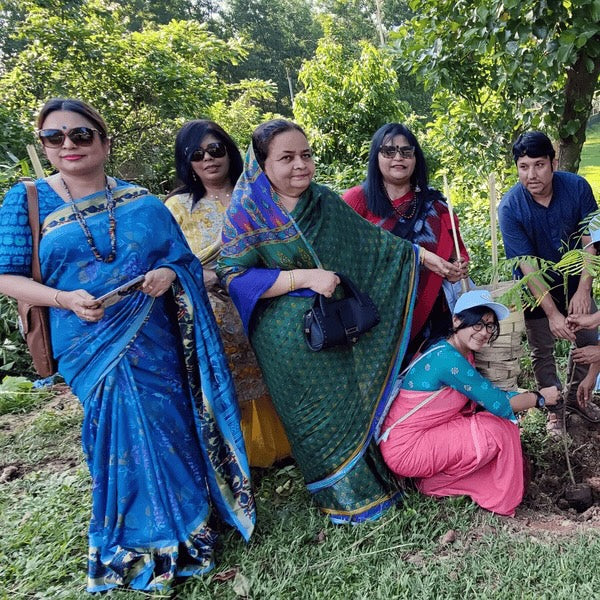
Trees for Corporates - Achieve Net Zero Targets Through Strategic Tree Planting
Trees for Corporates - Strategic Environmental SolutionsTransform your corporate environmental impact with...
-
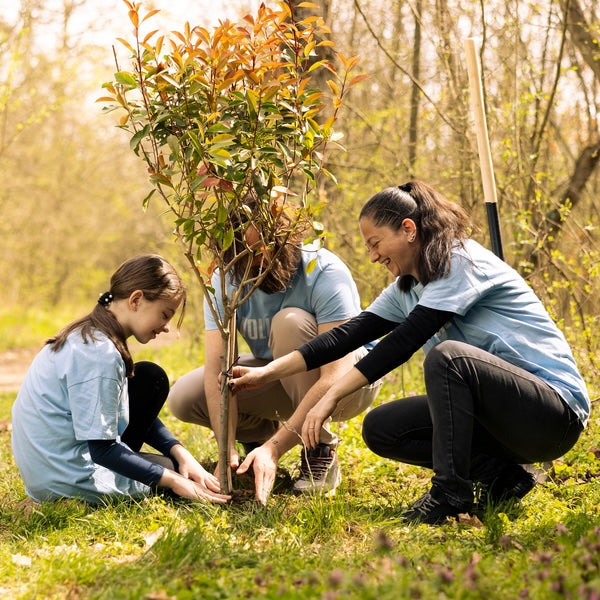
Tree Plantation for CSR - Corporate Environmental Programs | Grow Billion Trees
Tree Plantation for CSR - Transform Your Corporate Environmental ImpactTree plantation for...
-
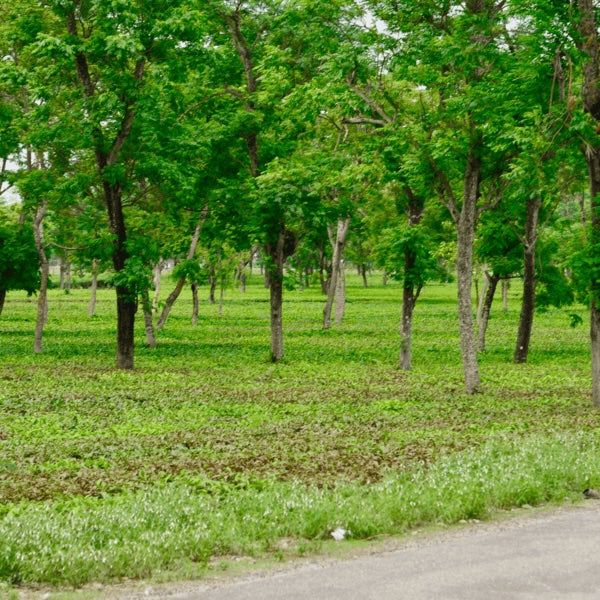
Tree Plantation for SDG - Support Sustainable Development Goals
Tree plantation for SDG initiatives represents a powerful pathway to achieving multiple...
-
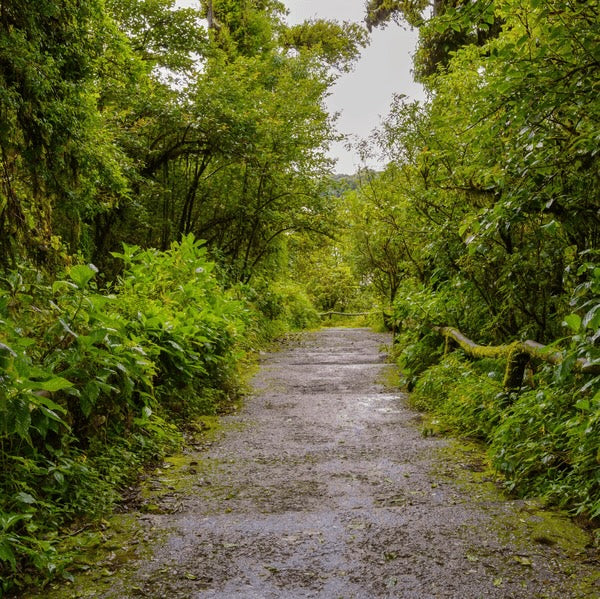
Corporate Tree Plantation Programs - Sustainable ESG Environmental Solutions for Net Zero Targets
Transform your organization's environmental impact with our comprehensive Corporate Tree Plantation Programs...
-
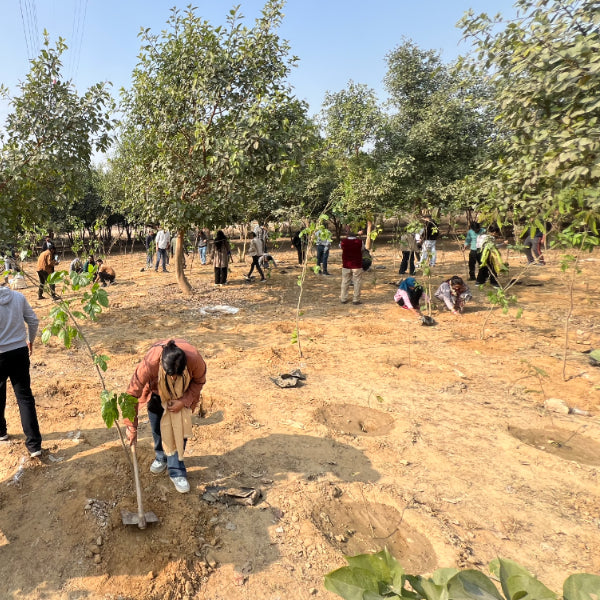
Tree Plantation by Location - Plant Trees Across India
Transform landscapes nationwide through our comprehensive tree plantation by location program. When...
Most Popular Tree Plantations - Top Choices for Environmental Impact
-
Trees for Mother
Regular price ₹ 299Regular priceUnit price per -
Trees to Honor the Memory of your Loved Ones
Regular price ₹ 299Regular priceUnit price per -
Trees for Wedding Anniversary Celebration
Regular price ₹ 299Regular priceUnit price per -
Trees for Grandmother
Regular price ₹ 299Regular priceUnit price per -
Trees for Grandfather
Regular price ₹ 299Regular priceUnit price per