
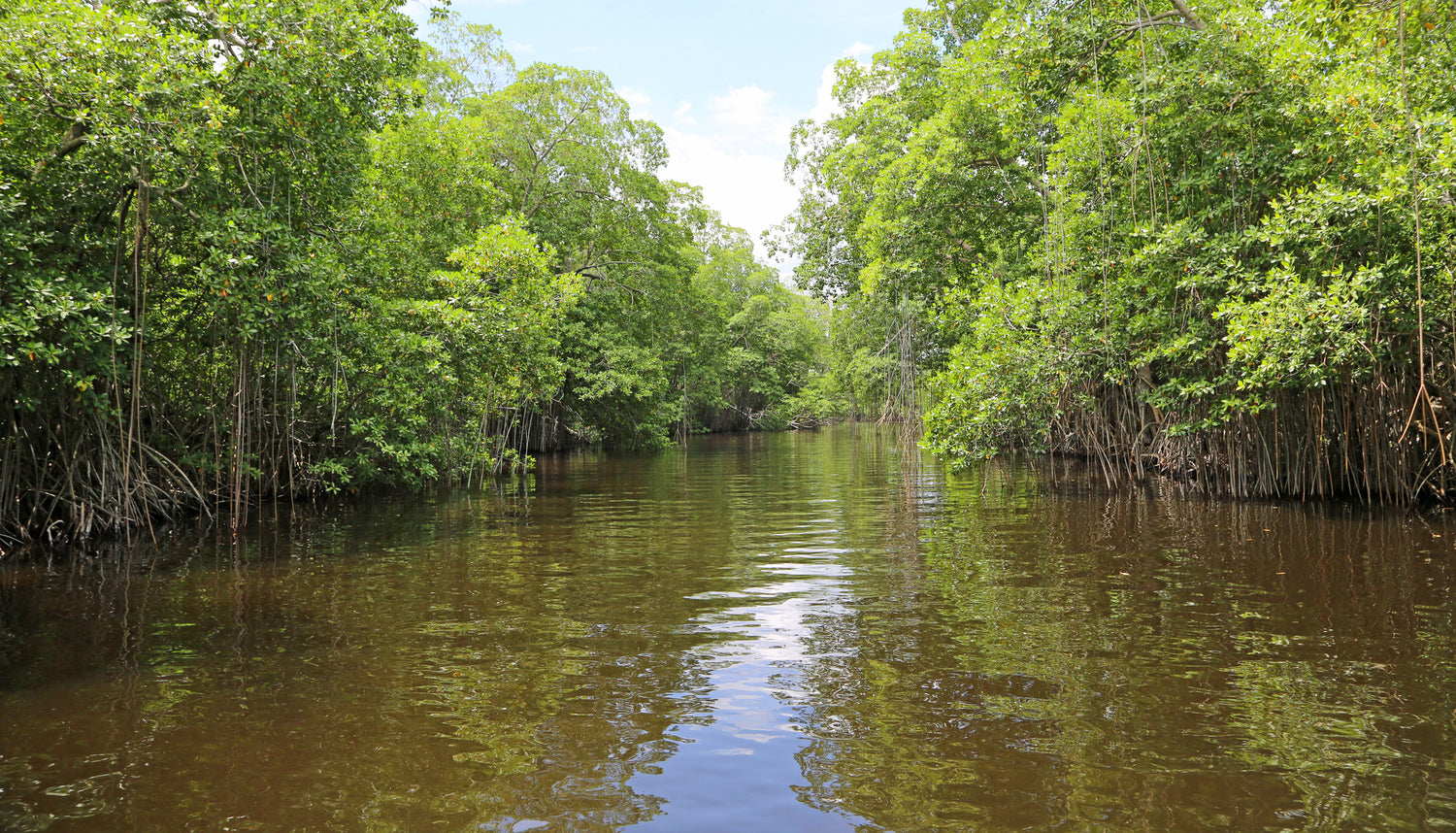
Mangroves in Kolkata: Sundarbans Conservation Guide
Mangroves in Kolkata form one of India's most vital ecological lifelines, anchoring the southern edge of the city to the world-famous Sundarbans delta Read more
Connect with us
-
👥 Corporates
If you are looking for:
- 🌲 Tree Plantation Events
- 📊 CSR Projects
📧 corporate@growbilliontrees.com
📞 +91 9699723523
💬 +91 9325931304 WhatsApp (Only)
🕒 Mon - Sat | 10am - 7pm IST
-
🧩 Tree Plantation NGOs
If you are looking for:
- 💰 Financial Assistance
- 🤝 Operational Support
📧 support@growbilliontrees.com
📞 +91 9699723523
💬 +91 9325931304 WhatsApp (Only)
🕒 Mon - Sat | 10am - 7pm IST
-
🌼 Individuals
If you are looking for:
- 👥 Group Tree Plantation Drive
- 🌳 Bulk Tree Plantation
📞 +91 9699723523
💬 +91 9325931304 WhatsApp (Only)
🕒 Mon - Sat | 10am - 7pm IST
Trending Tree Plantations - Most Popular Environmental Programs
-
Trees for Mother
Regular price ₹ 299Regular priceUnit price per -
Trees to Honor the Memory of your Loved Ones
Regular price ₹ 299Regular priceUnit price per -
Trees for Women's Day (8th Mar)
Regular price ₹ 299Regular priceUnit price per -
Trees for Wedding Anniversary Celebration
Regular price ₹ 299Regular priceUnit price per -
Trees for Grandmother
Regular price ₹ 299Regular priceUnit price per




Trees for Corporates - Achieve Net Zero Targets Through Strategic Tree Planting
-
 Project Closed
Trees by LIFT Team for Green Diwali: Transform Your Festival
Regular price ₹ 299Regular priceUnit price per -
Trees for a Greener Tomorrow - by Mahindra Lifespaces
Regular price ₹ 299Regular priceUnit price per -
Trees for Environment Day: Plant Your Impact on June 5th
Regular price ₹ 299Regular priceUnit price per -
 Project Closed
Trees for Bangalore: Plant Native Trees in Garden City ₹299
Regular price ₹ 799Regular priceUnit price per -
Trees for Employees: Transform Your Corporate Culture in 2026
Regular price ₹ 299Regular priceUnit price per
Mangroves in Kolkata: Gateway to the Majestic Sundarbans
Mangroves in Kolkata form one of India's most vital ecological lifelines, anchoring the southern edge of the city to the world-famous Sundarbans delta. These salt-tolerant, green guardians protect millions of lives, store immense amounts of carbon, and nurture extraordinary biodiversity. In 2026, their conservation has never been more urgent — or more meaningful.
Kolkata sits at the doorstep of the Sundarbans — the largest mangrove forest on Earth, spanning roughly 10,000 square kilometres across India and Bangladesh. Our team has witnessed first-hand how these coastal forests shield Bengal's coastline from cyclones, filter pollutants from rivers, and provide livelihoods to over four million people. Together, we can ensure they thrive for generations to come.
By Grow Billion Trees Editorial Team
✅ Why Mangroves in Kolkata Matter
Mangroves in Kolkata and the surrounding delta deliver immense environmental value. They sequester carbon at rates three to five times higher than terrestrial forests, making them critical for India's Net Zero Targets. According to the United Nations Environment Programme's forests initiative, mangrove ecosystems store up to 1,000 tonnes of carbon per hectare — a staggering figure that underscores their global importance.
In addition to carbon storage, mangroves protect coastal communities from storm surges. During Cyclone Amphan in 2020, the Sundarbans mangrove belt significantly reduced the cyclone's destructive force before it reached Kolkata. Therefore, investing in mangrove restoration is not just an environmental act — it is a life-saving one.
Moreover, mangroves serve as nurseries for over 70% of commercially harvested fish species in tropical regions. This supports the food security and livelihoods of millions of coastal families in West Bengal. Our partners working in these communities consistently report that healthy mangroves directly boost local incomes and improve food security.
⭐ The Sundarbans: Earth's Largest Mangrove Forest
The Sundarbans UNESCO World Heritage Site is home to over 300 species of birds, the endangered Royal Bengal Tiger, Irrawaddy dolphins, and saltwater crocodiles. Mangroves in Kolkata's backyard essentially mean the Sundarbans — a wonder of the natural world that demands our mindful protection. The World Wildlife Fund's forest conservation initiative recognises the Sundarbans as one of the planet's most biodiverse coastal ecosystems.
The Sundarbans stretches across approximately 4,262 sq km on the Indian side alone, forming a complex network of tidal waterways, mudflats, and mangrove islands. It acts as a natural buffer, absorbing tidal surges and protecting Kolkata — home to over 15 million people — from flooding. As a result, the ecological health of these forests is directly tied to the future of the city.
2026 data from the Forest Survey of India shows that West Bengal's mangrove cover stands at approximately 2,114 sq km, making it the second-largest mangrove state in India after Gujarat. However, this cover continues to face pressure from development and climate change. Conscious, mindful conservation efforts are essential to reverse this trend.
💡 Key Mangrove Species Found Near Kolkata
The Sundarbans region hosts a wonderful diversity of mangrove species that work together to form a resilient, layered ecosystem. The dominant species include Sundari (Heritiera fomes) — from which the Sundarbans takes its name — along with Gewa, Goran, and Keora. Each species plays a unique role in the ecosystem's natural structure and long-term resilience.
For example, the Sundari tree provides dense canopy cover that supports the Bengal Tiger's habitat. Keora trees, in contrast, are pioneer species that colonise newly formed mudflats, helping to stabilise the earth. This natural layering is exactly what Grow Billion Trees replicates in our mangrove restoration programs using the proven Miyawaki method — a science-backed technique for rapid, dense native forest creation.
- ✅ Sundari (Heritiera fomes) — primary timber species, critically important habitat
- ✅ Gewa (Excoecaria agallocha) — medicinal uses, strong carbon sink
- ✅ Keora (Sonneratia apetala) — pioneer species, stabilises coastlines naturally
- ✅ Goran (Ceriops decandra) — salt-tolerant, builds dense root networks
- ✅ Baen (Avicennia officinalis) — highly resilient, thrives in saline eco-friendly conditions
⚠️ Threats Facing Mangroves in Kolkata
Despite their great ecological value, mangroves in Kolkata and the Sundarbans face serious and growing threats. According to the World Wildlife Fund's deforestation and forest degradation research, the world has lost over 50% of its mangrove forests in the last 50 years. Kolkata's coastal mangroves are not immune to this alarming global crisis.
Key threats include urban encroachment, aquaculture expansion, rising sea levels, and increased cyclone intensity due to climate change. The United Nations climate change platform warns that a 1.5°C rise in global temperatures could submerge large portions of the Sundarbans by 2050. This makes immediate, sustainable action non-negotiable for all of us.
Pollution from Kolkata's industrial zones also damages mangrove health significantly. Heavy metals and untreated sewage disrupt the delicate salinity balance these trees depend on to grow and thrive. However, community-led restoration and strong policy intervention can transform this trajectory if we act together right now.
Illegal land conversion for prawn aquaculture has destroyed thousands of hectares of mangrove habitat along the Bengal coast. 2026 reports estimate that aquaculture-driven deforestation accounts for nearly 38% of mangrove loss in South Asia. Raising awareness and supporting certified restoration programs are essential steps every conscious individual can take today.
✅ How Grow Billion Trees is Restoring Mangroves
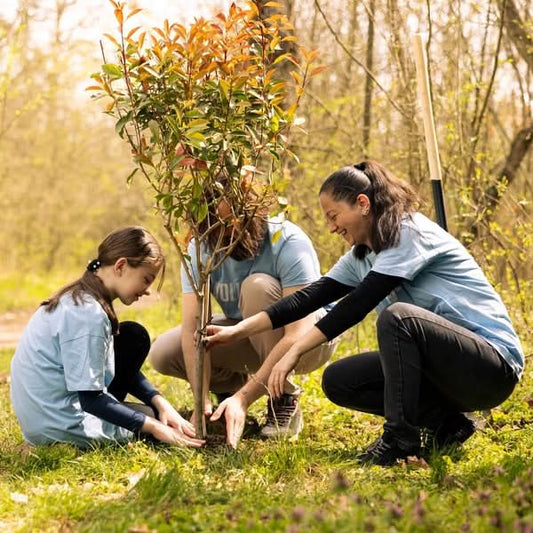
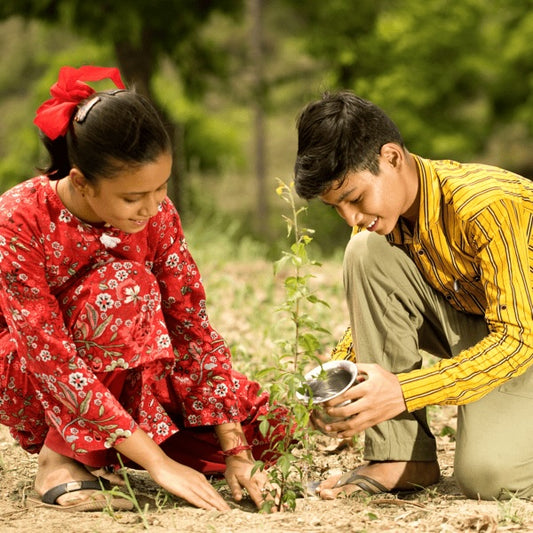
At Grow Billion Trees, we provide hands-on mangrove restoration programs as part of our mission to plant 100 crore trees in India by June 2030. Our team works directly in coastal West Bengal, planting native mangrove species using verified, science-based ecological methods. We ensure every planting site is monitored, nurtured, and tracked using our proprietary GeoTag technology.
Our mangrove program offers 4ft Tree Planting + 3 Years Care + GeoTag — so you can watch your tree grow and make a verified, authentic impact. We provide each donor with a personalised tree certificate, making it a wonderful and meaningful gift for birthdays, memorials, or corporate sustainability drives. Our experience shows that this transparent, technology-backed approach builds genuine trust within our growing community.
We are proud to be working towards Combating Climate Change Through Collective Action. Through corporate Net Zero Targets partnerships, we help businesses across India — including in Kolkata, Mumbai, and Bangalore — offset their carbon footprint with certified, science-based mangrove planting. Our verified programs are recognised by environmental bodies, making them authentic and impactful choices for organisations of every size.
The United Nations Sustainable Development Goals call for urgent action to protect and restore coastal and marine ecosystems. By choosing our mangrove program, your contribution directly supports SDG 13 (Climate Action), SDG 14 (Life Below Water), and SDG 15 (Life on Land). It is a simple, easy decision with a truly transformative impact on the planet.
🌿 Plant a Tree in Your Name — Support Mangroves in Kolkata
You can Plant a tree in your Name starting at just ₹299, with 3 years of dedicated care included. This is an easy, proven way to contribute to India's ecological recovery and save one of the world's most precious coastal ecosystems. Your contribution directly supports mangrove restoration near Kolkata and helps protect the Sundarbans for future generations.
Our happy community of tree planters grows every single day. Thousands of conscious, eco-friendly individuals have already joined this wonderful movement to nurture and grow India's green cover. We gladly welcome corporates, schools, families, and individuals who love the planet to explore our full range of programs.
We guarantee that every tree planted through our program is tracked, cared for, and verified — giving you complete confidence in your impact. Our secure GeoTag platform provides real-time updates on your tree's location and growth. Trusted by thousands of customers across India, we are proud to be a certified partner in the country's reforestation mission.
Frequently Asked Questions
What are mangroves in Kolkata?
Mangroves in Kolkata refer to the coastal forests found at the southern fringe of the city, particularly in the Sundarbans delta region. These salt-tolerant, natural trees and shrubs grow along tidal waterways and together form the world's largest mangrove ecosystem, covering approximately 10,000 sq km.
Why are mangroves important for Kolkata?
Mangroves protect Kolkata from cyclones and storm surges, store large amounts of carbon, support rich biodiversity, and provide sustainable livelihoods to millions of coastal communities. They are essential for the city's long-term safety, economic stability, and environmental future.
What is the Sundarbans?
The Sundarbans is the world's largest mangrove forest, spanning approximately 10,000 sq km across India and Bangladesh. It is a UNESCO World Heritage Site, a certified biodiversity hotspot, and home to the Royal Bengal Tiger along with hundreds of other species.
How can I help protect mangroves in Kolkata?
You can help by planting a mangrove tree through Grow Billion Trees for just ₹299. Your tree includes 3 years of professional care and GeoTag tracking, allowing you to monitor its growth and verify your real-world environmental impact anytime.
Are mangroves under threat in West Bengal?
Yes. Rising sea levels, urban expansion, aquaculture, pollution, and climate change all threaten mangroves in West Bengal. However, active restoration programs like those run by Grow Billion Trees are working hard to reverse this damage and grow new mangrove cover.
What mangrove species grow in the Sundarbans?
The Sundarbans is home to over 35 species of mangroves. The most prominent include Sundari, Gewa, Keora, Goran, and Baen. Each plays a vital role in the ecosystem's natural structure, carbon storage capacity, and overall biodiversity.
Can corporates support mangrove planting near Kolkata?
Absolutely. Grow Billion Trees offers certified corporate mangrove planting programs that help businesses achieve their Net Zero Targets in a verified, transparent way. These programs provide authenticated carbon offset certificates and detailed impact reports for stakeholder reporting.
What is the Miyawaki method used in mangrove restoration?
The Miyawaki method is a proven Japanese technique for creating dense, native forests rapidly. Grow Billion Trees applies this hands-on method in coastal restoration projects, planting multiple native mangrove species together to accelerate ecosystem recovery and improve long-term forest resilience.
How does GeoTag technology help mangrove conservation?
GeoTag technology assigns a unique GPS location to each planted tree. This secure system allows donors to track their tree's exact location, verify its growth progress, and receive regular updates — making the entire planting process fully transparent and authentic.
Is planting a mangrove a good gift idea?
Yes — it is a wonderful and deeply meaningful gift. Grow Billion Trees provides personalised, certified tree certificates that make planting a mangrove a great choice for birthdays, memorials, Women's Day, anniversaries, and corporate gifting programs.
✅ A Greener Future Starts with One Tree
Mangroves in Kolkata are more than just trees — they are living shields, carbon vaults, and biodiversity sanctuaries. Every mangrove planted near Kolkata is a vote for a sustainable, resilient, and thriving planet. Our team at Grow Billion Trees is committed to restoring these natural wonders one tree at a time, together with a mindful community of changemakers across India.
We love the idea that a single act — planting one tree for ₹299 — can ripple outward to save coastlines, support wildlife, and combat climate change. Discover our full range of eco-friendly tree planting programs and join the movement today. Explore Grow Billion Trees and Plant a Tree in Your Name now.
You may like
-
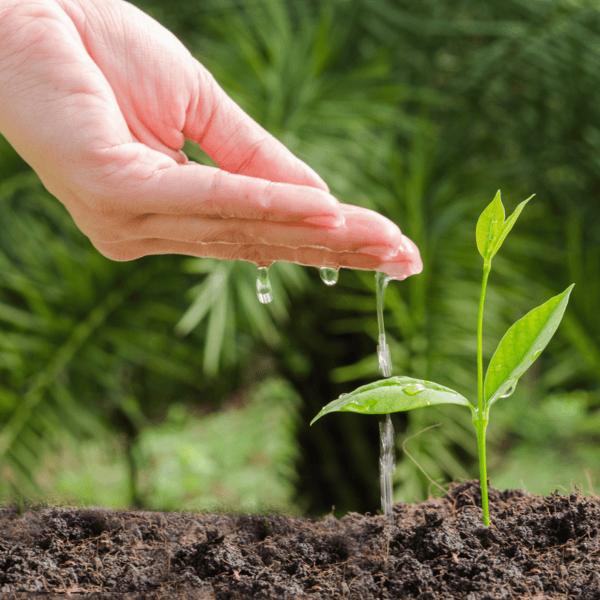
Gift a Tree - Meaningful Environmental Gifts That Make a Difference
Transform your gift-giving with meaningful environmental gifts that create lasting impact for...
-
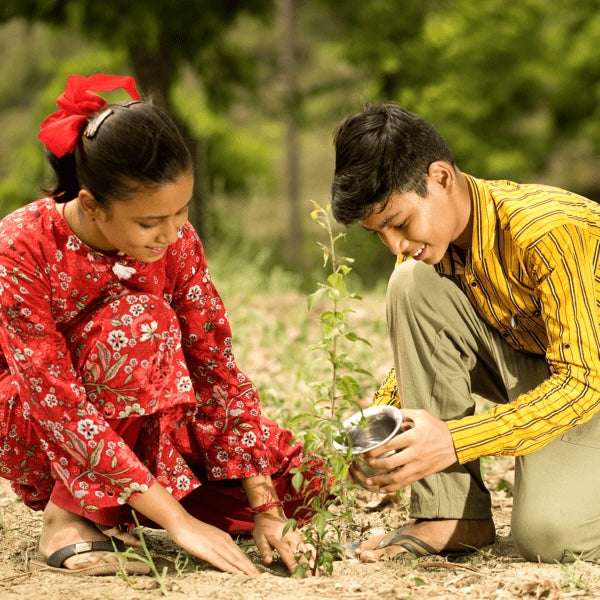
Trees For Shiv Ji - Sacred Tree Planting to Honor Lord Shiva
Honor Lord Shiva through sacred tree planting with Trees For Shiv Ji,...
-
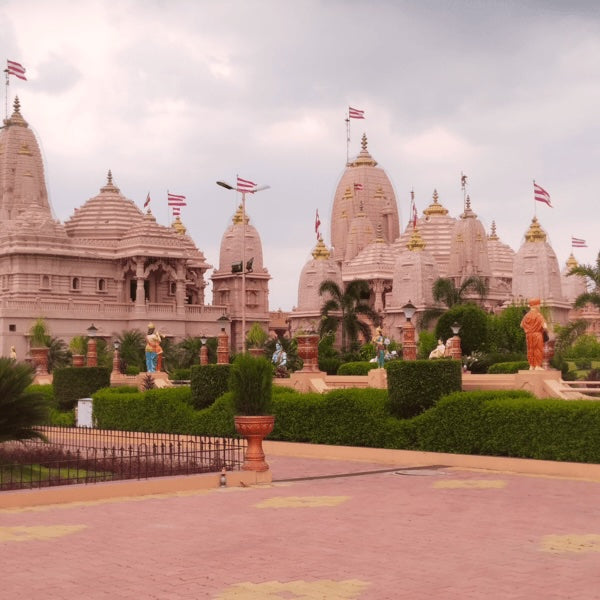
Tree Plantations for Shri Ram - Sacred Devotional Planting Services
Honor Lord Shri Ram through meaningful tree plantations for Shri Ram that...
-
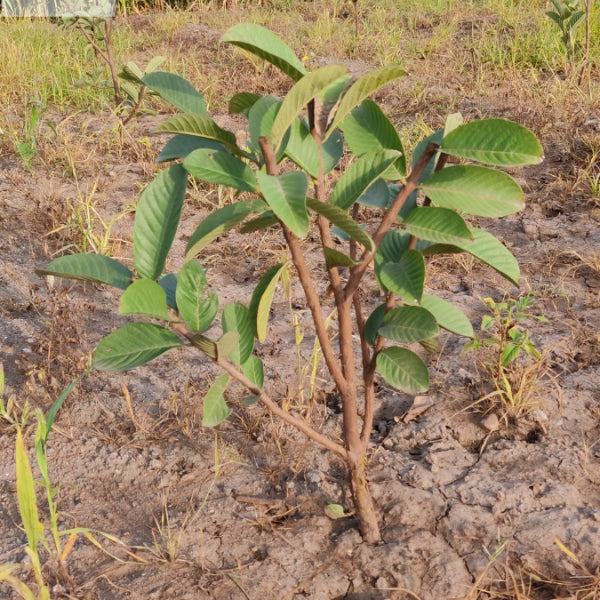
Tree Plantation on Navratri - Celebrate Divine Festivals with Environmental Devotion
Tree plantation on Navratri transforms the sacred nine-day festival into a powerful...
-
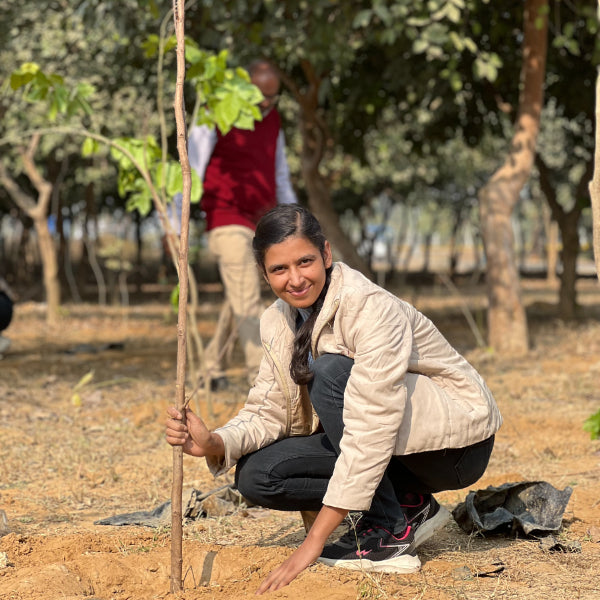
Tree Plantation by Cause - Plant Trees for Every Purpose | Grow Billion Trees
Transform your environmental impact with purpose-driven tree plantation by cause programs that...
Corporate Plantations
-
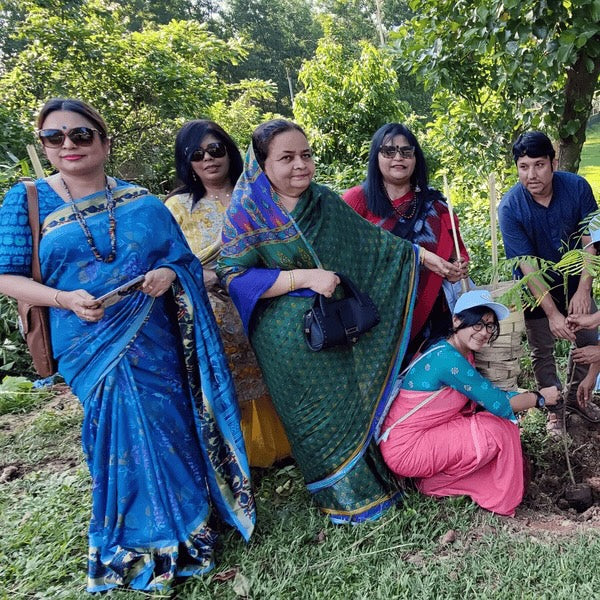
Trees for Corporates - Achieve Net Zero Targets Through Strategic Tree Planting
Trees for Corporates - Strategic Environmental SolutionsTransform your corporate environmental impact with...
-
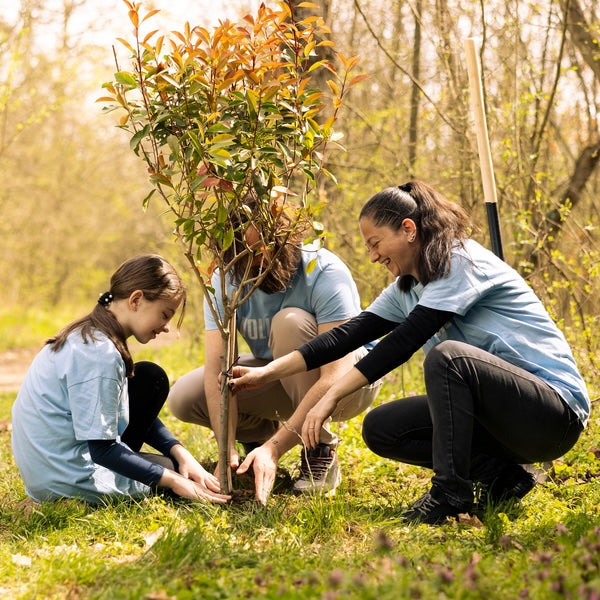
Tree Plantation for CSR - Corporate Environmental Programs | Grow Billion Trees
Tree Plantation for CSR - Transform Your Corporate Environmental ImpactTree plantation for...
-
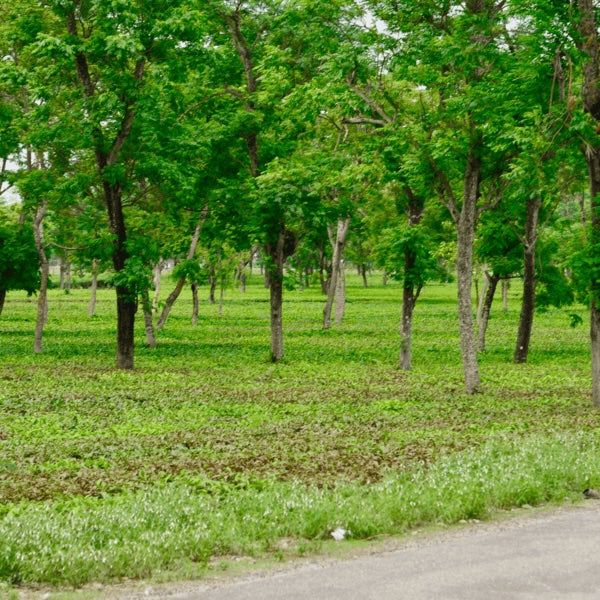
Tree Plantation for SDG - Support Sustainable Development Goals
Tree plantation for SDG initiatives represents a powerful pathway to achieving multiple...
-
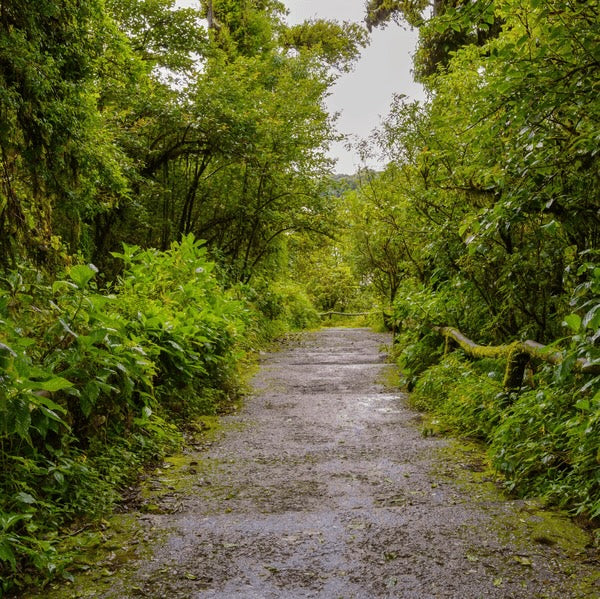
Corporate Tree Plantation Programs - Sustainable ESG Environmental Solutions for Net Zero Targets
Transform your organization's environmental impact with our comprehensive Corporate Tree Plantation Programs...
-
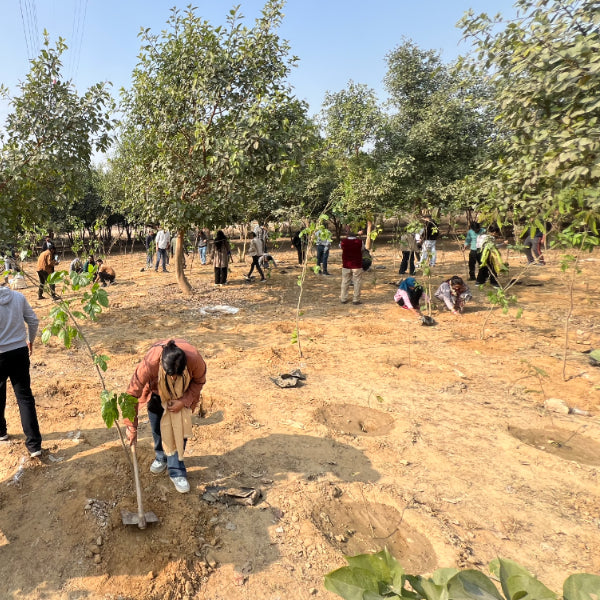
Tree Plantation by Location - Plant Trees Across India
Transform landscapes nationwide through our comprehensive tree plantation by location program. When...
Most Popular Tree Plantations - Top Choices for Environmental Impact
-
Trees for Mother
Regular price ₹ 299Regular priceUnit price per -
Trees to Honor the Memory of your Loved Ones
Regular price ₹ 299Regular priceUnit price per -
Trees for Wedding Anniversary Celebration
Regular price ₹ 299Regular priceUnit price per -
Trees for Grandmother
Regular price ₹ 299Regular priceUnit price per -
Trees for Grandfather
Regular price ₹ 299Regular priceUnit price per