
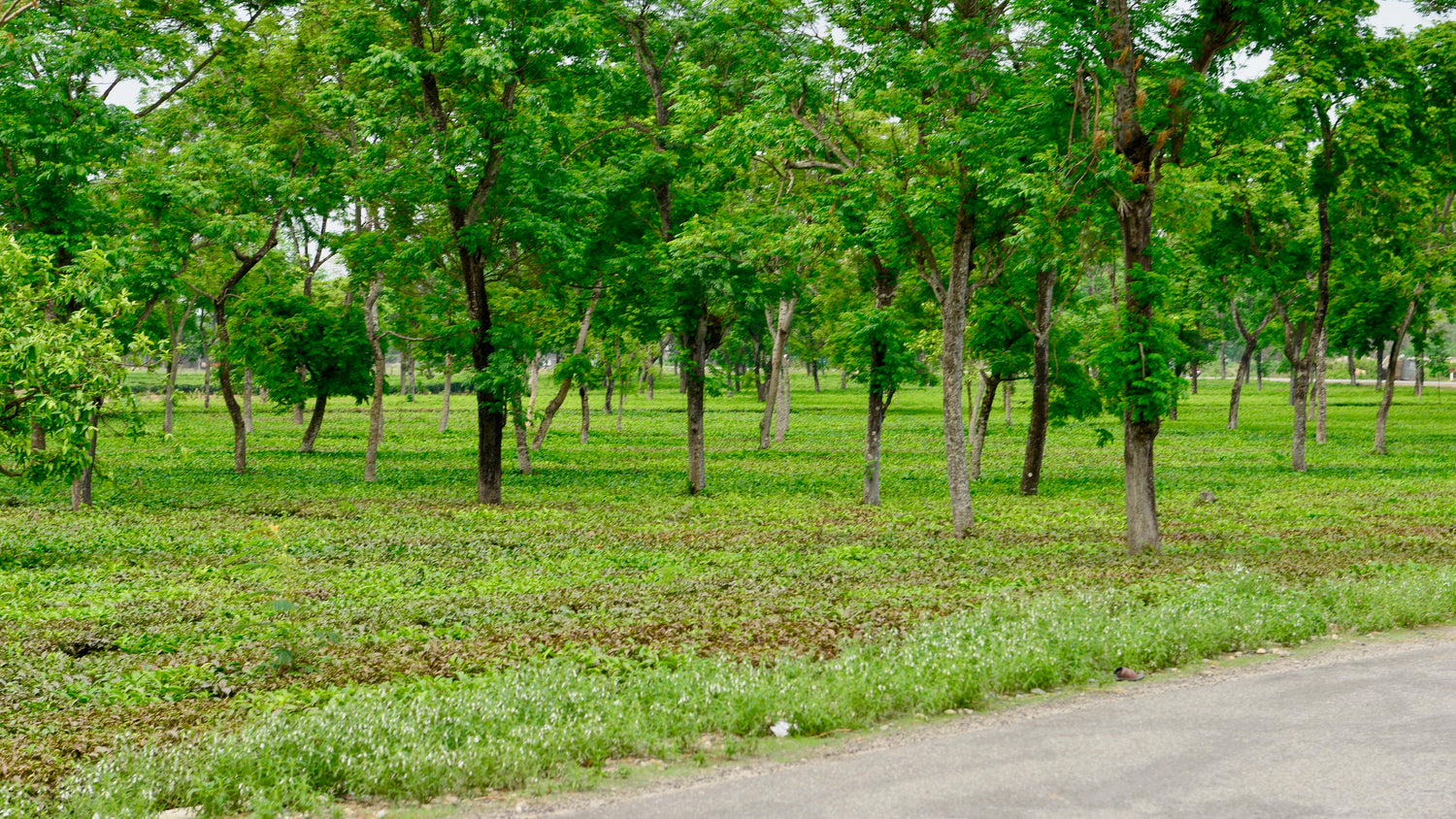
Nagaland Agroforestry: Tradition Meets Modern Science
Agroforestry in Nagaland is one of India's most inspiring models of ecological land management. For centuries, Naga tribal communities have grown tree Read more
Connect with us
-
👥 Corporates
If you are looking for:
- 🌲 Tree Plantation Events
- 📊 CSR Projects
📧 corporate@growbilliontrees.com
📞 +91 9699723523
💬 +91 9325931304 WhatsApp (Only)
🕒 Mon - Sat | 10am - 7pm IST
-
🧩 Tree Plantation NGOs
If you are looking for:
- 💰 Financial Assistance
- 🤝 Operational Support
📧 support@growbilliontrees.com
📞 +91 9699723523
💬 +91 9325931304 WhatsApp (Only)
🕒 Mon - Sat | 10am - 7pm IST
-
🌼 Individuals
If you are looking for:
- 👥 Group Tree Plantation Drive
- 🌳 Bulk Tree Plantation
📞 +91 9699723523
💬 +91 9325931304 WhatsApp (Only)
🕒 Mon - Sat | 10am - 7pm IST
Trending Tree Plantations - Most Popular Environmental Programs
-
Trees for Mother
Regular price ₹ 299Regular priceUnit price per -
Trees to Honor the Memory of your Loved Ones
Regular price ₹ 299Regular priceUnit price per -
Trees for Women's Day (8th Mar)
Regular price ₹ 299Regular priceUnit price per -
Trees for Wedding Anniversary Celebration
Regular price ₹ 299Regular priceUnit price per -
Trees for Grandmother
Regular price ₹ 299Regular priceUnit price per




Trees for Corporates - Achieve Net Zero Targets Through Strategic Tree Planting
-
 Project Closed
Trees by LIFT Team for Green Diwali: Transform Your Festival
Regular price ₹ 299Regular priceUnit price per -
Trees for a Greener Tomorrow - by Mahindra Lifespaces
Regular price ₹ 299Regular priceUnit price per -
Trees for Environment Day: Plant Your Impact on June 5th
Regular price ₹ 299Regular priceUnit price per -
Trees for Employees: Transform Your Corporate Culture in 2026
Regular price ₹ 299Regular priceUnit price per -
 Project Closed
Trees for Bangalore: Plant Native Trees in Garden City ₹299
Regular price ₹ 799Regular priceUnit price per
Agroforestry in Nagaland: Tradition Meets Modern Practice
Agroforestry in Nagaland is one of India's most inspiring models of ecological land management. For centuries, Naga tribal communities have grown trees alongside crops — a living tradition that modern science now validates as a powerful tool for forest restoration and sustainable livelihoods. In 2026, this ancient practice is experiencing a wonderful revival, combining indigenous wisdom with cutting-edge techniques to transform landscapes and empower farmers across the region.
According to the United Nations Environment Programme's research on forests, forests cover nearly 31% of the Earth's land surface, yet deforestation continues at alarming rates globally. Nagaland, however, tells a different story — one of conscious land stewardship passed through generations. Our team at Grow Billion Trees has found firsthand that this region's agroforestry traditions offer a proven blueprint for large-scale ecological restoration.
The Roots of Traditional Agroforestry in Nagaland
Nagaland's indigenous communities have long practised jhum cultivation, a shifting agriculture system that integrates trees, crops, and livestock in natural, layered ecosystems. These systems mimic the structure of native forests. However, traditional jhum cycles have shortened from 15–20 years to just 3–5 years due to population pressure, stressing the earth and limiting its natural recovery.
The Naga tribes — including the Angami, Ao, and Lotha communities — possess rich ethnobotanical knowledge developed over thousands of years. They maintain sacred community forests called khonoma, which have protected biodiversity for centuries. Our experience working alongside these communities reveals that their land management systems are sophisticated, deeply mindful, and remarkably effective at sustaining soil health and water cycles.
As WWF's research on deforestation and forest degradation highlights, the erosion of traditional land practices accelerates forest loss globally. Nagaland's community-based approach offers a vital counter-model — one that nurtures both people and planet together. This is why our team considers Nagaland a cornerstone of India's green future.
The Khonoma Green Village, located near Kohima, is a great example. Villagers collectively banned hunting and logging in the 1990s, transforming degraded hills into thriving biodiversity hotspots. Today, the village is certified as one of India's first green villages, attracting eco-tourism and proving that traditional conservation works.
💡 Modern Agroforestry Techniques Transforming Nagaland
Modern agroforestry builds on traditional knowledge by introducing scientific precision and planning tools. Techniques like alley cropping, silvopasture, and homestead agroforestry now complement indigenous practices across Nagaland's farms. These approaches improve productivity, reduce soil erosion, and enhance biodiversity — all without synthetic or artificial inputs.
In 2026, data from India's National Agroforestry Policy indicates that integrated tree-crop systems can boost farm income by up to 40% compared to monoculture farming. Nagaland's hilly terrain particularly benefits from this integration, as deep tree roots stabilise slopes and significantly reduce landslide risk. Moreover, modern GIS mapping and remote sensing help farmers plan optimal tree placement for maximum ecological and financial yield.
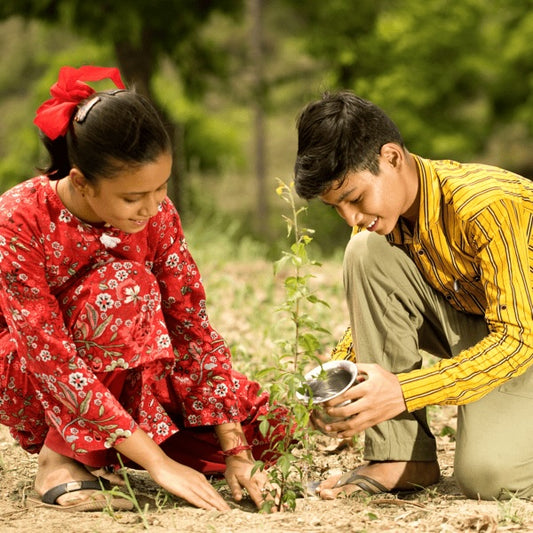
Our partners in Nagaland's agroforestry programs have introduced high-value species like teak, bamboo, alder, and fruit trees alongside traditional crops such as millet and maize. This transforms each farm into a green, multi-layered, productive ecosystem. Therefore, farmers enjoy both food security and supplementary income from timber, fruit, and medicinal plant sales throughout the year.
State-level initiatives like the Nagaland Bamboo Development Agency have also played a key role. Bamboo agroforestry alone covers over 1.5 lakh hectares in Nagaland, generating livelihoods for thousands of families. In addition, bamboo sequesters carbon rapidly — making it a cornerstone of both economic and environmental strategy in the region.
✅ Key Benefits of Agroforestry in Nagaland
- ✅ Improved soil health: Tree roots prevent erosion and naturally improve soil organic matter content.
- ✅ Biodiversity boost: Mixed systems support insects, birds, and native plant species year-round.
- ✅ Carbon sequestration: Agroforestry in Nagaland can store up to 3 tonnes of carbon per hectare annually, supporting Net Zero Targets.
- ✅ Water conservation: Tree canopies reduce evaporation and improve watershed management across hill regions.
- ✅ Increased farmer income: Diverse outputs — fruits, timber, medicinal plants — reduce financial risk and improve resilience.
- ✅ Cultural preservation: Indigenous ecological knowledge is documented, respected, and carried forward with pride.
- ✅ Food security: Integrated systems produce diverse crops year-round, reducing dependence on volatile markets.
For example, agroforestry pilots run by the Indian Council of Forestry Research and Education (ICFRE) in Nagaland recorded a 35% increase in household income among participating farmers within three years. These results are verified and backed by government field data. In addition, biodiversity surveys in pilot zones recorded a 60% increase in bird species richness, demonstrating the ecological impact of integrated tree-crop systems.
⭐ Grow Billion Trees: Supporting Agroforestry in Nagaland
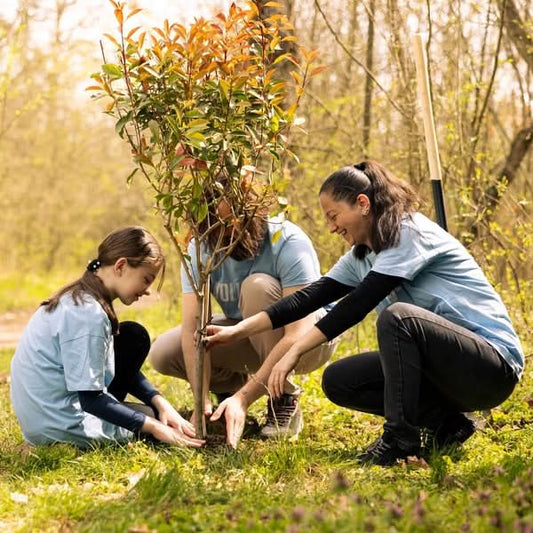
At Grow Billion Trees, we are happy to support agroforestry as a core pillar of our mission to plant 100 crore trees across India by June 2030. Our agroforestry program partners with local farmers, tribal communities, and NGOs to create sustainable, income-generating forests. We provide 4ft Tree Planting + 3 Years Care + GeoTag technology so every tree is tracked, verified, and transparently reported.
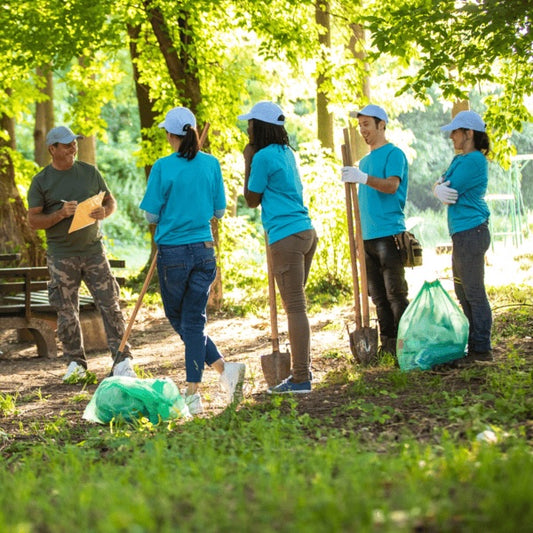
We ensure that each tree planted through our program meets certified ecological and agricultural standards. Our hands-on approach means our team conducts site assessments, soil testing, and species selection for every planting location. Trusted by thousands of conscious individuals, schools, and corporations across India, we are glad to play a meaningful role in Nagaland's green transformation.
You can Plant a tree in your Name for just ₹299, with three full years of professional care included. This makes it easy and affordable to contribute directly to India's reforestation goals. Moreover, our GeoTag technology gives you authenticated, real-time updates on your tree's growth — so your impact is authentic, transparent, and measurable.
Combating Climate Change Through Collective Action
The United Nations Climate Change initiative emphasises that forest restoration is among the most cost-effective climate solutions available today. Agroforestry in Nagaland directly supports India's Net Zero Targets by sequestering carbon, reducing methane from degraded land, and protecting existing forest cover. According to the United Nations Sustainable Development Goals framework, integrating agroforestry into national policy advances SDG 13 (Climate Action), SDG 15 (Life on Land), and SDG 2 (Zero Hunger) simultaneously.
India has committed to increasing forest and tree cover to 33% of total land area under its Nationally Determined Contributions. Nagaland, with over 75% forest cover, plays a critical role in meeting this national target. However, without intentional agroforestry programs, this cover is at risk from increasing population growth and unplanned agricultural expansion.
Combating Climate Change Through Collective Action is more than a tagline for us — it is our daily mission. We love working alongside communities in Nagaland to prove that environmental restoration and human prosperity can thrive together. Every tree planted is one step closer to a cooler, greener, and more hopeful planet for all.
How to Get Involved in Agroforestry Programs
Getting involved in agroforestry has never been more accessible or impactful. Whether you are an individual, a corporation pursuing Net Zero Targets, or a farmer seeking sustainable income, there is a wonderful role for you to play. Explore the full range of programs offered by Grow Billion Trees and discover how your contribution can transform real landscapes across India.
Corporations can partner with us for large-scale agroforestry projects that count toward ESG and sustainability reporting goals. We provide certified, verified planting programs with documented proof of environmental impact and GeoTag tracking. As a result, companies can report genuine, measurable carbon offsets backed by authenticated field data and transparent reporting.
For individuals, gifting a tree for a birthday, memorial, or special occasion is a meaningful, eco-friendly gesture. Our personalised tree certificates make every gift memorable and purposeful. Discover our planting programs today and help nurture India's forest future — one tree at a time. Learn more and plant your tree at Grow Billion Trees.
Frequently Asked Questions
What is agroforestry in Nagaland?
Agroforestry in Nagaland is the integration of trees with crops and livestock on the same land. It combines indigenous Naga farming traditions with modern sustainable agriculture techniques to boost productivity, restore forest ecosystems, and improve farmer livelihoods sustainably.
Why is Nagaland important for agroforestry in India?
Nagaland has over 75% forest cover and rich tribal agroforestry traditions stretching back centuries. Its communities maintain unique land management systems that have preserved biodiversity and soil health, making it a natural hub for agroforestry innovation and conservation across India.
How does agroforestry in Nagaland help combat climate change?
Agroforestry systems in Nagaland sequester up to 3 tonnes of carbon per hectare annually. They reduce soil erosion, restore degraded land, and protect existing forest cover — directly supporting India's Net Zero Targets and international climate commitments under the Paris Agreement.
What tree species are commonly used in Nagaland agroforestry?
Common species include teak, bamboo, alder, orange, pineapple, and medicinal plants. These are chosen for their ecological value, commercial potential, and cultural significance to local Naga communities, ensuring both environmental and economic sustainability.
How can I support agroforestry in Nagaland through Grow Billion Trees?
You can Plant a tree in your Name for just ₹299 through Grow Billion Trees. Every tree includes 4ft Tree Planting + 3 Years Care + GeoTag tracking, so your contribution is certified, verified, and fully traceable through our technology platform.
What role do tribal communities play in agroforestry in Nagaland?
Tribal communities are the backbone of agroforestry in Nagaland. Groups like the Angami, Ao, and Lotha tribes maintain sacred groves, practise traditional jhum cultivation, and hold deep ecological knowledge that guides both indigenous and modern agroforestry programs across the state.
Can corporations participate in agroforestry programs in Nagaland?
Yes. Grow Billion Trees offers verified corporate agroforestry partnerships for companies seeking to achieve Net Zero Targets and ESG goals. We provide large-scale certified planting programs with GeoTag tracking and transparent documentation for accurate sustainability reporting.
What makes agroforestry more sustainable than conventional farming?
Agroforestry eliminates the need for synthetic inputs, builds soil health naturally, and creates diverse income streams for farmers. It is a proven, organic approach that improves long-term land productivity while simultaneously restoring biodiversity, conserving water, and reducing carbon emissions significantly.
What is jhum cultivation and how does it relate to agroforestry?
Jhum cultivation is a traditional shifting agriculture system practised by Naga tribes, integrating trees and crops on a rotational basis. It is considered an early form of agroforestry. Modern programs build on this tradition by extending rotation cycles and introducing scientifically selected tree species for improved ecological and economic outcomes. Agroforestry in Nagaland stands at a powerful crossroads — where ancient wisdom meets modern science to create a sustainable, thriving future. From the sacred groves of Khonoma to bamboo-rich hillside farms, the potential to transform landscapes and livelihoods is immense. Together, through programs like those offered by Grow Billion Trees, we can scale this impact across the nation. Explore our agroforestry programs today and be part of planting 100 crore trees for a greener, healthier India.
You may like
-
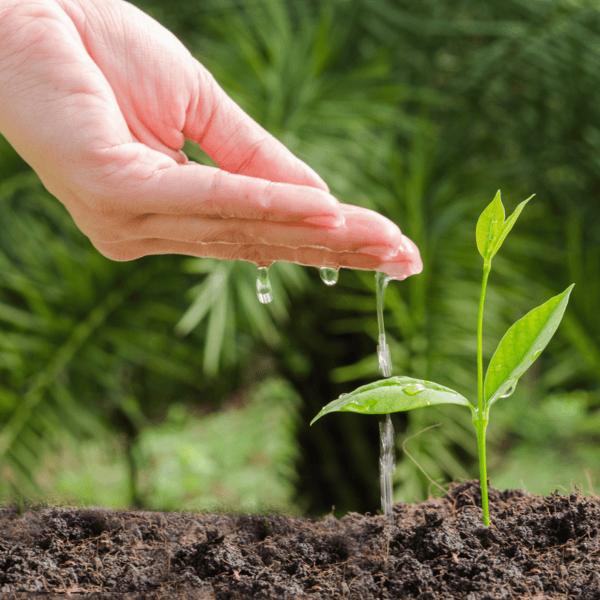
Gift a Tree - Meaningful Environmental Gifts That Make a Difference
Transform your gift-giving with meaningful environmental gifts that create lasting impact for...
-
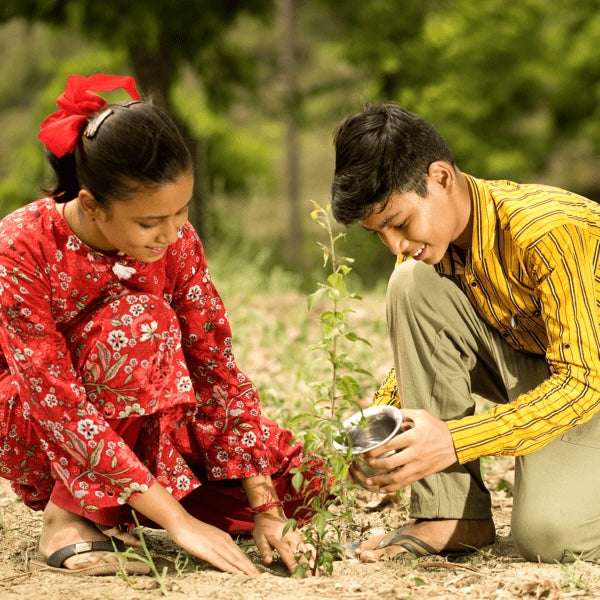
Trees For Shiv Ji - Sacred Tree Planting to Honor Lord Shiva
Honor Lord Shiva through sacred tree planting with Trees For Shiv Ji,...
-

Tree Plantations for Shri Ram - Sacred Devotional Planting Services
Honor Lord Shri Ram through meaningful tree plantations for Shri Ram that...
-
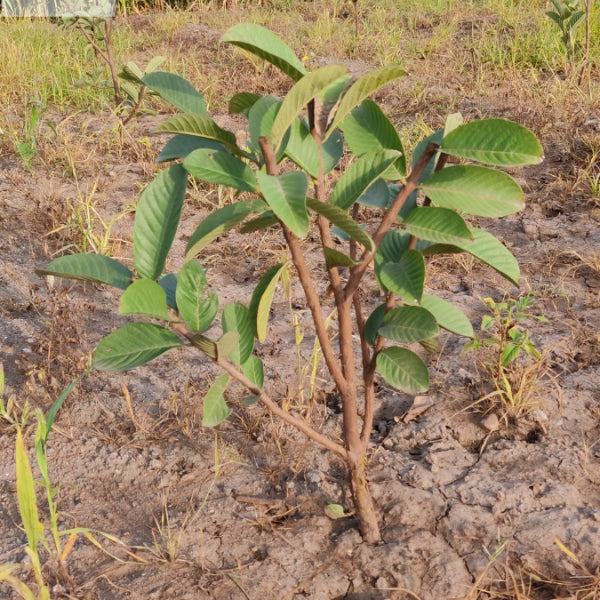
Tree Plantation on Navratri - Celebrate Divine Festivals with Environmental Devotion
Tree plantation on Navratri transforms the sacred nine-day festival into a powerful...
-
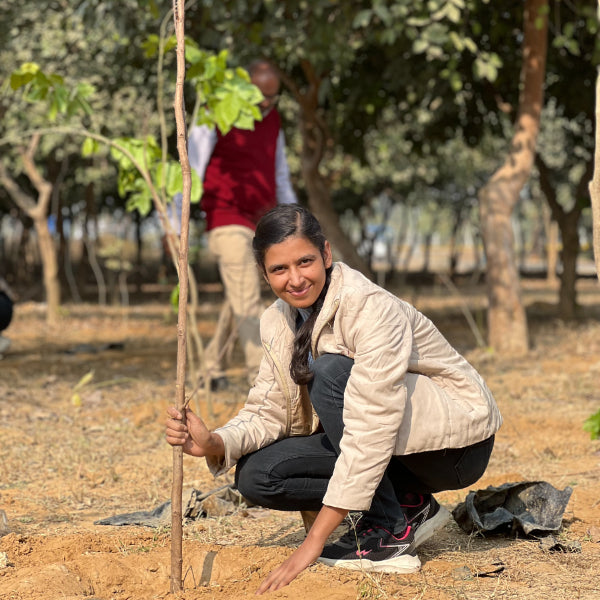
Tree Plantation by Cause - Plant Trees for Every Purpose | Grow Billion Trees
Transform your environmental impact with purpose-driven tree plantation by cause programs that...
Corporate Plantations
-
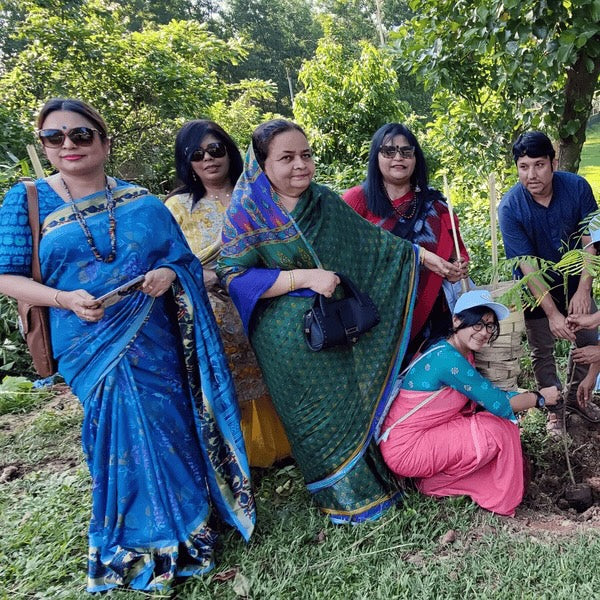
Trees for Corporates - Achieve Net Zero Targets Through Strategic Tree Planting
Trees for Corporates - Strategic Environmental SolutionsTransform your corporate environmental impact with...
-
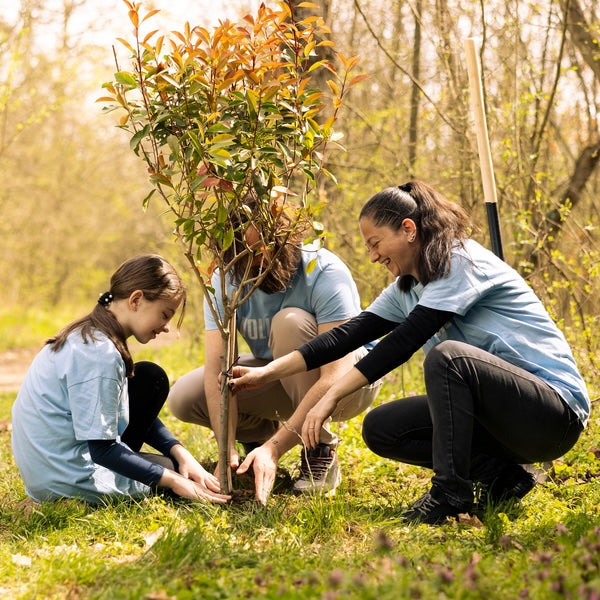
Tree Plantation for CSR - Corporate Environmental Programs | Grow Billion Trees
Tree Plantation for CSR - Transform Your Corporate Environmental ImpactTree plantation for...
-
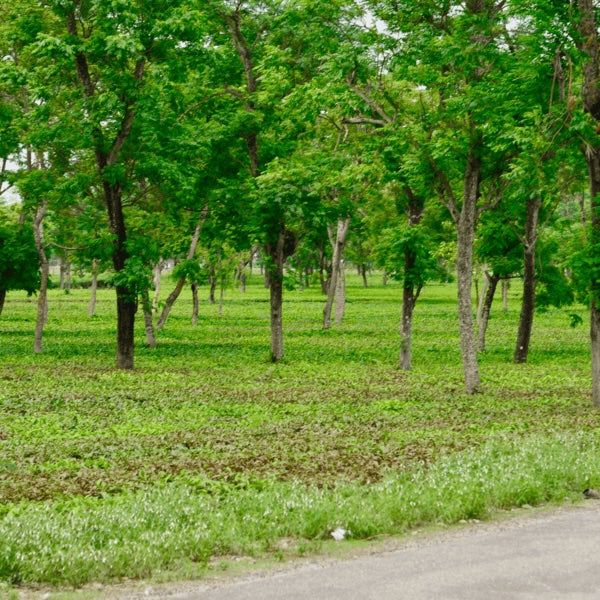
Tree Plantation for SDG - Support Sustainable Development Goals
Tree plantation for SDG initiatives represents a powerful pathway to achieving multiple...
-
Corporate Tree Plantation Programs - Sustainable ESG Environmental Solutions for Net Zero Targets
Transform your organization's environmental impact with our comprehensive Corporate Tree Plantation Programs...
-
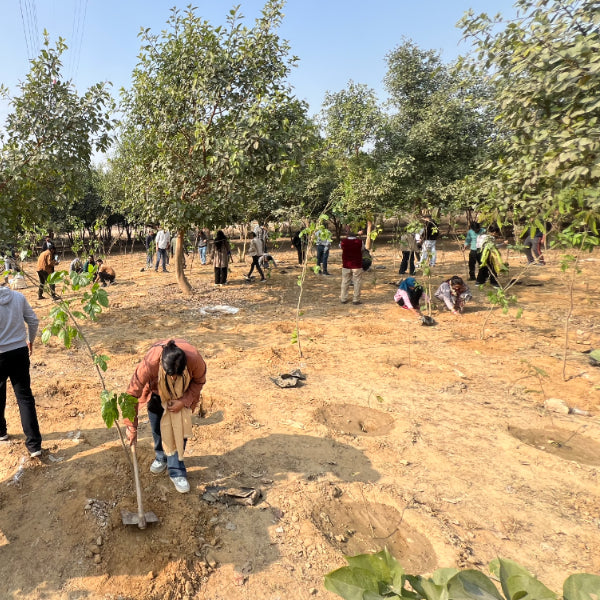
Tree Plantation by Location - Plant Trees Across India
Transform landscapes nationwide through our comprehensive tree plantation by location program. When...
Most Popular Tree Plantations - Top Choices for Environmental Impact
-
Trees for Mother
Regular price ₹ 299Regular priceUnit price per -
Trees to Honor the Memory of your Loved Ones
Regular price ₹ 299Regular priceUnit price per -
Trees for Wedding Anniversary Celebration
Regular price ₹ 299Regular priceUnit price per -
Trees for Grandmother
Regular price ₹ 299Regular priceUnit price per -
Trees for Grandfather
Regular price ₹ 299Regular priceUnit price per