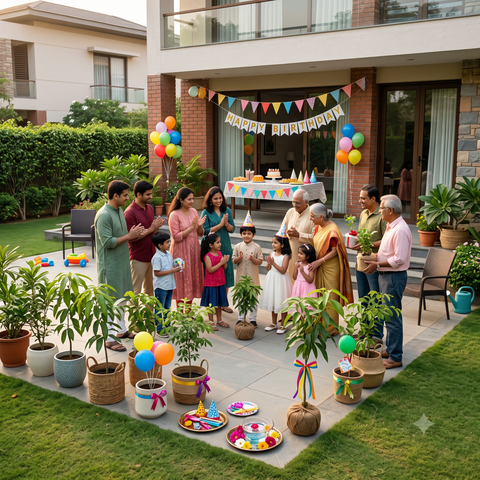
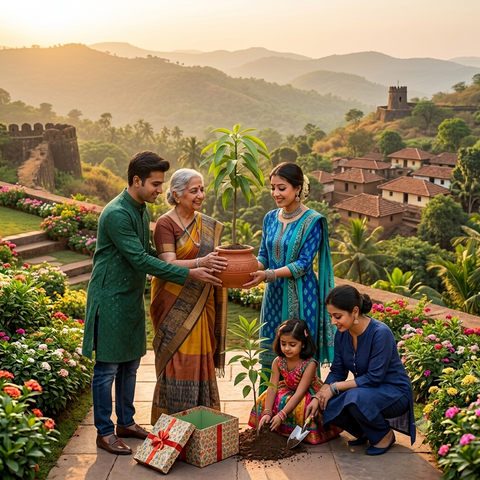
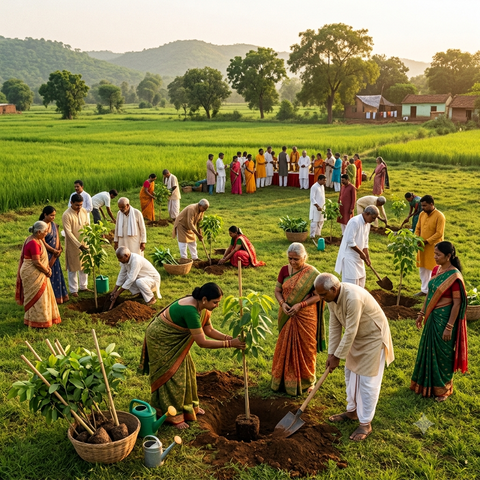
The Khetee Project, Bihar is a wonderful example of how climate-smart farming can transform a rural community from the ground up. Located in Durdih Village, this initiative blends traditional agricultural wisdom with modern agroforestry to restore degraded land, boost farmer income, and nurture a greener future. In 2026, this project stands as a beacon of hope for sustainable agriculture across India — and a model worth celebrating and scaling.
What Is the Khetee Project in Bihar? 💡
The Khetee Project, Bihar is a community-led climate-smart farming initiative rooted in Durdih Village, Bihar. "Khetee" means farming in Hindi, and this project lives up to its name by placing the farmer at the centre of every decision. Our team has worked closely with local communities to understand their challenges and co-design solutions that truly thrive over time.
According to the United Nations Climate Change framework, climate-smart agriculture must simultaneously boost productivity, strengthen resilience, and reduce greenhouse gas emissions. The Khetee Project embraces all three goals with great commitment. It integrates trees, crops, and organic soil practices on the same land to create a balanced, natural ecosystem.
Bihar faces some of India's most severe climate challenges. Erratic monsoons, soil erosion, and rising temperatures threaten millions of smallholder farmers each year. The Khetee Project, Bihar responds with proven, eco-friendly solutions that protect both people and the planet.
Durdih Village: Ground Zero for Green Change ✅
Durdih Village sits in a region where smallholder farmers own less than 2 hectares of land on average. Most families depend entirely on seasonal rain-fed crops, making them deeply vulnerable to climate shocks. However, the Khetee Project, Bihar has changed this story in a meaningful and lasting way.
Tree-based farming systems outperform mono-crop approaches. Agroforestry creates multiple income streams, making farming more resilient.
The village hosts hands-on demonstration plots where farmers learn directly from certified trainers. Peer-to-peer learning drives adoption—when farmers see a neighbour's thriving agroforestry system, they want to try it too.
Today, Durdih Village is home to more than 400 participating farming families. Together, these families have transformed over 300 hectares of degraded land into productive, green, multi-layered farming systems. The village has become a living classroom for Bihar and beyond.
Climate-Smart Farming Methods Used in the Khetee Project ✅
The Khetee Project, Bihar employs a rich mix of sustainable farming techniques chosen for their proven environmental and economic impact. Each method improves soil health, conserves water, and reduces carbon emissions. Together, these practices create a resilient farming system that can withstand climate stress.
→ Agroforestry Integration
Agroforestry is the backbone of the Khetee approach in Bihar. Farmers plant fruit trees, timber trees, and nitrogen-fixing species alongside their food crops on the same plot. This creates multiple income streams while shading the soil and reducing water loss.
The United Nations Environment Programme's forest and land initiatives highlight agroforestry as one of the most cost-effective tools for both food security and climate action globally. The Khetee Project, Bihar is living proof of this. Trees and crops grow together in a natural, mutually beneficial cycle that improves over time.
Farmers in Durdih Village grow mango, moringa, neem, and drumstick trees alongside wheat, lentils, and vegetables. This diversity means income flows in every season. Moreover, tree roots improve soil structure, making farms more resilient to both floods and droughts.
→ Miyawaki Forest Techniques
The Miyawaki method creates dense, fast-growing native forests. This technique plants multiple native species close together, encouraging natural growth.
Miyawaki forests improve local biodiversity and create microclimates that protect nearby crops from heat stress. They serve as natural windbreaks, reducing soil erosion during monsoons.
→ Organic Soil and Water Conservation
Farmers use compost, green manure, and crop residue mulching to enrich fields without synthetic chemicals. These methods improve water retention and reduce irrigation dependency. Healthy soil is the foundation of a thriving farm.
Water harvesting structures including farm ponds, bunds, and check dams have been built across Durdih Village. These collect monsoon runoff and provide reliable irrigation during dry spells. As a result, farmers can now grow two to three crops per year instead of one. This transformation has been a great boost to local food security and rural income.
The Environmental Impact in Numbers 💡
The Khetee Project, Bihar documented these outcomes in 2026:
- ✅ 150+ tonnes of carbon sequestered annually from agroforestry plots
- ✅ 400+ farmer families trained in certified climate-smart techniques
- ✅ Three crop seasons achieved on previously single-season degraded land
- ✅ 300+ hectares of land restored to productive, green ecosystems
The World Wildlife Fund's research on deforestation and forest degradation warns that India loses thousands of hectares of forest cover every year to agricultural pressure and land misuse. The Khetee Project, Bihar is a conscious, proven counter to this trend. Every tree planted is a step toward reversing forest loss and healing the earth.
How Grow Billion Trees Supports the Khetee Mission ⭐
Grow Billion Trees is glad to align its mission with transformative initiatives like the Khetee Project, Bihar. Our goal is to plant 100 crore trees across India by June 2030 — and village-level projects in places like Durdih are central to this ambition. We love seeing communities lead their own green transformation with pride and purpose.
With our 2-3ft Tree Planting + 3 Years Care + GeoTag programme, anyone can Plant a tree in your Name for just ₹299. Each tree is tracked using verified GeoTag technology, so you can see exactly where your tree grows and how it matures. This secure, certified system ensures every contribution creates a lasting, authentic impact.
We ensure that all trees planted through our programmes receive professional care for three full years. Our partners on the ground provide regular monitoring, watering, and maintenance visits. This guarantee means your tree does not just survive — it thrives and contributes to a meaningful environmental legacy you can be proud of.
Combating Climate Change Through Collective Action is more than a phrase for Grow Billion Trees — it is our daily mission. Every mindful individual who plants a tree joins a growing community of conscious changemakers across India. Together, we can help villages like Durdih lead a greener, cooler future for generations to come.
Why the Khetee Project Matters for India's Climate Future
India is home to over 100 million smallholder farmers. Most face growing climate risks with limited financial resources and shrinking natural buffers. Climate-smart farming offers a proven, accessible path to resilience that does not require large investments. It improves yields, protects the natural environment, and builds stronger rural economies.
The United Nations Sustainable Development Goals call for urgent action on zero hunger, climate action, and life on land. The Khetee Project, Bihar addresses all three goals simultaneously through its integrated, community-driven model. This makes it a programme worth studying, celebrating, and scaling across the country.
Agroforestry captures carbon in growing trees and soil, supporting climate goals.
The mindful integration of trees into farming systems also protects biodiversity in remarkable ways. Native tree species in Durdih Village now provide habitat for birds, pollinators, and beneficial insects. This natural balance reduces pest pressure and improves crop yields without harmful chemicals — a truly sustainable outcome.
Frequently Asked Questions
What is the Khetee Project, Bihar?
The Khetee Project, Bihar is a climate-smart farming initiative based in Durdih Village that integrates agroforestry, Miyawaki forest creation, and organic soil practices to boost farmer income, restore land, and reduce carbon emissions across the region.
Where is Durdih Village and why was it chosen?
Durdih Village is located in Bihar, one of India's most agriculturally active yet climate-vulnerable states. It was chosen as the primary site for the Khetee Project because of its concentration of smallholder farmers, degraded land, and strong community willingness to adopt sustainable practices.
How does agroforestry help farmers in Bihar?
Agroforestry creates multiple income streams by combining trees and crops on the same land. It improves organic soil health, reduces water loss, and sequesters carbon — making farms more productive, diverse, and resilient to climate shocks throughout the year.
What is the Miyawaki method used in the Khetee Project?
The Miyawaki method plants diverse native tree species densely together, creating fast-growing natural forests. In Durdih Village, these mini-forests serve as windbreaks, improve biodiversity, create beneficial microclimates, and protect neighbouring crops from extreme weather events.
How many trees has the Khetee Project, Bihar planted?
The Khetee Project, Bihar supports farming families in building sustainable and profitable livelihoods.
How can I support climate-smart farming like the Khetee Project?
You can support this mission by planting a tree through Grow Billion Trees for just ₹299. Each tree comes with 2-3ft planting, 3 years of professional care, and GeoTag tracking — a verified, authentic, and lasting contribution to India's green future.
What are Net Zero Targets and how does the Khetee Project contribute?
Net Zero Targets aim to balance carbon emissions with carbon removal from the atmosphere. The Khetee Project contributes by sequestering carbon through agroforestry trees and building organic soil matter, directly supporting India's national climate commitments for 2030 and beyond.
Is the Khetee Project model replicable across other Indian states?
Yes, the Khetee Project model is designed for replication and scale. Its community-led, low-cost approach to climate-smart farming can be adapted for villages across Bihar and other Indian states facing similar challenges with soil degradation, erratic rainfall, and farmer poverty.
Does Grow Billion Trees support projects like the Khetee Project?
Yes. Grow Billion Trees actively supports initiatives like the Khetee Project, Bihar by funding tree planting, providing GeoTag technology for transparent tracking, and connecting conscious donors with verified, ground-level conservation and agroforestry programmes across India.
Plant Your Tree and Grow the Future ⭐
The Khetee Project, Bihar shows us that sustainable farming and environmental restoration are not opposing forces — they are natural partners. Durdih Village is happy proof that determined communities, backed by the right support and technology, can transform their land and livelihoods for generations. This is the green, thriving future we are building — together, one tree at a time.
We warmly welcome you to be part of this wonderful journey. Explore the Grow Billion Trees platform and discover how your contribution makes a real, certified difference on the ground. Whether you plant a tree for a birthday, a memorial, a corporate Net Zero goal, or simply because you love the earth — every mindful action matters deeply.
Plant a tree in your Name for just ₹299 and help us reach our mission of 100 crore trees across India. With 2-3ft Tree Planting + 3 Years Care + GeoTag, your tree is verified, tracked, and nurtured for lasting impact. Visit Grow Billion Trees today — and take your first proud step toward a cooler, greener India.
Agroforestry with Grow Billion Trees
Companies fund fruit and timber trees through CSR, and farmers plant them on their own land. The farmer keeps the fruit and timber income: up to 3× farm income compared with conventional two-crop farming. Registration for farmers is free.
- Agroforestry programme for companies
- Agroforestry for farmers: register free
- Agroforestry projects
- Top trees used in agroforestry in India
- CSR rules for tree plantation
Talk to our team about a programme for your company.