
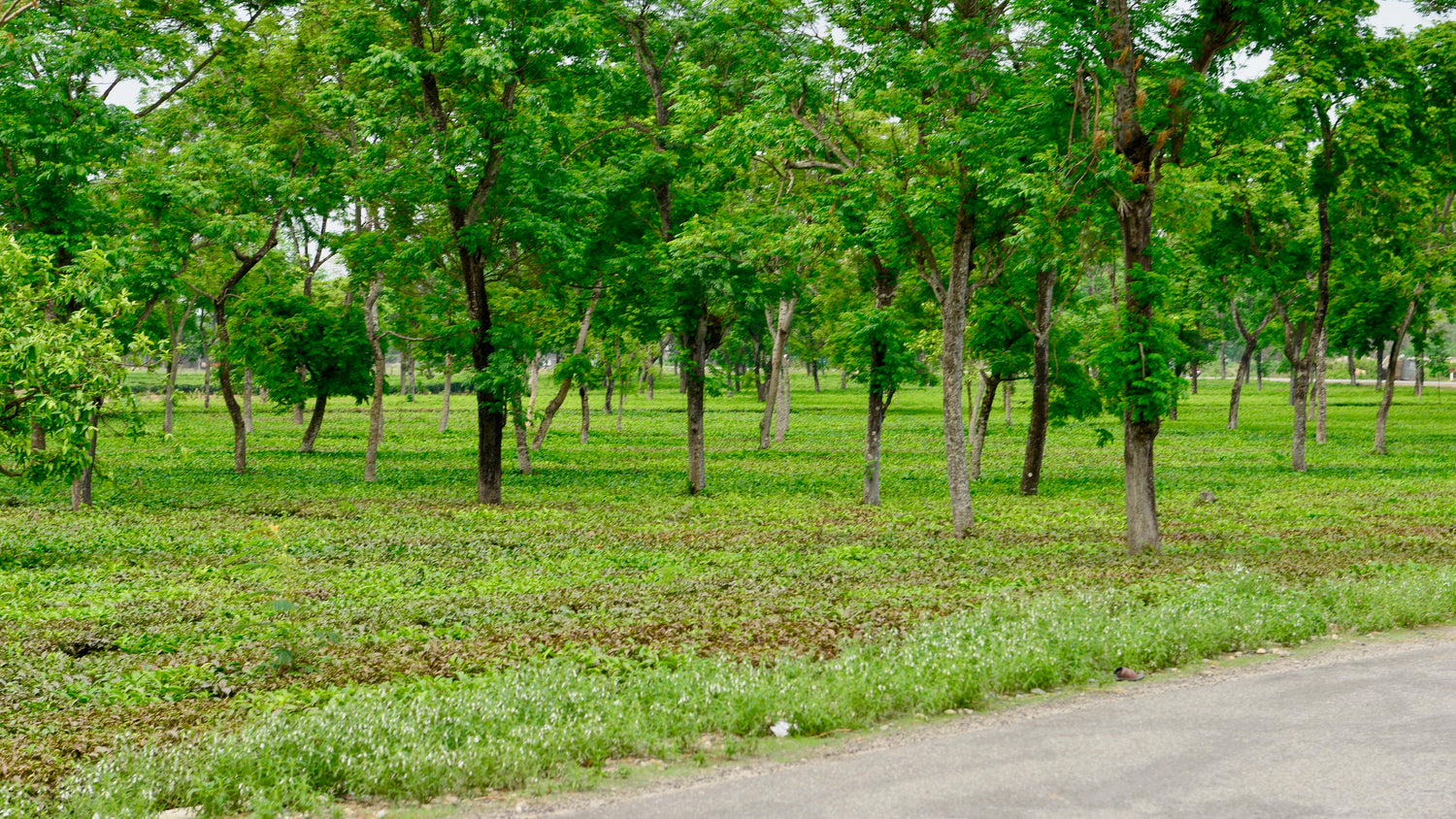
Agroforestry in Rajasthan: Combat Desertification & Boost Yields
Agroforestry in Rajasthan offers a powerful solution to combat the state's growing desertification challenges. This sustainable practice combines tree Read more
Connect with us
-
👥 Corporates
If you are looking for:
- 🌲 Tree Plantation Events
- 📊 CSR Projects
📧 corporate@growbilliontrees.com
📞 +91 9699723523
💬 +91 9325931304 WhatsApp (Only)
🕒 Mon - Sat | 10am - 7pm IST
-
🧩 Tree Plantation NGOs
If you are looking for:
- 💰 Financial Assistance
- 🤝 Operational Support
📧 support@growbilliontrees.com
📞 +91 9699723523
💬 +91 9325931304 WhatsApp (Only)
🕒 Mon - Sat | 10am - 7pm IST
-
🌼 Individuals
If you are looking for:
- 👥 Group Tree Plantation Drive
- 🌳 Bulk Tree Plantation
📞 +91 9699723523
💬 +91 9325931304 WhatsApp (Only)
🕒 Mon - Sat | 10am - 7pm IST
Trending Tree Plantations - Most Popular Environmental Programs
-
Trees for Birthday Celebration: Plant Meaningful Green Gifts
Regular price ₹ 299Regular priceUnit price per -
Trees for Mother
Regular price ₹ 299Regular priceUnit price per -
Trees as a Gift: Plant Hope & Create Lasting Environmental Impact
Regular price ₹ 299Regular priceUnit price per -
Trees to Honor the Memory of your Loved Ones
Regular price ₹ 299Regular priceUnit price per -
Trees for Women's Day (8th Mar)
Regular price ₹ 299Regular priceUnit price per


Trees for Corporates - Achieve Net Zero Targets Through Strategic Tree Planting
-
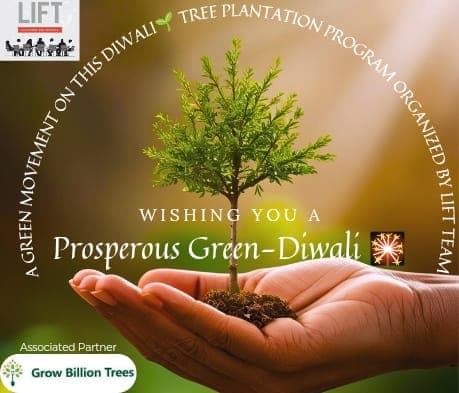 Project Closed
Trees by LIFT Team for Green Diwali: Transform Your Festival
Regular price ₹ 299Regular priceUnit price per -
Trees for a Greener Tomorrow - by Mahindra Lifespaces
Regular price ₹ 299Regular priceUnit price per -
Trees for Environment Day: Plant Your Impact on June 5th
Regular price ₹ 299Regular priceUnit price per -
Trees for Farmers: Sustainable Agroforestry Solutions for 2026
Regular price ₹ 299Regular priceUnit price per -
Trees for Employees: Transform Your Corporate Culture in 2026
Regular price ₹ 299Regular priceUnit price per

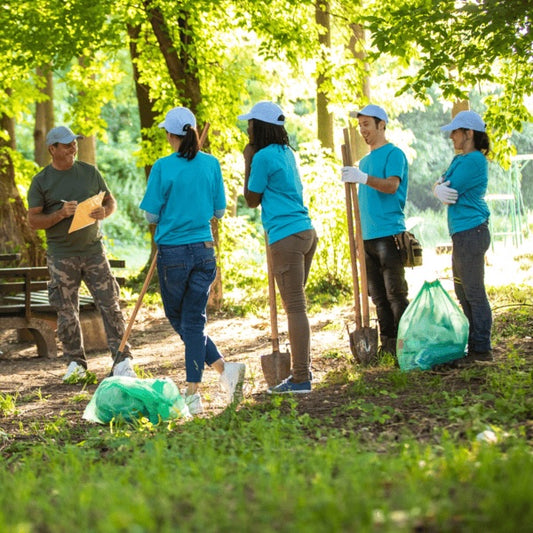
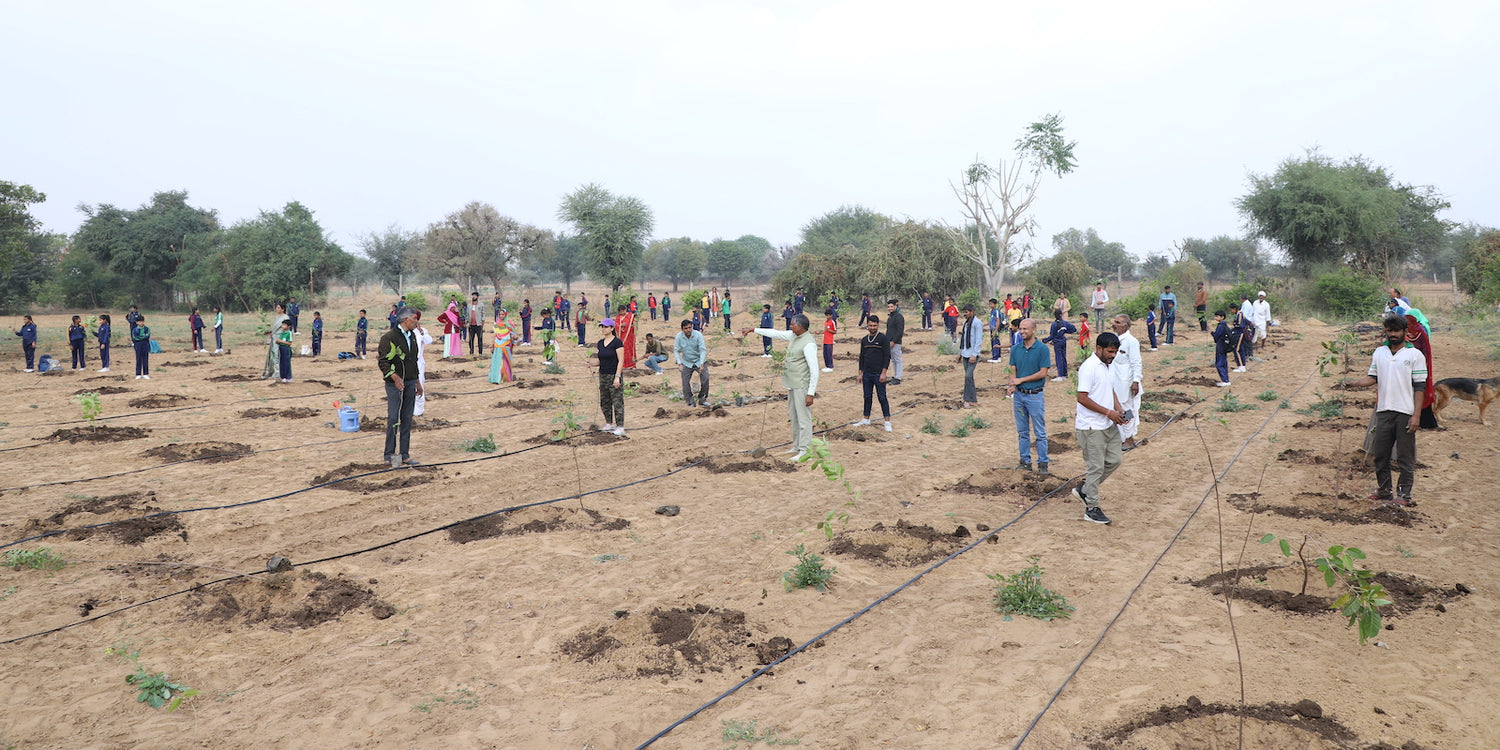
Agroforestry in Rajasthan: Combat Desertification & Transform Land
Agroforestry in Rajasthan offers a powerful solution to combat the state's growing desertification challenges. This sustainable practice combines trees, crops, and livestock in a single system, creating resilient ecosystems that can thrive in arid conditions. Our experience working with farmers across Rajasthan shows that agroforestry increases crop yields by 30-40% while restoring degraded land naturally.
Understanding Desertification in Rajasthan ⚠️
Rajasthan faces severe desertification, with over 60% of its land classified as degraded in 2026. The state loses approximately 2,000 hectares of fertile land annually to desert expansion. Climate change intensifies this crisis, reducing rainfall by 15% over the past decade.
Traditional farming methods struggle against harsh conditions. Soil erosion affects 85% of agricultural land. Water scarcity impacts 70% of rural communities. These challenges demand innovative solutions that work with nature rather than against it.
According to the United Nations Climate Change initiative, agroforestry systems can reduce greenhouse gas emissions while improving land productivity. This approach offers hope for Rajasthan's environmental restoration.
What is Agroforestry? 💡
Agroforestry integrates trees with agricultural crops and livestock systems. This practice creates multiple income streams while protecting the environment. Trees provide shade, reduce wind erosion, and improve soil fertility through leaf litter decomposition.
Different agroforestry models suit various landscapes. Alley cropping places rows of trees between crop fields. Silvopasture combines trees with grazing areas. Windbreaks protect crops from harsh desert winds. Each system adapts to specific local conditions.
Our team has witnessed remarkable transformations through agroforestry implementation. Farmers report improved crop resilience during drought years. Soil organic matter increases by 25% within three years. Water retention improves significantly, reducing irrigation needs.
Benefits of Agroforestry in Rajasthan's Arid Climate ✅
Agroforestry delivers multiple environmental and economic benefits in Rajasthan's challenging conditions. Trees create microclimates that moderate extreme temperatures. Soil moisture retention increases by 40% under tree canopies. Crop yields improve through better growing conditions.
Economic advantages include diversified income sources from timber, fruits, and fodder. Farmers can earn ₹50,000-80,000 additional income per hectare annually. Reduced input costs for fertilizers and pesticides boost profitability. Market demand for agroforestry products continues growing.
Environmental benefits extend beyond individual farms. Carbon sequestration reaches 5-10 tonnes per hectare yearly. Biodiversity increases as trees attract beneficial insects and birds. Groundwater recharge improves through enhanced infiltration rates.
Traditional Agroforestry Practices in Rajasthan
Rajasthan's traditional farming systems already incorporate many agroforestry principles. The "Khejri" system uses Prosopis cineraria trees alongside crops like bajra and jowar. These indigenous trees fix nitrogen, improving soil fertility naturally. Farmers have practiced this system for centuries with great success.
Village communities maintain sacred groves called "Devrai" that preserve native tree species. These areas demonstrate natural agroforestry principles. Traditional water harvesting structures like "bawris" often include tree plantations for soil conservation.
Local knowledge systems recognize trees' importance for sustainable agriculture. Elderly farmers understand which tree species complement specific crops. This wisdom forms the foundation for modern agroforestry interventions. We ensure our programs build upon these traditional practices.
Modern Agroforestry Techniques and Innovations ⭐
Contemporary agroforestry in Rajasthan incorporates scientific advances with traditional wisdom. Drip irrigation systems maximize water efficiency in tree-crop combinations. Precision agriculture tools help optimize spacing and species selection. Soil testing guides nutrient management strategies.
Technology integration includes mobile apps for monitoring tree growth and health. GPS mapping helps farmers plan optimal tree placement. Weather stations provide data for irrigation scheduling. These innovations make agroforestry more accessible and profitable.
Research institutions develop climate-resilient tree varieties specifically for Rajasthan's conditions. Grafting techniques improve fruit tree productivity. Organic fertilizer production from tree biomass reduces external inputs. Our partners continuously innovate to improve system performance.
Success Stories and Case Studies 🌟
Jodhpur district showcases remarkable agroforestry transformations. Farmer Ramesh Singh increased his farm income by 150% through integrated tree-crop systems. His 5-hectare farm now produces mangoes, pomegranates, and traditional grains simultaneously. Water consumption decreased by 30% despite expanded production.
In Bikaner, women's self-help groups established community agroforestry plots. These initiatives generate ₹2 lakh annual income for 50 families. The project demonstrates how collective action amplifies individual benefits. Social cohesion strengthens through shared environmental stewardship.
Corporate partnerships accelerate large-scale implementation. Companies achieving net zero targets invest in Rajasthan agroforestry projects. These collaborations provide farmers with guaranteed markets and technical support. Our experience shows that public-private partnerships drive sustainable scaling.
Tree Species Selection for Rajasthan's Climate
Choosing appropriate tree species determines agroforestry success in Rajasthan's harsh environment. Native species like Khejri, Babul, and Rohida naturally thrive in arid conditions. These trees require minimal water while providing maximum benefits. Drought tolerance remains the primary selection criterion.
Fruit trees offer economic value alongside environmental benefits. Pomegranate, ber, and dates adapt well to desert conditions. These species provide nutritious food and market income. Proper variety selection ensures consistent production despite climate challenges.
Multipurpose trees serve various functions within agroforestry systems. Neem provides natural pesticide while improving soil health. Moringa offers nutritious leaves and pods for human consumption. Fodder trees like Leucaena support livestock nutrition. Each species contributes uniquely to system productivity.
Water Management in Agroforestry Systems 💧
Efficient water management makes agroforestry viable in Rajasthan's water-scarce environment. Rainwater harvesting structures collect and store monsoon precipitation. Check dams and contour bunding reduce runoff while increasing infiltration. These techniques maximize available water resources.
Micro-irrigation systems deliver water precisely where needed. Drip irrigation reduces water consumption by 50% compared to flood irrigation. Mulching around trees conserves soil moisture effectively. Smart scheduling based on weather data optimizes irrigation timing.
Trees themselves improve water availability through various mechanisms. Deep root systems access groundwater unavailable to shallow-rooted crops. Leaf litter creates organic mulch that retains moisture. Canopy cover reduces evaporation from soil surfaces. These natural processes enhance overall water efficiency.
Government Support and Policies ✅
Rajasthan government actively promotes agroforestry through various schemes and incentives. The Desert Development Programme allocates ₹500 crores annually for land restoration activities. Subsidies cover 75% of tree plantation costs for small farmers. Technical training programs build farmer capacity.
National policies support agroforestry expansion across India. The National Agroforestry Policy 2014 provides framework for implementation. Carbon credit mechanisms offer additional income opportunities. These policies create enabling environments for sustainable practices.
Research institutions receive government funding for agroforestry studies. Universities develop location-specific recommendations for farmers. Extension services disseminate best practices through field demonstrations. Our team collaborates with government agencies to maximize program impact.
Economic Impact and Profitability
Agroforestry generates substantial economic returns for Rajasthan farmers despite initial investment requirements. Establishment costs range from ₹25,000-40,000 per hectare depending on species selection. Government subsidies reduce farmer contributions to ₹10,000-15,000 per hectare. Break-even typically occurs within 3-4 years.
Annual returns increase progressively as trees mature. Fifth-year income reaches ₹80,000-120,000 per hectare from combined tree and crop production. Timber harvesting after 10-15 years provides lump-sum income of ₹2-5 lakhs per hectare. These returns significantly exceed conventional agriculture profitability.
Risk mitigation represents another economic advantage of agroforestry systems. Diversified production reduces vulnerability to market fluctuations. Trees provide income during crop failure years. Insurance companies offer better rates for agroforestry farms due to reduced risk profiles.
Environmental Impact and Carbon Sequestration 🌱
Agroforestry systems deliver significant environmental benefits beyond desertification control. Carbon sequestration rates reach 8-12 tonnes CO2 equivalent per hectare annually. This capacity supports India's commitment to achieve net zero emissions by 2070. Rajasthan's agroforestry potential could sequester 50 million tonnes CO2 annually.
Biodiversity conservation improves through habitat creation for wildlife species. Bird populations increase by 200% in agroforestry areas compared to monoculture farms. Beneficial insects support natural pest control, reducing pesticide requirements. Soil microbial diversity enhances nutrient cycling efficiency.
The World Wildlife Fund's forest conservation initiatives recognize agroforestry as crucial for ecosystem restoration. Air quality improves through dust particle filtration by tree canopies. Noise pollution decreases in agroforestry landscapes. These environmental services benefit entire communities.
Challenges and Solutions in Implementation
Several challenges hinder widespread agroforestry adoption in Rajasthan despite obvious benefits. Initial capital requirements deter resource-poor farmers from participation. Technical knowledge gaps limit optimal system design and management. Market access for tree products remains underdeveloped in rural areas.
Water scarcity poses the greatest implementation challenge in desert regions. Competition between trees and crops for limited water resources concerns farmers. Inappropriate species selection can exacerbate water stress rather than alleviate it. Proper planning and species choice address these concerns effectively.
Solutions include microfinance programs that provide affordable credit for agroforestry establishment. Farmer training programs build technical capacity through hands-on demonstrations. Cooperative marketing structures help farmers access better prices for their products. Our experience shows that comprehensive support systems overcome most implementation barriers.
Future Prospects and Scaling Up 🚀
Agroforestry in Rajasthan shows tremendous potential for expansion across the state's 34 million hectares of agricultural land. Current coverage remains below 5%, indicating vast opportunities for growth. Government targets aim for 25% agroforestry coverage by 2030. This expansion could transform Rajasthan's agricultural landscape completely.
Technology advancement will accelerate agroforestry adoption through improved efficiency and reduced costs. Satellite monitoring systems track tree growth and health remotely. Artificial intelligence optimizes species selection and management practices. Blockchain technology ensures transparent carbon credit transactions.
According to the United Nations Environment Programme's forest initiatives, agroforestry represents a key strategy for achieving global restoration goals. International climate finance increasingly supports such nature-based solutions. Rajasthan's agroforestry programs attract significant investment interest.
How Grow Billion Trees Supports Agroforestry in Rajasthan 🌳
Grow Billion Trees leads agroforestry implementation across Rajasthan through our comprehensive approach. We provide 4ft Tree Planting + 3 Years Care + GeoTag services to ensure successful establishment. Our programs specifically target degraded lands for restoration through sustainable agroforestry practices.
Our team works directly with farmers to design location-specific agroforestry systems. Technical support includes species selection, spacing optimization, and irrigation planning. We ensure farmers receive proper training for long-term system management. This hands-on approach guarantees project success.
Corporate partnerships enable large-scale agroforestry projects that support companies' net zero targets. Plant a tree in your Name program allows individuals to contribute to Rajasthan's restoration efforts. Every tree planted receives GeoTag tracking for complete transparency. Our mission of planting 100 crore trees includes significant agroforestry components.
Getting Started with Agroforestry
Farmers interested in agroforestry should begin with soil and water testing to understand site conditions. Professional consultation helps design optimal systems for specific locations and objectives. Starting small with demonstration plots reduces risk while building experience and confidence.
Financial planning includes calculating establishment costs, expected returns, and available subsidies. Bank loans and government schemes provide necessary funding support. Proper documentation ensures eligibility for various incentive programs. Our partners assist farmers throughout the application process.
Training programs build essential skills for successful agroforestry management. Topics include pruning techniques, pest management, and harvesting methods. Farmer-to-farmer learning accelerates knowledge transfer within communities. Continuous learning ensures adaptation to changing conditions and new opportunities.
Frequently Asked Questions
What is the initial cost of establishing agroforestry in Rajasthan?
Establishment costs range from ₹25,000-40,000 per hectare depending on species selection and system design. Government subsidies reduce farmer contributions to ₹10,000-15,000 per hectare. Additional support through microfinance makes agroforestry accessible to small farmers.
How long does it take to see returns from agroforestry investments?
Initial returns begin within the first year from intercropped agricultural products. Tree-based income starts from the third year with fruit and fodder production. Full economic returns typically achieve by the fifth year when trees reach productive maturity.
Which tree species work best in Rajasthan's desert climate?
Native species like Khejri, Babul, and Rohida naturally thrive in arid conditions. Fruit trees including pomegranate, ber, and dates provide economic value. Multipurpose trees such as neem and moringa offer diverse benefits for integrated systems.
How much water do agroforestry systems require in Rajasthan?
Water requirements vary by species selection and system design. Properly planned agroforestry actually reduces overall water consumption by 30-40% compared to conventional agriculture. Trees improve water retention and reduce evaporation losses significantly.
What government support is available for agroforestry in Rajasthan?
The Desert Development Programme provides 75% subsidies for tree plantation costs. National Agroforestry Policy offers framework support and technical assistance. Carbon credit mechanisms provide additional income opportunities for participating farmers.
Can agroforestry really combat desertification effectively?
Yes, agroforestry proven highly effective against desertification through soil conservation, water retention, and microclimate improvement. Studies show 60-80% reduction in soil erosion rates. Tree cover increases soil organic matter by 25% within three years.
How does agroforestry contribute to climate change mitigation?
Agroforestry systems sequester 8-12 tonnes CO2 equivalent per hectare annually. This capacity supports India's net zero emission targets. Rajasthan's agroforestry potential could sequester 50 million tonnes CO2 annually at full scale implementation.
What are the main challenges in implementing agroforestry?
Primary challenges include initial capital requirements, technical knowledge gaps, and market access limitations. Water scarcity poses additional concerns in desert regions. Comprehensive support systems including training, financing, and marketing address these challenges effectively.Agroforestry in Rajasthan represents a transformative approach to combat desertification while improving farmer livelihoods. This sustainable practice offers environmental restoration, economic benefits, and climate resilience. Our experience demonstrates that proper implementation creates thriving ecosystems in the harshest conditions.The path forward requires collective action from farmers, government, and organizations like Grow Billion Trees. Together, we can achieve the goal of Combating Climate Change Through Collective Action. Discover how you can contribute to Rajasthan's green transformation and explore our agroforestry programs today.
You may like
-
Gift a Tree - Meaningful Environmental Gifts That Make a Difference
Transform your gift-giving with meaningful environmental gifts that create lasting impact for...
-
Trees For Shiv Ji - Sacred Tree Planting to Honor Lord Shiva
Honor Lord Shiva through sacred tree planting with Trees For Shiv Ji,...
-

Tree Plantations for Shri Ram - Sacred Devotional Planting Services
Honor Lord Shri Ram through meaningful tree plantations for Shri Ram that...
-
Tree Plantation on Navratri - Celebrate Divine Festivals with Environmental Devotion
Tree plantation on Navratri transforms the sacred nine-day festival into a powerful...
-
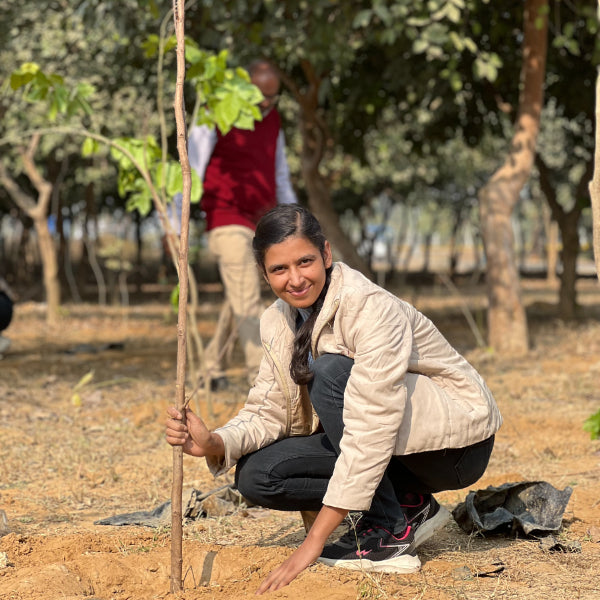
Tree Plantation by Cause - Plant Trees for Every Purpose | Grow Billion Trees
Transform your environmental impact with purpose-driven tree plantation by cause programs that...
Corporate Plantations
-
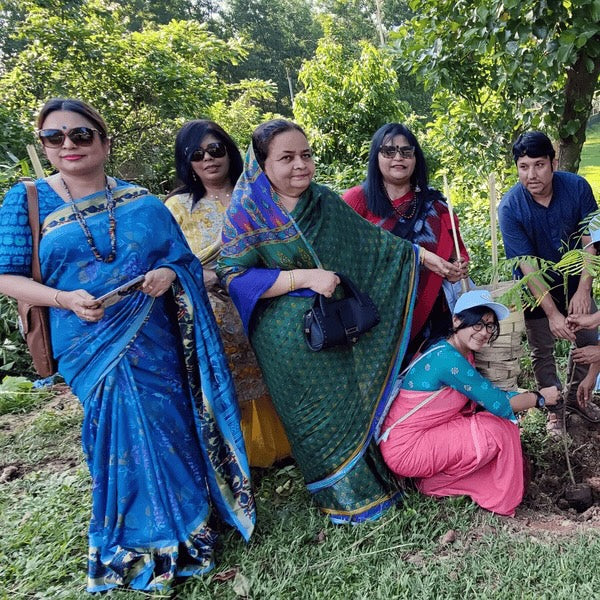
Trees for Corporates - Achieve Net Zero Targets Through Strategic Tree Planting
Trees for Corporates - Strategic Environmental SolutionsTransform your corporate environmental impact with...
-
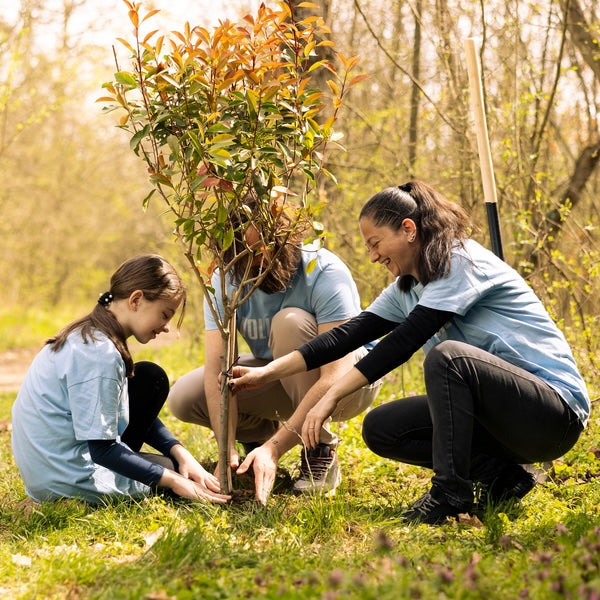
Tree Plantation for CSR - Corporate Environmental Programs | Grow Billion Trees
Tree Plantation for CSR - Transform Your Corporate Environmental ImpactTree plantation for...
-
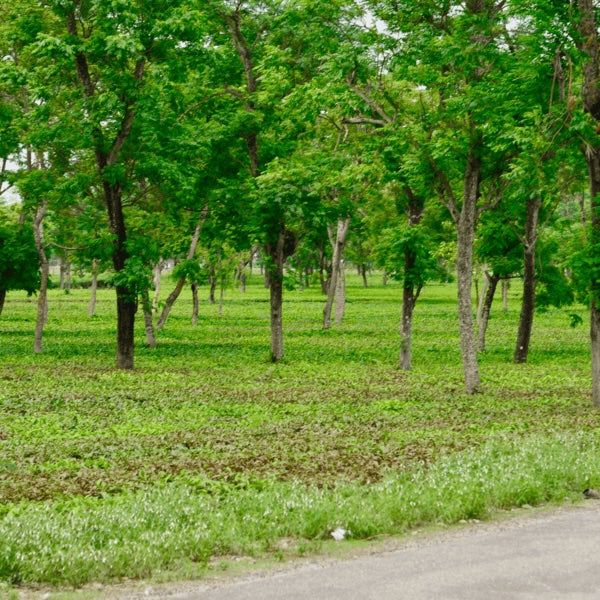
Tree Plantation for SDG - Support Sustainable Development Goals
Tree plantation for SDG initiatives represents a powerful pathway to achieving multiple...
-
Corporate Tree Plantation Programs - Sustainable ESG Environmental Solutions for Net Zero Targets
Transform your organization's environmental impact with our comprehensive Corporate Tree Plantation Programs...
-
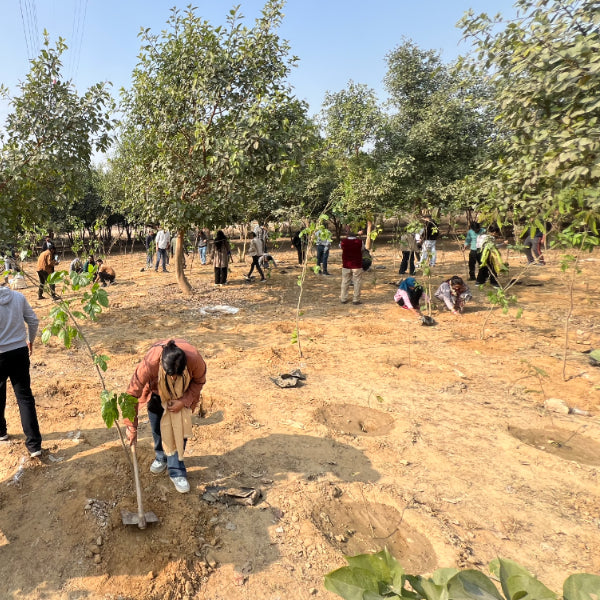
Tree Plantation by Location - Plant Trees Across India
Transform landscapes nationwide through our comprehensive tree plantation by location program. When...
Most Popular Tree Plantations - Top Choices for Environmental Impact
-
Trees for Birthday Celebration: Plant Meaningful Green Gifts
Regular price ₹ 299Regular priceUnit price per -
Trees for Mother
Regular price ₹ 299Regular priceUnit price per -
Trees as a Gift: Plant Hope & Create Lasting Environmental Impact
Regular price ₹ 299Regular priceUnit price per -
Trees to Honor the Memory of your Loved Ones
Regular price ₹ 299Regular priceUnit price per -
Trees for Krishna on Janmashtami - Sacred Divine Gift ₹299
Regular price ₹ 299Regular priceUnit price per