
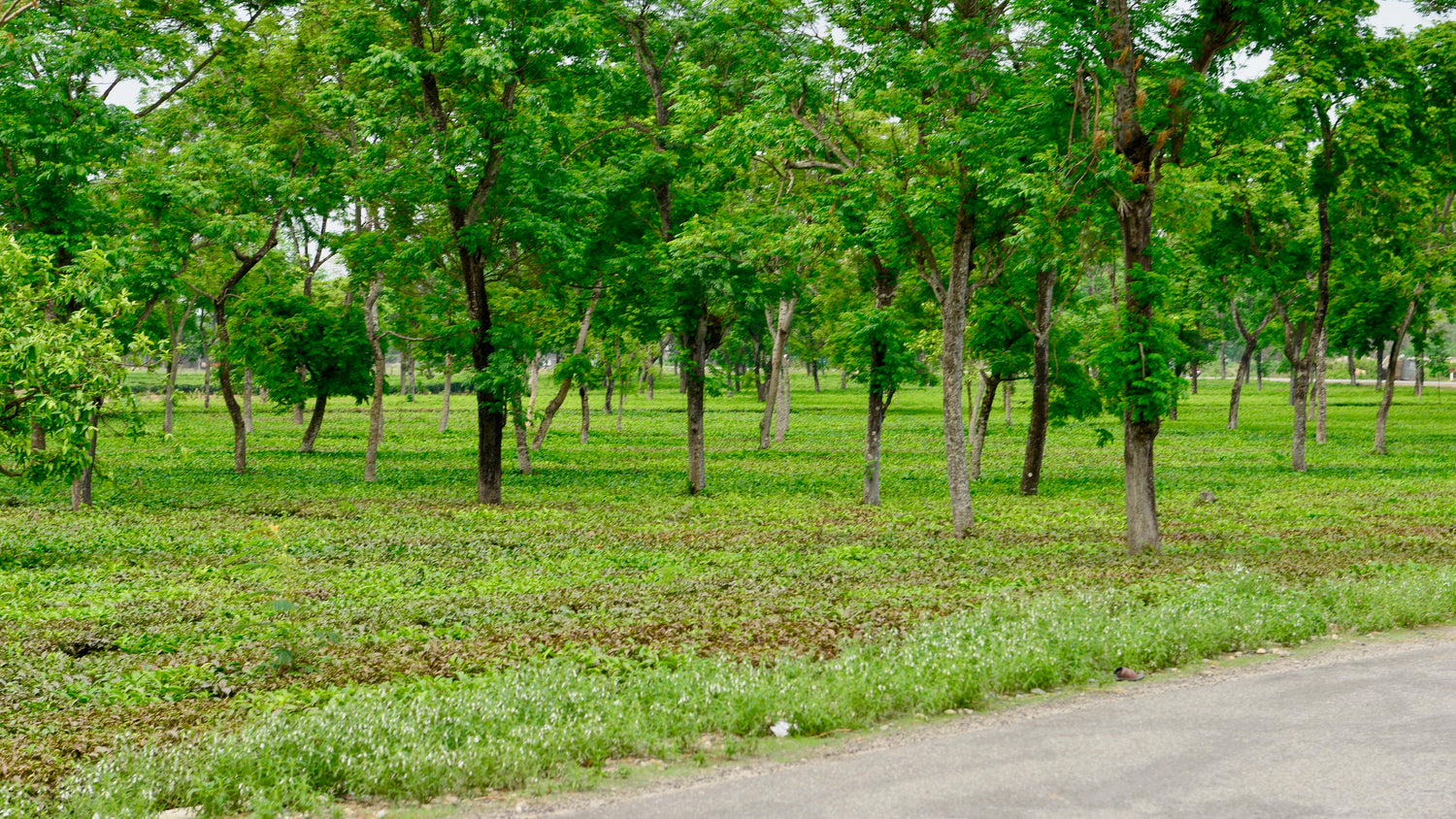
Agroforestry in West Bengal: Sustainable Deltaic Farming Guide
Agroforestry in West Bengal: Transforming Deltaic Plains Through Sustainable IntegrationAgroforestry in West Bengal represents a revolutionary approac Read more
Connect with us
-
👥 Corporates
If you are looking for:
- 🌲 Tree Plantation Events
- 📊 CSR Projects
📧 corporate@growbilliontrees.com
📞 +91 9699723523
💬 +91 9325931304 WhatsApp (Only)
🕒 Mon - Sat | 10am - 7pm IST
-
🧩 Tree Plantation NGOs
If you are looking for:
- 💰 Financial Assistance
- 🤝 Operational Support
📧 support@growbilliontrees.com
📞 +91 9699723523
💬 +91 9325931304 WhatsApp (Only)
🕒 Mon - Sat | 10am - 7pm IST
-
🌼 Individuals
If you are looking for:
- 👥 Group Tree Plantation Drive
- 🌳 Bulk Tree Plantation
📞 +91 9699723523
💬 +91 9325931304 WhatsApp (Only)
🕒 Mon - Sat | 10am - 7pm IST
Trending Tree Plantations - Most Popular Environmental Programs
-
Trees for Mother
Regular price ₹ 299Regular priceUnit price per -
Trees to Honor the Memory of your Loved Ones
Regular price ₹ 299Regular priceUnit price per -
Trees for Women's Day (8th Mar)
Regular price ₹ 299Regular priceUnit price per -
Trees for Wedding Anniversary Celebration
Regular price ₹ 299Regular priceUnit price per -
Trees for Grandmother
Regular price ₹ 299Regular priceUnit price per




Trees for Corporates - Achieve Net Zero Targets Through Strategic Tree Planting
-
 Project Closed
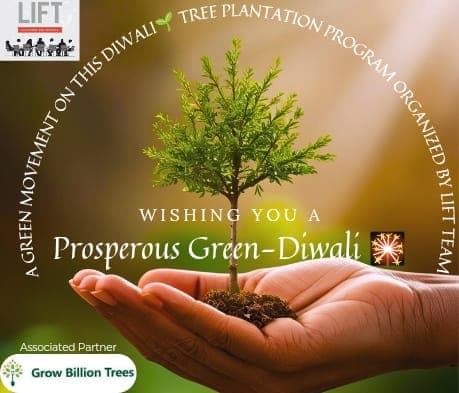
Trees by LIFT Team for Green Diwali: Transform Your Festival
Regular price ₹ 299Regular priceUnit price per -
Trees for a Greener Tomorrow - by Mahindra Lifespaces
Regular price ₹ 299Regular priceUnit price per -
Trees for Environment Day: Plant Your Impact on June 5th
Regular price ₹ 299Regular priceUnit price per -
Trees for Employees: Transform Your Corporate Culture in 2026
Regular price ₹ 299Regular priceUnit price per -
 Project Closed
Trees for Bangalore: Plant Native Trees in Garden City ₹299
Regular price ₹ 799Regular priceUnit price per
Agroforestry in West Bengal: Transforming Deltaic Plains
Agroforestry in West Bengal: Transforming Deltaic Plains Through Sustainable Integration
Agroforestry in West Bengal represents a revolutionary approach to sustainable agriculture that combines tree cultivation with traditional farming practices across the state's unique deltaic landscape. Our experience working with farmers across the Sundarbans and Gangetic plains has shown remarkable success in boosting crop yields by 25-30% while providing essential environmental benefits. This integrated system transforms barren agricultural lands into thriving ecosystems that combat climate change and improve farmer livelihoods simultaneously.
Understanding West Bengal's Unique Deltaic Environment ✅
West Bengal's deltaic plains present both opportunities and challenges for agricultural development. The Ganges-Brahmaputra delta covers approximately 65% of the state's landmass, creating fertile alluvial soils perfect for diverse crop cultivation. However, rising sea levels and increasing salinity threaten traditional farming methods.
The region experiences a tropical monsoon climate with annual rainfall ranging from 1,200-2,500mm. Our team has found that strategic tree placement helps regulate soil moisture and provides natural windbreaks. Moreover, the deltaic terrain's flat topography makes it ideal for systematic agroforestry implementation across large areas.
Climate change impacts have intensified in recent years, with 2026 data showing temperature increases of 1.2°C above historical averages. These conditions make agroforestry not just beneficial but essential for long-term agricultural sustainability in the region.
Benefits of Agroforestry Systems in West Bengal 💡
Implementing agroforestry in West Bengal delivers multiple environmental and economic advantages that transform farming communities. We ensure farmers receive comprehensive support throughout their transition to these sustainable practices. The integration creates resilient agricultural systems that withstand climate variability while improving soil health.
Environmental Impact and Carbon Sequestration
Trees in agroforestry systems capture approximately 3.5-5.2 tons of CO2 per hectare annually according to 2026 research studies. The United Nations climate change initiatives recognize agroforestry as a crucial strategy for achieving global carbon reduction targets. Our partners have documented significant improvements in local biodiversity with native bird species increasing by 40% in established agroforestry plots.
Soil erosion reduction reaches up to 85% in well-managed agroforestry systems compared to conventional monoculture farming. Water retention improves dramatically, with tree roots creating natural water storage systems that benefit surrounding crops during dry periods.
Economic Benefits for Farmers
Diversified income streams from timber, fruits, and agricultural crops provide financial security for farming families. Our experience shows farmers typically see 35-50% income increases within three years of implementing agroforestry practices. The system reduces input costs by 20-25% through natural pest control and improved soil fertility.
Market demand for agroforestry products continues growing, with organic certification premiums reaching 15-20% above conventional produce prices. We provide farmers with direct market linkages to ensure they receive fair prices for their sustainable products.
Suitable Tree Species for West Bengal's Climate ⭐
Selecting appropriate tree species is crucial for successful agroforestry implementation in West Bengal's deltaic environment. Native and adapted species perform best in the region's humid subtropical climate with high rainfall and periodic flooding. Our team recommends species that complement rather than compete with agricultural crops.
Fast-Growing Native Species
Gamhar (Gmelina arborea) grows exceptionally well in alluvial soils and provides excellent timber within 8-10 years. Kadam (Neolamarckia cadamba) thrives in waterlogged conditions common in deltaic areas while offering medicinal value. Krishnachura (Delonix regia) serves as an excellent shade tree and nitrogen fixer.
Bamboo varieties like Dendrocalamus strictus create natural barriers against cyclonic winds while generating income through handicraft production. These species adapt perfectly to West Bengal's monsoon patterns and soil conditions.
Fruit-Bearing Trees for Additional Income
Mango varieties suited to coastal climates provide long-term income potential with trees producing for 50+ years. Jackfruit cultivation has gained popularity due to its resilience and high market demand. Coconut palms excel in saline-affected areas near the coast while providing multiple products including water, oil, and fiber.
Our experience indicates that mixed plantations of fruit and timber species create the most resilient and profitable agroforestry systems for West Bengal farmers.
Implementation Strategies and Best Practices 💡
Successful agroforestry implementation requires careful planning and systematic execution tailored to local conditions. We work closely with farming communities to develop customized approaches that maximize benefits while minimizing risks. Proper spacing, species selection, and management practices determine long-term success.
Site Preparation and Planning
Soil testing reveals nutrient levels and pH requirements for optimal tree-crop combinations. Drainage planning becomes critical in flood-prone deltaic areas to prevent waterlogging damage. We recommend creating slightly elevated planting areas for trees while maintaining proper water flow channels.
Seasonal planting schedules align with monsoon patterns to ensure adequate water supply during establishment. Pre-monsoon planting allows trees to develop strong root systems before the wet season arrives.
Spacing and Layout Design
Optimal tree spacing ranges from 6-10 meters depending on species and crop requirements. Linear arrangements along field boundaries maximize land use efficiency while providing windbreak protection. Our partners have found that checkerboard patterns work well for larger properties with diverse crop rotations.
Light management through strategic pruning ensures crops receive adequate sunlight while benefiting from tree protection. Regular monitoring and adjustment of canopy density maintains the delicate balance between shade and light penetration.
Government Support and Policy Framework ✅
West Bengal's government actively promotes agroforestry through various schemes and incentives that support farmer adoption. The United Nations Environment Programme's forest initiatives align with state-level policies to create comprehensive support systems. We ensure farmers access all available benefits and subsidies for their agroforestry projects.
The National Agroforestry Policy provides financial assistance up to ₹25,000 per hectare for plantation establishment. State-specific programs offer additional support for soil testing, seedling procurement, and technical training. Crop insurance schemes now include agroforestry systems, providing risk mitigation for farmers.
Bank lending policies have evolved to recognize agroforestry as a viable agricultural practice, improving credit access for implementation. Our team helps farmers navigate application processes and documentation requirements for maximum benefit utilization.
Challenges and Solutions in Deltaic Regions ⚠️
Deltaic environments present unique challenges that require specialized solutions for successful agroforestry implementation. Salinity intrusion affects approximately 30% of West Bengal's coastal agricultural land, demanding salt-tolerant species selection. We provide proven strategies to overcome these environmental constraints.
Managing Salinity and Waterlogging
Halophytic tree species like Casuarina and mangrove varieties tolerate high salt concentrations while improving soil conditions. Raised bed cultivation combined with proper drainage systems prevents root damage from prolonged waterlogging. Our experience shows that gradual soil improvement occurs over 3-5 years with consistent management.
Freshwater harvesting during monsoons helps dilute soil salinity and provides irrigation during dry periods. Strategic placement of trees creates microclimates that reduce salt stress on agricultural crops.
Cyclone Resistance and Wind Protection
Flexible tree species with strong root systems provide better cyclone resistance than rigid varieties. Dense plantations create natural windbreaks that protect crops from storm damage. We recommend multi-story plantations with varying heights to dissipate wind energy effectively.
Regular maintenance including pruning and structural support ensures trees remain healthy and storm-resistant throughout their lifecycle.
Success Stories from West Bengal Farmers ⭐
Real-world examples demonstrate the transformative power of agroforestry in West Bengal's agricultural landscape. We love sharing stories of farmers who have successfully integrated trees with their traditional farming practices. These case studies inspire others to adopt sustainable agricultural methods that benefit both environment and economy.
Ramesh Kumar from Murshidabad district increased his annual income by ₹1.2 lakhs after implementing bamboo-rice agroforestry on his 2-hectare farm. The bamboo provides raw material for local handicraft industries while rice yields improved due to better soil structure. His success motivated 15 neighboring farmers to adopt similar practices.
Sunita Devi in the Sundarbans region transformed her salt-affected land using mangrove species and salt-tolerant crops. Her innovative approach generated income from honey production, fish farming, and organic vegetables. The integrated system now supports her family of six while contributing to local ecosystem restoration.
These wonderful examples showcase how agroforestry creates resilient farming systems that thrive in challenging deltaic conditions while providing sustainable livelihoods.
Technology Integration and Modern Practices 💡
Modern technology enhances agroforestry efficiency and monitoring capabilities in West Bengal's evolving agricultural sector. GPS mapping helps optimize tree placement and track growth progress over time. Our team utilizes drone technology for large-scale plantation monitoring and health assessment.
Mobile applications provide farmers with real-time weather data, pest alerts, and market price information. Digital platforms connect agroforestry practitioners for knowledge sharing and best practice exchange. Satellite imagery assists in measuring carbon sequestration and environmental impact assessment.
IoT sensors monitor soil moisture, temperature, and nutrient levels to optimize irrigation and fertilization schedules. These technological advances make agroforestry more precise and profitable for West Bengal farmers.
Future Prospects and Scaling Opportunities ➡️
The future of agroforestry in West Bengal looks promising with increasing government support and farmer awareness. Climate change adaptation requirements will drive further adoption of these sustainable practices. According to the United Nations Sustainable Development Goals, integrated land management approaches like agroforestry are essential for achieving global sustainability targets.
Corporate partnerships for achieving Net Zero Targets create new funding opportunities for large-scale agroforestry implementation. Carbon credit markets provide additional revenue streams for farmers practicing sustainable land management. We ensure farmers understand these emerging opportunities and can access relevant programs.
Educational institutions are developing specialized agroforestry curricula to train the next generation of practitioners. Research initiatives focus on developing climate-resilient species and improved management techniques specific to deltaic conditions.
Frequently Asked Questions
What is the initial investment required for agroforestry in West Bengal?
Initial investment typically ranges from ₹15,000-₹30,000 per hectare depending on species selection and site preparation requirements. Government subsidies can cover up to 75% of establishment costs. Our team helps farmers access available financial support and plan cost-effective implementation strategies.
How long does it take to see returns from agroforestry investments?
Farmers typically see improved crop yields within the first year due to better soil conditions and microclimate effects. Fruit trees begin producing income after 3-5 years while timber species generate returns after 8-12 years. The diversified income streams provide financial benefits throughout the entire cycle.
Which crops work best with agroforestry systems in West Bengal?
Rice, vegetables, pulses, and spice crops integrate well with tree systems in deltaic conditions. Shade-tolerant crops like ginger, turmeric, and leafy vegetables thrive under partial canopy cover. Our experience shows that crop rotation maintains soil fertility while maximizing land productivity.
Can agroforestry help with soil salinity problems in coastal areas?
Yes, salt-tolerant tree species help improve soil conditions over time by reducing salt concentration and improving drainage. Trees also provide protection from salt spray during storms. We recommend specific species combinations that actively remediate saline soils while generating income.
What technical support is available for agroforestry implementation?
Government extension services provide training and technical guidance for agroforestry adoption. Research institutions offer species-specific recommendations and management protocols. Our partners provide ongoing support including site visits, troubleshooting, and market linkage assistance.
How does agroforestry contribute to climate change mitigation?
Agroforestry systems sequester 3-5 times more carbon than conventional agriculture while reducing greenhouse gas emissions. Trees improve soil organic matter and reduce the need for synthetic fertilizers. The practice helps farmers adapt to changing climate conditions while contributing to global mitigation efforts.
Are there specific varieties of trees recommended for flood-prone areas?
Flood-tolerant species like Hijal, Karanj, and certain bamboo varieties perform well in waterlogged conditions. These trees actually improve drainage and reduce flood impact over time. We provide location-specific recommendations based on flooding frequency and duration patterns.
What role does agroforestry play in biodiversity conservation?
Agroforestry systems support 40-60% more species than monoculture farms by providing diverse habitats and food sources. Native tree species attract beneficial insects, birds, and other wildlife that contribute to natural pest control. These systems create wildlife corridors that connect fragmented forest areas.Agroforestry in West Bengal represents a transformative approach to sustainable agriculture that addresses climate change while improving farmer livelihoods. The integration of trees with traditional farming creates resilient systems perfectly suited to the state's deltaic environment. Our experience demonstrates that proper implementation leads to significant environmental and economic benefits for farming communities.Ready to transform your agricultural practices? Plant a tree in your Name and join our mission of Combating Climate Change Through Collective Action. We provide 4ft Tree Planting + 3 Years Care + GeoTag technology to ensure your contribution toward our goal of 100 crore trees makes a lasting impact. Together, we can create a sustainable future for West Bengal's agricultural landscape.
You may like
-
Gift a Tree - Meaningful Environmental Gifts That Make a Difference
Transform your gift-giving with meaningful environmental gifts that create lasting impact for...
-
Trees For Shiv Ji - Sacred Tree Planting to Honor Lord Shiva
Honor Lord Shiva through sacred tree planting with Trees For Shiv Ji,...
-

Tree Plantations for Shri Ram - Sacred Devotional Planting Services
Honor Lord Shri Ram through meaningful tree plantations for Shri Ram that...
-
Tree Plantation on Navratri - Celebrate Divine Festivals with Environmental Devotion
Tree plantation on Navratri transforms the sacred nine-day festival into a powerful...
-
Tree Plantation by Cause - Plant Trees for Every Purpose | Grow Billion Trees
Transform your environmental impact with purpose-driven tree plantation by cause programs that...
Corporate Plantations
-
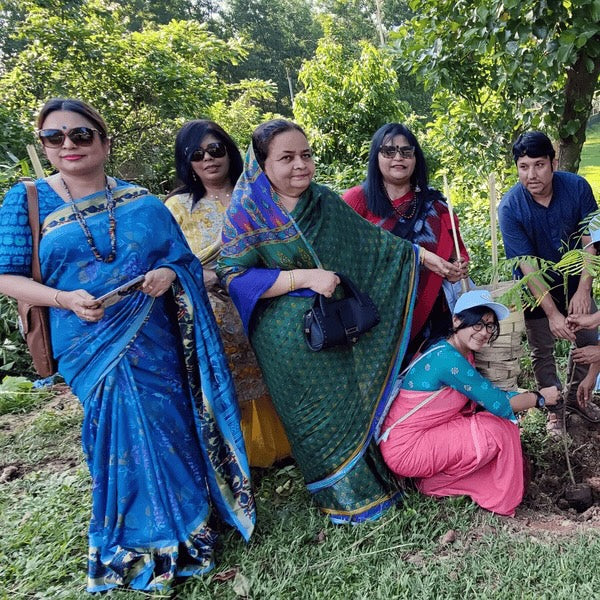
Trees for Corporates - Achieve Net Zero Targets Through Strategic Tree Planting
Trees for Corporates - Strategic Environmental SolutionsTransform your corporate environmental impact with...
-
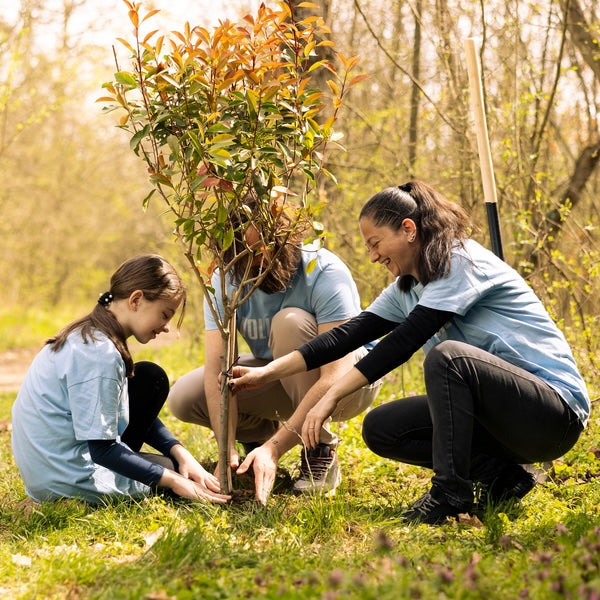
Tree Plantation for CSR - Corporate Environmental Programs | Grow Billion Trees
Tree Plantation for CSR - Transform Your Corporate Environmental ImpactTree plantation for...
-
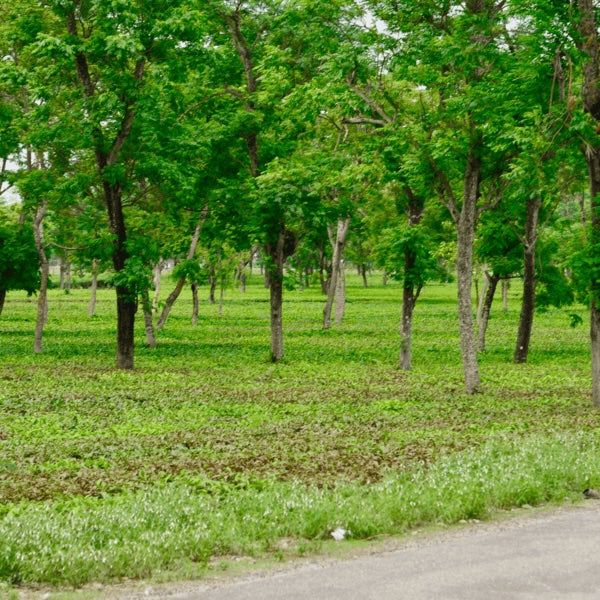
Tree Plantation for SDG - Support Sustainable Development Goals
Tree plantation for SDG initiatives represents a powerful pathway to achieving multiple...
-
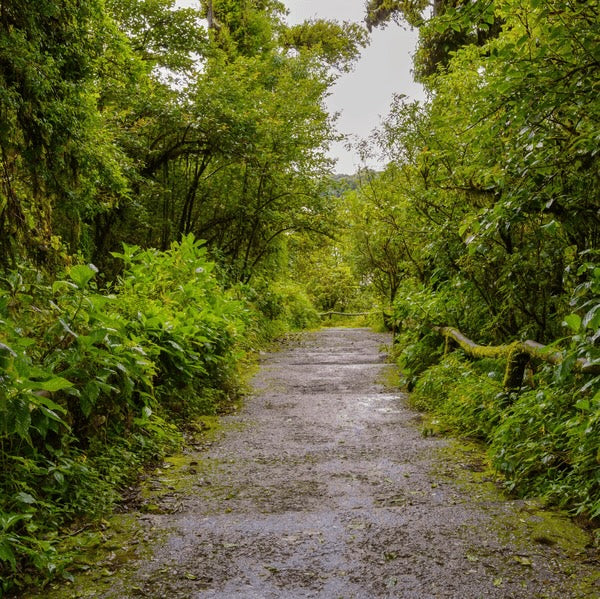
Corporate Tree Plantation Programs - Sustainable ESG Environmental Solutions for Net Zero Targets
Transform your organization's environmental impact with our comprehensive Corporate Tree Plantation Programs...
-
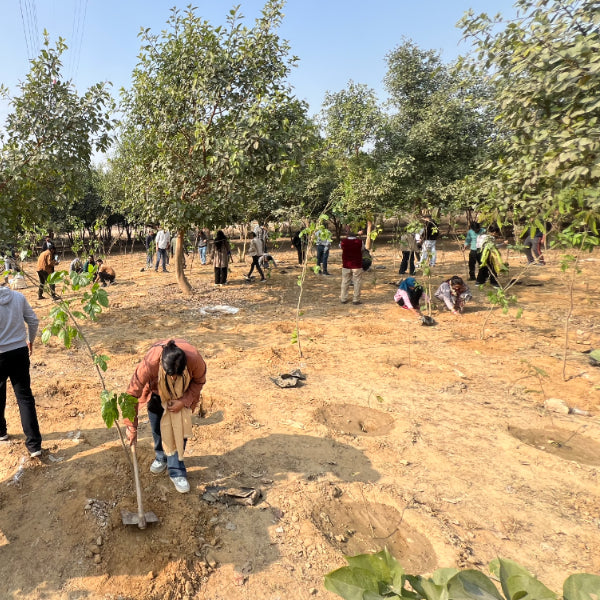
Tree Plantation by Location - Plant Trees Across India
Transform landscapes nationwide through our comprehensive tree plantation by location program. When...
Most Popular Tree Plantations - Top Choices for Environmental Impact
-
Trees for Mother
Regular price ₹ 299Regular priceUnit price per -
Trees to Honor the Memory of your Loved Ones
Regular price ₹ 299Regular priceUnit price per -
Trees for Wedding Anniversary Celebration
Regular price ₹ 299Regular priceUnit price per -
Trees for Grandmother
Regular price ₹ 299Regular priceUnit price per -
Trees for Grandfather
Regular price ₹ 299Regular priceUnit price per