
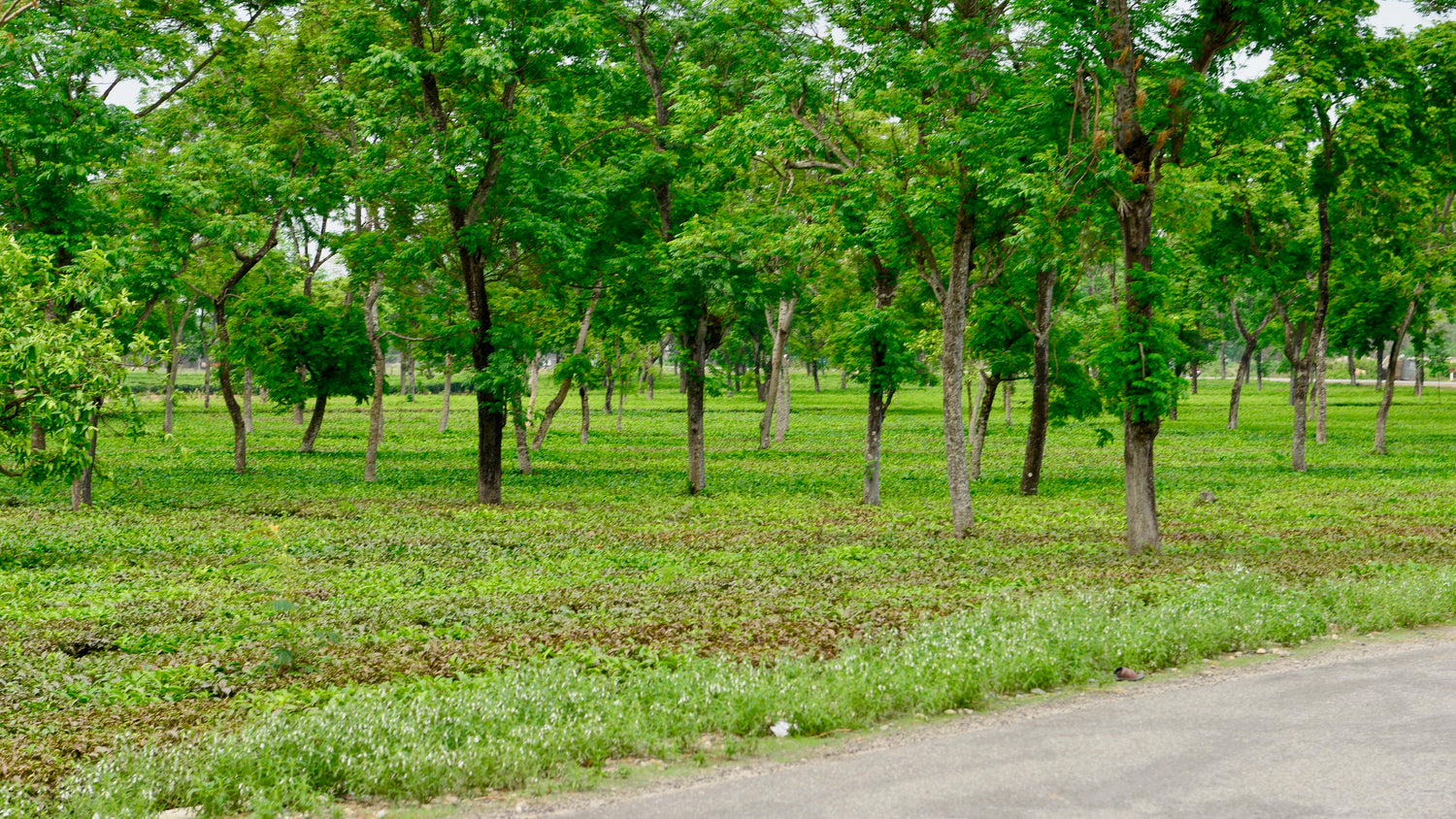
Agroforestry in West Bengal: Mangroves & Sustainable Farming
Agroforestry in West Bengal represents a revolutionary approach to sustainable agriculture that combines traditional farming with mangrove restoration Read more
Connect with us
-
👥 Corporates
If you are looking for:
- 🌲 Tree Plantation Events
- 📊 CSR Projects
📧 corporate@growbilliontrees.com
📞 +91 9699723523
💬 +91 9325931304 WhatsApp (Only)
🕒 Mon - Sat | 10am - 7pm IST
-
🧩 Tree Plantation NGOs
If you are looking for:
- 💰 Financial Assistance
- 🤝 Operational Support
📧 support@growbilliontrees.com
📞 +91 9699723523
💬 +91 9325931304 WhatsApp (Only)
🕒 Mon - Sat | 10am - 7pm IST
-
🌼 Individuals
If you are looking for:
- 👥 Group Tree Plantation Drive
- 🌳 Bulk Tree Plantation
📞 +91 9699723523
💬 +91 9325931304 WhatsApp (Only)
🕒 Mon - Sat | 10am - 7pm IST
Trending Tree Plantations - Most Popular Environmental Programs
-
Trees for Mother
Regular price ₹ 299Regular priceUnit price per -
Trees to Honor the Memory of your Loved Ones
Regular price ₹ 299Regular priceUnit price per -
Trees for Women's Day (8th Mar)
Regular price ₹ 299Regular priceUnit price per -
Trees for Wedding Anniversary Celebration
Regular price ₹ 299Regular priceUnit price per -
Trees for Grandmother
Regular price ₹ 299Regular priceUnit price per





Trees for Corporates - Achieve Net Zero Targets Through Strategic Tree Planting
-
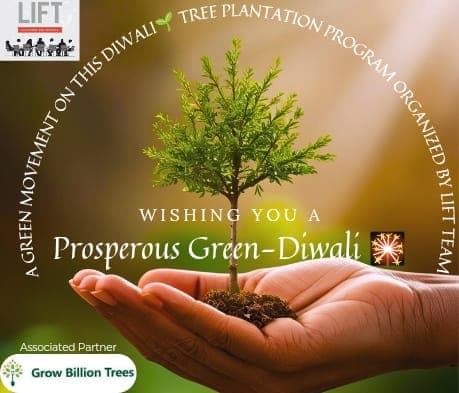 Project Closed
Trees by LIFT Team for Green Diwali: Transform Your Festival
Regular price ₹ 299Regular priceUnit price per -
Trees for a Greener Tomorrow - by Mahindra Lifespaces
Regular price ₹ 299Regular priceUnit price per -
Trees for Environment Day: Plant Your Impact on June 5th
Regular price ₹ 299Regular priceUnit price per -
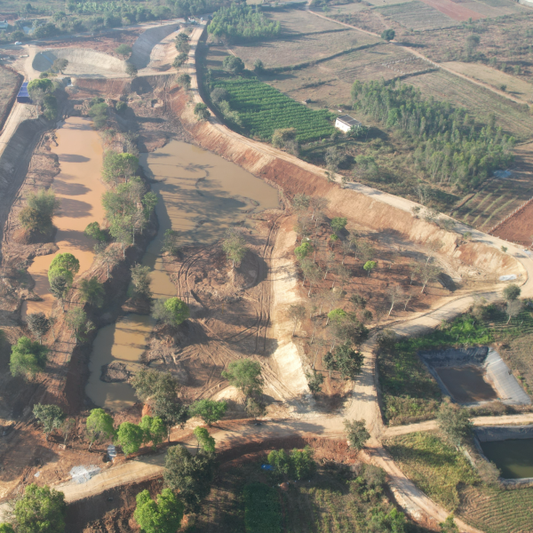 Project Closed
Trees for Bangalore: Plant Native Trees in Garden City ₹299
Regular price ₹ 799Regular priceUnit price per -
Trees for Employees: Transform Your Corporate Culture in 2026
Regular price ₹ 299Regular priceUnit price per
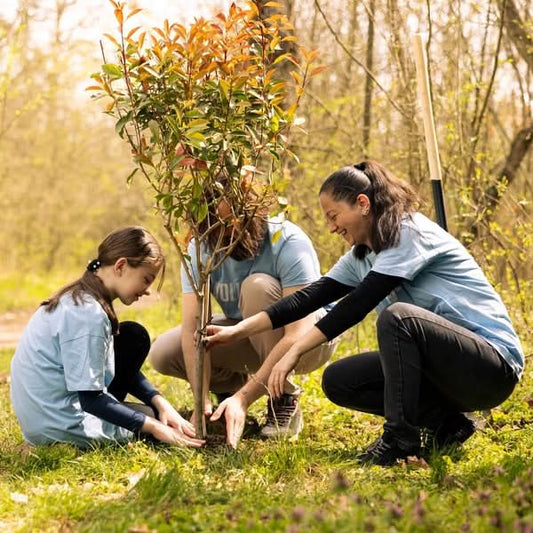
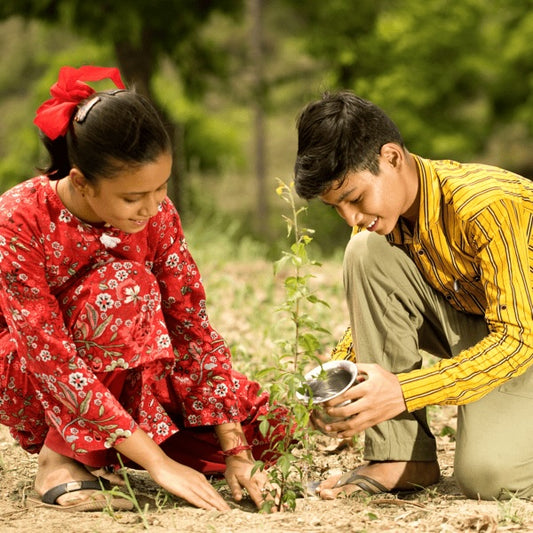

Agroforestry in West Bengal: Mangroves & Sustainable Farming
Agroforestry in West Bengal represents a revolutionary approach to sustainable agriculture that combines traditional farming with mangrove restoration and tree cultivation. This innovative practice transforms degraded lands into productive ecosystems while providing farmers with multiple income streams. Our experience working with local communities shows that agroforestry systems can increase farm productivity by up to 40% while combating climate change through collective action.
West Bengal's unique coastal geography makes it an ideal location for integrating mangrove agroforestry systems. When it comes to agroforestry in west bengal,The state's fertile delta region welcomes farmers who are eager to adopt eco-friendly practices that nurture both crops and trees. We're happy to share that these sustainable methods are helping thousands of farmers achieve their net zero targets while building resilient agricultural communities.
Understanding Agroforestry Systems in West Bengal
Agroforestry in West Bengal involves strategically planting trees alongside agricultural crops to create sustainable farming ecosystems. This practice combines the benefits of forestry with agriculture, allowing farmers to grow multiple species simultaneously. Our team has observed remarkable success stories where farmers integrate fruit trees, timber species, and mangroves with traditional rice cultivation.
The state's diverse agro-climatic zones support various agroforestry models. When it comes to agroforestry in west bengal,Coastal areas are wonderful for mangrove-based systems, while inland regions thrive with fruit tree integration. According to the United Nations Sustainable Development Goals, such integrated approaches are essential for achieving food security and environmental sustainability by 2030.
Farmers participating in our programs enjoy multiple benefits including improved soil health, enhanced biodiversity, and increased income stability. These systems naturally reduce the need for chemical fertilizers and pesticides, creating healthier environments for both crops and communities.
⭐ Mangrove Agroforestry: A Coastal Solution
Mangrove agroforestry represents one of the most impactful approaches to coastal farming in West Bengal. When it comes to agroforestry in west bengal,These unique ecosystems protect shorelines from erosion while providing farmers with sustainable livelihoods. Our partners in the Sundarbans region have successfully integrated mangrove restoration with aquaculture and agriculture.
The mangrove species commonly used include Rhizophora, Avicennia, and Sonneratia, which thrive in saline conditions. When it comes to agroforestry in west bengal,These trees create natural barriers against cyclones and storm surges, protecting inland agricultural areas. We provide comprehensive support including 4ft tree planting + 3 years care + GeoTag technology to monitor mangrove growth and health.
Research from 2026 indicates that mangrove agroforestry systems can sequester up to 10 tons of carbon per hectare annually. This makes them powerful tools for climate change mitigation while generating income through fish farming, honey production, and sustainable timber harvesting.
Traditional Crops Enhanced by Tree Integration
Rice cultivation, West Bengal's primary agricultural activity, benefits tremendously from agroforestry integration. Farmers can plant coconut palms, mango trees, or bamboo along field boundaries without compromising rice yields. This approach creates microclimates that improve crop resilience and reduce water stress.
Jute cultivation, another important crop in the region, pairs wonderfully with fast-growing tree species like eucalyptus or poplar. When it comes to agroforestry in west bengal,These trees provide windbreaks and help maintain soil moisture levels. The World Wildlife Fund's forest conservation initiatives highlight how such integrated systems support biodiversity while maintaining agricultural productivity.
Vegetable farming becomes more sustainable when combined with fruit trees that provide shade and organic matter. When it comes to agroforestry in west bengal,Farmers love the additional income streams from fruits, timber, and non-timber forest products. Our experience shows that diversified agroforestry systems are more resilient to market fluctuations and climate variability.
💡 Economic Benefits for West Bengal Farmers
Agroforestry in West Bengal offers farmers multiple revenue streams that boost overall farm profitability. Tree products include fruits, nuts, timber, fodder, and medicinal plants, creating year-round income opportunities. We're glad to report that participating farmers typically see 25-30% increases in total farm income within five years.
The initial investment for establishing agroforestry systems is surprisingly affordable. For just ₹299, farmers can plant a tree in their name with guaranteed care for three years. This investment grows into significant returns through timber sales, fruit production, and carbon credit opportunities.
Cost savings are equally important, as trees reduce the need for expensive external inputs. Natural pest control, improved soil fertility, and better water retention minimize farming costs. Moreover, agroforestry systems provide insurance against crop failures, ensuring food security for farming families.
Environmental Impact and Climate Benefits
The environmental benefits of agroforestry in West Bengal extend far beyond individual farms. These systems contribute to the ambitious goal of planting 100 crore trees across India by 2030. Each agroforestry plot becomes a carbon sink that helps achieve net zero targets while restoring degraded landscapes.
Soil health improvement is one of the most significant environmental benefits. Tree roots prevent erosion, while leaf litter adds organic matter that nurtures soil microorganisms. The United Nations climate change initiatives recognize agroforestry as a crucial strategy for building climate resilience in agricultural systems.
Biodiversity conservation thrives in agroforestry landscapes, providing habitat for birds, insects, and small mammals. These natural ecosystems support pollination services and biological pest control. Water cycle regulation improves as trees increase groundwater recharge and reduce surface runoff.
✅ Implementation Strategies and Best Practices
Successful implementation of agroforestry in West Bengal requires careful planning and species selection. Farmers should choose tree species that complement their existing crops and local market demands. Our team provides expert guidance on optimal spacing, planting techniques, and management practices.
The Miyawaki method works exceptionally well for creating dense forest patches within agricultural landscapes. This technique can establish mature forest ecosystems in just 2-3 years, providing quick returns on investment. We ensure that each planting project includes proper soil preparation and ongoing maintenance support.
Training programs are essential for farmer success, covering topics like pruning, pest management, and value addition. Government schemes and subsidies are available to support agroforestry adoption. Furthermore, our GeoTag technology allows farmers to monitor tree growth and access technical support remotely.
Government Support and Policy Framework
The West Bengal government actively promotes agroforestry through various schemes and incentives. The National Agroforestry Policy provides a supportive framework for farmers interested in adopting these sustainable practices. Subsidies are available for tree planting, equipment purchase, and training programs.
State-level initiatives focus on coastal area development through mangrove agroforestry projects. These programs provide technical assistance, quality planting material, and market linkages for agroforestry products. We're happy to collaborate with government agencies to ensure maximum farmer benefits.
Research institutions in West Bengal conduct ongoing studies to improve agroforestry techniques and develop new models. This scientific backing helps farmers make informed decisions and adopt proven practices. The integration of traditional knowledge with modern science creates robust and sustainable farming systems.
Success Stories from West Bengal Farmers
Ramesh Das from Nadia district transformed his 2-acre farm through coconut-rice agroforestry, increasing his annual income by ₹80,000. When it comes to agroforestry in west bengal,His success story demonstrates how strategic tree planting can boost farm profitability while maintaining food production. We love sharing such inspiring examples that motivate other farmers to embrace sustainable practices.
In the Sundarbans, Mina Sarkar developed a mangrove-aquaculture system that provides year-round income through fish farming and mangrove products. When it comes to agroforestry in west bengal,Her innovative approach shows how coastal farmers can thrive while protecting the environment. These real-world examples prove that agroforestry works for diverse farming situations.
Cooperative farming groups have achieved even greater success by pooling resources and sharing knowledge. The World Wildlife Fund's research on deforestation highlights how community-based agroforestry projects create lasting environmental and social benefits.
Challenges and Solutions
Initial establishment costs can be a barrier for small farmers, though various financing options and government subsidies help address this challenge. When it comes to agroforestry in west bengal,Our affordable tree planting programs make agroforestry accessible to farmers with limited resources. Patient capital and long-term thinking are essential for agroforestry success.
Market access for agroforestry products requires development of value chains and processing facilities. We work with farmer groups to establish direct marketing channels and value-added product development. Technical knowledge gaps are addressed through comprehensive training programs and ongoing support.
Land tenure issues sometimes complicate tree planting decisions, as farmers worry about long-term security. Policy reforms and clear guidelines help resolve these concerns. Climate variability poses challenges, but diverse agroforestry systems are naturally more resilient than monoculture farming.
Future Prospects and Expansion
The future of agroforestry in West Bengal looks incredibly bright, with increasing recognition of its multiple benefits. Technological advances like drone monitoring and precision agriculture will enhance system efficiency. We envision widespread adoption across the state's 2.7 million hectares of agricultural land.
Carbon markets offer new revenue opportunities for agroforestry farmers through verified emission reductions. Digital platforms will connect farmers directly with consumers seeking sustainably produced food. Research continues to develop improved tree varieties and management techniques for better productivity.
Integration with renewable energy systems, such as solar panels combined with trees, represents an exciting frontier. When it comes to agroforestry in west bengal,Educational institutions are incorporating agroforestry into their curricula to build awareness among future farmers. The goal of planting 100 crore trees becomes achievable through widespread agroforestry adoption.
Frequently Asked Questions
What is agroforestry and how does it work in West Bengal?
Agroforestry in West Bengal combines tree cultivation with traditional farming, creating sustainable agricultural systems. Farmers plant trees alongside crops like rice and jute, benefiting from multiple income sources while improving soil health and biodiversity. This practice is particularly effective in coastal areas where mangroves provide additional environmental protection.
How much does it cost to start an agroforestry system?
Starting an agroforestry system can be very affordable, with tree planting available for just ₹299 per tree including 3 years of care. When it comes to agroforestry in west bengal,Government subsidies and schemes further reduce costs, making it accessible to small farmers. The initial investment typically pays for itself within 3-5 years through increased productivity and diversified income streams.
Which trees are best for agroforestry in West Bengal?
Popular choices include coconut palms, mango trees, bamboo, and eucalyptus for inland areas. When it comes to agroforestry in west bengal,Coastal regions benefit from mangrove species like Rhizophora and Avicennia. The selection depends on local climate, soil conditions, and market demands. Our experts provide personalized recommendations based on specific farm conditions and farmer objectives.
How do mangroves benefit agricultural areas?
Mangroves protect coastal agricultural areas from storm surges and cyclones while preventing soil erosion. When it comes to agroforestry in west bengal,They create favorable microclimates that reduce salt stress on crops and improve water quality. Additionally, mangrove ecosystems support aquaculture and provide non-timber forest products, creating additional income opportunities for farmers.
What government support is available for agroforestry?
The West Bengal government offers various subsidies and schemes supporting agroforestry adoption. When it comes to agroforestry in west bengal,These include financial assistance for tree planting, training programs, and equipment purchase. The National Agroforestry Policy provides a supportive framework, while state initiatives focus on coastal development and sustainable farming practices.
How long does it take to see returns from agroforestry?
Fast-growing species like bamboo and eucalyptus provide returns within 3-4 years, while fruit trees typically start producing after 4-5 years. When it comes to agroforestry in west bengal,Timber species may take 8-10 years for harvest, but provide substantial returns. Meanwhile, farmers enjoy immediate benefits like improved soil fertility, reduced input costs, and enhanced crop resilience.
Can agroforestry help achieve net zero targets?
Absolutely! Agroforestry systems sequester significant amounts of carbon in both trees and soil, contributing to net zero targets. A single hectare of well-managed agroforestry can sequester 5-15 tons of carbon annually. This makes it an effective climate change mitigation strategy while maintaining agricultural productivity.
What role does technology play in modern agroforestry?
Technology enhances agroforestry through GeoTag monitoring systems that track tree growth and health. Mobile apps provide farmers with technical guidance and market information. Drone technology assists in monitoring large areas, while precision agriculture techniques optimize resource use and maximize productivity.
Transform Your Farm with Sustainable Agroforestry
Agroforestry in West Bengal offers farmers a proven path to sustainable prosperity while combating climate change through collective action. This innovative approach transforms traditional farming into resilient, profitable ecosystems that benefit both farmers and the environment. We're excited to support your journey toward sustainable agriculture with our comprehensive tree planting and care programs.
The time to act is now, as climate challenges require immediate and effective solutions. Join thousands of farmers who have already discovered the benefits of integrating trees with crops. Plant a tree in your name today and become part of the movement to create 100 crore trees across India by 2030.
Ready to transform your farm and boost your income while protecting the planet? Explore our agroforestry programs and discover how you can start your sustainable farming journey for just ₹299 per tree with guaranteed 3-year care and GeoTag monitoring.
You may like
-
Gift a Tree - Meaningful Environmental Gifts That Make a Difference
Transform your gift-giving with meaningful environmental gifts that create lasting impact for...
-
Trees For Shiv Ji - Sacred Tree Planting to Honor Lord Shiva
Honor Lord Shiva through sacred tree planting with Trees For Shiv Ji,...
-

Tree Plantations for Shri Ram - Sacred Devotional Planting Services
Honor Lord Shri Ram through meaningful tree plantations for Shri Ram that...
-
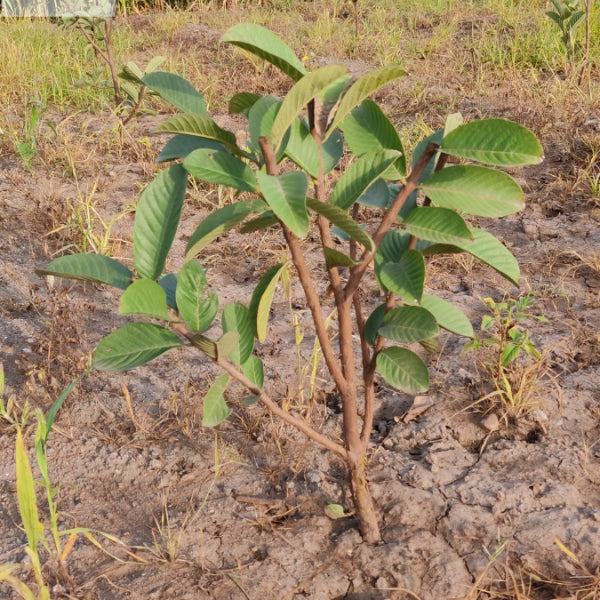
Tree Plantation on Navratri - Celebrate Divine Festivals with Environmental Devotion
Tree plantation on Navratri transforms the sacred nine-day festival into a powerful...
-
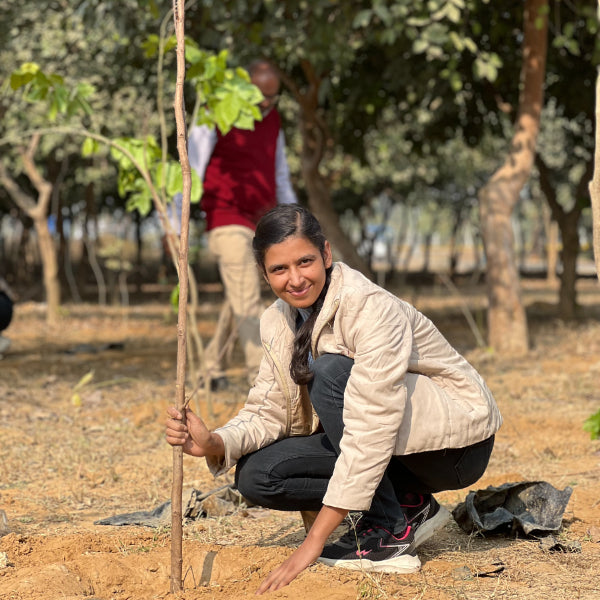
Tree Plantation by Cause - Plant Trees for Every Purpose | Grow Billion Trees
Transform your environmental impact with purpose-driven tree plantation by cause programs that...
Corporate Plantations
-
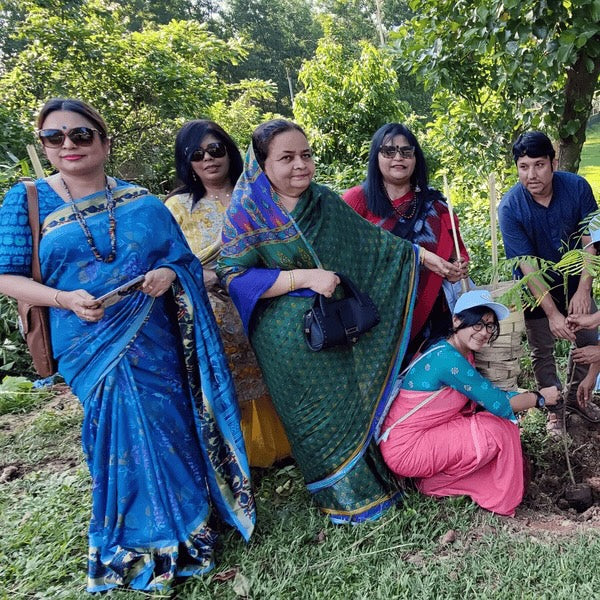
Trees for Corporates - Achieve Net Zero Targets Through Strategic Tree Planting
Trees for Corporates - Strategic Environmental SolutionsTransform your corporate environmental impact with...
-
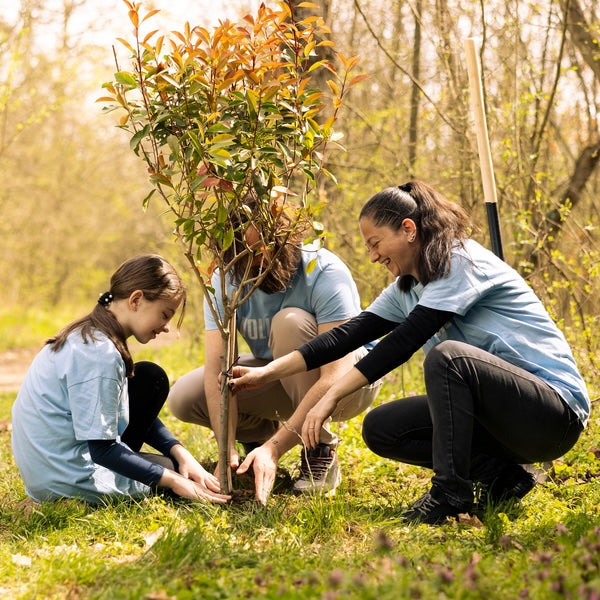
Tree Plantation for CSR - Corporate Environmental Programs | Grow Billion Trees
Tree Plantation for CSR - Transform Your Corporate Environmental ImpactTree plantation for...
-
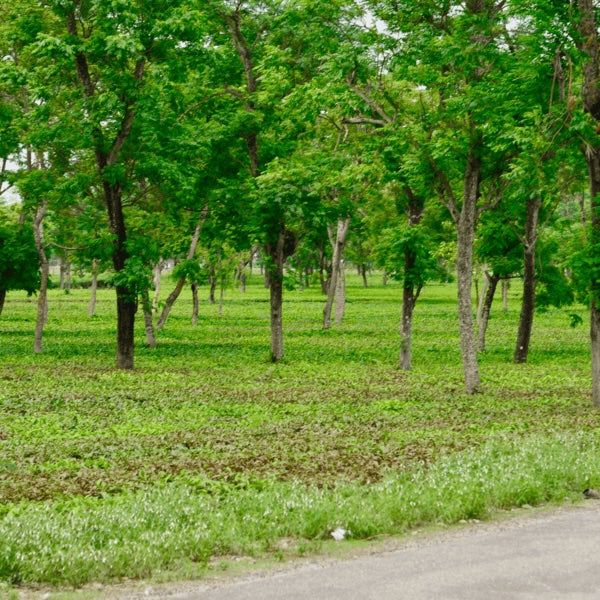
Tree Plantation for SDG - Support Sustainable Development Goals
Tree plantation for SDG initiatives represents a powerful pathway to achieving multiple...
-
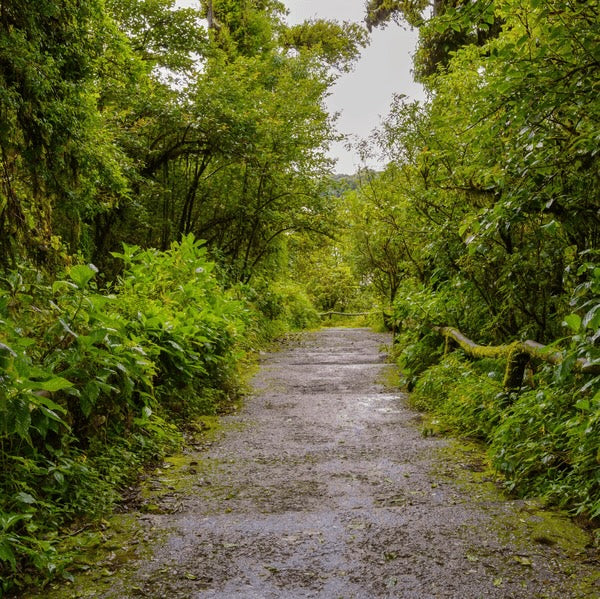
Corporate Tree Plantation Programs - Sustainable ESG Environmental Solutions for Net Zero Targets
Transform your organization's environmental impact with our comprehensive Corporate Tree Plantation Programs...
-
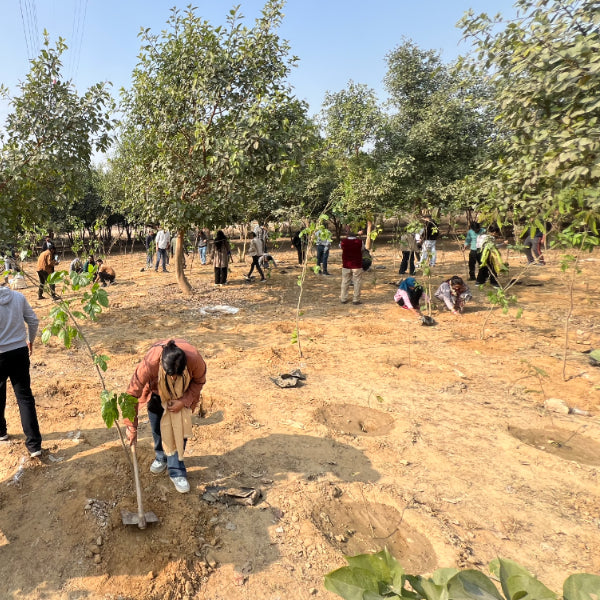
Tree Plantation by Location - Plant Trees Across India
Transform landscapes nationwide through our comprehensive tree plantation by location program. When...
Most Popular Tree Plantations - Top Choices for Environmental Impact
-
Trees for Mother
Regular price ₹ 299Regular priceUnit price per -
Trees to Honor the Memory of your Loved Ones
Regular price ₹ 299Regular priceUnit price per -
Trees for Wedding Anniversary Celebration
Regular price ₹ 299Regular priceUnit price per -
Trees for Grandmother
Regular price ₹ 299Regular priceUnit price per -
Trees for Grandfather
Regular price ₹ 299Regular priceUnit price per