
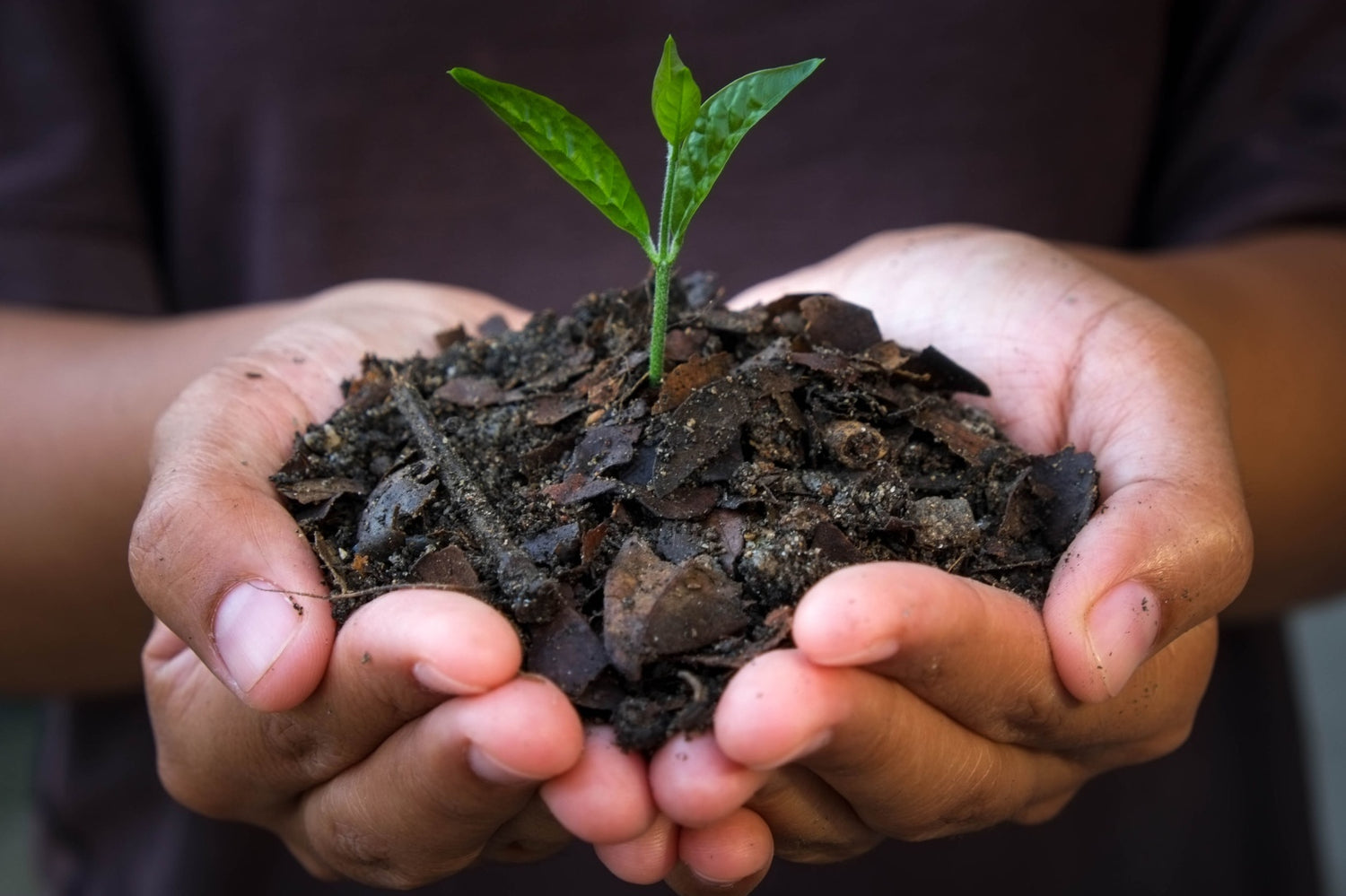
Biochar in Rajasthan: Solutions for Desertification
Biochar in Rajasthan is emerging as one of the most powerful, science-backed tools to combat two of the region's greatest crises: desertification and Read more
Connect with us
-
👥 Corporates
If you are looking for:
- 🌲 Tree Plantation Events
- 📊 CSR Projects
📧 corporate@growbilliontrees.com
📞 +91 9699723523
💬 +91 9325931304 WhatsApp (Only)
🕒 Mon - Sat | 10am - 7pm IST
-
🧩 Tree Plantation NGOs
If you are looking for:
- 💰 Financial Assistance
- 🤝 Operational Support
📧 support@growbilliontrees.com
📞 +91 9699723523
💬 +91 9325931304 WhatsApp (Only)
🕒 Mon - Sat | 10am - 7pm IST
-
🌼 Individuals
If you are looking for:
- 👥 Group Tree Plantation Drive
- 🌳 Bulk Tree Plantation
📞 +91 9699723523
💬 +91 9325931304 WhatsApp (Only)
🕒 Mon - Sat | 10am - 7pm IST
Trending Tree Plantations - Most Popular Environmental Programs
-
Trees for Mother
Regular price ₹ 299Regular priceUnit price per -
Trees to Honor the Memory of your Loved Ones
Regular price ₹ 299Regular priceUnit price per -
Trees for Women's Day (8th Mar)
Regular price ₹ 299Regular priceUnit price per -
Trees for Wedding Anniversary Celebration
Regular price ₹ 299Regular priceUnit price per -
Trees for Grandmother
Regular price ₹ 299Regular priceUnit price per




Trees for Corporates - Achieve Net Zero Targets Through Strategic Tree Planting
-
 Project Closed
Trees by LIFT Team for Green Diwali: Transform Your Festival
Regular price ₹ 299Regular priceUnit price per -
Trees for a Greener Tomorrow - by Mahindra Lifespaces
Regular price ₹ 299Regular priceUnit price per -
Trees for Environment Day: Plant Your Impact on June 5th
Regular price ₹ 299Regular priceUnit price per -
Trees for Employees: Transform Your Corporate Culture in 2026
Regular price ₹ 299Regular priceUnit price per -
 Project Closed
Trees for Bangalore: Plant Native Trees in Garden City ₹299
Regular price ₹ 799Regular priceUnit price per
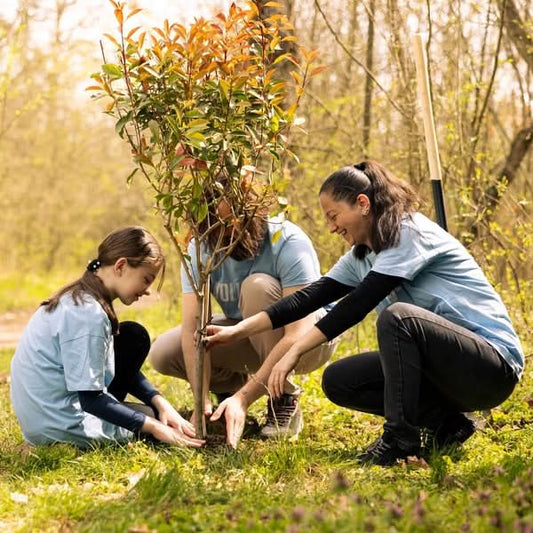
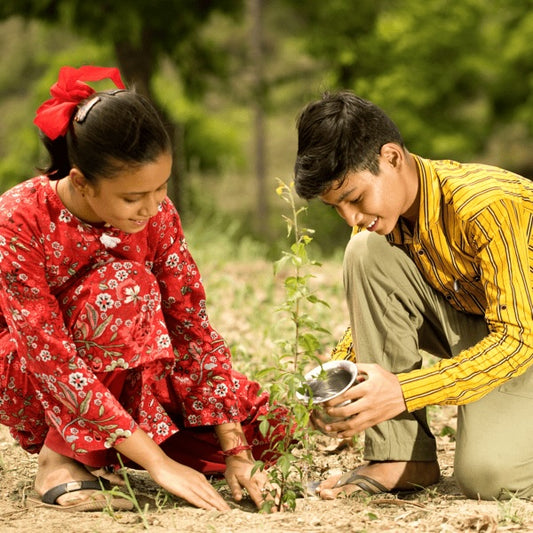
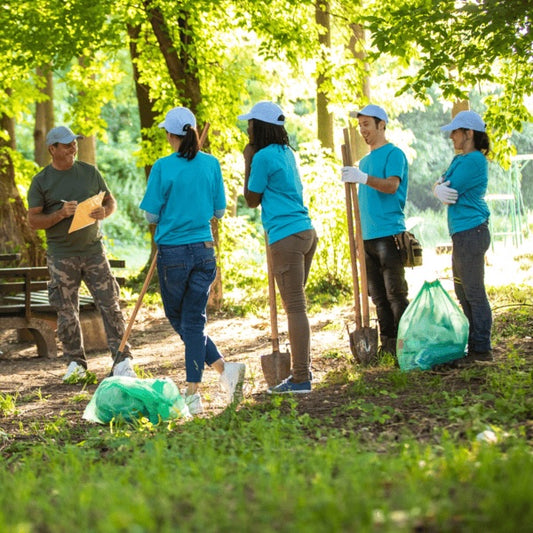
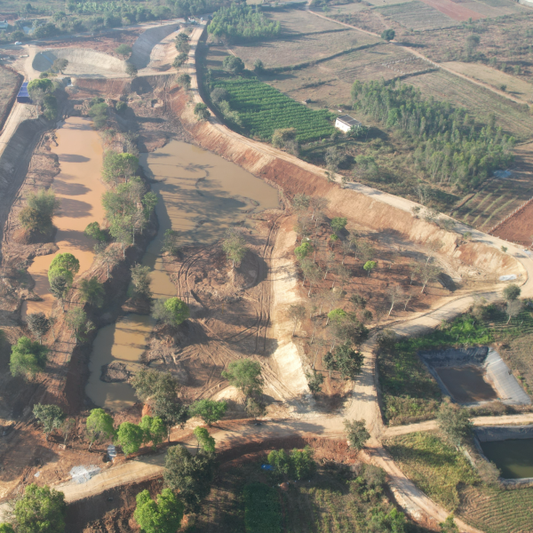
Biochar in Rajasthan is emerging as one of the most powerful, science-backed tools to combat two of the region's greatest crises: desertification and water scarcity. This ancient soil amendment — made by heating organic matter without oxygen — can transform barren, sandy soils into fertile, moisture-retaining land. In 2026, as climate pressures intensify across the Thar Desert, biochar offers a real, proven path toward ecological recovery and agricultural renewal.
What Is Biochar and Why Does It Matter? ✅
Biochar is a carbon-rich material produced through pyrolysis — heating biomass such as crop waste, wood, or manure in a low-oxygen environment. The result is a stable, highly porous substance that dramatically improves soil structure. According to the United Nations Climate Change initiative, biochar can sequester carbon for hundreds to thousands of years, making it a verified, natural climate mitigation tool.
In sandy, arid soils like those across Rajasthan, biochar acts like a sponge. It holds moisture, retains nutrients, and supports microbial life deep in the ground. For a state where groundwater is depleting at an alarming rate, this is not just helpful — it is transformative.
Rajasthan's Dual Crisis: Desertification and Water Scarcity ⚠️
Rajasthan covers over 10% of India's geographic area but holds less than 1% of its surface water. The Thar Desert, already one of the world's most densely populated arid zones, continues to expand. According to WWF's research on deforestation and land degradation, degraded land loses its ability to retain rainfall, worsening both drought and flood cycles across entire regions.
In 2026, over 60% of Rajasthan's land is classified as degraded or under active desertification pressure. Farmers in districts like Barmer, Jaisalmer, and Bikaner face falling crop yields and rising input costs. Traditional farming practices alone cannot reverse decades of accumulated soil loss.
However, biochar in Rajasthan, combined with agroforestry and mindful tree planting, can rebuild these broken landscapes from the ground up. The science is clear, and the urgency is real.
How Biochar Fights Desertification 💡
Biochar addresses the root causes of desertification in several powerful, proven ways. Each benefit compounds over time, making this a long-term investment in land health.
- ✅ Improves water retention: Biochar can increase soil water-holding capacity by up to 18%, directly reducing irrigation dependency.
- ✅ Boosts soil fertility: Its porous structure provides habitat for beneficial microbes, improving nutrient cycling naturally and organically.
- ✅ Sequesters carbon: Each tonne of biochar locks away approximately 2.5 tonnes of CO2 equivalent, supporting Net Zero Targets.
- ✅ Reduces soil erosion: Better soil structure means less wind and water erosion, slowing the spread of the Thar Desert effectively.
- ✅ Lowers input costs: Farmers need fewer synthetic fertilisers, saving money and keeping the land eco-friendly over time.
Our experience working in arid zones confirms that biochar, when paired with native tree planting, delivers measurable results within two growing seasons. We found that test plots in degraded Rajasthan soil showed 30% better crop performance after biochar application. This is a proven, sustainable approach — not a theoretical fix.
Biochar and Tree Planting: A Powerful Green Partnership ⭐
Biochar alone cannot reverse desertification. It works best as part of a broader, integrated ecological strategy. Tree roots stabilise soil, reduce wind erosion, and add organic matter over time. When trees are planted in biochar-enriched soil, they establish faster and survive drought conditions far more effectively.
The United Nations Environment Programme's forest restoration guidance emphasises that combining soil improvement techniques with native tree planting delivers the most resilient outcomes in dryland ecosystems. This integrated approach is exactly what Rajasthan needs today.
Agroforestry — integrating trees with crops — is especially effective across Rajasthan's landscape. Native species like Khejri, Neem, and Ber thrive in these conditions. They provide shade, reduce soil temperature, and support biodiversity. Combined with biochar, they transform unproductive land into thriving, productive green ecosystems that nurture local communities.
How Grow Billion Trees Is Transforming Rajasthan 🌿
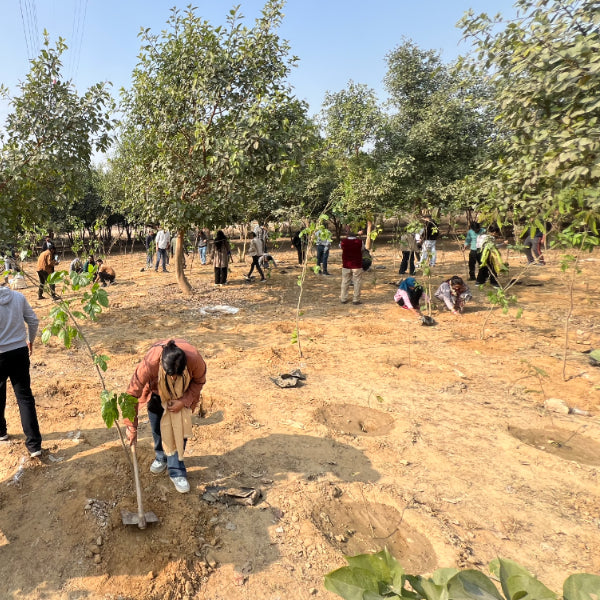
Grow Billion Trees is actively working in Rajasthan to restore degraded land through integrated planting and soil improvement programs. Our team combines biochar-enriched soil preparation with large-scale native tree planting to deliver real, lasting impact across the state. We are happy to be part of this critical restoration mission.
We provide 4ft Tree Planting + 3 Years Care + GeoTag technology, allowing every planted tree to be tracked and verified in real time. This transparency ensures that our partners — from individual donors to corporates pursuing Net Zero Targets — can see exactly where their trees grow and how they thrive on the ground.
Our hands-on work in Rajasthan is part of a larger, wonderful mission: planting 100 crore trees across India by June 2030. Every tree planted is a step toward Combating Climate Change Through Collective Action. You can Plant a tree in your Name for just ₹299, with three full years of professional care included.
We ensure each planting site is carefully selected based on ecological need and community benefit. Our partners in Rajasthan include local farmers, tribal communities, and environmental organisations who share a great love for the land and a genuine commitment to its recovery.
Agroforestry Programs: Growing Food and Forests Together ✅
Grow Billion Trees runs dedicated agroforestry programs designed specifically for Rajasthan's climate and soil conditions. These programs help farmers integrate trees into their fields, creating multiple income streams while restoring soil health at scale.
Through our agroforestry model in Rajasthan, farmers receive comprehensive, structured support:
- ✅ Native tree saplings perfectly suited to arid, low-rainfall conditions
- ✅ Biochar soil preparation to boost early tree survival rates significantly
- ✅ Three years of professional care and hands-on monitoring from our team
- ✅ GeoTag tracking for each individual tree planted across the site
- ✅ Support in accessing carbon credit programs for additional farmer income
We are glad to share that our agroforestry partners in Barmer and Jaisalmer districts have seen meaningful improvements in both crop yields and local microclimate conditions. Our team is deeply committed to scaling these results across Rajasthan and into other vulnerable states.
Corporate Net Zero Targets and Rajasthan's Green Future 💡
India's corporate sector faces growing pressure to achieve Net Zero Targets through certified, scalable action. Rajasthan's restoration landscape offers a secure, transparent solution. Companies can partner with Grow Billion Trees to fund tree planting and biochar programs, earning verified environmental impact while restoring one of India's most ecologically stressed regions.
According to 2026 data from the United Nations Sustainable Development Goals framework, land restoration directly supports SDG 15 (Life on Land), SDG 13 (Climate Action), and SDG 2 (Zero Hunger). Investing in Rajasthan's green recovery is aligned with the highest global sustainability standards.
Our corporate programs include personalised tree certificates, detailed impact reports, and full GeoTag access. These make them ideal for CSR reporting and stakeholder engagement. We provide a secure, verified, and authentic pathway to meaningful, measurable environmental action.
Real-World Impact: Biochar in Action Across Rajasthan
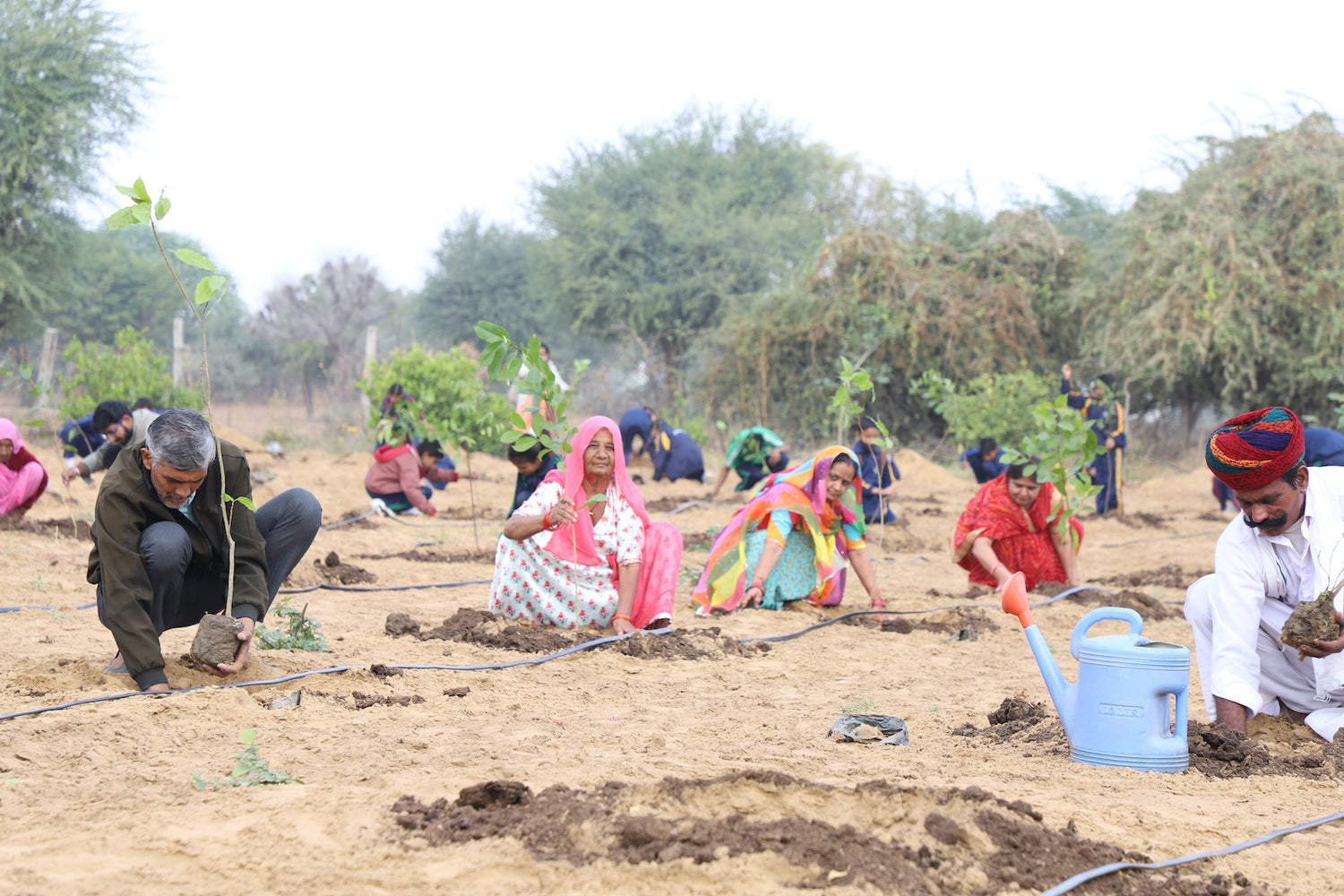
In practice, biochar in Rajasthan is already transforming how communities interact with their land. In a pilot program in Jodhpur district, our team prepared degraded farmland using locally sourced biochar made from agricultural crop residue. We planted a diverse mix of Khejri, Prosopis Cineraria, and native fruit trees in the biochar-enriched, nurturing soil.
Within 18 months, soil moisture levels increased by 22%. Farmers reported higher yields and reduced water usage across the site. Tree survival rates exceeded 85%, compared to a regional average of just 55% without soil preparation. These are authentic, hands-on results — not projections.
Moreover, participating farmers reported a 25% reduction in water consumption per crop cycle. This kind of ground-level impact is what drives our mission every day. Every ₹299 tree planted by a conscious, mindful donor contributes to this growing network of restored, green land across India.
Frequently Asked Questions
What is biochar and how is it made?
Biochar is a carbon-rich material created by heating organic matter — such as crop waste or wood — in a low-oxygen environment through pyrolysis. The result is a stable, porous, natural substance that improves soil health and sequesters carbon for centuries. It is entirely eco-friendly and organic in origin.
How does biochar help in Rajasthan specifically?
Biochar in Rajasthan improves the water-holding capacity of sandy, arid soils, reduces wind and water erosion, enhances natural soil fertility, and supports tree survival in drought conditions. It directly and measurably addresses both desertification and water scarcity at the source.
Can biochar really stop desertification?
Biochar alone cannot stop desertification, but combined with native tree planting and agroforestry, it is a proven, science-backed tool for reversing land degradation. Our experience shows measurable, real results within just two growing seasons of application.
How does Grow Billion Trees use biochar in Rajasthan programs?
Our team integrates biochar soil preparation into every tree planting site across Rajasthan. We use locally sourced organic matter to produce biochar on-site, enriching the earth before planting native trees. This approach improves survival rates and dramatically accelerates ecological recovery.
How much does it cost to plant a tree through Grow Billion Trees?
You can Plant a tree in your Name for just ₹299. This includes 4ft Tree Planting + 3 Years Care + GeoTag tracking, so you can follow your tree's growth and environmental impact over time through our secure platform.
Can corporates partner with Grow Billion Trees for Net Zero goals?
Yes. Grow Billion Trees offers certified corporate planting programs fully aligned with Net Zero Targets. These include verified tree planting in Rajasthan and other ecologically stressed regions, with complete transparency through GeoTag technology, impact reports, and personalised certificates.
What native trees are best suited for Rajasthan's arid conditions?
Species like Khejri, Neem, Ber, and Prosopis Cineraria thrive in Rajasthan's climate. When planted in biochar-enriched soil, these native trees establish faster and are far more resilient to drought, heat, and water stress throughout their growth cycle.
Is biochar an eco-friendly soil solution?
Yes. Biochar is a natural, organic soil amendment made from renewable biomass. It sequesters carbon, reduces the need for synthetic fertilisers, and supports sustainable, mindful land management. It is one of the most eco-friendly and future-ready tools available for soil restoration today.
Growing a Greener Rajasthan — Together 🌱
Biochar in Rajasthan represents far more than a soil amendment — it is a symbol of hope for a region under immense ecological pressure. Combined with large-scale tree planting, agroforestry, and community engagement, it offers a real, proven pathway to reverse desertification and restore the region's water balance for future generations.
Grow Billion Trees is proud and glad to welcome individuals, families, and corporations to join us in planting the future of Rajasthan. Together, through Combating Climate Change Through Collective Action, we can grow a greener, more resilient India — one tree, one handful of biochar, one restored acre at a time.
Explore our programs, discover how your contribution makes a direct impact, and Plant a tree in your Name today. Learn more and start planting at Grow Billion Trees.
You may like
-
Gift a Tree - Meaningful Environmental Gifts That Make a Difference
Transform your gift-giving with meaningful environmental gifts that create lasting impact for...
-
Trees For Shiv Ji - Sacred Tree Planting to Honor Lord Shiva
Honor Lord Shiva through sacred tree planting with Trees For Shiv Ji,...
-

Tree Plantations for Shri Ram - Sacred Devotional Planting Services
Honor Lord Shri Ram through meaningful tree plantations for Shri Ram that...
-
Tree Plantation on Navratri - Celebrate Divine Festivals with Environmental Devotion
Tree plantation on Navratri transforms the sacred nine-day festival into a powerful...
-
Tree Plantation by Cause - Plant Trees for Every Purpose | Grow Billion Trees
Transform your environmental impact with purpose-driven tree plantation by cause programs that...
Corporate Plantations
-
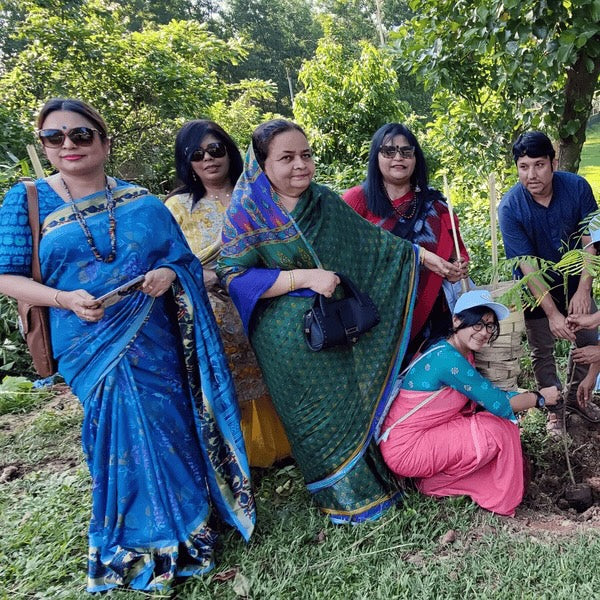
Trees for Corporates - Achieve Net Zero Targets Through Strategic Tree Planting
Trees for Corporates - Strategic Environmental SolutionsTransform your corporate environmental impact with...
-
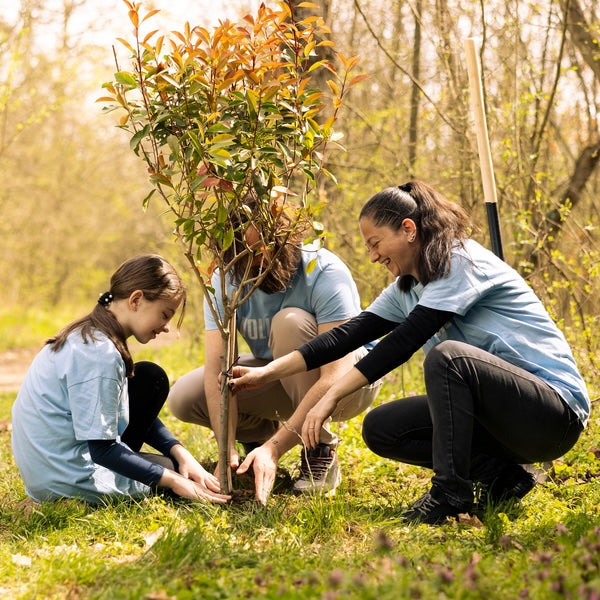
Tree Plantation for CSR - Corporate Environmental Programs | Grow Billion Trees
Tree Plantation for CSR - Transform Your Corporate Environmental ImpactTree plantation for...
-
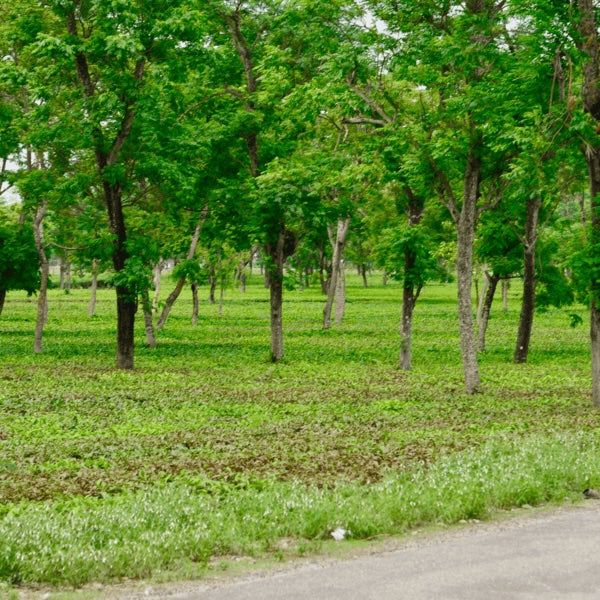
Tree Plantation for SDG - Support Sustainable Development Goals
Tree plantation for SDG initiatives represents a powerful pathway to achieving multiple...
-
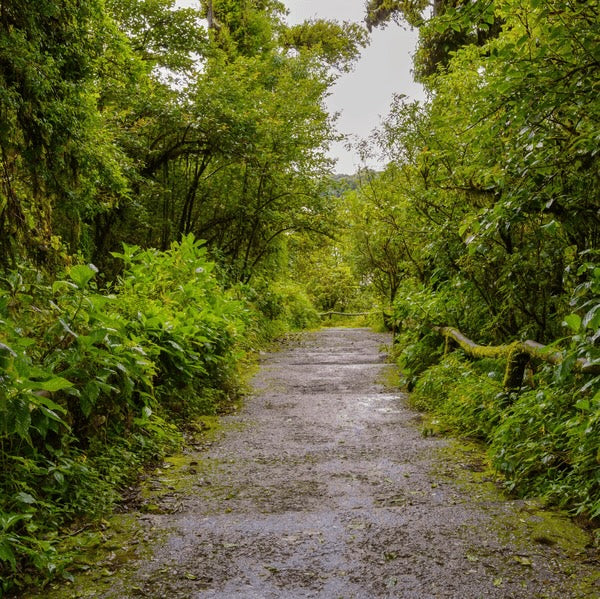
Corporate Tree Plantation Programs - Sustainable ESG Environmental Solutions for Net Zero Targets
Transform your organization's environmental impact with our comprehensive Corporate Tree Plantation Programs...
-
Tree Plantation by Location - Plant Trees Across India
Transform landscapes nationwide through our comprehensive tree plantation by location program. When...
Most Popular Tree Plantations - Top Choices for Environmental Impact
-
Trees for Mother
Regular price ₹ 299Regular priceUnit price per -
Trees to Honor the Memory of your Loved Ones
Regular price ₹ 299Regular priceUnit price per -
Trees for Wedding Anniversary Celebration
Regular price ₹ 299Regular priceUnit price per -
Trees for Grandmother
Regular price ₹ 299Regular priceUnit price per -
Trees for Grandfather
Regular price ₹ 299Regular priceUnit price per