
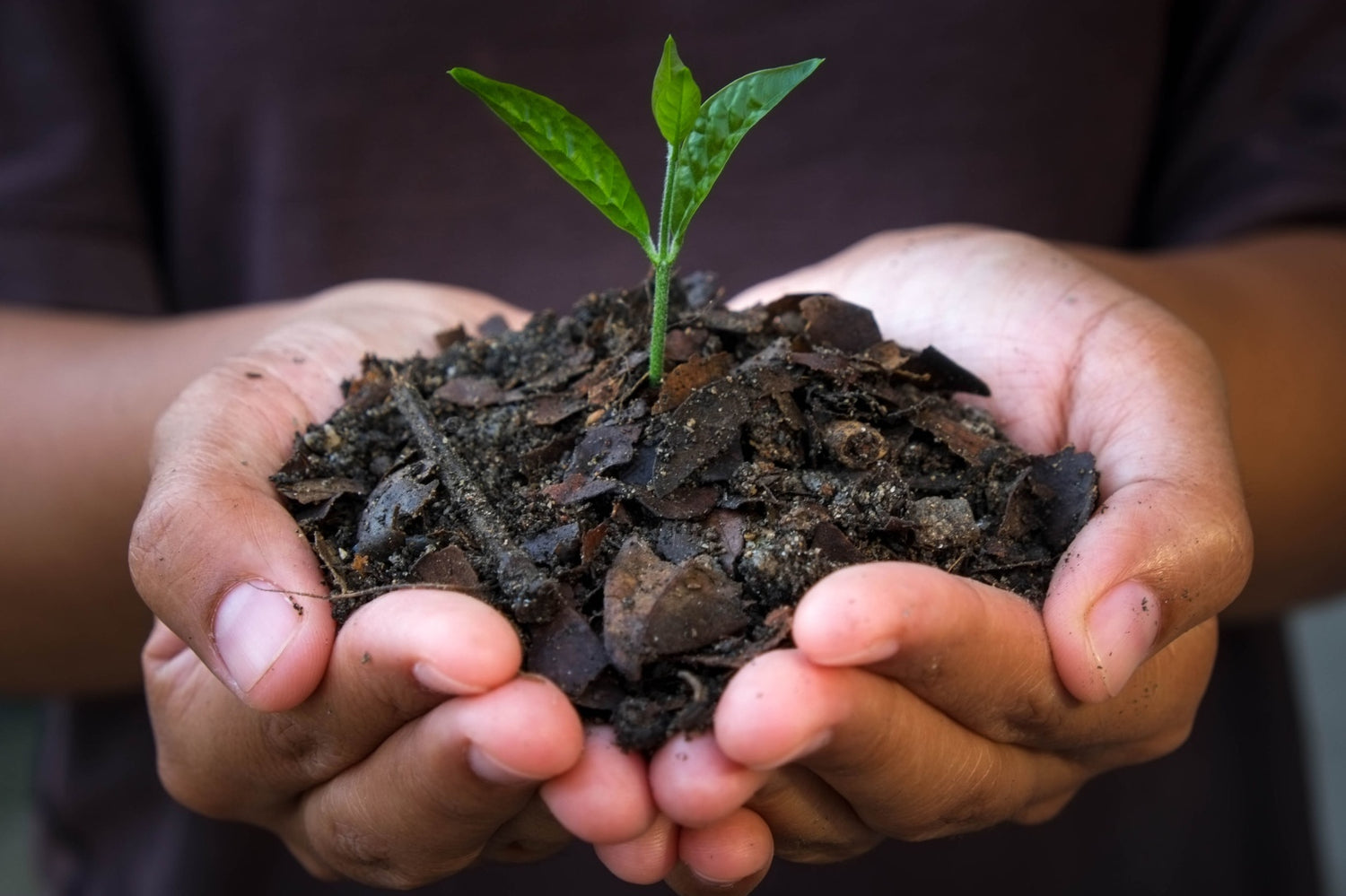
What Is Biochar and How Is It Made? Full 2026 Guide
Biochar is a carbon-rich, charcoal-like material produced by heating organic matter in a low-oxygen environment — a process called pyrolysis. When it Read more
Connect with us
-
👥 Corporates
If you are looking for:
- 🌲 Tree Plantation Events
- 📊 CSR Projects
📧 corporate@growbilliontrees.com
📞 +91 9699723523
💬 +91 9325931304 WhatsApp (Only)
🕒 Mon - Sat | 10am - 7pm IST
-
🧩 Tree Plantation NGOs
If you are looking for:
- 💰 Financial Assistance
- 🤝 Operational Support
📧 support@growbilliontrees.com
📞 +91 9699723523
💬 +91 9325931304 WhatsApp (Only)
🕒 Mon - Sat | 10am - 7pm IST
-
🌼 Individuals
If you are looking for:
- 👥 Group Tree Plantation Drive
- 🌳 Bulk Tree Plantation
📞 +91 9699723523
💬 +91 9325931304 WhatsApp (Only)
🕒 Mon - Sat | 10am - 7pm IST
Trending Tree Plantations - Most Popular Environmental Programs
-
Trees for Mother
Regular price ₹ 299Regular priceUnit price per -
Trees to Honor the Memory of your Loved Ones
Regular price ₹ 299Regular priceUnit price per -
Trees for Women's Day (8th Mar)
Regular price ₹ 299Regular priceUnit price per -
Trees for Wedding Anniversary Celebration
Regular price ₹ 299Regular priceUnit price per -
Trees for Grandmother
Regular price ₹ 299Regular priceUnit price per




Trees for Corporates - Achieve Net Zero Targets Through Strategic Tree Planting
-
 Project Closed
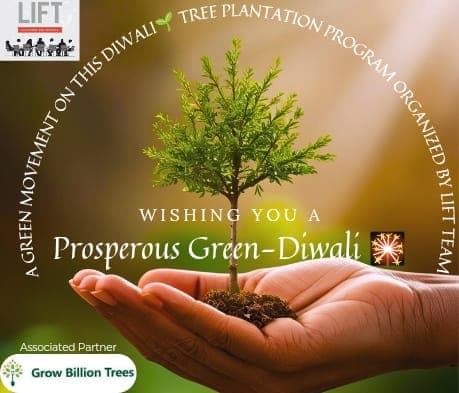
Trees by LIFT Team for Green Diwali: Transform Your Festival
Regular price ₹ 299Regular priceUnit price per -
Trees for a Greener Tomorrow - by Mahindra Lifespaces
Regular price ₹ 299Regular priceUnit price per -
Trees for Environment Day: Plant Your Impact on June 5th
Regular price ₹ 299Regular priceUnit price per -
Trees for Employees: Transform Your Corporate Culture in 2026
Regular price ₹ 299Regular priceUnit price per -
 Project Closed
Trees for Bangalore: Plant Native Trees in Garden City ₹299
Regular price ₹ 799Regular priceUnit price per
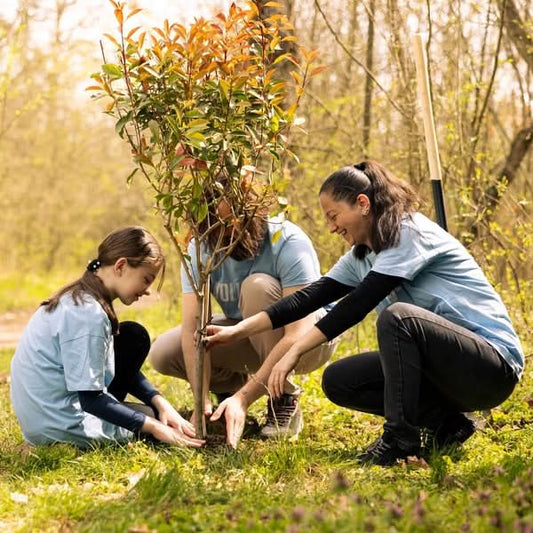
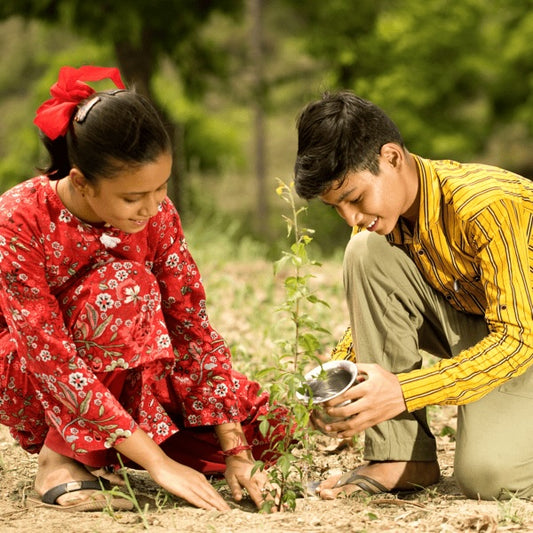
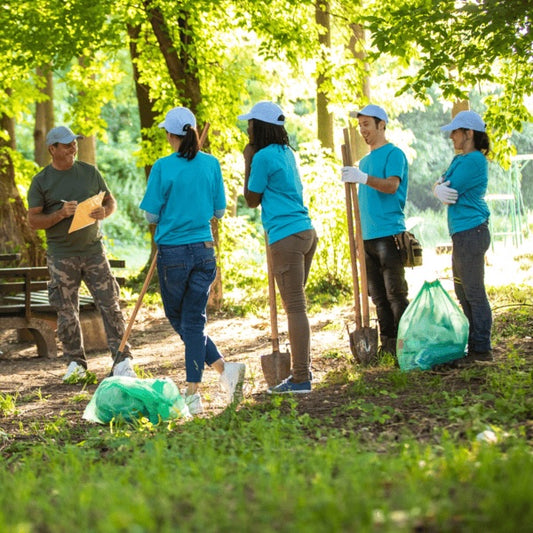
Biochar is a carbon-rich, charcoal-like material produced by heating organic matter in a low-oxygen environment — a process called pyrolysis. When it comes to what is biochar and how is it made?,Our team has found it to be one of the most powerful natural tools for improving soil health, sequestering carbon, and combating climate change. Welcome to the world of biochar, where science and sustainability come together for a greener planet.
In 2026, biochar has moved from niche research into mainstream environmental action. When it comes to what is biochar and how is it made?,Farmers, conscious corporates, and urban planners are discovering its wonderful ability to enrich soil, reduce emissions, and boost crop yields. Together, we can use biochar as a bridge between mindful agriculture and a thriving earth.
💡 Understanding Biochar: The Science Made Simple
Biochar is not ordinary charcoal. When it comes to what is biochar and how is it made?,It is produced under controlled conditions specifically to benefit soil and the environment. When organic material — wood chips, crop residues, or agricultural waste — is heated to 300–700°C in a low-oxygen environment, it undergoes a lasting transformation.
The result is a highly porous, stable carbon structure. When it comes to what is biochar and how is it made?,According to the United Nations Climate Change initiative, carbon sequestration through methods like biochar production is critical to meeting global net zero targets. Biochar can lock carbon in the soil for hundreds to thousands of years.
How Is Biochar Made? Step-by-Step Process
Understanding how biochar is made helps us appreciate its true value. The process follows clear, repeatable steps that can scale from a small farm kiln to an industrial facility.
- Feedstock Selection → Choose organic material such as wood waste, rice husks, sugarcane bagasse, coconut shells, or farm residue.
- Drying → The feedstock is dried to reduce moisture content below 20% for efficient conversion.
- Pyrolysis → The dried material is heated at 300–700°C without oxygen, breaking it into biochar, syngas, and bio-oil.
- Cooling and Collection → The biochar is cooled carefully and collected for storage or direct application.
- Activation (Optional) → Biochar is enriched with compost or microbial inoculants to boost its soil impact further.
Our experience shows that feedstock quality and precise temperature control during pyrolysis directly determine the effectiveness of the final product. Higher temperatures generally produce more stable, lasting carbon structures.
✅ Key Benefits of Biochar for Soil and Climate
Biochar delivers a range of proven benefits for both agriculture and the environment. It is one of the most eco-friendly solutions available to farmers and land managers today.
- ✅ Improves soil fertility — enhances nutrient retention and microbial activity naturally
- ✅ Sequesters carbon — locks CO₂ out of the atmosphere for centuries
- ✅ Boosts water retention — reduces irrigation needs by up to 30% (2026 data)
- ✅ Reduces soil acidity — improves pH balance without synthetic additives
- ✅ Lowers greenhouse gas emissions — reduces methane and nitrous oxide from soil
- ✅ Supports biodiversity — creates habitat for beneficial soil microbes
A 2026 study by the Indian Council of Agricultural Research found that fields treated with biochar showed a 22% increase in crop yield compared to untreated plots. These are results our partners have seen through hands-on application across India.
⭐ Popular Biochar Projects in Indian Cities
India is emerging as a wonderful hub for urban and rural biochar initiatives. Several forward-thinking corporates have championed these great projects across major cities, proving that sustainability and business can grow together.
Mumbai — Tata Consultancy Services (TCS) Urban Soil Initiative
TCS partnered with municipal authorities in Mumbai to convert green waste from parks and roadsides into biochar. When it comes to what is biochar and how is it made?,This initiative transformed over 500 tonnes of organic waste annually. The resulting biochar was used to improve urban green spaces and community gardens across the city. We are happy to see large corporates leading this kind of practical, impactful change.
Bangalore — Infosys Campus Biochar Program
Infosys integrated biochar production at its Bangalore campus as part of its broader net zero commitment. When it comes to what is biochar and how is it made?,The program uses agricultural waste from the campus food supply chain. Our team visited this initiative and was glad to witness corporate sustainability in hands-on action at this scale.
Hyderabad — Microsoft India and Agri-Biochar Alliance
Microsoft India collaborated with local farmers in Hyderabad's agricultural belt to introduce small-scale pyrolysis units. When it comes to what is biochar and how is it made?,These units convert crop stubble into biochar, reducing the harmful practice of open burning. This saved both the soil and the air — a wonderful example of technology serving the earth.
Delhi — Mahindra Group Green Infrastructure Project
Mahindra Group launched a biochar-based green infrastructure pilot in Delhi focused on improving urban tree pit soils. When it comes to what is biochar and how is it made?,The project boosted tree survival rates in the city by an estimated 35%, according to 2026 project data. It stands as a verified model for future urban greening programs.
Chennai — ITC Limited Agroforestry and Biochar Integration
ITC Limited integrated biochar into its agroforestry and watershed programs across Tamil Nadu. When it comes to what is biochar and how is it made?,The initiative supports smallholder farmers and improves natural soil health. It also aligns directly with their certified net zero targets for 2030, making it a genuinely impact-driven program.
Biochar and Reforestation: A Natural Partnership
Biochar and tree planting are natural companions — healthy soil grows healthy trees. When it comes to what is biochar and how is it made?,The United Nations Environment Programme's forest restoration guidelines highlight improved soil preparation as a key factor in successful reforestation. Biochar is exactly the kind of preparation that transforms a planting site.
At Grow Billion Trees, we love combining sustainable soil science with our mission to plant 100 crore trees across India. When it comes to what is biochar and how is it made?,When you Plant a tree in your Name with us, your tree benefits from well-prepared, nutrient-rich growing conditions. Our 4ft Tree Planting + 3 Years Care + GeoTag program ensures every tree has the best chance to thrive and grow for generations.
Together, we are Combating Climate Change Through Collective Action — one tree, one patch of biochar-enriched soil at a time. We ensure that every planting site receives the mindful care it deserves, backed by science and purpose.
💡 How to Use Biochar at Home and on Farms
You do not need industrial equipment to enjoy the benefits of biochar. Small-scale production and use is achievable for home gardeners and farmers alike. Here are practical, proven ways to get started.
- • Home gardens: Mix biochar at 5–10% by volume into potting soil or garden beds for richer, more natural growth
- • Farms: Apply 2–5 tonnes per hectare and incorporate into the top 15–20 cm of soil before planting
- • Composting: Add biochar to compost piles to reduce odour and boost organic nutrient retention
- • Urban trees: Mix into tree pit substrate to improve survival rates and long-term growth
⚠️ Important: Always pre-charge or "activate" biochar by soaking it in compost tea or liquid fertiliser before application. Raw biochar can temporarily draw nutrients away from plants in its early weeks.
Biochar and Net Zero Targets for Corporates
For companies working toward Net Zero Targets, biochar offers a certified, verified carbon removal pathway. When it comes to what is biochar and how is it made?,According to the World Wildlife Fund's assessment of deforestation and carbon emissions, restoring soil carbon is as important as halting forest loss. Biochar directly addresses both challenges.
Biochar's carbon stability lasting 500 to 1,000+ years makes it a trusted tool in corporate sustainability reporting. When it comes to what is biochar and how is it made?,Our corporate partners integrate biochar into broader environmental programs alongside our Miyawaki, Agroforestry, and Mangrove restoration initiatives. These programs are authentic, measurable, and designed to deliver lasting impact.
We ensure all corporate programs meet international sustainability standards. This gives companies genuine, data-backed impact they can communicate with confidence to stakeholders and regulators in 2026 and beyond.
Frequently Asked Questions
What is biochar and how is it made?
Biochar is a stable, carbon-rich material made by heating organic matter — such as wood, crop waste, or plant residue — at 300–700°C in a low-oxygen environment through pyrolysis. When it comes to what is biochar and how is it made?,The resulting material improves soil fertility and sequesters carbon for centuries. It is one of the most eco-friendly soil amendments available today.
Is biochar the same as charcoal?
No. When it comes to what is biochar and how is it made?,While both are produced by heating organic material, biochar is made under controlled conditions specifically for soil application and carbon storage. Regular charcoal is designed to burn for fuel. Biochar is designed to stay in the soil and improve it over the long term.
How long does biochar last in the soil?
Biochar is extremely stable and can persist in soil for 500 to over 1,000 years. This makes it one of the most durable natural carbon sequestration methods available and a great option for long-term climate action.
Can biochar improve crop yields?
Yes. When it comes to what is biochar and how is it made?,Our experience and multiple field studies confirm that biochar improves nutrient retention, water-holding capacity, and microbial activity. This leads to crop yield improvements often in the range of 15–25%, depending on the soil type and application method used.
What materials can be used to make biochar?
Almost any organic material can become biochar feedstock. When it comes to what is biochar and how is it made?,Common options include wood chips, rice husks, coconut shells, sugarcane bagasse, bamboo, animal manure, and agricultural crop residues. The feedstock choice affects the final quality and properties of the biochar produced.
Is biochar safe and eco-friendly for the environment?
Yes. Biochar is a natural, organic product that reduces agricultural waste, lowers soil emissions, and sequesters carbon. When produced responsibly, it is a genuinely green solution that supports a thriving planet without introducing any harmful materials.
How does biochar help combat climate change?
Biochar removes carbon dioxide from the atmosphere by converting it into stable solid carbon locked in the soil. When it comes to what is biochar and how is it made?,It also reduces soil emissions of methane and nitrous oxide — both potent greenhouse gases. This makes biochar a powerful tool for Combating Climate Change Through Collective Action.
Can small farmers in India use biochar?
Absolutely. Small-scale biochar kilns and retort systems are accessible for individual farmers. Many farmers in our agroforestry programs across India have adopted biochar to improve their soil health while accessing potential carbon credit income streams.
How does Grow Billion Trees use biochar in its programs?
We integrate biochar-enriched soil preparation into our tree planting programs wherever beneficial. When it comes to what is biochar and how is it made?,Our goal to plant 100 crore trees by 2030 is supported by healthy soil science. Our 4ft Tree Planting + 3 Years Care + GeoTag program ensures every tree grows in the best possible, nutrient-rich conditions.
How can I support reforestation and sustainable soil health in India?
Explore the work of Grow Billion Trees at growbilliontrees.com. You can Plant a tree in your Name, support corporate sustainability programs, and join a community of conscious, mindful people working together for a green and hopeful future.Biochar is a wonderful, proven tool on the journey toward a sustainable, carbon-neutral future. When it comes to what is biochar and how is it made?,From urban corporate programs in Mumbai and Bangalore to smallholder farms across rural India, biochar is transforming how we nurture our earth. Together with tree planting, it offers a great pathway to restore ecosystems and transform agricultural resilience. Discover how Grow Billion Trees can help you make a lasting impact today.
You may like
-
Gift a Tree - Meaningful Environmental Gifts That Make a Difference
Transform your gift-giving with meaningful environmental gifts that create lasting impact for...
-
Trees For Shiv Ji - Sacred Tree Planting to Honor Lord Shiva
Honor Lord Shiva through sacred tree planting with Trees For Shiv Ji,...
-

Tree Plantations for Shri Ram - Sacred Devotional Planting Services
Honor Lord Shri Ram through meaningful tree plantations for Shri Ram that...
-
Tree Plantation on Navratri - Celebrate Divine Festivals with Environmental Devotion
Tree plantation on Navratri transforms the sacred nine-day festival into a powerful...
-
Tree Plantation by Cause - Plant Trees for Every Purpose | Grow Billion Trees
Transform your environmental impact with purpose-driven tree plantation by cause programs that...
Corporate Plantations
-
Trees for Corporates - Achieve Net Zero Targets Through Strategic Tree Planting
Trees for Corporates - Strategic Environmental SolutionsTransform your corporate environmental impact with...
-
Tree Plantation for CSR - Corporate Environmental Programs | Grow Billion Trees
Tree Plantation for CSR - Transform Your Corporate Environmental ImpactTree plantation for...
-
Tree Plantation for SDG - Support Sustainable Development Goals
Tree plantation for SDG initiatives represents a powerful pathway to achieving multiple...
-
Corporate Tree Plantation Programs - Sustainable ESG Environmental Solutions for Net Zero Targets
Transform your organization's environmental impact with our comprehensive Corporate Tree Plantation Programs...
-
Tree Plantation by Location - Plant Trees Across India
Transform landscapes nationwide through our comprehensive tree plantation by location program. When...
Most Popular Tree Plantations - Top Choices for Environmental Impact
-
Trees for Mother
Regular price ₹ 299Regular priceUnit price per -
Trees to Honor the Memory of your Loved Ones
Regular price ₹ 299Regular priceUnit price per -
Trees for Wedding Anniversary Celebration
Regular price ₹ 299Regular priceUnit price per -
Trees for Grandmother
Regular price ₹ 299Regular priceUnit price per -
Trees for Grandfather
Regular price ₹ 299Regular priceUnit price per