Miyawaki Forest Bangalore Tree Plantation Guide 2026
Miyawaki Forest Bangalore tree plantation is rapidly transforming the city's urban landscape — one dense, native forest at a time. Bangalore, once cel Read more
Connect with us
-
👥 Corporates
If you are looking for:
- 🌲 Tree Plantation Events
- 📊 CSR Projects
📧 corporate@growbilliontrees.com
📞 +91 9699723523
💬 +91 9325931304 WhatsApp (Only)
🕒 Mon - Sat | 10am - 7pm IST
-
🧩 Tree Plantation NGOs
If you are looking for:
- 💰 Financial Assistance
- 🤝 Operational Support
📧 support@growbilliontrees.com
📞 +91 9699723523
💬 +91 9325931304 WhatsApp (Only)
🕒 Mon - Sat | 10am - 7pm IST
-
🌼 Individuals
If you are looking for:
- 👥 Group Tree Plantation Drive
- 🌳 Bulk Tree Plantation
📞 +91 9699723523
💬 +91 9325931304 WhatsApp (Only)
🕒 Mon - Sat | 10am - 7pm IST
Trending Tree Plantations - Most Popular Environmental Programs
-
Trees for Mother
Regular price ₹ 299Regular priceUnit price per -
Trees to Honor the Memory of your Loved Ones
Regular price ₹ 299Regular priceUnit price per -
Trees for Women's Day (8th Mar)
Regular price ₹ 299Regular priceUnit price per -
Trees for Wedding Anniversary Celebration
Regular price ₹ 299Regular priceUnit price per -
Trees for Grandmother
Regular price ₹ 299Regular priceUnit price per

Trees for Corporates - Achieve Net Zero Targets Through Strategic Tree Planting
-
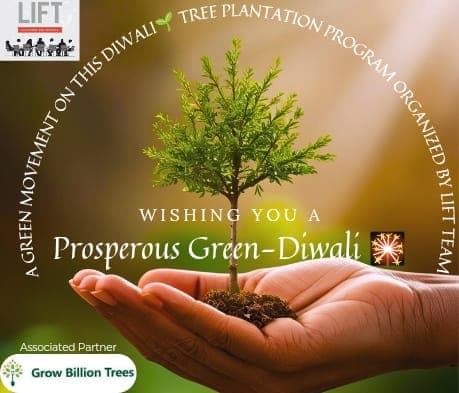 Project Closed
Trees by LIFT Team for Green Diwali: Transform Your Festival
Regular price ₹ 299Regular priceUnit price per -
Trees for a Greener Tomorrow - by Mahindra Lifespaces
Regular price ₹ 299Regular priceUnit price per -
Trees for Environment Day: Plant Your Impact on June 5th
Regular price ₹ 299Regular priceUnit price per -
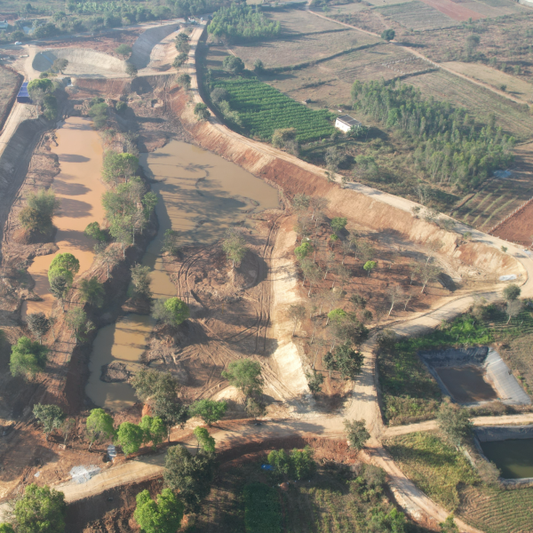 Project Closed
Trees for Bangalore: Plant Native Trees in Garden City ₹299
Regular price ₹ 799Regular priceUnit price per -
Trees for Employees: Transform Your Corporate Culture in 2026
Regular price ₹ 299Regular priceUnit price per
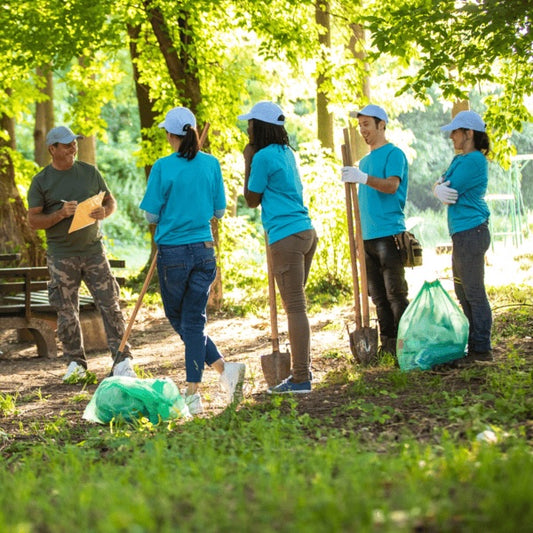
Miyawaki Forest Bangalore Tree Plantation: The Urban Green Revolution
Miyawaki Forest Bangalore tree plantation is rapidly transforming the city's urban landscape — one dense, native forest at a time. Bangalore, once celebrated as India's Garden City, now faces severe urban heat, vanishing green cover, and worsening air quality. The Miyawaki method offers a fast, proven solution: creating dense, self-sustaining forests in compact spaces up to 10 times faster than conventional planting methods.
According to UNEP's research on forests and reforestation, urban forests reduce ambient temperatures by 2–8°C and absorb significant carbon emissions. In 2026, Bangalore leads India's cities in adopting this Japanese technique, with dozens of thriving Miyawaki forests now growing across the metropolitan area.
✅ What Is the Miyawaki Method?
The Miyawaki technique was developed by Japanese botanist Akira Miyawaki. It involves planting multiple native tree species in close proximity, triggering natural competition that accelerates growth. These forests grow 10 times faster and become 30 times denser than standard plantations.
This method is ideal for urban environments. It transforms unused plots, lake buffers, and corporate campuses into thriving green ecosystems. Moreover, it restores biodiversity by using only indigenous species suited to the local soil and climate, making each forest naturally resilient.
🌿 Popular Miyawaki Forests Transforming Bangalore
Bangalore has seen a wonderful surge in Miyawaki projects in recent years. From lake edges to tech parks, these green patches are improving air quality and boosting biodiversity across the city in meaningful ways.
Kaikondrahalli Lake Miyawaki Forest
One of Bangalore's most celebrated green projects, the Kaikondrahalli Lake Miyawaki Forest spans over 2 acres. Planted with more than 5,000 native trees, this forest now supports over 60 bird species. Local resident welfare associations partnered with environmental organisations to maintain it as a thriving community green lung.
Hulimavu Lake Green Corridor
The Hulimavu Lake area features a thriving Miyawaki corridor along its banks. This plantation, developed with BBMP support, includes native species like neem, peepal, arjuna, and Indian gooseberry. It has become a model for urban lake restoration across Karnataka. The forest is now self-sustaining, providing shade, cooling, and wildlife habitat.
JP Nagar and Electronic City Forest Patches
JP Nagar residents collaborated with green groups to create a 1-acre Miyawaki patch that now attracts butterflies and migratory birds. In Electronic City, IT corridor green initiatives have established multiple Miyawaki plots within tech campuses. These natural spaces reduce urban heat island effects and improve employee wellbeing significantly.
Koramangala Community Forest
A citizen-led effort in Koramangala created one of South Bangalore's most visited Miyawaki forests. Planted with over 3,000 saplings across 15 native species, this forest stands as a great example of community-driven environmental action. Families and school groups visit regularly for hands-on nature education.
⭐ Corporate Leaders Driving Miyawaki Plantation in Bangalore
Several leading corporations have embraced Miyawaki forest plantation as part of their Net Zero Targets and Corporate Social Responsibility commitments. These partnerships are helping scale green cover across Bangalore at impressive speed.
- ✅ Infosys — Infosys campuses in Bangalore have integrated Miyawaki forests into their landscaping, planting thousands of native trees to offset carbon emissions and improve campus biodiversity across multiple locations.
- ✅ Wipro — Wipro's sustainability programs include Miyawaki plantation drives across their Electronic City and Sarjapur campuses, engaging employees in hands-on planting events each quarter.
- ✅ Bosch India — Bosch India partnered with environmental organisations for large-scale Miyawaki plantation at their Bangalore manufacturing facility, directly supporting their carbon neutrality goals.
- ✅ Biocon — Biocon's campus in Hebbagodi features a thriving Miyawaki forest, planted as part of their biodiversity and environmental restoration programs for verified ecological impact.
- ✅ ABB India — ABB India has supported urban forest initiatives in Bangalore, contributing to both ecological restoration and employee wellness programs with authentic green cover.
- ✅ Cognizant — Cognizant India's CSR wing has funded multiple Miyawaki plantation projects in Bangalore's peri-urban zones, helping restore degraded land at scale.
According to the World Wildlife Fund's forest conservation initiatives, corporate partnerships are essential for scaling urban reforestation at the speed our planet urgently needs. These collaborations demonstrate that business and environmental goals can align beautifully and sustainably.
💡 How Grow Billion Trees Builds Self-Sustainable Miyawaki Forests
Grow Billion Trees is one of India's most trusted environmental organisations, actively building self-sustainable Miyawaki forests across Bangalore and beyond. Our team combines ecological expertise with cutting-edge technology to deliver forests that truly last and thrive for decades.
Our approach to Miyawaki Forest Bangalore tree plantation is comprehensive and science-backed. We begin with thorough soil analysis and native species selection specific to the local microclimate. Every sapling is carefully chosen to ensure maximum biodiversity and long-term forest health that communities will love.
We are happy to share that our Miyawaki projects go far beyond just planting. Our process is structured for lasting impact:
- ✅ 4ft Tree Planting + 3 Years Care + GeoTag — every tree is nurtured to a healthy 4ft height with full three-year care and GeoTag technology for real-time tracking
- ✅ Site assessment and soil preparation using organic enrichment techniques for natural forest health
- ✅ Selection of 20–40 native species per forest plot for maximum biodiversity and ecosystem resilience
- ✅ High-density planting that triggers natural forest dynamics within months of establishment
- ✅ A dedicated care team that monitors, nurtures, and manages the forest through its critical growth phase
- ✅ Digital GeoTag tracking so corporate partners and individuals can monitor forest growth online, anytime
We ensure every Miyawaki forest we build becomes fully self-sustaining within 2–3 years. After the care period, the forest needs no irrigation, no inputs, and minimal human intervention. Our experience shows these forests thrive naturally for decades, growing stronger and richer each year.
Our partners — from Bangalore's leading corporates to individual tree lovers — love the transparency our GeoTag system provides. You can literally watch your forest grow and track its verified impact. This is how we contribute to Combating Climate Change Through Collective Action and our mission of planting 100 crore trees across India by June 2030.
We also provide personalised tree certificates, making Miyawaki plantation a wonderful and meaningful gift. Plant a tree in your Name and leave a living legacy in Bangalore's growing, sustainable green landscape.
🌍 Why Miyawaki Forests Matter for India's Climate Future
India faces serious deforestation challenges today. As documented by the World Wildlife Fund on deforestation and forest degradation, India loses thousands of hectares of natural forest each year to urban expansion and agriculture. Miyawaki forests offer a fast, eco-friendly, and scalable solution to help reverse this trend.
In 2026 data from environmental monitoring agencies, urban forests in Indian cities reduce air pollution by up to 25% in surrounding neighbourhoods. They also improve groundwater recharge and reduce flooding risk. For Bangalore — a city managing both drought and flooding — this dual benefit is vital and urgent.
The United Nations Climate Change Action framework highlights urban greening as a critical strategy for cities adapting to rising temperatures. Bangalore's Miyawaki movement directly supports these global goals. In addition, it improves daily quality of life for millions of residents across the city.
Furthermore, Miyawaki forests support the United Nations Sustainable Development Goals, particularly SDG 13 (Climate Action) and SDG 15 (Life on Land). Every mindful patch of native forest planted in Bangalore contributes to a more sustainable, resilient India for future generations.
Frequently Asked Questions
What is a Miyawaki forest and how does it work?
A Miyawaki forest is a dense, native woodland created using a Japanese reforestation technique. It involves planting multiple native species very close together, triggering natural competition that accelerates growth. These forests grow 10 times faster and become self-sustaining within 2–3 years, requiring no irrigation or chemical inputs thereafter.
Where can I find Miyawaki forests in Bangalore?
Popular Miyawaki forests in Bangalore include the Kaikondrahalli Lake forest, Hulimavu Lake green corridor, JP Nagar community forest, Koramangala community patch, and Electronic City tech campus plots. BBMP and several corporates have also established Miyawaki forests across the city.
Which companies have joined the Miyawaki plantation movement in Bangalore?
Several leading corporates have joined Bangalore's Miyawaki movement, including Infosys, Wipro, Bosch India, Biocon, ABB India, and Cognizant. These companies integrate Miyawaki forests into their Net Zero Targets and verified CSR programs for measurable environmental impact.
How does Grow Billion Trees help with Miyawaki plantation?
Grow Billion Trees provides end-to-end Miyawaki forest creation services. Our team handles site assessment, native species selection, high-density planting, and three years of dedicated care. We use GeoTag technology so every corporate partner and individual can track their tree's growth in real time.
How long does it take for a Miyawaki forest to become self-sustainable?
A Miyawaki forest typically becomes fully self-sustaining within 2–3 years of planting. After this period, it requires no irrigation, fertilisers, or significant human intervention. The forest then grows and regenerates naturally and independently for decades.
Can corporates partner with Grow Billion Trees for Miyawaki forests?
Yes, we are glad to partner with corporates of all sizes across Bangalore and India. Our corporate Miyawaki programs support Net Zero Targets, ESG reporting, and employee engagement. We provide full documentation, GeoTag tracking, and certified plantation records for your sustainability portfolio.
What native species are used in Bangalore's Miyawaki forests?
Bangalore's Miyawaki forests typically include native species like neem, peepal, Indian gooseberry (amla), arjuna, jamun, mango, tamarind, silk cotton, and Indian laurel. These species are chosen for their suitability to the local Deccan Plateau ecosystem and climate.
How can individuals contribute to Miyawaki plantation in Bangalore?
Individuals can Plant a tree in your Name through Grow Billion Trees' programs. Our 4ft Tree Planting + 3 Years Care + GeoTag option lets you contribute to Miyawaki forests and track your tree's real impact. It makes a wonderful, mindful gift for any special occasion.
What environmental benefits do Miyawaki forests provide in urban areas?
Miyawaki forests reduce urban heat island effects, improve air quality, support biodiversity, enhance groundwater recharge, and reduce noise pollution. In Bangalore, they also buffer lake ecosystems and provide natural habitat for birds, insects, and small mammals across the city.
How does the GeoTag system work for Miyawaki plantation?
Our GeoTag technology assigns a unique geographic marker to every planted tree. You can track its location, growth milestones, and care updates through an online dashboard. This ensures full transparency and lets you share your tree's journey — a secure, verified record of your environmental impact. Bangalore's green transformation is well underway, and Miyawaki forests are at the heart of this wonderful revolution. Every tree planted today helps build a cooler, cleaner, and more vibrant city for future generations. Together, we can grow a more sustainable India — one thriving urban forest at a time. Discover how Grow Billion Trees can help you or your organisation create a self-sustainable Miyawaki forest in Bangalore. Explore our programs at Grow Billion Trees and take your first step toward Combating Climate Change Through Collective Action today.
You may like
-
Gift a Tree - Meaningful Environmental Gifts That Make a Difference
Transform your gift-giving with meaningful environmental gifts that create lasting impact for...
-
Trees For Shiv Ji - Sacred Tree Planting to Honor Lord Shiva
Honor Lord Shiva through sacred tree planting with Trees For Shiv Ji,...
-
Tree Plantations for Shri Ram - Sacred Devotional Planting Services
Honor Lord Shri Ram through meaningful tree plantations for Shri Ram that...
-
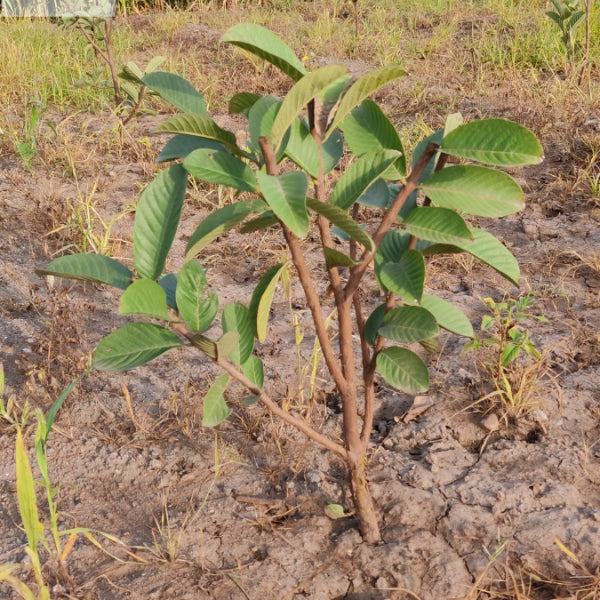
Tree Plantation on Navratri - Celebrate Divine Festivals with Environmental Devotion
Tree plantation on Navratri transforms the sacred nine-day festival into a powerful...
-
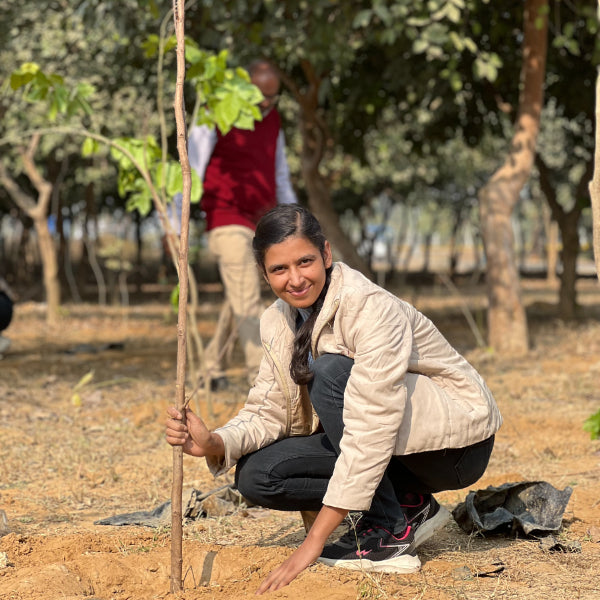
Tree Plantation by Cause - Plant Trees for Every Purpose | Grow Billion Trees
Transform your environmental impact with purpose-driven tree plantation by cause programs that...
Corporate Plantations
-
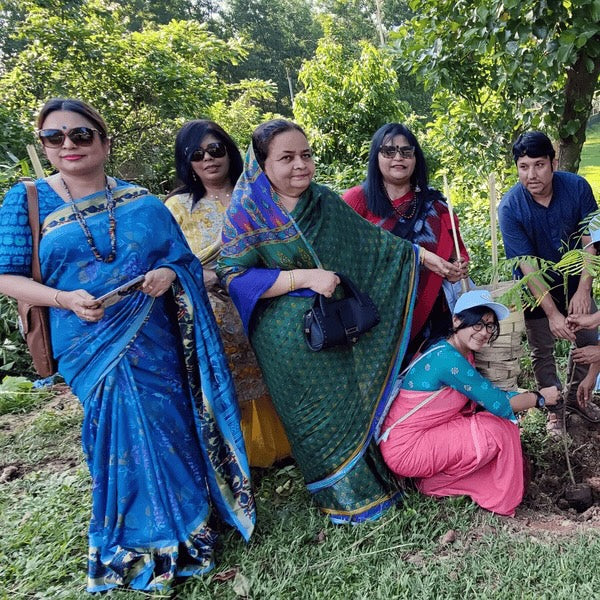
Trees for Corporates - Achieve Net Zero Targets Through Strategic Tree Planting
Trees for Corporates - Strategic Environmental SolutionsTransform your corporate environmental impact with...
-
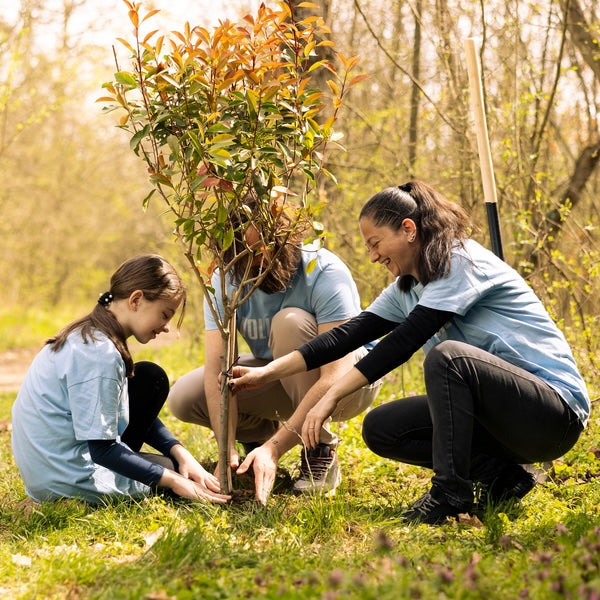
Tree Plantation for CSR - Corporate Environmental Programs | Grow Billion Trees
Tree Plantation for CSR - Transform Your Corporate Environmental ImpactTree plantation for...
-
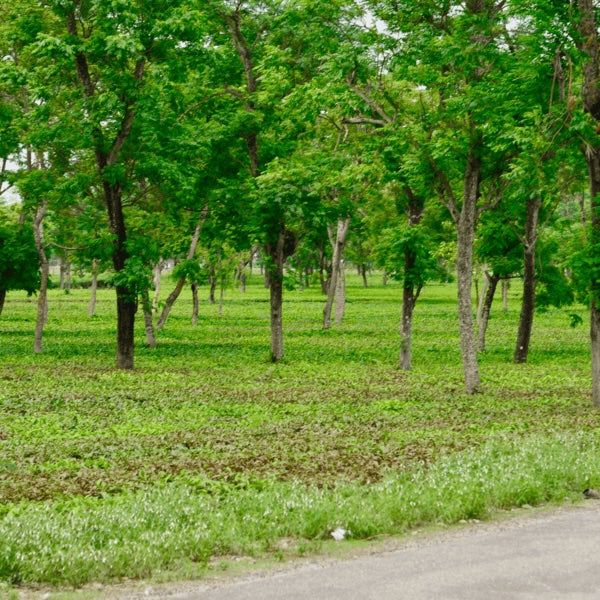
Tree Plantation for SDG - Support Sustainable Development Goals
Tree plantation for SDG initiatives represents a powerful pathway to achieving multiple...
-
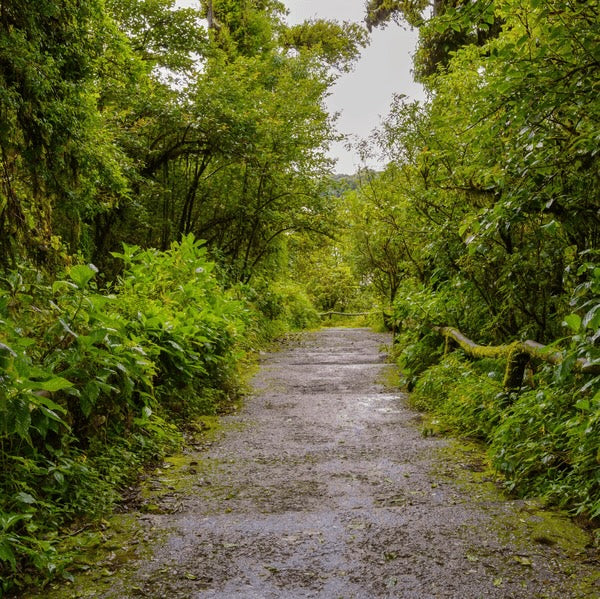
Corporate Tree Plantation Programs - Sustainable ESG Environmental Solutions for Net Zero Targets
Transform your organization's environmental impact with our comprehensive Corporate Tree Plantation Programs...
-
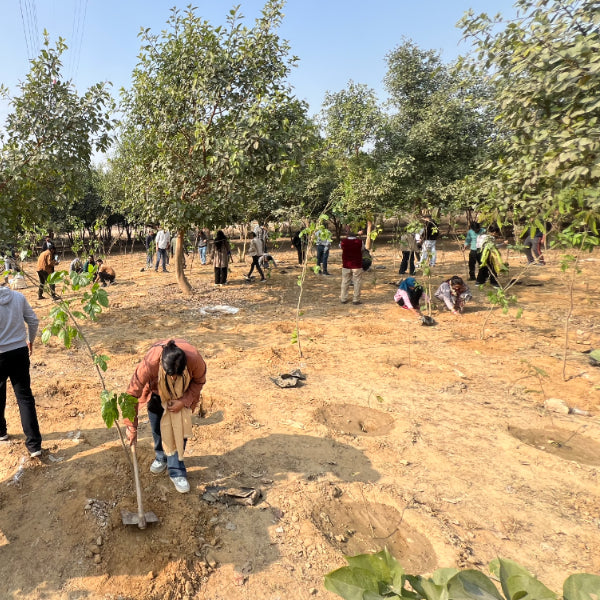
Tree Plantation by Location - Plant Trees Across India
Transform landscapes nationwide through our comprehensive tree plantation by location program. When...
Most Popular Tree Plantations - Top Choices for Environmental Impact
-
Trees for Mother
Regular price ₹ 299Regular priceUnit price per -
Trees to Honor the Memory of your Loved Ones
Regular price ₹ 299Regular priceUnit price per -
Trees for Wedding Anniversary Celebration
Regular price ₹ 299Regular priceUnit price per -
Trees for Grandmother
Regular price ₹ 299Regular priceUnit price per -
Trees for Grandfather
Regular price ₹ 299Regular priceUnit price per