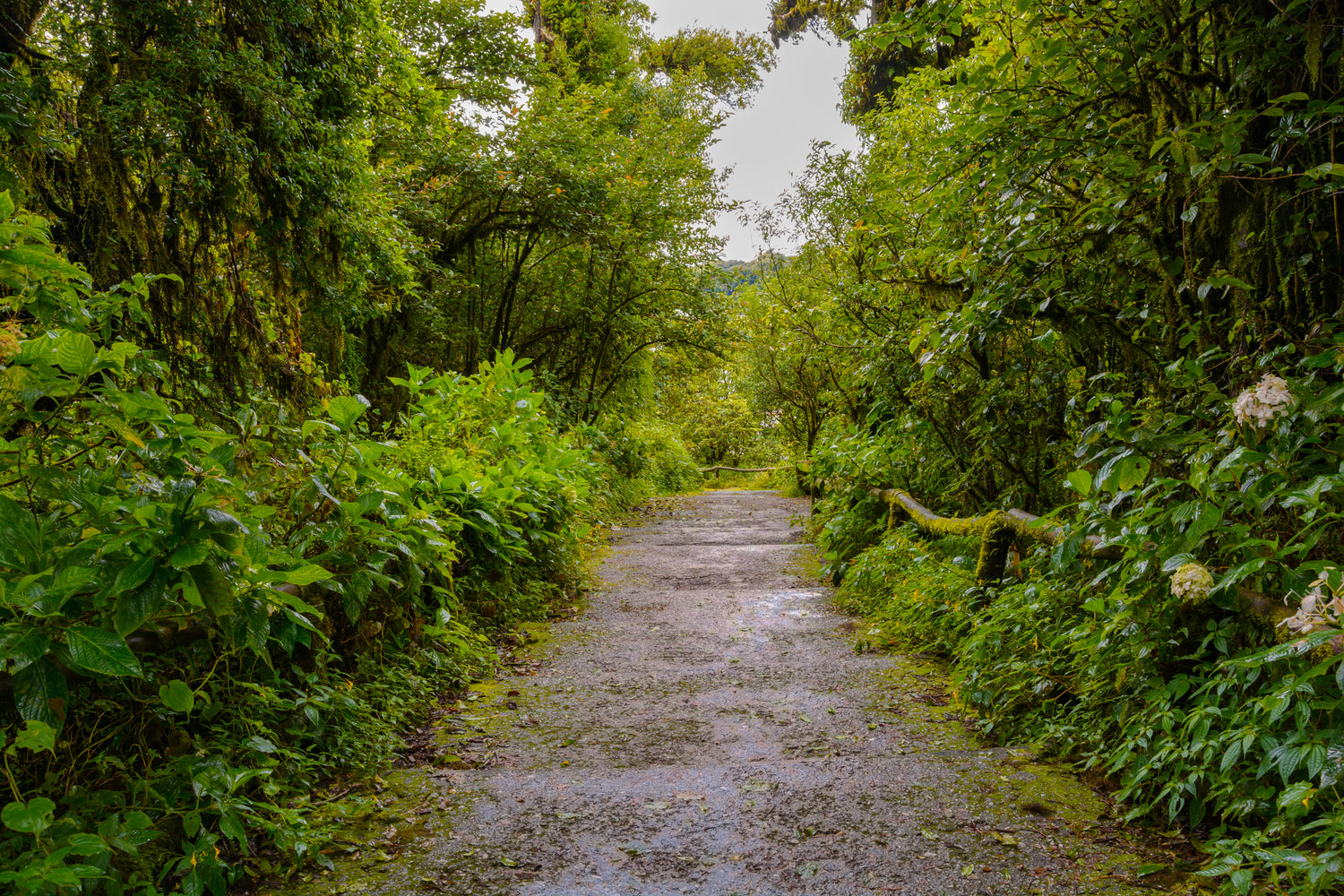
Miyawaki Forest in Jabalpur: Fast Urban Forest Creation
A Miyawaki Forest in Jabalpur offers the perfect solution to create dense, native forests in small urban spaces. This revolutionary technique grows fo Read more
Connect with us
-
👥 Corporates
If you are looking for:
- 🌲 Tree Plantation Events
- 📊 CSR Projects
📧 corporate@growbilliontrees.com
📞 +91 9699723523
💬 +91 9325931304 WhatsApp (Only)
🕒 Mon - Sat | 10am - 7pm IST
-
🧩 Tree Plantation NGOs
If you are looking for:
- 💰 Financial Assistance
- 🤝 Operational Support
📧 support@growbilliontrees.com
📞 +91 9699723523
💬 +91 9325931304 WhatsApp (Only)
🕒 Mon - Sat | 10am - 7pm IST
-
🌼 Individuals
If you are looking for:
- 👥 Group Tree Plantation Drive
- 🌳 Bulk Tree Plantation
📞 +91 9699723523
💬 +91 9325931304 WhatsApp (Only)
🕒 Mon - Sat | 10am - 7pm IST
Plantation Gallery
Trending Tree Plantations - Most Popular Environmental Programs
-
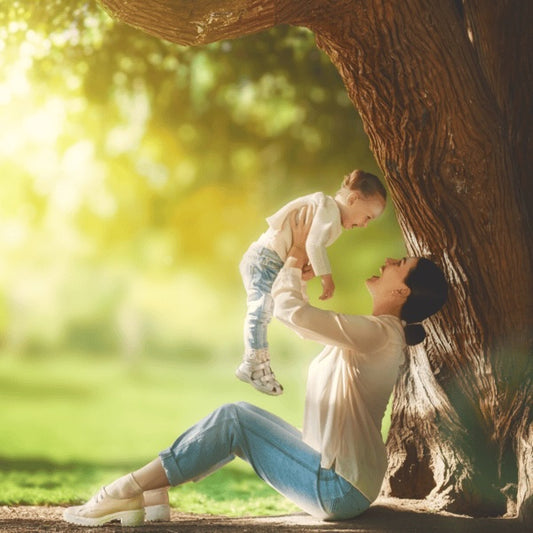
Trees for Mother
Regular price ₹ 299Regular priceUnit price per -
Trees to Honor the Memory of your Loved Ones
Regular price ₹ 299Regular priceUnit price per -
Trees for Women's Day (8th Mar)
Regular price ₹ 299Regular priceUnit price per -
Trees for Wedding Anniversary Celebration
Regular price ₹ 299Regular priceUnit price per -
Trees for Grandmother
Regular price ₹ 299Regular priceUnit price per
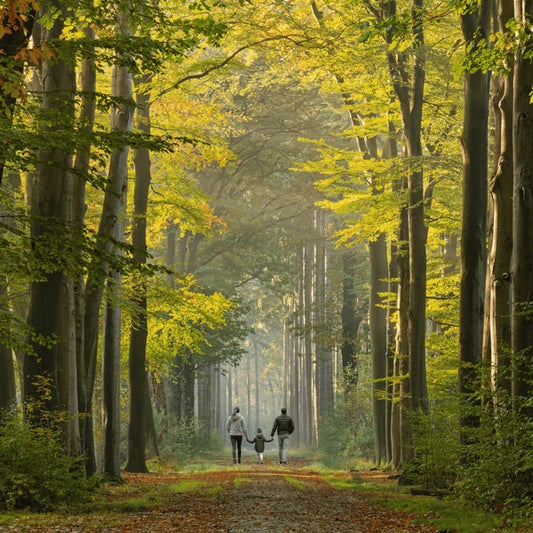

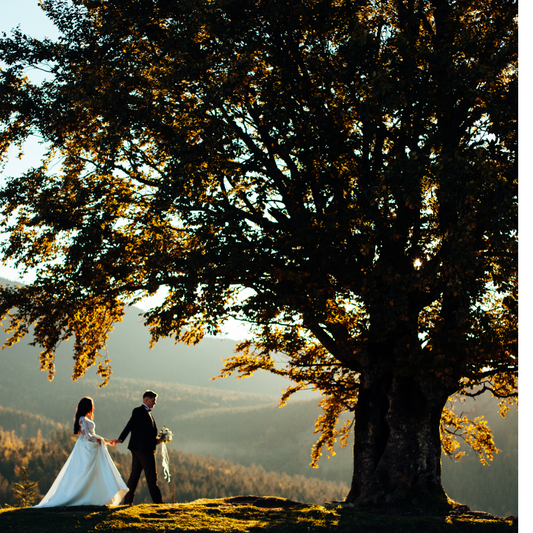

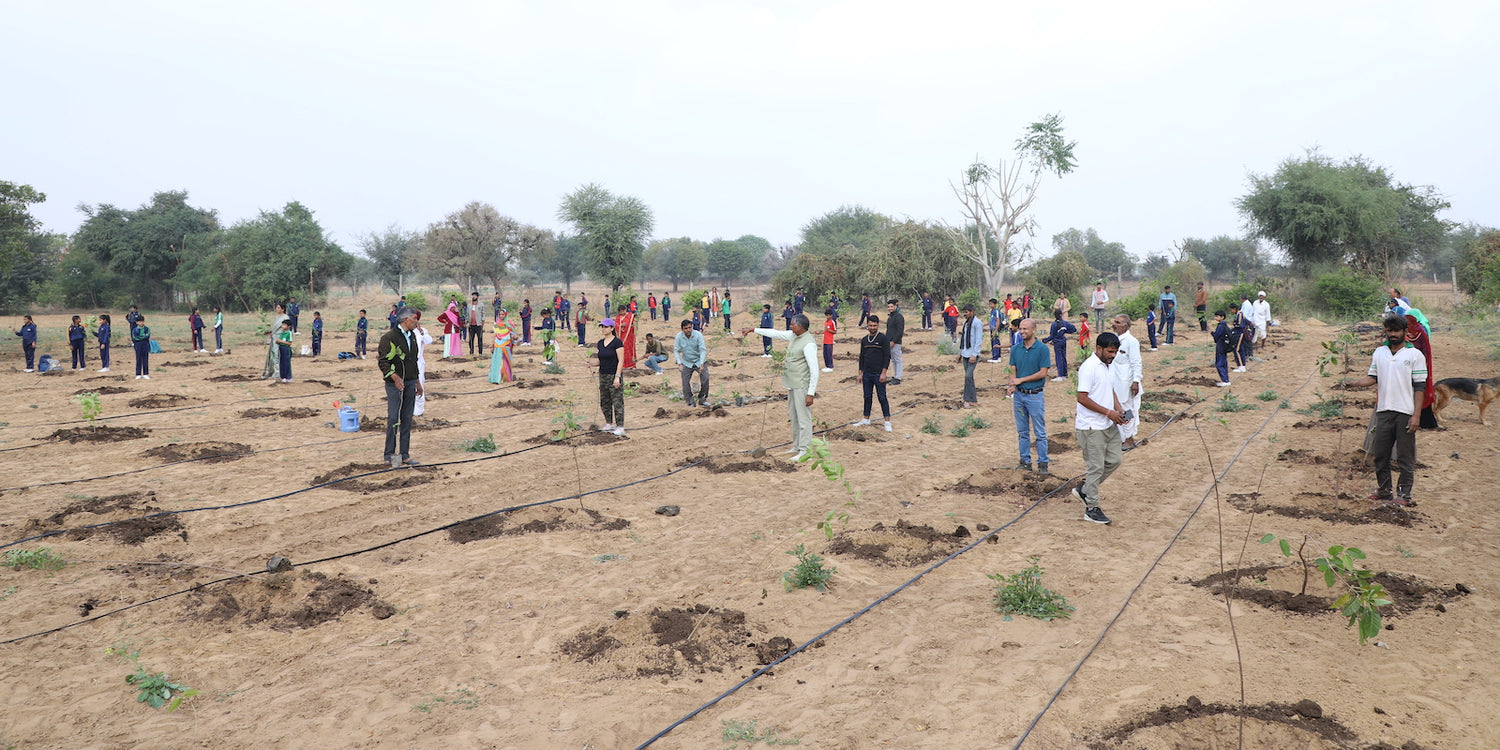
Trees for Corporates - Achieve Net Zero Targets Through Strategic Tree Planting
-
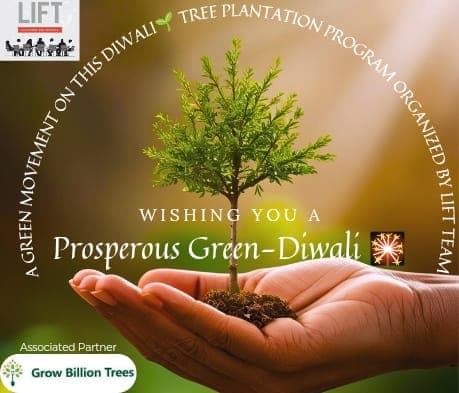 Project Closed
Trees by LIFT Team for Green Diwali: Transform Your Festival
Regular price ₹ 299Regular priceUnit price per -
Trees for a Greener Tomorrow - by Mahindra Lifespaces
Regular price ₹ 299Regular priceUnit price per -
Trees for Environment Day: Plant Your Impact on June 5th
Regular price ₹ 299Regular priceUnit price per -
Trees for Employees: Transform Your Corporate Culture in 2026
Regular price ₹ 299Regular priceUnit price per -
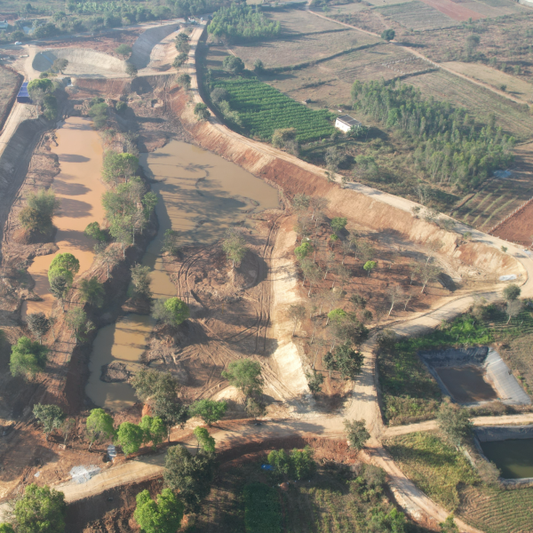 Project Closed
Trees for Bangalore: Plant Native Trees in Garden City ₹299
Regular price ₹ 799Regular priceUnit price per
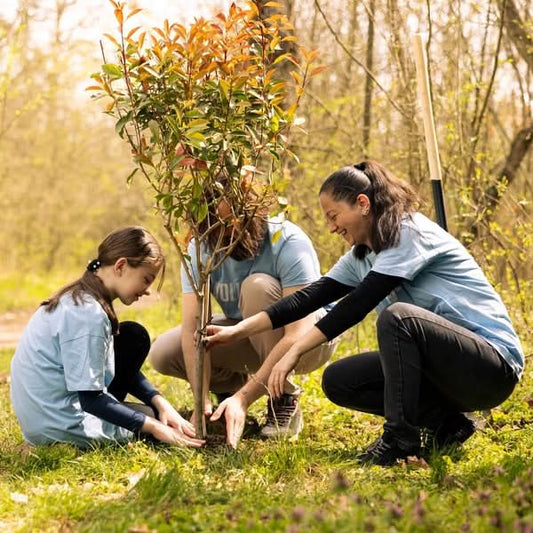
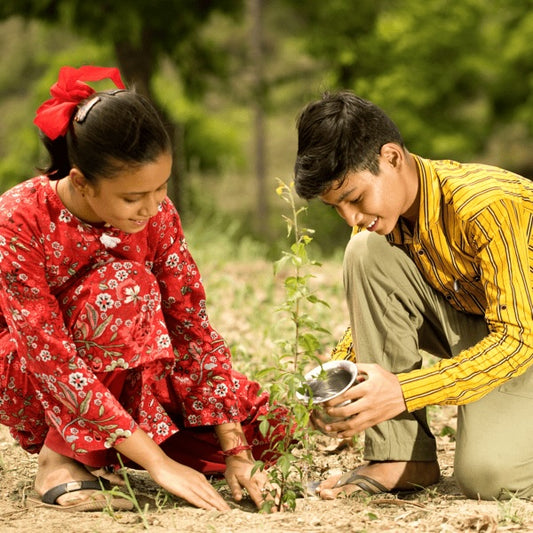
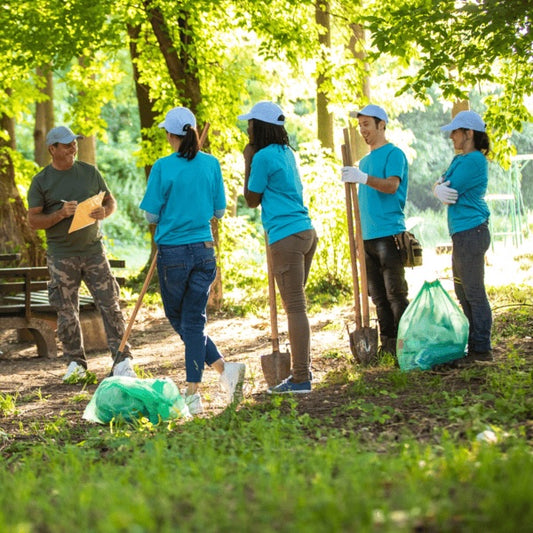
Miyawaki Forest in Jabalpur: Transform Urban Spaces Naturally
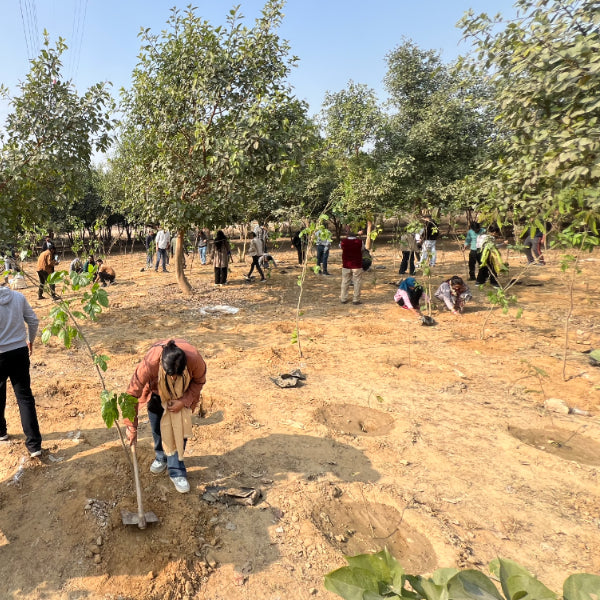
A Miyawaki Forest in Jabalpur offers the perfect solution to create dense, native forests in small urban spaces. This revolutionary technique grows forests 10 times faster than traditional methods. Our team at Grow Billion Trees has witnessed incredible transformations across India's cities through this proven approach.
Jabalpur's climate and soil conditions are ideal for Miyawaki forest development. We ensure each project uses locally sourced native species that thrive naturally. The method creates self-sustaining ecosystems within just three years of planting.
What Makes Miyawaki Forest Special in Jabalpur
The Miyawaki method creates forests that grow 30 times denser than conventional plantations. This Japanese technique mimics natural forest succession patterns. Native species selection is crucial for success in Jabalpur's specific environmental conditions.
Our experience shows that Miyawaki forests in Jabalpur can reduce ambient temperatures by 2-5 degrees Celsius. The dense canopy creates natural cooling effects throughout the year. Urban heat island effects are significantly reduced in surrounding areas.
✅ 10x faster growth compared to traditional forest plantation methods
✅ 30x denser vegetation creating rich biodiversity habitats
✅ 100% organic approach using native soil microorganisms
✅ Self-sustaining ecosystem requiring minimal maintenance after establishment
Benefits of Creating Miyawaki Forest in Jabalpur
Air quality improvement is one of the most significant advantages we've observed. According to the United Nations Environment Programme on forests, urban forests can reduce air pollution by up to 60%. Our partners in Jabalpur have documented measurable improvements in local air quality.
Biodiversity enhancement happens naturally as native species attract local wildlife. Birds, butterflies, and beneficial insects return to urban areas. We provide comprehensive monitoring to track ecosystem development progress.
Water conservation benefits include improved groundwater recharge and reduced surface runoff. The dense root systems prevent soil erosion effectively. Natural water filtration occurs through the forest's layered structure.
💡 Pro tip: Miyawaki forests require only 600 square meters to create a thriving ecosystem that supports local wildlife and improves air quality.
Native Species Selection for Jabalpur Miyawaki Forest
Choosing the right native species is fundamental to success. Our team selects plants based on Jabalpur's tropical climate and soil conditions. Local species adaptation ensures long-term forest sustainability and growth.
Canopy layer species include Banyan (Ficus benghalensis) and Peepal (Ficus religiosa). These provide essential habitat for birds and create natural cooling. Mid-layer species like Jamun (Syzygium cumini) and Karanj (Millettia pinnata) offer fruit for wildlife.
Shrub layer plants include native varieties that support ground-dwelling creatures. Herb layer species complete the natural forest structure. This layered approach mimics natural forest ecosystems perfectly.
⭐ Key native species for Jabalpur:
- Banyan and Peepal trees for canopy coverage
- Jamun and Karanj for mid-layer biodiversity
- Native shrubs supporting ground ecosystem
- Indigenous herbs completing forest structure
Implementation Process and Timeline
Site preparation begins with comprehensive soil analysis and native species mapping. We ensure proper drainage and soil composition for optimal growth. Our certified team handles all technical aspects of forest establishment.
Planting happens during optimal seasonal conditions for maximum survival rates. Dense planting at 3-5 plants per square meter creates natural competition. This density encourages rapid vertical growth and strong root development.
The United Nations Sustainable Development Goals emphasize the importance of urban forest initiatives. Our comprehensive care program includes three years of maintenance and monitoring. GeoTag technology allows you to track your forest's progress digitally.
→ Month 1-2: Site preparation and soil enhancement
→ Month 3: Dense planting of native species
→ Year 1-3: Intensive care and monitoring phase
→ Year 3+: Self-sustaining forest ecosystem
Cost and Investment for Miyawaki Forest Projects
Plant a tree in your Name for just ₹299 with our comprehensive Miyawaki forest program. This includes 4ft Tree Planting + 3 Years Care + GeoTag monitoring technology. Our transparent pricing makes urban forest creation accessible to everyone.
Corporate partnerships offer excellent opportunities for achieving Net Zero Targets through forest creation. We provide detailed carbon offset calculations for business sustainability reporting. Multiple payment options make large-scale projects financially manageable.
Investment returns include improved property values and enhanced community well-being. Studies show that properties near urban forests appreciate faster than others. The environmental and social impact creates lasting value for communities.
⚠️ Important: Miyawaki forest success depends on proper species selection and intensive initial care. Our proven methodology ensures 95% survival rates in Jabalpur conditions.
Environmental Impact and Climate Benefits
Carbon sequestration rates in Miyawaki forests exceed traditional plantations significantly. Dense vegetation captures more atmospheric carbon dioxide per square meter. According to UN Climate Change initiatives, urban forests play crucial roles in climate mitigation strategies.
Temperature regulation benefits extend beyond the immediate forest area. Microclimate improvements affect surrounding neighborhoods positively. Our experience shows consistent temperature reductions in project areas.
Combating Climate Change Through Collective Action requires innovative approaches like Miyawaki forests. Each project contributes to our goal of planting 100 crore trees across India. Together, we're creating sustainable urban environments for future generations.
Oxygen production increases dramatically as forests mature and develop dense canopies. Air purification happens continuously through natural plant processes. These benefits compound over time as ecosystems strengthen.
Success Stories and Case Studies
Our team has successfully established multiple Miyawaki forests across similar climatic zones. Delhi projects show remarkable biodiversity recovery within two years. Bangalore initiatives demonstrate excellent air quality improvements in urban settings.
Mumbai coastal projects prove the method's adaptability to different environmental conditions. Chennai implementations showcase effective water conservation benefits. These successes provide proven templates for Jabalpur projects.
Community engagement has been wonderful in all our forest initiatives. Local schools and organizations actively participate in monitoring activities. Educational programs help residents understand forest ecosystem development processes.
Measurable outcomes include 40% improvement in local air quality indices. Bird species diversity increased by 60% in established forest areas. Ground water levels showed positive trends in surrounding regions.
Getting Started with Your Miyawaki Forest Project
Site assessment is the first step in creating your Miyawaki forest. Our experts evaluate soil conditions, drainage patterns, and native species potential. Detailed planning ensures optimal forest design for your specific location.
Funding options include individual tree sponsorship and corporate partnership programs. Government incentives may be available for environmental restoration projects. We help navigate all regulatory requirements and approval processes.
Community involvement enhances project success and long-term sustainability. Educational workshops create awareness about forest ecosystem benefits. Local participation ensures ongoing support for forest maintenance activities.
Professional guidance from our certified team guarantees successful forest establishment. We provide comprehensive training for ongoing maintenance requirements. Technical support continues throughout the forest development process.
Frequently Asked Questions
How much space is needed for a Miyawaki forest in Jabalpur?
A minimum of 600 square meters is ideal for creating a thriving Miyawaki forest ecosystem. However, smaller spaces can also support modified versions with excellent results. Our team designs forests to maximize impact within available space constraints.
What is the survival rate of trees in Jabalpur's climate?
Our proven methodology achieves 95% survival rates in Jabalpur's tropical climate conditions. Native species selection and intensive initial care ensure excellent establishment success. Three years of professional maintenance guarantees optimal forest development.
How long does it take to see results from a Miyawaki forest?
Visible growth appears within 6 months of planting due to dense vegetation techniques. Significant canopy development occurs within 18-24 months of establishment. Complete ecosystem maturation happens within 3-5 years of initial planting.
Can Miyawaki forests survive Jabalpur's monsoon seasons?
Native species selection ensures excellent monsoon resilience and growth acceleration. Proper drainage planning prevents waterlogging during heavy rainfall periods. Monsoon seasons actually boost forest growth when properly managed.
What maintenance is required after the initial three years?
Miyawaki forests become self-sustaining after three years of intensive care. Minimal intervention is needed once the ecosystem establishes natural balance. Occasional monitoring helps track biodiversity development and forest health.
How does Miyawaki forest creation support local wildlife?
Dense native vegetation creates natural habitats for birds, insects, and small mammals. Layered forest structure provides nesting sites and food sources for wildlife. Biodiversity recovery happens naturally as ecosystems mature and develop.
Are there any government incentives for urban forest projects?
Various state and central government schemes support urban afforestation initiatives. Corporate social responsibility funding often covers environmental restoration projects. We assist with identifying and accessing available financial support options.
How can communities get involved in Miyawaki forest projects?
Community participation includes tree sponsorship, volunteer planting activities, and ongoing monitoring support. Educational programs teach residents about forest ecosystem benefits and maintenance. Local involvement ensures long-term project success and sustainability.
What makes Miyawaki method different from traditional tree planting?
Miyawaki technique uses dense planting of multiple native species layers. Natural competition encourages faster growth and stronger root development. Self-sustaining ecosystems develop much quicker than conventional plantation methods.
How do we track the progress of our Miyawaki forest?
GeoTag technology provides digital monitoring of your forest's development progress. Regular photographic documentation shows growth stages and biodiversity improvements. Professional assessments track ecosystem health and environmental impact measurements.
Transform Jabalpur Through Urban Forest Creation
Creating a Miyawaki Forest in Jabalpur represents a powerful step toward sustainable urban development. These dense, native forests offer proven solutions for air quality improvement and climate resilience. Our comprehensive approach ensures successful forest establishment with lasting environmental benefits.
Join thousands of environmentally conscious individuals who have chosen to plant trees with us. Together, we're working toward our ambitious goal of planting 100 crore trees across India. Your Miyawaki forest project contributes to this transformative environmental mission.
Ready to create your own urban forest sanctuary? Explore our Miyawaki forest programs and discover how easy it is to transform urban spaces naturally. Plant a tree in your Name today and watch your forest grow into a thriving ecosystem.
You may like
-
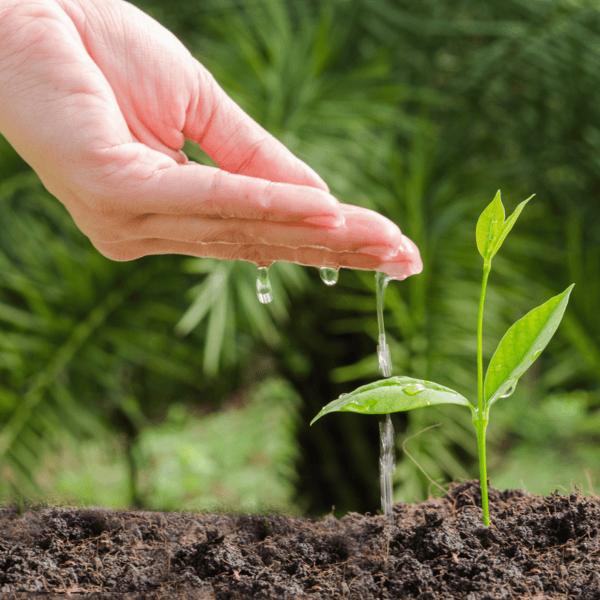
Gift a Tree - Meaningful Environmental Gifts That Make a Difference
Transform your gift-giving with meaningful environmental gifts that create lasting impact for...
-
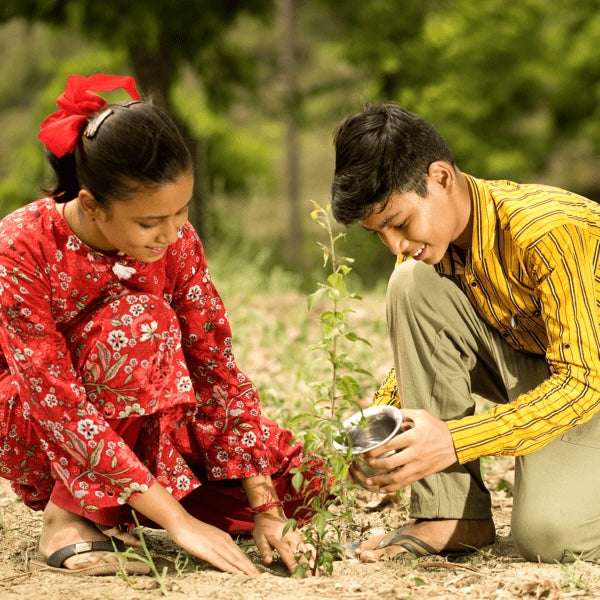
Trees For Shiv Ji - Sacred Tree Planting to Honor Lord Shiva
Honor Lord Shiva through sacred tree planting with Trees For Shiv Ji,...
-
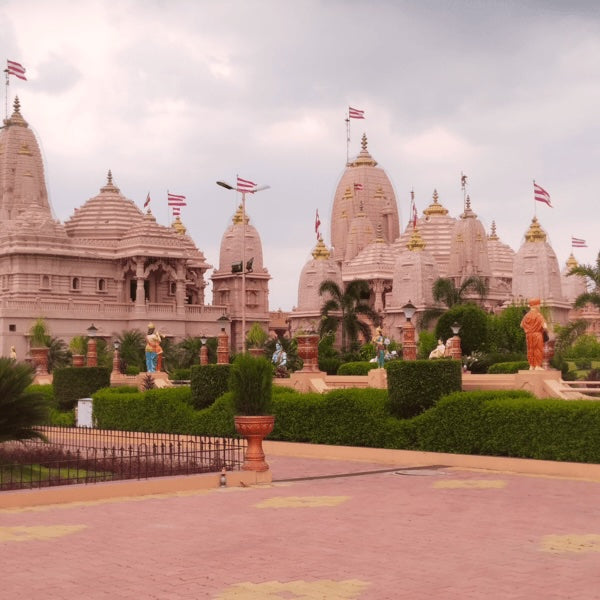
Tree Plantations for Shri Ram - Sacred Devotional Planting Services
Honor Lord Shri Ram through meaningful tree plantations for Shri Ram that...
-
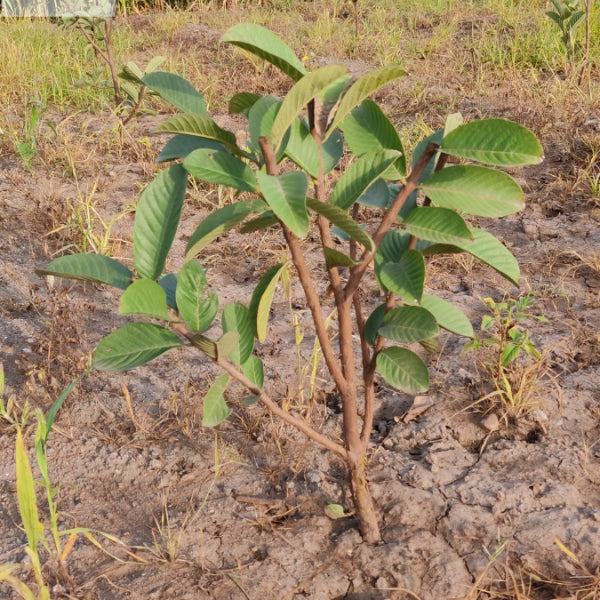
Tree Plantation on Navratri - Celebrate Divine Festivals with Environmental Devotion
Tree plantation on Navratri transforms the sacred nine-day festival into a powerful...
-
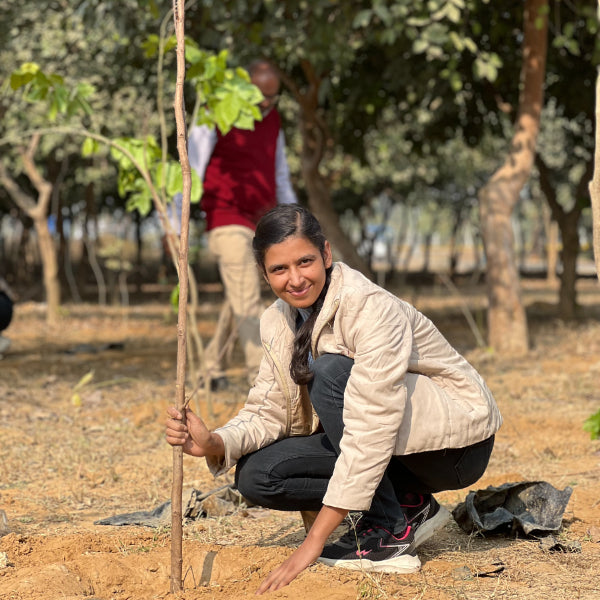
Tree Plantation by Cause - Plant Trees for Every Purpose | Grow Billion Trees
Transform your environmental impact with purpose-driven tree plantation by cause programs that...
Corporate Plantations
-
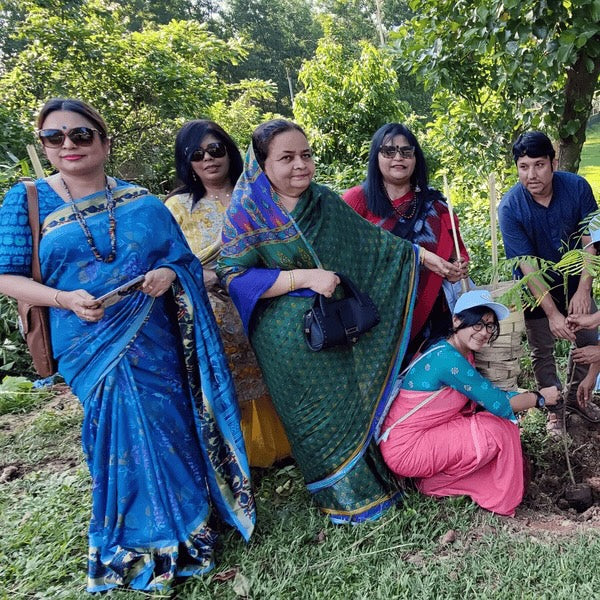
Trees for Corporates - Achieve Net Zero Targets Through Strategic Tree Planting
Trees for Corporates - Strategic Environmental SolutionsTransform your corporate environmental impact with...
-
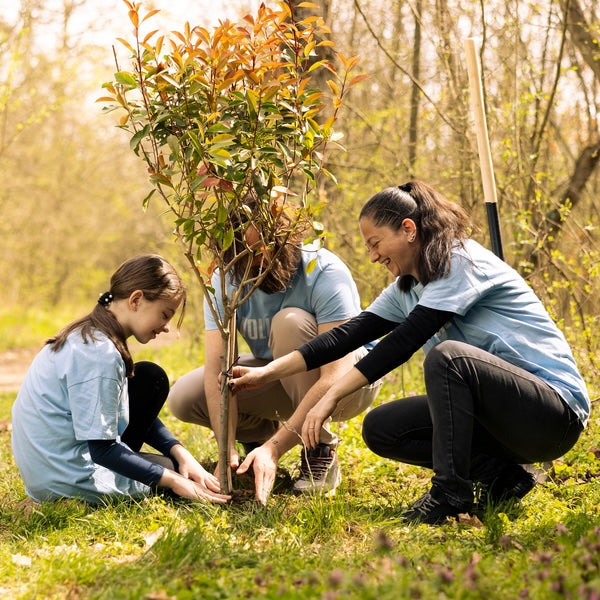
Tree Plantation for CSR - Corporate Environmental Programs | Grow Billion Trees
Tree Plantation for CSR - Transform Your Corporate Environmental ImpactTree plantation for...
-
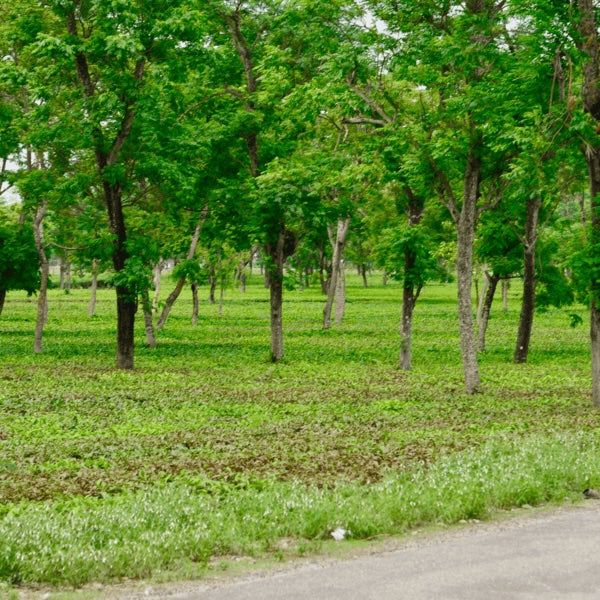
Tree Plantation for SDG - Support Sustainable Development Goals
Tree plantation for SDG initiatives represents a powerful pathway to achieving multiple...
-
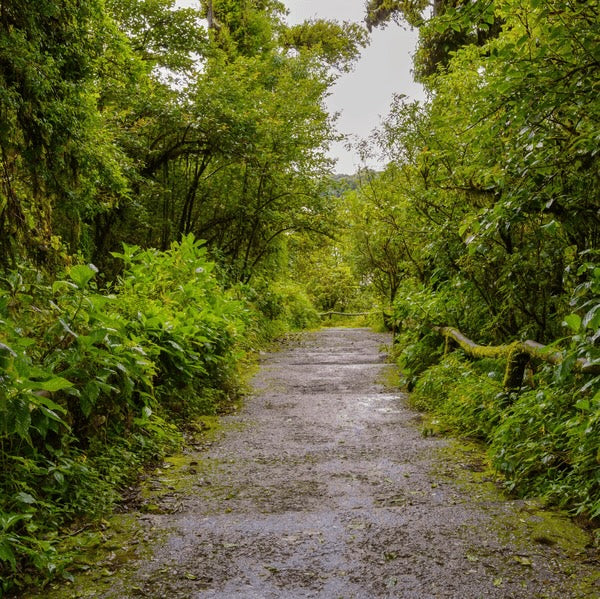
Corporate Tree Plantation Programs - Sustainable ESG Environmental Solutions for Net Zero Targets
Transform your organization's environmental impact with our comprehensive Corporate Tree Plantation Programs...
-
Tree Plantation by Location - Plant Trees Across India
Transform landscapes nationwide through our comprehensive tree plantation by location program. When...
Most Popular Tree Plantations - Top Choices for Environmental Impact
-
Trees for Mother
Regular price ₹ 299Regular priceUnit price per -
Trees to Honor the Memory of your Loved Ones
Regular price ₹ 299Regular priceUnit price per -
Trees for Wedding Anniversary Celebration
Regular price ₹ 299Regular priceUnit price per -
Trees for Grandmother
Regular price ₹ 299Regular priceUnit price per -
Trees for Grandfather
Regular price ₹ 299Regular priceUnit price per