
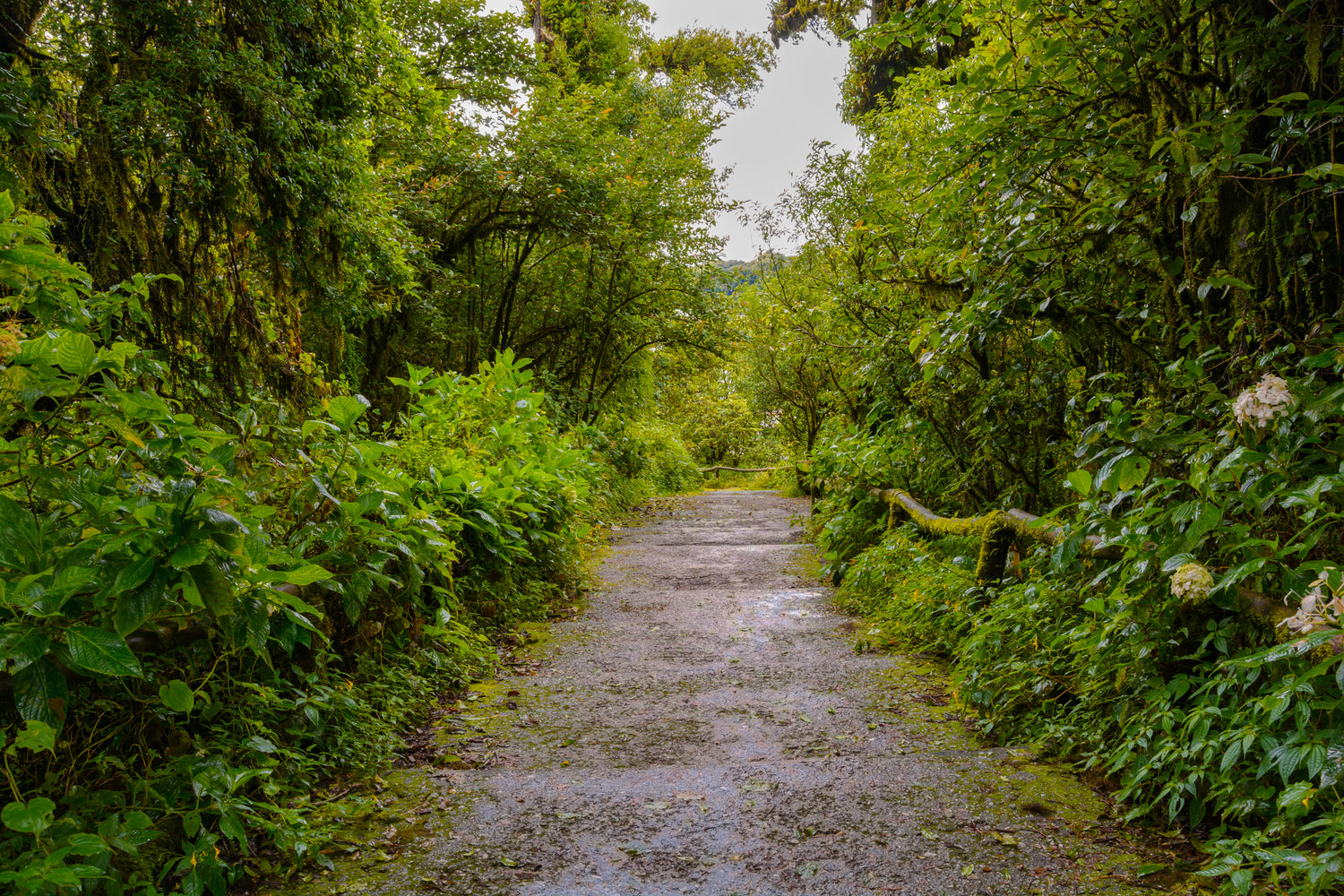
Miyawaki Forest in Nagaland: Reforestation Efforts
The Miyawaki Forest in Nagaland is transforming degraded land into thriving, biodiverse ecosystems at a remarkable pace. Using the proven Miyawaki met Read more
Connect with us
-
👥 Corporates
If you are looking for:
- 🌲 Tree Plantation Events
- 📊 CSR Projects
📧 corporate@growbilliontrees.com
📞 +91 9699723523
💬 +91 9325931304 WhatsApp (Only)
🕒 Mon - Sat | 10am - 7pm IST
-
🧩 Tree Plantation NGOs
If you are looking for:
- 💰 Financial Assistance
- 🤝 Operational Support
📧 support@growbilliontrees.com
📞 +91 9699723523
💬 +91 9325931304 WhatsApp (Only)
🕒 Mon - Sat | 10am - 7pm IST
-
🌼 Individuals
If you are looking for:
- 👥 Group Tree Plantation Drive
- 🌳 Bulk Tree Plantation
📞 +91 9699723523
💬 +91 9325931304 WhatsApp (Only)
🕒 Mon - Sat | 10am - 7pm IST
Plantation Gallery
Trending Tree Plantations - Most Popular Environmental Programs
-
Trees for Mother
Regular price ₹ 299Regular priceUnit price per -
Trees to Honor the Memory of your Loved Ones
Regular price ₹ 299Regular priceUnit price per -
Trees for Women's Day (8th Mar)
Regular price ₹ 299Regular priceUnit price per -
Trees for Wedding Anniversary Celebration
Regular price ₹ 299Regular priceUnit price per -
Trees for Grandmother
Regular price ₹ 299Regular priceUnit price per



Trees for Corporates - Achieve Net Zero Targets Through Strategic Tree Planting
-
 Project Closed
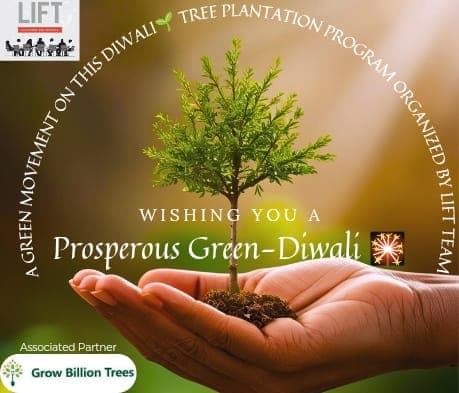
Trees by LIFT Team for Green Diwali: Transform Your Festival
Regular price ₹ 299Regular priceUnit price per -
Trees for a Greener Tomorrow - by Mahindra Lifespaces
Regular price ₹ 299Regular priceUnit price per -
Trees for Environment Day: Plant Your Impact on June 5th
Regular price ₹ 299Regular priceUnit price per -
Trees for Employees: Transform Your Corporate Culture in 2026
Regular price ₹ 299Regular priceUnit price per -
 Project Closed
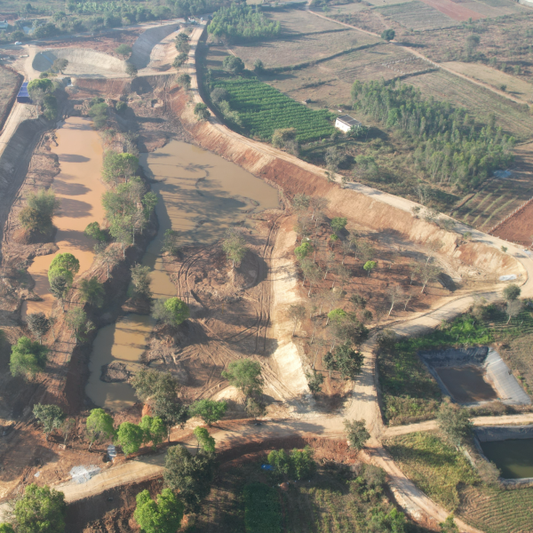
Trees for Bangalore: Plant Native Trees in Garden City ₹299
Regular price ₹ 799Regular priceUnit price per
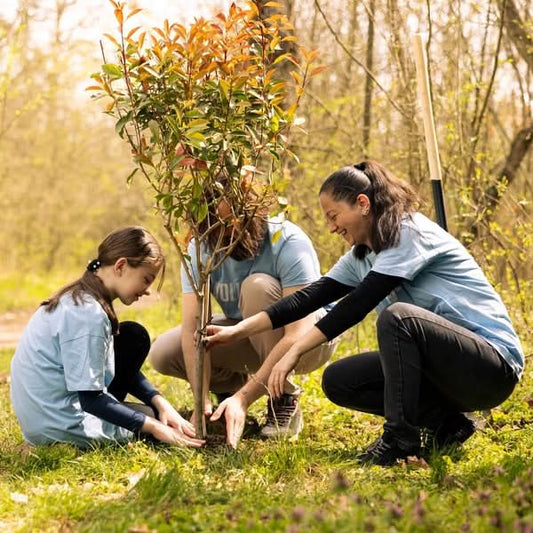
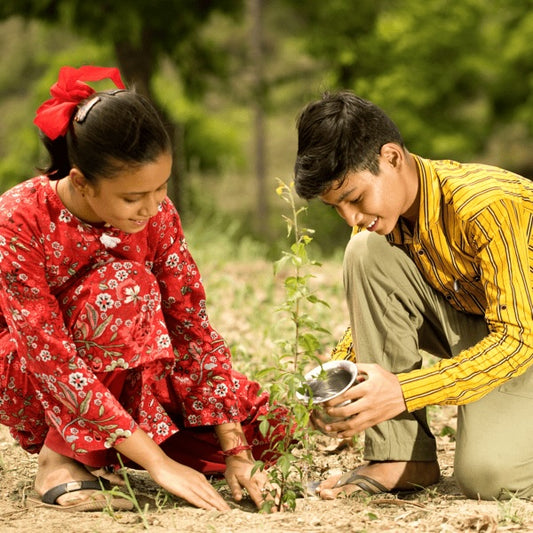
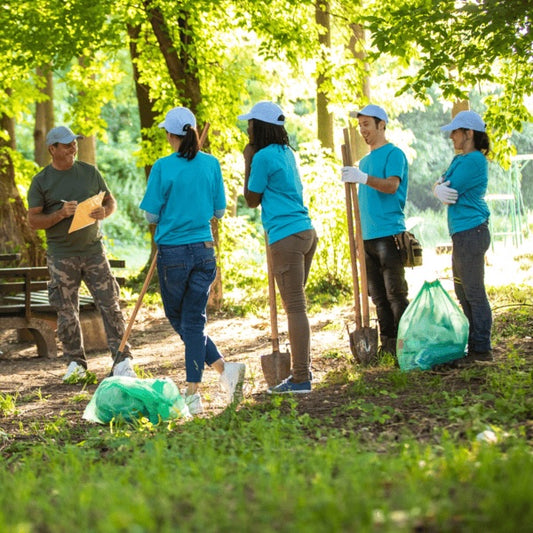
Miyawaki Forest in Nagaland: Reforestation Efforts
The Miyawaki Forest in Nagaland is transforming degraded land into thriving, biodiverse ecosystems at a remarkable pace. Using the proven Miyawaki method, these dense native forests grow ten times faster than conventional plantations. Nagaland, nestled in Northeast India's biodiversity heartland, holds great ecological promise. We are glad to see this green movement gaining powerful momentum across the state in 2026.
According to the United Nations Environment Programme's forests programme, forests support over 80% of terrestrial biodiversity and are essential buffers against climate change. Restoring them through methods like Miyawaki is one of the most effective tools available today.
💡 What Is the Miyawaki Method?
The Miyawaki method was developed by Japanese botanist Akira Miyawaki in the 1970s. It involves planting a mix of native tree species at high density — around three to five plants per square metre. This creates a self-sustaining mini-forest that needs no fertiliser or irrigation after the first two to three years.
These forests are entirely natural and grow rapidly. They improve air quality, reduce urban heat islands, and enhance soil health significantly. In dense urban zones or on degraded farmland, the Miyawaki method is a proven solution for ecological revival. Our team has seen first-hand how barren patches transform into lush canopies within just three years.
✅ Why Nagaland Needs Miyawaki Forests
Nagaland is part of the Indo-Burma biodiversity hotspot — one of the richest and most threatened ecosystems on Earth. However, shifting cultivation, urban expansion, and infrastructure development have put growing pressure on its forests. The WWF's research on deforestation and forest degradation confirms that biodiversity-rich regions like Northeast India face acute risks from unchecked forest loss.
Forests in Nagaland shelter rare hornbills, clouded leopards, and hundreds of endemic plant species. Restoring even small patches through Miyawaki planting makes a meaningful, measurable impact. Moreover, these forests boost water retention, reduce erosion, and support the livelihoods of farming communities.
In 2026, awareness around forest restoration has reached new heights. Nagaland's forest department, civic bodies, NGOs, and corporates are now working together to scale up Miyawaki planting. This is wonderful progress for India's collective green future.
⭐ Popular Miyawaki Forest Projects in Nagaland
Several impactful Miyawaki forest initiatives have taken root across Nagaland's cities and towns. Each project combines local ecological knowledge, native species, and community involvement. Here are some of the most notable projects our partners have been proud to support.
Kohima Urban Miyawaki Forest
Kohima, Nagaland's capital, has witnessed one of the state's most celebrated Miyawaki plantations. Launched in partnership with civic bodies and local communities, this project transformed a degraded hillside into a dense green cover. Over 5,000 native saplings were planted across a 2,000 square metre area. The forest now serves as a natural air purifier and a biodiversity corridor at the city's heart.
Dimapur Green Belt Miyawaki Initiative
Dimapur, Nagaland's largest commercial city, has seen rapid urbanisation put pressure on its green spaces. A Miyawaki green belt was established along industrial and residential corridors to counteract urban heat and air pollution. This initiative planted over 8,000 saplings of 30-plus native species. It has become a great model for eco-friendly urban planning in Northeast India.
Hornbill Festival Miyawaki Plantation Drive
Held annually near Kisama Heritage Village, the Hornbill Festival is Nagaland's premier cultural celebration. In recent editions, this festival has included a dedicated Miyawaki planting drive, combining cultural pride with environmental action. Volunteers, students, and tourists participate together to plant native trees. This is a wonderful example of culture and conservation working hand in hand.
Mokokchung Community Forest Project
In the Ao Naga heartland of Mokokchung, a community-led Miyawaki drive has helped restore degraded hillslopes across several villages. Local youth groups and women's collectives have taken ownership of planting and monitoring. This initiative stands as a strong example of grassroots environmental action that is self-sustaining and deeply rooted in local identity.
✅ Corporates Leading the Green Change in Nagaland
Corporate social responsibility has played a key role in scaling up the Miyawaki Forest in Nagaland. Several organisations have partnered with state agencies and NGOs to fund and execute impactful, lasting forest projects. These collaborations boost both ecological outcomes and corporate Net Zero Targets.
- Oil India Limited — Active in Northeast India's energy sector, Oil India has funded Miyawaki plantation drives in Nagaland as part of its verified environmental CSR mandate.
- NTPC Limited — Through its green initiatives, NTPC has supported biodiversity conservation and native forest restoration across Northeast India, including Nagaland.
- Infosys Foundation — Known for its authentic commitment to sustainability, Infosys Foundation has channelled CSR funding into urban greening and Miyawaki projects across multiple Indian states.
- NABARD — The National Bank for Agriculture and Rural Development has supported agroforestry and Miyawaki initiatives by providing financial backing to farmer groups and certified NGOs in the region.
- Tata Trusts — With a long history of environmental stewardship, Tata Trusts has partnered with local organisations to plant native trees and build self-sustaining forests across Northeast India.
According to the United Nations Climate Change portal, corporate commitments to reforestation are a critical part of the global strategy to limit warming to 1.5°C. These partnerships demonstrate how businesses can improve environmental outcomes while achieving their sustainability goals.
🌿 How Grow Billion Trees Builds Self-Sustainable Miyawaki Forests
Grow Billion Trees is one of India's most trusted reforestation organisations. We help individuals, corporates, and communities Plant a tree in your Name and build lasting environmental impact. Our experience in Miyawaki forest creation spans multiple Indian states, including Northeast India. We have seen how the right mix of native species, soil care, and community involvement transforms barren land into thriving, conscious ecosystems.
Our Miyawaki programme follows a science-based, hands-on approach that ensures every forest we build is genuinely self-sustainable:
- Site Assessment → Our team evaluates soil quality, sunlight, drainage, and native flora before planting begins.
- Native Species Selection → We identify and source species suited to the local climate and ecology of Nagaland's diverse zones.
- High-Density Planting → Saplings are planted at three to five per square metre, mimicking natural forest structure and density.
- Three-Year Care Programme → We provide 4ft Tree Planting + 3 Years Care + GeoTag support to ensure every sapling matures into a healthy, established tree.
- Community Engagement → We involve local communities in planting and monitoring, making each forest genuinely sustainable far beyond our involvement.
Our partners love this model because it is transparent, technology-backed, and proven across diverse climates. We ensure every planted tree is tracked using GeoTag technology, allowing donors and CSR partners to monitor real growth. This builds authentic trust and measurable, data-backed impact that companies can report with confidence.
Grow Billion Trees is proud to be working toward the goal of planting 100 crore trees across India by June 2030. Combating Climate Change Through Collective Action is not just our tagline — it is our mission, lived every day through Miyawaki projects like these across Nagaland and beyond.
The Bigger Picture: India's Reforestation Mission
India has committed to restoring 26 million hectares of degraded land by 2030 under the Bonn Challenge. Miyawaki forests are a key strategy in achieving this target, especially in biodiversity-rich regions like Nagaland. The United Nations Sustainable Development Goals framework highlights reforestation as essential for achieving SDG 13 (Climate Action) and SDG 15 (Life on Land).
A 2026 study by the Indian Council of Forestry Research and Education found that Miyawaki forests in Northeast India sequester carbon at nearly three times the rate of monoculture plantations. Therefore, scaling this method is both an ecological and a climate imperative. When corporates, communities, and organisations work together, the impact multiplies many times over.
However, results depend on choosing the right partner. Grow Billion Trees brings certified expertise, transparent reporting, and deep community networks to every project. Explore our Miyawaki programmes and discover how you can contribute to India's green transformation today. Visit Grow Billion Trees to learn more and take your first step.
Frequently Asked Questions
What is a Miyawaki Forest in Nagaland?
A Miyawaki Forest in Nagaland is a dense, native tree plantation created using the Japanese Miyawaki method. Multiple native species are planted close together to grow into a self-sustaining ecosystem within two to three years, with no need for irrigation or fertilisers after that.
Why is the Miyawaki method important for Nagaland?
Nagaland is part of the Indo-Burma biodiversity hotspot and faces serious threats from deforestation and land degradation. The Miyawaki method rapidly restores native forest cover and supports local wildlife, making it ideal for the region's ecological and climate needs.
Which corporates have supported Miyawaki forests in Nagaland?
Several corporates including Oil India Limited, NTPC, Infosys Foundation, NABARD, and Tata Trusts have supported Miyawaki planting drives in Nagaland through CSR initiatives and partnerships with local and national organisations.
How does Grow Billion Trees support Miyawaki forest creation?
Grow Billion Trees provides end-to-end support for Miyawaki forest creation, including site assessment, native species selection, high-density planting, three-year care, and GeoTag tracking. We work with corporates and communities to build self-sustainable forests across India.
Can I plant a tree in Nagaland through Grow Billion Trees?
Yes! Grow Billion Trees allows you to Plant a tree in your Name in Nagaland and across India. You receive a personalised certificate and can track your tree's growth using our GeoTag technology platform.
What native species are used in Nagaland Miyawaki forests?
Native species used in Nagaland Miyawaki forests include Alder, Hollong, Nahor, Gambhar, and various fruiting and flowering trees native to the Indo-Burma region. Using native species ensures the forest becomes self-sustaining and supports local wildlife.
How do Miyawaki forests help companies achieve net zero targets?
Miyawaki forests sequester carbon rapidly and create verifiable green cover, helping companies offset their emissions. Grow Billion Trees partners with corporates to provide certified, GeoTag-tracked reforestation that directly supports Net Zero Targets.
How long does it take for a Miyawaki forest to become self-sustaining?
A well-planted Miyawaki forest typically becomes self-sustaining within two to three years after planting. After this period, no irrigation or fertiliser is needed, and the forest grows, thrives, and expands naturally on its own.Ready to make a real difference? Explore our Miyawaki and tree planting programmes at Grow Billion Trees and join thousands of conscious individuals and corporates who are helping plant 100 crore trees across India. Together, we can nurture a greener, more resilient future — one tree at a time.
You may like
-
Gift a Tree - Meaningful Environmental Gifts That Make a Difference
Transform your gift-giving with meaningful environmental gifts that create lasting impact for...
-
Trees For Shiv Ji - Sacred Tree Planting to Honor Lord Shiva
Honor Lord Shiva through sacred tree planting with Trees For Shiv Ji,...
-

Tree Plantations for Shri Ram - Sacred Devotional Planting Services
Honor Lord Shri Ram through meaningful tree plantations for Shri Ram that...
-
Tree Plantation on Navratri - Celebrate Divine Festivals with Environmental Devotion
Tree plantation on Navratri transforms the sacred nine-day festival into a powerful...
-
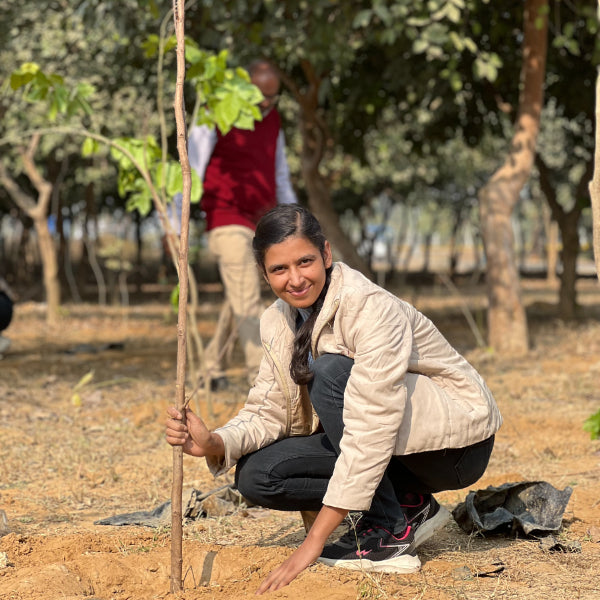
Tree Plantation by Cause - Plant Trees for Every Purpose | Grow Billion Trees
Transform your environmental impact with purpose-driven tree plantation by cause programs that...
Corporate Plantations
-
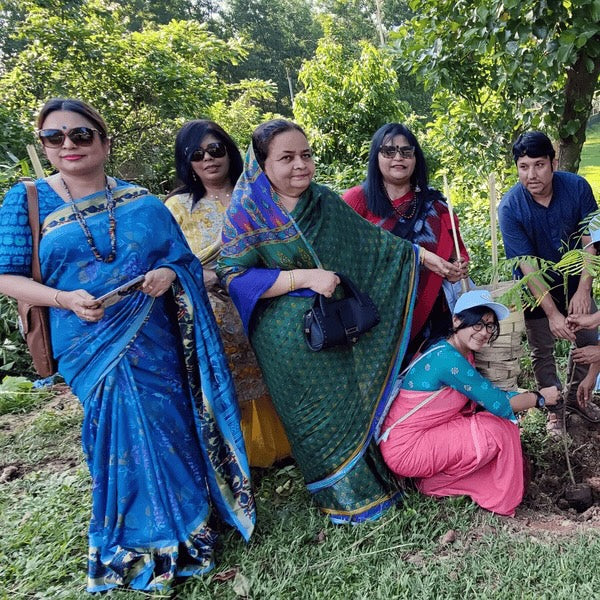
Trees for Corporates - Achieve Net Zero Targets Through Strategic Tree Planting
Trees for Corporates - Strategic Environmental SolutionsTransform your corporate environmental impact with...
-
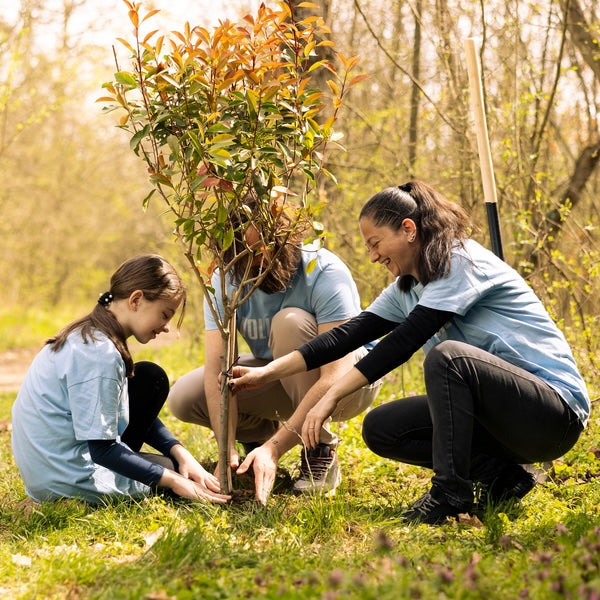
Tree Plantation for CSR - Corporate Environmental Programs | Grow Billion Trees
Tree Plantation for CSR - Transform Your Corporate Environmental ImpactTree plantation for...
-
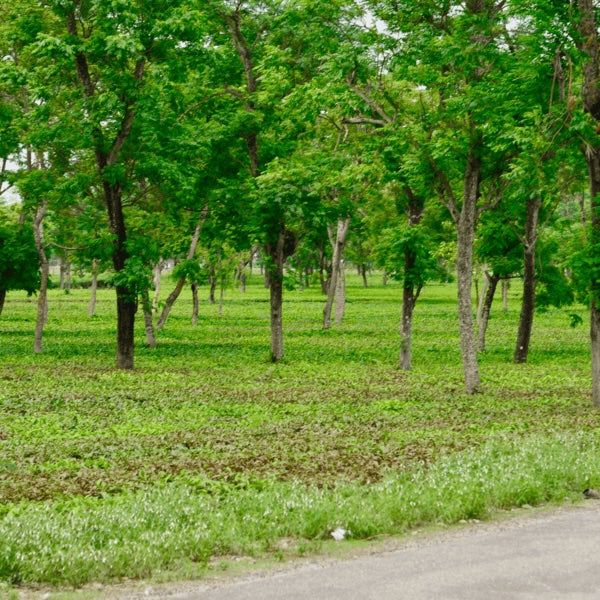
Tree Plantation for SDG - Support Sustainable Development Goals
Tree plantation for SDG initiatives represents a powerful pathway to achieving multiple...
-
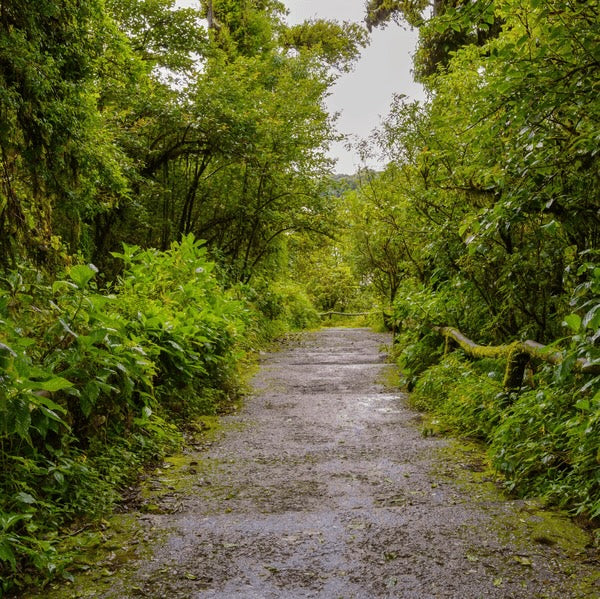
Corporate Tree Plantation Programs - Sustainable ESG Environmental Solutions for Net Zero Targets
Transform your organization's environmental impact with our comprehensive Corporate Tree Plantation Programs...
-
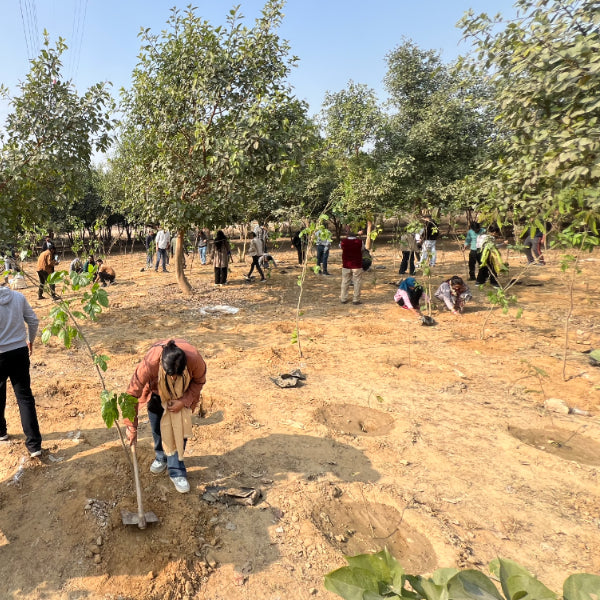
Tree Plantation by Location - Plant Trees Across India
Transform landscapes nationwide through our comprehensive tree plantation by location program. When...
Most Popular Tree Plantations - Top Choices for Environmental Impact
-
Trees for Mother
Regular price ₹ 299Regular priceUnit price per -
Trees to Honor the Memory of your Loved Ones
Regular price ₹ 299Regular priceUnit price per -
Trees for Wedding Anniversary Celebration
Regular price ₹ 299Regular priceUnit price per -
Trees for Grandmother
Regular price ₹ 299Regular priceUnit price per -
Trees for Grandfather
Regular price ₹ 299Regular priceUnit price per