
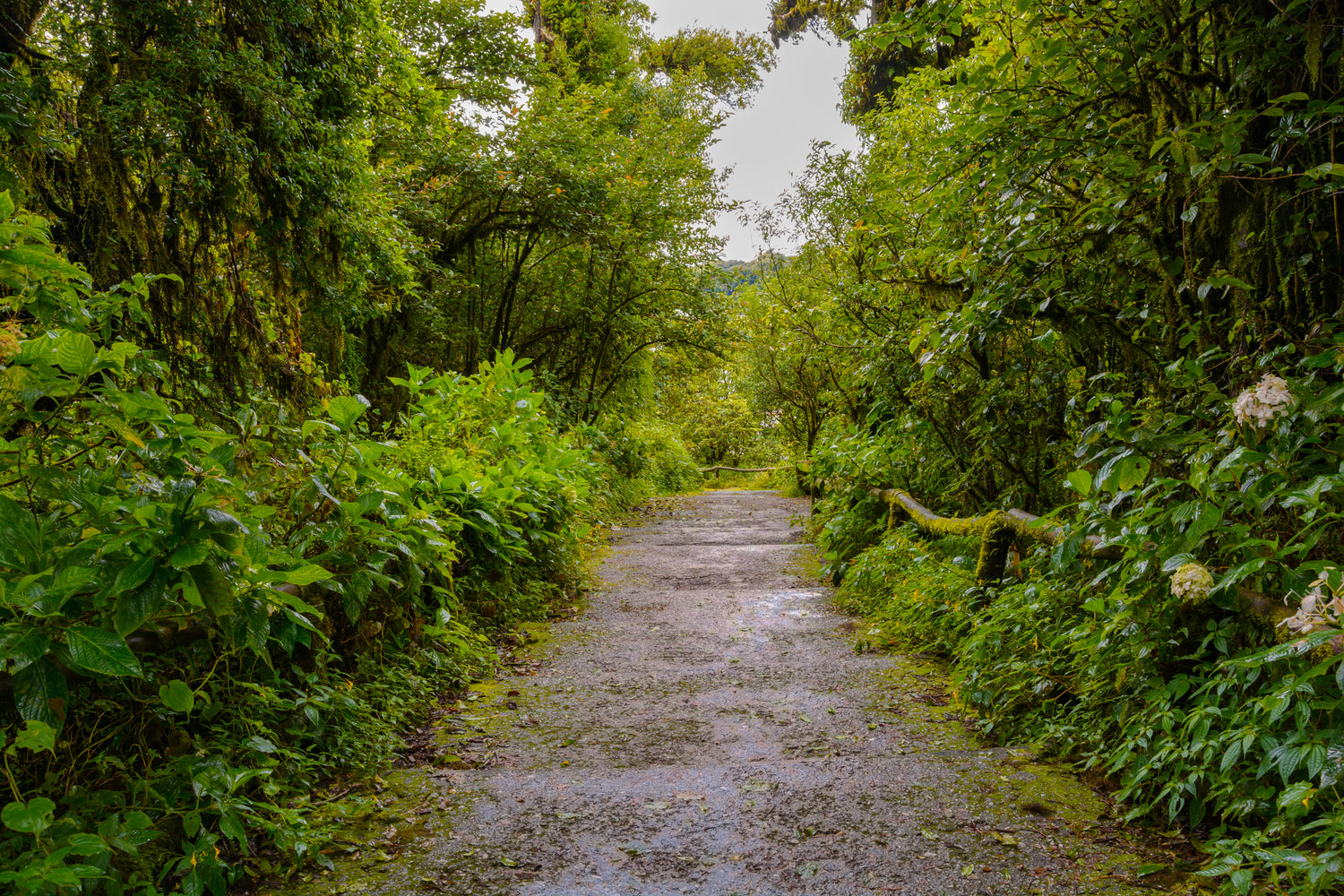
Miyawaki Forest in Sikkim: India's Green Revolution
Miyawaki Forest in Sikkim is transforming how India approaches urban greening and ecological restoration. This proven, natural method creates dense, s Read more
Connect with us
-
👥 Corporates
If you are looking for:
- 🌲 Tree Plantation Events
- 📊 CSR Projects
📧 corporate@growbilliontrees.com
📞 +91 9699723523
💬 +91 9325931304 WhatsApp (Only)
🕒 Mon - Sat | 10am - 7pm IST
-
🧩 Tree Plantation NGOs
If you are looking for:
- 💰 Financial Assistance
- 🤝 Operational Support
📧 support@growbilliontrees.com
📞 +91 9699723523
💬 +91 9325931304 WhatsApp (Only)
🕒 Mon - Sat | 10am - 7pm IST
-
🌼 Individuals
If you are looking for:
- 👥 Group Tree Plantation Drive
- 🌳 Bulk Tree Plantation
📞 +91 9699723523
💬 +91 9325931304 WhatsApp (Only)
🕒 Mon - Sat | 10am - 7pm IST
Plantation Gallery
Trending Tree Plantations - Most Popular Environmental Programs
-
Trees for Mother
Regular price ₹ 299Regular priceUnit price per -
Trees to Honor the Memory of your Loved Ones
Regular price ₹ 299Regular priceUnit price per -
Trees for Women's Day (8th Mar)
Regular price ₹ 299Regular priceUnit price per -
Trees for Wedding Anniversary Celebration
Regular price ₹ 299Regular priceUnit price per -
Trees for Grandmother
Regular price ₹ 299Regular priceUnit price per



Trees for Corporates - Achieve Net Zero Targets Through Strategic Tree Planting
-
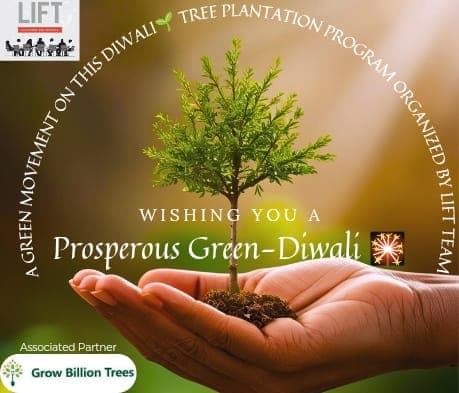 Project Closed
Trees by LIFT Team for Green Diwali: Transform Your Festival
Regular price ₹ 299Regular priceUnit price per -
Trees for a Greener Tomorrow - by Mahindra Lifespaces
Regular price ₹ 299Regular priceUnit price per -
Trees for Environment Day: Plant Your Impact on June 5th
Regular price ₹ 299Regular priceUnit price per -
Trees for Employees: Transform Your Corporate Culture in 2026
Regular price ₹ 299Regular priceUnit price per -
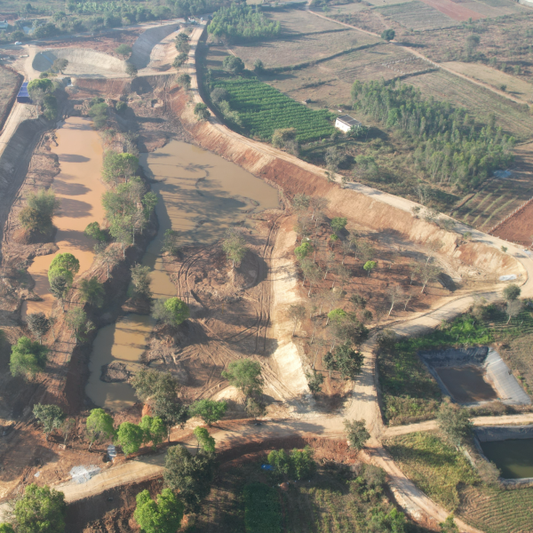 Project Closed
Trees for Bangalore: Plant Native Trees in Garden City ₹299
Regular price ₹ 799Regular priceUnit price per
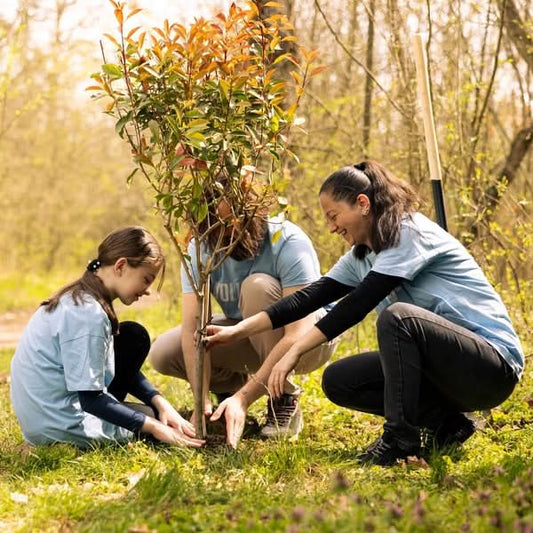
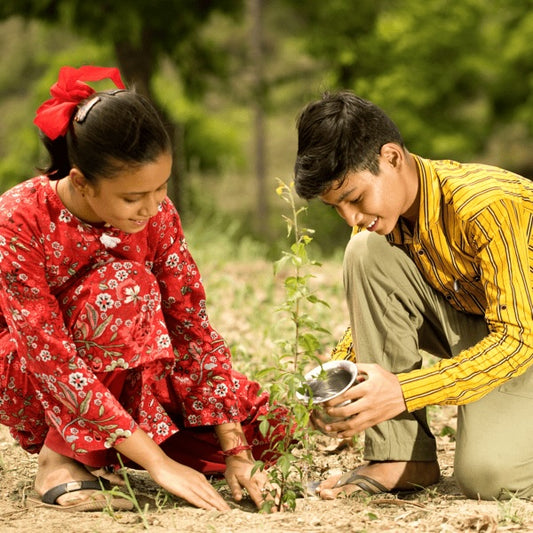
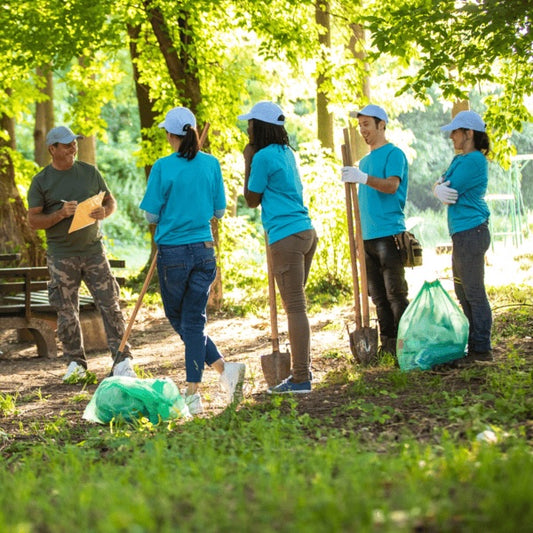
Miyawaki Forest in Sikkim: Revolutionary Green Revolution
Miyawaki Forest in Sikkim is transforming how India approaches urban greening and ecological restoration. This proven, natural method creates dense, self-sustaining forests up to 10 times faster than conventional planting. In Sikkim — India's first fully organic state — the Miyawaki method is taking root with remarkable results, and the green impact grows stronger every year.
According to the United Nations Environment Programme on Forests, forests support over 80% of terrestrial biodiversity and are essential to global climate stability. As deforestation accelerates worldwide, Miyawaki forests offer one of the most powerful, science-backed solutions available today.
What Is the Miyawaki Method? ✅
The Miyawaki method was pioneered by Japanese botanist Dr. Akira Miyawaki. It involves planting multiple native species in dense, layered arrangements to mimic a natural forest ecosystem. These forests grow 10 times faster, become 30 times denser, and support 100 times more biodiversity than conventional plantations.
A Miyawaki forest becomes largely maintenance-free within just two to three years. Each tree acts as a living carbon sink, helping communities and corporates meet their environmental goals. This makes it a wonderful and proven tool for Combating Climate Change Through Collective Action across India.
Why Sikkim Is Perfect for Miyawaki Forests 💡
Sikkim's extraordinary natural heritage makes it an ideal canvas for Miyawaki planting. The state hosts over 5,000 flowering plant species, 550 orchid varieties, and 144 mammal species. Its ecological diversity and commitment to organic practices align perfectly with Miyawaki principles.
The state government's eco-friendly policies encourage native species restoration across varied terrain — from subtropical valleys to alpine zones. As a result, Miyawaki forests in Sikkim integrate seamlessly into the natural landscape. According to the World Wildlife Fund's deforestation and forest degradation report, the world loses approximately 4.7 million hectares of forest annually. However, states like Sikkim are actively reversing this trend through science-backed green initiatives.
Popular Miyawaki Forests in Sikkim ⭐
Several landmark Miyawaki forest projects have taken shape across Sikkim. These projects demonstrate what becomes possible when government bodies, local communities, and corporates work together toward a shared green future.
Gangtok Urban Miyawaki Forest
Located near the state capital, this urban forest spans over two acres of previously barren land. The Gangtok Municipal Corporation partnered with environmental groups to plant over 15,000 native saplings across multiple layers. The forest now stands as a thriving green lung for the city, improving air quality and supporting local wildlife communities.
Namchi Green Belt Miyawaki Project
The Namchi Green Belt project was launched with support from Sikkim's Forest Department in South Sikkim district. Over 20,000 trees were planted across native species layers covering degraded hillside terrain. Today, the forest is self-sustainable and has become a source of community pride and ecological renewal.
Ranipool Eco-Restoration Forest
The Ranipool project near the Teesta River corridor focused on restoring riverine biodiversity. Local schools and community groups participated alongside the state government in this natural restoration effort. The forest has helped prevent soil erosion and reintroduced native plant species to a sensitive ecological zone.
Corporates Driving the Green Revolution in Sikkim ✅
Corporate participation has become a vital force behind the growth of Miyawaki Forest in Sikkim. Companies pursuing Net Zero Targets are increasingly turning to Miyawaki forestry as a verified, high-impact path to offsetting carbon emissions. In 2026, data from India's Ministry of Environment shows corporate-backed green initiatives have grown by over 38% nationally.
- Tata Group CSR Initiatives — Tata companies have actively supported reforestation across Northeast India, including eco-restoration projects in Sikkim that follow Miyawaki principles and native species protocols.
- Infosys Foundation — Infosys Foundation's sustainability programs have supported urban greening in hill towns and Tier-2 cities, with Sikkim benefiting from their mindful CSR investments in green infrastructure.
- Tech Mahindra Green Warriors — Tech Mahindra's employee volunteering program has supported tree plantation drives across Sikkim, with Miyawaki plots established near Gangtok to improve urban biodiversity.
- Sikkim Organic Mission Partners — Several agri-tech and FMCG brands aligned with Sikkim's organic identity have co-funded Miyawaki forest plots as part of their supply chain sustainability and ESG commitments.
These partnerships demonstrate that conscious, mission-aligned collaboration between the public and private sectors can transform India's green landscape at scale. Moreover, they set a great example for other states to follow.
How Grow Billion Trees Builds Self-Sustainable Miyawaki Forests 💡
Grow Billion Trees is a mission-driven platform committed to planting 100 crore trees across India by June 2030. We are happy to share that our Miyawaki program is among the most comprehensive and technically robust offerings in the country. Our team works hands-on at every stage — from site assessment to species selection to long-term monitoring.
Our experience shows that the most successful Miyawaki forests are built on deep ecological knowledge and consistent care. We ensure every project follows a strict scientific protocol using only native, organic species suited to local soil and climate. This is what makes our forests genuinely self-sustainable and impactful over time.
Our Miyawaki Process → Step by Step
- Site Assessment — Our experts conduct soil testing, topography mapping, and biodiversity surveys before any planting begins.
- Native Species Selection — We identify 20 to 30 native species across canopy, sub-canopy, shrub, and ground layers tailored to each site.
- Soil Enrichment — We use natural, biomass-based amendments to improve soil fertility and water retention without any toxic inputs.
- Dense Multi-Layer Planting — Following our 4ft Tree Planting standard, trees are planted at high density to trigger natural forest dynamics and rapid canopy closure.
- 3 Years Care + GeoTag — Every tree receives 3 Years Care and is tracked using our GeoTag technology. You can monitor your forest's growth in real time through our verified platform.
We provide corporate partners with certified impact reports, carbon sequestration data, and authentic environmental credentials. This makes it easy for companies to demonstrate progress against their Net Zero Targets with full confidence and transparency.
Individuals can also Plant a tree in your Name through our platform, contributing directly to Miyawaki projects in Sikkim and across India. Every tree you plant becomes part of a living, growing ecosystem — a wonderful legacy for generations to come.
The Broader Impact: Why This Matters for India's Future 🌿
The United Nations Climate Change Action framework highlights that restoring forests is among the most cost-effective climate solutions available. Miyawaki forests deliver measurable biodiversity gains, carbon storage, and community benefits at remarkable scale. In Sikkim, every forest planted adds to the state's natural resilience and helps combat the effects of accelerating climate change.
These forests reduce landslide risk, improve groundwater recharge, and create habitat for endangered species. The benefits compound over time, making every tree planted today a great investment in India's green future. Furthermore, the United Nations Sustainable Development Goals explicitly call for action to protect and restore terrestrial ecosystems — and Miyawaki forests in Sikkim directly support SDG 13 (Climate Action), SDG 15 (Life on Land), and SDG 11 (Sustainable Cities).
Benefits of Miyawaki Forests at a Glance ✅
- Grow 10x faster than conventional forests
- Support 100x more biodiversity than monoculture plantations
- Become self-sustaining within 2 to 3 years
- Improve air quality and reduce urban heat islands
- Help corporates achieve verified Net Zero Targets
- Prevent soil erosion and boost groundwater recharge
- Create habitat for native wildlife and pollinators
- Serve as a living memorial, gift, or tribute through personalised planting
Frequently Asked Questions
What is a Miyawaki Forest in Sikkim?
A Miyawaki Forest in Sikkim is a dense, multi-layered native forest created using the Japanese Miyawaki method. It uses local species to restore biodiversity and grows up to 10 times faster than conventional forests. Sikkim's organic and ecologically rich environment makes it one of India's best locations for this method.
How does the Miyawaki method work?
The Miyawaki method involves planting multiple layers of native species — canopy, sub-canopy, shrub, and ground cover — in close proximity. Dense planting triggers natural forest dynamics, causing rapid, self-organised growth. The forest becomes self-sustaining within two to three years with minimal maintenance required.
Which corporates have supported Miyawaki forests in Sikkim?
Several leading corporates have supported green initiatives in Sikkim, including Tata Group, Infosys Foundation, Tech Mahindra, and partners of the Sikkim Organic Mission. These companies use Miyawaki forest projects to meet their corporate sustainability and Net Zero Target commitments in a verified, impactful way.
How does Grow Billion Trees support Miyawaki forest creation?
Grow Billion Trees provides end-to-end support for Miyawaki projects, including site assessment, native species selection, soil enrichment, 4ft Tree Planting, and 3 Years Care + GeoTag monitoring. Our certified team ensures every forest is scientifically designed to become genuinely self-sustainable over time.
Can individuals plant a Miyawaki tree through Grow Billion Trees?
Yes, individuals can Plant a tree in your Name through Grow Billion Trees. Your tree becomes part of an active Miyawaki forest project, and you receive a personalised tree certificate along with GeoTag tracking access. It makes a meaningful and eco-friendly gift for any occasion.
What makes Sikkim ideal for Miyawaki forest projects?
Sikkim's rich native biodiversity, organic farming culture, and strong government support for eco-friendly initiatives make it one of India's best states for Miyawaki planting. Its varied terrain offers diverse native species combinations across subtropical and alpine zones. These conditions help Miyawaki forests thrive naturally with minimal intervention.
How do Miyawaki forests help combat climate change?
Miyawaki forests absorb carbon dioxide, reduce urban heat, improve air quality, and support biodiversity — all critical for climate resilience. Their rapid growth means they begin delivering climate benefits within months of planting. This is why they are a key strategy for Combating Climate Change Through Collective Action across India.
Are Miyawaki forests certified for corporate ESG reporting?
Yes, when developed through verified partners like Grow Billion Trees, Miyawaki forests can be used for certified ESG and sustainability reporting. We provide impact reports, carbon sequestration data, and secure, authentic environmental credentials. These support transparent corporate Net Zero Target claims with confidence.Grow Billion Trees is building a greener, more resilient India — one Miyawaki forest at a time. We are glad to partner with individuals, communities, and corporates who love our planet and want to leave a lasting legacy. Discover how you can contribute to planting 100 crore trees and join the movement for a greener earth. Explore your planting options and take meaningful action today at Grow Billion Trees.
You may like
-
Gift a Tree - Meaningful Environmental Gifts That Make a Difference
Transform your gift-giving with meaningful environmental gifts that create lasting impact for...
-
Trees For Shiv Ji - Sacred Tree Planting to Honor Lord Shiva
Honor Lord Shiva through sacred tree planting with Trees For Shiv Ji,...
-
Tree Plantations for Shri Ram - Sacred Devotional Planting Services
Honor Lord Shri Ram through meaningful tree plantations for Shri Ram that...
-
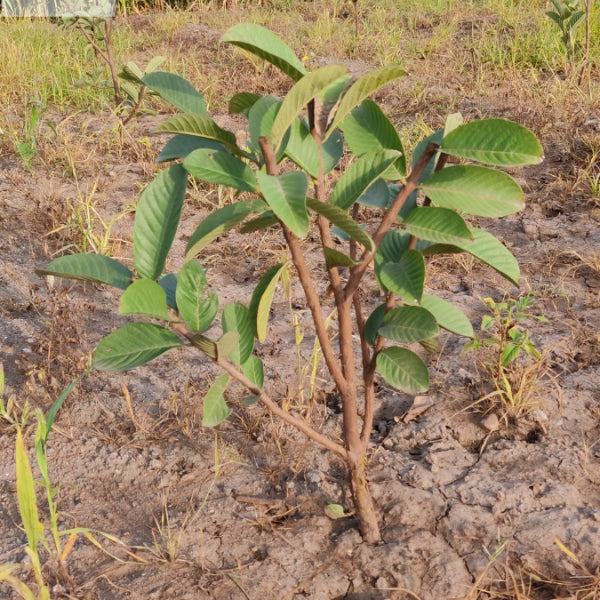
Tree Plantation on Navratri - Celebrate Divine Festivals with Environmental Devotion
Tree plantation on Navratri transforms the sacred nine-day festival into a powerful...
-
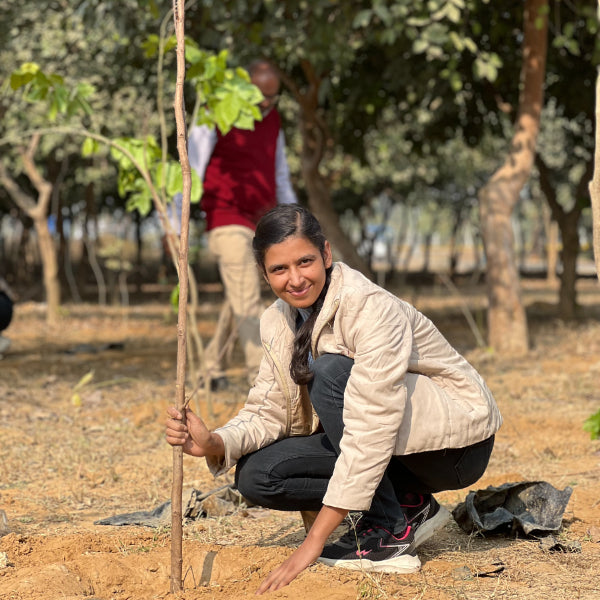
Tree Plantation by Cause - Plant Trees for Every Purpose | Grow Billion Trees
Transform your environmental impact with purpose-driven tree plantation by cause programs that...
Corporate Plantations
-
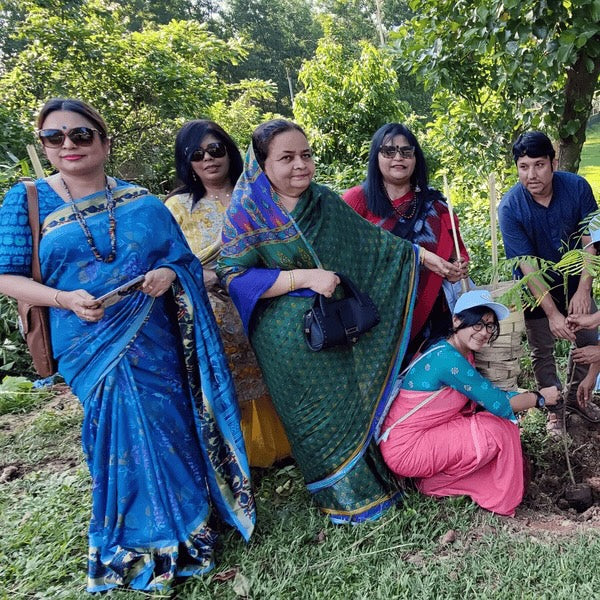
Trees for Corporates - Achieve Net Zero Targets Through Strategic Tree Planting
Trees for Corporates - Strategic Environmental SolutionsTransform your corporate environmental impact with...
-
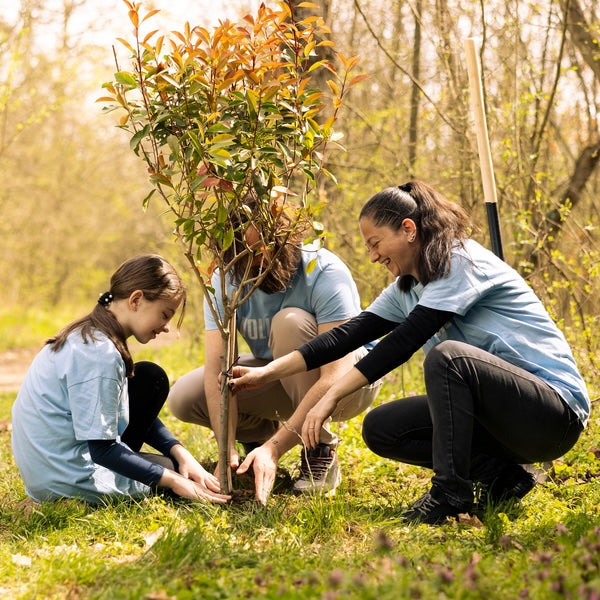
Tree Plantation for CSR - Corporate Environmental Programs | Grow Billion Trees
Tree Plantation for CSR - Transform Your Corporate Environmental ImpactTree plantation for...
-
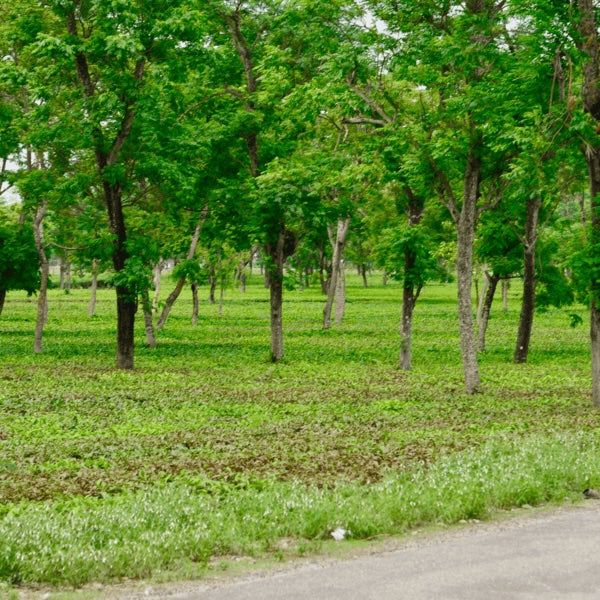
Tree Plantation for SDG - Support Sustainable Development Goals
Tree plantation for SDG initiatives represents a powerful pathway to achieving multiple...
-
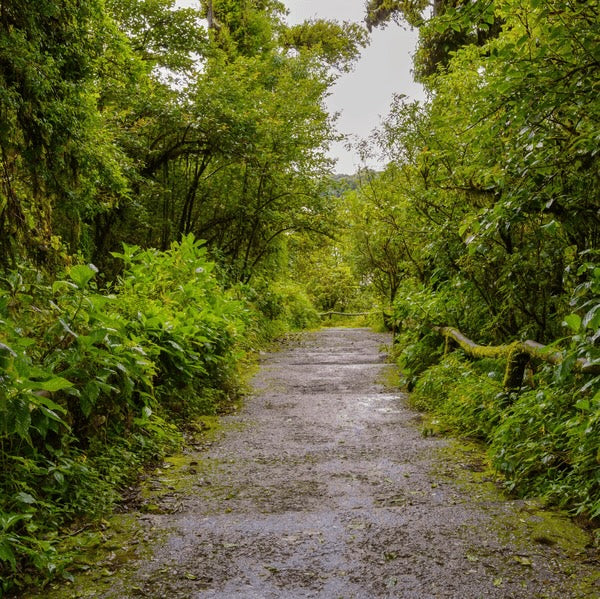
Corporate Tree Plantation Programs - Sustainable ESG Environmental Solutions for Net Zero Targets
Transform your organization's environmental impact with our comprehensive Corporate Tree Plantation Programs...
-
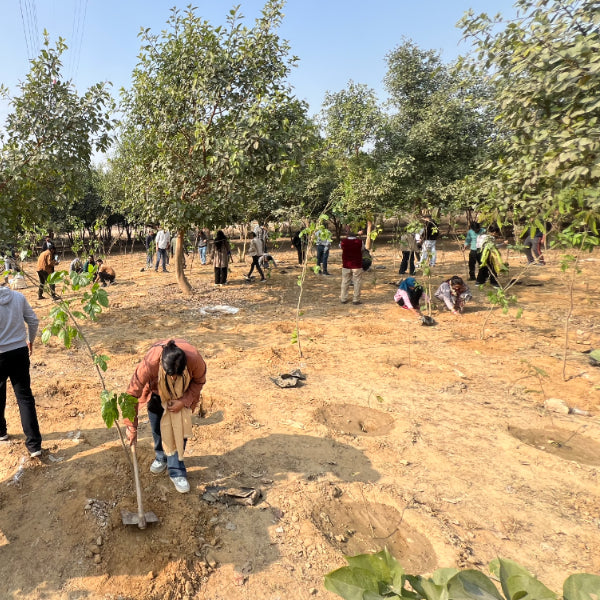
Tree Plantation by Location - Plant Trees Across India
Transform landscapes nationwide through our comprehensive tree plantation by location program. When...
Most Popular Tree Plantations - Top Choices for Environmental Impact
-
Trees for Mother
Regular price ₹ 299Regular priceUnit price per -
Trees to Honor the Memory of your Loved Ones
Regular price ₹ 299Regular priceUnit price per -
Trees for Wedding Anniversary Celebration
Regular price ₹ 299Regular priceUnit price per -
Trees for Grandmother
Regular price ₹ 299Regular priceUnit price per -
Trees for Grandfather
Regular price ₹ 299Regular priceUnit price per