
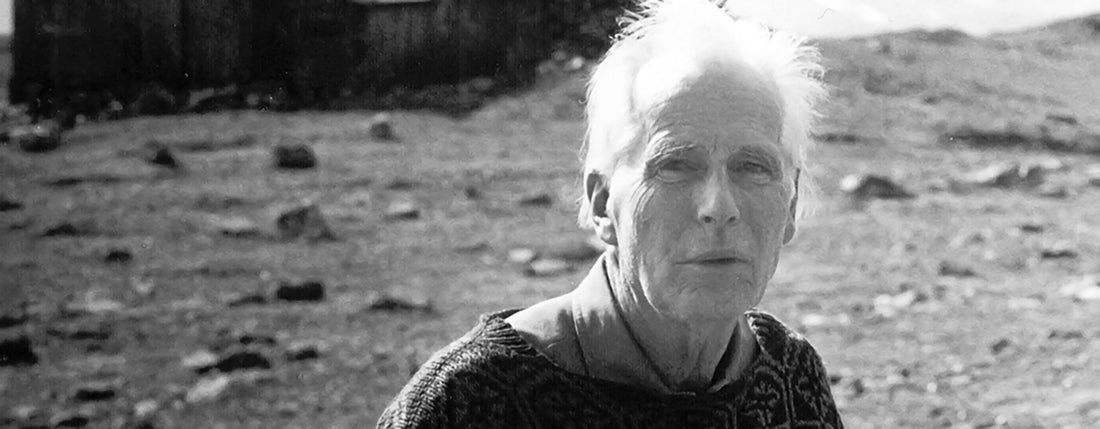
Arne Naess revolutionized environmental thinking by developing Deep Ecology, a radical philosophy that values all life forms equally. The Norwegian philosopher's groundbreaking work challenges humanity to shift from human-centered to nature-centered Read more
Trending Tree Plantations - Most Popular Environmental Programs
-
Trees for Birthday Celebration - Plant a Meaningful Gift
Regular price ₹ 299Regular priceUnit price per -
Trees for Mother
Regular price ₹ 299Regular priceUnit price per -
Trees as a Gift - Plant Hope & Create Lasting Impact
Regular price ₹ 299Regular priceUnit price per -
Trees to Honor the Memory of your Loved Ones
Regular price ₹ 299Regular priceUnit price per -
Trees for Women's Day (8th Mar)
Regular price ₹ 299Regular priceUnit price per


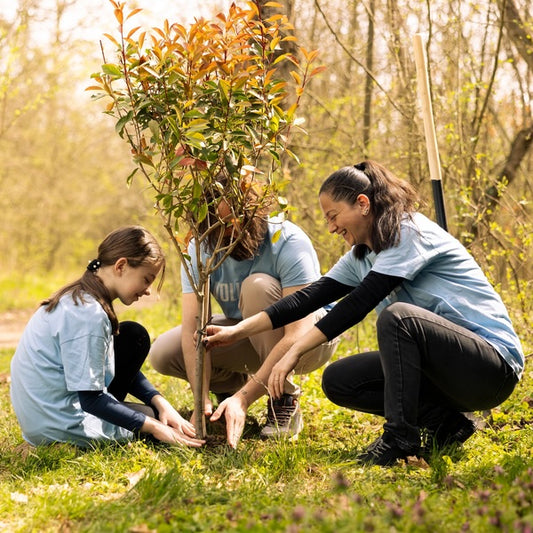

Trees for Corporates - Achieve Net Zero Targets Through Strategic Tree Planting
-
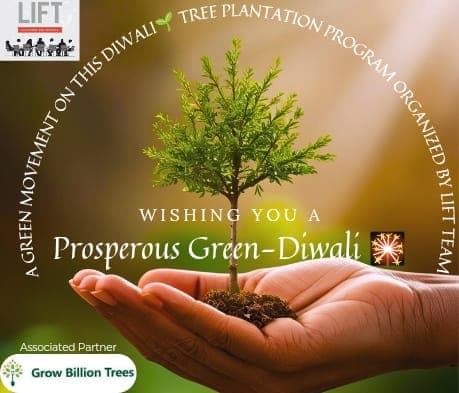
Trees by LIFT Team for Green Diwali - Eco-Friendly Celebration
Regular price ₹ 299Regular priceUnit price per -
Plant Trees for Environment - Climate Action & Green Future
Regular price ₹ 299Regular priceUnit price per -
Trees for a Greener Tomorrow - by Mahindra Lifespaces
Regular price ₹ 299Regular priceUnit price per -
Trees for Farmers - Sustainable Agroforestry Solutions
Regular price ₹ 299Regular priceUnit price per -
Plant Trees for Environment Day (5th Jun) - Make an Impact Today
Regular price ₹ 299Regular priceUnit price per


Arne Naess: Deep Ecology Pioneer & Environmental Philosophy
Arne Naess revolutionized environmental thinking by developing Deep Ecology, a radical philosophy that values all life forms equally. The Norwegian philosopher's groundbreaking work challenges humanity to shift from human-centered to nature-centered thinking, inspiring millions to plant trees and protect ecosystems worldwide.
In our mission to plant 100 crore trees across India, we find profound inspiration in Naess's philosophy. His belief that nature possesses intrinsic value aligns perfectly with our vision of Combating Climate Change Through Collective Action.
Who Was Arne Naess? The Philosopher-Mountaineer
Born in 1912 in Norway, Arne Naess was more than just a philosopher—he was a mountaineer, activist, and nature lover who became Norway's youngest professor at just 27 years old. His unique blend of academic rigor and deep appreciation for the natural world laid the foundation for modern environmental ethics.
Naess spent countless hours in Norway's wilderness, developing his philosophical ideas while climbing over 20 major peaks. This intimate connection with nature shaped his revolutionary thinking about humanity's relationship with the environment.
Understanding Deep Ecology: A Radical Green Philosophy ✅
At the heart of Naess's philosophy lies Deep Ecology—a transformative framework that views all life forms as equally valuable. Unlike shallow ecology, which focuses on conserving nature for human benefit, Deep Ecology argues that nature has intrinsic value, independent of its usefulness to humans.
This philosophy resonates deeply with our approach to tree planting. When you Plant a tree in your Name for ₹299, you're participating in a movement that honors nature's inherent worth, not just its utility to humanity.
Core Principles That Guide Environmental Action
- ✅ All life forms possess inherent value beyond human purposes
- ✅ Human interference with natural ecosystems is excessive and harmful
- ✅ Non-human life's flourishing requires reduced human consumption
- ✅ Society must shift from anthropocentrism to ecocentrism
- ✅ Local, small-scale communities promote better sustainability
Philosophy Meets Activism: The Power of Applied Thinking 💡
Naess believed that philosophy should inspire concrete action. He participated in environmental protests, including direct action to stop dam projects threatening Norway's pristine wilderness. His blend of intellectual rigor and grassroots activism made him a unique figure—a philosopher with muddy boots and a rebel heart.
According to the United Nations Sustainable Development Goals, environmental protection requires both theoretical understanding and practical implementation. This dual approach mirrors our own strategy of combining philosophical commitment with tangible action through our 4ft Tree Planting + 3 Years Care + GeoTag program.
Scientific Evidence Supporting Deep Ecology ⭐
Modern research validates many of Naess's insights about environmental degradation. The United Nations Environment Programme reports on forests reveal alarming statistics that underscore the urgency of his message.
- • Biodiversity is declining at rates up to 1,000 times higher than natural extinction rates
- • Over 75% of Earth's land areas have been significantly altered by human activity
- • Only 15% of the world's wetlands remain intact
- • Deforestation continues at approximately 10 million hectares annually
These statistics highlight why achieving Net Zero Targets requires the kind of fundamental thinking shift that Naess advocated.
Fascinating Facts About Arne Naess 🌄
Beyond his philosophical contributions, Naess led a remarkably adventurous life that shaped his environmental thinking:
- • Climbed Norway's highest mountain, Galdhøpiggen, multiple times
- • Coined the term "ecosophy"—philosophy blending ecology with wisdom
- • Built a remote mountain cabin called Tvergastein for developing ideas
- • Insisted that environmental activism should always remain non-violent
- • Spoke eight languages fluently, spreading his ideas globally
Deep Ecology's Global Environmental Impact 🌍
Naess's philosophy has inspired countless environmental movements worldwide. Its influence appears in campaigns to protect rainforests, combat climate change, and defend indigenous lands. The World Wildlife Fund's forest conservation initiatives reflect many Deep Ecology principles in their holistic approach to ecosystem protection.
Organizations like Grow Billion Trees embody this philosophy by recognizing that tree planting isn't just about carbon sequestration—it's about restoring the intricate web of life that supports all beings.
Living by Deep Ecology Principles Today →
Naess's ideas offer practical guidance for modern environmental action. We can honor his legacy through concrete steps that reflect Deep Ecology's core values:
- → Consume less and embrace simple living
- → Protect local ecosystems through community action
- → Support indigenous land rights and traditional knowledge
- → Reconnect with nature through mindful outdoor experiences
- → Advocate for policies prioritizing environmental protection over economic growth
Arne Naess's Enduring Legacy in Environmental Thought
Naess's ideas continue shaping environmental movements decades after his passing in 2009. His influence traces through organizations like Earth First!, Extinction Rebellion, and countless grassroots initiatives worldwide. His belief that nature's value transcends economics challenges modern society to fundamentally rethink sustainable living.
Our commitment to planting 100 crore trees by 2030 reflects this philosophical foundation—recognizing that each tree planted represents not just carbon offset, but a sacred act of restoration and respect for life's interconnectedness.
Top Achievements That Changed Environmental Thinking ⭐
- ⭐ Developed the comprehensive Deep Ecology philosophy
- ⭐ Founded *Inquiry*, the first eco-philosophy journal
- ⭐ Led successful protests against destructive hydroelectric dams
- ⭐ Received the Right Livelihood Award for environmental contributions
- ⭐ Inspired grassroots environmental movements across six continents
Why Deep Ecology Matters More Than Ever ⚠️
With climate change accelerating and ecosystems collapsing globally, Naess's philosophy becomes increasingly urgent. Deep Ecology urges us to address root causes of environmental destruction—consumerism, overconsumption, and human domination—rather than merely treating symptoms.
The United Nations climate change initiatives increasingly recognize that technological solutions alone cannot solve our environmental crisis. We need the fundamental worldview shift that Naess advocated—seeing ourselves as part of nature, not separate from or superior to it.
Frequently Asked Questions
What is the main difference between Deep Ecology and traditional environmentalism?
Deep Ecology values nature for its intrinsic worth, while traditional environmentalism often focuses on protecting nature primarily for human benefit. Naess argued that all living beings have equal right to exist and flourish, regardless of their utility to humans.
How did Arne Naess develop his Deep Ecology philosophy?
Naess developed Deep Ecology through decades of mountain climbing, philosophical study, and environmental activism. His remote cabin Tvergastein served as a retreat where he could contemplate humanity's relationship with nature while surrounded by pristine wilderness.
What does "ecosophy" mean in Naess's work?
Ecosophy combines "ecology" and "philosophy" to describe wisdom about living harmoniously with nature. Naess believed each person should develop their own ecosophy—a personal philosophy integrating ecological understanding with life values and practices.
How does Deep Ecology influence modern environmental movements?
Deep Ecology inspires movements that prioritize ecosystem protection over economic interests. It influences indigenous rights advocacy, wilderness preservation, animal rights activism, and holistic approaches to environmental restoration like our comprehensive tree planting programs.
Can Deep Ecology principles be applied to urban environments?
Yes, Deep Ecology principles can guide urban planning through green infrastructure, biodiversity corridors, and sustainable development that minimizes environmental impact. Urban tree planting initiatives exemplify these principles in action.
What role does spirituality play in Deep Ecology?
While not inherently religious, Deep Ecology often incorporates spiritual elements by recognizing the sacred interconnectedness of all life. This spiritual dimension motivates deeper environmental commitment and personal transformation.
How does Deep Ecology address climate change?
Deep Ecology approaches climate change by addressing its root causes—overconsumption, anthropocentrism, and disconnection from nature. It advocates for fundamental lifestyle changes and systemic transformation rather than purely technological solutions.
What practical steps can individuals take based on Deep Ecology?
Individuals can embrace simple living, support local ecosystems, practice mindful consumption, engage in environmental activism, and develop personal connection with nature through activities like tree planting and wilderness experiences.
Continuing Naess's Vision Through Tree Planting
Arne Naess's Deep Ecology philosophy challenges us to see forests not as timber resources, but as sacred communities of life. His vision offers hope for a greener future where humans live as respectful participants in nature's grand symphony.
Through our mission to plant 100 crore trees across India, we honor Naess's legacy by treating each seedling as a sacred act of restoration. When you Plant a tree in your Name, you join a movement rooted in the profound recognition that all life has intrinsic value.
Ready to embody Deep Ecology principles through action? Discover how you can plant a tree today and become part of our collective effort toward environmental healing and planetary restoration.
You may also like
-

Gift a Tree - Meaningful Environmental Gifts That Make a Difference
Transform your gift-giving with meaningful environmental gifts that create lasting impact for...
-

Trees For Shiv Ji - Sacred Tree Planting to Honor Lord Shiva
Honor Lord Shiva through sacred tree planting with Trees For Shiv Ji,...
-

Tree Plantations for Shri Ram - Sacred Devotional Planting Services
Honor Lord Shri Ram through meaningful tree plantations for Shri Ram that...
-
Tree Plantation on Navratri - Celebrate Divine Festivals with Environmental Devotion
Tree plantation on Navratri transforms the sacred nine-day festival into a powerful...
-

Tree Plantation by Cause - Plant Trees for Every Purpose | Grow Billion Trees
Transform your environmental impact with purpose-driven tree plantation by cause programs that...
Corporate Plantations
-
Trees for Corporates - Achieve Net Zero Targets Through Strategic Tree Planting
Trees for Corporates - Strategic Environmental SolutionsTransform your corporate environmental impact with...
-
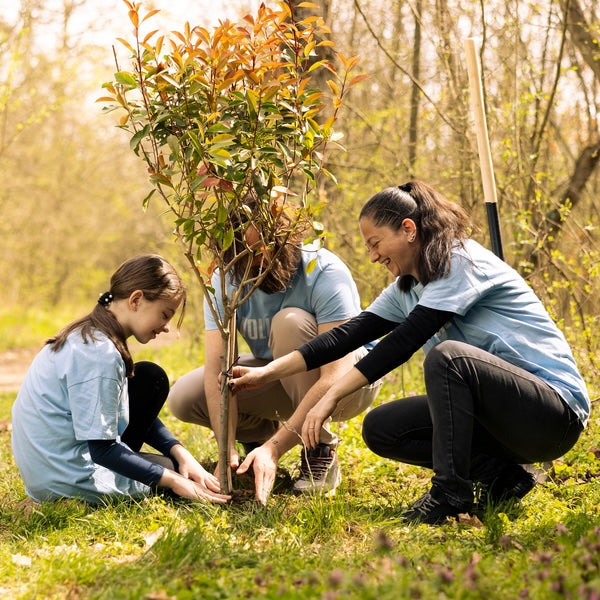
Tree Plantation for CSR - Corporate Environmental Programs | Grow Billion Trees
Tree Plantation for CSR - Transform Your Corporate Environmental ImpactTree plantation for...
-
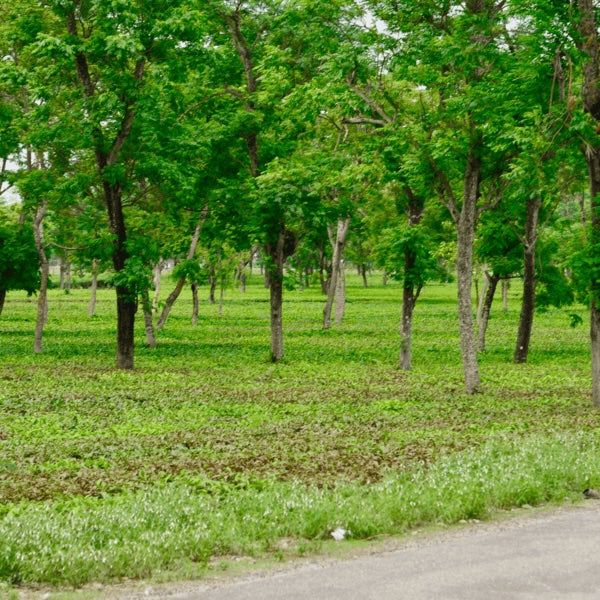
Tree Plantation for SDG - Support Sustainable Development Goals
Tree plantation for SDG initiatives represents a powerful pathway to achieving multiple...
-
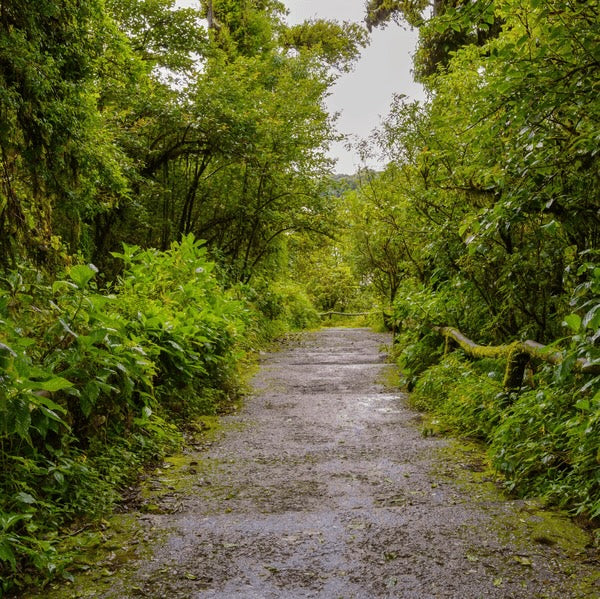
Corporate Tree Plantation Programs - Sustainable ESG Environmental Solutions for Net Zero Targets
Corporate Tree Plantation Programs for Sustainable ESG SolutionsTransform your organization's environmental impact...
-
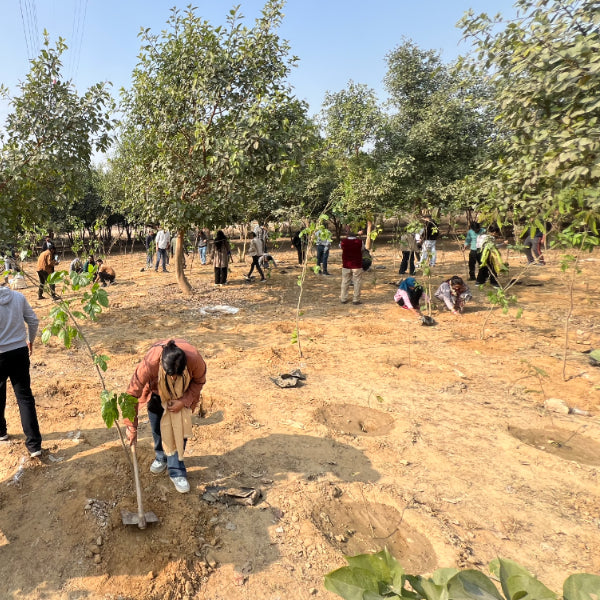
Tree Plantation by Location - Plant Trees Across India
Transform landscapes nationwide through our comprehensive tree plantation by location program. When...
Deep Ecology
Arne Naess is the brain behind Deep Ecology, a philosophy that challenges humans to rethink their relationship with nature, advocating for a radical shift toward ecological balance and respect for all life forms. It encourages a profound connection with nature, beyond just conservation, emphasizing intrinsic value over human-centered utility.
Radical Green Thinking
Naess introduced Radical Green Thinking, a more extreme approach to environmentalism that calls for systemic societal changes to address environmental issues. It goes beyond simple policy reforms and aims for a complete reevaluation of how humanity interacts with the Earth. Think of it as environmentalism on steroids!
Philosophy of Nature
Naess’s Philosophy of Nature challenges humans to see themselves not as separate from nature but as a part of it. By considering nature as a vast interconnected web of life, it elevates our responsibilities toward environmental preservation and promotes the idea of environmental stewardship through mutual respect.
Ecocentric Ethics
Ecocentric Ethics, inspired by Naess, suggests that the Earth, as a living entity, has rights that deserve protection and respect. This ethical framework places all living beings on an equal moral standing, promoting the idea that humans aren’t the center of the universe and must align their actions with the Earth’s needs.
Self-realization and Nature
Arne Naess believed that true self-realization could be found in nature. This philosophy states that humans must not only recognize their place in the natural world but also realize their fullest potential through a deeper connection with the environment, seeing nature as essential to personal and collective well-being.
Biocentric Worldview
The Biocentric Worldview, which Naess championed, asserts that all life forms, whether plant, animal, or human, have intrinsic value. By placing value on all forms of life equally, this worldview seeks to move beyond the anthropocentric (human-centered) approach, promoting policies that safeguard biodiversity and ecological harmony.
Environmental Movements
Arne Naess's Deep Ecology movement has been an influential force in global environmental activism. His ideas have inspired environmentalists worldwide to adopt more radical and holistic approaches to solving ecological crises. Deep Ecology continues to inform grassroots movements and ecological philosophy, influencing activists and policymakers globally.
Intergenerational Justice
A key component of Naess's ecological philosophy is the concept of intergenerational justice, which calls for fairness between current and future generations. By considering the needs of future generations, his philosophy seeks long-term ecological sustainability and opposes exploitative practices that compromise the Earth’s resources for the future.
Sustainability and Radical Change
Naess argued that true sustainability requires not just small-scale reforms but radical societal change. He emphasized that only by challenging the existing economic and political systems could humanity achieve the ecological balance necessary for the survival of all species, including humans. His views often clashed with mainstream environmentalism's more gradual approach.
Nature as Sacred
Arne Naess’s perspective on nature was one of reverence and respect, treating the Earth as sacred rather than a resource to be exploited. This idea is central to Deep Ecology, as it reframes how we view the natural world, advocating for practices that treat the Earth with the same regard as we would a sacred temple.
Ecology and Spirituality
Deep Ecology merges environmental science with spirituality. Naess believed that humanity's relationship with nature is not only scientific but also spiritual. His philosophy invites individuals to experience nature with a deep sense of connection, advocating for an ecological mindset that nurtures the soul and fosters spiritual well-being.
Radical Environmental Philosophy
Naess’s Radical Environmental Philosophy calls for a transformative shift in how society views the environment. It challenges existing power structures and economic systems that prioritize growth over sustainability. Naess emphasized that true ecological change would require a complete reimagining of human values and priorities in relation to the planet.
FAQ
What is Deep Ecology and how did Arne Naess contribute to it?
Deep Ecology is a radical environmental philosophy developed by Arne Naess, emphasizing the intrinsic value of nature. It calls for a fundamental shift in human thinking to regard nature as interconnected and valuable in its own right, urging people to live in harmony with the Earth rather than exploit it.
What is Radical Green Thinking?
Radical Green Thinking is a philosophy promoted by Arne Naess that advocates for profound changes in societal structures and policies to address ecological crises. It's not about small tweaks but overhauling the system. It’s green thinking that packs a punch, urging a total reset to achieve sustainability for all life forms.
How does Deep Ecology differ from other environmental philosophies?
Deep Ecology differs by rejecting anthropocentrism (human-centered thinking). It holds that all living beings, not just humans, have inherent value and that environmental issues must be addressed by radically shifting societal systems, not just through conservation efforts. It's like environmentalism, but with a deeper, more spiritual core.
Why is Arne Naess considered a pioneer in environmental philosophy?
Arne Naess is considered a pioneer because he introduced Deep Ecology, a groundbreaking philosophy that treats nature as a whole, not as a collection of resources for human use. His ideas challenged traditional environmental thinking and influenced generations of environmentalists. He made philosophy the greenest thing on the planet!
What does the term "Self-realization" mean in Deep Ecology?
In Deep Ecology, self-realization is about understanding that our individual well-being is intertwined with the Earth’s health. Arne Naess believed that true fulfillment comes from connecting deeply with nature. It’s about realizing we’re not separate from the planet, but part of it—like realizing you're a tree in a forest of life.
How can Deep Ecology impact climate change action?
Deep Ecology’s approach to climate change focuses on transforming our worldview. By emphasizing interconnectedness and respecting nature’s intrinsic value, it advocates for systemic changes, from economics to policies. It’s not about minor adjustments, but a massive shift to a more sustainable and respectful relationship with the Earth to save it from climate catastrophe.
What is Arne Naess’s philosophy of Biocentric equality?
Arne Naess’s Biocentric equality promotes the idea that all living things—humans, animals, plants—have equal value. This ethical framework is the foundation of Deep Ecology, suggesting that we must protect all species, not just humans, to ensure the health of the planet. It's a radical form of equality—no hierarchy, just harmony.
How did Naess challenge traditional environmentalism?
Arne Naess challenged traditional environmentalism by calling for a complete shift in human values rather than merely focusing on conservation. He argued that true sustainability requires rethinking our economic and political systems. Forget baby steps—Naess believed radical change was needed to create an ecologically balanced world where nature thrives, not just survives.
Why does Deep Ecology emphasize the idea of "the Earth as sacred"?
Deep Ecology emphasizes the Earth as sacred because it shifts human perception from using nature as a resource to respecting it as a living entity. Arne Naess promoted this idea to foster a deep, spiritual connection with the planet, ensuring we treat nature with the same reverence as sacred texts or rituals.
What role does intergenerational justice play in Naess's philosophy?
Intergenerational justice, in Naess's philosophy, calls for protecting the environment not just for today, but for future generations. He argued that we have a moral duty to preserve the Earth’s resources and ecosystems, not only for our own benefit but for those who will inherit the planet after us. The Earth’s legacy depends on us!
How does Deep Ecology relate to sustainability?
Deep Ecology is the foundation for true sustainability. By promoting a worldview where all beings have intrinsic value, it urges humanity to create systems that respect ecological balance and long-term survival. Naess’s philosophy aligns sustainability with ethics, stressing the need for radical change and a commitment to preserving the planet’s well-being for future generations.
What does Arne Naess’s philosophy teach us about human-nature relationships?
Arne Naess’s philosophy teaches us that humans are not separate from nature; we are part of it. Our well-being depends on the health of the planet. By connecting deeply with nature and respecting its inherent value, we can transform our relationship with the Earth and achieve a sustainable future where all life can thrive.
Most Popular Tree Plantations - Top Choices for Environmental Impact
-
Trees for Birthday Celebration - Plant a Meaningful Gift
Regular price ₹ 299Regular priceUnit price per -
Trees for Mother
Regular price ₹ 299Regular priceUnit price per -
Trees as a Gift - Plant Hope & Create Lasting Impact
Regular price ₹ 299Regular priceUnit price per -
Trees to Honor the Memory of your Loved Ones
Regular price ₹ 299Regular priceUnit price per -
Sacred Trees for Krishna on Janmashtami - Divine Gift ₹299
Regular price ₹ 299Regular priceUnit price per

Connect with us
-
👥 Corporates
If you are looking for:
- 🌲 Tree Plantation Events
- 📊 CSR Projects
📧 corporate@growbilliontrees.com
📞 +91 9699723523
💬 +91 9325931304 WhatsApp (Only)
🕒 Mon - Sat | 10am - 7pm IST
-
🧩 Tree Plantation NGOs
If you are looking for:
- 💰 Financial Assistance
- 🤝 Operational Support
📧 support@growbilliontrees.com
📞 +91 9699723523
💬 +91 9325931304 WhatsApp (Only)
🕒 Mon - Sat | 10am - 7pm IST
-
🌼 Individuals
If you are looking for:
- 👥 Group Tree Plantation Drive
- 🌳 Bulk Tree Plantation
📞 +91 9699723523
💬 +91 9325931304 WhatsApp (Only)
🕒 Mon - Sat | 10am - 7pm IST
