
Sylvia Earle: The Ocean's Deepest Voice Calling for Marine Conservation

Sylvia Earle is a marine biologist and oceanographer whose six decades of work has made her one of the world's most influential voices in ocean conservation. With over 7,000 hours spent underwater and more than 100 expeditions led, she has championed marine protection and shaped our understanding of ocean ecosystems.
Known as "Her Deepness," Sylvia Earle stands as the ocean's most passionate advocate, having spent over six decades diving into marine mysteries and championing ocean conservation. With more than 7,000 hours spent underwater, this pioneering marine biologist has become the closest thing we have to a real-life mermaid, inspiring generations to protect our planet's blue heart.
The oceans cover over 70% of our planet, yet few have explored their depths as passionately as Sylvia Earle. Her pioneering research on marine ecosystems and tireless advocacy for ocean protection have made her one of the world's most influential voices in marine conservation.
Who is Sylvia Earle? ✅ Marine Biology Pioneer
Sylvia Earle is a renowned marine biologist, oceanographer, and environmental activist whose groundbreaking work has shaped our understanding of ocean ecosystems. Born in 1935, Earle's fascination with marine life began at age three when a wave knocked her over at the beach. Instead of crying, she came up laughing—an early sign she was destined to explore the deep blue.
Her career spans over six decades, during which she has led more than 100 expeditions and authored numerous scientific publications. Earle's dedication to Combating Climate Change Through Collective Action through marine conservation has earned her recognition as one of the most important environmental voices of our time.
Breaking Barriers: A Trailblazer for Women in Science ⭐
In the 1960s, marine biology was largely a male-dominated field, but Earle refused to let that stop her pioneering spirit. As one of the first women to lead deep-sea expeditions, she shattered glass ceilings as easily as she explored coral reefs.
Her 1970 mission with the all-female Tektite II project made international headlines and proved that women belong in the deepest corners of science. This groundbreaking expedition demonstrated that gender barriers had no place in ocean exploration, paving the way for future generations of female marine scientists.
Historic Achievements in Ocean Exploration
Earle's career is marked by numerous firsts and record-breaking achievements:
- ✅ First female Chief Scientist of NOAA (National Oceanic and Atmospheric Administration)
- ✅ Set a world record in 1979 by walking untethered on the seafloor at 1,250 feet depth
- ✅ Time Magazine's first Hero for the Planet in 1998
- ✅ TED Prize Winner in 2009
- ✅ Over 100 scientific publications on marine ecosystems
Mission Blue: A Global Call to Protect the Oceans 🌐
In 2009, Earle founded Mission Blue, a global initiative dedicated to creating marine protected areas called "Hope Spots." These ocean sanctuaries function like underwater national parks, offering safe havens for marine life to recover and thrive.
As of today, there are over 150 Hope Spots worldwide, thanks to Earle's unwavering dedication and the support of conservation partners. Each Hope Spot represents a critical area that deserves special protection due to its significance to ocean health.
The concept aligns with global environmental goals, supporting the United Nations Sustainable Development Goals for life below water and climate action. Mission Blue's work demonstrates how targeted conservation efforts can create meaningful impact on a global scale.
Why Do the Oceans Need Protecting? ⚠️ Critical Threats
Our oceans face mounting threats that require immediate attention and action. The marine environment that Sylvia Earle has dedicated her life to studying is under unprecedented pressure from human activities.
Shocking Environmental Data
The statistics surrounding ocean health paint a concerning picture:
- • Over 8 million tons of plastic enter the ocean every year
- • Since 1970, marine populations have declined by nearly 50%
- • Only 7% of the world's oceans are currently protected
- • Climate change is making oceans more acidic, threatening coral reefs
- • Nearly 90% of the world's fish stocks are fully exploited or overfished
According to United Nations climate change research, ocean warming and acidification pose existential threats to marine ecosystems worldwide. These challenges underscore the urgency of Earle's conservation message.
The Deep Dives That Made History 🚀
Earle has led over 100 expeditions, including record-setting dives in submersibles that pushed the boundaries of human ocean exploration. Her 1979 achievement of walking untethered on the seafloor at a depth of 1,250 feet earned her the legendary title "Her Deepness."
These historic dives weren't just about breaking records—they were scientific missions that expanded our understanding of deep-sea ecosystems. Each expedition provided valuable data about marine life in previously unexplored environments, contributing to the growing body of knowledge about ocean biodiversity.
Scientific Impact of Deep-Sea Research
Earle's underwater explorations have revealed crucial insights about marine ecosystems that inform conservation strategies today. Her observations of deep-sea communities have helped scientists understand how ocean life adapts to extreme conditions and pressure.
This research becomes increasingly important as we work toward Net Zero Targets and understand the ocean's role in carbon sequestration and climate regulation.
Sylvia Earle's Philosophy: "No Blue, No Green" 💡
Earle's philosophy is elegantly simple yet profoundly important—if we don't protect the oceans, life on land is doomed. The health of terrestrial ecosystems depends entirely on vibrant, functioning oceans that regulate climate, produce oxygen, and support the water cycle.
Her speeches, books, and documentaries consistently deliver one urgent message: the time to act is now. Through her work, she demonstrates that ocean conservation isn't just about saving marine life—it's about preserving the life support system that sustains all life on Earth.
This interconnected view of environmental health resonates with organizations working on land-based conservation, such as those focused on reforestation and sustainable agriculture. Just as we must Plant a tree in your Name to combat deforestation, we must also protect marine environments to maintain planetary balance.
Impact on Marine Conservation 🌍
Through her work with Mission Blue and countless organizations, Earle has helped protect millions of square kilometers of ocean habitat. She has inspired policy changes, influenced world leaders, and raised global awareness about the vital role oceans play in sustaining life on Earth.
Her influence extends beyond scientific circles to policy makers and environmental organizations worldwide. Conservation efforts supported by World Wildlife Fund initiatives often incorporate Earle's research and advocacy strategies.
Measurable Conservation Outcomes
Earle's decades of advocacy have produced tangible results:
- ✅ Over 150 Hope Spots established globally
- ✅ Millions of square kilometers of ocean habitat protected
- ✅ Increased global awareness of ocean conservation needs
- ✅ Influence on international marine protection policies
- ✅ Inspiration for new generation of marine conservationists
How Technology Supports Ocean Conservation
Modern ocean conservation efforts benefit from advanced technology that would have amazed early marine biologists. Just as land-based conservation programs now use GeoTag technology to track planted trees, marine conservation employs satellite monitoring, underwater drones, and advanced diving equipment to study and protect ocean environments.
Earle has embraced these technological advances throughout her career, using submersibles, underwater cameras, and research vessels to document marine life and ocean changes. This documentation provides crucial evidence for conservation arguments and policy decisions.
Taking Action: How You Can Support Ocean Conservation 💪
You don't need to be a deep-sea diver to protect the ocean. Small actions can create significant waves of positive change when multiplied across millions of people worldwide.
Individual Conservation Actions
- → Reduce plastic use and choose sustainable alternatives
- → Support marine conservation organizations financially
- → Choose sustainable seafood options
- → Participate in beach and coastal cleanups
- → Spread awareness about ocean pollution through social media
- → Support businesses with ocean-friendly practices
These actions complement land-based environmental efforts, such as supporting organizations that offer 2-3ft Tree Planting + 3 Years Care + GeoTag services. Environmental protection requires comprehensive approaches that address both terrestrial and marine ecosystems.
Sylvia Earle's Continuing Legacy ⭐
At nearly 90 years old, Sylvia Earle continues her advocacy work with the energy and passion that has defined her entire career. Her legacy extends far beyond her personal achievements to include the countless scientists, conservationists, and environmental advocates she has inspired.
Educational institutions worldwide now offer marine biology programs that build on foundations Earle helped establish. Her books, documentaries, and speaking engagements continue to reach new audiences, spreading awareness about ocean conservation needs.
The ripple effects of her work demonstrate how one person's dedication can create global impact—much like how planting 100 crore trees requires individual commitment multiplied across entire populations.
Further reading: Sylvia Alice Earle: Marine Biology Pioneer & Ocean Conservation Champion · Jacques Cousteau: Ocean Explorer Who Revealed Blue Planet Beauty
Frequently Asked Questions
What is Sylvia Earle most famous for?
Sylvia Earle is most famous for her pioneering work as a marine biologist and ocean conservationist, earning the nickname "Her Deepness" for her record-breaking deep-sea dives and tireless advocacy for marine protection. She founded Mission Blue and established over 150 Hope Spots worldwide.
How deep has Sylvia Earle dived?
Sylvia Earle set a world record in 1979 by walking untethered on the seafloor at a depth of 1,250 feet. Throughout her career, she has spent over 7,000 hours underwater conducting research and exploration.
What is Mission Blue?
Mission Blue is Earle's global initiative founded in 2009 to create marine protected areas called "Hope Spots." These ocean sanctuaries protect critical marine habitats and allow ecosystems to recover and thrive.
Why is ocean conservation important?
Ocean conservation is crucial because oceans regulate Earth's climate, produce oxygen, support the water cycle, and provide food for billions of people. Healthy oceans are essential for all life on Earth, not just marine species.
How many Hope Spots exist today?
As of today, there are over 150 Hope Spots established worldwide through Mission Blue's efforts. Each Hope Spot represents a critical area that deserves special protection for ocean health.
What threats do oceans face?
Oceans face multiple threats including plastic pollution (8 million tons annually), overfishing (90% of fish stocks fully exploited), climate change causing acidification, and habitat destruction. Only 7% of oceans are currently protected.
How can individuals help protect oceans?
Individuals can help by reducing plastic use, supporting sustainable seafood choices, participating in beach cleanups, supporting marine conservation organizations, and spreading awareness about ocean protection needs.
What is Sylvia Earle's "No Blue, No Green" philosophy?
This philosophy means that without healthy oceans (blue), terrestrial ecosystems (green) cannot survive. It emphasizes the interconnected nature of Earth's environmental systems and the critical importance of marine conservation.
Has Sylvia Earle received recognition for her work?
Yes, Earle has received numerous honors including being named Time Magazine's first Hero for the Planet in 1998, winning the TED Prize in 2009, and serving as the first female Chief Scientist of NOAA.
What can we learn from Sylvia Earle's career?
Earle's career demonstrates that passionate dedication to environmental protection can create global impact, break barriers for women in science, and inspire generations of conservationists. Her work shows that individual action can drive systemic change.Sylvia Earle has dedicated her life to giving the ocean a voice—and the world is finally listening. Her work proves that one person can create ripples of change that stretch across the globe. As Earle often says, "With knowing comes caring, and with caring, there's hope."The urgency of ocean conservation parallels other environmental challenges we face today. Just as we must work toward reforestation goals and support initiatives that help us Plant a tree in your Name for terrestrial ecosystem health, we must also protect marine environments for planetary survival.Discover how you can contribute to environmental conservation and join the global movement to protect our planet's interconnected ecosystems. Whether through ocean protection or forest restoration, every action counts in our collective fight against climate change.
Keep reading
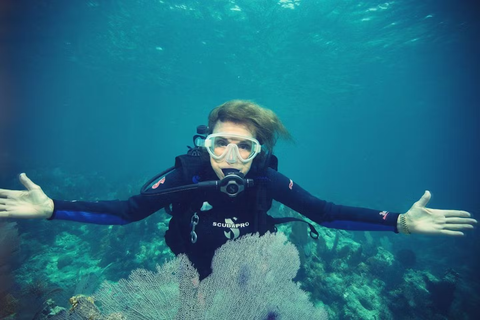 Sylvia Alice Earle: Marine Biology Pioneer & Ocean Conservation Champion
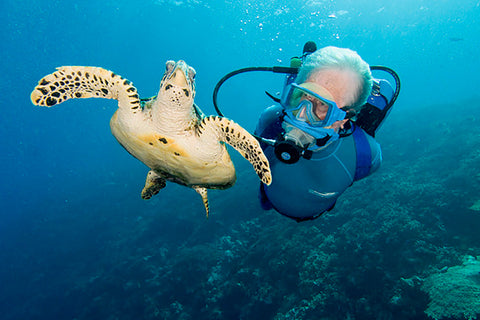 Jacques Cousteau: Ocean Explorer Who Revealed Blue Planet Beauty
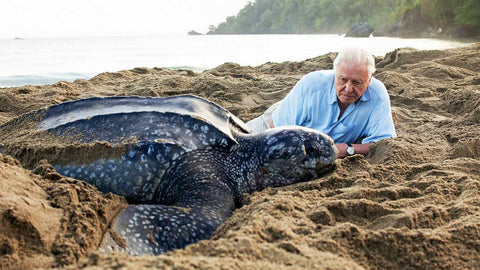 David Attenborough: The Voice of Nature Inspiring Generations
 How Nature-based Interventions Can Reverse Climate Change
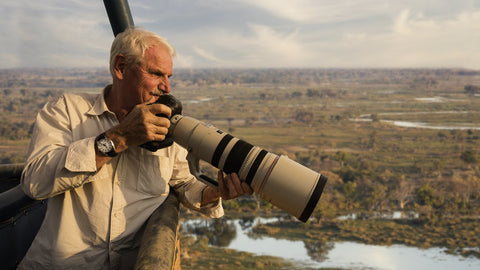 Yann Arthus-Bertrand: Photographer Capturing Planet's Beauty


Leave a comment