
Edward Abbey: The Radical Conservationist Who Fought Wild
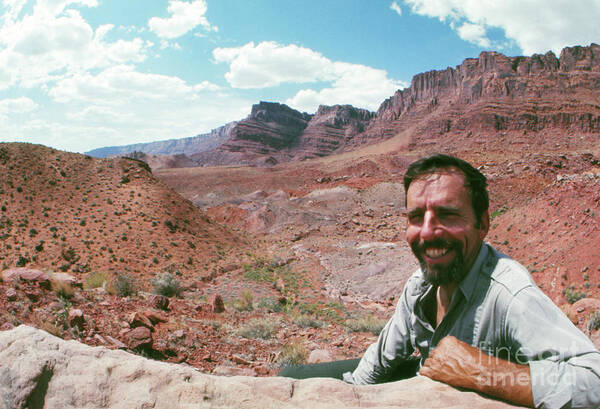
Edward Abbey was an environmental writer and radical conservationist who fought for wilderness preservation. Born in 1927 in rural Pennsylvania, he worked as a park ranger in Utah's desert landscapes, where places like Arches National Park convinced him that some wilderness areas were too precious to compromise.
Edward Abbey stands as one of America's most influential environmental voices, a passionate writer whose radical approach to conservation continues to inspire eco-conscious movements today. His unwavering dedication to protecting wilderness areas transformed how we think about environmental activism and our relationship with the natural world.
Abbey's work resonates powerfully with modern environmental initiatives. At Grow Billion Trees, we share his vision of protecting our planet through direct action, working to plant 100 crore trees across India while combating climate change through collective action.
The Making of an Environmental Revolutionary
Born in 1927 in rural Pennsylvania, Edward Abbey developed his love for wild spaces during childhood adventures in the Appalachian Mountains. His early experiences shaped a worldview that would challenge conventional conservation approaches for decades.
Abbey's transformation from nature lover to radical conservationist began during his years working as a park ranger in Utah's desert landscapes. The stunning beauty of places like Arches National Park became his classroom, teaching him that some things are too precious to compromise.
His philosophy centered on direct experience with nature. Abbey believed that only by spending time in wild places could people truly understand their value and feel motivated to protect them.
Desert Solitaire: A Manifesto for Wilderness
Abbey's masterpiece "Desert Solitaire" emerged from his experiences as a park ranger in southeastern Utah. Published in 1968, this influential work combines memoir, philosophy, and environmental advocacy in ways that continue to inspire readers today.
The book captures Abbey's deep connection to desert landscapes while critiquing industrial tourism and development. His vivid descriptions help readers understand why preserving wild spaces matters for human well-being and planetary health.
"Desert Solitaire" became a foundational text for the modern environmental movement. According to the United Nations Sustainable Development Goals, protecting terrestrial ecosystems remains crucial for achieving global sustainability targets.
Abbey's writing style blends humor, anger, and profound love for nature. He understood that emotional connection drives environmental action more effectively than dry scientific data alone.
The Monkey Wrench Gang: Fiction as Environmental Activism
Abbey's novel "The Monkey Wrench Gang" introduced the concept of "monkeywrenching" - sabotaging industrial equipment that threatens wilderness areas. This fictional work inspired real-world environmental activism groups.
The book follows four characters who wage guerrilla warfare against development in the American Southwest. Their tactics include disabling bulldozers, removing survey stakes, and disrupting construction projects.
While controversial, Abbey's fictional activism highlighted the frustration many environmentalists feel when legal channels fail to protect natural areas. His characters embodied the principle that sometimes direct action becomes necessary.
The novel's influence extended far beyond literature. It helped establish Earth First! and other radical environmental groups that continue advocating for wilderness protection today.
Abbey's Philosophy: Biocentrism and Wilderness Ethics
Edward Abbey embraced biocentric thinking, which places intrinsic value on all living things rather than viewing nature solely through human utility. This perspective challenged anthropocentric worldviews that dominate industrial societies.
He argued that wilderness areas deserve protection for their own sake, not just for human recreation or resource extraction. This philosophy aligns with modern conservation efforts that recognize ecosystem integrity as fundamental to planetary health.
Abbey's ethics emphasized personal responsibility for environmental protection. He believed individuals must take action rather than relying solely on government agencies or environmental organizations.
His approach combined deep ecological thinking with practical activism. Abbey demonstrated that loving nature requires defending it against those who would destroy it for profit.
The Desert Anarchist's Political Views
Abbey described himself as a "desert anarchist" who distrusted both corporate power and government bureaucracy. His political philosophy emphasized individual freedom within ecological limits.
He opposed unlimited population growth, arguing that human numbers must remain within Earth's carrying capacity. This position generated controversy but reflected his commitment to ecological realism.
Abbey's immigration views sparked debate within environmental circles. He worried that population pressure would threaten wilderness areas and natural resources, though critics argued his positions reflected cultural biases.
Despite controversial aspects of his politics, Abbey's core message remained consistent: protecting wild places requires challenging systems that prioritize short-term economic gain over long-term ecological health.
Environmental Legacy and Modern Relevance
Edward Abbey's influence on environmental thinking extends far beyond his lifetime. His work continues inspiring new generations of activists, writers, and conservationists who share his passion for protecting wild spaces.
Modern environmental movements draw heavily on Abbey's strategies and philosophy. The World Wildlife Fund's forest conservation efforts reflect many principles Abbey championed, including the importance of preserving large, intact ecosystems.
His emphasis on direct experience with nature remains relevant as urbanization disconnects people from natural environments. Abbey understood that people protect what they love, and they love what they know personally.
Contemporary climate activism echoes Abbey's urgency about environmental threats. The United Nations climate change initiatives address many issues Abbey identified decades ago, including the need for systemic changes to protect our planet.
Abbey's Writing Style and Literary Impact
Edward Abbey's distinctive voice combined humor, anger, and lyrical beauty in ways that made environmental issues accessible to general readers. His writing demonstrated that environmental literature could be both entertaining and educational.
He avoided academic jargon, preferring clear, direct language that conveyed complex ideas simply. This approach helped expand environmental awareness beyond scientific and activist communities.
Abbey's storytelling abilities made abstract concepts concrete. He showed readers why wilderness matters through vivid descriptions and personal anecdotes rather than theoretical arguments.
His influence on environmental literature continues today. Many contemporary nature writers acknowledge Abbey's role in establishing environmental writing as a legitimate literary genre.
Criticism and Controversy
Edward Abbey's radical positions generated significant criticism throughout his career and beyond. Some environmentalists questioned his confrontational approach, preferring collaborative solutions to environmental problems.
His views on immigration and population control alienated some supporters who otherwise admired his environmental advocacy. These positions highlighted tensions within environmental movements about social justice and ecological protection.
Critics argued that Abbey's romantic view of wilderness ignored the rights and needs of indigenous peoples who had lived sustainably in these areas for centuries.
Despite controversies, Abbey's core message about protecting wild places from industrial destruction remains widely accepted within environmental communities.
Lessons for Modern Environmental Action
Edward Abbey's approach offers valuable insights for contemporary environmental challenges. His emphasis on personal connection to nature remains crucial for building environmental awareness and commitment.
Abbey demonstrated that effective environmental advocacy requires both emotional appeal and practical action. Our experience at Grow Billion Trees confirms this principle - people respond when they can plant a tree in their name and see tangible results.
His willingness to challenge comfortable assumptions about progress and development provides a model for questioning unsustainable practices. Abbey showed that protecting the environment sometimes requires saying "no" to popular but destructive projects.
The urgency Abbey felt about environmental threats proves prophetic given current climate challenges. His call for immediate action resonates with today's environmental movements working toward net zero targets.
Abbey's Influence on Environmental Organizations
Edward Abbey's work directly influenced the formation of several major environmental organizations. Earth First! explicitly adopted his philosophy of uncompromising wilderness protection and direct action tactics.
His writings inspired countless individuals to pursue careers in environmental protection, conservation biology, and environmental law. Many prominent environmentalists credit Abbey with awakening their ecological consciousness.
Abbey's emphasis on grassroots activism influenced how environmental organizations approach public engagement. His example showed that passionate individuals could make significant impacts on environmental policy and public opinion.
Contemporary organizations continue drawing on Abbey's strategies while adapting them to current challenges. We ensure our tree planting programs reflect his commitment to direct, meaningful environmental action.
The Desert Rat's Personal Life and Character
Edward Abbey's personal life reflected his environmental values in many ways. He lived simply, avoiding excessive consumption and maintaining close connections to natural places throughout his life.
Abbey's multiple marriages and complex relationships sometimes contradicted his public image, revealing the human struggles behind his environmental advocacy. These contradictions made him more relatable to readers facing their own environmental challenges.
His love of solitude and wild places shaped his daily routines and life choices. Abbey regularly retreated to desert locations for inspiration and renewal, practices that informed his writing and activism.
Friends and colleagues remember Abbey as passionate, funny, and sometimes difficult - qualities that contributed to both his literary success and his effectiveness as an environmental advocate.
Further reading: Bill McKibben: Climate Activist Leading Global Environmental Action · Arne Naess: Deep Ecology Pioneer Who Transformed Environmental Philosophy
Frequently Asked Questions
Who was Edward Abbey and why is he important to environmentalism?
Edward Abbey was an American author and environmental activist best known for his books "Desert Solitaire" and "The Monkey Wrench Gang." He's important because he helped establish radical environmentalism and inspired direct action approaches to wilderness protection that continue influencing environmental movements today.
What is "Desert Solitaire" about and why should I read it?
"Desert Solitaire" chronicles Abbey's experiences as a park ranger in Utah's desert landscapes. You should read it because it combines beautiful nature writing with powerful environmental advocacy, helping readers understand why protecting wild places matters for both ecological and spiritual reasons.
What does "monkeywrenching" mean in environmental activism?
"Monkeywrenching" refers to sabotaging industrial equipment that threatens natural areas, including edward abbey, a concept Abbey popularized in his novel "The Monkey Wrench Gang." While controversial, it represents frustration with legal systems that fail to protect wilderness areas from destructive development.
How did Edward Abbey influence modern environmental organizations?
Abbey directly inspired the formation of Earth First! And influenced many other environmental groups through his philosophy of uncompromising wilderness protection. His emphasis on direct action and grassroots activism continues shaping how organizations approach environmental advocacy.
What was Abbey's philosophy about wilderness protection?
Abbey embraced biocentrism, believing wilderness areas have intrinsic value beyond human utility. He argued for protecting wild places for their own sake while emphasizing that people must take personal responsibility for environmental protection rather than relying solely on government or organizations.
Why was Edward Abbey controversial within environmental circles?
Abbey generated controversy through his views on immigration and population control, which some environmentalists felt conflicted with social justice principles. His confrontational approach and radical tactics also divided environmental communities between those favoring collaboration versus direct action.
How does Abbey's work relate to current climate change efforts?
Abbey's urgency about environmental threats proved prophetic given current climate challenges. His call for immediate action and systemic change resonates with modern movements working toward sustainability goals and net zero targets, though his methods remain debated.
What can modern environmental activists learn from Edward Abbey?
Modern activists can learn from Abbey's emphasis on personal connection to nature, including edward abbey, his willingness to challenge comfortable assumptions about progress, and his demonstration that passionate individuals can create significant environmental impact through both writing and direct action.
Continuing Abbey's Legacy Through Action
Edward Abbey's revolutionary spirit lives on through organizations committed to environmental protection and restoration. His belief that individuals must take direct action to protect our planet aligns perfectly with modern tree planting initiatives.
At Grow Billion Trees, we welcome everyone who shares Abbey's passion for preserving natural spaces. Our mission to plant 100 crore trees across India embodies his vision of collective action creating meaningful environmental change.
Abbey would love our approach of making environmental action accessible through simple programs like our 2-3ft Tree Planting + 3 Years Care + GeoTag service. For just ₹299, anyone can plant a tree in their name and contribute to combating climate change through collective action.
We're glad to continue Abbey's legacy by connecting people directly with environmental restoration. Together, we can grow the green future Abbey envisioned while ensuring our planet thrives for generations to come. Discover how you can plant your own tree and join this wonderful movement at Grow Billion Trees.
Keep reading
 Bill McKibben: Climate Activist Leading Global Environmental Action
 Arne Naess: Deep Ecology Pioneer Who Transformed Environmental Philosophy
 E.O. Wilson: The Father of Biodiversity and Conservation Pioneer
 John Muir: The Wilderness Defender Who Founded National Parks
 Rachel Carson: The Silent Spring Author Who Sparked the Environmental Movement


Leave a comment