
Suprabha Seshan: Forest Guardian Transforming India's Ecosystems
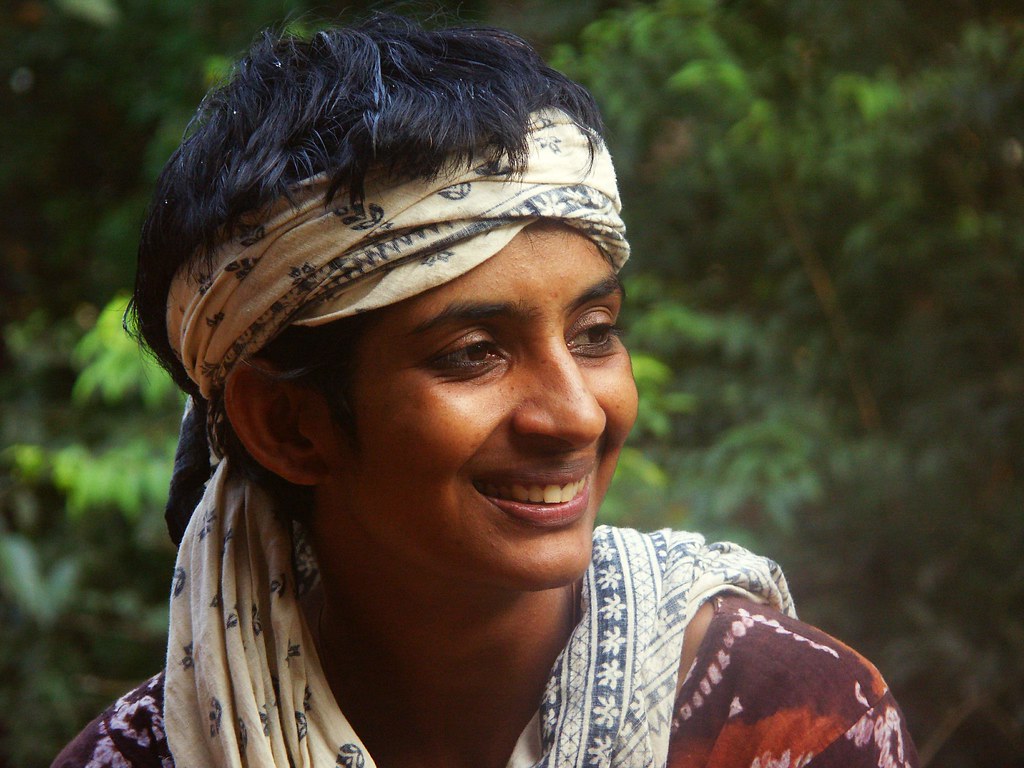
Suprabha Seshan is an ecological activist and conservationist heading the Gurukula Botanical Sanctuary in Kerala's Western Ghats. Her conservation work restores native forests, protects endangered plant species unique to the region, educates communities on sustainable practices, and promotes rewilding as a pathway to ecosystem restoration.
In a world where deforestation, climate change, and biodiversity loss are escalating, few individuals stand as fiercely committed to reversing this destruction as Suprabha Seshan. Her mission transcends simple tree planting—she's dedicated to restoring entire ecosystems through her groundbreaking work at the Gurukula Botanical Sanctuary in Kerala. Through decades of dedication, she has transformed degraded landscapes into flourishing forests, proving that nature, when given proper guidance and care, can heal itself remarkably.
Who is Suprabha Seshan? The Guardian of India's Forests
Suprabha Seshan is an ecological activist, conservationist, and educator renowned for her transformative work at the Gurukula Botanical Sanctuary, strategically located in the Western Ghats of India. This sanctuary represents far more than a collection of trees—it serves as a living, breathing classroom where people learn the intricate art of nurturing and reviving damaged ecosystems.
Her comprehensive approach to conservation focuses on several critical areas:
- ✅ Restoring native forests by rehabilitating degraded landscapes
- ✅ Protecting endangered plant species unique to the Western Ghats
- ✅ Educating communities about conservation and sustainable living practices
- ✅ Encouraging rewilding as a natural pathway to ecosystem healing
Suprabha Seshan's outstanding contributions to conservation have earned her the prestigious Whitley Award for Nature Conservation, often called the "Green Oscars." This recognition highlights her innovative approach to ecosystem restoration and community engagement.
The Science Behind Forest Restoration: Why Suprabha's Work Matters
According to the United Nations Sustainable Development Goals, forests play a crucial role in maintaining life on Earth. Scientific studies reveal that forests absorb approximately 30 percent of global carbon emissions while acting as natural air purifiers for our planet.
Suprabha Seshan's restoration efforts align perfectly with research demonstrating that:
- → Restoring forests can significantly slow climate change by absorbing carbon dioxide
- → Trees enhance water retention in soil, reducing drought and flood risks
- → Healthy forests support biodiversity by providing food and shelter for thousands of species
- → Native forests regenerate soil quality, preventing erosion and land degradation
By focusing exclusively on native tree species and local ecosystems, Suprabha ensures that restoration efforts remain sustainable and genuinely beneficial for planetary health. Her approach demonstrates how Combating Climate Change Through Collective Action requires deep understanding of local ecological systems.
The Gurukula Botanical Sanctuary: A Living Laboratory
At the heart of Suprabha's mission lies the Gurukula Botanical Sanctuary, a remarkable 70-acre paradise nestled within the Western Ghats, recognized as one of the world's most biodiverse regions. The United Nations Environment Programme emphasizes the critical importance of such biodiversity hotspots for global ecosystem health.
The sanctuary houses thousands of plant species, including many rare and endangered varieties. It functions as a comprehensive research hub where experts, students, and nature enthusiasts collaborate to advance knowledge in conservation, plant propagation, and forest ecology.
⭐ Fascinating Fact: The Western Ghats are older than the Himalayas and house over 7,400 plant species, making this region a true global hotspot of biodiversity and natural heritage.
Native Trees: The Foundation of Sustainable Restoration
Unlike commercial plantations focusing on fast-growing species, Suprabha Seshan advocates passionately for native trees naturally adapted to local environmental conditions. These indigenous species offer multiple advantages:
- ✅ Require minimal water while adapting perfectly to local climatic conditions
- ✅ Provide essential food and shelter for native birds, mammals, and insects
- ✅ Improve soil health naturally and prevent dangerous erosion
- ✅ Support indigenous communities who depend on forests for their livelihood
Some of her preferred native tree species include:
- Shola Trees: Ancient forest species unique to the Western Ghats ecosystem
- Ficus (Fig) Trees: Keystone species providing food for over 1,200 bird and mammal species
- Medicinal Trees: Plants used in Ayurveda, preserving both cultural heritage and ecological balance
💡 Did you know? A single mature tree can supply oxygen for four people daily and lower urban temperatures by 2-4 degrees Celsius, demonstrating nature's incredible efficiency.
Global Impact and Recognition
With 10 million hectares of forest lost annually according to World Wildlife Fund data on deforestation, restoration efforts like Suprabha's have become absolutely critical for planetary survival. Her innovative work aligns with major global conservation movements including:
- → The Bonn Challenge, aiming to restore 350 million hectares of degraded land by 2030
- → The United Nations Decade on Ecosystem Restoration (2021-2030)
- → Community-led afforestation projects prioritizing rewilding and sustainability
Suprabha Seshan's grassroots approach proves that individual dedication can influence global environmental policies and inspire worldwide conservation efforts.
Learning from Suprabha's Methodology
What sets Suprabha apart is her holistic approach to ecosystem restoration. Rather than simply planting trees, she focuses on:
- Soil Rehabilitation: Preparing degraded land through natural composting and mycorrhizal networks
- Species Selection: Choosing plants that naturally occur in specific microclimates
- Community Engagement: Training local people in sustainable forest management
- Long-term Monitoring: Tracking ecosystem recovery over decades
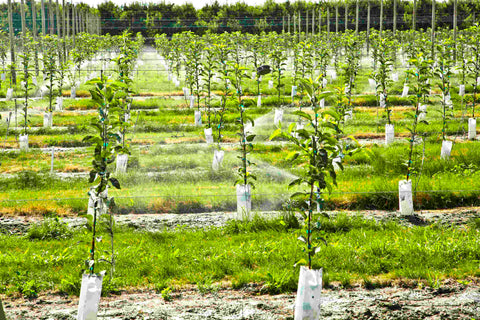
This comprehensive methodology ensures that restored forests thrive independently, supporting both wildlife and human communities sustainably. Her approach mirrors successful programs like our 2-3ft Tree Planting + 3 Years Care + GeoTag system, emphasizing long-term care and monitoring.
How You Can Support Forest Restoration Efforts
Inspired by Suprabha Seshan's dedication? Here are meaningful ways to contribute to forest restoration and ecosystem healing:
- 🌳 Plant native trees in your community to promote local biodiversity
- 📢 Spread awareness about conservation and rewilding importance
- 💚 Support environmental organizations working on afforestation projects
- 🏡 Adopt sustainable practices like reducing waste and conserving water
- 🌱 Visit conservation sites to learn about restoration firsthand
At Grow Billion Trees, we share Suprabha's vision of ecosystem restoration. You can Plant a tree in your Name for just ₹299, supporting our mission to plant 100 crore trees across India. Every tree planted contributes to achieving Net Zero Targets while honoring the pioneering work of conservationists like Suprabha Seshan.
The Future of Forest Restoration
Suprabha Seshan's work represents a blueprint for global ecosystem restoration. Her emphasis on native species, community involvement, and scientific monitoring provides a model that can be replicated worldwide. As climate change intensifies, her methodology becomes increasingly relevant for restoration projects globally.
The integration of traditional ecological knowledge with modern conservation science, as demonstrated by Suprabha, offers hope for reversing environmental degradation. Her success in transforming degraded landscapes into thriving ecosystems proves that with dedication, scientific understanding, and community support, we can heal our planet's wounded landscapes.
Through initiatives like our comprehensive tree planting programs, we can scale Suprabha's localized success to create nationwide impact, working toward a greener, more sustainable future for generations to come.
Further reading: Pamela and Anil Malhotra: Forest Restoration Pioneers · Madhav Gadgil: Pioneering Eco-Conservation Champion
Frequently Asked Questions
What makes Suprabha Seshan's approach to forest restoration unique?
Suprabha Seshan focuses on restoring entire ecosystems rather than simply planting trees. She emphasizes native species selection, soil rehabilitation, community engagement, and long-term monitoring to ensure sustainable forest recovery that supports local biodiversity and communities.
Where is the Gurukula Botanical Sanctuary located?
The Gurukula Botanical Sanctuary is located in the Western Ghats of Kerala, India. This 70-acre sanctuary serves as both a conservation site and educational center, housing thousands of plant species including many rare and endangered varieties.
What awards has Suprabha Seshan received for her conservation work?
Suprabha Seshan received the prestigious Whitley Award for Nature Conservation, often called the "Green Oscars," recognizing her outstanding contributions to ecosystem restoration and conservation education in India.
Why does Suprabha Seshan prefer native trees over exotic species?
Native trees are naturally adapted to local environmental conditions, require less water, provide food and shelter for indigenous wildlife, improve soil health, and support local communities. They create more sustainable and resilient ecosystems compared to exotic species.
How can individuals support forest restoration efforts like Suprabha's?
People can plant native trees in their communities, spread conservation awareness, support environmental organizations, adopt sustainable living practices, and visit conservation sites to learn about restoration techniques. Every small action contributes to larger ecosystem healing efforts.
What role do forests play in combating climate change?
Forests absorb approximately 30% of global carbon emissions, act as natural air purifiers, enhance water retention in soil, support biodiversity, and help regulate local and global climate patterns. Restored forests are crucial for achieving climate stability.
How does the Western Ghats' biodiversity compare globally?
The Western Ghats house over 7,400 plant species and are older than the Himalayas, making them one of the world's most significant biodiversity hotspots. This region's unique ecosystems support countless endemic species found nowhere else on Earth.
What is the Bonn Challenge mentioned in relation to Suprabha's work?
The Bonn Challenge is a global effort to restore 350 million hectares of degraded and deforested landscapes by 2030. Suprabha Seshan's restoration methodology aligns with this international initiative, demonstrating how local efforts contribute to global environmental goals.
Can Suprabha Seshan's methods be replicated in other regions?
Yes, her holistic approach emphasizing native species, community involvement, soil rehabilitation, and long-term monitoring can be adapted to different ecosystems worldwide. The principles remain consistent while specific species and techniques vary based on local conditions.
How does forest restoration benefit local communities?
Forest restoration provides communities with clean air and water, prevents soil erosion, supports traditional livelihoods, offers sustainable resource harvesting opportunities, and creates educational and employment opportunities in conservation and eco-tourism sectors.
Keep reading
 Pamela and Anil Malhotra: Forest Restoration Pioneers
 Madhav Gadgil: Pioneering Eco-Conservation Champion
 Ranjit Barthakur: Pioneering Nature-Conscious Leadership for a Sustainable Future
 Deforestation in India: Causes, Impact & Solutions for Forest Loss
 Jadav Payeng: The Forest Man's Legacy of Cultivating a Greener Future


Leave a comment