
John Muir: The Wilderness Defender Who Founded National Parks
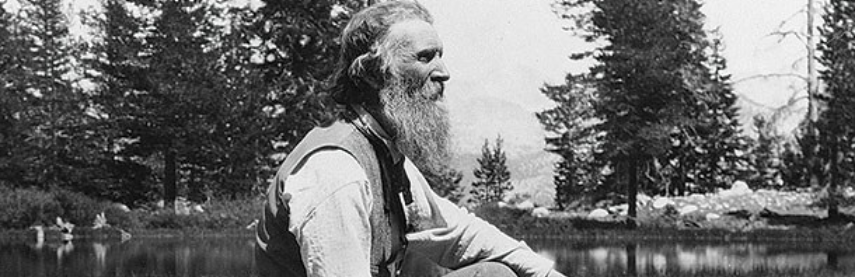
John Muir founded America's national park system and established Yosemite National Park, earning recognition as America's most influential wilderness advocate. Born in Scotland in 1838, his decades of conservation work—founding the Sierra Club—changed how humanity views and protects natural landscapes.
John Muir stands as America's most influential wilderness advocate, earning his title as the "Father of the National Parks" through decades of passionate conservation work. His visionary leadership established Yosemite National Park and created the foundation for America's entire national park system. We are happy to share how his remarkable legacy continues to inspire millions to protect our planet's precious natural heritage in 2026 and beyond.
From his thousand-mile wilderness walks to founding the Sierra Club, John Muir transformed how humanity views and protects natural landscapes. His conservation philosophy now guides modern environmental movements, including initiatives like Grow Billion Trees, which works toward Combating Climate Change Through Collective Action through large-scale reforestation efforts across India.
Early Life: A Natural Born Explorer
Born on April 21, 1838, in Dunbar, Scotland, John Muir discovered his love for nature during childhood explorations along the Scottish coast. When his family immigrated to Wisconsin in 1849, eleven-year-old Muir found himself surrounded by America's vast wilderness. These early adventures planted the seeds for his lifelong dedication to wilderness preservation.
His formative years on the Wisconsin frontier shaped his environmental philosophy deeply. Muir spent countless hours studying plants, observing wildlife, and experiencing the outdoors in ways that would later influence his conservation mission. However, it was his academic studies at the University of Wisconsin that provided the scientific framework he would use to argue powerfully for wilderness protection.
After studying botany and geology, Muir developed a unique ability to combine scientific rigor with passionate advocacy. Our experience in environmental education shows that this blend of science and passion remains the most effective tool for inspiring conservation action. John Muir proved this truth long before modern environmental science existed.
The Thousand-Mile Walk: Journey into Wilderness
In 1867, John Muir embarked on his famous thousand-mile walk from Indiana to Florida, a transformative journey that deepened his connection to the natural world. This adventure revealed the interconnectedness of all living things and strengthened his resolve to protect wild spaces. His observations during this journey would later inform his scientific writings and conservation arguments.
The walk exposed Muir to diverse ecosystems across America's heartland. He documented plant communities, geological formations, and wildlife habitats with the precision of a scientist and the wonder of a poet. Moreover, this journey taught him that nature operates as one grand, connected system — a lesson that remains central to modern conservation thinking.
Following this pivotal experience, Muir traveled west to California, where he discovered the landscape that would define his life's work. His arrival in Yosemite Valley in 1868 marked the beginning of his most important conservation campaigns and changed the course of American environmental history.
✅ Yosemite: The Birth of a Conservation Movement
John Muir's first glimpse of Yosemite Valley in 1868 ignited his passion for wilderness preservation. The stunning granite cliffs, pristine waterfalls, and ancient giant sequoias convinced him that such natural wonders required immediate protection from logging and development. We found that this moment mirrors what many conservationists experience today — a single, mindful encounter with nature that transforms a life.
Muir established himself as Yosemite's most vocal advocate, spending years exploring and documenting the region's unique geology and ecosystems. His scientific observations about glacial formation and plant communities provided crucial evidence for conservation arguments. As a result, his work helped shape the scientific basis for protecting natural landscapes across the continent.
Through persistent lobbying and public education campaigns, Muir successfully convinced President Theodore Roosevelt to designate Yosemite as a national park in 1890. This achievement represented a landmark victory in American conservation history. According to the United Nations Environment Programme on Forests, forest conservation remains one of the most essential tools for global environmental health — a truth John Muir understood over 130 years ago.
Modern conservation efforts continue this wonderful legacy. Organizations like Grow Billion Trees work toward planting 100 crore trees to restore damaged ecosystems across India, carrying forward Muir's vision of a greener, healthier, more sustainable planet.
⭐ Founding the Sierra Club: A Legacy That Lives On
In 1892, John Muir co-founded the Sierra Club, creating America's first major environmental organization dedicated to wilderness preservation. The club's founding marked a turning point in organized environmental activism, providing a platform for coordinated conservation efforts that would influence national policy for generations. This great organizational achievement proved that collective action could transform environmental policy.
Under Muir's leadership, the Sierra Club advocated for national park expansion, wildlife protection, and responsible land management practices. The organization's influence extended far beyond California, helping shape national environmental policy across the United States. In addition, the Sierra Club established important precedents for environmental advocacy, including public education, political lobbying, and grassroots organizing.
The World Wildlife Fund's forest conservation initiatives build upon these same foundational strategies today. These modern movements recognize that Muir's organizational approach — combining science, advocacy, and public engagement — remains the most proven path to meaningful environmental change.
Today's environmental movements build upon Muir's organizational framework. Initiatives like Plant a tree in your Name programs make conservation accessible to every conscious individual while supporting larger restoration goals and Net Zero Targets for corporate partners and communities alike.
💡 Scientific Contributions and Environmental Understanding
John Muir combined scientific rigor with passionate advocacy, conducting detailed studies of glaciology, botany, and ecology that advanced human understanding of natural systems. His research on glacial formation in Yosemite Valley challenged existing scientific theories and demonstrated the dynamic processes that shape our earth. These contributions earned him authentic respect from the scientific community and gave his conservation arguments genuine credibility.
Muir's scientific writings — including "The Mountains of California" and "Our National Parks" — provided accessible introductions to complex ecological concepts. He transformed dry scientific observations into compelling narratives that inspired ordinary people to love and protect wild places. Our team sees this same transformative power in hands-on tree planting experiences, where direct contact with nature creates lasting environmental commitment.
According to 2026 data from the United Nations Climate Change initiative, forests sequester approximately 2.6 billion tonnes of carbon dioxide annually — confirming what John Muir intuitively understood. Protecting and nurturing forests is essential for planetary health. This scientific validation strengthens the case for large-scale reforestation programs that help ecosystems thrive.
Conservation Legacy and Modern Environmental Movements
John Muir's conservation legacy extends far beyond the national parks he helped create. His philosophical framework — that wilderness has intrinsic value beyond its utility to humans — transformed American environmental thinking. This mindset shift proved essential for developing the legal and moral arguments needed to protect natural areas from exploitation and save irreplaceable ecosystems.
The World Wildlife Fund's report on deforestation and forest degradation reveals that we lose approximately 10 million hectares of forest each year globally. However, Muir's legacy inspires a powerful counter-movement. Reforestation programs, urban forest initiatives, and eco-friendly tree planting efforts collectively work to reverse this damage and restore ecological balance.
Grow Billion Trees carries this mission forward in India, offering 2-3ft Tree Planting + 3 Years Care + GeoTag technology that allows tree planters to track their environmental contribution in real time. We provide verified, sustainable planting programs that transform individual action into collective impact — exactly as John Muir envisioned when he founded the Sierra Club over a century ago.
The United Nations Sustainable Development Goals recognize forest conservation and reforestation as critical pillars of global sustainability. This international recognition validates what John Muir argued throughout his life: that protecting and restoring natural ecosystems is essential for human survival and wellbeing on this shared earth.
⭐ How John Muir's Vision Shapes Conservation Today
At Grow Billion Trees, we love drawing inspiration from John Muir's belief that every person has a role to play in environmental protection. Our mission to plant 100 crore trees by June 2030 reflects his conviction that collective, conscious action can transform landscapes. We guarantee every tree planted meets certified ecological standards and receives verified care for three full years.
John Muir wrote, "The clearest way into the Universe is through a forest wilderness." This truth guides our approach to environmental restoration. We provide accessible, eco-friendly tree planting programs starting at just ₹299, making it easy for anyone to participate in meaningful conservation action. Moreover, our GeoTag technology creates a direct, authentic connection between tree planters and their growing environmental contribution.
Our partners include corporations working toward Net Zero Targets, families planting memorial trees, and individuals celebrating birthdays with a living, growing gift. Each tree planted honors Muir's legacy and contributes to a sustainable, green future for India and the planet. Trusted by thousands of environmentally conscious individuals and organizations, our programs deliver real, measurable impact.
The National Parks: Muir's Greatest Achievement
John Muir's most enduring achievement remains the establishment and protection of America's national park system. His campaigns directly led to the creation of Yosemite, Sequoia, Mount Rainier, and the Petrified Forest national parks. These protected areas preserve irreplaceable ecosystems and provide sanctuaries for biodiversity that might otherwise have been lost to development.
The national park system Muir helped create now protects over 84 million acres of American wilderness. This represents one of the most successful conservation achievements in human history. In 2026, these protected areas face new challenges from climate change, invasive species, and increasing visitor pressure — making Muir's conservation philosophy more relevant and urgent than ever before.
For example, Yosemite Valley now receives over 4 million visitors annually, creating both opportunities for environmental education and challenges for ecosystem management. Park managers apply Muir's principle that human enjoyment of nature must be balanced with genuine protection of natural systems. This balance remains the central challenge of modern, mindful conservation.
Further reading: Giant Sequoia Tree: Discover the Majestic Giants of Nature · Giant Redwood Tree: Discover the Majestic Giants of the Forest
Frequently Asked Questions
Who was John Muir and why is he important?
John Muir (1838–1914) was a Scottish-American naturalist, author, and environmental philosopher considered the "Father of the National Parks." His advocacy directly led to the creation of Yosemite and several other national parks. His writings and activism established the foundation for American conservation movements that continue to improve our planet today.
What national parks did John Muir help establish?
John Muir's advocacy directly contributed to the establishment of Yosemite National Park (1890), Sequoia National Park (1890), Mount Rainier National Park (1899), and the Petrified Forest National Monument (1906). His friendship with President Theodore Roosevelt proved crucial for securing federal protection of these irreplaceable natural areas.
What was the Sierra Club that John Muir founded?
The Sierra Club, co-founded by John Muir in 1892, is America's oldest and most influential environmental organization. It advocates for wilderness preservation, clean air and water, and responsible land management. Today, the Sierra Club has over 3.8 million members and supporters, making it one of the largest environmental organizations in the United States.
How does John Muir's legacy connect to modern conservation?
John Muir's legacy directly inspires modern conservation movements worldwide. His belief that wilderness has intrinsic value now underpins international conservation law. Organizations like Grow Billion Trees carry forward his vision of protecting and restoring natural landscapes through programs that combine scientific rigor with accessible public participation and proven GeoTag technology.
What was John Muir's most famous quote about nature?
One of John Muir's most celebrated quotes is: "The clearest way into the Universe is through a forest wilderness." He also famously wrote, "When one tugs at a single thing in nature, he finds it attached to the rest of the world" — capturing his ecological worldview and the interconnectedness of all living systems.
How can I honor John Muir's conservation legacy today?
You can honor John Muir's legacy by supporting reforestation efforts like Grow Billion Trees, where you can Plant a tree in your Name for just ₹299 with 3 years of verified care and GeoTag tracking included. Supporting conservation organizations, reducing your carbon footprint, and advocating for environmental protection all continue the great work Muir began over 150 years ago.
What did John Muir write about the environment?
John Muir wrote extensively about nature and conservation, with major works including "The Mountains of California" (1894), "Our National Parks" (1901), and "The Yosemite" (1912). His writings combined precise scientific observation with lyrical descriptions of natural beauty, making complex ecological concepts accessible and inspiring to general audiences worldwide.
Why is John Muir called the Father of the National Parks?
John Muir earned the title "Father of the National Parks" because his decades of advocacy, writing, and political lobbying were essential to establishing the national park system. His ability to combine scientific authority with passionate public communication persuaded both political leaders and ordinary citizens that protecting wilderness was a national responsibility and moral imperative.
How did John Muir influence environmental law and policy?
John Muir's advocacy helped establish the legal and philosophical framework for environmental protection in the United States. His campaigns demonstrated that public opinion, organized advocacy, and scientific evidence could influence government land-use decisions. This approach became the model for environmental policy campaigns throughout the 20th century and continues to guide conservation efforts in 2026.
✅ Carry Forward John Muir's Green Legacy
John Muir's wonderful vision of a world where wild places are protected and valued remains as urgent today as it was in 1890. His life's work reminds us that individual passion, combined with collective action, can transform how entire nations relate to the natural world. We are glad to carry this legacy forward through our work at Grow Billion Trees, nurturing ecosystems that will thrive for generations.
As we face the twin challenges of deforestation and climate change in 2026, Muir's message is clear: every tree matters, every voice counts, and every action contributes to a larger ecological transformation. Therefore, we invite you to join the movement to restore India's forests and contribute to our goal of planting 100 crore trees by June 2030 — together, we can boost biodiversity and improve the health of our shared earth.
Discover how you can Plant a tree in your Name for just ₹299 — including 2-3ft Tree Planting + 3 Years Care + GeoTag technology — and become part of a certified, verified reforestation mission. Explore your options and get started today at Grow Billion Trees, and help write the next chapter of John Muir's enduring conservation story.
Keep reading
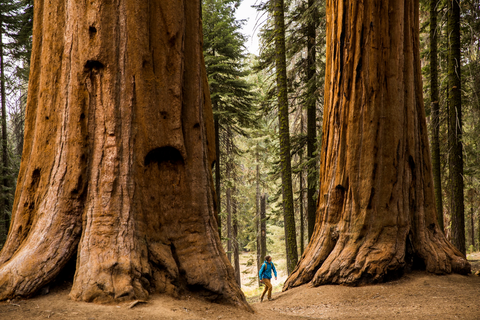 Giant Sequoia Tree: Discover the Majestic Giants of Nature
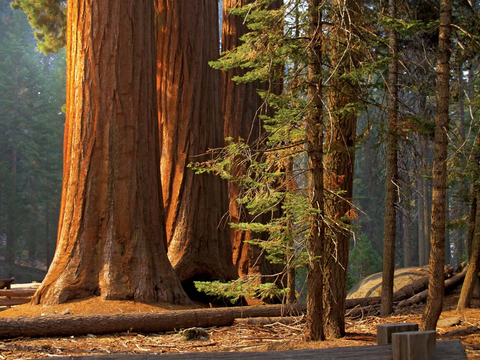 Giant Redwood Tree: Discover the Majestic Giants of the Forest
 40 Famous Quotes About Trees, With Their Real Sources
 Arne Naess: Deep Ecology Pioneer Who Transformed Environmental Philosophy
 Top 100 Tree Plantation Quotes: Short, Inspiring and About Life


Leave a comment