
William Kamkwamba: The Boy Who Harnessed Wind Power Innovation

William Kamkwamba is a Malawian inventor who built a functional windmill from scrap materials at age 14, bringing electricity to his drought-stricken village after a library book inspired his self-directed learning. His innovation demonstrated how ingenuity and persistence, not wealth, can solve critical energy and environmental challenges in resource-limited communities.
William Kamkwamba transformed his drought-stricken Malawian village using nothing but scrap materials, library books, and unwavering determination. At just 14 years old, this remarkable inventor built a windmill that brought electricity to his community, proving that innovation doesn't require wealth—just curiosity and persistence.
His extraordinary journey from school dropout to global inspiration demonstrates the transformative power of renewable energy and sustainable solutions in addressing climate challenges. Today, William Kamkwamba's story continues to inspire millions worldwide while highlighting the critical role of green energy in achieving environmental restoration.
✅ Who is William Kamkwamba: From Rural Malawi to Global Recognition
Born in 1987 in the rural village of Wimbe, Malawi, William Kamkwamba grew up surrounded by poverty and environmental challenges. When a severe drought devastated Malawi in 2001, his family could no longer afford school fees, forcing him to drop out at just 14 years old.
However, William's thirst for knowledge never diminished. He turned to his local library, where he discovered a book called *Using Energy*—a discovery that would forever change his life and his community's future. This pivotal moment sparked his journey toward becoming one of Africa's most celebrated young inventors.
Despite facing significant obstacles, William taught himself English by reading dictionaries and studying technical manuals. His dedication to learning exemplifies the power of education in driving sustainable development, aligning with the United Nations Sustainable Development Goals that emphasize quality education and clean energy access.
⭐ The Spark of Innovation: Building Hope from Scrap Materials
Inspired by a diagram of a wind turbine in the library book, William embarked on an ambitious project to build his own windmill. With no formal engineering training, he scavenged materials including bicycle parts, PVC pipes, and scrap metal to construct his makeshift renewable energy system.
What began as a seemingly impossible dream quickly transformed into reality. His first windmill successfully powered a single light bulb in his family's home—a small but groundbreaking achievement that would eventually electrify his entire village.
The construction process required incredible resourcefulness. William used a bicycle wheel as the turbine's rotor, connected it to a small dynamo, and stored the generated electricity in a car battery. This simple yet effective design demonstrated the potential of localized renewable energy solutions in off-grid communities.
💡 The Science Behind William Kamkwamba's Windmill Innovation
William's windmill operated on fundamental wind energy principles, converting kinetic energy from moving air into usable electricity. Understanding these principles helps appreciate the brilliance of his achievement:
- Wind Capture: A rotating bicycle wheel acted as the turbine's rotor, efficiently catching wind's kinetic energy
- Energy Conversion: The rotor spun a small dynamo, transforming mechanical energy into electrical energy
- Power Storage: Generated electricity was stored in a car battery for consistent power supply
- Distribution: The stored energy powered light bulbs and small appliances throughout his home
While technologically simple, this DIY windmill demonstrated the untapped potential of renewable energy systems, particularly in remote areas lacking traditional power infrastructure. His innovation aligns with global efforts to combat climate change through sustainable energy solutions, as outlined by United Nations climate change initiatives.
🌍 Environmental Impact and Sustainable Development
William Kamkwamba's windmill wasn't merely a technological achievement—it represented hope for sustainable energy across Africa. With over 600 million people in sub-Saharan Africa lacking electricity access, small-scale renewable energy projects like his can dramatically improve quality of life while reducing fossil fuel dependence.
According to the International Renewable Energy Agency, decentralized renewable energy systems could provide electricity to 70% of those currently without access by 2030. William's work demonstrates how local solutions can address global environmental challenges while supporting community development.
His innovation contributes to broader environmental restoration efforts by:
- Reducing reliance on kerosene lamps and diesel generators
- Minimizing carbon emissions in rural communities
- Promoting sustainable technology adoption
- Inspiring similar renewable energy projects across Africa
→ From Village Hero to Global Environmental Advocate
William's remarkable story gained international recognition when he spoke at TEDGlobal conference in 2007. His presentation captivated audiences worldwide, generating donations and support for his continued education and community development projects.
He co-authored the bestselling memoir "The Boy Who Harnessed the Wind," later adapted into a Netflix film in 2019. These platforms amplified his message about renewable energy's potential and the importance of supporting young innovators in developing nations.
Today, William continues advocating for sustainable energy solutions while studying at prestigious institutions. His journey from rural Malawi to international recognition demonstrates how individual innovation can drive global environmental change.
⚡ Why Wind Energy Matters for Climate Action
Wind energy represents one of the fastest-growing renewable energy sources globally. According to the Global Wind Energy Council, wind power generated 743 GW of electricity in 2023, avoiding more than 1.1 billion tons of CO₂ emissions annually.
William Kamkwamba's invention symbolizes the potential of localized renewable energy in tackling climate change while empowering marginalized communities. Key benefits of wind energy include:
- Zero Emissions: No greenhouse gas emissions during operation
- Cost-Effective: Low operating costs after initial installation
- Energy Independence: Reduces reliance on imported fossil fuels
- Scalable Solutions: Adaptable for both small communities and large-scale projects
- Long Lifespan: Modern turbines operate effectively for 20-25 years
These advantages make wind energy crucial for achieving net zero targets and supporting global environmental restoration efforts.
🌱 Lessons from William Kamkwamba's Innovation Journey
William's extraordinary journey teaches invaluable lessons about innovation, perseverance, and environmental stewardship. His story highlights several key principles:
Innovation Requires Curiosity, Not Capital: William proved that groundbreaking solutions don't require expensive equipment or formal training—just determination and creative problem-solving.
Local Solutions Address Global Challenges: His village-scale windmill demonstrates how community-focused innovations can contribute to worldwide environmental goals.
Education Drives Sustainable Development: Access to books and learning materials enabled William to transform his community, emphasizing education's role in environmental progress.
Persistence Overcomes Obstacles: Despite facing poverty and skepticism, William's unwavering commitment to his vision ultimately succeeded.
🌿 Supporting Renewable Energy in Your Community
Inspired by William Kamkwamba's example, individuals can contribute to renewable energy adoption and environmental restoration through various actions:
- Install solar panels or small wind turbines on residential properties
- Advocate for green energy policies in local government
- Invest in community renewable energy projects
- Support organizations working on rural electrification
- Educate others about sustainable energy solutions
- Choose energy-efficient appliances and practices
At Grow Billion Trees, we believe in Combating Climate Change Through Collective Action. Our mission to plant 100 crore trees across India complements renewable energy efforts by creating natural carbon sinks while supporting biodiversity restoration.
You can Plant a tree in your Name for just ₹299, including 2-3ft Tree Planting + 3 Years Care + GeoTag technology to track your environmental impact. This affordable approach makes environmental stewardship accessible to everyone, just as William made renewable energy accessible to his community.
Further reading: What is Carbon Footprint? Complete Guide to Understanding & Reducing Environmental Impact · Naina Lal Kidwai: Championing Sustainability & Financial Leadership
Frequently Asked Questions
How did William Kamkwamba learn to build a windmill?
William Kamkwamba taught himself by studying a library book called "Using Energy" and experimenting with scrap materials. He had no formal engineering training but possessed incredible determination and problem-solving skills that enabled him to construct a functional windmill.
What materials did William use for his first windmill?
William's first windmill was built using bicycle parts, PVC pipes, scrap metal, and a car battery for energy storage. He demonstrated remarkable resourcefulness by repurposing everyday items into a renewable energy system.
How much electricity did William Kamkwamba's windmill generate?
William's first windmill stood 5 meters tall and generated 12 volts of electricity, enough to power light bulbs and charge mobile phones. His second windmill was more powerful and could provide electricity to four homes in his village.
What impact did William's invention have on his community?
William's windmill brought electricity to his drought-stricken village for the first time, improving quality of life and providing opportunities for education and economic development. It also inspired other renewable energy projects in rural Malawi.
How does William Kamkwamba's story relate to global climate action?
William's innovation demonstrates how local renewable energy solutions can contribute to global climate goals. His work aligns with international efforts to expand clean energy access while reducing greenhouse gas emissions, as promoted by organizations working on climate change mitigation.
What recognition has William Kamkwamba received for his work?
William has spoken at TEDGlobal, co-authored a bestselling memoir, and had his story adapted into a Netflix film. He received educational scholarships and continues advocating for renewable energy and sustainable development globally.
How can William's example inspire modern environmental solutions?
William's story shows that innovation and environmental stewardship don't require extensive resources—just creativity, persistence, and commitment to positive change. His example encourages grassroots environmental initiatives and demonstrates the power of individual action in addressing climate challenges.
What role does education play in William Kamkwamba's success?
Education was crucial to William's achievement. Despite dropping out of school, he continued learning through library books and self-study. His story emphasizes how access to educational resources enables individuals to develop solutions for environmental and social challenges.William Kamkwamba's remarkable journey from a rural Malawian village to global recognition demonstrates the transformative power of innovation, education, and sustainable energy. His windmill not only brought electricity to his community but also illuminated the path toward renewable energy adoption worldwide.His story reminds us that environmental solutions often emerge from unexpected places, driven by individuals who refuse to accept limitations. Whether building windmills from scrap materials or supporting reforestation through organizations like Grow Billion Trees, every action contributes to our collective environmental future.Discover how you can make your own environmental impact by joining our mission to plant 100 crore trees across India. Together, we can harness the wind of change to create a more sustainable world for future generations.
Keep reading
 What is Carbon Footprint? Complete Guide to Understanding & Reducing Environmental Impact
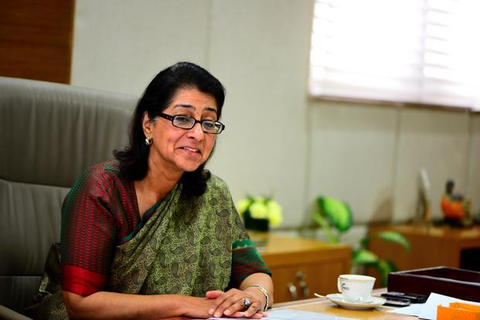 Naina Lal Kidwai: Championing Sustainability & Financial Leadership
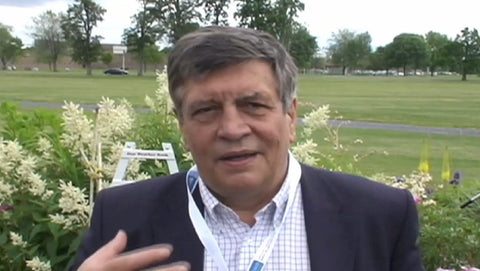 Hermann Scheer: Solar Energy Pioneer Who Changed Renewable Power
 Rohit Mehra: Transforming Waste into Urban Forests for India's Green Future
 Jacques Cousteau: Ocean Explorer Who Revealed Blue Planet Beauty


Leave a comment