
Gaylord Nelson: Father of Earth Day & Global Environmental Movement
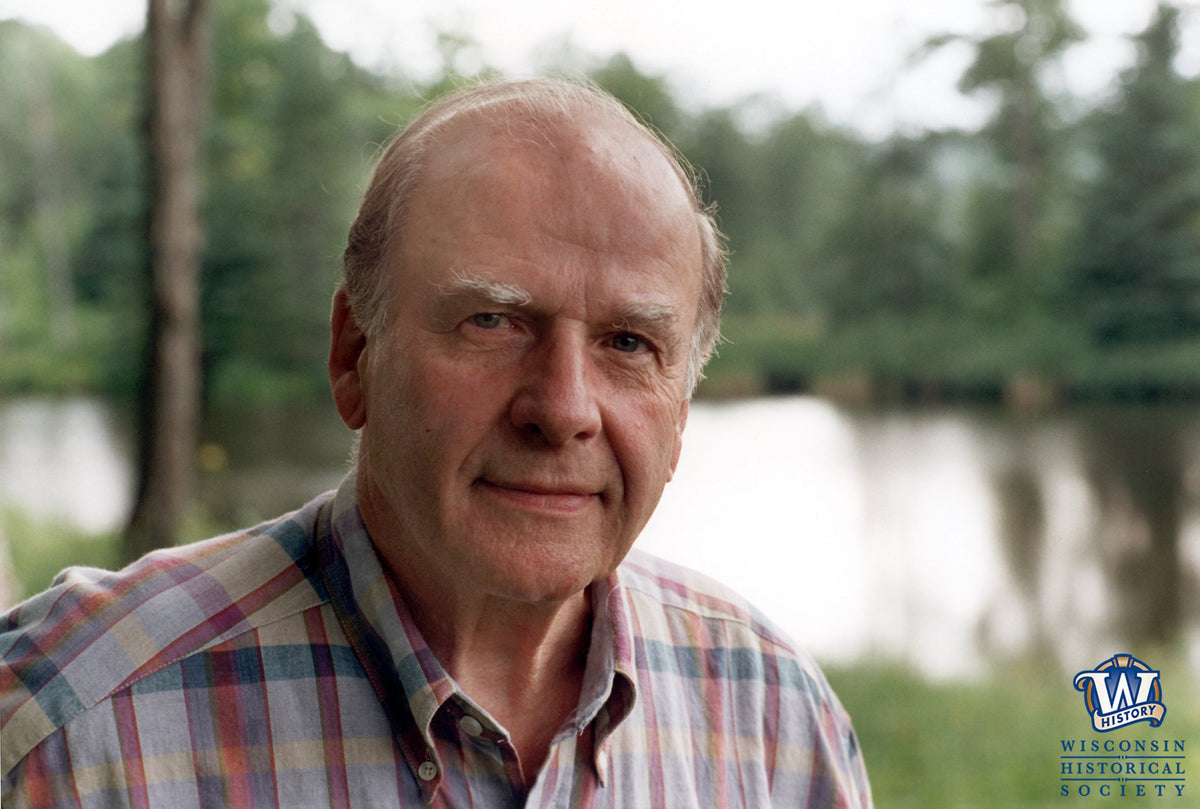
Gaylord Nelson, a U.S. Senator from Wisconsin, created Earth Day on April 22, 1970, which brought 20 million Americans together and established the foundation for the modern environmental movement. Nelson made environmentalism accessible to all people, uniting Americans across political lines in demanding cleaner air, water, and sustainable practices.
Gaylord Nelson transformed environmental consciousness from a fringe concern into a worldwide movement that continues to inspire action today. As the visionary behind Earth Day, this Wisconsin Senator sparked the largest environmental demonstration in human history, bringing together 20 million Americans on April 22, 1970. His legacy extends far beyond a single day, establishing the foundation for modern environmental protection and inspiring initiatives like Combating Climate Change Through Collective Action that organizations worldwide embrace today.
The Birth of Earth Day: A Catalyst for Change
In the late 1960s, Gaylord Nelson witnessed America's environmental crisis firsthand. Rivers caught fire, smog choked cities, and wildlife habitats disappeared at alarming rates. As a U.S. Senator from Wisconsin, Nelson recognized that environmental degradation threatened not just nature, but human survival itself.
Inspired by the anti-war teach-ins of the era, Nelson conceptualized a national day of environmental awareness. He envisioned an event that would unite Americans across political lines in demanding cleaner air, water, and sustainable practices. The result was Earth Day 1970, which drew 20 million participants and marked the beginning of the modern environmental movement.
Nelson's strategic brilliance lay in making environmentalism accessible to everyone. Unlike previous conservation efforts that focused primarily on wilderness preservation, Earth Day addressed urban pollution, industrial waste, and quality of life issues that affected all Americans. This inclusive approach helped establish environmental protection as a fundamental human right.
Legislative Legacy: Building the Foundation for Environmental Protection
Gaylord Nelson's impact extended far beyond organizing demonstrations. As a Senator, he championed crucial environmental legislation that continues to protect Americans today. His advocacy directly contributed to the creation of the Environmental Protection Agency (EPA) in 1970, along with landmark laws including the Clean Water Act, Clean Air Act, and Endangered Species Act.
These legislative victories established the legal framework for environmental protection in the United States. Nelson understood that lasting change required more than public awareness—it demanded institutional reform and regulatory enforcement. His work helped shift environmental protection from voluntary initiatives to mandatory compliance.
The senator's philosophy emphasized that environmental protection and economic prosperity were not mutually exclusive. He argued that sustainable practices would create jobs, improve public health, and ensure long-term economic stability. This forward-thinking approach helped counter industry resistance and build broader political support for environmental legislation.
From National Movement to Global Phenomenon
While Earth Day began as an American initiative, Gaylord Nelson always envisioned it as a global movement. His prediction proved remarkably prescient. By 1990, Earth Day had expanded internationally, with events in 141 countries reaching 200 million participants worldwide.
Today, Earth Day engages over 1 billion people across more than 190 countries, making it the world's largest civic observance. This global reach demonstrates the universal appeal of Nelson's core message: environmental protection transcends borders, ideologies, and economic systems. According to the United Nations Sustainable Development Goals, international cooperation on environmental issues has become essential for addressing climate change and biodiversity loss.
Nelson's vision of collaborative environmental action has influenced international treaties, climate agreements, and conservation initiatives worldwide. His emphasis on grassroots engagement continues to inspire organizations working toward Net Zero Targets and sustainable development goals globally.
Philosophy of Environmental Stewardship
Gaylord Nelson believed that humans had both the power and responsibility to protect the natural world. His environmental philosophy centered on several key principles that remain relevant today:
- Interconnectedness: Environmental health directly impacts human wellbeing and economic prosperity
- Democratic participation: Every individual has the right and ability to contribute to environmental protection
- Long-term thinking: Sustainable practices must consider future generations, not just immediate benefits
- Scientific basis: Environmental policies should be grounded in research and evidence
These principles align closely with modern environmental initiatives. Organizations like Grow Billion Trees embody Nelson's philosophy by making environmental action accessible through programs like Plant a Tree in your Name for just ₹299, complete with 2-3ft Tree Planting + 3 Years Care + GeoTag technology for transparent tracking.
Overcoming Challenges and Opposition
Nelson faced significant resistance from industrial interests and political opponents who viewed environmental regulations as threats to economic growth. Many businesses argued that pollution controls would increase costs and reduce competitiveness. Some politicians dismissed environmentalism as a passing fad that would fade once public attention moved elsewhere.
However, Nelson and his supporters persevered by building broad coalitions that included labor unions, health organizations, and community groups. They demonstrated that environmental protection created jobs in emerging green industries while reducing healthcare costs associated with pollution-related illnesses.
The United Nations Environment Programme now recognizes that sustainable development requires balancing environmental protection with economic needs—a principle Nelson championed decades earlier.
Modern Environmental Movements Inspired by Nelson's Legacy
Gaylord Nelson's approach to environmental activism continues to influence contemporary movements addressing climate change, deforestation, and biodiversity loss. His emphasis on mass participation and democratic engagement appears in modern initiatives ranging from climate strikes to reforestation campaigns.
Organizations worldwide have adopted Nelson's model of combining education, advocacy, and direct action. The goal of planting 100 crore trees in India, for example, reflects his belief that ambitious environmental goals require both individual participation and institutional support.
The United Nations Climate Change initiatives demonstrate how Nelson's vision of international cooperation has evolved into comprehensive global frameworks for environmental protection.
Technology and Environmental Action: Nelson's Vision Realized
While Gaylord Nelson couldn't have anticipated modern technology, his emphasis on transparency and accountability aligns perfectly with today's digital environmental tools. GPS tracking, satellite monitoring, and blockchain verification now enable unprecedented transparency in environmental projects.
Modern reforestation efforts exemplify this evolution. Programs using GeoTag technology allow individuals to track their environmental impact with precision that Nelson could only dream of. This technological advancement fulfills his vision of making every person's environmental contribution visible and meaningful.
Digital platforms have also democratized environmental education and action, allowing millions to participate in conservation efforts regardless of their physical location or economic circumstances.
The Economic Case for Environmental Protection
Nelson understood that environmental protection must make economic sense to achieve lasting success. He argued that clean technologies and sustainable practices would ultimately prove more profitable than polluting alternatives. This economic argument has proven remarkably prescient.
Today's green economy generates trillions of dollars in revenue while creating millions of jobs worldwide. Renewable energy costs have plummeted, making clean power economically competitive with fossil fuels. Companies achieving Net Zero Targets often discover that sustainable practices reduce costs while improving their market position.
The economic benefits of environmental protection validate Nelson's long-term vision and provide a compelling argument for continued investment in sustainable technologies and practices.
Further reading: Rachel Carson: The Silent Spring Author Who Sparked the Environmental Movement · John Muir: The Wilderness Defender Who Founded National Parks
Frequently Asked Questions
Who was Gaylord Nelson and why is he important?
Gaylord Nelson was a U.S. Senator from Wisconsin who founded Earth Day in 1970. He is considered the father of the modern environmental movement because he transformed environmental consciousness from a fringe concern into a mainstream global movement that continues to influence policy and activism today.
How did Gaylord Nelson create Earth Day?
Nelson organized Earth Day after witnessing America's environmental crisis in the 1960s. Inspired by anti-war teach-ins, he conceived a national day of environmental awareness that would unite Americans in demanding environmental protection. The first Earth Day on April 22, 1970, drew 20 million participants.
What environmental laws did Gaylord Nelson help create?
Nelson's advocacy contributed to the creation of the Environmental Protection Agency (EPA) and the passage of major environmental legislation including the Clean Water Act, Clean Air Act, and Endangered Species Act. These laws established the legal framework for environmental protection in the United States.
How did Earth Day become a global movement?
While Earth Day began as an American initiative, Nelson always envisioned it as a global movement. By 1990, Earth Day had expanded to 141 countries with 200 million participants. Today, it engages over 1 billion people across more than 190 countries, making it the world's largest civic observance.
What was Gaylord Nelson's environmental philosophy?
Nelson believed that environmental protection and human wellbeing were interconnected. He emphasized that clean air, water, and natural resources were fundamental human rights, not luxuries. His philosophy centered on democratic participation, scientific evidence, and long-term thinking about future generations.
How does Nelson's legacy influence modern environmental movements?
Nelson's approach of combining education, advocacy, and mass participation continues to influence contemporary environmental movements. Modern initiatives addressing climate change and reforestation often adopt his model of grassroots engagement combined with policy advocacy.
What challenges did Gaylord Nelson face in promoting environmentalism?
Nelson faced significant resistance from industrial interests and politicians who viewed environmental regulations as threats to economic growth. He overcame this opposition by building broad coalitions and demonstrating that environmental protection could create jobs and improve public health.
How do modern technologies fulfill Nelson's environmental vision?
Today's digital tools for environmental monitoring and transparency fulfill Nelson's vision of making environmental action visible and accountable. GPS tracking, satellite monitoring, and blockchain verification enable unprecedented transparency in conservation projects, allowing individuals to track their environmental impact with precision.
Continuing Nelson's Legacy Through Action
Gaylord Nelson's greatest achievement was proving that environmental protection requires both individual action and collective effort. His vision of Combating Climate Change Through Collective Action remains as relevant today as it was in 1970. Every tree planted, every sustainable choice made, and every voice raised for environmental protection continues his legacy.
Organizations worldwide honor Nelson's memory by making environmental action accessible and impactful. Whether through planting trees, supporting renewable energy, or advocating for policy changes, individuals can contribute to the global movement he started over five decades ago.
As we face unprecedented environmental challenges, Gaylord Nelson's example reminds us that ordinary people can achieve extraordinary change when they unite around a common cause. His legacy lives on in every environmental victory, every protected habitat, and every person who chooses to act for our planet's future.
Ready to join the movement that Gaylord Nelson started? Discover how you can plant a tree and contribute to environmental protection today.
Keep reading
 Rachel Carson: The Silent Spring Author Who Sparked the Environmental Movement
 John Muir: The Wilderness Defender Who Founded National Parks
 Why Tree Planting is the Perfect Gift for Father's Day 2026
 Van Jones: Green Collar Champion Bridging Environment & Justice
 Bill McKibben: Climate Activist Leading Global Environmental Action


Leave a comment