
E.O. Wilson: The Father of Biodiversity and Conservation Pioneer
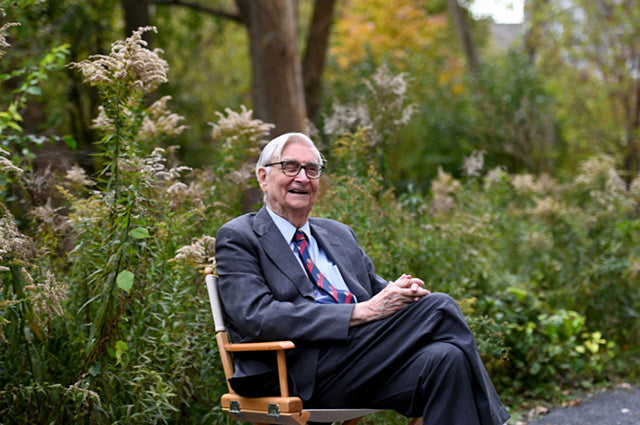
Edward Osborne Wilson, universally known as E.O. Wilson, is recognized as the Father of Biodiversity for his groundbreaking research on ecosystems and species relationships. Born in 1929, Wilson revolutionized conservation science through his study of ants and complex ecological systems, establishing the scientific foundation for understanding how biodiversity functions and why its protection is essential.
Edward Osborne Wilson, universally known as E.O. Wilson, stands as one of the most influential biologists of our time, earning the title "Father of Biodiversity" through his groundbreaking research and unwavering dedication to conservation. His revolutionary work has shaped our understanding of ecosystems, species relationships, and the urgent need for environmental protection.
At Grow Billion Trees, we find profound inspiration in Wilson's vision of a world where biodiversity thrives. His legacy aligns perfectly with our mission to Plant a tree in your Name and work toward our goal of planting 100 crore trees across India by 2030.
✅ Who Was E.O. Wilson?
Born on June 10, 1929, in Birmingham, Alabama, E.O. Wilson developed an early fascination with the natural world, particularly insects. This childhood curiosity blossomed into a distinguished career that would revolutionize biology and conservation science.
Wilson's journey began with ants, making him one of the world's foremost myrmecologists. His meticulous observations of ant colonies revealed complex social structures that would later inform his theories about biodiversity and ecosystem functioning.
Throughout his remarkable career, Wilson authored over 20 books and received numerous prestigious awards, including two Pulitzer Prizes. His approach to biology was always holistic, recognizing the interconnectedness of all living systems and the critical importance of preserving Earth's diverse ecosystems.
⭐ The Revolutionary Theory of Biodiversity
Wilson's most significant contribution was his comprehensive theory of biodiversity, which fundamentally changed how we understand ecosystem health and resilience. According to his research, the more species present in an ecosystem, the more stable and resilient it becomes to environmental disruptions.
This groundbreaking concept demonstrated that biodiversity isn't just aesthetically valuable—it's functionally essential for ecosystem survival. Wilson showed that diverse ecosystems provide better services, from carbon sequestration to water purification, supporting both wildlife and human communities.
The United Nations Environment Programme recognizes that forest biodiversity is crucial for climate regulation and species conservation, directly supporting Wilson's theories about ecosystem resilience.
Wilson also coined the term "biophilia," describing humans' innate connection to nature. This concept suggests that our bond with the natural world is both emotional and biological, rooted in millions of years of evolutionary history.
🌍 Biodiversity Hotspots: A Conservation Framework
One of Wilson's most practical contributions was identifying and promoting the concept of biodiversity hotspots—34 regions worldwide that harbor exceptional species diversity but face significant threats from human activities.
These hotspots represent just 2.3% of Earth's land surface but contain over half of all plant species and nearly 43% of bird, mammal, reptile, and amphibian species. Wilson's framework has become the foundation for global conservation prioritization.
The hotspot approach has guided conservation organizations, governments, and initiatives like ours at Grow Billion Trees in focusing resources where they can have maximum impact. Our specialized programs, including Miyawaki forest creation and mangrove restoration, directly support biodiversity conservation in critical regions.
💡 Wilson's Conservation Advocacy
Throughout his life, E.O. Wilson served as a passionate advocate for conservation, using his scientific authority to sound urgent alarms about biodiversity loss. His message was clear and compelling: immediate action is required to prevent catastrophic ecosystem collapse.
Wilson was among the first prominent scientists to advocate for rainforest protection, coral reef conservation, and habitat preservation. His warnings about the "sixth extinction"—the current human-caused mass extinction event—have proven prophetic as species disappear at unprecedented rates.
The World Wildlife Fund reports that deforestation and habitat destruction continue to threaten global biodiversity, validating Wilson's decades-old warnings and calls for action.
His advocacy directly inspired conservation movements worldwide and continues to motivate organizations like Grow Billion Trees in our mission of Combating Climate Change Through Collective Action.
🧬 Sociobiology: Understanding Behavior Through Evolution
Beyond biodiversity, Wilson founded the field of sociobiology with his controversial 1975 book "Sociobiology: The New Synthesis." This discipline explores how evolutionary forces shape animal behavior, including human social behaviors.
Wilson proposed that cooperation, competition, altruism, and other social behaviors have evolutionary origins. While initially controversial, sociobiology has evolved into the respected field of evolutionary psychology, providing insights into human nature and social organization.
His work on social insects, particularly ants, revealed sophisticated communication systems, division of labor, and collective decision-making that parallel human societies. These insights have influenced fields from robotics to organizational management.
🌱 The Half-Earth Vision
In his later years, Wilson proposed an ambitious conservation strategy called "Half-Earth," advocating for protecting 50% of Earth's land and sea to preserve biodiversity. This bold vision represents the scale of action Wilson believed necessary to prevent ecological collapse.
The Half-Earth concept has gained support from conservation scientists worldwide, who recognize that current protected areas—covering roughly 15% of land and 7% of oceans—are insufficient to maintain biodiversity.
At Grow Billion Trees, we embrace this ambitious thinking through our comprehensive approach to environmental restoration. Our 2-3ft Tree Planting + 3 Years Care + GeoTag program ensures long-term ecosystem establishment, contributing to Wilson's vision of expanded natural habitat.
→ Wilson's Scientific Methodology
Wilson's scientific approach combined rigorous field research with broad theoretical thinking. He spent countless hours observing organisms in their natural habitats, believing that understanding nature required direct experience with living systems.
His methodology emphasized:
- Field-based observation: Studying organisms in natural settings
- Interdisciplinary thinking: Connecting biology, psychology, and sociology
- Long-term perspective: Understanding evolutionary and ecological timescales
- Public communication: Translating scientific knowledge for broader audiences
This comprehensive approach has influenced generations of biologists and conservationists, including our team at Grow Billion Trees, where we combine scientific rigor with practical conservation action.
⭐ Awards and Recognition
Wilson's contributions earned him numerous prestigious awards and honors throughout his career. He received two Pulitzer Prizes for General Nonfiction, first for "On Human Nature" (1979) and later for "The Ants" (1991), co-authored with Bert Hölldobler.
Additional recognition included:
- National Medal of Science (1976)
- Crafoord Prize from the Royal Swedish Academy of Sciences (1990)
- International Prize for Biology (1993)
- Nierenberg Prize for Science in the Public Interest (2001)
These honors reflect not only his scientific excellence but also his commitment to using knowledge for the greater good of humanity and nature.
🌳 Wilson's Influence on Modern Conservation
Wilson's work continues to shape contemporary conservation strategies and environmental policy. His emphasis on biodiversity as the foundation of ecosystem health has become central to global environmental initiatives.
The United Nations Sustainable Development Goals explicitly recognize biodiversity conservation as essential for achieving sustainable development, directly reflecting Wilson's decades of advocacy.
Modern conservation programs, including corporate Net Zero Targets and reforestation initiatives, draw heavily on Wilson's theoretical framework. Our work at Grow Billion Trees exemplifies this approach, combining scientific understanding with practical action to restore and protect natural ecosystems.
💚 Wilson's Literary Legacy
Beyond scientific papers, Wilson authored numerous books that brought complex biological concepts to general audiences. His writing style combined scientific precision with lyrical appreciation for nature's beauty and complexity.
Key works include:
- "The Diversity of Life" (1992) - A comprehensive exploration of biodiversity
- "Biophilia" (1984) - Examining humanity's connection to nature
- "The Future of Life" (2002) - A call to action for conservation
- "Half-Earth" (2016) - His final major conservation proposal
These books have inspired countless readers to appreciate nature's complexity and join conservation efforts, much like our mission to engage individuals in tree planting and environmental restoration.
⚠️ Addressing Wilson's Controversies
While widely respected, Wilson's work, particularly in sociobiology, generated significant debate. Critics argued that applying evolutionary principles to human behavior could justify discrimination or oversimplify complex social phenomena.
Wilson addressed these concerns by emphasizing that understanding biological influences on behavior doesn't negate the importance of culture, education, and individual choice. He maintained that scientific knowledge should inform, not determine, human values and decisions.
His approach to controversial topics demonstrated intellectual courage and commitment to scientific inquiry, even when findings challenged prevailing assumptions. This dedication to truth-seeking, regardless of social pressure, exemplifies the scientific integrity that drives effective conservation work.
🌿 Wilson's Vision for the Future
Throughout his career, Wilson maintained optimism about humanity's ability to address environmental challenges. He believed that combining scientific knowledge with moral commitment could create a sustainable future where both humans and nature thrive.
His vision included:
- Expanded environmental education: Teaching people about biodiversity's importance
- Technology for conservation: Using innovation to monitor and protect ecosystems
- Global cooperation: Uniting nations in conservation efforts
- Economic incentives: Making conservation financially beneficial
At Grow Billion Trees, we're working to realize Wilson's vision through accessible tree planting programs, advanced GeoTag technology for monitoring, and partnerships that make environmental restoration economically viable.
Further reading: Edward Abbey: The Radical Conservationist Who Fought Wild · Norman Myers: The Visionary Who Mapped Biodiversity Hotspots
Frequently Asked Questions
What made E.O. Wilson the "Father of Biodiversity"?
E.O. Wilson earned this title through his groundbreaking research demonstrating biodiversity's critical role in ecosystem health and stability. His comprehensive theories about species interactions, biodiversity hotspots, and conservation strategies fundamentally changed how scientists and policymakers approach environmental protection.
How did Wilson's work influence modern conservation efforts?
Wilson's biodiversity hotspot concept became the foundation for global conservation prioritization, helping organizations focus resources on the most critical areas. His Half-Earth proposal continues to inspire ambitious conservation goals, while his biophilia theory helps explain why nature connection is essential for human well-being.
What was Wilson's most controversial contribution to science?
Wilson's founding of sociobiology generated significant debate because it applied evolutionary principles to human behavior. Critics worried this approach might justify discrimination or oversimplify complex social phenomena, though Wilson emphasized that biology informs but doesn't determine human choices.
How does Wilson's research relate to climate change?
Wilson's work on biodiversity directly connects to climate change through ecosystem services like carbon sequestration. His research showed that diverse forests and other ecosystems are more resilient to climate disruption and better at storing carbon, supporting reforestation efforts like those at Grow Billion Trees.
What was Wilson's Half-Earth proposal?
Half-Earth was Wilson's ambitious conservation strategy calling for protection of 50% of Earth's land and sea to preserve biodiversity. He argued this scale of protection was necessary to prevent mass extinction and maintain ecosystem services essential for human survival.
How did Wilson's ant research contribute to broader scientific understanding?
Wilson's detailed studies of ant colonies revealed sophisticated social organization, communication systems, and collective decision-making. These insights influenced fields beyond biology, including robotics, organizational management, and our understanding of cooperation in complex systems.
What role did Wilson play in environmental education?
Wilson was a passionate science communicator who wrote numerous books for general audiences, translating complex biological concepts into accessible language. His writing inspired countless people to appreciate nature's complexity and join conservation efforts worldwide.
How can individuals honor Wilson's legacy today?
People can honor Wilson's legacy by supporting biodiversity conservation through actions like tree planting, habitat protection, and environmental education. Organizations like Grow Billion Trees offer practical ways to contribute to Wilson's vision of a world where nature and humanity thrive together.E.O. Wilson's extraordinary life and work continue to inspire environmental action worldwide. His vision of biodiversity as the foundation of planetary health guides our mission at Grow Billion Trees as we work toward planting 100 crore trees and creating a more sustainable future. By understanding and applying Wilson's insights, we can all contribute to preserving the natural world for future generations.Join us in honoring Wilson's legacy—plant a tree in your name today and become part of the solution for our planet's biodiversity crisis.
Keep reading
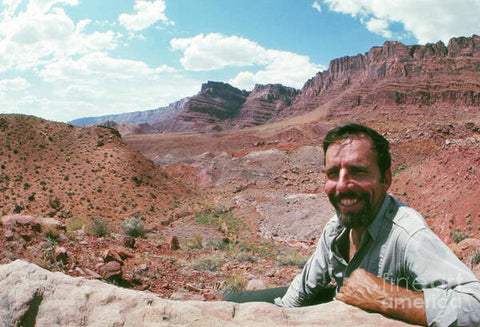 Edward Abbey: The Radical Conservationist Who Fought Wild
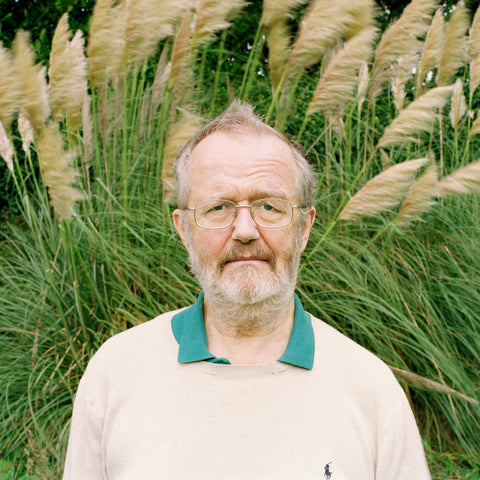 Norman Myers: The Visionary Who Mapped Biodiversity Hotspots
 Elinor Ostrom: The Nobel Laureate Who Proved Communities Can Save the Planet
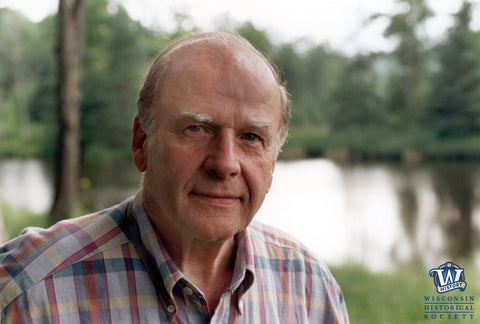 Gaylord Nelson: Father of Earth Day & Global Environmental Movement
 Why Tree Planting is the Perfect Gift for Father's Day 2026


Leave a comment