
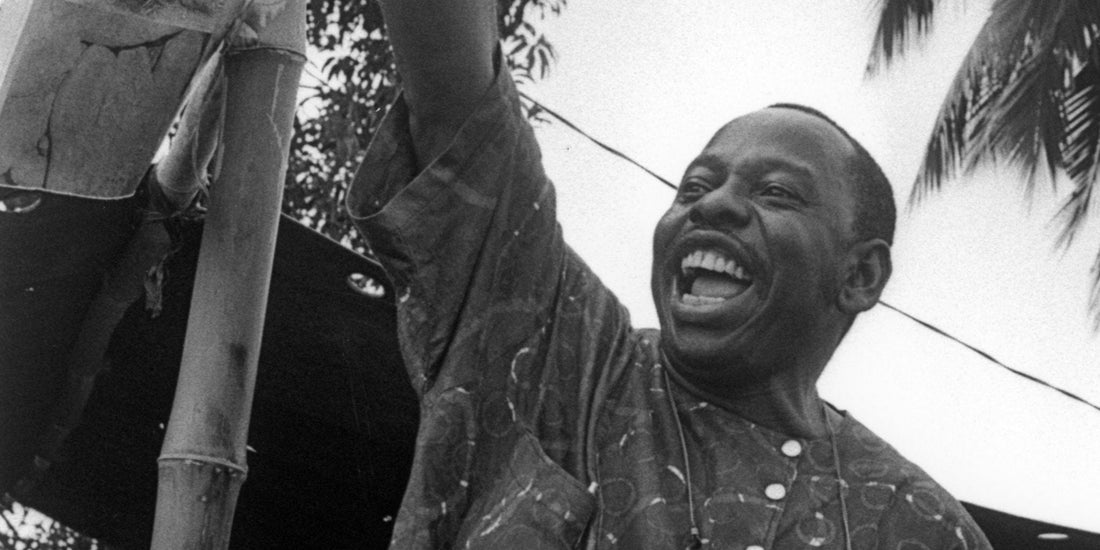
Ken Saro-Wiwa stands as one of history's most courageous environmental activists, a man who sacrificed his life fighting multinational oil corporations to protect Nigeria's Niger Delta. His unwavering dedication to environmental justice and the right Read more
Trending Tree Plantations - Most Popular Environmental Programs
-
Trees for Mother
Regular price ₹ 299Regular priceUnit price per -
Trees to Honor the Memory of your Loved Ones
Regular price ₹ 299Regular priceUnit price per -
Trees for Women's Day (8th Mar)
Regular price ₹ 299Regular priceUnit price per -
Trees for Wedding Anniversary Celebration
Regular price ₹ 299Regular priceUnit price per -
Trees for Grandmother
Regular price ₹ 299Regular priceUnit price per





Trees for Corporates - Achieve Net Zero Targets Through Strategic Tree Planting
-
 Project Closed
Trees by LIFT Team for Green Diwali: Transform Your Festival
Regular price ₹ 299Regular priceUnit price per -
Trees for a Greener Tomorrow - by Mahindra Lifespaces
Regular price ₹ 299Regular priceUnit price per -
Trees for Environment Day: Plant Your Impact on June 5th
Regular price ₹ 299Regular priceUnit price per -
 Project Closed
Trees for Bangalore: Plant Native Trees in Garden City ₹299
Regular price ₹ 799Regular priceUnit price per -
Trees for Employees: Transform Your Corporate Culture in 2026
Regular price ₹ 299Regular priceUnit price per



Ken Saro-Wiwa: Environmental Martyr Who Fought Big Oil
Ken Saro-Wiwa stands as one of history's most courageous environmental activists, a man who sacrificed his life fighting multinational oil corporations to protect Nigeria's Niger Delta. His unwavering dedication to environmental justice and the rights of the Ogoni people transformed him into a global symbol of resistance against corporate environmental destruction. Through his activism with the Movement for the Survival of the Ogoni People (MOSOP), Ken Saro-Wiwa challenged Shell's destructive operations and ultimately paid the ultimate price for his environmental advocacy.
Early Life and Environmental Awakening
Born in 1941 in Bori, in the heart of Nigeria's oil-rich Ogoni region, Ken Saro-Wiwa witnessed firsthand the devastating contrast between oil wealth and local poverty. After completing his education in Nigeria and the UK, he became a celebrated writer and journalist. However, his literary success paled in comparison to his growing passion for environmental activism.
The Niger Delta's environmental degradation profoundly shaped Saro-Wiwa's worldview. Despite sitting atop some of the world's largest oil reserves, the Ogoni people lived in abject poverty while their ancestral lands suffered from decades of oil exploration. This stark reality fueled his determination to fight for environmental justice and indigenous rights.
The Birth of MOSOP: Organizing Against Environmental Destruction
In 1990, Ken Saro-Wiwa founded the Movement for the Survival of the Ogoni People (MOSOP), marking a pivotal moment in Nigeria's environmental movement. MOSOP's mission centered on holding multinational oil companies, particularly Royal Dutch Shell, accountable for the environmental devastation plaguing the Niger Delta.
The organization documented extensive environmental damage including oil spills, gas flaring, deforestation, and water contamination. Through MOSOP, Saro-Wiwa presented the Ogoni Bill of Rights to Nigeria's government, demanding political autonomy, environmental remediation, and compensation for decades of ecological destruction. This grassroots movement represented not just the Ogoni people but all marginalized communities affected by environmental injustice.
Confronting Shell: The David vs. Goliath Battle
Ken Saro-Wiwa's most significant challenge came in confronting Shell's operations in the Niger Delta. For decades, Shell had extracted oil with minimal regard for environmental protection or community welfare. The company's operations resulted in widespread oil spills, continuous gas flaring, and severe soil contamination that devastated local ecosystems.
In 1993, MOSOP organized massive protests against Shell, demanding the company cease operations in Ogoniland until proper environmental safeguards were implemented. These peaceful demonstrations met violent repression from Nigeria's military government, which had close ties to the oil industry. Shell's response remained largely dismissive, prioritizing profits over the environmental and human costs of their operations.
According to the United Nations Sustainable Development Goals, environmental protection and sustainable development are fundamental human rights that corporations must respect.
International Recognition and Global Environmental Movement
Ken Saro-Wiwa's activism gained international attention as environmental organizations worldwide recognized the Niger Delta as one of Earth's most polluted regions. Global campaigns emerged to pressure Shell and Nigeria's government to address the environmental catastrophe.
The United Nations Environment Programme has consistently highlighted how environmental degradation disproportionately affects indigenous communities like the Ogoni people. International activists, human rights groups, and environmental organizations rallied behind Saro-Wiwa's cause, amplifying his message on global platforms.
This international support helped establish precedents for corporate environmental accountability and indigenous rights protection. Saro-Wiwa's work contributed to growing awareness about environmental justice and the need for sustainable development practices in extractive industries.
The Tragic End: Martyrdom for Environmental Justice
Nigeria's military government, led by General Sani Abacha, viewed Ken Saro-Wiwa's activism as a direct threat to their lucrative oil partnerships. In 1995, following escalating protests and military crackdowns, Saro-Wiwa and eight other Ogoni leaders were arrested on fabricated charges of inciting violence.
The subsequent military tribunal was widely condemned as a sham trial lacking credible evidence or due process. Despite international appeals for clemency, Ken Saro-Wiwa and his co-activists were sentenced to death. On November 10, 1995, they were executed by hanging, sending shockwaves throughout the global environmental community.
His execution transformed Ken Saro-Wiwa from an activist into a martyr for environmental justice, inspiring countless others to continue the fight against corporate environmental destruction.
Legacy and Continuing Impact on Environmental Activism
Ken Saro-Wiwa's sacrifice catalyzed significant changes in corporate environmental accountability and indigenous rights recognition. His death prompted international sanctions against Nigeria and increased scrutiny of multinational corporations operating in developing countries.
Shell faced years of legal challenges and reputational damage following Saro-Wiwa's execution. In 2009, the company agreed to pay $15.5 million to settle a lawsuit filed by families of the executed activists, though they admitted no wrongdoing. This settlement established important precedents for corporate responsibility in environmental and human rights violations.
The United Nations climate change initiatives now emphasize the connection between environmental protection and human rights that Ken Saro-Wiwa championed decades earlier.
Lessons for Modern Environmental Movements
Ken Saro-Wiwa's approach to environmental activism offers valuable lessons for contemporary movements. His emphasis on grassroots organizing, international coalition building, and peaceful resistance remains relevant for modern environmental campaigns.
His work demonstrated the importance of connecting environmental issues to broader social justice concerns. By framing environmental degradation as a human rights issue, Saro-Wiwa helped establish the foundation for environmental justice movements worldwide.
- ✅ Community-centered activism: Prioritizing affected communities' voices and leadership
- ✅ International solidarity: Building global networks to pressure corporations and governments
- ✅ Media engagement: Using storytelling and journalism to raise awareness
- ✅ Legal advocacy: Pursuing formal channels while maintaining grassroots pressure
The Niger Delta Today: Ongoing Environmental Challenges
Despite Ken Saro-Wiwa's sacrifice, the Niger Delta continues facing significant environmental challenges. Oil spills, gas flaring, and water contamination persist, affecting millions of people across the region. However, his legacy has inspired new generations of environmental activists working to address these ongoing issues.
Modern environmental organizations in Nigeria continue building on Saro-Wiwa's foundation, using improved technology and international frameworks to document environmental damage and advocate for remediation. The fight for environmental justice in the Niger Delta remains active, with communities demanding accountability from oil companies and government action on climate change.
Global Environmental Justice Movement
Ken Saro-Wiwa's influence extends far beyond Nigeria, inspiring environmental justice movements worldwide. His approach to connecting environmental protection with human rights has become a cornerstone of modern environmental activism.
From indigenous communities in the Amazon fighting deforestation to Pacific Island nations addressing sea-level rise, activists worldwide draw inspiration from Saro-Wiwa's courage and dedication. His example demonstrates how individual activists can create lasting change through persistent advocacy and international coalition building.
Organizations like Grow Billion Trees continue this legacy by supporting reforestation efforts and environmental restoration projects. Through initiatives like Plant a tree in your Name and comprehensive programs including 4ft Tree Planting + 3 Years Care + GeoTag, modern environmental movements work toward the goal of planting 100 crore trees while honoring Saro-Wiwa's commitment to environmental justice.
Corporate Environmental Responsibility
Ken Saro-Wiwa's activism helped establish important precedents for corporate environmental responsibility. His confrontation with Shell demonstrated the need for multinational corporations to consider environmental and social impacts alongside profit margins.
Today's environmental, social, and governance (ESG) frameworks partly reflect lessons learned from Saro-Wiwa's advocacy. Companies increasingly face pressure to demonstrate environmental stewardship and respect for indigenous rights, though significant challenges remain in ensuring meaningful accountability.
The concept of Net Zero Targets and corporate sustainability commitments can be traced back to the environmental justice principles that Ken Saro-Wiwa championed. His work helped establish the foundation for modern corporate environmental accountability standards.
Frequently Asked Questions
Who was Ken Saro-Wiwa and why is he important?
Ken Saro-Wiwa was a Nigerian environmental activist, writer, and founder of MOSOP who fought against oil companies' environmental destruction in the Niger Delta. He became a martyr for environmental justice when executed in 1995 for his activism against Shell's operations in Ogoniland.
What was the Movement for the Survival of the Ogoni People (MOSOP)?
MOSOP was an organization founded by Ken Saro-Wiwa in 1990 to advocate for the rights of the Ogoni people and demand environmental remediation from oil companies operating in the Niger Delta. The group organized peaceful protests and presented demands for political autonomy and environmental protection.
How did Shell respond to Ken Saro-Wiwa's activism?
Shell largely dismissed Saro-Wiwa's environmental concerns and continued operations despite documented environmental damage. The company faced international criticism after his execution and eventually paid $15.5 million in 2009 to settle lawsuits filed by the activists' families.
What environmental problems did Ken Saro-Wiwa fight against?
Saro-Wiwa fought against oil spills, gas flaring, deforestation, water contamination, and soil degradation caused by decades of oil extraction in the Niger Delta. These environmental problems devastated local ecosystems and communities' livelihoods.
How did Ken Saro-Wiwa's execution impact the global environmental movement?
His execution in 1995 galvanized international environmental and human rights organizations, leading to sanctions against Nigeria and increased scrutiny of multinational corporations' environmental practices. It helped establish precedents for corporate environmental accountability.
What is Ken Saro-Wiwa's lasting legacy?
Ken Saro-Wiwa's legacy includes inspiring global environmental justice movements, establishing precedents for corporate environmental responsibility, and demonstrating how grassroots activism can create international awareness of environmental issues affecting marginalized communities.
How does Ken Saro-Wiwa's work relate to modern climate action?
His emphasis on environmental justice, corporate accountability, and community-centered activism provides a foundation for modern climate movements. His work helped establish the connection between environmental protection and human rights that underlies contemporary climate advocacy.
What can modern environmental activists learn from Ken Saro-Wiwa?
Modern activists can learn the importance of grassroots organizing, international coalition building, peaceful resistance, media engagement, and connecting environmental issues to broader social justice concerns. His approach demonstrates how individual dedication can create lasting global impact.
Continuing the Fight: Modern Environmental Action
Ken Saro-Wiwa's legacy lives on through contemporary environmental movements working toward sustainable development and climate action. His vision of environmental justice continues inspiring activists worldwide who fight against corporate environmental destruction and advocate for marginalized communities' rights.
Organizations committed to Combating Climate Change Through Collective Action honor his memory by supporting reforestation, environmental restoration, and community-centered conservation efforts. The goal of creating a sustainable future requires the same courage and dedication that Ken Saro-Wiwa demonstrated throughout his life.
Today's environmental challenges demand the same unwavering commitment that made Ken Saro-Wiwa a martyr for environmental justice. His example reminds us that protecting our planet requires both individual courage and collective action, inspiring new generations to continue the fight for environmental sustainability and social justice.
Ready to join the environmental movement that Ken Saro-Wiwa inspired? Discover how you can plant a tree and contribute to environmental restoration efforts that honor his legacy while building a sustainable future for all communities.
You may also like
-

Gift a Tree - Meaningful Environmental Gifts That Make a Difference
Transform your gift-giving with meaningful environmental gifts that create lasting impact for...
-

Trees For Shiv Ji - Sacred Tree Planting to Honor Lord Shiva
Honor Lord Shiva through sacred tree planting with Trees For Shiv Ji,...
-

Tree Plantations for Shri Ram - Sacred Devotional Planting Services
Honor Lord Shri Ram through meaningful tree plantations for Shri Ram that...
-
Tree Plantation on Navratri - Celebrate Divine Festivals with Environmental Devotion
Tree plantation on Navratri transforms the sacred nine-day festival into a powerful...
-
Tree Plantation by Cause - Plant Trees for Every Purpose | Grow Billion Trees
Transform your environmental impact with purpose-driven tree plantation by cause programs that...
Corporate Plantations
-
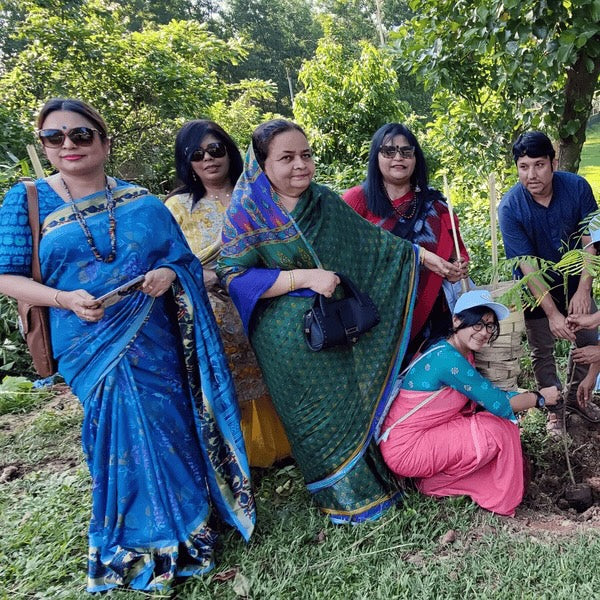
Trees for Corporates - Achieve Net Zero Targets Through Strategic Tree Planting
Trees for Corporates - Strategic Environmental SolutionsTransform your corporate environmental impact with...
-

Tree Plantation for CSR - Corporate Environmental Programs | Grow Billion Trees
Tree Plantation for CSR - Transform Your Corporate Environmental ImpactTree plantation for...
-
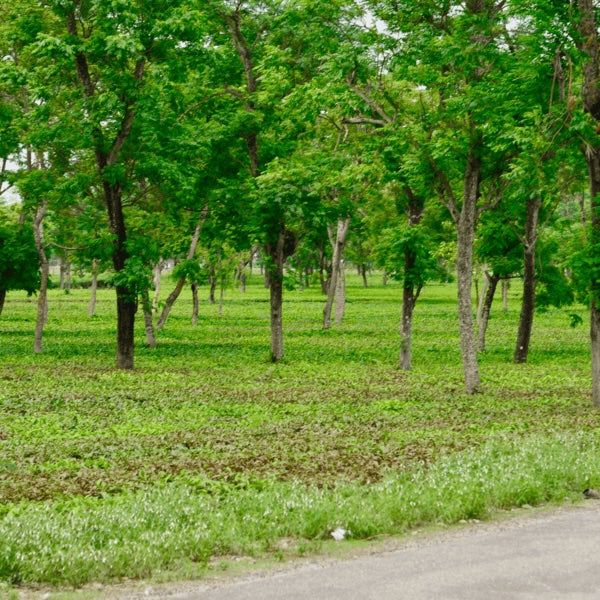
Tree Plantation for SDG - Support Sustainable Development Goals
Tree plantation for SDG initiatives represents a powerful pathway to achieving multiple...
-

Corporate Tree Plantation Programs - Sustainable ESG Environmental Solutions for Net Zero Targets
Transform your organization's environmental impact with our comprehensive Corporate Tree Plantation Programs...
-
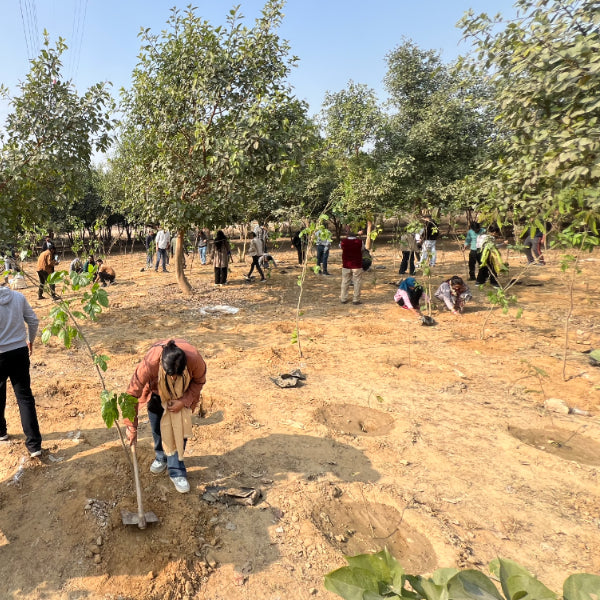
Tree Plantation by Location - Plant Trees Across India
Transform landscapes nationwide through our comprehensive tree plantation by location program. When...
Most Popular Tree Plantations - Top Choices for Environmental Impact
-
Trees for Mother
Regular price ₹ 299Regular priceUnit price per -
Trees to Honor the Memory of your Loved Ones
Regular price ₹ 299Regular priceUnit price per -
Trees for Wedding Anniversary Celebration
Regular price ₹ 299Regular priceUnit price per -
Trees for Grandmother
Regular price ₹ 299Regular priceUnit price per -
Trees for Grandfather
Regular price ₹ 299Regular priceUnit price per

Connect with us
-
👥 Corporates
If you are looking for:
- 🌲 Tree Plantation Events
- 📊 CSR Projects
📧 corporate@growbilliontrees.com
📞 +91 9699723523
💬 +91 9325931304 WhatsApp (Only)
🕒 Mon - Sat | 10am - 7pm IST
-
🧩 Tree Plantation NGOs
If you are looking for:
- 💰 Financial Assistance
- 🤝 Operational Support
📧 support@growbilliontrees.com
📞 +91 9699723523
💬 +91 9325931304 WhatsApp (Only)
🕒 Mon - Sat | 10am - 7pm IST
-
🌼 Individuals
If you are looking for:
- 👥 Group Tree Plantation Drive
- 🌳 Bulk Tree Plantation
📞 +91 9699723523
💬 +91 9325931304 WhatsApp (Only)
🕒 Mon - Sat | 10am - 7pm IST
