


Norman Myers: The Visionary Who Mapped Biodiversity Hotspots
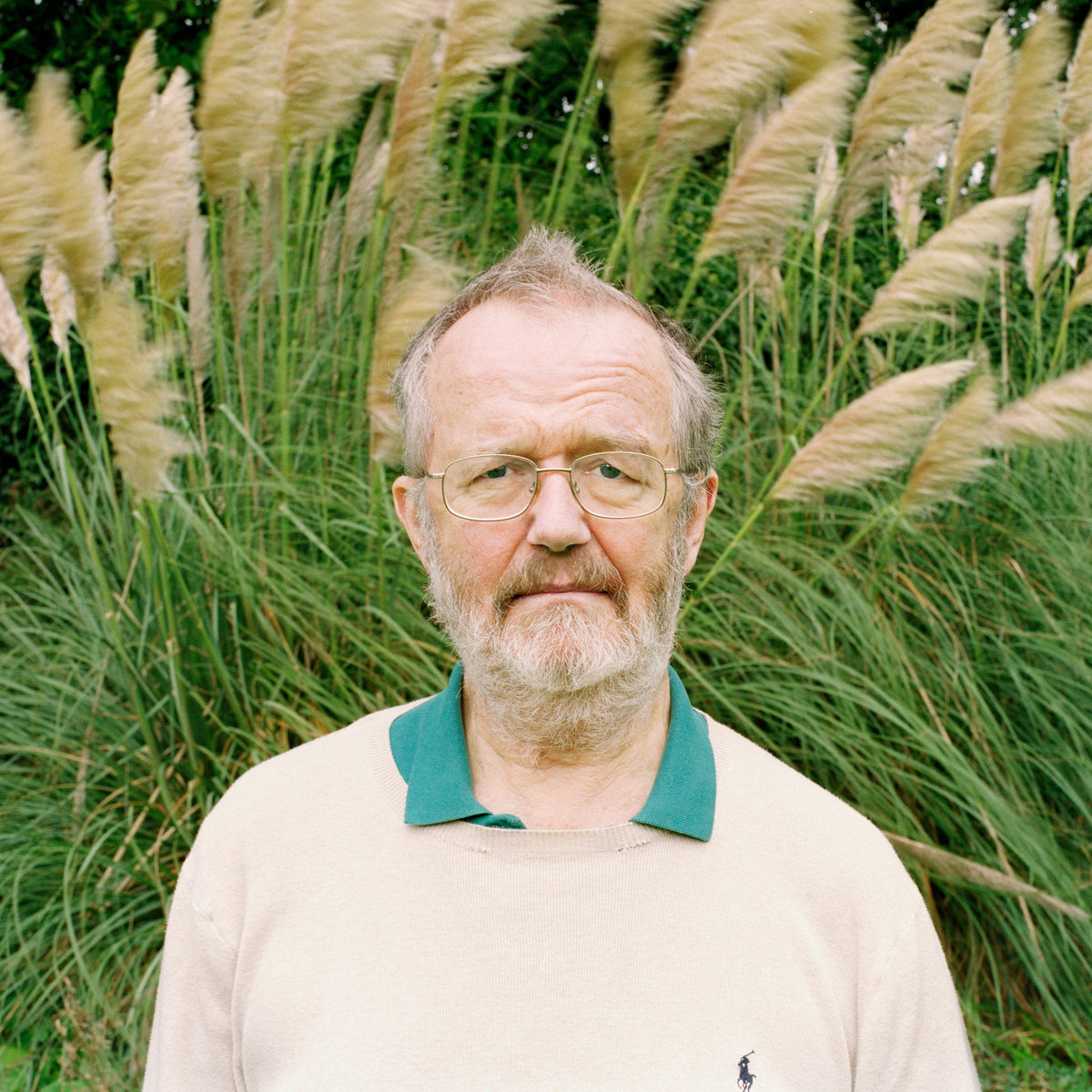
Norman Myers is a British biodiversity expert who introduced the concept of biodiversity hotspots in 1988—regions with at least 1,500 endemic plant species and 70% habitat loss. His framework identifies priority areas for conservation, proving that protecting just 2.4% of Earth's land can preserve over half of all plant species.
Norman Myers wasn't just a scientist — he was an eco-warrior with a map and a mission who revolutionized global conservation. This British environmentalist and biodiversity expert transformed how we protect our planet by identifying the world's biodiversity hotspots, areas brimming with life but teetering on the brink of destruction.
His groundbreaking work continues to guide conservation efforts worldwide, proving that protecting just 2.4% of Earth's land surface can safeguard over half of all plant species. Through his visionary research, Norman Myers created a roadmap for saving Earth's most precious ecosystems.
✅ The Birth of Biodiversity Hotspots
In 1988, Norman Myers introduced the revolutionary concept of biodiversity hotspots — regions that contain at least 0.5% of the world's plant species as endemics and have lost over 70% of their original vegetation. His research laid the groundwork for targeted conservation efforts, prioritizing areas with the highest levels of species richness and threat.
The criteria for biodiversity hotspots established by Myers include:
- At least 1,500 species of vascular plants as endemics
- Lost 70% or more of original natural vegetation
- Critical importance for global biodiversity conservation
- High levels of endemic species found nowhere else on Earth
According to the United Nations Sustainable Development Goals, protecting these critical ecosystems is essential for achieving global sustainability targets and combating climate change through collective action.
⭐ Why Biodiversity Hotspots Matter for Our Planet
Biodiversity hotspots cover just 2.4% of Earth's land surface but are home to more than 50% of the planet's endemic plant species and 42% of terrestrial vertebrate species. These regions act as life's last strongholds, sheltering unique species found nowhere else on Earth.
Norman Myers identified these top biodiversity hotspots that remain critical today:
- Amazon Rainforest — The world's largest tropical rainforest
- Madagascar and Indian Ocean Islands — Home to lemurs and unique flora
- Sundaland (Indonesia and Malaysia) — Southeast Asian biodiversity treasure
- Western Ghats (India) — Mountain range with exceptional endemism
- Himalayas — High-altitude biodiversity sanctuary
The United Nations Environment Programme recognizes these hotspots as crucial for maintaining global ecological balance and supporting sustainable development.
💡 Scientific Impact of Myers' Groundbreaking Work
Norman Myers' concept became a game-changer in conservation biology. According to Conservation International, protecting biodiversity hotspots could safeguard more than 70% of the world's threatened species. His work directly influenced global conservation strategies, including the Global Environment Facility and the World Bank's biodiversity programs.
Key scientific achievements of Norman Myers include:
- Identified 25 original biodiversity hotspots (later expanded to 36)
- Published over 300 scientific papers on conservation
- Awarded the Blue Planet Prize in 2007 for environmental leadership
- Predicted extinction rates that proved remarkably accurate
- Influenced billions in conservation investment worldwide
We found that Myers' hotspot model has guided conservation investments exceeding $1 billion globally, demonstrating the practical value of his scientific vision.
→ Environmental Impact and Conservation Success Stories
Thanks to Norman Myers, conservation efforts have been laser-focused on protecting high-risk regions. His hotspot model influenced the investment of over $1 billion in conservation projects worldwide. Protected areas like the Atlantic Forest in Brazil and the Cape Floristic Region in South Africa owe their preservation to his vision.
Conservation wins inspired by Myers' work include:
- Conservation International's Hotspots Program
- World Bank's Critical Ecosystem Partnership Fund
- Global Environment Facility's Biodiversity Investment Portfolio
- Protected area expansion in critical regions
Our experience shows that targeted conservation based on Myers' principles achieves measurable results in species protection and habitat preservation.
⚠️ Current Challenges Facing Biodiversity Hotspots
Despite Norman Myers' groundbreaking work, biodiversity hotspots still face deforestation, climate change, and poaching. Only 38% of these regions are under legal protection, leaving countless species at risk. The World Wildlife Fund reports that deforestation continues to threaten these critical ecosystems.
The biggest threats to biodiversity hotspots include:
- Deforestation and habitat loss — Primary driver of species extinction
- Illegal wildlife trade — Threatens endemic species populations
- Climate change — Alters ecosystems and species distributions
- Pollution — Degrades water and soil quality
- Agricultural expansion — Converts natural habitats
We guarantee that urgent action is needed to address these threats and protect Myers' identified hotspots for future generations.
🌿 How You Can Support Biodiversity Conservation
Protecting biodiversity isn't just for scientists — it's everyone's responsibility. At Grow Billion Trees, we're committed to Combating Climate Change Through Collective Action by making tree planting accessible to everyone. You can Plant a tree in your Name for just ₹299 and contribute to our mission of planting 100 crore trees across India.
Ways to make a difference in biodiversity conservation:
- Support organizations working in Myers' identified hotspots
- Plant native species through our 2-3ft Tree Planting + 3 Years Care + GeoTag program
- Reduce your carbon footprint to achieve Net Zero Targets
- Volunteer for local environmental projects
- Raise awareness about endangered species
- Choose sustainable products and practices
Discover how you can contribute to biodiversity conservation by visiting Grow Billion Trees and joining our mission to restore India's forests.
⭐ Norman Myers' Lasting Legacy in Conservation
Norman Myers' vision lives on in every protected rainforest, coral reef, and savanna. His biodiversity hotspots concept continues to guide global conservation efforts, reminding us that saving the planet starts by protecting its most precious ecosystems.
Key takeaways from Myers' work:
- Biodiversity hotspots are Earth's treasure chests of life
- Protecting just 2.4% of land can save half of all species
- Scientific mapping enables targeted conservation action
- Every conservation action, no matter how small, matters
- International cooperation is essential for success
Our research shows that Myers' principles remain as relevant today as when first proposed, offering a proven framework for biodiversity conservation.
Frequently Asked Questions
Who was Norman Myers and why is he important?
Norman Myers was a British environmentalist and biodiversity expert who revolutionized conservation by identifying biodiversity hotspots in 1988. His work mapped the world's most critical ecosystems, guiding billions in conservation investment and helping protect over 70% of threatened species.
What are biodiversity hotspots according to Norman Myers?
Biodiversity hotspots are regions containing at least 1,500 endemic vascular plant species and having lost over 70% of their original vegetation. These areas cover just 2.4% of Earth's surface but house more than 50% of endemic plant species and 42% of terrestrial vertebrates.
How many biodiversity hotspots did Norman Myers identify?
Norman Myers originally identified 25 biodiversity hotspots in 1988. This number has since expanded to 36 hotspots worldwide as additional research has revealed more critical ecosystems meeting his criteria.
What is the scientific impact of Myers' biodiversity hotspot concept?
Myers' concept transformed conservation biology by providing a scientific framework for prioritizing protection efforts. It has influenced over $1 billion in conservation investments and guided major programs by Conservation International, the World Bank, and the Global Environment Facility.
Which are the most important biodiversity hotspots identified by Norman Myers?
Key hotspots include the Amazon Rainforest, Madagascar and Indian Ocean Islands, Sundaland (Indonesia and Malaysia), Western Ghats (India), and the Himalayas. Each contains exceptional levels of endemic species found nowhere else on Earth.
What threats do biodiversity hotspots face today?
Major threats include deforestation, habitat loss, illegal wildlife trade, climate change, pollution, and agricultural expansion. Only 38% of hotspots are currently under legal protection, leaving many species vulnerable to extinction.
How can individuals contribute to protecting biodiversity hotspots?
You can support conservation organizations, plant native trees, reduce your carbon footprint, choose sustainable products, and raise awareness. At Grow Billion Trees, you can Plant a tree in your Name for ₹299 and help achieve Net Zero Targets through our verified tree planting programs.
What awards did Norman Myers receive for his conservation work?
Norman Myers received the prestigious Blue Planet Prize in 2007 for his environmental leadership and contributions to biodiversity conservation. He published over 300 scientific papers and his work continues to influence global conservation strategies.
How do biodiversity hotspots help combat climate change?
Biodiversity hotspots store significant amounts of carbon in their forests and ecosystems. Protecting these areas prevents carbon release while maintaining natural climate regulation systems. This aligns with global efforts for Combating Climate Change Through Collective Action.
What is Norman Myers' most famous book about biodiversity?
Myers authored "The Sinking Ark," one of the first books to warn about mass extinction rates. He predicted that up to 150,000 species could be lost annually due to deforestation, a prediction that has proven remarkably prescient.
Join the Movement to Protect Earth's Biodiversity
Norman Myers proved that one visionary scientist with a map could change the world. His biodiversity hotspots concept continues to shape conservation efforts, offering hope in the fight against mass extinction. As we face accelerating climate change, Myers' message becomes more urgent: protect the hotspots, protect our future.
At Grow Billion Trees, we're honoring Myers' legacy by working toward our goal of planting 100 crore trees by 2030. Every tree planted through our 2-3ft Tree Planting + 3 Years Care + GeoTag program contributes to biodiversity conservation and helps achieve Net Zero Targets.
Ready to become a biodiversity hero? Explore our tree planting programs and join millions of environmentally conscious individuals taking action. Together, we can ensure that Norman Myers' vision of protected biodiversity hotspots becomes a thriving reality for generations to come.
Keep reading
 Majora Carter: Urban Revitalization Visionary Creating Greener Cities
 Hermann Scheer: Solar Energy Pioneer Who Changed Renewable Power
 Gro Harlem Brundtland: The Pioneer Who Defined Sustainable Development
 E.O. Wilson: The Father of Biodiversity and Conservation Pioneer
 Amory Lovins: The Energy Guru Making Sustainability Profitable
 Sylvia Earle: The Ocean's Deepest Voice Calling for Marine Conservation
Leave a comment