
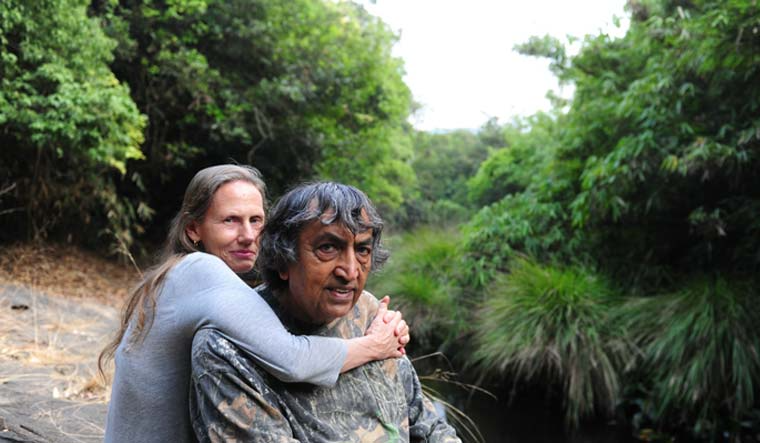
Pamela and Anil Malhotra are conservationists and founders of India's first private wildlife sanctuary, the Save Animals Initiative (SAI) Sanctuary, located in Karnataka's Western Ghats. In the 1990s, they left the United States to restore degraded f Read more
Trending Tree Plantations - Most Popular Environmental Programs
-
Trees for Birthday Celebration: Plant Meaningful Green Gifts
Regular price ₹ 299Regular priceUnit price per -
Trees for Mother
Regular price ₹ 299Regular priceUnit price per -
Trees as a Gift: Plant Hope & Create Lasting Environmental Impact
Regular price ₹ 299Regular priceUnit price per -
Trees to Honor the Memory of your Loved Ones
Regular price ₹ 299Regular priceUnit price per -
Trees for Women's Day (8th Mar)
Regular price ₹ 299Regular priceUnit price per


Trees for Corporates - Achieve Net Zero Targets Through Strategic Tree Planting
-
 Project Closed
Trees by LIFT Team for Green Diwali: Transform Your Festival
Regular price ₹ 299Regular priceUnit price per -
Trees for a Greener Tomorrow - by Mahindra Lifespaces
Regular price ₹ 299Regular priceUnit price per -
Trees for Environment Day: Plant Your Impact on June 5th
Regular price ₹ 299Regular priceUnit price per -
Trees for Farmers: Sustainable Agroforestry Solutions for 2026
Regular price ₹ 299Regular priceUnit price per -
Trees for Employees: Transform Your Corporate Culture in 2026
Regular price ₹ 299Regular priceUnit price per


Pamela and Anil Malhotra: Forest Restoration Pioneers
Pamela and Anil Malhotra are conservationists and founders of India's first private wildlife sanctuary, the Save Animals Initiative (SAI) Sanctuary, located in Karnataka's Western Ghats. In the 1990s, they left the United States to restore degraded forests in India, purchasing 300 acres of abandoned farmland in Kodagu to begin their decades-long ecosystem restoration effort.
At a time when deforestation and biodiversity loss threaten the planet, the inspiring story of Pamela and Anil Malhotra offers a beacon of hope. This visionary couple has spent decades transforming barren landscapes into thriving forests, proving that determined individuals can reverse environmental destruction and create lasting change for our planet's future.
Through their tireless efforts in the Sahyadri Rainforest Restoration Project, they have demonstrated that reforestation is not just about planting trees—it's about restoring entire ecosystems, protecting wildlife, and creating a sustainable future that benefits both nature and humanity.
✅ Who Are Pamela and Anil Malhotra? Champions of Environmental Restoration
Pamela and Anil Malhotra are renowned conservationists, environmentalists, and the founders of the Save Animals Initiative (SAI) Sanctuary—India's first private wildlife sanctuary located in Karnataka's Western Ghats. Their remarkable journey began in the 1990s when they made a life-changing decision that would impact India's environmental landscape forever.
Leaving their comfortable life in the United States, the Malhotras moved to India with a single, powerful mission: to bring degraded land back to life. They purchased 300 acres of abandoned farmland in Kodagu (Coorg) and began a decades-long journey of afforestation and ecosystem restoration that would become a model for conservation efforts worldwide.
What started as a barren, deforested stretch of land is now a thriving 300-acre rainforest teeming with rare wildlife, clean water sources, and flourishing plant life. Their story serves as living proof that with dedication, patience, and ecological wisdom, we can reverse environmental damage and create a greener world for future generations.
⭐ The Sahyadri Rainforest: A Thriving Biodiversity Sanctuary
The Sahyadri Rainforest, carefully nurtured by Pamela and Anil Malhotra, has grown into a lush paradise that supports diverse plant and animal species. This remarkable transformation demonstrates the power of dedicated conservation efforts and natural regeneration working together.
According to the World Wildlife Fund's forest conservation initiatives, projects like the Malhotras' demonstrate how individual efforts can contribute to global biodiversity preservation goals.
Key Highlights of the Sahyadri Rainforest:
- ✅ Size: Over 300 acres of restored forest ecosystem
- ✅ Biodiversity: Home to endangered species such as Asian elephants, Bengal tigers, Indian leopards, and over 300 bird species
- ✅ Native Flora: Reintroduced species including Rosewood, Teak, Jackfruit, and Wild Fig supporting balanced ecosystems
- ✅ Water Revival: Restored forest has led to the revival of rivers and natural springs, ensuring water security
- ✅ Carbon Sequestration: Actively contributing to climate change mitigation through natural carbon capture
The Malhotras didn't just plant trees—they allowed the land to heal naturally through rewilding techniques, proving that nature-based solutions are powerful tools in our fight against climate change and biodiversity loss.
🌍 Why Forest Restoration Matters for Our Planet's Future
Forests are the lungs of our planet, yet we continue to lose them at an alarming rate. The World Wildlife Fund reports that deforestation threatens global biodiversity and climate stability. The Malhotras' efforts highlight why reforestation is crucial for environmental sustainability.
How Forests Support Environmental Health:
- 🌎 Carbon Sequestration: Forests absorb 30% of global carbon emissions, making them vital in Combating Climate Change Through Collective Action
- 💦 Water Conservation: Tree roots retain moisture, recharge groundwater, and prevent soil erosion
- 🦋 Protecting Biodiversity: Rainforests house 80% of the world's terrestrial species, supporting wildlife and pollinators
- 🌡️ Climate Stabilization: Trees regulate temperatures, reduce urban heat effects, and maintain local weather patterns
- 🌿 Medicinal Benefits: Rainforests provide more than 25% of modern medicines, showcasing their importance for human health
Through their dedicated work, Pamela and Anil Malhotra have proven that protecting forests is not just an ecological necessity—it's a survival strategy for future generations and a pathway to achieving Net Zero Targets.
🌳 Native Trees: The Foundation of Ecological Balance
Rather than planting exotic species, the Malhotras focused on restoring native trees that naturally thrive in the Western Ghats ecosystem. This approach ensures long-term sustainability and supports indigenous wildlife populations.
Key Native Trees in the Sahyadri Rainforest:
- 🌲 Rosewood (Dalbergia latifolia): A slow-growing hardwood species that stabilizes soil and supports biodiversity
- 🌰 Jackfruit (Artocarpus heterophyllus): Provides food for animals and enriches ecosystems naturally
- 🌴 Teak (Tectona grandis): Improves soil structure and supports water retention systems
- 🎋 Bamboo (Bambusoideae): Grows rapidly, prevents erosion, and captures CO₂ efficiently
- 🍃 Wild Fig (Ficus virens): Acts as a keystone species, feeding birds, mammals, and pollinators
By focusing on native species, the Malhotras ensured that their forest could sustain itself without artificial intervention, creating a self-regenerating ecosystem that continues to thrive decades later.
💡 The Power of Rewilding: Conservation Lessons from the Malhotras
Rewilding—the process of letting nature regenerate on its own—was at the heart of the Malhotras' approach. Instead of forcing growth, they allowed the land to heal itself through natural processes, demonstrating the effectiveness of nature-based solutions.
The United Nations climate change initiatives recognize rewilding as a crucial strategy for environmental restoration and climate action.
Key Takeaways from Their Conservation Work:
- 🌱 Patience is Key: Forest restoration is a long-term process, requiring years of nurturing and dedication
- 🌳 Protect Before You Plant: Conservation of existing forests is just as important as reforestation efforts
- 💧 Water and Forests Are Linked: Reviving forests leads to natural water resource recovery and watershed protection
- 👥 Community Involvement: Engaging local communities ensures long-term sustainability and project success
- 🚀 Technology Integration: Modern tools like GeoTag tracking can enhance conservation monitoring and impact assessment
🌿 Connecting to India's Reforestation Movement
The Malhotras' work aligns perfectly with India's ambitious environmental goals and initiatives like the mission to Plant a tree in your Name. Their success story demonstrates how individual conservation efforts contribute to larger national and global environmental targets.
Organizations like Grow Billion Trees continue this legacy by making tree planting accessible to everyone. With programs offering 4ft Tree Planting + 3 Years Care + GeoTag technology, individuals can participate in India's goal of planting 100 crore trees while following the sustainable practices pioneered by conservation leaders like the Malhotras.
⚠️ Challenges and Solutions in Forest Restoration
The Malhotras faced numerous challenges during their restoration journey, from soil degradation to wildlife conflicts. Their innovative solutions provide valuable insights for modern conservation efforts.
Common Restoration Challenges:
- • Soil erosion and nutrient depletion
- • Invasive species management
- • Water scarcity during dry seasons
- • Wildlife-human conflict mitigation
- • Long-term funding sustainability
Their approach of combining traditional ecological knowledge with modern conservation science created a replicable model for forest restoration projects across India and beyond.
🌍 Global Impact and Recognition
The work of Pamela and Anil Malhotra has gained international recognition for its contribution to biodiversity conservation and climate action. Their project serves as a case study for successful ecosystem restoration and demonstrates how private individuals can make significant environmental contributions.
According to the United Nations Environment Programme's forest initiatives, projects like the Sahyadri Rainforest contribute to global forest restoration goals and climate resilience.
Their success has inspired similar initiatives across India, contributing to the country's commitment to restore 26 million hectares of degraded land by 2030, supporting both biodiversity conservation and climate change mitigation efforts.
Frequently Asked Questions
Who are Pamela and Anil Malhotra?
Pamela and Anil Malhotra are renowned conservationists and founders of India's first private wildlife sanctuary, the Save Animals Initiative (SAI) Sanctuary in Karnataka's Western Ghats. They transformed 300 acres of degraded farmland into a thriving rainforest ecosystem.
What is the Sahyadri Rainforest Restoration Project?
The Sahyadri Rainforest Restoration Project is the Malhotras' decades-long effort to restore degraded land in Kodagu, Karnataka. The project has successfully created a 300-acre biodiverse forest that supports endangered species and natural water systems.
How did the Malhotras restore the forest?
The Malhotras used rewilding techniques, focusing on native species restoration and allowing natural regeneration processes. They planted indigenous trees like Rosewood, Teak, and Wild Fig while protecting the land from further degradation.
What wildlife species live in the restored forest?
The Sahyadri Rainforest now supports over 300 bird species, Asian elephants, Bengal tigers, Indian leopards, and numerous other endangered and native species, demonstrating successful biodiversity restoration.
How long did the forest restoration take?
The restoration process began in the 1990s and continues today. Significant biodiversity improvements became visible within the first decade, but the forest continues to mature and develop new ecosystems over time.
Can individuals replicate the Malhotras' success?
Yes, their approach can be adapted for different scales and locations. Key principles include focusing on native species, allowing natural regeneration, community engagement, and long-term commitment to conservation goals.
What lessons can modern tree planting initiatives learn?
Modern initiatives can learn the importance of native species selection, ecosystem-based restoration, community involvement, and long-term care—principles that organizations like Grow Billion Trees incorporate into their planting programs.
How does their work contribute to climate change mitigation?
The restored forest acts as a significant carbon sink, sequesters atmospheric CO₂, regulates local climate, and supports water cycle restoration, contributing to both local and global climate stability.
🌱 Inspiring Future Generations of Environmental Stewards
The legacy of Pamela and Anil Malhotra extends far beyond their 300-acre forest. Their work has inspired countless individuals, organizations, and governments to pursue ambitious reforestation and conservation goals. Their story demonstrates that environmental restoration is not just possible—it's essential for our planet's future.
Today, their pioneering work continues to influence modern conservation efforts across India. Organizations working toward planting 100 crore trees draw inspiration from their sustainable practices and long-term vision for environmental restoration.
As we face the urgent challenges of climate change and biodiversity loss, the Malhotras' story reminds us that individual action, combined with collective effort, can create transformative environmental change. Their forest stands as a living testament to the power of dedication, patience, and ecological wisdom in creating a sustainable future for all.
Ready to Plant a tree in your Name and contribute to India's reforestation goals? Discover how you can make a lasting environmental impact and join the movement toward a greener, more sustainable India.
You may also like
-

Gift a Tree - Meaningful Environmental Gifts That Make a Difference
Transform your gift-giving with meaningful environmental gifts that create lasting impact for...
-
Trees For Shiv Ji - Sacred Tree Planting to Honor Lord Shiva
Honor Lord Shiva through sacred tree planting with Trees For Shiv Ji,...
-

Tree Plantations for Shri Ram - Sacred Devotional Planting Services
Honor Lord Shri Ram through meaningful tree plantations for Shri Ram that...
-
Tree Plantation on Navratri - Celebrate Divine Festivals with Environmental Devotion
Tree plantation on Navratri transforms the sacred nine-day festival into a powerful...
-
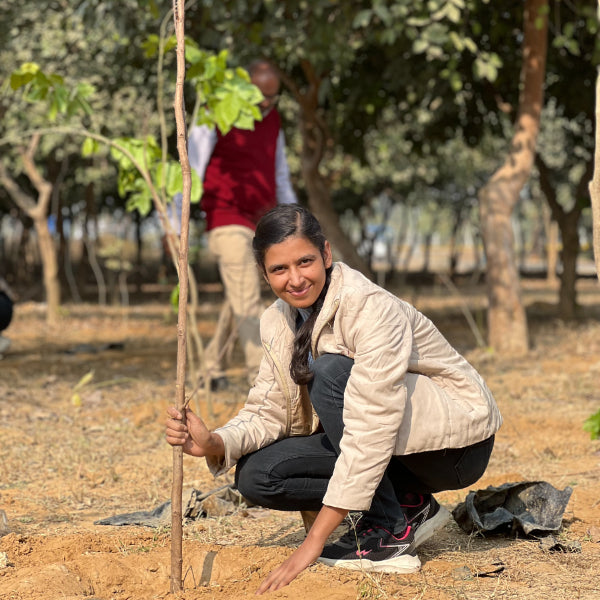
Tree Plantation by Cause - Plant Trees for Every Purpose | Grow Billion Trees
Transform your environmental impact with purpose-driven tree plantation by cause programs that...
Corporate Plantations
-
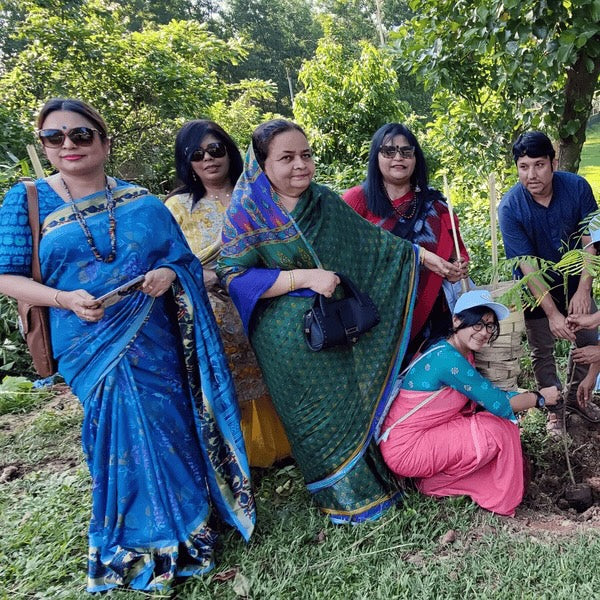
Trees for Corporates - Achieve Net Zero Targets Through Strategic Tree Planting
Trees for Corporates - Strategic Environmental SolutionsTransform your corporate environmental impact with...
-
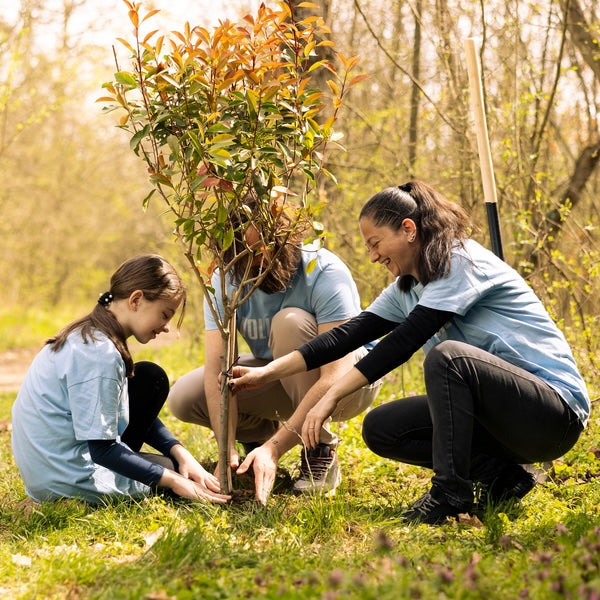
Tree Plantation for CSR - Corporate Environmental Programs | Grow Billion Trees
Tree Plantation for CSR - Transform Your Corporate Environmental ImpactTree plantation for...
-
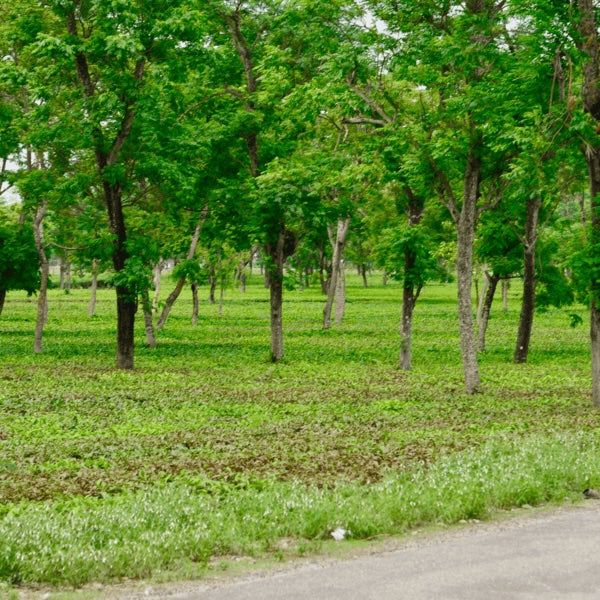
Tree Plantation for SDG - Support Sustainable Development Goals
Tree plantation for SDG initiatives represents a powerful pathway to achieving multiple...
-
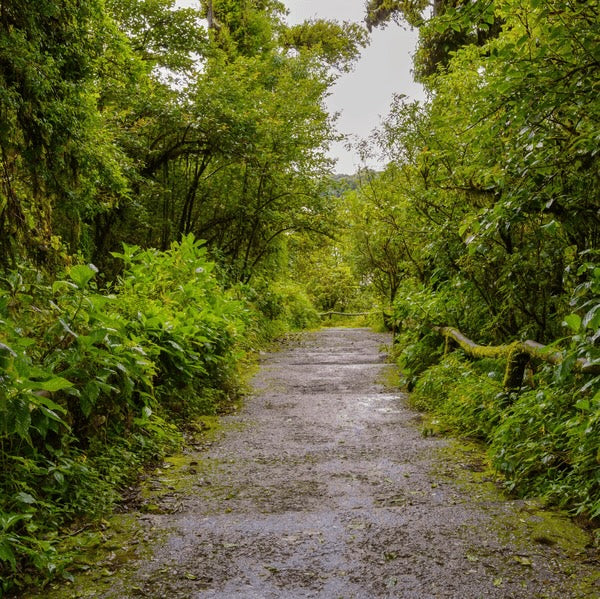
Corporate Tree Plantation Programs - Sustainable ESG Environmental Solutions for Net Zero Targets
Transform your organization's environmental impact with our comprehensive Corporate Tree Plantation Programs...
-
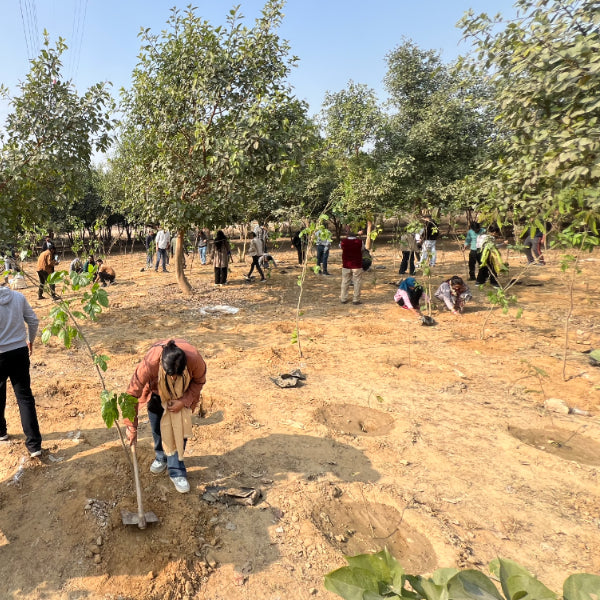
Tree Plantation by Location - Plant Trees Across India
Transform landscapes nationwide through our comprehensive tree plantation by location program. When...
Most Popular Tree Plantations - Top Choices for Environmental Impact
-
Trees for Birthday Celebration: Plant Meaningful Green Gifts
Regular price ₹ 299Regular priceUnit price per -
Trees for Mother
Regular price ₹ 299Regular priceUnit price per -
Trees as a Gift: Plant Hope & Create Lasting Environmental Impact
Regular price ₹ 299Regular priceUnit price per -
Trees to Honor the Memory of your Loved Ones
Regular price ₹ 299Regular priceUnit price per -
Trees for Krishna on Janmashtami - Sacred Divine Gift ₹299
Regular price ₹ 299Regular priceUnit price per

Connect with us
-
👥 Corporates
If you are looking for:
- 🌲 Tree Plantation Events
- 📊 CSR Projects
📧 corporate@growbilliontrees.com
📞 +91 9699723523
💬 +91 9325931304 WhatsApp (Only)
🕒 Mon - Sat | 10am - 7pm IST
-
🧩 Tree Plantation NGOs
If you are looking for:
- 💰 Financial Assistance
- 🤝 Operational Support
📧 support@growbilliontrees.com
📞 +91 9699723523
💬 +91 9325931304 WhatsApp (Only)
🕒 Mon - Sat | 10am - 7pm IST
-
🌼 Individuals
If you are looking for:
- 👥 Group Tree Plantation Drive
- 🌳 Bulk Tree Plantation
📞 +91 9699723523
💬 +91 9325931304 WhatsApp (Only)
🕒 Mon - Sat | 10am - 7pm IST
