
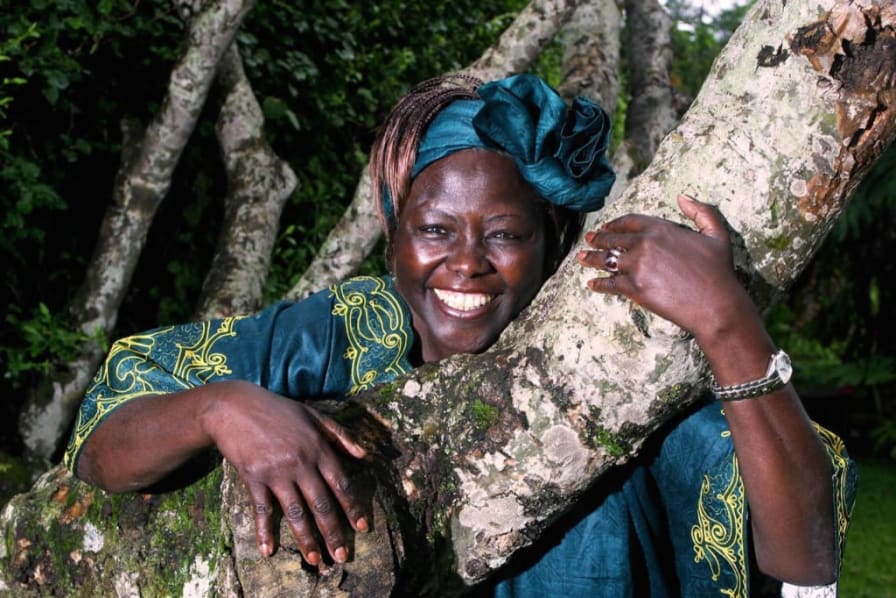
Wangari Maathai was a Kenyan environmental activist and Nobel Peace Prize laureate who pioneered tree planting as a tool for social justice. The first woman in East and Central Africa to earn a doctoral degree in biological sciences, she demonstrated Read more
Trending Tree Plantations - Most Popular Environmental Programs
-
Trees for Birthday Celebration: Plant Meaningful Green Gifts
Regular price ₹ 299Regular priceUnit price per -
Trees for Mother
Regular price ₹ 299Regular priceUnit price per -
Trees as a Gift: Plant Hope & Create Lasting Environmental Impact
Regular price ₹ 299Regular priceUnit price per -
Trees to Honor the Memory of your Loved Ones
Regular price ₹ 299Regular priceUnit price per -
Trees for Women's Day (8th Mar)
Regular price ₹ 299Regular priceUnit price per


Trees for Corporates - Achieve Net Zero Targets Through Strategic Tree Planting
-
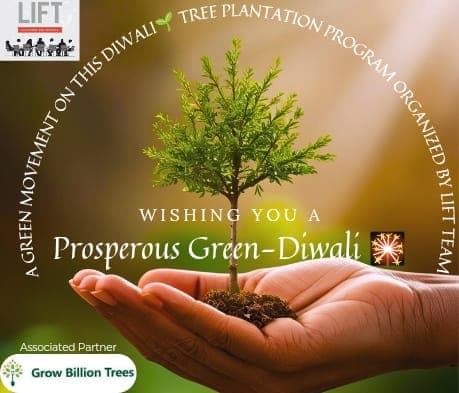 Project Closed
Trees by LIFT Team for Green Diwali: Transform Your Festival
Regular price ₹ 299Regular priceUnit price per -
Trees for a Greener Tomorrow - by Mahindra Lifespaces
Regular price ₹ 299Regular priceUnit price per -
Trees for Environment Day: Plant Your Impact on June 5th
Regular price ₹ 299Regular priceUnit price per -
Trees for Farmers: Sustainable Agroforestry Solutions for 2026
Regular price ₹ 299Regular priceUnit price per -
Trees for Employees: Transform Your Corporate Culture in 2026
Regular price ₹ 299Regular priceUnit price per


Wangari Maathai: Nobel Laureate, Trees & Empowerment
Wangari Maathai was a Kenyan environmental activist and Nobel Peace Prize laureate who pioneered tree planting as a tool for social justice. The first woman in East and Central Africa to earn a doctoral degree in biological sciences, she demonstrated that planting trees could empower communities and advance human dignity, particularly for women.
Wangari Maathai was a Kenyan environmental activist, Nobel Peace Prize laureate, and one of the most transformative green leaders the world has ever known. She proved, with soil-stained hands and unshakeable conviction, that planting trees is a radical act of justice, healing, and hope. Her legacy continues to inspire millions globally — including our mission at Grow Billion Trees to plant 100 crore trees across India and restore our planet for future generations.
In 2026, as climate disruption intensifies and forests continue to disappear, Maathai's life and work feel more urgent than ever. She understood, decades before it became mainstream policy, that trees are not just nature — they are the foundation of peace, community, and human dignity.
Who Was Wangari Maathai? ⭐
Born on April 1, 1940, in Nyeri, Kenya, Wangari Maathai grew up surrounded by the lush, tree-covered hills of the Central Highlands. As a child, she collected water from streams shaded by wild fig trees. Those trees, she later wrote, were sacred — and their loss would signal a deeper unravelling. Her early connection to the natural world planted a seed of consciousness that never died.
Maathai became the first woman in East and Central Africa to earn a doctoral degree, studying biological sciences in the United States and Germany. Her scientific training gave her a deep, expert understanding of ecology, soil health, and the interdependence of living systems. However, it was her return to a degrading Kenya that gave her work its fire.
She observed rivers drying up, soil washing away, and women walking miles for firewood. She connected these environmental crises directly to poverty, political disempowerment, and the marginalisation of women. Her response was not a petition or a protest — it was a seedling.
According to the United Nations Environment Programme, forests cover about 31% of global land area but are disappearing at an alarming rate. Maathai saw this crisis forming in Kenya long before global institutions measured it.
The Green Belt Movement: Trees as Tools of Social Change ✅
In 1977, Wangari Maathai founded the Green Belt Movement under the National Council of Women of Kenya. The concept was elegant and powerful: pay rural women a small stipend to collect seeds, grow seedlings, and plant trees in degraded community lands. The movement did not just restore landscapes — it transformed lives.
Over four decades, the Green Belt Movement planted more than 51 million trees across Kenya. Moreover, it trained tens of thousands of women in forestry, civic education, and environmental advocacy. Women who joined as subsistence farmers became community leaders, land rights activists, and environmental educators.
Our team at Grow Billion Trees finds this model deeply resonant. We believe, as Maathai did, that when communities are empowered to grow and thrive through hands-on tree planting, the impact reaches far beyond the forest. Our programs across Mumbai, Bangalore, Delhi, Chennai, and Hyderabad are built on the same principle — make tree planting meaningful, community-driven, and lasting.
The Green Belt Movement also proved something critical: women are the most effective environmental stewards. When women are given resources, knowledge, and trust, they nurture ecosystems with remarkable dedication. This is a lesson that 2026 climate policy is only beginning to mainstream.
The Political Courage Behind the Trees ⚠️
Wangari Maathai's journey was not just ecological — it was fiercely political. The Kenyan government under President Daniel arap Moi viewed her activism as a threat. She was arrested, beaten, and publicly ridiculed. Authorities attempted to demolish tree nurseries established by the Green Belt Movement. She was called "a threat to the order" — a label she wore with honour.
She fought to protect Uhuru Park in Nairobi from a government skyscraper project and won. She advocated for the release of political prisoners by planting trees in the park as acts of nonviolent protest. Therefore, her tree planting was never merely symbolic — it was a direct confrontation with power.
The World Wildlife Fund notes that deforestation is often driven by political and economic forces that marginalise local communities. Maathai understood this structural reality and challenged it at every level, from village councils to the United Nations.
Wangari Maathai and the Nobel Peace Prize ⭐
In 2004, Wangari Maathai made history as the first African woman and first environmentalist to receive the Nobel Peace Prize. The Nobel Committee stated that she contributed to sustainable development, democracy, and peace. This recognition was revolutionary — it formally declared that environmental conservation is a matter of global security and human rights.
Her Nobel acceptance speech remains one of the most cited environmental texts in the world. She said: "In the course of history, there comes a time when humanity is called to shift to a new level of consciousness." That shift, she believed, would come through trees, women, and communities reclaiming their relationship with the earth.
The award gave Maathai a global platform. She used it to advocate at the United Nations Climate Action level, pushing for gender-inclusive, community-led approaches to climate adaptation. Her voice helped shape international environmental frameworks that continue to guide policy in 2026.
Trees, Gender Justice, and Climate: An Inseparable Trinity 💡
One of Maathai's most profound insights was that environmental degradation and women's oppression are not separate problems — they are expressions of the same broken system. When forests are destroyed, women bear the heaviest burden: they walk further for water, work harder to feed families, and lose the natural medicines and foods that forests provide.
As a result, restoring forests restores women's time, health, and economic autonomy. This is a truth our partners at Grow Billion Trees see in our agroforestry programs, where women farmers gain income, food security, and dignity through tree-based agriculture. We are glad to say that women lead many of our ground-level planting teams across rural India.
A 2026 report by the United Nations highlights that when women lead land restoration efforts, community forest survival rates increase by up to 40%. Maathai demonstrated this empirically with the Green Belt Movement decades before the data caught up. Her work was science and activism combined — a rare and powerful combination.
The United Nations Sustainable Development Goals now formally recognise gender equality (SDG 5), climate action (SDG 13), and life on land (SDG 15) as interconnected. Maathai was ahead of her time in mapping this connection and building solutions on the ground.
Wangari Maathai's Enduring Legacy ✅
Wangari Maathai passed away in September 2011 following a long illness, but her roots run deep in global environmental consciousness. The Wangari Maathai Institute for Peace and Environmental Studies at the University of Nairobi carries her work forward, training eco-leaders across Africa. Her autobiography Unbowed remains a bestselling testament to her life and vision.
Her legacy is visible in the exponential growth of community-based reforestation globally. From Africa to Asia, local women's groups are planting trees, restoring watersheds, and demanding environmental justice — all echoing the model she pioneered. We love the fact that this legacy is alive, growing, and multiplying.
The WWF Forest Conservation Initiative acknowledges that the most durable forests are those tended by communities with a deep stake in their survival. This is the great insight Maathai gave the world: forests need guardians, not just planters.
How Grow Billion Trees Carries This Vision Forward in India 🌱
India is home to one of the world's most ambitious reforestation efforts, and Grow Billion Trees is proud to be at its heart. Our goal to plant 100 crore trees by June 2030 is directly inspired by the community-driven, purpose-led philosophy that Maathai embodied. We do not just plant trees — we build ecosystems and empower people.
Our 4ft Tree Planting + 3 Years Care + GeoTag program ensures that every tree has a verified story. You can Plant a tree in your Name for just ₹299 — and track its growth with GeoTag technology that delivers real-time updates. We ensure full transparency because we believe a secure, authenticated record is the foundation of genuine environmental trust.
We offer specialised programs including Miyawaki forest creation, mangrove restoration, urban forestry, beach cleaning, lake restoration, and agroforestry — because we understand that, like Maathai, meaningful environmental work must address the whole ecosystem. Our hands-on approach has earned the trust of thousands of individuals, schools, and corporations across India.
For corporates working toward Net Zero Targets, our certified programs offer a proven, impact-led pathway to measurable sustainability. We are happy to say that hundreds of organisations have partnered with us to achieve their environmental commitments through our verified, large-scale planting drives.
Together, we are proving that Combating Climate Change Through Collective Action is not an abstract idea — it is something you can touch, track, and be proud of. One tree. One name. One future.
Plant Your Tree: Be Part of the Green Legacy
Wangari Maathai once said, "It's the little things citizens do. That's what will make the difference. My little thing is planting trees." This is a wonderful invitation — and we extend it warmly to you.
Whether you want to celebrate a birthday, honour a loved one, mark a milestone, or simply take a mindful, conscious step toward a greener earth, planting a tree is the most natural and powerful gift you can give. Discover what it means to grow something that outlasts you — something that nurtures the soil, cleans the air, and shelters life for generations.
→ Plant a Tree in Your Name at Grow Billion Trees
Frequently Asked Questions
Who was Wangari Maathai and why is she important?
Wangari Maathai was a Kenyan environmental activist and Nobel Peace Prize laureate born in 1940. She founded the Green Belt Movement in 1977, which planted over 51 million trees across Kenya. She is important because she showed the world that tree planting is a powerful tool for climate action, women's empowerment, and social justice.
Why did Wangari Maathai win the Nobel Peace Prize?
She won the 2004 Nobel Peace Prize for her contribution to sustainable development, democracy, and peace. The Nobel Committee recognised that environmental conservation and lasting human peace are deeply and inseparably connected. She was the first African woman and first environmentalist to receive this honour.
What was the Green Belt Movement?
The Green Belt Movement was a community-based environmental organisation founded by Maathai in Kenya. It paid rural women to grow seedlings and plant trees in degraded land. Over time, it became a broader movement for civic education, land rights, and environmental advocacy across Africa.
How many trees did Wangari Maathai plant?
Through the Green Belt Movement, Maathai and her network planted more than 51 million trees across Kenya and inspired reforestation efforts in over 30 countries. Her work demonstrated the transformative scale achievable through organised community action.
How does Wangari Maathai's work connect to women's empowerment?
Maathai believed environmental degradation and women's oppression share the same root causes. By giving women income, tools, and knowledge to plant trees, she simultaneously restored ecosystems and built women's economic independence, confidence, and political voice in their communities.
What is Wangari Maathai's relevance to climate change today?
Her work directly addressed deforestation, one of the leading drivers of global climate change. In 2026, her philosophy of community-led, gender-inclusive forest restoration is more relevant than ever, as international climate frameworks now formally align with the principles she championed for decades.
What can I do to follow Wangari Maathai's example?
Start by planting a tree. Grow Billion Trees makes it accessible for just ₹299, with GeoTag tracking and three years of care included. Every tree you plant is a direct contribution to Net Zero Targets and a tangible act of climate action inspired by Maathai's legacy.
How is Grow Billion Trees inspired by Wangari Maathai?
Our mission to plant 100 crore trees across India draws inspiration from Maathai's belief that community-led, purpose-driven tree planting transforms both landscapes and lives. We combine her philosophy with GeoTag technology to make every tree verifiable, personal, and impactful.
What types of tree planting programs does Grow Billion Trees offer?
We offer Miyawaki forest creation, mangrove restoration, agroforestry, urban forestry, beach cleaning, and lake restoration programs. Each is designed to restore natural ecosystems while supporting local communities — exactly the integrated approach Maathai championed throughout her life.
How can corporations honour Wangari Maathai's legacy through Grow Billion Trees?
Corporates can partner with Grow Billion Trees to meet verified Net Zero Targets through large-scale, certified tree planting programs. Our corporate environmental programs offer transparent, GeoTagged, and impact-led solutions that align with both global SDGs and the values Maathai dedicated her life to advancing.Wangari Maathai showed us that a single tree is never just a tree. It is a declaration of hope, a gift to the earth, and an act of love that echoes across generations. We invite you to discover the joy of planting your own tree and joining a global movement that grows stronger every day. Together, we can build the green future she believed was possible.→ Join Grow Billion Trees — Start Planting Today
You may also like
-

Gift a Tree - Meaningful Environmental Gifts That Make a Difference
Transform your gift-giving with meaningful environmental gifts that create lasting impact for...
-
Trees For Shiv Ji - Sacred Tree Planting to Honor Lord Shiva
Honor Lord Shiva through sacred tree planting with Trees For Shiv Ji,...
-
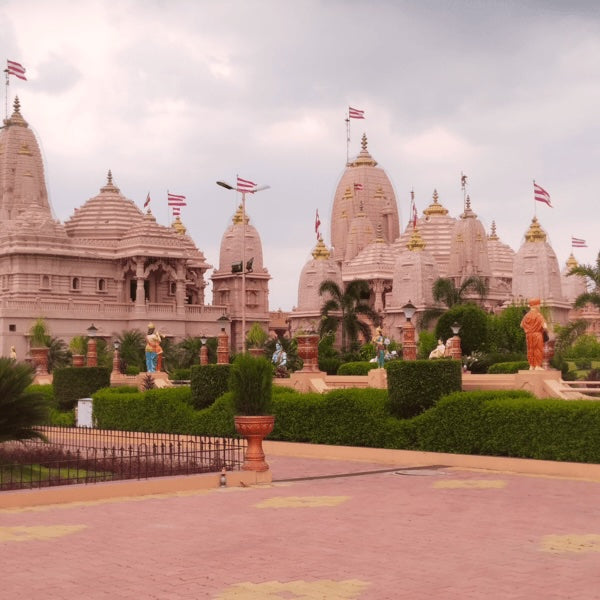
Tree Plantations for Shri Ram - Sacred Devotional Planting Services
Honor Lord Shri Ram through meaningful tree plantations for Shri Ram that...
-
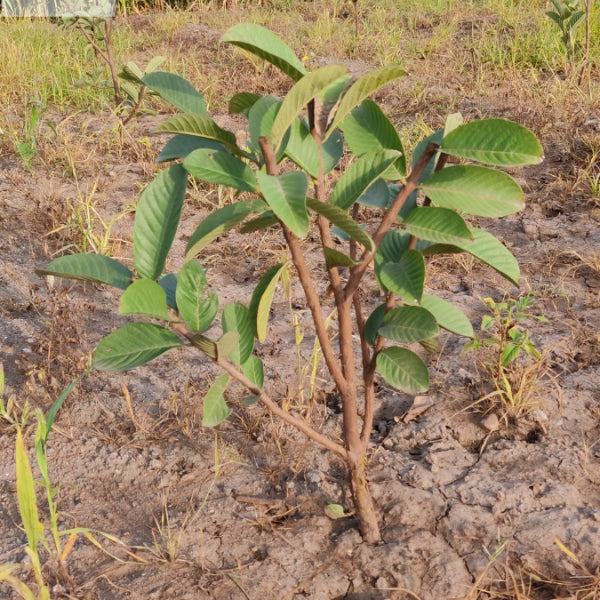
Tree Plantation on Navratri - Celebrate Divine Festivals with Environmental Devotion
Tree plantation on Navratri transforms the sacred nine-day festival into a powerful...
-
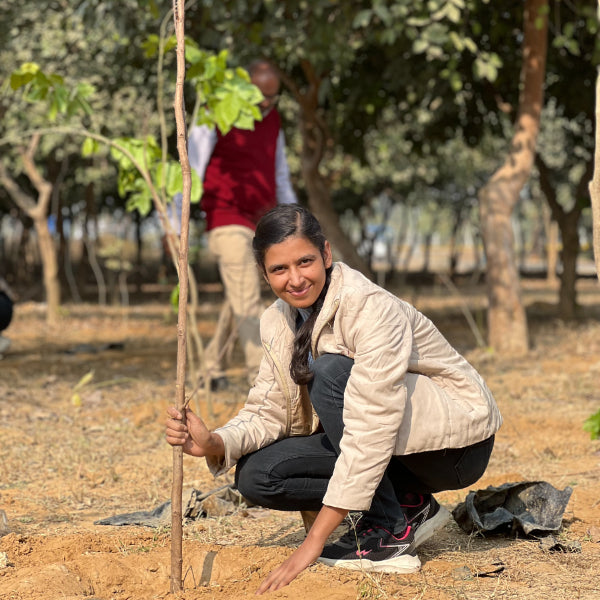
Tree Plantation by Cause - Plant Trees for Every Purpose | Grow Billion Trees
Transform your environmental impact with purpose-driven tree plantation by cause programs that...
Corporate Plantations
-
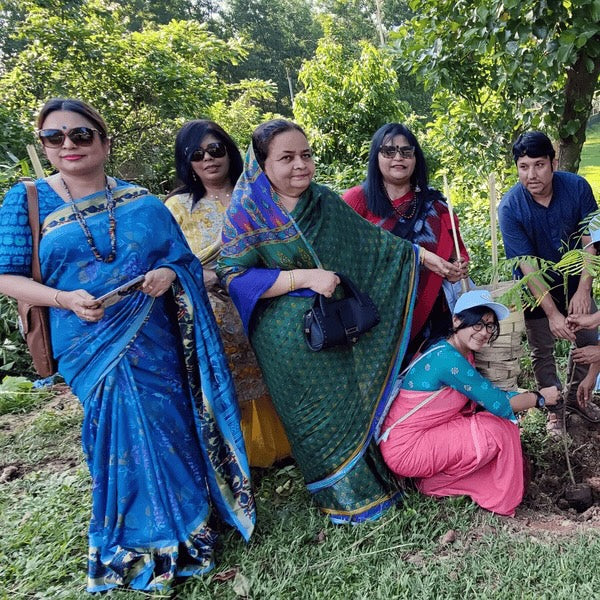
Trees for Corporates - Achieve Net Zero Targets Through Strategic Tree Planting
Trees for Corporates - Strategic Environmental SolutionsTransform your corporate environmental impact with...
-
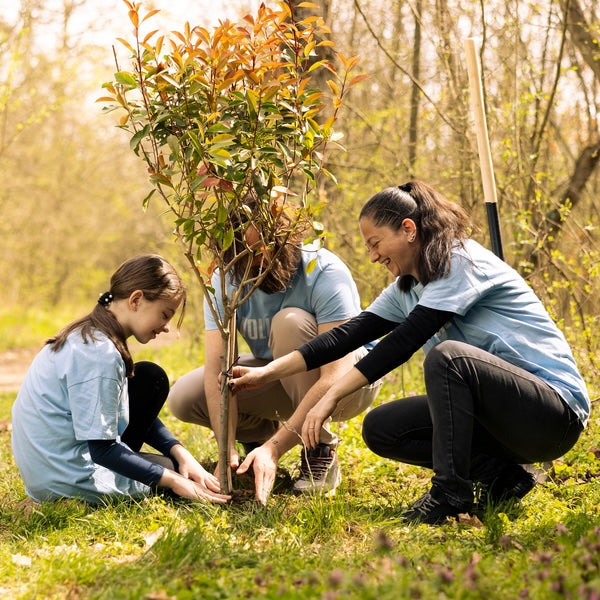
Tree Plantation for CSR - Corporate Environmental Programs | Grow Billion Trees
Tree Plantation for CSR - Transform Your Corporate Environmental ImpactTree plantation for...
-
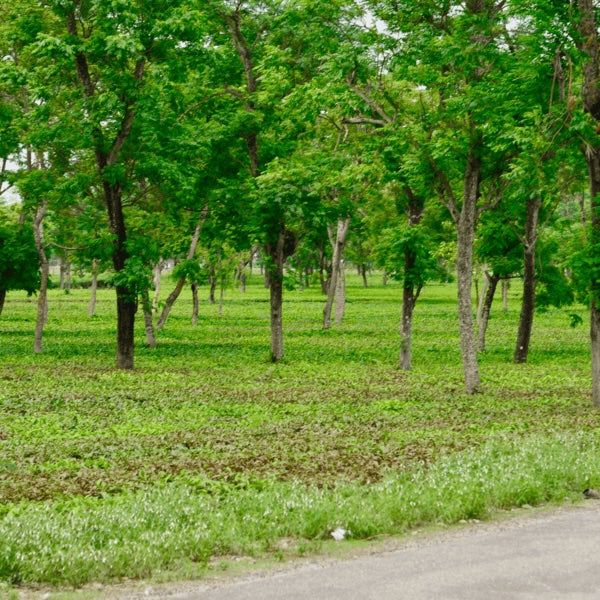
Tree Plantation for SDG - Support Sustainable Development Goals
Tree plantation for SDG initiatives represents a powerful pathway to achieving multiple...
-

Corporate Tree Plantation Programs - Sustainable ESG Environmental Solutions for Net Zero Targets
Transform your organization's environmental impact with our comprehensive Corporate Tree Plantation Programs...
-
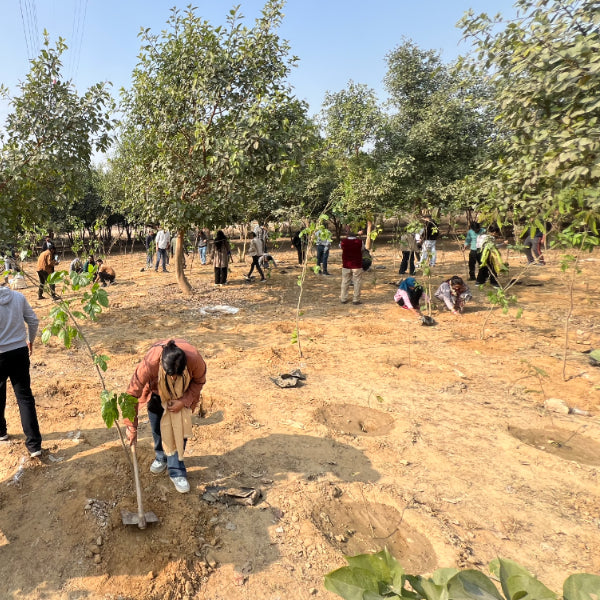
Tree Plantation by Location - Plant Trees Across India
Transform landscapes nationwide through our comprehensive tree plantation by location program. When...
Most Popular Tree Plantations - Top Choices for Environmental Impact
-
Trees for Birthday Celebration: Plant Meaningful Green Gifts
Regular price ₹ 299Regular priceUnit price per -
Trees for Mother
Regular price ₹ 299Regular priceUnit price per -
Trees as a Gift: Plant Hope & Create Lasting Environmental Impact
Regular price ₹ 299Regular priceUnit price per -
Trees to Honor the Memory of your Loved Ones
Regular price ₹ 299Regular priceUnit price per -
Trees for Krishna on Janmashtami - Sacred Divine Gift ₹299
Regular price ₹ 299Regular priceUnit price per

Connect with us
-
👥 Corporates
If you are looking for:
- 🌲 Tree Plantation Events
- 📊 CSR Projects
📧 corporate@growbilliontrees.com
📞 +91 9699723523
💬 +91 9325931304 WhatsApp (Only)
🕒 Mon - Sat | 10am - 7pm IST
-
🧩 Tree Plantation NGOs
If you are looking for:
- 💰 Financial Assistance
- 🤝 Operational Support
📧 support@growbilliontrees.com
📞 +91 9699723523
💬 +91 9325931304 WhatsApp (Only)
🕒 Mon - Sat | 10am - 7pm IST
-
🌼 Individuals
If you are looking for:
- 👥 Group Tree Plantation Drive
- 🌳 Bulk Tree Plantation
📞 +91 9699723523
💬 +91 9325931304 WhatsApp (Only)
🕒 Mon - Sat | 10am - 7pm IST
