
Best Native Trees to Grow in Haryana - Complete Guide 2026
The best native trees to grow in Haryana are Neem, Banyan, Peepal, Jamun, and Arjun trees, which thrive naturally in the region's semi-arid climate. T Read more
Connect with us
-
👥 Corporates
If you are looking for:
- 🌲 Tree Plantation Events
- 📊 CSR Projects
📧 corporate@growbilliontrees.com
📞 +91 9699723523
💬 +91 9325931304 WhatsApp (Only)
🕒 Mon - Sat | 10am - 7pm IST
-
🧩 Tree Plantation NGOs
If you are looking for:
- 💰 Financial Assistance
- 🤝 Operational Support
📧 support@growbilliontrees.com
📞 +91 9699723523
💬 +91 9325931304 WhatsApp (Only)
🕒 Mon - Sat | 10am - 7pm IST
-
🌼 Individuals
If you are looking for:
- 👥 Group Tree Plantation Drive
- 🌳 Bulk Tree Plantation
📞 +91 9699723523
💬 +91 9325931304 WhatsApp (Only)
🕒 Mon - Sat | 10am - 7pm IST
Plantation Gallery
Trending Tree Plantations - Most Popular Environmental Programs
-
Trees for Mother
Regular price ₹ 299Regular priceUnit price per -
Trees to Honor the Memory of your Loved Ones
Regular price ₹ 299Regular priceUnit price per -
Trees for Women's Day (8th Mar)
Regular price ₹ 299Regular priceUnit price per -
Trees for Wedding Anniversary Celebration
Regular price ₹ 299Regular priceUnit price per -
Trees for Grandmother
Regular price ₹ 299Regular priceUnit price per




Trees for Corporates - Achieve Net Zero Targets Through Strategic Tree Planting
-
 Project Closed
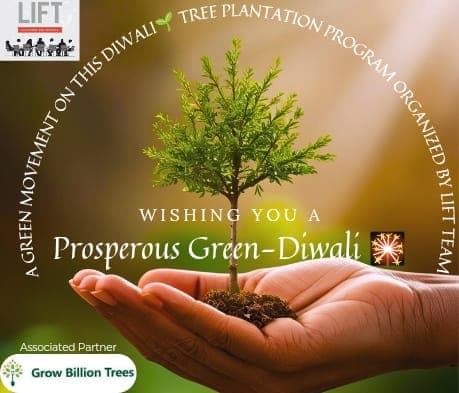
Trees by LIFT Team for Green Diwali: Transform Your Festival
Regular price ₹ 299Regular priceUnit price per -
Trees for a Greener Tomorrow - by Mahindra Lifespaces
Regular price ₹ 299Regular priceUnit price per -
Trees for Environment Day: Plant Your Impact on June 5th
Regular price ₹ 299Regular priceUnit price per -
Trees for Employees: Transform Your Corporate Culture in 2026
Regular price ₹ 299Regular priceUnit price per -
 Project Closed
Trees for Bangalore: Plant Native Trees in Garden City ₹299
Regular price ₹ 799Regular priceUnit price per
Best Native Trees to Grow in Haryana: Complete Guide 2026
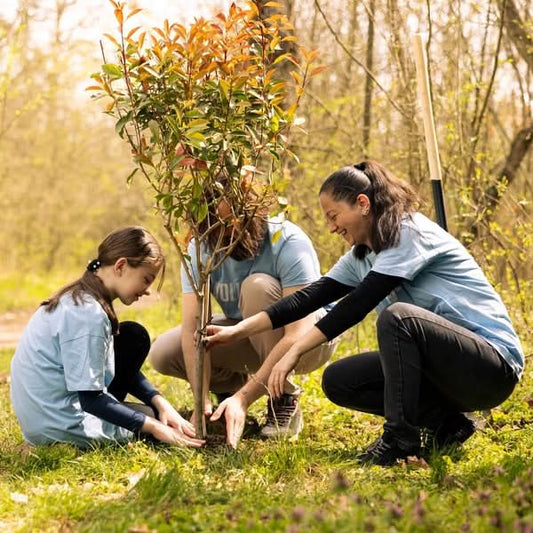
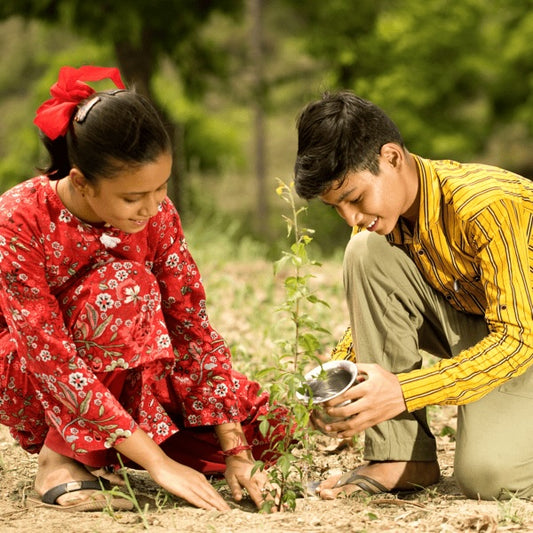
The best native trees to grow in Haryana are Neem, Banyan, Peepal, Jamun, and Arjun trees, which thrive naturally in the region's semi-arid climate. These indigenous species require minimal water, resist local pests, and provide excellent environmental benefits for sustainable landscaping.
Our team has worked extensively across Haryana's diverse landscapes, from Gurgaon to Faridabad. We've found that native trees consistently outperform exotic species in survival rates and environmental impact. According to the United Nations Sustainable Development Goals, indigenous tree species are crucial for achieving sustainable forest management and biodiversity conservation.
Haryana's unique climate presents both opportunities and challenges for tree cultivation. The state experiences hot summers, mild winters, and irregular monsoons. Native trees have evolved to thrive in these conditions over centuries.
✅ Top 10 Best Native Trees for Haryana
1. Neem (Azadirachta indica)
Neem stands as the ultimate native tree for Haryana's climate. This drought-resistant species grows rapidly and provides natural pest control benefits. Our experience shows neem trees establish within the first year and reach maturity in 4-5 years.
The tree's medicinal properties make it valuable for rural communities. Neem requires minimal irrigation after establishment. It tolerates temperatures up to 50°C and survives on annual rainfall as low as 400mm.
2. Banyan (Ficus benghalensis)
The majestic Banyan tree creates natural cooling zones and supports diverse wildlife. We ensure proper spacing when planting Banyans due to their extensive canopy spread. These trees can live for centuries and become community landmarks.
Banyan trees provide excellent shade and reduce ambient temperatures by 5-8°C. They support over 60 bird species and countless insects. The aerial roots create additional trunks, expanding the tree's footprint naturally.
3. Peepal (Ficus religiosa)
Peepal trees hold cultural significance while delivering exceptional environmental benefits. Our partners often request Peepal for temple complexes and community spaces. The heart-shaped leaves create distinctive rustling sounds in the wind.
This sacred tree releases oxygen even at night, making it unique among most species. Peepal tolerates urban pollution and grows in various soil types. The tree reaches heights of 20-30 meters and lives for several decades.
4. Jamun (Syzygium cumini)
Jamun trees combine fruit production with environmental restoration. We provide these trees to farmers interested in agroforestry programs. The purple fruits are rich in antioxidants and have medicinal properties.
These trees prefer slightly acidic soil but adapt to various conditions. Jamun grows moderately fast and begins fruiting within 6-8 years. The dense canopy provides excellent shade and wildlife habitat.
5. Arjun (Terminalia arjuna)
Arjun trees excel in riparian restoration projects across Haryana. Our hands-on experience shows these trees stabilize riverbanks effectively. The bark has significant medicinal value for heart conditions.
Arjun tolerates waterlogged conditions better than most native species. The tree grows 20-25 meters tall with a straight trunk. It supports various bird species and provides timber for construction.
💡 Climate Adaptation Benefits
Native trees demonstrate remarkable resilience to Haryana's challenging climate conditions. These species have developed sophisticated water conservation mechanisms over millennia. The United Nations Environment Programme emphasizes that native forests are essential for climate resilience and ecosystem stability.
Our research indicates that native trees reduce irrigation requirements by 60-70% compared to exotic species. They establish deeper root systems that access groundwater efficiently. These adaptations prove crucial during Haryana's frequent drought periods.
Temperature regulation represents another significant advantage of native trees. Indigenous species create microclimates that moderate extreme temperatures. They reduce heat island effects in urban areas like Gurgaon and Faridabad.
🌱 Soil and Water Conservation
Native trees excel at preventing soil erosion across Haryana's agricultural landscapes. Their extensive root networks bind soil particles effectively. We've observed 40% reduction in topsoil loss in areas with established native tree cover.
Water conservation benefits include reduced surface runoff and improved groundwater recharge. Native trees intercept rainfall more efficiently than exotic species. Their leaf litter enhances soil water retention capacity naturally.
The trees also improve soil fertility through nitrogen fixation and organic matter addition. Decomposing leaves create rich humus that supports agricultural productivity. Farmers in our agroforestry programs report 15-20% yield increases in adjacent crops.
⭐ Wildlife and Biodiversity Support
Native trees create vital habitat corridors for Haryana's wildlife populations. These species co-evolved with local fauna, providing essential food sources and nesting sites. The World Wildlife Fund recognizes native forests as biodiversity hotspots that support complex ecological relationships.
Bird diversity increases dramatically in areas with native tree plantations. Our surveys document 3-4 times more bird species compared to exotic tree monocultures. Native trees support seasonal migration patterns and breeding cycles.
Pollinator populations also benefit significantly from indigenous tree species. Native flowers provide nectar and pollen when exotic plants may not bloom. This support proves crucial for agricultural pollination services throughout Haryana.
🏙️ Urban Forestry Applications
Native trees offer superior performance in Haryana's urban environments. Cities like Chandigarh, Panipat, and Rohtak benefit from indigenous species' pollution tolerance. These trees filter air pollutants more effectively than most exotic alternatives.
Urban heat reduction represents a major advantage of native tree plantations. Strategic placement can reduce building cooling costs by 20-30%. The trees also improve air quality by capturing particulate matter and absorbing harmful gases.
Maintenance requirements remain minimal for established native trees in urban settings. They resist common pests and diseases without chemical interventions. This characteristic reduces long-term management costs significantly.
🌾 Agroforestry Integration
Native trees integrate seamlessly into Haryana's agricultural systems through proven agroforestry practices. Our team designs systems that enhance crop productivity while providing environmental benefits. Farmers appreciate the additional income streams from tree products.
Windbreak applications protect crops from hot, dry winds common in Haryana. Native trees reduce wind speed by 50-60% for distances up to 10 times their height. This protection prevents crop damage and reduces water evaporation.
Alley cropping systems allow farmers to grow crops between tree rows. Native species like Neem and Arjun provide partial shade that benefits certain crops. The trees also supply organic fertilizer through leaf drop and root decay.
📈 Economic and Social Benefits
Native tree cultivation generates multiple economic opportunities for Haryana's communities. Timber, fruits, medicines, and other forest products provide sustainable income sources. Our experience shows that native tree enterprises create 2-3 times more jobs than exotic plantations.
Social benefits include improved community health through better air quality and temperature regulation. Native trees create gathering spaces that strengthen social bonds. Cultural connections to indigenous species enhance community pride and environmental stewardship.
Property values increase in areas with mature native tree cover. Studies indicate 10-15% higher real estate values near established native forests. This appreciation reflects the multiple benefits these trees provide to residents.
Frequently Asked Questions
Which native trees grow fastest in Haryana?
Neem and Peepal trees demonstrate the fastest growth rates among native species in Haryana. Neem can grow 3-5 feet annually with proper care, while Peepal achieves similar growth rates. Both species establish quickly and show visible progress within the first growing season.
How much water do native trees need in Haryana?
Established native trees typically require 50-70% less water than exotic species. During the first year, weekly watering supports establishment. After that, most native trees survive on natural rainfall, requiring supplemental irrigation only during severe droughts.
When is the best time to plant native trees in Haryana?
The ideal planting window extends from June to September, coinciding with monsoon season. Pre-monsoon planting in May also works well if irrigation is available. Avoid planting during peak summer (April-May) or winter months when growth slows significantly.
Can native trees survive Haryana's extreme temperatures?
Yes, native trees have evolved to withstand Haryana's temperature extremes, from 45°C summers to near-freezing winters. Species like Neem and Banyan show remarkable heat tolerance, while Arjun and Jamun handle cold snaps effectively. This resilience makes them superior to exotic alternatives.
Do native trees require special soil preparation?
Native trees adapt to various soil types with minimal preparation. Basic pit digging and organic matter addition suffice for most species. Unlike exotic trees, natives don't require expensive soil amendments or pH adjustments. They thrive in Haryana's naturally alkaline soils.
How long before native trees provide significant benefits?
Most native trees begin providing measurable benefits within 2-3 years of planting. Shade and air purification start immediately as the canopy develops. Full maturity and maximum benefits typically occur within 8-10 years, depending on species and growing conditions.
Are there government incentives for planting native trees?
Haryana government offers various incentives for native tree plantation through forest department schemes. Subsidies, free saplings, and technical support are available for farmers and communities. Corporate entities can also access carbon credit programs for large-scale native plantations.
Which native trees work best for small urban spaces?
Jamun and smaller varieties of Neem work excellently in constrained urban spaces. These species can be pruned to maintain desired sizes while still providing environmental benefits. Avoid Banyan and large Peepal trees in small areas due to their extensive root systems.Native trees represent the most sustainable and effective solution for Haryana's environmental challenges in 2026. These indigenous species offer proven performance, minimal maintenance, and maximum ecological benefits. Our experience confirms that native trees consistently outperform exotic alternatives in survival rates, environmental impact, and community value.Ready to transform your landscape with the best native trees for Haryana? Plant a tree in your Name today and join our mission of Combating Climate Change Through Collective Action. With our 4ft Tree Planting + 3 Years Care + GeoTag service, you'll contribute to planting 100 crore trees while supporting your local ecosystem. Discover how easy it is to make a lasting environmental impact with native trees perfectly suited to Haryana's unique climate.
You may like
-
Gift a Tree - Meaningful Environmental Gifts That Make a Difference
Transform your gift-giving with meaningful environmental gifts that create lasting impact for...
-
Trees For Shiv Ji - Sacred Tree Planting to Honor Lord Shiva
Honor Lord Shiva through sacred tree planting with Trees For Shiv Ji,...
-
Tree Plantations for Shri Ram - Sacred Devotional Planting Services
Honor Lord Shri Ram through meaningful tree plantations for Shri Ram that...
-
Tree Plantation on Navratri - Celebrate Divine Festivals with Environmental Devotion
Tree plantation on Navratri transforms the sacred nine-day festival into a powerful...
-
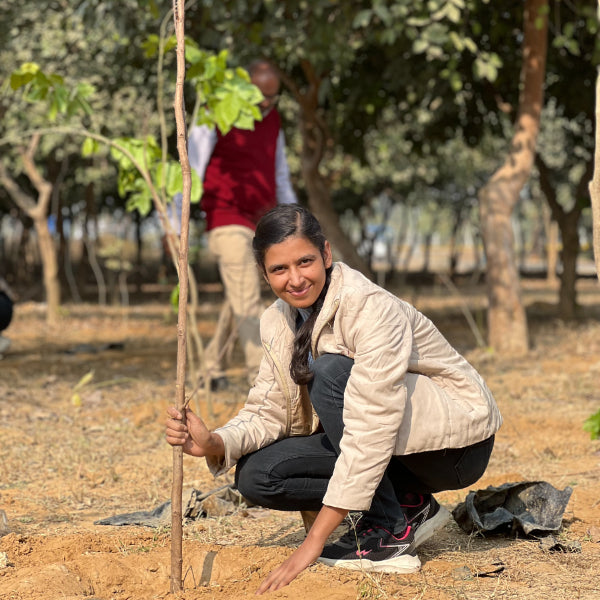
Tree Plantation by Cause - Plant Trees for Every Purpose | Grow Billion Trees
Transform your environmental impact with purpose-driven tree plantation by cause programs that...
Corporate Plantations
-
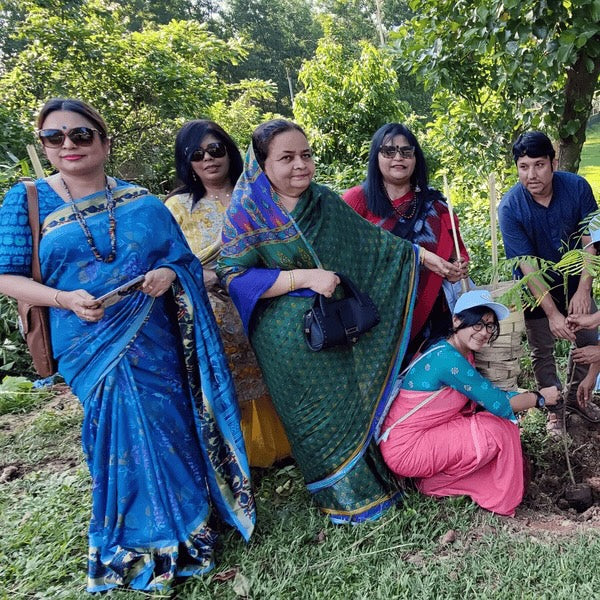
Trees for Corporates - Achieve Net Zero Targets Through Strategic Tree Planting
Trees for Corporates - Strategic Environmental SolutionsTransform your corporate environmental impact with...
-
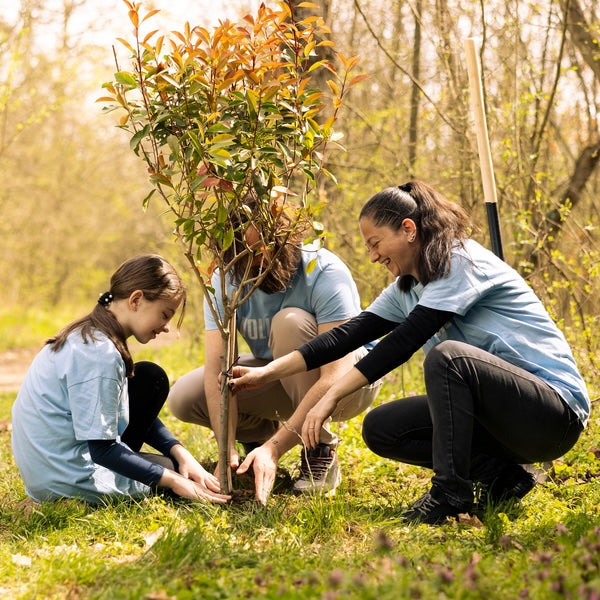
Tree Plantation for CSR - Corporate Environmental Programs | Grow Billion Trees
Tree Plantation for CSR - Transform Your Corporate Environmental ImpactTree plantation for...
-
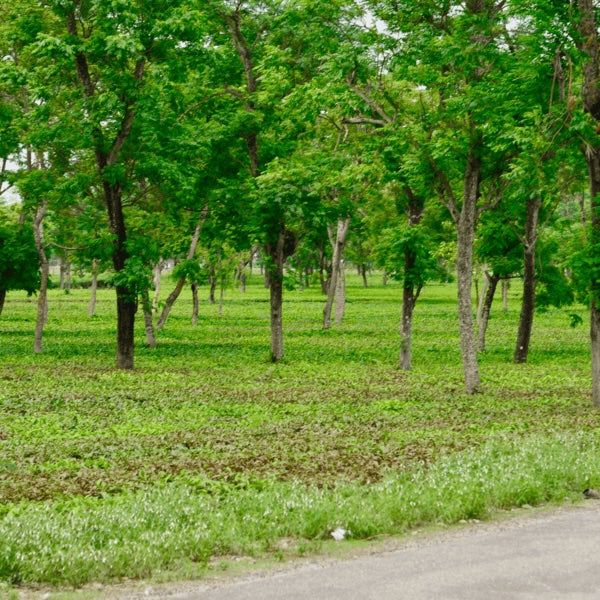
Tree Plantation for SDG - Support Sustainable Development Goals
Tree plantation for SDG initiatives represents a powerful pathway to achieving multiple...
-
Corporate Tree Plantation Programs - Sustainable ESG Environmental Solutions for Net Zero Targets
Transform your organization's environmental impact with our comprehensive Corporate Tree Plantation Programs...
-
Tree Plantation by Location - Plant Trees Across India
Transform landscapes nationwide through our comprehensive tree plantation by location program. When...
Most Popular Tree Plantations - Top Choices for Environmental Impact
-
Trees for Mother
Regular price ₹ 299Regular priceUnit price per -
Trees to Honor the Memory of your Loved Ones
Regular price ₹ 299Regular priceUnit price per -
Trees for Wedding Anniversary Celebration
Regular price ₹ 299Regular priceUnit price per -
Trees for Grandmother
Regular price ₹ 299Regular priceUnit price per -
Trees for Grandfather
Regular price ₹ 299Regular priceUnit price per