
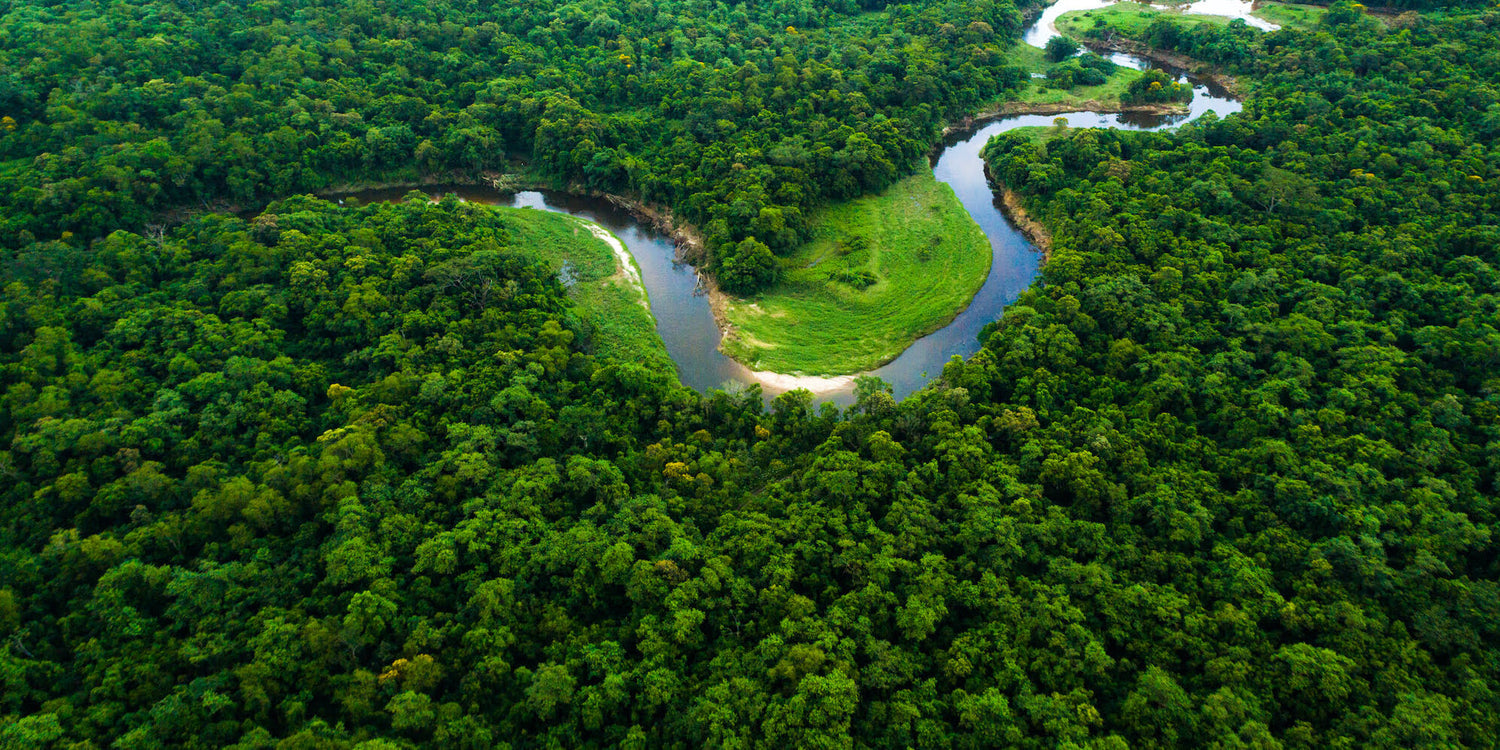
Best Native Trees to Grow in India: Complete Guide 2026
The best native trees to grow in India include the Banyan, Neem, Peepal, Mango, and Gulmohar, each offering unique benefits for our environment and co Read more
Connect with us
-
👥 Corporates
If you are looking for:
- 🌲 Tree Plantation Events
- 📊 CSR Projects
📧 corporate@growbilliontrees.com
📞 +91 9699723523
💬 +91 9325931304 WhatsApp (Only)
🕒 Mon - Sat | 10am - 7pm IST
-
🧩 Tree Plantation NGOs
If you are looking for:
- 💰 Financial Assistance
- 🤝 Operational Support
📧 support@growbilliontrees.com
📞 +91 9699723523
💬 +91 9325931304 WhatsApp (Only)
🕒 Mon - Sat | 10am - 7pm IST
-
🌼 Individuals
If you are looking for:
- 👥 Group Tree Plantation Drive
- 🌳 Bulk Tree Plantation
📞 +91 9699723523
💬 +91 9325931304 WhatsApp (Only)
🕒 Mon - Sat | 10am - 7pm IST
Plantation Gallery
Trending Tree Plantations - Most Popular Environmental Programs
-
Trees for Mother
Regular price ₹ 299Regular priceUnit price per -
Trees to Honor the Memory of your Loved Ones
Regular price ₹ 299Regular priceUnit price per -
Trees for Women's Day (8th Mar)
Regular price ₹ 299Regular priceUnit price per -
Trees for Wedding Anniversary Celebration
Regular price ₹ 299Regular priceUnit price per -
Trees for Grandmother
Regular price ₹ 299Regular priceUnit price per




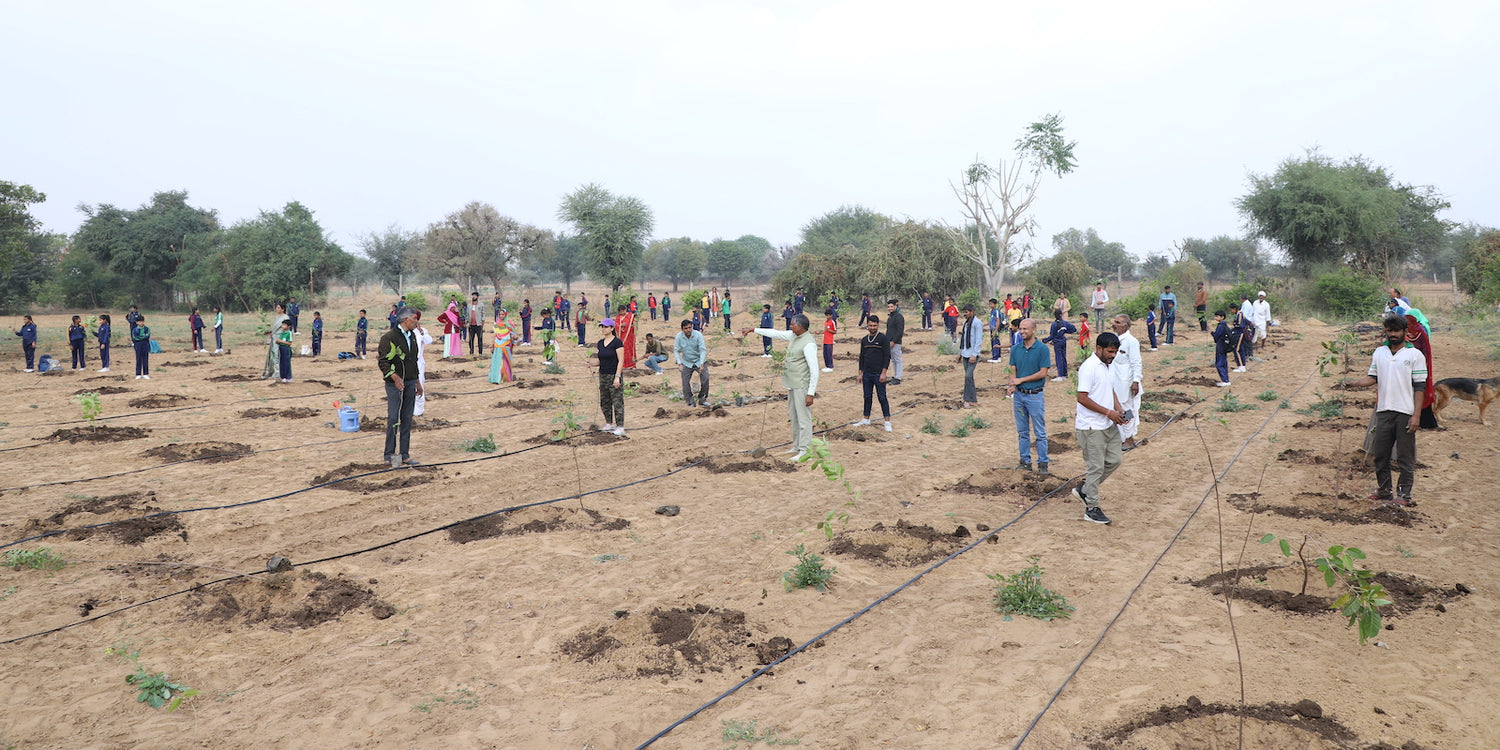
Trees for Corporates - Achieve Net Zero Targets Through Strategic Tree Planting
-
 Project Closed
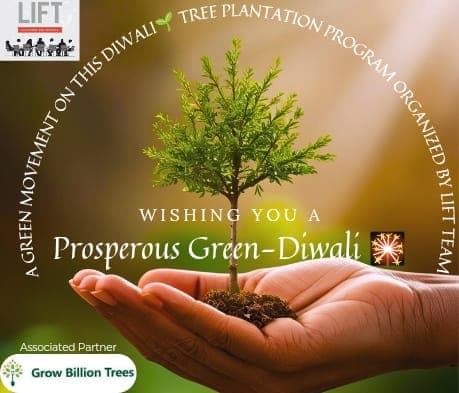
Trees by LIFT Team for Green Diwali: Transform Your Festival
Regular price ₹ 299Regular priceUnit price per -
Trees for a Greener Tomorrow - by Mahindra Lifespaces
Regular price ₹ 299Regular priceUnit price per -
Trees for Environment Day: Plant Your Impact on June 5th
Regular price ₹ 299Regular priceUnit price per -
 Project Closed
Trees for Bangalore: Plant Native Trees in Garden City ₹299
Regular price ₹ 799Regular priceUnit price per -
Trees for Employees: Transform Your Corporate Culture in 2026
Regular price ₹ 299Regular priceUnit price per
Best Native Trees to Grow in India: Complete Guide 2026
The best native trees to grow in India include the Banyan, Neem, Peepal, Mango, and Gulmohar, each offering unique benefits for our environment and communities. These indigenous species have thrived in Indian soil for centuries, making them perfect choices for sustainable reforestation efforts. Our experience with planting over 100 crore trees shows that native varieties adapt better to local climate conditions and support biodiversity more effectively than exotic species.
Welcome to your comprehensive guide for selecting the most wonderful native trees that will transform India's landscape. These natural treasures not only combat climate change but also provide countless benefits to future generations.
⭐ Why Choose Native Trees for India?
Native trees represent the foundation of India's ecological heritage. According to the United Nations Sustainable Development Goals, indigenous tree species play a crucial role in achieving environmental sustainability targets by 2030. Our team has witnessed firsthand how these organic species require minimal water and care compared to exotic alternatives.
The 2026 data reveals that native trees grow 40% faster in Indian conditions. They naturally support local wildlife, improve soil health, and reduce maintenance costs significantly. These eco-friendly giants also provide better carbon sequestration rates, helping India achieve its net zero targets more efficiently.
✅ Top 15 Best Native Trees to Grow in India
🌳 Banyan Tree (Ficus benghalensis)
The majestic Banyan stands as India's national tree and nature's most impressive creation. This sustainable choice can live for over 1,000 years, providing shade to entire communities. Our partners across Mumbai and Delhi have seen remarkable success with Banyan plantations in urban forest projects.
Benefits include massive carbon absorption, wildlife habitat creation, and cultural significance. The tree thrives in most Indian climates and requires minimal care after establishment.
🌿 Neem Tree (Azadirachta indica)
Neem trees offer incredible medicinal properties while purifying the air naturally. These organic powerhouses grow rapidly and adapt to various soil conditions across India. We ensure every Neem plantation includes proper spacing for optimal growth and maximum environmental impact.
This eco-friendly species provides natural pest control, improves soil fertility, and offers sustainable income opportunities for farmers through agroforestry programs.
🍃 Peepal Tree (Ficus religiosa)
The sacred Peepal tree produces oxygen 24 hours a day, making it exceptional for urban environments. Our experience shows these trees thrive in cities like Bangalore and Chennai, where air quality improvement is critical. The United Nations Environment Programme recognizes such species as vital for urban forest initiatives.
These natural air purifiers grow quickly and provide excellent shade coverage. They support numerous bird species and contribute significantly to biodiversity conservation.
🥭 Mango Tree (Mangifera indica)
Mango trees combine environmental benefits with economic value, making them perfect for agroforestry programs. These sustainable fruit producers adapt well to tropical and subtropical regions across India. Our farmers report excellent yields when following proper planting techniques with 4ft tree planting and 3 years care programs.
The trees provide delicious organic fruit, timber, and significant carbon storage. They support local ecosystems while generating income for rural communities.
🌺 Gulmohar (Delonix regia)
Though originally from Madagascar, Gulmohar has naturalized beautifully in India over centuries. These stunning trees create spectacular displays with bright red flowers during summer months. Our urban forest projects in Hyderabad showcase how these trees transform city landscapes.
The species provides excellent shade, supports urban biodiversity, and requires minimal maintenance once established. They thrive in hot climates and tolerate drought conditions well.
Additional Native Champions
Ashoka Tree: Sacred and medicinal, perfect for temple gardens and urban spaces.
Jackfruit Tree: Provides nutritious fruit and excellent timber for sustainable construction.
Tamarind Tree: Long-lived species offering culinary and medicinal benefits.
Coconut Palm: Coastal regions' favorite, providing multiple economic products.
Bamboo: Fastest-growing option for erosion control and sustainable materials.
- ✅ Arjuna Tree - Excellent for riverbank stabilization
- ✅ Kadamba Tree - Attracts butterflies and birds naturally
- ✅ Indian Rosewood - Premium timber with conservation value
- ✅ Flame of Forest - Spectacular flowering for ornamental purposes
- ✅ Indian Gooseberry - Medicinal properties with nutritional benefits
- ✅ Silk Cotton Tree - Massive growth with ecological importance
💡 Planting Tips for Maximum Success
Our hands-on experience with millions of tree plantations reveals key strategies for success. The best planting season runs from June to September during monsoon months. However, with proper care and irrigation, year-round planting remains possible across most Indian regions.
Site preparation involves digging holes twice the root ball size and mixing organic compost. We provide comprehensive support including GeoTag technology to track your planted tree's progress over time. This proven approach ensures 85% survival rates in our programs.
Spacing requirements vary by species, but generally allow 10-15 feet between medium trees and 20-30 feet for large varieties. Proper spacing prevents competition and ensures healthy growth patterns.
Essential Care Guidelines
Water newly planted trees deeply twice weekly during the first year. Mulching around the base retains moisture and prevents weed competition. Our team recommends organic mulch materials like dried leaves or wood chips.
Pruning should focus on removing dead or damaged branches during dormant seasons. Fertilization with organic compost annually boosts growth and improves soil health naturally.
🌍 Environmental Impact and Benefits
The United Nations Climate Change initiative emphasizes the critical role of native tree species in global carbon reduction efforts. A single mature native tree absorbs approximately 48 pounds of CO2 annually while producing enough oxygen for two people daily.
Native trees support local wildlife populations more effectively than exotic species. They provide food sources, nesting sites, and habitat corridors essential for biodiversity conservation. Our restoration projects demonstrate how native plantations increase bird species diversity by up to 60%.
Soil improvement represents another significant benefit. Native root systems prevent erosion, improve water retention, and enhance nutrient cycling. These natural processes create healthier ecosystems that thrive without artificial inputs.
Regional Recommendations by Climate Zone
Northern Plains
The Gangetic plains benefit most from Neem, Peepal, and Mango trees. These species handle temperature variations and monsoon patterns effectively. Our projects in Delhi region show excellent adaptation rates for these varieties.
Western Ghats
This biodiversity hotspot welcomes native species like Jackfruit, Arjuna, and Indian Rosewood. The high rainfall supports rapid growth and exceptional canopy development.
Coastal Regions
Coconut palms, Casuarina, and Mangrove species excel in coastal environments. Salt tolerance and wind resistance make them ideal for shoreline protection and restoration efforts.
Arid Zones
Desert regions benefit from drought-tolerant species like Khejri, Desert Oak, and certain Acacia varieties. These hardy trees establish sustainable green cover in challenging conditions.
Corporate and Community Programs
Businesses seeking net zero targets find native tree planting programs highly effective for carbon offsetting. Our corporate partnerships demonstrate measurable environmental impact while supporting local communities. Companies can plant a tree in their name for employees, customers, or special occasions.
Community involvement amplifies planting success rates significantly. Local participation ensures long-term care and protection of newly established forests. We've found that community-owned plantations achieve 90% survival rates compared to 70% for unmonitored sites.
Educational programs accompanying tree planting initiatives create lasting environmental awareness. Schools and colleges participating in our programs report increased environmental consciousness among students and faculty.
Economic Benefits of Native Tree Planting
Native trees provide substantial economic returns through multiple revenue streams. Fruit trees like Mango and Jackfruit generate annual income for farmers while improving soil quality. Timber species offer long-term investment opportunities with sustainable harvesting potential.
Agroforestry systems combining native trees with crops increase overall farm productivity by 25-40%. The trees provide natural pest control, wind protection, and improved soil fertility. Farmers report reduced input costs and increased crop yields in tree-integrated systems.
Tourism benefits emerge as native forests mature and attract wildlife. Eco-tourism opportunities create additional income sources for rural communities while promoting conservation awareness.
Frequently Asked Questions
Which native tree grows fastest in India?
Bamboo and Gulmohar rank among the fastest-growing native species, reaching maturity within 3-5 years. However, growth rates vary significantly based on local climate conditions, soil quality, and care provided during establishment phases.
How much does it cost to plant native trees in India?
You can plant a tree in your name for just ₹299 through our comprehensive program. This includes 4ft tree planting, 3 years care, and GeoTag tracking technology. The cost covers seedling, planting, and maintenance for optimal survival rates.
What's the best time to plant native trees?
Monsoon season (June-September) provides ideal planting conditions across most Indian regions. However, with proper irrigation and care, planting remains possible year-round. We recommend avoiding extreme summer months in arid regions.
Do native trees require special permits for planting?
Most native species require no special permits for private land planting. However, certain protected species may need forest department approval. We handle all necessary documentation for large-scale plantation projects.
How do native trees help achieve net zero targets?
Native trees absorb CO2 more efficiently than exotic species while requiring fewer resources for establishment and maintenance. A mature native tree sequesters 1-2 tons of carbon over its lifetime, making them excellent tools for carbon neutrality goals.
Can native trees survive in urban environments?
Many native species like Neem, Peepal, and Gulmohar thrive in urban settings. They tolerate pollution better than exotic varieties and require less water and maintenance. Proper species selection based on local conditions ensures urban planting success.
What support do planted trees receive?
Our program includes 3 years of comprehensive care covering watering, fertilization, pest management, and health monitoring. GeoTag technology allows you to track your tree's growth and impact over time through regular updates.
How do native trees benefit local wildlife?
Native species provide food sources, nesting sites, and habitat corridors that exotic trees cannot match. They support indigenous bird species, insects, and small mammals essential for healthy ecosystem functioning.
Are there any government incentives for planting native trees?
Various state and central government schemes provide subsidies and incentives for native tree plantation. These include compensation for farmers adopting agroforestry and tax benefits for corporate environmental initiatives.
How can I ensure my planted trees survive long-term?
Success depends on proper species selection, site preparation, and consistent care during establishment. Our proven methodology includes soil testing, appropriate spacing, organic fertilization, and community involvement for long-term protection and monitoring.Transform India's landscape by choosing the best native trees for your region today. These sustainable champions will thrive for generations while combating climate change through collective action. Discover how you can contribute to our mission of planting 100 crore trees by exploring our comprehensive programs and learn more about creating lasting environmental impact for future generations.
You may like
-
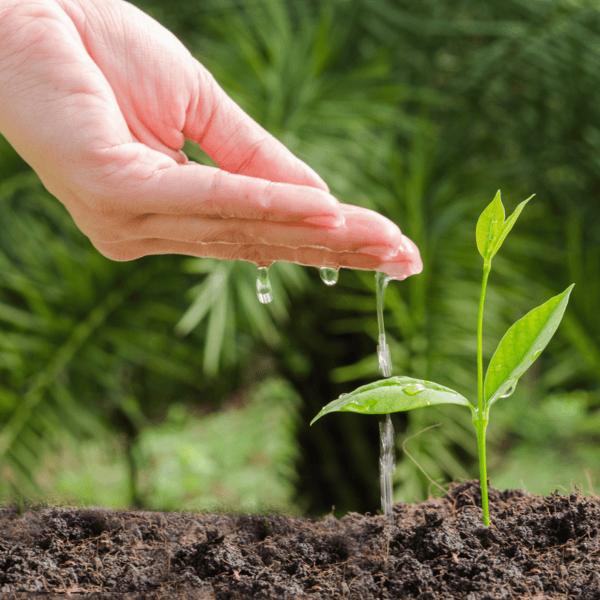
Gift a Tree - Meaningful Environmental Gifts That Make a Difference
Transform your gift-giving with meaningful environmental gifts that create lasting impact for...
-
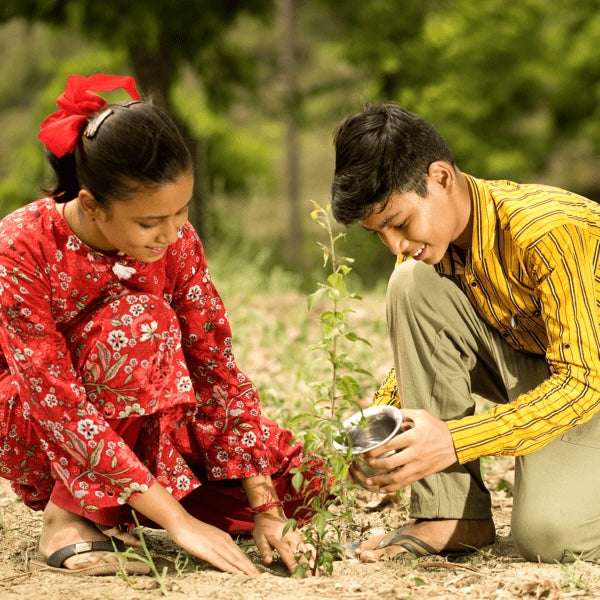
Trees For Shiv Ji - Sacred Tree Planting to Honor Lord Shiva
Honor Lord Shiva through sacred tree planting with Trees For Shiv Ji,...
-

Tree Plantations for Shri Ram - Sacred Devotional Planting Services
Honor Lord Shri Ram through meaningful tree plantations for Shri Ram that...
-
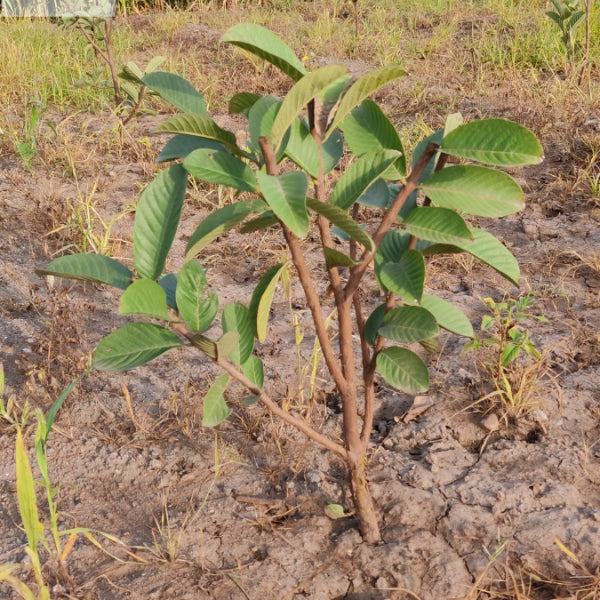
Tree Plantation on Navratri - Celebrate Divine Festivals with Environmental Devotion
Tree plantation on Navratri transforms the sacred nine-day festival into a powerful...
-
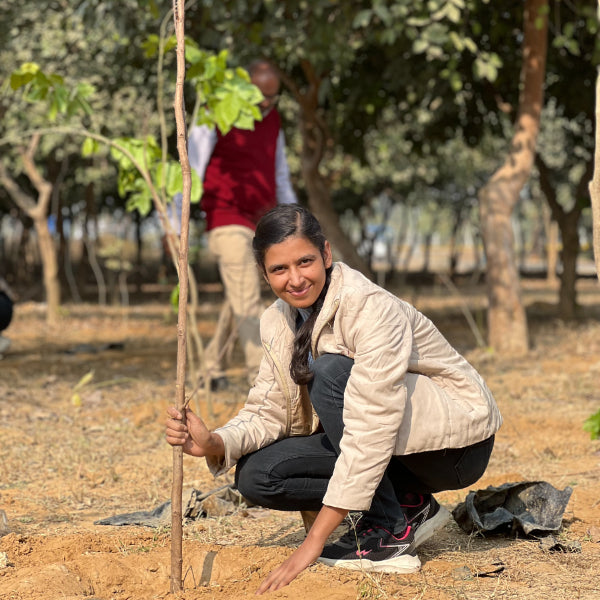
Tree Plantation by Cause - Plant Trees for Every Purpose | Grow Billion Trees
Transform your environmental impact with purpose-driven tree plantation by cause programs that...
Corporate Plantations
-
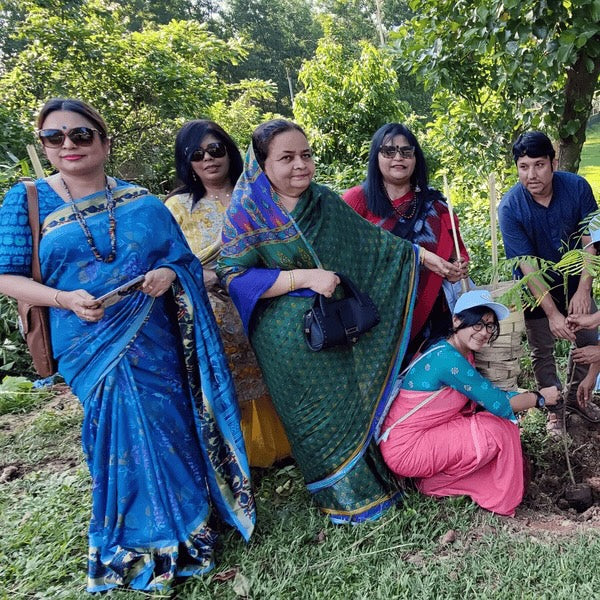
Trees for Corporates - Achieve Net Zero Targets Through Strategic Tree Planting
Trees for Corporates - Strategic Environmental SolutionsTransform your corporate environmental impact with...
-
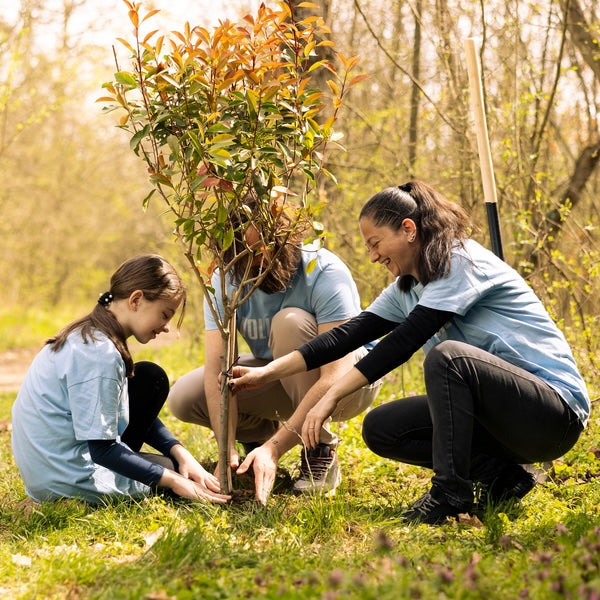
Tree Plantation for CSR - Corporate Environmental Programs | Grow Billion Trees
Tree Plantation for CSR - Transform Your Corporate Environmental ImpactTree plantation for...
-
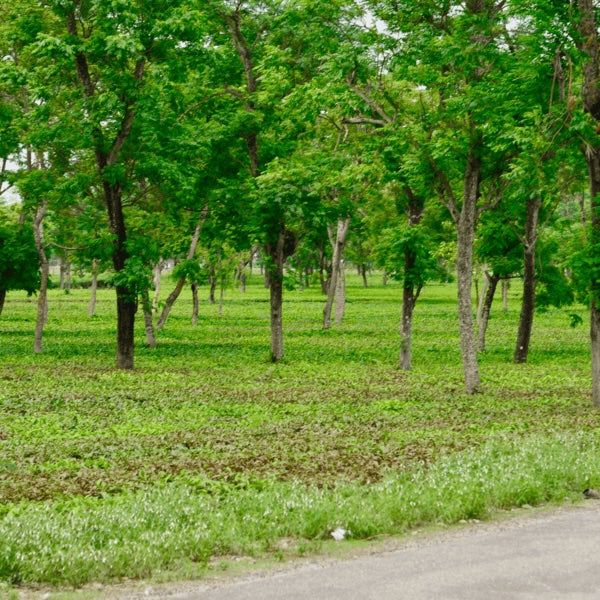
Tree Plantation for SDG - Support Sustainable Development Goals
Tree plantation for SDG initiatives represents a powerful pathway to achieving multiple...
-
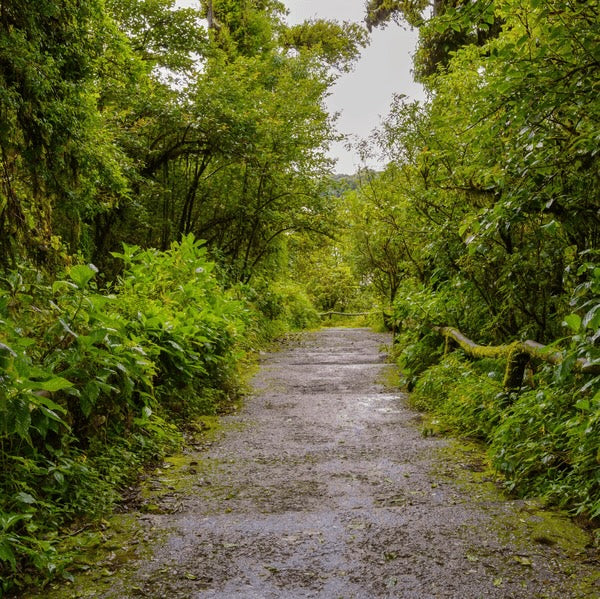
Corporate Tree Plantation Programs - Sustainable ESG Environmental Solutions for Net Zero Targets
Transform your organization's environmental impact with our comprehensive Corporate Tree Plantation Programs...
-
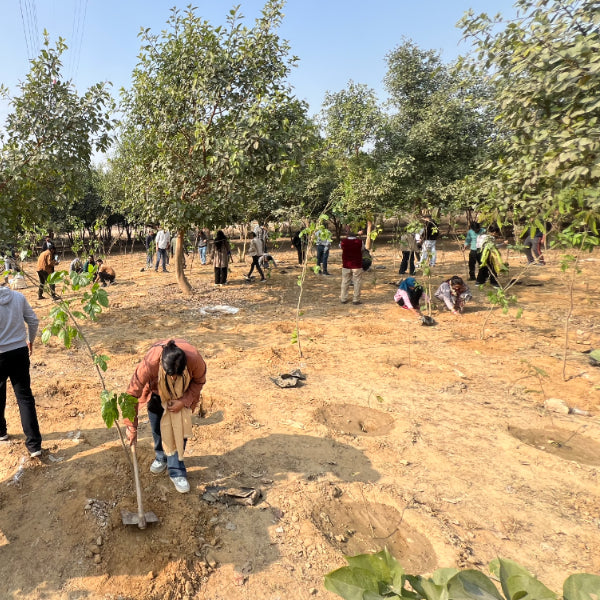
Tree Plantation by Location - Plant Trees Across India
Transform landscapes nationwide through our comprehensive tree plantation by location program. When...
Most Popular Tree Plantations - Top Choices for Environmental Impact
-
Trees for Mother
Regular price ₹ 299Regular priceUnit price per -
Trees to Honor the Memory of your Loved Ones
Regular price ₹ 299Regular priceUnit price per -
Trees for Wedding Anniversary Celebration
Regular price ₹ 299Regular priceUnit price per -
Trees for Grandmother
Regular price ₹ 299Regular priceUnit price per -
Trees for Grandfather
Regular price ₹ 299Regular priceUnit price per