
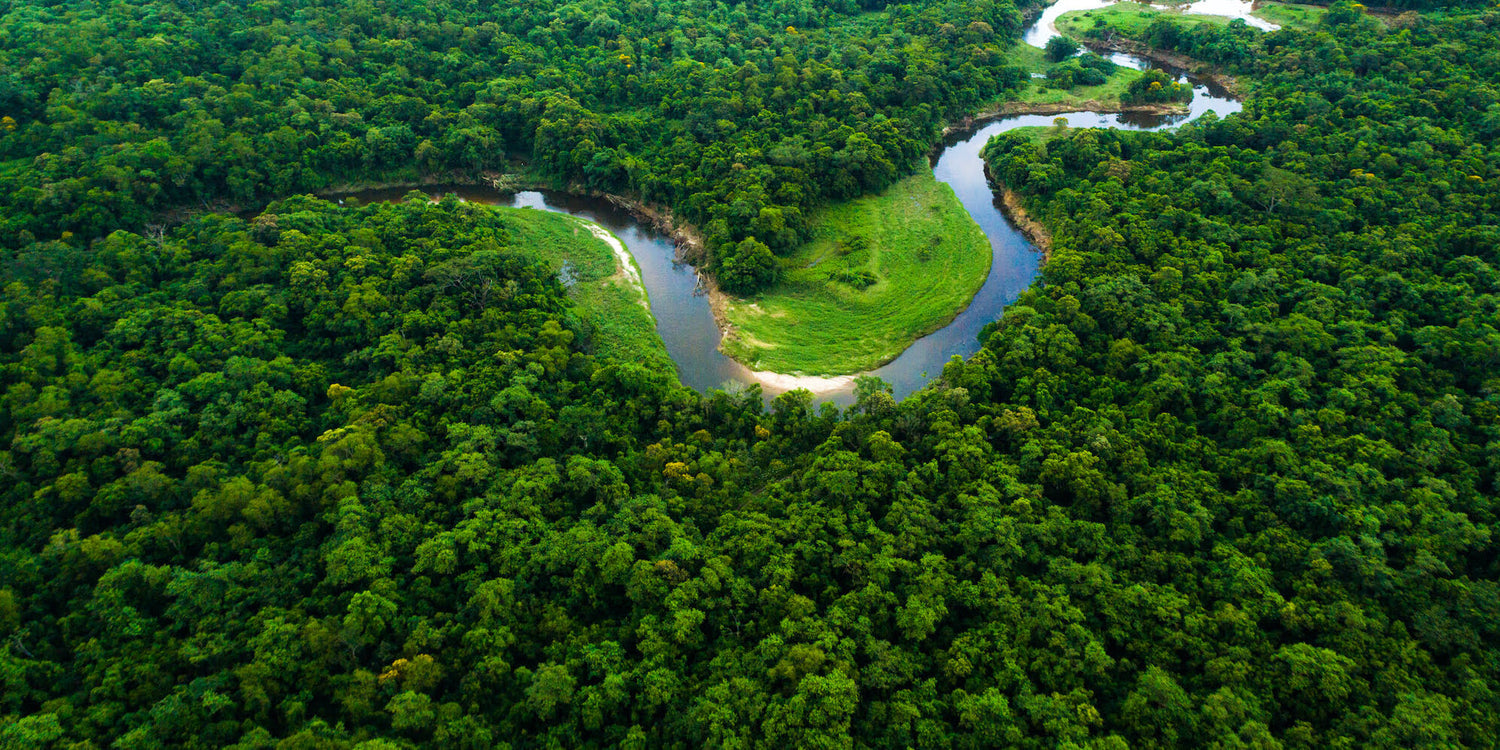
Best Native Trees to Grow in Rajasthan: Top 10 Species Guide
The best native trees to grow in Rajasthan include the hardy Khejri, drought-resistant Dhok, and the majestic Banyan tree. These indigenous species th Read more
Connect with us
-
👥 Corporates
If you are looking for:
- 🌲 Tree Plantation Events
- 📊 CSR Projects
📧 corporate@growbilliontrees.com
📞 +91 9699723523
💬 +91 9325931304 WhatsApp (Only)
🕒 Mon - Sat | 10am - 7pm IST
-
🧩 Tree Plantation NGOs
If you are looking for:
- 💰 Financial Assistance
- 🤝 Operational Support
📧 support@growbilliontrees.com
📞 +91 9699723523
💬 +91 9325931304 WhatsApp (Only)
🕒 Mon - Sat | 10am - 7pm IST
-
🌼 Individuals
If you are looking for:
- 👥 Group Tree Plantation Drive
- 🌳 Bulk Tree Plantation
📞 +91 9699723523
💬 +91 9325931304 WhatsApp (Only)
🕒 Mon - Sat | 10am - 7pm IST
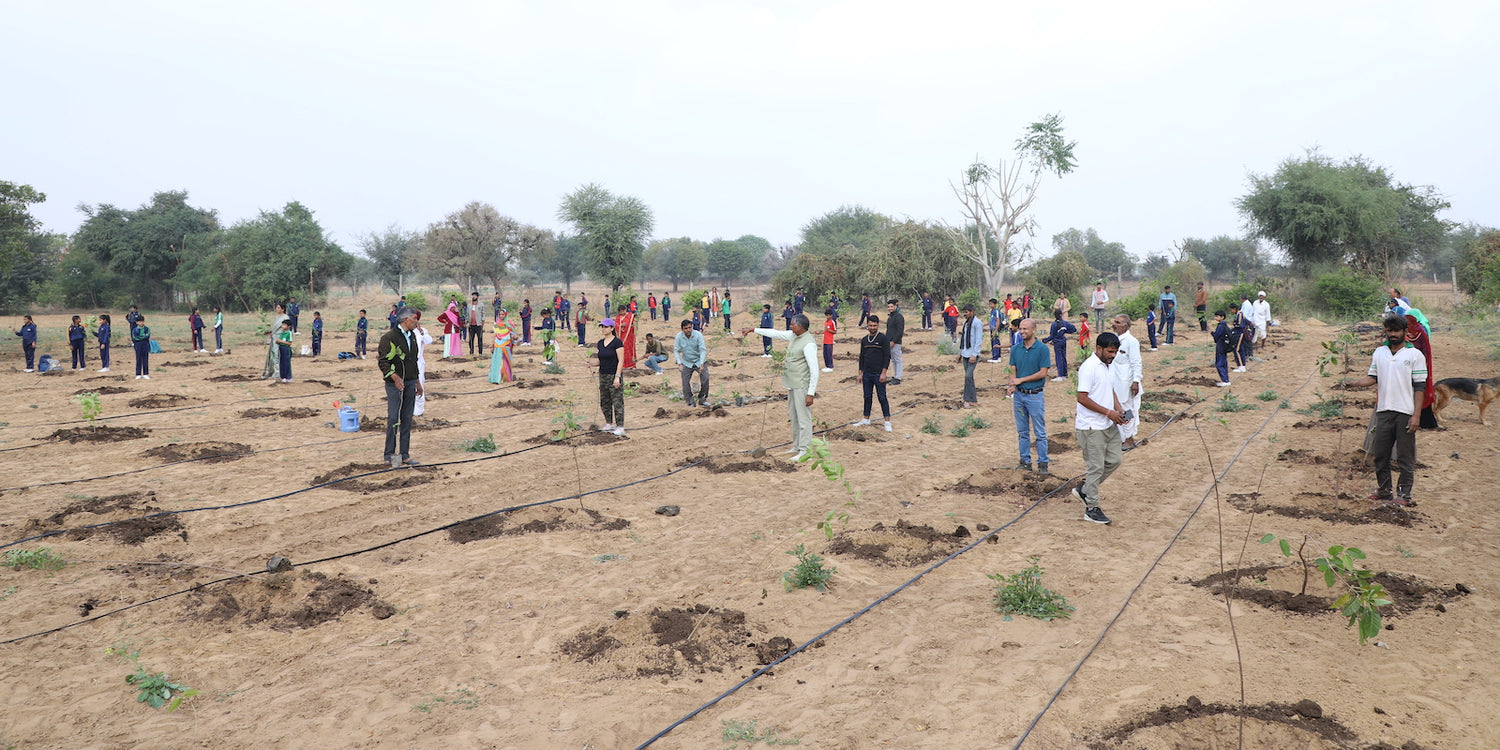
Plantation Gallery
Trending Tree Plantations - Most Popular Environmental Programs
-
Trees for Mother
Regular price ₹ 299Regular priceUnit price per -
Trees to Honor the Memory of your Loved Ones
Regular price ₹ 299Regular priceUnit price per -
Trees for Women's Day (8th Mar)
Regular price ₹ 299Regular priceUnit price per -
Trees for Wedding Anniversary Celebration
Regular price ₹ 299Regular priceUnit price per -
Trees for Grandmother
Regular price ₹ 299Regular priceUnit price per




Trees for Corporates - Achieve Net Zero Targets Through Strategic Tree Planting
-
 Project Closed
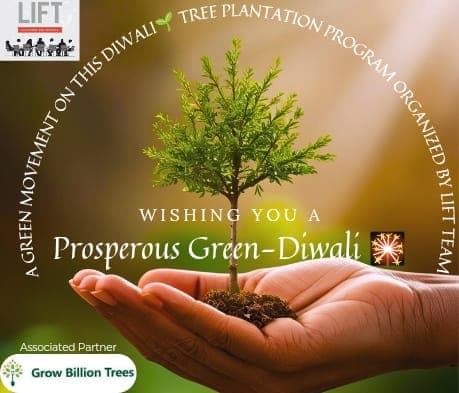
Trees by LIFT Team for Green Diwali: Transform Your Festival
Regular price ₹ 299Regular priceUnit price per -
Trees for a Greener Tomorrow - by Mahindra Lifespaces
Regular price ₹ 299Regular priceUnit price per -
Trees for Environment Day: Plant Your Impact on June 5th
Regular price ₹ 299Regular priceUnit price per -
Trees for Employees: Transform Your Corporate Culture in 2026
Regular price ₹ 299Regular priceUnit price per -
 Project Closed
Trees for Bangalore: Plant Native Trees in Garden City ₹299
Regular price ₹ 799Regular priceUnit price per
Best Native Trees to Grow in Rajasthan: Complete Guide 2026
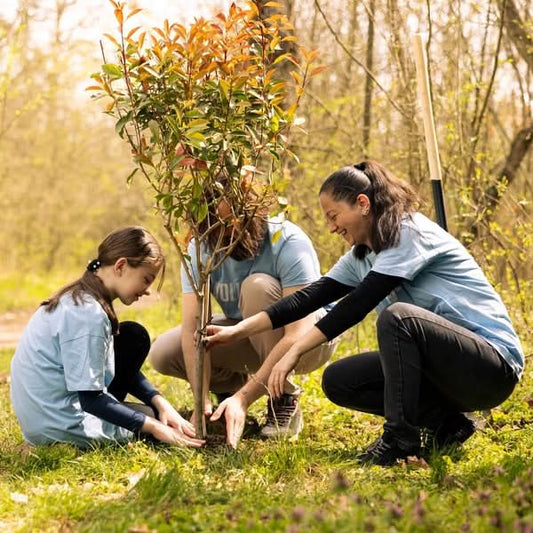
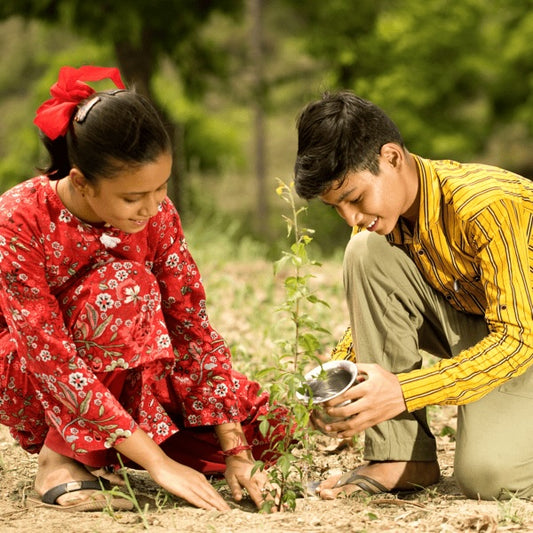
The best native trees to grow in Rajasthan include the hardy Khejri, drought-resistant Dhok, and the majestic Banyan tree. These indigenous species thrive in Rajasthan's arid climate while providing essential ecological benefits. Our experience working with farmers across the state shows these trees offer exceptional survival rates and contribute to sustainable agriculture.
Rajasthan's harsh desert climate demands careful tree selection for successful plantation projects. Native species have evolved over centuries to withstand extreme temperatures and minimal rainfall. We ensure our tree plantation programs focus on indigenous varieties that naturally flourish in this challenging environment.
Why Choose Native Trees for Rajasthan? ✅
Native trees offer remarkable advantages over exotic species in Rajasthan's desert landscape. These indigenous varieties require minimal water and maintenance while providing maximum environmental benefits. Our team has witnessed firsthand how native species establish stronger root systems and demonstrate superior drought tolerance.
According to the United Nations Sustainable Development Goals, sustainable forest management plays a crucial role in combating desertification. Native trees contribute significantly to soil conservation and biodiversity preservation. They also support local wildlife and maintain ecological balance in arid regions.
The economic benefits of native tree plantation extend beyond environmental impact. Farmers in Rajasthan report increased crop yields when native trees provide natural windbreaks and soil enrichment. These trees also offer sustainable income through timber, fruits, and medicinal products.
Top 10 Best Native Trees to Grow in Rajasthan 🌳
1. Khejri (Prosopis cineraria) - The Desert King
Khejri stands as Rajasthan's state tree and represents the ultimate drought-resistant species. This magnificent tree survives on less than 100mm annual rainfall while providing valuable fodder for livestock. Our partners in rural Rajasthan consider Khejri essential for sustainable farming practices.
The tree produces nutritious pods that serve as cattle feed during harsh summer months. Khejri leaves contain high protein content and remain green throughout the year. Local communities also harvest its timber for construction and fuel purposes.
2. Dhok (Anogeissus pendula) - The Hardy Survivor
Dhok trees demonstrate exceptional resilience in rocky terrain and poor soil conditions. These trees grow naturally in the Aravalli hills and adapt well to various soil types. We found that Dhok plantations establish quickly and require minimal irrigation after the first year.
The species provides excellent timber for furniture making and construction. Its leaves serve as quality fodder, while the bark has medicinal properties. Dhok trees also prevent soil erosion on slopes and degraded lands.
3. Banyan (Ficus benghalensis) - The Majestic Shelter
Banyan trees create natural community spaces and provide extensive shade in villages across Rajasthan. These trees develop impressive canopies that offer relief from scorching summer heat. Our experience shows that established Banyan trees become focal points for rural social activities.
The aerial roots of Banyan trees help prevent soil erosion and create microhabitats for various species. These trees also purify air effectively and support urban forest initiatives. Banyan trees require initial care but become self-sustaining within three years.
4. Neem (Azadirachta indica) - The Natural Pharmacy
Neem trees offer remarkable medicinal properties while thriving in Rajasthan's climate. Every part of this tree provides therapeutic benefits for human health and agricultural applications. We ensure our agroforestry programs include Neem for its natural pesticide properties.
Farmers appreciate Neem's ability to improve soil fertility and control harmful insects. The tree's fast growth rate and minimal water requirements make it ideal for desert regions. Neem also provides sustainable income through oil extraction and medicinal product manufacturing.
5. Peepal (Ficus religiosa) - The Sacred Oxygen Producer
Peepal trees hold cultural significance while providing exceptional environmental benefits in Rajasthan. These trees release oxygen even at night, making them valuable for air purification. Our team recommends Peepal for urban plantations and temple complexes.
The heart-shaped leaves create beautiful canopies that reduce ambient temperatures. Peepal trees also support diverse bird populations and contribute to biodiversity conservation. These trees establish deep root systems that access groundwater effectively.
6. Ber (Ziziphus mauritiana) - The Nutritious Fruit Bearer
Ber trees combine environmental benefits with nutritious fruit production in arid conditions. These hardy trees produce vitamin-rich fruits that provide additional income for farming families. We love how Ber trees adapt to sandy soils and require minimal maintenance.
The thorny branches of Ber trees create natural fencing and protect agricultural fields from animals. The fruit has excellent market demand and storage properties. Ber trees also provide quality timber and medicinal bark.
7. Babool (Acacia nilotica) - The Multi-Purpose Wonder
Babool trees serve multiple purposes while thriving in Rajasthan's challenging environment. These nitrogen-fixing trees improve soil fertility naturally and support sustainable agriculture. Our partners use Babool for timber, fodder, and gum production.
The tree's deep taproot system helps it survive prolonged drought periods. Babool gum has commercial value in pharmaceutical and food industries. These trees also provide excellent fuelwood and charcoal production opportunities.
8. Arjun (Terminalia arjuna) - The Medicinal Marvel
Arjun trees offer exceptional medicinal properties while adapting well to Rajasthan's climate. The bark contains powerful compounds beneficial for heart health and various ailments. We ensure our medicinal plant programs include Arjun for its therapeutic value.
These trees grow relatively fast and provide good timber for construction purposes. Arjun trees also support wildlife and contribute to forest ecosystem restoration. The species demonstrates good tolerance to water stress and poor soil conditions.
9. Rohida (Tecomella undulata) - The Desert Teak
Rohida trees produce valuable timber known as desert teak throughout Rajasthan. This endemic species demonstrates remarkable drought tolerance and grows in extremely arid conditions. Our experience shows Rohida plantations provide excellent long-term economic returns.
The yellow flowers of Rohida trees create beautiful landscapes during blooming season. The timber has high market value for furniture and construction applications. These trees also provide fodder and support local wildlife populations.
10. Kumta (Acacia senegal) - The Gum Producer
Kumta trees specialize in gum arabic production while thriving in desert conditions. These trees provide sustainable income through gum harvesting and livestock fodder. We found that Kumta plantations establish well in degraded lands and sandy soils.
The gum has international market demand for food and pharmaceutical industries. Kumta trees also fix nitrogen in soil and improve land productivity. These hardy trees require minimal inputs while providing maximum returns.
Planting Guidelines for Rajasthan's Native Trees 💡
Successful tree plantation in Rajasthan requires careful timing and proper techniques. The monsoon season from July to September provides optimal planting conditions. Our team recommends preparing pits during summer months for monsoon plantation.
Soil preparation involves digging pits of 60cm x 60cm x 60cm size for most native species. Mix organic compost with existing soil to improve water retention. We ensure proper drainage to prevent waterlogging during heavy rains.
Initial watering remains crucial for the first two years of establishment. Native trees typically require weekly watering during dry periods. However, avoid overwatering as it can damage root development in desert-adapted species.
Environmental Benefits of Native Tree Plantation 🌍
Native trees contribute significantly to combating climate change through carbon sequestration and temperature regulation. According to the United Nations Climate Change Action, forest restoration plays a vital role in global climate mitigation efforts. These trees absorb substantial amounts of carbon dioxide while releasing oxygen.
Soil conservation represents another critical benefit of native tree plantation in Rajasthan. Tree roots bind soil particles and prevent erosion during occasional heavy rains. We've observed remarkable soil improvement in areas with established native tree cover.
Biodiversity enhancement occurs naturally when native trees create habitats for local wildlife. Birds, insects, and small mammals find shelter and food sources in these trees. This ecological restoration supports the natural food chain and maintains ecosystem balance.
Economic Advantages of Growing Native Trees ⭐
Native tree cultivation offers multiple income streams for farmers and landowners in Rajasthan. Timber production provides long-term economic benefits with species like Dhok and Rohida commanding premium prices. Our partners report substantial returns on investment after 8-10 years of growth.
Fruit-bearing native trees like Ber and Khejri generate annual income through fruit sales. These fruits have established market demand and good storage properties. Value-added processing of fruits creates additional employment opportunities in rural areas.
Agroforestry systems combining native trees with crops demonstrate improved overall productivity. Trees provide natural fertilization, pest control, and microclimate modification. Farmers experience increased crop yields and reduced input costs through these sustainable practices.
Challenges and Solutions in Native Tree Cultivation ⚠️
Water scarcity poses the primary challenge for tree plantation in Rajasthan's arid environment. However, native species require significantly less water compared to exotic varieties. We recommend drip irrigation systems for efficient water utilization during establishment phases.
Grazing pressure from livestock can damage young saplings in rural areas. Protective fencing or community-based protection programs help ensure sapling survival. Our experience shows that involving local communities in plantation activities improves success rates substantially.
Soil salinity in certain regions of Rajasthan affects tree growth and establishment. Salt-tolerant native species like Babool and Khejri perform better in such conditions. Soil amendment with organic matter also helps reduce salinity effects over time.
Government Support and Policies 📋
The Rajasthan government actively promotes native tree plantation through various schemes and incentives. The Desert Development Program provides financial assistance for tree plantation in arid regions. State forest departments offer free saplings of native species to farmers and communities.
According to the World Wildlife Fund Forest Conservation Initiative, government support plays a crucial role in large-scale reforestation efforts. Rajasthan's policies align with national goals of increasing forest cover and combating desertification.
Subsidies for drip irrigation systems encourage water-efficient tree cultivation practices. The state also provides technical support through agricultural extension services. These initiatives make native tree plantation more accessible and economically viable for farmers.
Best Practices for Long-term Success 🎯
Site selection plays a crucial role in native tree plantation success in Rajasthan. Choose locations with good drainage and protection from strong winds. Our team recommends avoiding low-lying areas prone to waterlogging during monsoons.
Species selection should match local soil and climate conditions for optimal growth. Mixed plantations with 2-3 native species create more resilient forest ecosystems. We ensure genetic diversity by sourcing seeds from different parent trees within the region.
Regular monitoring and maintenance during the first three years determines long-term plantation success. Pruning, pest management, and protection from grazing require consistent attention. However, established native trees become largely self-sustaining afterward.
Technology Integration in Tree Plantation 📱
Modern technology enhances native tree plantation efficiency and monitoring in Rajasthan. GeoTag technology allows precise location tracking and growth monitoring of individual trees. We provide comprehensive tracking systems that enable donors to monitor their planted trees remotely.
Satellite imagery helps identify suitable plantation sites and monitor forest cover changes. Mobile applications facilitate field data collection and plantation management. These technological tools improve transparency and accountability in large-scale plantation projects.
Weather monitoring systems provide crucial data for irrigation scheduling and maintenance activities. Soil moisture sensors help optimize water usage in arid conditions. Technology integration makes native tree cultivation more scientific and result-oriented.
Community Involvement and Social Impact 👥
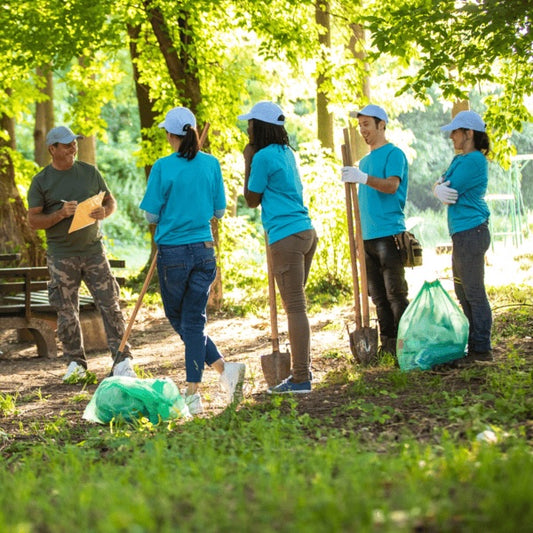
Community participation ensures sustainable native tree plantation outcomes in Rajasthan. Local communities possess valuable traditional knowledge about native species and their cultivation. We actively involve village committees and self-help groups in our plantation initiatives.
Women's participation in tree plantation activities creates additional income opportunities and environmental awareness. Training programs on native tree cultivation build local capacity and technical skills. These initiatives contribute to rural development and poverty alleviation.
School-based plantation programs educate younger generations about native trees and environmental conservation. Children develop emotional connections with trees they plant and nurture. This educational approach ensures long-term environmental consciousness and tree protection.
Frequently Asked Questions
Which native tree grows fastest in Rajasthan?
Neem and Babool trees demonstrate the fastest growth rates among native species in Rajasthan. These trees can reach 10-15 feet height within 3-4 years under proper care. However, growth rates depend on soil conditions, water availability, and maintenance practices.
How much water do native trees need in Rajasthan?
Native trees require 10-20 liters of water weekly during the first two years of establishment. Mature native trees need minimal irrigation and survive on natural rainfall. Species like Khejri and Dhok are extremely drought-tolerant once established.
When is the best time to plant native trees in Rajasthan?
The monsoon season from July to September provides optimal planting conditions for native trees. Pre-monsoon planting in June is also successful with adequate irrigation. Avoid planting during extreme summer months from April to May.
Can native trees survive without irrigation in Rajasthan?
Established native trees can survive without irrigation after 3-4 years of growth. These species have evolved to utilize minimal water and deep groundwater sources. However, initial establishment requires regular watering for successful growth.
Which native trees provide the best economic returns in Rajasthan?
Rohida, Dhok, and Arjun trees provide excellent timber value and economic returns. Fruit-bearing species like Ber and Khejri generate annual income through fruit sales. Neem trees offer medicinal products and oil extraction opportunities.
How do native trees help combat desertification in Rajasthan?
Native trees prevent soil erosion through extensive root systems and improve soil fertility. They create microclimates that support other vegetation growth and wildlife. Tree plantation also increases groundwater recharge and reduces wind erosion.
What spacing should be maintained between native trees?
Maintain 4-6 meters spacing between large trees like Banyan and Peepal. Medium-sized trees like Neem and Babool require 3-4 meters spacing. Smaller species can be planted 2-3 meters apart depending on their mature canopy size.
Do native trees require fertilizers in Rajasthan?
Native trees typically require minimal fertilization as they adapt to local soil conditions. Organic compost during planting provides sufficient nutrients for initial growth. Nitrogen-fixing species like Babool actually improve soil fertility naturally.
How long do native trees take to mature in Rajasthan?
Most native trees reach maturity within 8-15 years depending on the species and growing conditions. Fast-growing species like Neem mature in 8-10 years. Slower-growing timber species like Rohida may take 12-15 years to reach harvestable size.
Can native trees grow in saline soils of Rajasthan?
Salt-tolerant native species like Babool, Khejri, and certain Acacia varieties can grow in mildly saline soils. Soil amendment with organic matter helps reduce salinity effects. Proper drainage is essential to prevent salt accumulation around root zones.
Plant a Tree in Your Name with Grow Billion Trees 🌱
Transform Rajasthan's landscape by choosing the best native trees for your plantation project. Our comprehensive 4ft Tree Planting + 3 Years Care + GeoTag service ensures successful establishment of indigenous species. We're committed to Combating Climate Change Through Collective Action through strategic native tree plantation.
Join our mission to plant 100 crore trees across India by supporting native species conservation. Whether you're working toward Net Zero Targets or celebrating special occasions, native trees provide lasting environmental impact. Our experienced team ensures proper species selection and professional plantation services.
Ready to make a wonderful difference in Rajasthan's ecosystem? Explore our native tree plantation programs and discover how easy it is to contribute to environmental restoration. Together, we can create thriving forests that benefit both nature and local communities for generations to come.
You may like
-
Gift a Tree - Meaningful Environmental Gifts That Make a Difference
Transform your gift-giving with meaningful environmental gifts that create lasting impact for...
-
Trees For Shiv Ji - Sacred Tree Planting to Honor Lord Shiva
Honor Lord Shiva through sacred tree planting with Trees For Shiv Ji,...
-

Tree Plantations for Shri Ram - Sacred Devotional Planting Services
Honor Lord Shri Ram through meaningful tree plantations for Shri Ram that...
-
Tree Plantation on Navratri - Celebrate Divine Festivals with Environmental Devotion
Tree plantation on Navratri transforms the sacred nine-day festival into a powerful...
-
Tree Plantation by Cause - Plant Trees for Every Purpose | Grow Billion Trees
Transform your environmental impact with purpose-driven tree plantation by cause programs that...
Corporate Plantations
-
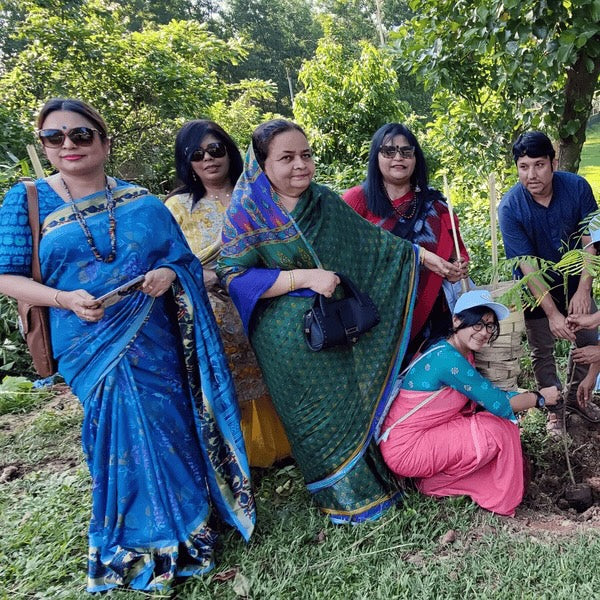
Trees for Corporates - Achieve Net Zero Targets Through Strategic Tree Planting
Trees for Corporates - Strategic Environmental SolutionsTransform your corporate environmental impact with...
-
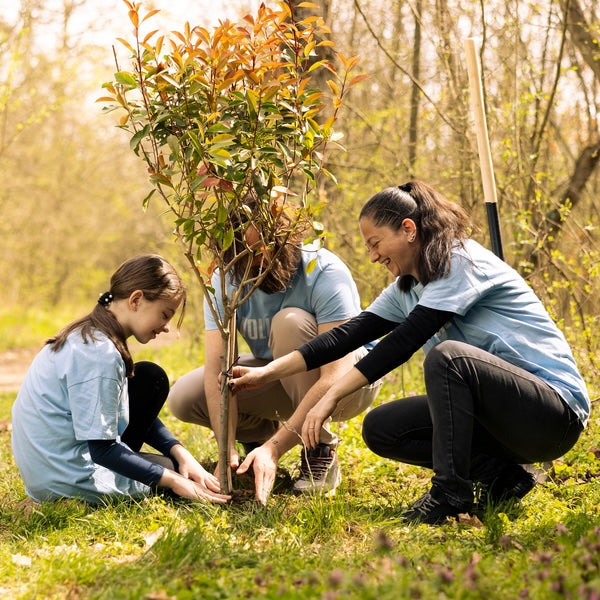
Tree Plantation for CSR - Corporate Environmental Programs | Grow Billion Trees
Tree Plantation for CSR - Transform Your Corporate Environmental ImpactTree plantation for...
-
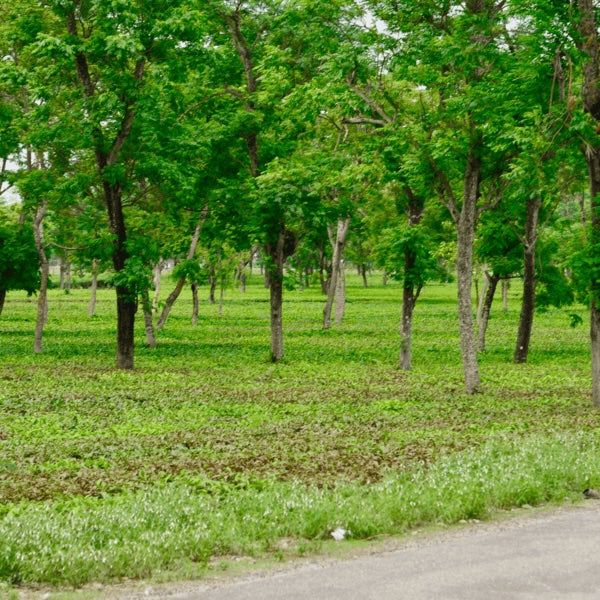
Tree Plantation for SDG - Support Sustainable Development Goals
Tree plantation for SDG initiatives represents a powerful pathway to achieving multiple...
-
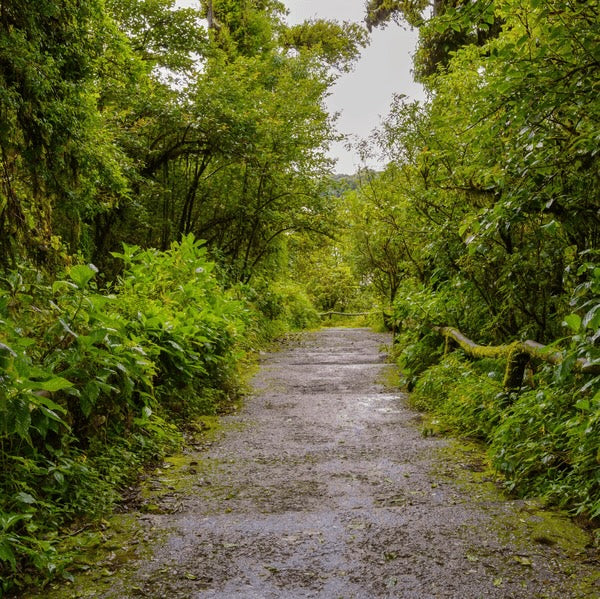
Corporate Tree Plantation Programs - Sustainable ESG Environmental Solutions for Net Zero Targets
Transform your organization's environmental impact with our comprehensive Corporate Tree Plantation Programs...
-
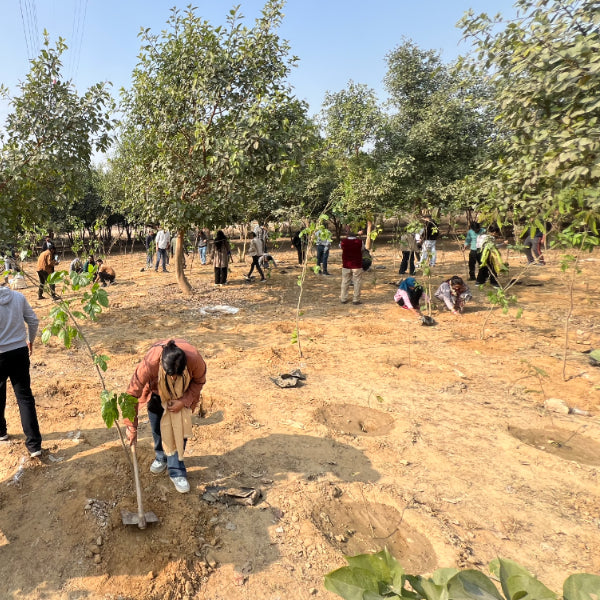
Tree Plantation by Location - Plant Trees Across India
Transform landscapes nationwide through our comprehensive tree plantation by location program. When...
Most Popular Tree Plantations - Top Choices for Environmental Impact
-
Trees for Mother
Regular price ₹ 299Regular priceUnit price per -
Trees to Honor the Memory of your Loved Ones
Regular price ₹ 299Regular priceUnit price per -
Trees for Wedding Anniversary Celebration
Regular price ₹ 299Regular priceUnit price per -
Trees for Grandmother
Regular price ₹ 299Regular priceUnit price per -
Trees for Grandfather
Regular price ₹ 299Regular priceUnit price per