
A Deep Dive into Forest Restoration: Reviving Earth's Green Symphony
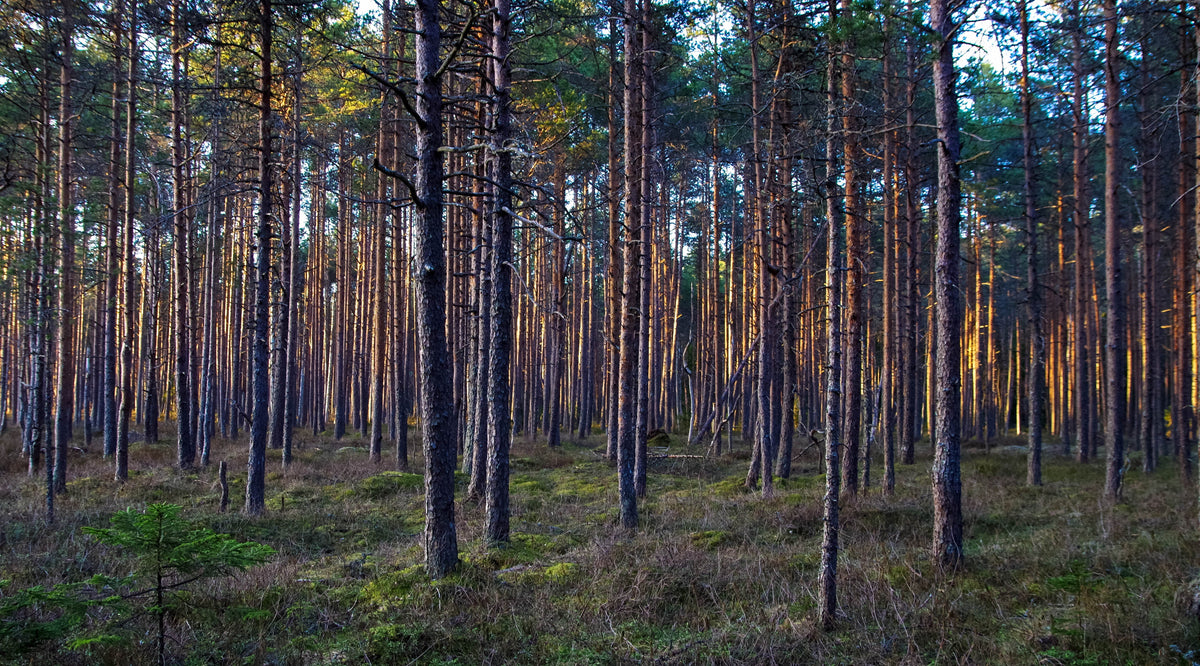
Forest restoration is the process of rehabilitating degraded forests to restore their ecological function and biodiversity. Every minute, the world loses approximately 40 football fields worth of forest, with deforestation accounting for nearly 11% of global carbon emissions. Restoring degraded forests could provide up to 37% of the mitigation needed to limit warming to 2°C.
Forest restoration represents one of humanity's most powerful tools for combating climate change through collective action. As we witness unprecedented deforestation rates worldwide, the urgent need to restore our planet's green lungs has never been more critical. This comprehensive exploration reveals how forest restoration initiatives are breathing new life into degraded landscapes, supporting biodiversity, and creating sustainable pathways toward achieving net zero targets.
✅ The Urgent Need for Global Forest Restoration
Every minute, the world loses approximately 40 football fields worth of forest. This staggering rate of deforestation has devastating consequences for our planet's health and stability. The World Wildlife Fund reports that deforestation and forest degradation account for nearly 11% of global carbon dioxide emissions.
The ripple effects extend far beyond carbon emissions. Forest loss triggers biodiversity collapse, disrupts water cycles, and eliminates crucial ecosystem services that support billions of people worldwide. Climate patterns shift dramatically when forests disappear, leading to increased flooding, droughts, and extreme weather events.
According to the United Nations climate change initiatives, restoring degraded forests could provide up to 37% of the mitigation needed to limit global warming to 2°C. This statistic underscores why forest restoration has become a cornerstone of international climate action strategies.
🌱 Comprehensive Methods of Forest Restoration
Forest restoration encompasses diverse approaches, each tailored to specific ecological conditions and restoration goals. Understanding these methods is essential for implementing effective restoration strategies.
Natural Regeneration
Natural regeneration harnesses nature's inherent ability to heal itself. This passive approach involves removing stressors like grazing pressure or pollution sources, then allowing native species to naturally recolonize the area. Our experience shows that natural regeneration works exceptionally well in areas where seed sources remain nearby and soil conditions haven't been severely compromised.
Active Restoration Techniques
Afforestation involves establishing forests on previously non-forested land, while reforestation focuses on replanting areas that were recently forested. Modern restoration projects often combine both approaches, creating diverse forest ecosystems that support multiple species and functions.
The Miyawaki method, pioneered by Japanese botanist Akira Miyawaki, has gained international recognition for creating dense, biodiverse forests in small spaces. This technique plants native species in specific combinations, resulting in forests that grow 10 times faster and become 30 times denser than conventional plantations.
Agroforestry Integration
Agroforestry represents a sustainable approach that integrates trees with agricultural crops and livestock. This method provides farmers with diversified income sources while restoring forest cover. We found that agroforestry systems can increase crop yields by 20-60% while sequestering significant amounts of carbon.
🦋 Biodiversity Revival Through Forest Restoration
Restored forests serve as biodiversity havens, providing critical habitats for countless species. The WWF's forest conservation initiatives demonstrate how strategic restoration efforts can revive entire ecosystems.
Native tree species form the foundation of healthy forest ecosystems. When we plant native varieties, we create habitat corridors that allow wildlife to move freely between forest fragments. These corridors are essential for maintaining genetic diversity and supporting species migration patterns.
Pollinators particularly benefit from forest restoration efforts. Native flowering trees and understory plants provide nectar sources throughout the growing season, supporting bee populations that are crucial for both wild plant reproduction and agricultural productivity.
Success stories from around the world showcase biodiversity's remarkable resilience. Costa Rica's payment for ecosystem services program has restored over 2.4 million hectares of forest, leading to the recovery of numerous endangered species including jaguars, tapirs, and scarlet macaws.
👥 Community-Led Forest Restoration Initiatives
Local communities are the backbone of successful forest restoration projects. When residents actively participate in restoration efforts, projects achieve higher survival rates and create lasting positive impacts.
Community-led initiatives provide multiple benefits beyond environmental restoration. Participants gain valuable skills in nursery management, tree planting, and forest monitoring. These skills often translate into sustainable livelihood opportunities, creating economic incentives for continued forest protection.
Traditional ecological knowledge plays a crucial role in restoration success. Indigenous communities possess generations of wisdom about native species, planting techniques, and ecosystem management. Incorporating this knowledge dramatically improves restoration outcomes while respecting cultural heritage.
In India, the Chipko movement demonstrated how grassroots forest conservation efforts can achieve remarkable results. Local women led tree-hugging protests that not only prevented deforestation but also inspired reforestation initiatives across the Himalayan region.
⚠️ Challenges and Innovative Solutions
Forest restoration faces numerous challenges that require creative, science-based solutions. Understanding these obstacles helps develop more effective restoration strategies.
Invasive Species Management
Invasive plant species often outcompete native seedlings, threatening restoration success. Integrated management approaches combine mechanical removal, targeted herbicide applications, and biological controls to manage invasive populations while supporting native species establishment.
Climate Change Adaptation
Changing climate conditions require adaptive restoration strategies. Forward-thinking projects now plant species mixes that can tolerate projected future climate conditions, ensuring long-term forest survival as temperatures rise and precipitation patterns shift.
Funding and Resource Allocation
Restoration projects require sustained funding over multiple years. Innovative financing mechanisms, including carbon credit programs and payment for ecosystem services schemes, provide sustainable funding sources that align economic incentives with environmental goals.
💡 Technology's Role in Modern Forest Restoration
Cutting-edge technology is revolutionizing forest restoration practices, making projects more efficient and effective than ever before.
Satellite imaging and drone technology enable precise monitoring of restoration sites. These tools track tree survival rates, identify areas needing additional intervention, and measure carbon sequestration progress. GeoTag technology allows supporters to track individual trees throughout their growth journey.
Artificial intelligence analyzes vast datasets to optimize species selection, planting patterns, and maintenance schedules. Machine learning algorithms can predict restoration success rates and recommend adaptive management strategies based on site-specific conditions.
Seed drones represent an exciting technological advancement, capable of planting thousands of seeds per day in difficult-to-access areas. These autonomous systems can restore remote or dangerous locations that would be challenging for human planters to reach.
🌍 Global Initiatives and Partnerships
International collaboration is essential for achieving ambitious forest restoration goals. Major global initiatives are mobilizing resources and expertise on an unprecedented scale.
The Bonn Challenge aims to restore 350 million hectares of degraded land by 2030, potentially sequestering 1.7 gigatons of CO2 equivalent annually. This initiative has already secured commitments from 74 countries, covering over 210 million hectares.
The United Nations Sustainable Development Goals specifically target forest restoration as a key strategy for achieving multiple sustainability objectives simultaneously.
The Trillion Trees Campaign represents one of the most ambitious restoration initiatives ever undertaken. This global movement aims to conserve, restore, and grow one trillion trees by 2030, recognizing that massive scale is necessary to address the climate crisis effectively.
💰 Economic and Climate Benefits
Forest restoration delivers substantial economic returns alongside environmental benefits. Studies consistently show that restoration investments generate positive economic outcomes for local communities and national economies.
Carbon sequestration represents a significant economic opportunity. Mature forests can sequester 2-8 tons of CO2 per hectare annually, creating valuable carbon credits that provide ongoing revenue streams for restoration projects.
Watershed protection services generate billions in economic value annually. Restored forests regulate water flow, prevent erosion, and maintain water quality, reducing infrastructure costs and supporting agricultural productivity downstream.
The restoration economy creates millions of jobs worldwide. From nursery workers to forest technicians, restoration projects provide employment opportunities that support rural communities while advancing environmental goals.
🌿 Personal Action and Advocacy
Individual actions collectively create powerful momentum for forest restoration. Everyone can contribute to this vital cause through conscious choices and active participation.
Supporting organizations committed to forest restoration amplifies your impact. Plant a tree in your Name for just ₹299 through programs that include 2-3ft Tree Planting + 3 Years Care + GeoTag tracking, ensuring your contribution creates lasting environmental benefits.
Sustainable consumer choices reduce pressure on forests worldwide. Choose products certified by the Forest Stewardship Council, reduce paper consumption, and support companies committed to zero-deforestation supply chains.
Advocacy efforts raise awareness and influence policy decisions. Share restoration success stories, support forest-friendly legislation, and engage with local environmental groups working on restoration initiatives in your area.
Further reading: Global Initiatives for Tree Planting and Carbon Neutrality: A Comprehensive Guide · Restoring Our Planet through Reforestation Projects: A Green Revolution
Frequently Asked Questions
What is the difference between reforestation and afforestation?
Reforestation involves replanting trees in areas that were previously forested but have been cleared or degraded. Afforestation creates new forests on land that has not been forested in recent history, such as grasslands or agricultural fields.
How long does it take for a restored forest to mature?
Forest maturation timelines vary significantly by species and climate conditions. Fast-growing species may establish canopy cover within 5-10 years, while complete ecosystem maturity can take 50-100 years or more. However, many ecological benefits begin within the first few years of restoration.
Can forest restoration really help combat climate change?
Yes, forest restoration is one of the most effective natural climate solutions available. The United Nations Environment Programme estimates that forest restoration could provide up to 37% of the mitigation needed to limit global warming to 2°C.
What role do native species play in restoration success?
Native species are crucial for restoration success because they're adapted to local climate and soil conditions. They support local wildlife, require fewer resources to establish, and create resilient ecosystems that can withstand environmental stresses better than non-native plantations.
How can I get involved in forest restoration efforts?
You can participate by supporting restoration organizations, volunteering for local planting events, making sustainable consumer choices, and advocating for forest-friendly policies. Many organizations offer tree planting programs where you can directly contribute to restoration efforts.
What are the main challenges facing forest restoration projects?
Key challenges include invasive species competition, climate change impacts, funding limitations, land tenure issues, and ensuring long-term maintenance. Successful projects address these challenges through comprehensive planning, community engagement, and adaptive management strategies.
How do restoration projects measure success?
Success metrics include tree survival rates, biodiversity indicators, carbon sequestration measurements, soil health improvements, and socioeconomic benefits for local communities. Modern projects use satellite monitoring and field assessments to track progress over time.
Can small-scale restoration efforts make a meaningful impact?
Absolutely. Small-scale projects contribute to larger landscape connectivity, provide local environmental benefits, and demonstrate restoration techniques that can be scaled up. Even individual tree planting efforts contribute to the global goal of planting 100 crore trees.
🌳 The Future of Forest Restoration
Forest restoration represents hope for our planet's future. As we face the mounting challenges of climate change and biodiversity loss, restoration offers a proven pathway toward healing our relationship with nature.
The next decade is critical for scaling restoration efforts to meet global climate targets. Success requires unprecedented collaboration between governments, businesses, communities, and individuals. Together, we can restore the green symphony that sustains all life on Earth.
Every tree planted today represents an investment in tomorrow's world. Through collective action and unwavering commitment, we can transform degraded landscapes into thriving forests that support both people and planet for generations to come.
Join the movement to restore our planet's forests. Discover how you can plant a tree in your name and become part of the solution. Together, we're not just planting trees—we're cultivating hope, nurturing life, and composing a new chapter in Earth's green symphony.
Keep reading
 Global Initiatives for Tree Planting and Carbon Neutrality: A Comprehensive Guide
 Restoring Our Planet through Reforestation Projects: A Green Revolution
 Top 10 Benefits of Tree Plantation for the Environment
 Reforestation is the Best Answer to the Climate Crisis
 Unveiling the Top 10 Threats to Trees: A Call to Action
 Gundu Thopus: Reviving Karnataka's Sacred Community Forests


Leave a comment