
What We Can Learn from Elephants' Social Dynamics: Giants of Wisdom

Elephant social dynamics reveal how communities succeed through leadership, emotional intelligence, and generational knowledge sharing. Matriarch-led herds spanning multiple generations communicate using vocalizations, body language, and infrasound—sounds humans cannot perceive—and form emotional bonds including grief for lost members. These patterns show that communities thrive through experienced guidance, collective care, and systematic transmission of critical knowledge.
Did you know that elephants hold the title for having the largest brains of any land animal? Their intelligence is matched only by their incredible social lives and their profound impact on the intricate web of forest ecosystems. What we can learn from elephants' social dynamics extends far beyond simple animal behavior—these magnificent creatures offer profound lessons about leadership, community cooperation, and environmental stewardship that can transform how we approach our own societies and conservation efforts.
✅ Elephants: Social Architects of the Wild
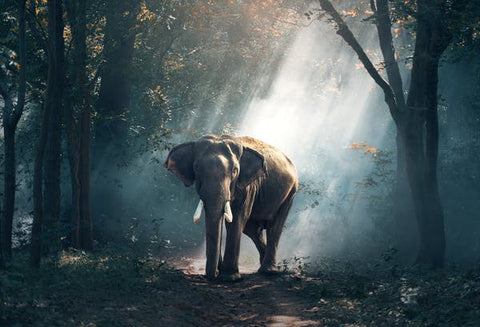
Elephants are not solitary creatures; they are social beings with a rich and complex family structure. Within a herd, led by a matriarch who is often the oldest and most experienced female, several generations of elephants coexist harmoniously.
These herds provide a sense of community, support, and protection. Remarkably, elephants display emotional bonds, grieve for lost members, and communicate through a range of vocalizations, body language, and even infrasound that humans can't perceive. Their social dynamics reveal the depth of their intelligence and emotional lives.
Elephant herds typically consist of related females and their offspring. Young males, upon reaching adolescence, may leave the herd to form bachelor groups. The older females play a vital role in passing down knowledge, not only about finding food and water sources but also about navigating their complex social interactions. This cultural transmission of knowledge is a testament to the sophistication of their social structure.
⭐ Leadership Lessons from Matriarchal Society
The matriarchal leadership structure of elephant herds offers valuable insights into effective governance and decision-making. The eldest female leads not through dominance but through wisdom, experience, and the trust of her community.
This leadership model emphasizes collective decision-making and prioritizes the welfare of the entire group. The matriarch's decisions are based on decades of experience, environmental knowledge, and understanding of each family member's needs.
Modern organizations can learn from this approach by valuing experience over hierarchy and fostering inclusive leadership styles that prioritize community well-being over individual power.
💡 Communication and Emotional Intelligence
Elephants demonstrate remarkable emotional intelligence through their sophisticated communication systems. They use over 70 distinct vocalizations, body language, and chemical signals to convey complex messages across their social network.
Their ability to show empathy, comfort distressed family members, and maintain long-distance relationships through infrasonic calls reveals the importance of emotional connection in social structures. These gentle giants teach us that effective communication involves not just words but understanding, empathy, and emotional support.
The way elephants console each other during times of stress or loss demonstrates the power of emotional support systems in maintaining healthy communities.
🌱 Ecosystem Engineers: Elephants and Forest Conservation
The relationship between elephants and forests goes beyond aesthetics. These gentle giants are bona fide ecosystem engineers, shaping their habitats in profound ways. Their feeding habits help control plant growth and create clearings, promoting biodiversity by allowing sunlight to reach the forest floor.
Incredibly, elephants can even influence the types of plants that thrive in a particular area by consuming certain species and spreading seeds through their droppings. Their trampling of underbrush facilitates seed germination and growth. According to the World Wildlife Fund's forest conservation initiatives, elephants play a vital role in maintaining the health and diversity of forest ecosystems.
As they feast on foliage, they sculpt clearings that allow sunlight to dapple the forest floor. Their trunks, like living paintbrushes, uproot trees, shaping the landscape. This artistic intervention not only nurtures the forest's biodiversity but also ensures its resilience.
→ The Forest's Gardeners: Planting the Seeds of Life
Elephants possess an incredible superpower—they are seed dispersers. Their meandering journeys across vast territories scatter seeds across the land, tucking the potential for new life into the soil.
They sculpt the forest's future, tending to it with every step. As they feast, they return the favor, nurturing the growth of diverse plant species through their seed-laden droppings. This natural reforestation process aligns with global efforts outlined in the United Nations Sustainable Development Goals for environmental conservation.
Their role as ecosystem engineers demonstrates how individual actions can have far-reaching positive impacts on entire communities—a lesson applicable to human environmental stewardship.
⚠️ Conservation Challenges and Global Impact
Yet, this story of symbiosis and harmony faces significant challenges. Habitat loss and poaching threaten the delicate balance elephants help maintain. The World Wildlife Fund reports on deforestation threats that directly impact elephant populations and their forest ecosystems.
Climate change, human encroachment, and illegal wildlife trade continue to pressure elephant populations worldwide. However, the story of conservation is one of resilience and hope.
Initiatives across the globe, driven by governments and dedicated organizations, are weaving a tapestry of protection and coexistence, ensuring elephants continue to be ambassadors of the wild.
🇮🇳 Success Stories from India: Hope in Action
Kaziranga's Safe Havens: Assam's Remarkable Triumph - Nestled in Assam's verdant embrace, the Kaziranga National Park has scripted an awe-inspiring tale of triumph. Its vigilant guardians have managed to create a haven for both the one-horned rhinoceros and the Asian elephant, showcasing the remarkable coexistence of diverse species within a protected haven.
Bandipur's Legacy of Coexistence: Karnataka's Pride - Karnataka's Bandipur National Park is a beacon of coexistence, where communities and wildlife thrive side by side. Successes here include reducing human-elephant conflicts through innovative measures like constructing elevated walkways for elephants to traverse highways safely.
Mayurbhanj's People-Pachyderm Harmony: Odisha's Heartwarming Tale - Mayurbhanj in Odisha showcases a remarkable partnership between communities and elephants. The district's efforts in restoring traditional migratory corridors and nurturing a deep sense of stewardship among residents have led to a reduction in human-elephant conflicts.
🌳 Combating Climate Change Through Collective Action
At Grow Billion Trees, we are committed to crafting a greener future that resonates with the harmonious rhythms of the natural world. Our tree plantation efforts echo the essence of elephants' roles in forest ecosystems—a commitment to balance, coexistence, and nurturing life.
By planting trees in regions vital to elephants, we honor these majestic creatures and foster environments where both wildlife and human communities can thrive. Our 2-3ft Tree Planting + 3 Years Care + GeoTag program ensures sustainable growth and monitoring of each planted tree.
When you Plant a tree in your Name for just ₹299, you're contributing to our mission of planting 100 crore trees across India by June 2030, supporting both elephant habitats and achieving Net Zero Targets for a sustainable future.
Further reading: How Tree Plantation Helps Elephants: Creating Safe Havens for Giants · Elephant Foot Tree: The Ultimate Guide to Caring for Your Unique Houseplant
Frequently Asked Questions
What makes elephant social structures unique?
Elephants live in matriarchal societies led by the oldest, most experienced female. Their complex social networks include emotional bonds, cultural knowledge transfer, and sophisticated communication systems that span generations.
How do elephants contribute to forest ecosystems?
Elephants act as ecosystem engineers by creating forest clearings, dispersing seeds through their dung, and maintaining biodiversity. Their feeding and movement patterns help shape forest landscapes and promote plant diversity.
What communication methods do elephants use?
Elephants communicate through over 70 vocalizations, body language, chemical signals, and infrasonic calls that can travel several kilometers. They also use touch and visual cues to maintain social bonds.
How can humans learn from elephant leadership styles?
Elephant matriarchs lead through wisdom and experience rather than dominance. They make collective decisions, prioritize group welfare, and rely on emotional intelligence—principles applicable to modern leadership.
What are the main threats to elephant populations?
Primary threats include habitat loss, human-wildlife conflict, poaching for ivory, and climate change. Deforestation and urban expansion continue to fragment elephant habitats worldwide.
How do elephants show emotional intelligence?
Elephants demonstrate empathy by comforting distressed family members, grieving for deceased relatives, and maintaining long-term relationships. They show complex emotional responses similar to humans.
What conservation efforts are helping elephant populations?
Successful initiatives include protected reserves like Kaziranga National Park, community-based conservation programs, anti-poaching efforts, and corridor restoration projects that connect fragmented habitats.
How does tree planting support elephant conservation?
Tree plantation helps restore elephant habitats, creates wildlife corridors, and provides food sources. Organizations like Grow Billion Trees contribute to ecosystem restoration that benefits both elephants and local communities.What we can learn from elephants' social dynamics extends far beyond wildlife conservation—it offers a blueprint for building more compassionate, sustainable, and interconnected human societies. These gentle giants remind us that true strength lies in community cooperation, emotional intelligence, and environmental stewardship. Join our mission to plant 100 crore trees and create a world where both elephants and humans can thrive together in harmony.
Keep reading
 How Tree Plantation Helps Elephants: Creating Safe Havens for Giants
 Elephant Foot Tree: The Ultimate Guide to Caring for Your Unique Houseplant
 How Trees Prove They're the Ultimate Besties: Forest Friendships
 10 Interesting Facts About Trees That Will Amaze You
 Top 100 Tree Plantation Slogans: Short, Catchy and Save Trees Slogans


Leave a comment