
The Race to Save our Planet's Rarest Species: Endangered Trees

Thousands of tree species face extinction, threatening the foundation of Earth's ecosystems. Species like Baobab trees of Madagascar and Wollemi Pines of Australia anchor biodiversity networks—when one vanishes, dependent organisms collapse. Mature trees also absorb up to 48 pounds of CO₂ annually, making conservation critical for both climate stability and ecological health.
The race to save our planet's rarest species has never been more urgent. Across the globe, thousands of tree species face extinction, threatening the very foundation of Earth's ecosystems. From the majestic Baobab trees of Madagascar to the ancient Wollemi Pines of Australia, we are witnessing an unprecedented loss of botanical diversity that demands immediate action.
The Critical Significance of Endangered Trees
Trees are vital to life on Earth for several compelling reasons. They serve as the backbone of our planet's ecological systems, supporting countless forms of life while providing essential services to humanity.
Biodiversity Hotspots: Trees provide habitat and food sources for countless other species, from birds to insects. The loss of a single tree species can trigger a cascading effect throughout entire ecosystems. When we lose a tree species, we often lose the unique communities of organisms that depend on it for survival.
Carbon Sequestration Champions: Trees play a vital role in capturing and storing carbon dioxide, a greenhouse gas responsible for climate change. They act as natural carbon sinks, helping to mitigate the effects of global warming. A mature tree can absorb up to 48 pounds of CO2 annually, making forest conservation crucial for achieving Net Zero Targets.
Oxygen Production: Through photosynthesis, trees release oxygen into the atmosphere, making the air we breathe clean and breathable. One large tree can produce enough oxygen for two people per day.
Soil Conservation: Tree roots help prevent soil erosion and enhance soil fertility by promoting microbial activity and nutrient cycling. This natural process maintains the health of our agricultural systems.
Cultural and Economic Value: Trees hold deep cultural significance in many societies and provide essential resources like timber, fruits, and medicinal products. Indigenous communities worldwide depend on specific tree species for their traditional practices and livelihoods.
⚠️ Primary Causes Behind Tree Endangerment
Understanding the threats facing our rarest tree species is crucial for developing effective conservation strategies. According to the World Wildlife Fund's research on deforestation, multiple interconnected factors contribute to tree species endangerment.
Deforestation Crisis: The clearing of forests for agriculture, urbanization, and logging remains the primary threat to tree species worldwide. This destructive activity eliminates entire habitats, pushing countless species toward extinction.
Climate Change Impact: Rising temperatures and altered precipitation patterns make it increasingly difficult for tree species to adapt or migrate to suitable locations. The United Nations climate change initiative emphasizes how rapidly changing conditions outpace many species' ability to evolve.
Habitat Destruction: Urban expansion, infrastructure development, and natural resource extraction result in massive habitat loss. These activities fragment ecosystems, isolating tree populations and reducing their genetic diversity.
Invasive Species: Non-native plants and pests can outcompete or directly harm native tree species. These biological invaders often lack natural predators, allowing them to spread unchecked through vulnerable ecosystems.
Illegal Trade: The black market demand for rare timber and ornamental plants drives unsustainable harvesting practices. This illegal activity specifically targets the rarest species, accelerating their path to extinction.
✅ Global Conservation Efforts and Success Stories
Despite the challenges, remarkable conservation programs worldwide demonstrate that the race to save our planet's rarest species can be won through dedicated effort and collaboration.
Comprehensive Conservation Programs: Organizations and governments implement habitat restoration projects, maintain seed banks, and monitor endangered tree populations. The United Nations Environment Programme's forest initiatives coordinate international efforts to protect critical forest ecosystems.
Legal Protection Framework: International laws and regulations, including the Convention on International Trade in Endangered Species (CITES), restrict trade in endangered species. These legal frameworks provide essential protection for the world's rarest trees.
Reforestation and Afforestation Initiatives: Large-scale tree planting programs combat deforestation while increasing endangered species populations. Organizations like Grow Billion Trees are working toward planting 100 crore trees across India, offering individuals the opportunity to Plant a tree in your Name for just ₹299.
Our comprehensive approach includes 2-3ft Tree Planting + 3 Years Care + GeoTag technology, ensuring each planted tree receives proper nurturing and can be tracked throughout its growth journey.
Community Education and Awareness: Public engagement campaigns educate communities about tree conservation importance. When people understand the value of endangered species, they become powerful advocates for protection efforts.
Scientific Research and Monitoring: Advanced research helps scientists understand endangered tree species and develop targeted conservation strategies. Genetic studies, population assessments, and habitat analyses inform effective protection measures.
💡 Innovative Conservation Technologies
Modern technology revolutionizes how we approach endangered tree conservation. Satellite monitoring systems track deforestation in real-time, while DNA analysis helps identify genetically distinct populations requiring special protection.
Seed banking technology preserves genetic material from endangered species, creating insurance policies against extinction. These facilities maintain thousands of species samples under controlled conditions, ready for future restoration projects.
Geographic Information Systems (GIS) help conservationists identify priority areas for protection and restoration. By analyzing habitat requirements and threat patterns, scientists can focus limited resources where they will have maximum impact.
The Role of Corporate Partnerships in Conservation
Businesses increasingly recognize their responsibility in environmental conservation. Corporate partnerships provide essential funding and resources for large-scale conservation projects while helping companies achieve their sustainability goals.
Many corporations now invest in forest restoration as part of their environmental, social, and governance (ESG) strategies. These partnerships create win-win scenarios where businesses improve their environmental impact while contributing to global conservation efforts.
Combating Climate Change Through Collective Action requires collaboration between governments, businesses, and individuals. When corporations commit to supporting endangered tree conservation, they demonstrate leadership in environmental stewardship.
Success Stories: Trees Brought Back from the Brink
Several remarkable success stories prove that dedicated conservation efforts can save even the rarest species from extinction. The California Redwood recovery program has successfully restored populations of these ancient giants through habitat protection and restoration.
The Dawn Redwood, once thought extinct, was rediscovered in China and successfully propagated worldwide through international cooperation. Today, these living fossils thrive in botanical gardens and restoration sites globally.
Madagascar's efforts to protect its unique Baobab species demonstrate how targeted conservation can preserve irreplaceable genetic resources. Through community engagement and habitat protection, several Baobab species have stabilized their populations.
How Individuals Can Join the Conservation Movement
Every person can contribute to saving endangered tree species through meaningful actions. Supporting reforestation organizations, choosing sustainable products, and spreading awareness creates collective impact far greater than individual efforts.
Participating in tree planting initiatives provides direct contribution to conservation goals. When you plant trees through verified programs, you help restore critical habitats while supporting biodiversity conservation.
Advocating for stronger environmental policies and supporting conservation organizations financially enables larger-scale protection efforts. Small individual contributions combine to fund major conservation projects worldwide.
The Economic Case for Tree Conservation
Protecting endangered trees makes strong economic sense beyond their environmental value. Forest ecosystems provide services worth trillions of dollars annually, including water purification, climate regulation, and natural disaster prevention.
Sustainable forestry practices create long-term economic opportunities while preserving biodiversity. Communities that protect their forest resources often develop thriving eco-tourism industries, providing sustainable income sources.
The pharmaceutical industry depends heavily on forest biodiversity for drug development. Many life-saving medications originate from forest plants, making conservation essential for future medical breakthroughs.
Further reading: Remarkable Tree Species Around the World: A Global Journey · Redwood Ash Tree: Unveiling Nature's Majestic Carbon-Capturing Marvel
Frequently Asked Questions
What makes a tree species endangered?
A tree species becomes endangered when its population declines to critically low levels due to habitat loss, climate change, disease, or human activities. Scientists classify species as endangered when they face high extinction risk in the wild within the foreseeable future.
How many tree species are currently endangered worldwide?
According to recent studies, approximately 30% of the world's tree species face extinction risk. This represents over 17,500 species requiring immediate conservation attention, with some regions like Madagascar and Southeast Asia showing particularly high endangerment rates.
Can extinct tree species be brought back?
While true extinction is irreversible, species declared extinct are sometimes rediscovered in remote locations. Advanced genetic techniques may eventually allow restoration of recently extinct species, but prevention remains far more effective than attempted resurrection.
How do endangered trees affect climate change?
Endangered trees often represent unique genetic adaptations to specific environmental conditions. Their loss reduces forest resilience to climate change and eliminates potential solutions for carbon sequestration and ecosystem adaptation.
What role do seed banks play in tree conservation?
Seed banks preserve genetic material from endangered tree species under controlled conditions. These facilities serve as insurance policies against extinction, maintaining viable seeds that can be used for future restoration projects when conditions improve.
How can businesses contribute to endangered tree conservation?
Businesses can support conservation through direct funding, sustainable sourcing practices, habitat restoration projects, and employee engagement programs. Corporate partnerships often provide the scale and resources needed for effective conservation initiatives.
Are there success stories in tree species recovery?
Yes, several species have recovered from near-extinction through dedicated conservation efforts. Examples include the California Redwood, Dawn Redwood, and various Oak species that have been successfully restored through habitat protection and active management.
How does tree planting help endangered species?
Strategic tree planting can restore degraded habitats, create wildlife corridors, and establish new populations of endangered species. However, planting must use appropriate native species and follow scientific guidelines to be effective for conservation.
What can individuals do to help save endangered trees?
Individuals can support conservation organizations, participate in tree planting programs, choose sustainable products, advocate for environmental policies, and spread awareness about the importance of tree conservation in their communities.
How does technology help in tree conservation?
Modern technology enables real-time forest monitoring, genetic analysis, seed preservation, and population tracking. Satellite imagery, DNA sequencing, and geographic information systems help scientists develop more effective conservation strategies.
Taking Action: Your Role in the Conservation Race
The race to save our planet's rarest species requires immediate action from every individual, organization, and government worldwide. Through collective effort and sustained commitment, we can reverse the current trajectory toward mass extinction and preserve Earth's incredible tree diversity for future generations.
Supporting organizations dedicated to reforestation and conservation creates direct impact on endangered species protection. When you choose to plant trees through verified programs, you contribute to habitat restoration while helping achieve global conservation goals.
Join the movement to save endangered trees today. Plant a tree in your name and become part of the solution. Together, we can ensure that future generations inherit a world rich in botanical diversity, where even the rarest species continue to thrive and support the intricate web of life on our planet.
Keep reading
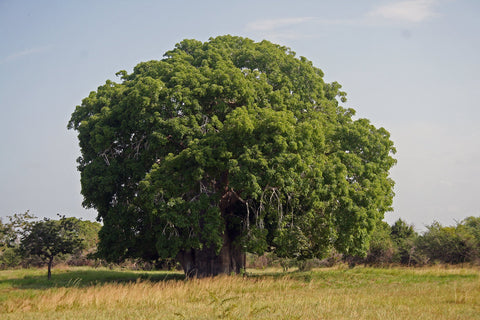 Baobab Tree: The Marvelous 'Tree of Life' You Need to Discover Today
 Remarkable Tree Species Around the World: A Global Journey
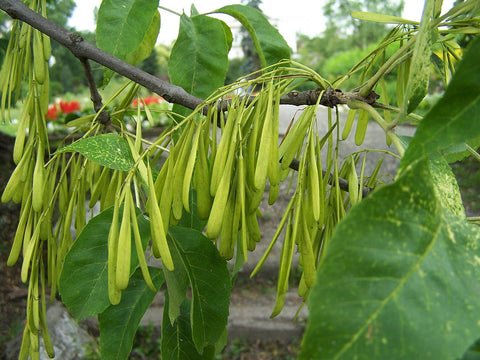 Redwood Ash Tree: Unveiling Nature's Majestic Carbon-Capturing Marvel
 Debal Deb: Champion of Indigenous Seeds and Biodiversity Conservation
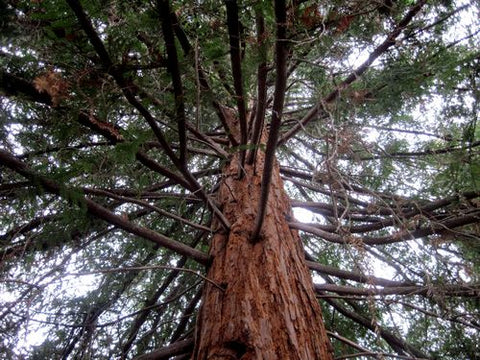 Coastal Redwood Tree: Majestic Giants That Hold Ancient Forest Secrets


Comments
Leave a comment