
How to Increase Tree Survival Rate After Planting: Expert Guide
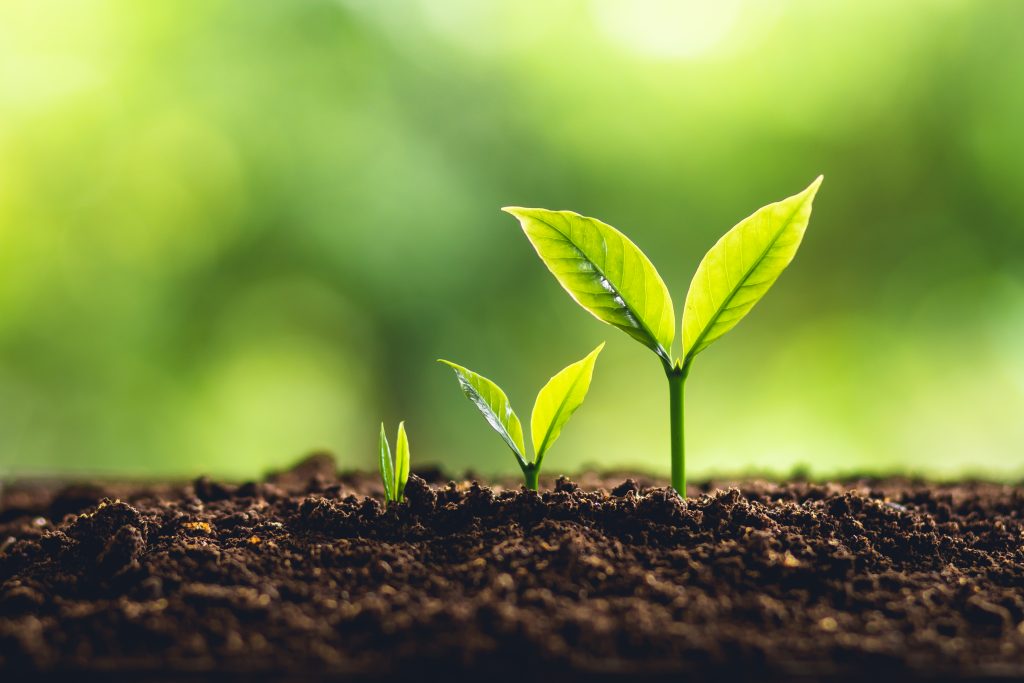
Tree survival rate after planting is increased by matching species to local soil, drainage, and climate conditions, along with consistent care during the establishment period. Properly matched trees with appropriate follow-up maintenance can achieve survival rates of 85–95% compared to the typical 60–70%, with native species performing better due to natural environmental adaptation.
The survival of trees is as important as planting them, yet many newly planted trees fail to thrive in their first few years. Understanding how to increase the survival rate of trees after planting can transform your reforestation efforts from good intentions into lasting environmental impact. With proper care techniques and strategic planning, you can achieve survival rates of 85-95% compared to the typical 60-70% success rate.
At Grow Billion Trees, we've learned through planting 100 crore trees across India that successful tree establishment requires more than just putting a sapling in the ground. Our comprehensive approach includes 3 years of dedicated care and GeoTag technology to monitor each tree's progress, ensuring maximum survival rates for every tree planted.
✅ Choosing the Right Tree Species for Your Location
The foundation of successful tree planting begins with species selection. Choosing the right tree for the location dramatically impacts survival rates by ensuring the tree is naturally adapted to local conditions.
Before planting, evaluate your site's specific characteristics including soil pH, drainage patterns, sunlight exposure, and climate zone. Native species typically show higher survival rates because they've evolved to thrive in local conditions. For example, in coastal areas, mangrove species excel in saline conditions, while Miyawaki forest techniques use indigenous species combinations for urban environments.
Consider the tree's mature size and growth patterns. A large oak planted too close to buildings or power lines will face future stress from pruning or removal. According to the United Nations Environment Programme's forest conservation guidelines, proper species selection can improve survival rates by up to 40%.
Research local climate patterns and extreme weather events. Trees that can withstand your region's typical droughts, floods, or temperature fluctuations will establish more successfully and require less intervention over time.
⭐ Optimal Timing for Tree Planting Success
Timing plays a crucial role in tree survival rates. Plant trees at the right time of year when environmental conditions support rapid root establishment and minimize transplant shock.
The dormant season, typically fall through early spring, offers the best planting window for most species. During dormancy, trees focus energy on root development rather than leaf and branch growth. This allows the root system to establish before the growing season's increased water and nutrient demands.
In India's diverse climate zones, timing varies significantly. Northern regions benefit from October through February planting, while southern areas may extend the window through March. Monsoon season planting can be successful but requires careful drainage management to prevent root rot.
Avoid planting during extreme weather periods. Hot summer months stress newly planted trees, while frozen ground prevents proper root-soil contact. The UN Climate Change initiative emphasizes that climate-appropriate timing is essential for large-scale reforestation success.
🌱 Proper Planting Techniques for Maximum Survival
Using proper planting techniques ensures your tree gets the best possible start in its new environment. Poor planting practices are among the leading causes of tree mortality in the first year.
Hole Preparation and Sizing
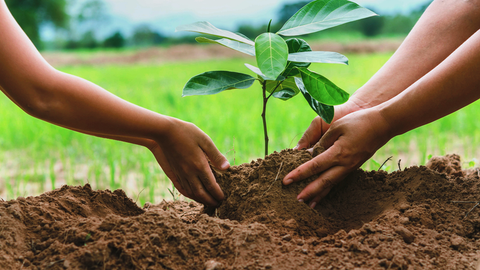
Dig a hole that's twice as wide as the root ball but no deeper than the root ball's height. The tree should sit at the same depth it was growing in the nursery. A hole that's too deep can cause the trunk to rot, while too shallow planting exposes roots to drying.
Score the sides of the hole if the soil is compacted. This prevents the roots from circling within the original hole boundaries, encouraging outward growth into the surrounding soil.
Soil Amendment and Backfilling
Use the native soil removed from the hole for backfilling, mixing in 20-30% compost if the soil is particularly poor. Avoid creating a "bathtub effect" where amended soil retains too much water around the roots.
Remove any burlap, wire cages, or containers completely. Even "biodegradable" materials can restrict root growth for years. Gently tease apart circled roots to encourage outward growth.
Proper Watering Techniques
Water immediately after planting with 2-3 gallons for small trees, adjusting for larger specimens. Create a shallow basin around the tree to direct water to the root zone rather than allowing runoff.
Deep, infrequent watering encourages deep root growth, while frequent shallow watering creates surface-dependent root systems vulnerable to drought stress.
💧 Post-Planting Care and Maintenance Strategies
Providing adequate care and maintenance after planting determines long-term tree survival and health. The first three years are critical for establishing a strong foundation for decades of growth.
Watering Schedule and Techniques
Newly planted trees require consistent moisture but not waterlogged conditions. Water deeply once or twice per week rather than daily light watering. Check soil moisture by inserting your finger 2-3 inches into the ground near the root zone.
During the first year, provide 1-2 inches of water weekly through rainfall and irrigation combined. Reduce frequency gradually as the root system expands and the tree becomes more drought-tolerant.
Mulching for Tree Health
Apply a 2-4 inch layer of organic mulch around the tree, extending to the drip line but keeping mulch 3-6 inches away from the trunk. Proper mulching retains soil moisture, suppresses weeds, moderates soil temperature, and adds organic matter as it decomposes.
Use natural materials like wood chips, shredded bark, or leaf mold. Avoid piling mulch against the trunk, which can harbor pests and cause root rot issues.
🔧 Essential Tools and Techniques for Tree Care
Having the right tools and knowledge makes tree care more effective and efficient. Our team at Grow Billion Trees uses proven techniques that boost survival rates across different planting environments.
Staking and Support Systems
Stake trees only when necessary, such as in windy locations or with top-heavy specimens. Use flexible ties that allow some movement, which strengthens the trunk over time. Remove stakes after one growing season to prevent girdling.
For larger trees, consider guy-wire systems that provide stability without restricting natural movement. Proper support systems prevent wind damage while encouraging strong root and trunk development.
Pruning for Healthy Growth
Prune newly planted trees minimally, removing only dead, damaged, or crossing branches. The tree needs all healthy foliage to photosynthesize and establish its root system. Major pruning should wait until the second or third year after planting.
When pruning is necessary, make clean cuts just outside the branch collar. Avoid topping or excessive crown reduction, which weakens trees and reduces survival rates.
🌍 Environmental Factors Affecting Tree Survival
Understanding and managing environmental factors significantly impacts how to increase the survival rate of trees after planting. The World Wildlife Fund's forest conservation research shows that environmental management can improve survival rates by 30-50%.
Soil Conditions and Amendments
Test soil pH, drainage, and nutrient levels before planting. Most trees thrive in slightly acidic to neutral soil (pH 6.0-7.0). Improve heavy clay soils with organic matter to enhance drainage and root penetration.
Address compacted soil through decompaction techniques or raised planting beds. Compacted soil prevents root growth and water infiltration, leading to stressed and dying trees.
Climate Adaptation Strategies
Select climate-resilient species that can handle your region's temperature extremes, precipitation patterns, and seasonal variations. Consider future climate projections when choosing long-lived tree species.
Implement protective measures during extreme weather events. Temporary shade cloth during heat waves, windbreaks during storms, and drainage improvements during heavy rains can save newly planted trees.
📊 Monitoring and Tracking Tree Progress
Regular monitoring allows early detection of problems and ensures proper care adjustments. Our GeoTag technology enables us to track each tree's progress and intervene when necessary.
Signs of Healthy Tree Establishment
Look for new growth, including fresh leaves, shoots, or increased trunk diameter. Healthy trees show consistent leaf color and size, with minimal wilting or browning. Root growth, though not visible, can be assessed by gentle soil excavation near the root ball.
Monitor for pest and disease issues early. Common signs include unusual leaf discoloration, holes in leaves, or fungal growth on bark or soil surface.
When to Seek Professional Help
Contact certified arborists or tree care professionals when trees show persistent stress symptoms, structural problems, or significant pest infestations. Early professional intervention often saves trees that might otherwise decline.
Professional soil testing and amendment recommendations can address complex soil chemistry issues that affect tree health and survival rates.
💚 Grow Billion Trees: Your Partner in Tree Success
At Grow Billion Trees, we ensure maximum tree survival through our comprehensive approach. When you Plant a tree in your Name for ₹299, you receive 2-3ft Tree Planting + 3 Years Care + GeoTag monitoring. Our proven methods achieve exceptional survival rates while supporting India's goal of Net Zero Targets.
We welcome environmental enthusiasts to join our mission of Combating Climate Change Through Collective Action. Our experienced team provides ongoing support to ensure your trees thrive and contribute to our goal of planting 100 crore trees across India.
Further reading: Planting Trees the Right Way: Expert Techniques for Success · What Are the Best Practices to Follow for Tree Plantation?
Frequently Asked Questions
What is the average survival rate for newly planted trees?
The average survival rate for newly planted trees ranges from 60-70% without proper care. However, with optimal planting techniques and consistent maintenance, survival rates can reach 85-95%. Professional tree care services often achieve higher success rates through specialized knowledge and ongoing monitoring.
How long does it take for a newly planted tree to establish?
Most trees require 2-3 years to fully establish their root systems and become self-sufficient. During this period, they need regular watering, mulching, and protection from environmental stresses. The establishment period varies by species, with faster-growing trees establishing more quickly than slow-growing varieties.
When should I water newly planted trees?
Water newly planted trees deeply 1-2 times per week during the first year, providing 1-2 inches of water weekly including rainfall. Check soil moisture regularly and adjust watering based on weather conditions. Deep, infrequent watering encourages deep root growth and drought tolerance.
What are the most common reasons trees die after planting?
The most common causes of tree mortality include improper planting depth, inadequate watering, poor species selection, compacted soil, and lack of ongoing care. Planting too deep, overwatering, and choosing inappropriate species for the location are particularly problematic for tree survival.
How important is mulching for tree survival?
Mulching is extremely important for tree survival, providing moisture retention, temperature moderation, weed suppression, and soil improvement. Proper mulching can increase survival rates by 20-30% by creating optimal growing conditions around the root zone.
Should I fertilize newly planted trees?
Avoid fertilizing newly planted trees during the first year unless soil tests indicate severe nutrient deficiencies. Focus on proper watering and mulching instead. Excessive fertilization can actually harm stressed trees by encouraging top growth before root establishment.
How do I know if my newly planted tree is healthy?
Healthy newly planted trees show new growth, maintain good leaf color and size, and exhibit minimal wilting or stress symptoms. Look for new shoots, leaves, or increased trunk diameter as signs of successful establishment. Consistent monitoring helps identify problems early.
What should I do if my newly planted tree shows signs of stress?
If your tree shows stress symptoms like wilting, yellowing leaves, or stunted growth, first check soil moisture and drainage. Adjust watering as needed and ensure proper mulching. For persistent problems, consult a certified arborist for professional diagnosis and treatment recommendations.Understanding how to increase the survival rate of trees after planting transforms your environmental impact from hopeful gestures into lasting change. Through proper species selection, optimal timing, correct planting techniques, and consistent care, you can achieve remarkable success rates that contribute to global reforestation efforts.Ready to make a lasting environmental impact? Discover how Grow Billion Trees can help you plant trees with guaranteed survival rates and professional care. Together, we can create thriving forests that benefit our planet for generations to come.
Keep reading
 Planting Trees the Right Way: Expert Techniques for Success
 What Are the Best Practices to Follow for Tree Plantation?
 Enhancing Tree Survival Through Post-Plantation Maintenance: Complete Guide
 Which is the Best Time to Plant Trees in India? Expert Guide 2024
 Norway Maple Tree: Ultimate Guide to Beauty, Benefits & Care


Comments
Leave a comment