
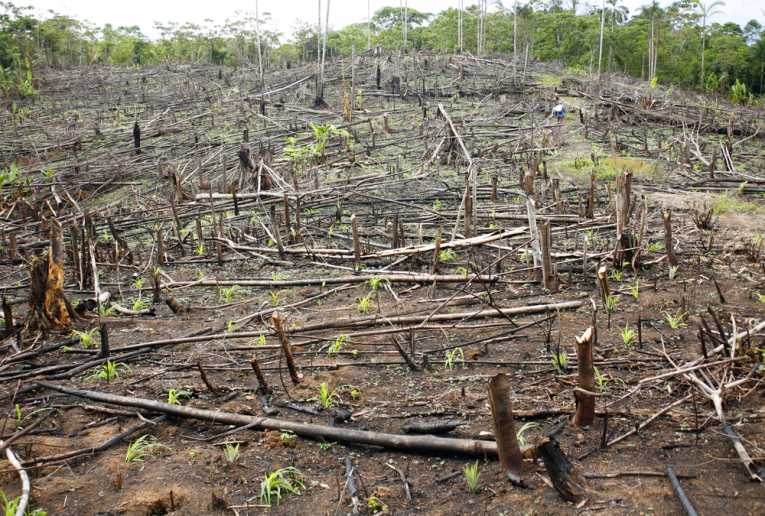
Deforestation in India is occurring at approximately 668,400 hectares annually, with the country having lost over 40% of its original forest cover since independence. Driven primarily by agricultural expansion, this forest loss threatens biodiversity Read more
Trending Tree Plantations - Most Popular Environmental Programs
-
Trees for Birthday Celebration: Plant Meaningful Green Gifts
Regular price ₹ 299Regular priceUnit price per -
Trees for Mother
Regular price ₹ 299Regular priceUnit price per -
Trees as a Gift: Plant Hope & Create Lasting Environmental Impact
Regular price ₹ 299Regular priceUnit price per -
Trees to Honor the Memory of your Loved Ones
Regular price ₹ 299Regular priceUnit price per -
Trees for Women's Day (8th Mar)
Regular price ₹ 299Regular priceUnit price per


Trees for Corporates - Achieve Net Zero Targets Through Strategic Tree Planting
-
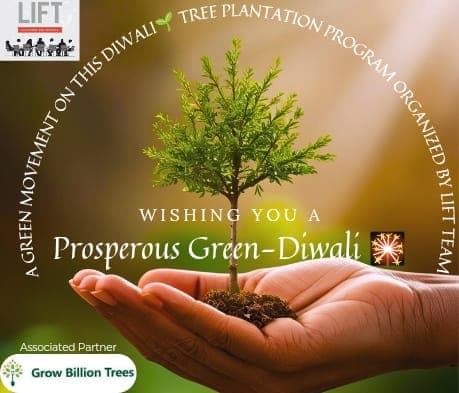 Project Closed
Trees by LIFT Team for Green Diwali: Transform Your Festival
Regular price ₹ 299Regular priceUnit price per -
Trees for a Greener Tomorrow - by Mahindra Lifespaces
Regular price ₹ 299Regular priceUnit price per -
Trees for Environment Day: Plant Your Impact on June 5th
Regular price ₹ 299Regular priceUnit price per -
Trees for Farmers: Sustainable Agroforestry Solutions for 2026
Regular price ₹ 299Regular priceUnit price per -
Trees for Employees: Transform Your Corporate Culture in 2026
Regular price ₹ 299Regular priceUnit price per


Deforestation in India: Causes, Impact & Solutions 2024
Deforestation in India is occurring at approximately 668,400 hectares annually, with the country having lost over 40% of its original forest cover since independence. Driven primarily by agricultural expansion, this forest loss threatens biodiversity, accelerates climate change, and undermines livelihoods of millions dependent on forests, particularly in the Western Ghats, Eastern Ghats, and northeastern states.
Deforestation in India has reached alarming levels, with the country losing approximately 668,400 hectares of forest cover annually. This environmental crisis threatens biodiversity, accelerates climate change, and undermines the livelihoods of millions who depend on forests. Understanding the causes and implementing sustainable solutions is crucial for India's environmental future and our collective goal of Combating Climate Change Through Collective Action.
⚠️ The Scale of Deforestation in India
India currently faces one of the world's highest deforestation rates. The country has lost over 40% of its original forest cover since independence. According to the United Nations Environment Programme, tropical forests like those in India are disappearing at unprecedented rates, contributing significantly to global carbon emissions.
The Western Ghats, Eastern Ghats, and northeastern states have experienced the most severe forest loss. These regions, once rich in biodiversity, now struggle to maintain ecological balance as human activities continue to encroach upon natural habitats.
🌳 Primary Causes of Forest Loss in India
Agricultural Expansion and Farming
Agricultural purposes remain the leading driver of deforestation in India. With a growing population exceeding 1.4 billion people, the demand for arable land continues to increase. Farmers clear forests to create new farmland, often using slash-and-burn techniques that permanently damage soil quality and ecosystem integrity.
Small-scale farming and large agricultural operations both contribute to this problem. The conversion of forest land to agricultural use accounts for approximately 60% of total deforestation in India.
Wood Harvesting and Timber Trade
Commercial wood harvesting for construction, furniture, and paper industries drives significant forest destruction. Illegal logging compounds this problem, with valuable timber species like teak, rosewood, and sandalwood being harvested unsustainably.
The timber trade, both legal and illegal, generates substantial revenue but at the cost of irreplaceable forest ecosystems. Many communities depend on wood harvesting for their livelihoods, creating a complex socio-economic challenge.
Mining and Resource Extraction
India's rich mineral deposits often lie beneath forest areas. Mining operations for coal, iron ore, bauxite, and other minerals require extensive forest clearance. Due to India being rich in resources, trees are cut down simply for what's beneath them - minerals that fuel the country's industrial growth.
The mining sector contributes significantly to the economy but leaves behind degraded landscapes that are difficult to restore. Open-pit mining, in particular, causes irreversible damage to forest ecosystems.
Urban Development and Infrastructure
Rapid urbanization and infrastructure development consume vast forest areas. Cities expand into forested regions, while new roads, railways, and industrial complexes fragment remaining forests. With India's growing population of over one billion, more land must be converted for housing, creating ongoing pressure on forest resources.
💡 Environmental Impact of Deforestation
Climate Change and Greenhouse Gas Emissions
Deforestation significantly contributes to climate change through the greenhouse effect. When forests are cleared, stored carbon is released into the atmosphere as carbon dioxide, a potent greenhouse gas. The United Nations Climate Change initiative emphasizes that forest conservation is crucial for meeting global climate targets.
Normally, photosynthesis helps balance carbon dioxide levels as plants convert CO2 into oxygen. However, with fewer trees, less carbon dioxide is absorbed from the atmosphere. Unfortunately, as more trees are cut down, carbon dioxide levels increase rapidly due to deforestation, exacerbating global warming.
Biodiversity Loss and Wildlife Displacement
India's forests house incredible biodiversity, including endangered species like tigers, elephants, and rhinoceros. Deforestation destroys these habitats, forcing animals to migrate to urban and rural areas where they face increased human-wildlife conflict.
Many animal populations are declining rapidly as their natural habitats disappear. The World Wildlife Fund reports that habitat loss through deforestation is the primary threat to wildlife globally, with India being a critical hotspot.
Soil Erosion and Water Cycle Disruption
Forest roots bind soil together, preventing erosion during monsoons. When forests are cleared, soil becomes vulnerable to washing away, leading to reduced agricultural productivity and increased flooding. This creates a vicious cycle where more forest land must be cleared to compensate for degraded farmland.
Deforestation also disrupts local water cycles, reducing rainfall and affecting river flows. Many regions experience decreased water availability as forest cover diminishes.
✅ Sustainable Solutions and Forest Restoration
Reforestation and Afforestation Programs
Large-scale tree planting initiatives offer hope for reversing deforestation trends. At Grow Billion Trees, we're committed to our goal of planting 100 crore trees across India by June 2030. Our comprehensive approach includes 4ft Tree Planting + 3 Years Care + GeoTag technology to ensure long-term survival and growth.
You can Plant a tree in your Name for just ₹299, contributing directly to forest restoration while receiving a personalized certificate and GPS coordinates of your tree. This innovative approach makes reforestation accessible to everyone while building a sustainable future.
Miyawaki Forest Method
The Miyawaki technique creates dense, native forests that grow 10 times faster than conventional plantations. These forests require minimal maintenance after the initial three years and provide maximum ecological benefits in minimal space.
Our Miyawaki forest programs in cities like Mumbai, Bangalore, Delhi, Chennai, and Hyderabad demonstrate how urban areas can contribute to forest restoration while improving air quality and biodiversity.
Agroforestry Integration
Agroforestry combines agriculture with tree cultivation, allowing farmers to maintain income while contributing to forest restoration. This sustainable practice improves soil health, provides additional revenue streams, and reduces pressure on natural forests.
Our agroforestry programs work directly with farmers to implement tree-based farming systems that enhance productivity while supporting environmental conservation.
Corporate Environmental Responsibility
Businesses increasingly recognize their role in addressing deforestation. Corporate partnerships help achieve Net Zero Targets while supporting large-scale reforestation efforts. Companies can offset their carbon footprint by funding tree plantation projects that provide measurable environmental impact.
Through our corporate programs, businesses can demonstrate environmental leadership while contributing to India's forest restoration goals.
🌱 Technology and Innovation in Forest Conservation
Modern technology plays a crucial role in combating deforestation. Satellite monitoring helps track forest loss in real-time, while GeoTag technology ensures planted trees are properly maintained and monitored.
Our GeoTag system allows supporters to track their planted trees using GPS coordinates, creating transparency and accountability in reforestation efforts. This technology-driven approach ensures that every rupee invested in tree planting delivers measurable results.
Drone technology assists in seed planting in difficult terrain, while mobile apps enable communities to report illegal logging activities. These innovations make forest conservation more effective and accessible.
🤝 Community Involvement and Education
Local communities play a vital role in forest conservation. Education programs help people understand the connection between forests and their daily lives, from clean air and water to climate regulation and biodiversity.
Community-based forest management empowers local people to protect and restore forests while maintaining their livelihoods. When communities benefit economically from forest conservation, they become powerful allies in preventing deforestation.
Schools and colleges can participate through our sustainability education programs, inspiring the next generation to value and protect India's forests.
Frequently Asked Questions
What are the main causes of deforestation in India?
The primary causes include agricultural expansion (60%), commercial logging, mining operations, urban development, and infrastructure projects. Population growth and economic pressures drive most of these activities.
How much forest cover has India lost?
India has lost over 40% of its original forest cover since independence, with approximately 668,400 hectares lost annually. The current forest cover is about 21.67% of the total geographical area.
Which regions in India face the highest deforestation rates?
The Western Ghats, Eastern Ghats, northeastern states, and parts of central India experience the most severe forest loss due to mining, agriculture, and development pressures.
How does deforestation contribute to climate change?
Deforestation releases stored carbon as CO2, reduces oxygen production through photosynthesis, and eliminates trees that naturally absorb greenhouse gases from the atmosphere.
What is the economic impact of deforestation in India?
While deforestation may provide short-term economic gains through agriculture and resource extraction, it causes long-term economic losses through reduced ecosystem services, climate impacts, and biodiversity loss.
How can individuals help combat deforestation?
Individuals can plant trees, support reforestation organizations, choose sustainable products, reduce paper consumption, and advocate for forest protection policies.
What role do corporations play in addressing deforestation?
Corporations can achieve Net Zero Targets through reforestation investments, sustainable supply chain practices, and supporting forest conservation initiatives that offset their environmental impact.
How effective are reforestation programs in India?
Well-managed reforestation programs with proper species selection, community involvement, and long-term care can successfully restore forest ecosystems and provide lasting environmental benefits.
What is the Miyawaki forest method?
The Miyawaki technique creates dense, native forests using indigenous species that grow 10 times faster than conventional plantations, requiring minimal maintenance while maximizing ecological benefits.
How can technology help prevent deforestation?
Satellite monitoring, GeoTag tracking, drone surveillance, and mobile reporting apps help detect illegal logging, monitor forest health, and ensure successful reforestation efforts.
Taking Action Against Deforestation
Addressing deforestation in India requires urgent, coordinated action from government, businesses, communities, and individuals. The environmental and economic costs of continued forest loss far outweigh short-term gains from clearing forests.
Through innovative approaches like Miyawaki forests, agroforestry, and technology-enabled monitoring, we can reverse deforestation trends while supporting economic development. Every tree planted contributes to a larger mission of environmental restoration and climate action.
Join our mission to plant 100 crore trees and help India achieve its environmental goals. Plant a tree today and become part of the solution to India's deforestation crisis. Together, we can create a greener, more sustainable future for generations to come.
You may also like
-
Gift a Tree - Meaningful Environmental Gifts That Make a Difference
Transform your gift-giving with meaningful environmental gifts that create lasting impact for...
-
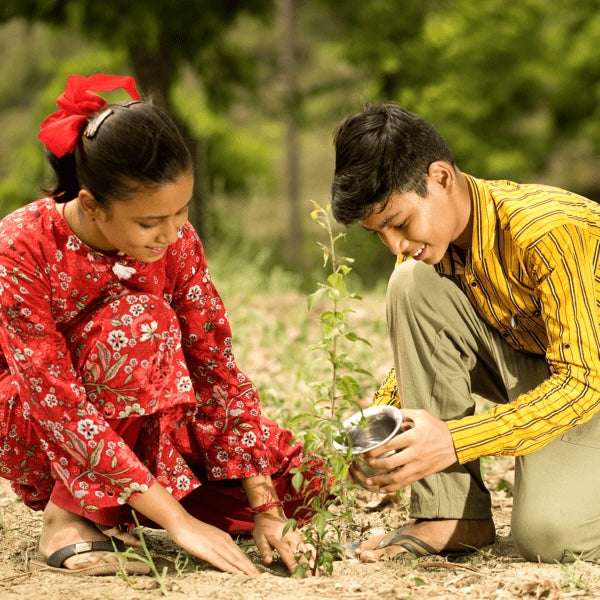
Trees For Shiv Ji - Sacred Tree Planting to Honor Lord Shiva
Honor Lord Shiva through sacred tree planting with Trees For Shiv Ji,...
-

Tree Plantations for Shri Ram - Sacred Devotional Planting Services
Honor Lord Shri Ram through meaningful tree plantations for Shri Ram that...
-
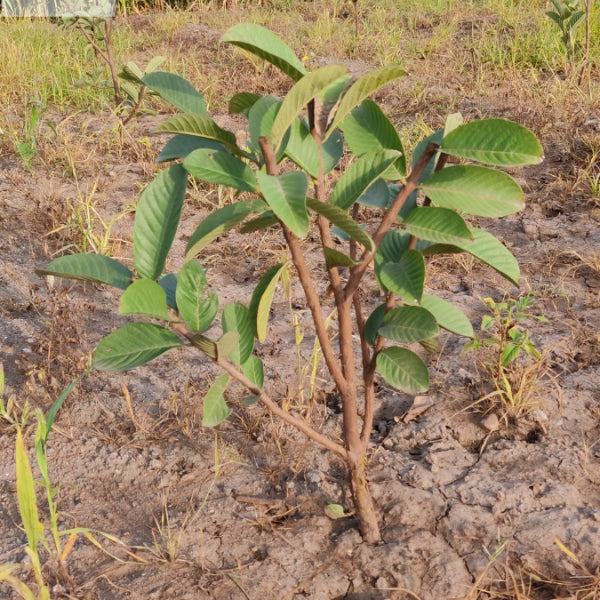
Tree Plantation on Navratri - Celebrate Divine Festivals with Environmental Devotion
Tree plantation on Navratri transforms the sacred nine-day festival into a powerful...
-
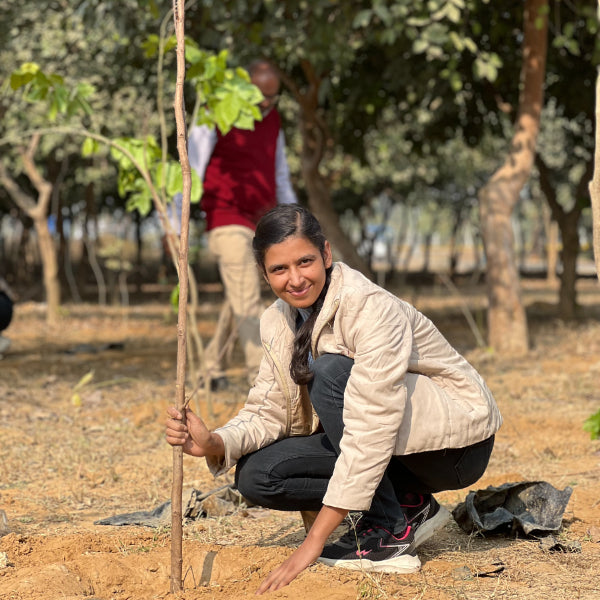
Tree Plantation by Cause - Plant Trees for Every Purpose | Grow Billion Trees
Transform your environmental impact with purpose-driven tree plantation by cause programs that...
Corporate Plantations
-
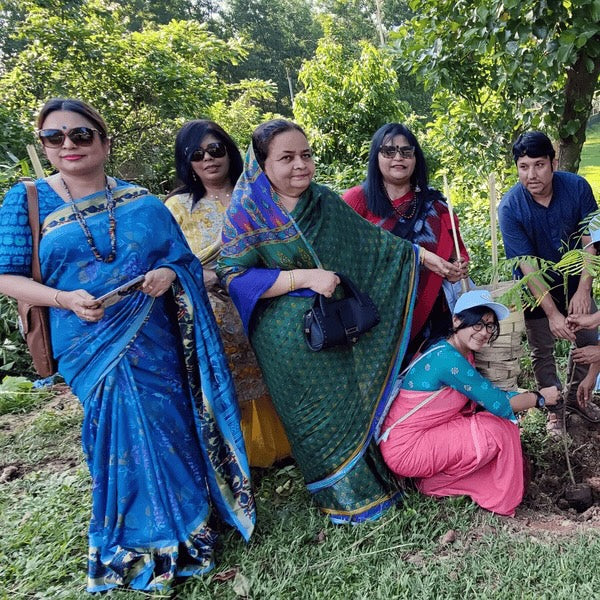
Trees for Corporates - Achieve Net Zero Targets Through Strategic Tree Planting
Trees for Corporates - Strategic Environmental SolutionsTransform your corporate environmental impact with...
-
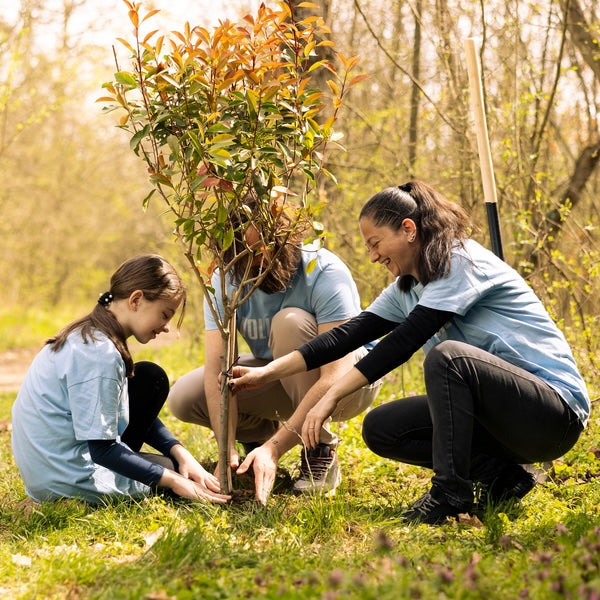
Tree Plantation for CSR - Corporate Environmental Programs | Grow Billion Trees
Tree Plantation for CSR - Transform Your Corporate Environmental ImpactTree plantation for...
-
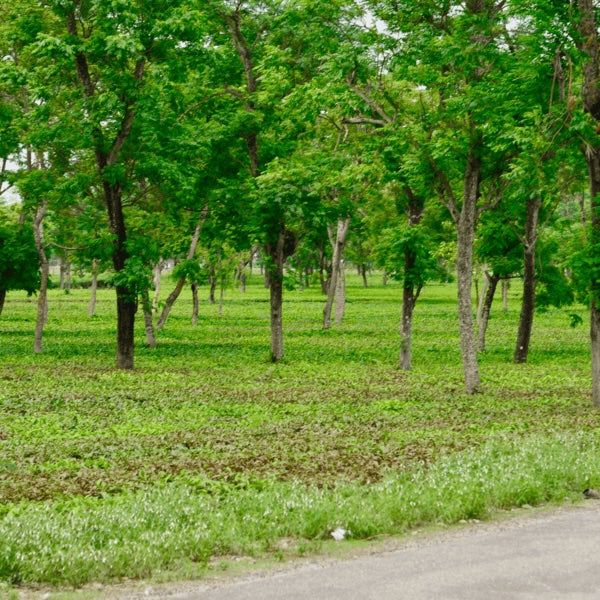
Tree Plantation for SDG - Support Sustainable Development Goals
Tree plantation for SDG initiatives represents a powerful pathway to achieving multiple...
-
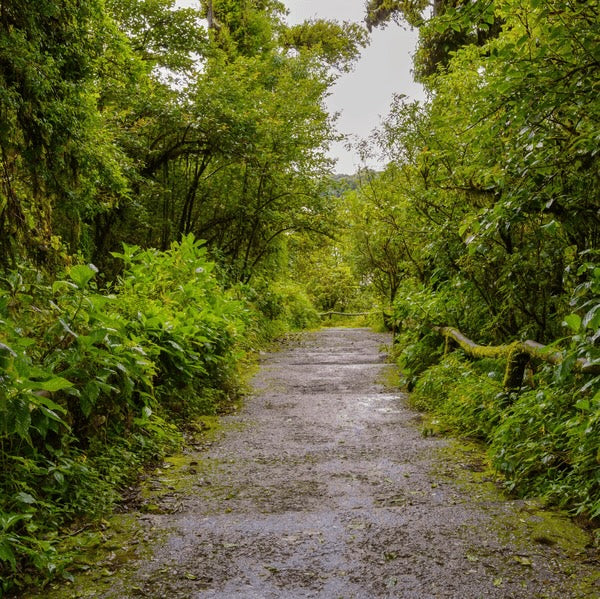
Corporate Tree Plantation Programs - Sustainable ESG Environmental Solutions for Net Zero Targets
Transform your organization's environmental impact with our comprehensive Corporate Tree Plantation Programs...
-
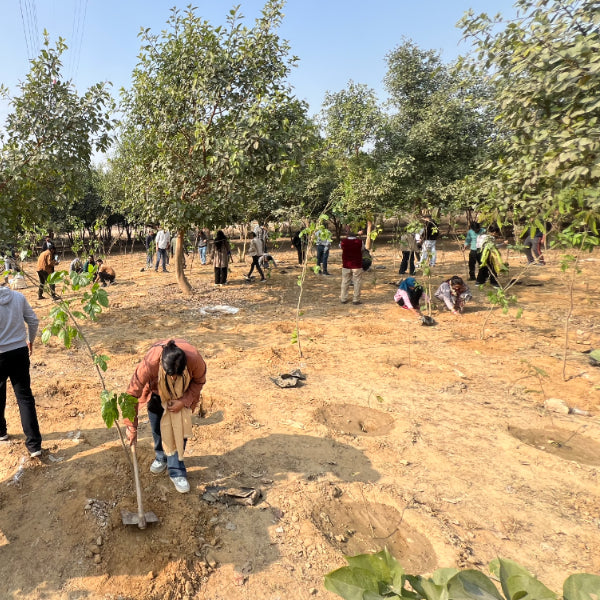
Tree Plantation by Location - Plant Trees Across India
Transform landscapes nationwide through our comprehensive tree plantation by location program. When...
Most Popular Tree Plantations - Top Choices for Environmental Impact
-
Trees for Birthday Celebration: Plant Meaningful Green Gifts
Regular price ₹ 299Regular priceUnit price per -
Trees for Mother
Regular price ₹ 299Regular priceUnit price per -
Trees as a Gift: Plant Hope & Create Lasting Environmental Impact
Regular price ₹ 299Regular priceUnit price per -
Trees to Honor the Memory of your Loved Ones
Regular price ₹ 299Regular priceUnit price per -
Trees for Krishna on Janmashtami - Sacred Divine Gift ₹299
Regular price ₹ 299Regular priceUnit price per

Connect with us
-
👥 Corporates
If you are looking for:
- 🌲 Tree Plantation Events
- 📊 CSR Projects
📧 corporate@growbilliontrees.com
📞 +91 9699723523
💬 +91 9325931304 WhatsApp (Only)
🕒 Mon - Sat | 10am - 7pm IST
-
🧩 Tree Plantation NGOs
If you are looking for:
- 💰 Financial Assistance
- 🤝 Operational Support
📧 support@growbilliontrees.com
📞 +91 9699723523
💬 +91 9325931304 WhatsApp (Only)
🕒 Mon - Sat | 10am - 7pm IST
-
🌼 Individuals
If you are looking for:
- 👥 Group Tree Plantation Drive
- 🌳 Bulk Tree Plantation
📞 +91 9699723523
💬 +91 9325931304 WhatsApp (Only)
🕒 Mon - Sat | 10am - 7pm IST
