
How Would Planting 8 Billion Trees Every Year for 25 Years Affect Earth's Climate?
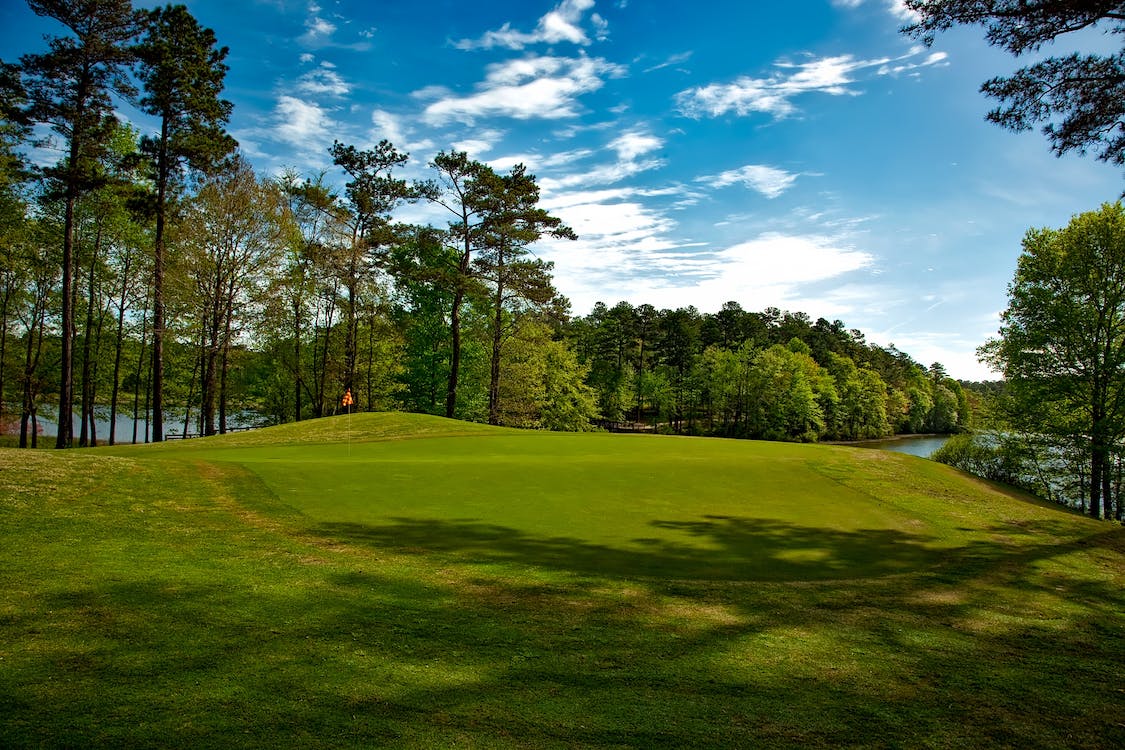
Planting 8 billion trees annually for 25 years would establish 200 billion mature trees capable of sequestering 2.4–4.8 billion tonnes of CO₂ per year, representing 7–13% of current global emissions. While this substantially aids carbon storage and ecosystem restoration, planting trees alone cannot fully offset greenhouse gas emissions or resolve the climate crisis.
Planting 8 billion trees every year for 25 years would create a massive global forest of 200 billion trees, significantly impacting Earth's climate through carbon sequestration, temperature regulation, and ecosystem restoration. However, while this ambitious reforestation effort would provide substantial environmental benefits, it alone cannot fully offset current greenhouse gas emissions or solve the climate crisis.
The Scale and Impact of Planting 200 Billion Trees
The concept of planting 8 billion trees annually for 25 years represents one of the most ambitious reforestation projects ever conceived. According to the United Nations Sustainable Development Goals, sustainable forest management is crucial for combating climate change and supporting biodiversity.
Each mature tree can absorb approximately 48 pounds of carbon dioxide per year. Over 25 years, 200 billion trees could potentially sequester between 2.4 to 4.8 billion tons of CO2 annually once fully mature. This represents roughly 7-13% of current global emissions, making it a significant but incomplete solution.
✅ Carbon Sequestration Potential
The primary climate benefit of planting 8 billion trees every year for 25 years lies in carbon sequestration. Trees absorb atmospheric CO2 during photosynthesis, storing carbon in their biomass and soil. The United Nations Environment Programme emphasizes that forests act as crucial carbon sinks in the global carbon cycle.
Carbon storage capacity varies significantly by tree species and location:
- Fast-growing species like eucalyptus can sequester 35-40 tons of CO2 per hectare annually
- Hardwood forests typically store 150-300 tons of CO2 per hectare over their lifetime
- Tropical forests demonstrate the highest carbon storage potential
- Temperate forests provide steady, long-term carbon sequestration
⭐ Beyond Carbon: Additional Climate Benefits
Planting 8 billion trees every year for 25 years would deliver climate benefits extending far beyond carbon sequestration. These massive forests would create significant cooling effects through evapotranspiration, where trees release water vapor that cools surrounding air temperatures by 2-9°F.
The albedo effect would also contribute to climate regulation. Forest canopies reflect sunlight differently than bare ground, potentially reducing regional temperatures. Additionally, these forests would enhance local precipitation patterns, creating more stable microclimates and supporting regional water cycles.
💡 Strategic Implementation Challenges
Successfully implementing a program to plant 8 billion trees every year for 25 years requires careful planning and scientific approach. The World Wildlife Fund highlights that poorly planned tree planting can harm existing ecosystems and biodiversity.
Key implementation considerations include:
- Site selection based on ecological suitability and climate conditions
- Native species selection to support local biodiversity
- Avoiding monoculture plantations that lack ecosystem resilience
- Ensuring adequate water resources for long-term tree survival
- Community engagement and land rights considerations
Current Global Emissions vs. Tree Planting Impact
Human activities currently emit over 36 billion tons of carbon dioxide annually through fossil fuel burning, deforestation, and industrial processes. While planting 8 billion trees every year for 25 years would create substantial carbon storage, it cannot match the pace of current emissions.
The United Nations Climate Change framework emphasizes that reforestation must complement, not replace, aggressive emissions reduction strategies. Even with 200 billion new trees, we would still need dramatic reductions in fossil fuel use to achieve climate stability.
⚠️ Time Lag and Maturation Considerations
A critical factor in evaluating how planting 8 billion trees every year for 25 years would affect Earth's climate is the time required for trees to reach maturity. Young trees sequester relatively small amounts of carbon compared to mature forests.
Most tree species require 10-30 years to reach significant carbon storage capacity. This means the full climate benefits of this massive planting program wouldn't be realized until decades after implementation. However, even young trees provide immediate benefits through soil stabilization and local cooling effects.
Land Requirements and Availability
Planting 8 billion trees every year for 25 years would require approximately 10-20 million hectares of suitable land annually, totaling 250-500 million hectares over the full program period. This represents roughly 2-4% of Earth's total land surface.
Land allocation challenges include:
- Competition with agricultural needs for food security
- Urban development pressures in suitable areas
- Restoration of degraded lands versus conversion of existing ecosystems
- International cooperation for cross-border implementation
Economic and Social Implications
The economic impact of planting 8 billion trees every year for 25 years would be substantial. Conservative estimates suggest costs of $200-500 billion over the program duration, including planting, maintenance, and monitoring expenses.
However, economic benefits would include job creation in rural communities, enhanced ecosystem services worth trillions of dollars, and reduced climate damage costs. The World Wildlife Fund's forest initiatives demonstrate how strategic reforestation creates sustainable livelihoods while protecting biodiversity.
Integration with Existing Climate Solutions
For planting 8 billion trees every year for 25 years to effectively impact Earth's climate, it must integrate with comprehensive climate action strategies. This includes renewable energy transitions, energy efficiency improvements, sustainable agriculture, and circular economy principles.
At Grow Billion Trees, we understand that Combating Climate Change Through Collective Action requires multiple approaches. Our mission to plant 100 crore trees demonstrates how strategic reforestation contributes to Net Zero Targets while supporting local communities through programs like our 2-3ft Tree Planting + 3 Years Care + GeoTag service.
Biodiversity and Ecosystem Restoration
Beyond climate impact, planting 8 billion trees every year for 25 years would create unprecedented opportunities for biodiversity conservation and ecosystem restoration. These new forests would provide habitat for countless species, support pollinator populations, and restore degraded landscapes.
Strategic forest corridors could reconnect fragmented habitats, enabling wildlife migration and genetic diversity maintenance. However, careful species selection and ecosystem planning are essential to maximize biodiversity benefits while achieving climate goals.
Further reading: The Crucial Role of Tree Plantation in Climate Change Mitigation · Reforestation is the Best Answer to the Climate Crisis
Frequently Asked Questions
How much carbon would 8 billion trees planted yearly for 25 years actually sequester?
Over 25 years, 200 billion trees could sequester approximately 2.4-4.8 billion tons of CO2 annually once mature, representing 7-13% of current global emissions. However, this assumes optimal growing conditions and species selection.
Where would we find enough suitable land for planting 8 billion trees every year?
This program would require 250-500 million hectares over 25 years, focusing on degraded lands, abandoned agricultural areas, and strategic reforestation zones. International cooperation and careful land use planning would be essential.
How long would it take to see climate benefits from this massive tree planting program?
Immediate benefits include local cooling and soil stabilization, but significant carbon sequestration would begin after 5-10 years, with full climate impact realized after 20-30 years as trees reach maturity.
What would be the estimated cost of planting 8 billion trees annually for 25 years?
Conservative estimates range from $200-500 billion over the full program, including planting, maintenance, monitoring, and land acquisition costs. However, economic benefits from ecosystem services could exceed these investments.
Could this tree planting program replace the need to reduce fossil fuel emissions?
No, planting 8 billion trees yearly for 25 years cannot replace emissions reduction. While providing significant climate benefits, this reforestation effort would offset only 7-13% of current emissions, making fossil fuel reduction essential.
What are the main risks of implementing such a massive tree planting program?
Key risks include ecosystem disruption from inappropriate species selection, competition with food production, water resource strain, and potential negative impacts on existing biodiversity if poorly planned.
How would this program affect global food security and agricultural land?
Careful planning would prioritize degraded and marginal lands to minimize competition with agriculture. Agroforestry approaches could integrate tree planting with food production, potentially enhancing rather than threatening food security.
What tree species would be most effective for maximum climate impact?
Fast-growing native species adapted to local conditions provide optimal results. Mixed-species forests typically offer better climate resilience and biodiversity benefits than monoculture plantations.
The Path Forward: Strategic Implementation
Planting 8 billion trees every year for 25 years would significantly impact Earth's climate through carbon sequestration, temperature regulation, and ecosystem restoration. However, success requires scientific planning, international cooperation, and integration with broader climate action strategies.
This ambitious program represents a crucial component of global climate solutions, but it must complement aggressive emissions reductions and sustainable development practices. The time to act is now, as trees planted today will provide maximum climate benefits for future generations.
Ready to contribute to global reforestation efforts? Plant a tree in your Name with Grow Billion Trees and join our mission to plant 100 crore trees by 2030. Every tree planted brings us closer to a sustainable future. Start your climate action journey today and help create the forests our planet needs.
Keep reading
 The Crucial Role of Tree Plantation in Climate Change Mitigation
 Reforestation is the Best Answer to the Climate Crisis
- How Much CO2 Can One Tree Absorb? Complete Guide to Carbon Capture
 The Green Guardians: How Trees Fight Climate Change Through Carbon Sequestration
 Mumbai Coastal Road Project's Impact on Mumbai's Mangroves Forest


Comments
Leave a comment