


How Tree Plantation Helps Elephants: Creating Safe Havens for Giants
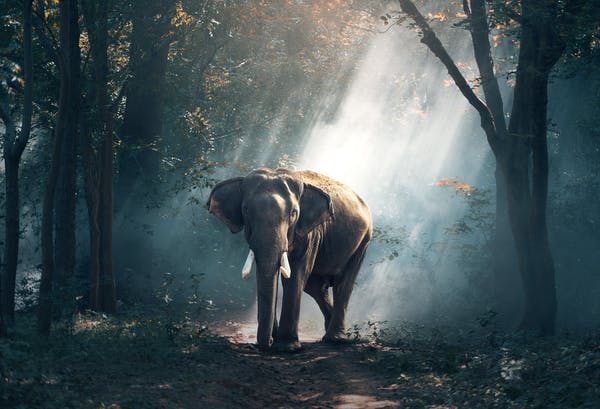
Tree plantation helps elephants by restoring critical forest habitats they depend on for survival. Through strategic planting, we create forested corridors and expand existing ecosystems that provide essential shade, cover, and food sources. A single adult elephant consumes 300–400 pounds of vegetation daily, requiring access to diverse plant species found in healthy forests.
Tree plantation serves as a lifeline for elephants, providing essential habitat restoration and protection for these magnificent creatures. By creating forested corridors and expanding existing habitats, tree planting directly addresses the critical challenges elephants face in our rapidly changing world. Plant a tree in your Name and contribute to safeguarding elephant populations while working toward our goal of planting 100 crore trees across India.
Elephants rely heavily on forests for survival, requiring vast territories with abundant food sources and water access. Through strategic tree plantation initiatives, we can restore degraded lands and create sustainable ecosystems that support elephant communities for generations to come.
✅ The Critical Connection Between Trees and Elephant Survival
Elephants are ecosystem engineers that depend on healthy forests for their daily survival needs. Trees provide shade and cover for elephants, offering protection from harsh weather conditions and predators. More importantly, forests supply a diverse range of food sources including fruits, nuts, bark, and leaves that form the foundation of an elephant's diet.
A single adult elephant consumes between 300-400 pounds of vegetation daily, requiring access to hundreds of different plant species throughout the year. According to the World Wildlife Fund's forest conservation initiatives, healthy forest ecosystems provide the biodiversity necessary to support such massive dietary requirements.
Trees also serve as natural water towers, helping regulate local water cycles through transpiration and root systems that prevent soil erosion. This water regulation is crucial for elephants, who need 50-100 gallons of water daily and often travel great distances to reach reliable water sources.
⭐ How Deforestation Threatens Elephant Populations
Deforestation poses one of the greatest threats to elephant survival worldwide. Habitat loss forces elephants into smaller, fragmented areas where they struggle to find adequate food and water resources. This fragmentation leads to increased human-elephant conflict as elephants venture into agricultural areas searching for sustenance.
The World Wildlife Fund reports that deforestation and forest degradation continue to destroy critical elephant habitats at alarming rates. When forests disappear, elephants lose not only their homes but also the complex social structures and migration routes passed down through generations.
Habitat fragmentation also isolates elephant populations, reducing genetic diversity and making herds more vulnerable to disease and environmental changes. Small, isolated populations face higher risks of extinction due to inbreeding and limited access to mates from other herds.
💡 The Domino Effect of Forest Loss
Forest destruction creates a cascading effect that impacts entire ecosystems. Without trees to anchor soil and regulate water flow, erosion increases and water sources become contaminated or disappear entirely. This environmental degradation affects not only elephants but all wildlife species that share these habitats.
→ Climate Change Mitigation Through Tree Plantation
Tree plantation plays a vital role in Combating Climate Change Through Collective Action, directly benefiting elephant populations. Forests act as carbon sinks, absorbing carbon dioxide from the atmosphere and helping regulate global temperatures. This climate regulation is essential for maintaining the stable environmental conditions elephants require.
Rising temperatures and changing precipitation patterns threaten elephant habitats by altering vegetation growth and water availability. The United Nations climate change initiatives emphasize how forest restoration helps mitigate these impacts while protecting vulnerable wildlife populations.
Our comprehensive tree planting approach includes 2-3ft Tree Planting + 3 Years Care + GeoTag technology, ensuring long-term survival and monitoring of planted trees. This systematic care maximizes the climate benefits while creating lasting elephant habitats.
Building Climate Resilience
Strategically planted trees help create climate-resilient landscapes that can withstand environmental fluctuations. Mixed-species plantations provide diverse food sources and shelter options, allowing elephant populations to adapt to changing conditions more effectively.
🌱 Strategic Tree Plantation for Elephant Conservation
Effective elephant conservation requires thoughtful tree plantation strategies that consider elephant behavior, migration patterns, and habitat preferences. Creating wildlife corridors through tree planting connects fragmented habitats, allowing elephants to move safely between feeding and breeding areas.
Our specialized programs including Miyawaki forest creation and agroforestry initiatives provide multiple benefits for elephant conservation. Miyawaki forests grow 10 times faster and become 30 times denser than conventional plantations, quickly establishing the thick canopy cover elephants prefer.
Agroforestry programs create buffer zones around protected areas, reducing human-elephant conflict while providing sustainable livelihoods for local communities. These programs plant native tree species that elephants naturally consume, creating win-win scenarios for conservation and economic development.
⚠️ Choosing the Right Tree Species
Successful elephant habitat restoration depends on selecting appropriate native tree species that provide food, shelter, and ecosystem services. Fast-growing species like bamboo offer quick habitat establishment, while slower-growing hardwoods provide long-term structural diversity.
Fruit-bearing trees such as wild mangoes, figs, and tamarind are particularly valuable as they provide seasonal food sources that elephants actively seek. Including these species in plantation programs ensures restored habitats meet elephants' nutritional needs.
Corporate Partnerships for Elephant Conservation
Companies seeking to achieve Net Zero Targets can make significant impacts on elephant conservation through strategic tree plantation partnerships. Corporate environmental programs that focus on habitat restoration create measurable benefits for both climate goals and wildlife protection.
Our corporate programs offer comprehensive solutions including carbon offset calculations, biodiversity impact assessments, and long-term monitoring reports. These partnerships demonstrate genuine environmental commitment while supporting critical conservation efforts.
Many organizations now recognize that environmental responsibility extends beyond carbon neutrality to include biodiversity protection. By supporting elephant habitat restoration, companies contribute to ecosystem preservation while meeting sustainability objectives.
💡 Technology Integration in Conservation Efforts
Modern tree plantation programs leverage technology to maximize conservation impact. Our GeoTag system allows donors and corporate partners to track their planted trees' growth and survival rates, providing transparency and accountability in conservation efforts.
Satellite monitoring and GPS tracking help identify optimal planting locations based on elephant movement patterns and habitat preferences. This data-driven approach ensures planted trees contribute effectively to elephant conservation goals.
Mobile applications enable real-time reporting from field teams, documenting tree survival rates, wildlife sightings, and habitat improvements. This comprehensive monitoring system supports adaptive management strategies that respond to changing conservation needs.
Community Engagement and Local Benefits
Successful elephant conservation requires active community participation and support. Tree plantation programs that provide economic benefits to local communities create sustainable conservation models that protect elephants while improving livelihoods.
Employment opportunities in tree planting, maintenance, and monitoring provide alternative income sources for communities that might otherwise engage in activities harmful to elephant habitats. Training programs in sustainable agriculture and forest management build long-term conservation capacity.
Educational initiatives help communities understand elephants' ecological importance and develop tolerance for occasional crop damage. When people benefit directly from conservation efforts, they become active protectors of elephant habitats.
Frequently Asked Questions
How do trees specifically benefit elephant populations?
Trees provide elephants with food, shelter, and water regulation. Elephants consume various tree parts including leaves, bark, fruits, and roots. Trees also create shade and cover while helping maintain water sources through root systems and transpiration.
What types of trees are most beneficial for elephants?
Native fruit-bearing trees like wild mangoes, figs, and tamarind are particularly valuable. Fast-growing species like bamboo provide quick habitat establishment, while diverse mixed plantations offer year-round food sources and varied shelter options.
How does tree plantation reduce human-elephant conflict?
Tree plantation creates buffer zones and wildlife corridors that provide elephants with natural food sources and movement paths. This reduces their need to enter agricultural areas, minimizing crop damage and dangerous encounters with humans.
Can tree planting really help combat climate change for elephants?
Yes, trees absorb carbon dioxide and help regulate local climates. This climate stability is crucial for maintaining the environmental conditions elephants need, including consistent rainfall patterns and temperature ranges that support their preferred vegetation.
How long does it take for planted trees to benefit elephants?
Fast-growing species can provide benefits within 2-3 years, offering shade and some food sources. However, mature forest ecosystems that fully support elephant populations typically require 10-15 years to establish, which is why our programs include 3 years of dedicated care.
What role do elephants play in forest ecosystems?
Elephants are ecosystem engineers that help disperse seeds, create clearings for new plant growth, and maintain forest diversity. Their movements and feeding habits shape forest structure, making them essential partners in maintaining healthy ecosystems.
How can individuals contribute to elephant conservation through tree planting?
Individuals can plant trees for just ₹299 through our programs, with each tree contributing to habitat restoration. Our GeoTag technology allows donors to track their tree's growth and impact on elephant conservation efforts.
Do tree plantation programs consider elephant migration routes?
Yes, effective programs map elephant movement patterns and plant trees along traditional migration corridors. This strategic approach ensures planted trees create connected habitats that support natural elephant behaviors and seasonal movements.
How do corporate tree planting programs help elephants?
Corporate programs can fund large-scale habitat restoration projects that individual donations cannot achieve. These partnerships create extensive forested areas while helping companies meet Net Zero Targets and demonstrate environmental responsibility.
What monitoring systems ensure tree plantation success for elephant conservation?
Modern programs use satellite monitoring, GPS tracking, and mobile reporting systems to track tree survival, wildlife usage, and habitat improvements. This technology ensures planted trees effectively contribute to elephant conservation goals.
Building a Sustainable Future for Elephants
Tree plantation represents one of the most effective tools for elephant conservation, addressing multiple threats while creating lasting environmental benefits. Through strategic habitat restoration, we can ensure these magnificent creatures continue to thrive in healthy forest ecosystems.
The path forward requires continued collaboration between conservation organizations, local communities, and corporate partners. By working together toward our goal of planting 100 crore trees, we create a sustainable future where elephants and humans can coexist peacefully.
Every tree planted contributes to a larger vision of restored landscapes where elephants roam freely through connected forests. Join our mission to combat climate change while protecting one of nature's most iconic species. Plant a tree today and become part of the solution for elephant conservation.
Keep reading
 Your Carbon, Decoded - carbon footprint of everyday Indian life.
- What Does a Tree Actually Do?
- Green Gold: How Indian Farmers Can Earn from Carbon Projects
- The IPL Is Planting 500 Trees for Every Dot Ball. Is It Enough?
- The Hidden Carbon Cost of IPL — What One Franchise Leaves Behind
 Mumbai Coastal Road Project: Balancing Infrastructure with Conservation
Comments
Leave a comment