
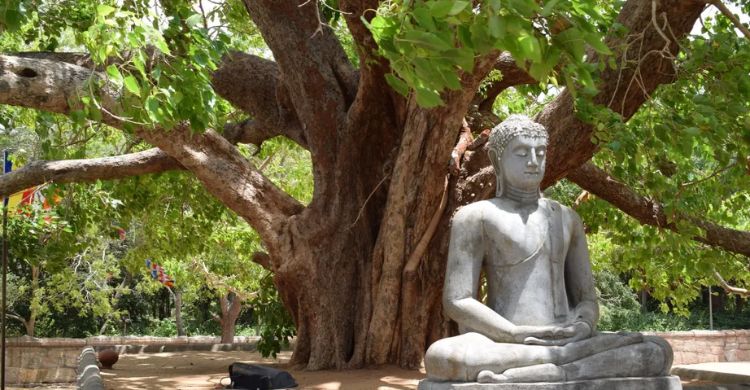
The Peepal tree (Ficus religiosa) stands as one of India's most revered natural monuments, embodying thousands of years of spiritual wisdom and ecological significance. More than just a botanical wonder, this sacred tree represents the profound conne Read more
Trending Tree Plantations - Most Popular Environmental Programs
-
Trees for Birthday Celebration: Plant Meaningful Green Gifts
Regular price ₹ 299Regular priceUnit price per -
Trees for Mother
Regular price ₹ 299Regular priceUnit price per -
Trees as a Gift: Plant Hope & Create Lasting Environmental Impact
Regular price ₹ 299Regular priceUnit price per -
Trees to Honor the Memory of your Loved Ones
Regular price ₹ 299Regular priceUnit price per -
Trees for Women's Day (8th Mar)
Regular price ₹ 299Regular priceUnit price per
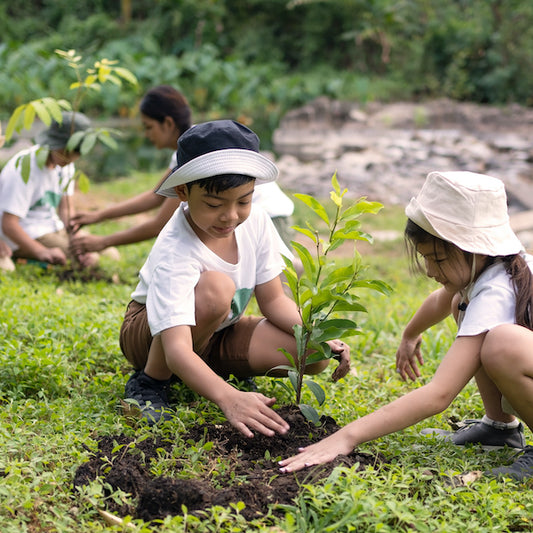

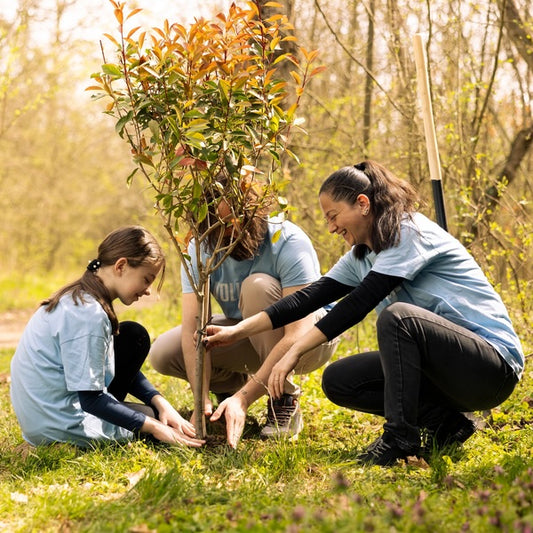


Trees for Corporates - Achieve Net Zero Targets Through Strategic Tree Planting
-
 Project Closed
Trees by LIFT Team for Green Diwali: Transform Your Festival
Regular price ₹ 299Regular priceUnit price per -
Trees for a Greener Tomorrow - by Mahindra Lifespaces
Regular price ₹ 299Regular priceUnit price per -
Trees for Environment Day: Plant Your Impact on June 5th
Regular price ₹ 299Regular priceUnit price per -
Trees for Farmers: Sustainable Agroforestry Solutions for 2026
Regular price ₹ 299Regular priceUnit price per -
Trees for Employees: Transform Your Corporate Culture in 2026
Regular price ₹ 299Regular priceUnit price per
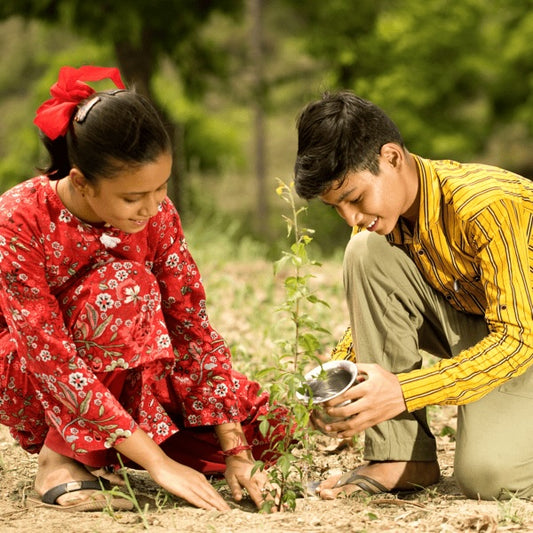


Peepal Tree: Sacred Symbol of Spirituality & Environmental Hope
The Peepal tree (Ficus religiosa) stands as one of India's most revered natural monuments, embodying thousands of years of spiritual wisdom and ecological significance. More than just a botanical wonder, this sacred tree represents the profound connection between nature and divinity, offering both environmental benefits and spiritual solace to millions. From Buddha's enlightenment to Krishna's divine presence, the Peepal tree continues to inspire seekers on their journey toward inner peace and environmental consciousness.
✅ Mythological Significance of the Peepal Tree
The Peepal tree finds its roots deeply embedded in ancient scriptures and spiritual traditions across multiple faiths. In Hinduism, it is believed that Lord Vishnu resides within the Peepal tree, especially on Saturdays. The Bhagavad Gita immortalizes this sacred connection when Krishna declares, "Among trees, I am the Peepal."
Buddhism holds the Peepal tree in the highest reverence, as Gautama Buddha attained enlightenment under its protective canopy in Bodh Gaya, Bihar. This transformative moment elevated the tree to become the universal symbol of spiritual awakening and wisdom. Similarly, Jainism connects the Peepal tree to Lord Mahavira, the 24th Tirthankara, who meditated and preached under its shade.
These spiritual connections make the Peepal tree a living bridge between the earthly and divine realms. According to the United Nations Sustainable Development Goals, preserving such culturally significant trees supports both biodiversity conservation and cultural heritage protection.
⭐ Environmental Benefits of the Peepal Tree
Beyond its spiritual significance, the Peepal tree serves as a natural air purifier and ecosystem enhancer. This remarkable species releases oxygen even during nighttime, unlike most trees that only produce oxygen during daylight hours. A single mature Peepal tree can produce enough oxygen for two people throughout their entire lives.
The tree's extensive root system helps prevent soil erosion while its broad canopy provides crucial habitat for numerous bird species and small mammals. Research shows that Peepal trees can absorb significant amounts of carbon dioxide, making them valuable allies in combating climate change. The World Wildlife Fund's forest conservation initiatives emphasize the importance of preserving native species like the Peepal tree for maintaining ecological balance.
Urban planners increasingly recognize the Peepal tree's cooling properties, as its dense foliage can reduce ambient temperatures by up to 5 degrees Celsius in its immediate vicinity. This natural air conditioning makes it an ideal choice for sustainable urban forestry projects.
🗺️ Sacred Peepal Trees as Tourist Destinations
The spiritual aura and historical significance of certain Peepal trees draw thousands of visitors annually. These living monuments offer unique experiences that combine spiritual reflection with natural beauty.
Bodhi Tree, Bodh Gaya (Bihar)
The most famous Peepal tree in the world stands at the Mahabodhi Temple complex in Bodh Gaya. This descendant of the original tree under which Buddha achieved enlightenment attracts pilgrims and tourists from across the globe. Visitors participate in meditation sessions, offer butter lamps, and experience profound spiritual transformation.
The site offers guided tours that blend historical education with spiritual practice. Photography enthusiasts capture the serene atmosphere while participating in global Buddhist rituals that have continued for over 2,500 years.
Akshaya Vat, Prayagraj (Uttar Pradesh)
This ancient Peepal tree is believed to be immortal, surviving even the great floods of the universe according to Hindu mythology. Located within the Patalpuri Temple inside Allahabad Fort, it serves as a focal point during the Kumbh Mela, where millions gather seeking spiritual salvation.
Heritage walks around this sacred tree provide insights into India's spiritual geography while connecting visitors to centuries of devotional practices.
Triveni Sangam Peepal Tree (Gujarat)
Standing near the confluence of three sacred rivers, this Peepal tree has witnessed centuries of sage meditation and spiritual discourse. Visitors combine river rituals with meditative practices under its protective canopy, often as part of comprehensive spiritual circuits across Gujarat.
💡 Traditional Rituals and Cultural Practices
The Peepal tree remains central to numerous traditional practices that continue to thrive in modern India. Women perform pradakshina (circumambulation) around Peepal trees on Saturdays, tying sacred threads while praying for family welfare and harmony. These rituals strengthen community bonds while maintaining cultural continuity.
Evening lamp lighting ceremonies under Peepal trees are believed to remove planetary doshas and negative karma. Many devotees gather at dusk to participate in these collective prayers, creating vibrant community spaces around these sacred trees.
Legends speak of great sages like Narada and Rishi Vishwamitra receiving divine insights while meditating under Peepal trees. These stories continue to inspire modern spiritual seekers who choose these trees as focal points for their meditation practice.
🌱 Peepal Tree Conservation and Plantation Initiatives
Grow Billion Trees recognizes the Peepal tree's dual significance as both an ecological asset and spiritual symbol. Our specialized plantation programs focus on establishing Peepal trees in locations where they can serve both environmental and cultural purposes.
Through our Plant a tree in your Name program, individuals can sponsor Peepal tree plantations for just ₹299, including 4ft Tree Planting + 3 Years Care + GeoTag technology for tracking growth progress. This initiative supports our mission of Combating Climate Change Through Collective Action while preserving India's spiritual heritage.
Our Miyawaki forest projects incorporate Peepal trees as keystone species, creating dense urban forests that serve as meditation spaces and wildlife corridors. Corporate partners working toward Net Zero Targets often choose Peepal tree plantations as part of their sustainability strategies, recognizing both environmental and cultural value.
The United Nations Environment Programme's forest initiatives highlight the importance of preserving culturally significant tree species like the Peepal tree for maintaining both ecological and social well-being.
⭐ Peepal Trees in Modern Wellness and Tourism
Contemporary wellness tourism increasingly incorporates Peepal trees as focal points for healing and rejuvenation. Yoga retreats in Rishikesh, Varanasi, and Kerala utilize the tree's serene energy to enhance mindfulness practices and spiritual growth.
Eco-tourism packages now feature sacred tree trails that combine environmental education with spiritual exploration. These experiences allow tourists to understand the ecological importance of native species while participating in traditional cultural practices.
Ayurvedic practitioners recognize the Peepal tree's medicinal properties, using its bark, leaves, and roots in traditional healing preparations. Medical tourism programs often include visits to ancient Peepal trees as part of holistic wellness experiences.
🌳 Supporting Our Mission to Plant 100 Crore Trees
As part of our ambitious goal to plant 100 crore trees across India by June 2030, Grow Billion Trees places special emphasis on culturally significant species like the Peepal tree. Our comprehensive approach ensures that each planted tree receives proper care and monitoring through advanced GeoTag technology.
Volunteers can participate in tree planting ceremonies that honor traditional practices while contributing to environmental restoration. These events often take place near temples, ashrams, and meditation centers, creating lasting connections between spiritual practice and environmental stewardship.
Our agroforestry programs help farmers integrate Peepal trees into their agricultural systems, providing shade, soil improvement, and additional income sources while maintaining cultural traditions. This approach demonstrates how ancient wisdom can support modern sustainable development goals.
Frequently Asked Questions
What makes the Peepal tree spiritually significant?
The Peepal tree holds profound spiritual significance across multiple religions. In Hinduism, Lord Vishnu is believed to reside in the tree, while Buddhism reveres it as the tree under which Buddha achieved enlightenment. Jainism also connects the tree to Lord Mahavira's teachings, making it a universal symbol of spiritual awakening and divine wisdom.
How does the Peepal tree benefit the environment?
The Peepal tree provides exceptional environmental benefits by releasing oxygen even during nighttime, unlike most trees. It absorbs significant amounts of carbon dioxide, prevents soil erosion through its extensive root system, and provides habitat for numerous species. A single mature tree can produce enough oxygen for two people throughout their lives.
Where can tourists visit famous Peepal trees in India?
The most famous Peepal tree destinations include the Bodhi Tree at Mahabodhi Temple in Bodh Gaya (Bihar), the Akshaya Vat in Prayagraj (Uttar Pradesh), and sacred trees at Triveni Sangam in Gujarat. These locations offer unique spiritual experiences combined with historical and cultural education.
What traditional rituals are performed under Peepal trees?
Traditional rituals include pradakshina (circumambulation) performed by women on Saturdays, evening lamp lighting ceremonies to remove negative karma, and meditation practices. Devotees tie sacred threads around the tree while praying for family welfare and spiritual growth.
How can I plant a Peepal tree through Grow Billion Trees?
You can plant a Peepal tree through our "Plant a tree in your Name" program for just ₹299. This includes 4ft tree planting, 3 years of care, and GeoTag technology for tracking. We offer specialized programs for temples, meditation centers, and spiritual retreat locations.
What is the lifespan of a Peepal tree?
Peepal trees are remarkably long-lived, with many specimens surviving 500-1,000 years or more. Some ancient trees like the Akshaya Vat are believed to be immortal according to Hindu mythology. Their longevity makes them living monuments to India's spiritual and cultural heritage.
Can Peepal trees grow in urban environments?
Yes, Peepal trees adapt well to urban environments and provide excellent benefits for city ecosystems. They reduce ambient temperatures by up to 5 degrees Celsius, purify air pollution, and create natural cooling zones. Urban planners increasingly incorporate them into sustainable city development projects.
How do Peepal trees support biodiversity?
Peepal trees support biodiversity by providing habitat and food sources for numerous bird species, insects, and small mammals. Their year-round fruiting cycle supports wildlife throughout different seasons, while their large canopy creates microhabitats for various species.
What role do Peepal trees play in combating climate change?
Peepal trees contribute significantly to climate change mitigation through their exceptional carbon sequestration capacity and continuous oxygen production. Their cooling effects reduce urban heat islands, while their longevity ensures decades of environmental benefits from each planted tree.
How does Grow Billion Trees ensure planted Peepal trees survive?
Our comprehensive care program includes 3 years of professional maintenance, regular monitoring through GeoTag technology, and expert guidance for optimal growth conditions. We select appropriate locations, provide proper soil preparation, and ensure adequate water and nutrient supply for maximum survival rates.The Peepal tree represents the perfect harmony between spiritual significance and environmental stewardship. As we work toward our goal of planting 100 crore trees across India, preserving and propagating this sacred species becomes both an ecological necessity and cultural responsibility. Through Combating Climate Change Through Collective Action, we can ensure that future generations inherit not only cleaner air and healthier ecosystems but also the profound spiritual wisdom that these magnificent trees embody.Join Grow Billion Trees today and become part of India's green spiritual legacy. Plant a Peepal tree in your name and contribute to a future where ancient wisdom guides modern environmental action. Together, we can nurture both our planet's health and our spiritual heritage, one sacred tree at a time.
You may also like
-
Gift a Tree - Meaningful Environmental Gifts That Make a Difference
Transform your gift-giving with meaningful environmental gifts that create lasting impact for...
-
Trees For Shiv Ji - Sacred Tree Planting to Honor Lord Shiva
Honor Lord Shiva through sacred tree planting with Trees For Shiv Ji,...
-

Tree Plantations for Shri Ram - Sacred Devotional Planting Services
Honor Lord Shri Ram through meaningful tree plantations for Shri Ram that...
-
Tree Plantation on Navratri - Celebrate Divine Festivals with Environmental Devotion
Tree plantation on Navratri transforms the sacred nine-day festival into a powerful...
-
Tree Plantation by Cause - Plant Trees for Every Purpose | Grow Billion Trees
Transform your environmental impact with purpose-driven tree plantation by cause programs that...
Corporate Plantations
-
Trees for Corporates - Achieve Net Zero Targets Through Strategic Tree Planting
Trees for Corporates - Strategic Environmental SolutionsTransform your corporate environmental impact with...
-
Tree Plantation for CSR - Corporate Environmental Programs | Grow Billion Trees
Tree Plantation for CSR - Transform Your Corporate Environmental ImpactTree plantation for...
-
Tree Plantation for SDG - Support Sustainable Development Goals
Tree plantation for SDG initiatives represents a powerful pathway to achieving multiple...
-

Corporate Tree Plantation Programs - Sustainable ESG Environmental Solutions for Net Zero Targets
Transform your organization's environmental impact with our comprehensive Corporate Tree Plantation Programs...
-
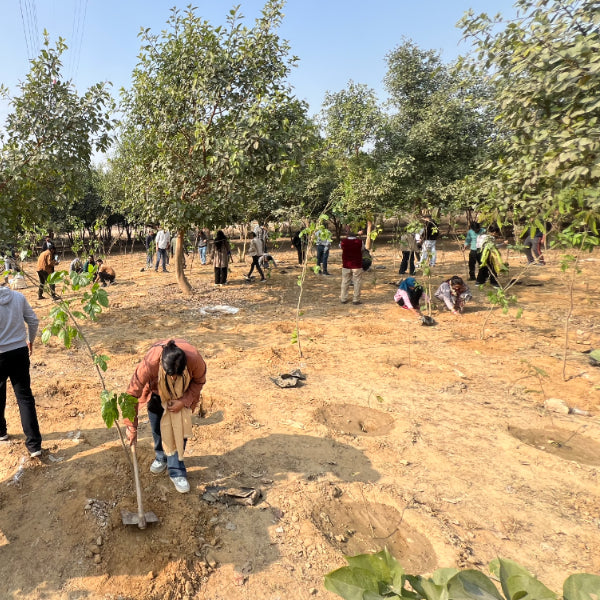
Tree Plantation by Location - Plant Trees Across India
Transform landscapes nationwide through our comprehensive tree plantation by location program. When...
Most Popular Tree Plantations - Top Choices for Environmental Impact
-
Trees for Birthday Celebration: Plant Meaningful Green Gifts
Regular price ₹ 299Regular priceUnit price per -
Trees for Mother
Regular price ₹ 299Regular priceUnit price per -
Trees as a Gift: Plant Hope & Create Lasting Environmental Impact
Regular price ₹ 299Regular priceUnit price per -
Trees to Honor the Memory of your Loved Ones
Regular price ₹ 299Regular priceUnit price per -
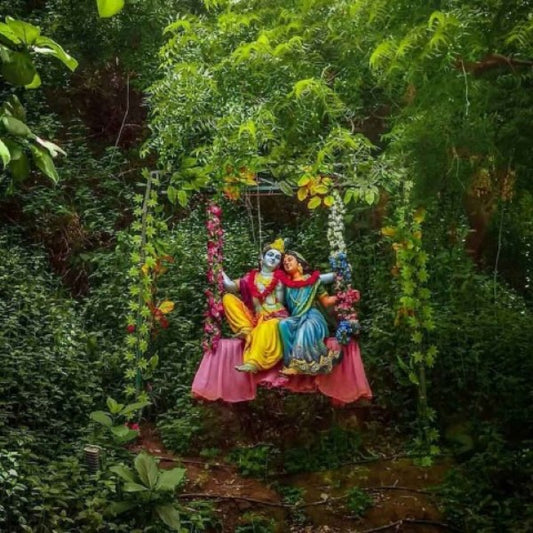
Trees for Krishna on Janmashtami - Sacred Divine Gift ₹299
Regular price ₹ 299Regular priceUnit price per
Connect with us
-
👥 Corporates
If you are looking for:
- 🌲 Tree Plantation Events
- 📊 CSR Projects
📧 corporate@growbilliontrees.com
📞 +91 9699723523
💬 +91 9325931304 WhatsApp (Only)
🕒 Mon - Sat | 10am - 7pm IST
-
🧩 Tree Plantation NGOs
If you are looking for:
- 💰 Financial Assistance
- 🤝 Operational Support
📧 support@growbilliontrees.com
📞 +91 9699723523
💬 +91 9325931304 WhatsApp (Only)
🕒 Mon - Sat | 10am - 7pm IST
-
🌼 Individuals
If you are looking for:
- 👥 Group Tree Plantation Drive
- 🌳 Bulk Tree Plantation
📞 +91 9699723523
💬 +91 9325931304 WhatsApp (Only)
🕒 Mon - Sat | 10am - 7pm IST
