


The Art of Bonsai: Miniature Trees with Majestic Stories
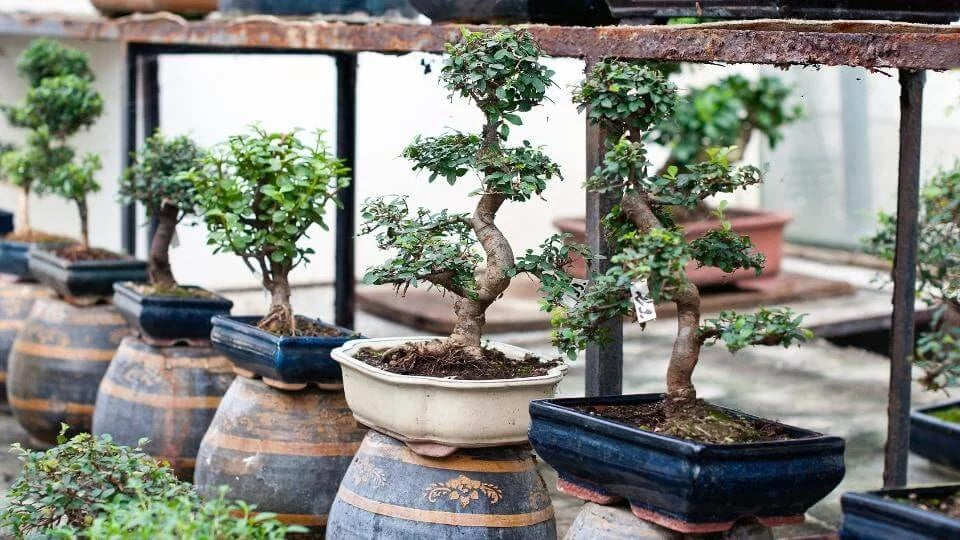
Bonsai, derived from Japanese 'bon' (tray) and 'sai' (tree), is the art of cultivating miniature trees that mimic full-sized specimens through pruning and wiring. Originating in China over 2,000 years ago and refined in Japan during the Edo period, bonsai combines horticulture, sculpture, and philosophy into living sculptures teaching about growth, balance, and ecological stewardship.
Bonsai represents far more than a simple horticultural hobby—it embodies centuries of artistic tradition, environmental consciousness, and spiritual practice.
These miniature trees with majestic stories captivate enthusiasts worldwide, transforming small spaces into living galleries of natural beauty. Each bonsai carries within it the patience, skill, and vision of its cultivator, reflecting profound connections between humans and the natural world.
By cultivating these living sculptures, we participate in a timeless art form that teaches us about growth, balance, and ecological stewardship.
✅ Understanding Bonsai: More Than Miniature Trees
Bonsai, derived from the Japanese words "bon" (tray) and "sai" (tree), literally translates to "tree in a tray." However, miniature trees with majestic stories extend far beyond this simple definition.
Bonsai cultivation is an intricate art form that combines horticulture, sculpture, and philosophy into a single living creation. The practice originated in China over 2,000 years ago before being refined and popularized in Japan during the Edo period.
What distinguishes bonsai from ordinary potted plants is the intentional manipulation of growth patterns to create aesthetically pleasing forms that mimic mature, full-sized trees.
Practitioners use specialized techniques including pruning, wiring, and careful watering to shape their specimens over years or even decades.
This commitment to long-term cultivation creates a unique bond between grower and plant, transforming the bonsai into a living testament to dedication and artistry.
The philosophy underlying bonsai practice emphasizes harmony with nature rather than domination over it. Growers learn to work with the tree's natural tendencies, guiding growth rather than forcing it into unnatural forms.
This respectful approach mirrors broader environmental conservation principles, making bonsai cultivation an accessible entry point into ecological awareness and sustainable living practices.
⭐ The Historical Roots of Bonsai Mastery
The journey of miniature trees with majestic stories begins in ancient China, where scholars and monks cultivated small trees in containers as spiritual practices.
These early practitioners recognized that miniaturization could reveal the essence of nature's grandeur in compact form. The art form eventually traveled to Japan, where it underwent significant transformation and development during the medieval period.
Japanese bonsai masters elevated the practice to unprecedented heights, establishing formal styles, techniques, and aesthetic principles that continue to guide practitioners today.
During the Edo period (1603-1868), bonsai cultivation became widespread among the Japanese nobility and merchant classes, with specialized nurseries developing to meet growing demand.
This democratization of bonsai practice laid the foundation for its eventual global expansion.
In the modern era, bonsai has transcended cultural and geographical boundaries, attracting millions of enthusiasts across Europe, North America, and beyond.
International competitions, exhibitions, and educational programs have elevated bonsai to recognized status as a legitimate art form worthy of serious study and appreciation.
Today's bonsai community continues honoring traditional techniques while embracing contemporary innovations in cultivation methods and styling approaches.
💡 Core Bonsai Styles: Expressing Nature's Diversity
Miniature trees with majestic stories manifest in numerous distinct styles, each reflecting different natural landscapes and artistic visions. Understanding these classical styles provides insight into how bonsai artists interpret and represent the broader natural world.
The major bonsai styles serve as templates for cultivators, though skilled practitioners often blend styles to create unique personal expressions.
Formal Upright (Chokkan)
The formal upright style represents the most traditional and demanding bonsai form. The trunk grows perfectly straight from root to apex, with branches decreasing progressively in size as they ascend.
This style demands meticulous wiring and pruning to maintain its geometric precision while avoiding artificial appearance. Formal upright bonsai symbolize strength, stability, and respect for natural order.
Informal Upright (Shakan)
The informal upright style allows for gentle curves and natural-looking trunk lines while maintaining overall upward growth direction. This style offers greater flexibility than formal upright, permitting more organic branch development.
Informal upright bonsai appear more naturalistic while still demonstrating clear artistic intent and careful cultivation. Many beginners find this style more forgiving and approachable than its formal counterpart.
Slanting (Shakan)
Slanting style bonsai feature trunks angled dramatically from vertical, creating dynamic compositions that suggest trees growing on windswept hillsides or rocky outcrops. The root system typically extends more prominently on one side to counterbalance the trunk's angle. This style creates visual tension and movement, conveying stories of environmental resilience and adaptation.
Cascade (Kengai)
Cascade style bonsai feature trunks and foliage that descend below the pot's rim, mimicking trees growing on steep mountain cliffs or overhanging water. This dramatic style requires careful structural support and creates striking visual statements.
Cascade bonsai often serve as focal points in displays, commanding attention through their bold, unconventional forms.
Semi-Cascade (Han-Kengai)
Semi-cascade style represents a middle ground between upright and full cascade forms, with trunks descending only partially below pot level. This style offers dramatic visual interest while remaining more manageable than full cascade specimens. Semi-cascade bonsai work well in various display settings and suit a broader range of tree species.
Literati (Bunjinga)
Literati style celebrates minimalist aesthetics with sparse foliage, long elegant trunks, and carefully placed branches. This style draws inspiration from classical Chinese and Japanese ink paintings, emphasizing negative space and suggesting rather than depicting natural forms. Literati bonsai appeal to cultivators seeking philosophical depth and artistic subtlety in their practice.
🌱 Essential Techniques for Cultivating Miniature Trees
Creating and maintaining miniature trees with majestic stories requires mastery of several fundamental techniques. These methods represent the practical foundation upon which all successful bonsai cultivation rests. Beginners must develop proficiency with basic skills before attempting advanced styling and refinement.
Pruning: The Art of Controlled Growth
Pruning represents the most essential bonsai technique, controlling growth direction, branch structure, and overall shape.
Structural pruning removes large branches to establish basic form, while maintenance pruning removes new growth to maintain established shapes.
Defoliation—removing all leaves during the growing season—encourages finer branching and smaller leaf development. Proper pruning timing varies by species and climate, requiring careful observation and horticultural knowledge.
Wiring: Guiding Growth with Precision
Wiring involves wrapping specialized aluminum or copper wire around branches to guide their growth direction and angle. Proper wiring technique prevents damage while effectively repositioning branches into desired positions.
Wire must be monitored carefully to prevent cutting into expanding bark as branches grow. Different wire gauges suit different branch thicknesses, requiring practitioners to maintain diverse supplies.
Repotting: Refreshing Soil and Roots
Regular repotting maintains healthy root systems and provides fresh, well-draining soil necessary for optimal growth. Repotting frequency depends on species, age, and growing conditions, typically ranging from annual to triennial schedules.
Root pruning during repotting encourages finer root development and maintains proportional balance between root mass and foliage. Proper repotting technique requires understanding species-specific soil preferences and root system characteristics.
Watering: Balancing Hydration and Drainage
Appropriate watering represents critical yet challenging aspect of bonsai care, requiring balance between adequate moisture and proper drainage.
Most bonsai species prefer soil that dries slightly between waterings rather than remaining constantly wet. Water quality matters significantly, with many species preferring soft water free from excessive minerals.
Seasonal variations in water requirements demand attentive observation and adjustment throughout the year.
→ Selecting Your First Bonsai: A Beginner's Guide
Aspiring bonsai cultivators often struggle with species selection, a decision profoundly affecting success likelihood and long-term satisfaction.
Choosing appropriate species for your climate, experience level, and available resources increases chances of creating thriving miniature trees with majestic stories. Beginners should prioritize hardy, forgiving species before advancing to more demanding cultivars.
Beginner-Friendly Species
✅ Ficus (Fig Tree): Extremely forgiving, tolerating various conditions and recovering well from mistakes. Ficus develop quickly and respond well to pruning, making them ideal for learning fundamental techniques.
✅ Juniper: Classic bonsai species with fine foliage and responsive growth patterns. Junipers prefer outdoor cultivation and benefit from seasonal dormancy cycles.
✅ Elm: Hardy species with small leaves and rapid growth, ideal for developing refined branching structures. Elms tolerate pruning well and forgive occasional watering lapses.
✅ Schefflera (Umbrella Tree): Tropical species tolerating indoor cultivation with minimal special requirements. Schefflera develop quickly and respond enthusiastically to pruning and shaping.
Intermediate Species
Once you've mastered fundamental techniques with beginner species, consider advancing to more demanding cultivars. Maples, pines, and flowering species offer greater aesthetic possibilities alongside increased care requirements. These species reward dedicated cultivation with spectacular seasonal displays and refined aesthetic development.
🌍 Bonsai and Environmental Consciousness
The practice of cultivating miniature trees with majestic stories connects deeply with contemporary environmental concerns and conservation efforts. As deforestation accelerates globally, bonsai cultivation offers a meaningful way to develop personal relationships with trees and forest ecosystems.
This intimate horticultural practice builds ecological awareness that often extends into broader environmental advocacy and sustainable living choices.
According to United Nations Environment Programme research on forests, deforestation and forest degradation represent critical global challenges requiring urgent action.
Bonsai cultivation, while obviously not solving deforestation at scale, contributes to forest conservation by fostering appreciation for trees and forest ecosystems. Each cultivator becomes an ambassador for forest conservation, sharing knowledge and inspiring others toward environmental stewardship.
Organizations like Grow Billion Trees recognize that environmental restoration requires diverse approaches beyond traditional large-scale reforestation.
While bonsai cultivation focuses on individual specimens rather than mass tree planting, both practices share fundamental commitment to increasing global tree coverage and combating climate change through collective action.
By combining specialized programs including Miyawaki forest creation, agroforestry, and mangrove restoration with individual cultivation practices like bonsai, we create comprehensive environmental strategies addressing multiple ecological needs.
The United Nations climate change initiatives emphasize that achieving net zero targets requires coordinated action across multiple sectors and scales.
Individual practices like bonsai cultivation contribute to broader environmental consciousness that supports policy changes, corporate sustainability commitments, and personal lifestyle modifications necessary for meaningful climate action.
⚠️ Common Challenges and Solutions
Even experienced cultivators encounter obstacles while developing miniature trees with majestic stories. Understanding common problems and their solutions prevents discouragement and maintains momentum through learning curves. Patient problem-solving represents essential skill for long-term bonsai success.
Pest and Disease Management
Indoor bonsai frequently encounter spider mites, scale insects, and fungal infections, particularly in low-humidity environments.
Regular inspection, prompt treatment, and preventive measures including adequate air circulation minimize pest and disease problems. Organic pest management approaches align with bonsai philosophy of working harmoniously with natural systems rather than relying on harsh chemical interventions.
Overwatering and Root Rot
Excessive watering represents the most common cause of bonsai failure, leading to oxygen-deprived roots and fungal infections. Proper pot drainage, appropriate soil composition, and careful watering practices prevent these issues. Learning to assess soil moisture accurately through visual and tactile evaluation develops over time with attentive practice.
Inadequate Light
Many indoor environments lack sufficient light for optimal bonsai growth, resulting in weak growth, poor branch development, and vulnerability to pests. Most bonsai species require several hours of direct or bright indirect sunlight daily. Supplemental grow lights effectively address light deficiency, particularly during winter months in northern climates.
Environmental Stress from Repotting
Repotting, while necessary, temporarily stresses bonsai specimens, potentially causing leaf drop and growth interruption. Proper repotting technique, appropriate timing, and post-repotting care minimize stress impacts. Understanding species-specific responses to repotting helps cultivators anticipate and manage stress effectively.
🎨 Advanced Styling Techniques for Refined Specimens
As cultivators develop expertise with miniature trees with majestic stories, advanced techniques enable creation of increasingly sophisticated and aesthetically refined specimens. These methods require deeper horticultural knowledge and greater technical skill than fundamental practices.
Jin and Shari: Incorporating Deadwood
Jin and shari techniques involve stripping bark from branches or trunks to create dramatic deadwood features resembling aged, weathered trees. These techniques add visual interest, suggest age and history, and create striking aesthetic contrasts between living and dead wood. Proper deadwood treatment prevents decay while maintaining natural appearance.
Raft and Clump Styles
Raft style bonsai develop from a single horizontal trunk with vertical branches creating forest-like appearance. Clump style combines multiple trunks emerging from single root system, creating miniature forest scenes. These styles require careful planning and long-term commitment but produce spectacular results suggesting natural forest ecosystems.
Root-Over-Rock Composition
Root-over-rock bonsai feature trees grown with roots extending over decorative stones, creating dramatic compositions suggesting trees growing on rocky terrain. This technique requires years of careful root development and precise positioning to achieve natural-appearing results. The finished specimens create powerful visual statements about natural resilience and adaptation.
🌿 Creating Your Bonsai Display Space
Successful bonsai cultivation requires appropriate growing environments supporting species-specific needs while creating visually appealing display spaces. Thoughtful arrangement of multiple specimens creates living galleries celebrating miniature trees with majestic stories. Display space design reflects personal aesthetic preferences while maintaining practical functionality.
Indoor Display Considerations
Indoor bonsai displays require careful attention to light, humidity, temperature, and air circulation. South-facing windows typically provide optimal light for indoor specimens, though supplemental grow lights enhance growth significantly. Humidity trays filled with water and pebbles increase moisture around specimens without waterlogging soil. Adequate spacing between specimens ensures proper air circulation, reducing pest and disease risk.
Outdoor Display Advantages
Outdoor cultivation offers distinct advantages including natural light, improved air circulation, and seasonal environmental cues supporting healthy growth cycles. Many species, particularly temperate climate trees, thrive outdoors and develop superior aesthetic qualities compared to indoor specimens. Outdoor displays require weather protection during extreme conditions and careful winter management in cold climates.
Seasonal Display Rotation
Strategic display rotation showcases seasonal changes while protecting specimens from extreme conditions. Spring flowering bonsai take center stage during bloom periods, while autumn foliage specimens shine as temperatures cool. This approach maintains visual interest throughout seasons while optimizing growing conditions for each specimen.
📚 Learning Resources and Community Connection
Bonsai cultivation thrives within communities of enthusiasts sharing knowledge, techniques, and inspiration. Numerous resources support learning at all experience levels, from beginner guides to advanced technical publications. Engaging with bonsai communities accelerates skill development while providing motivation and friendship.
Books and Publications
Comprehensive bonsai literature covers history, techniques, species-specific care, and styling principles. Reputable publications by experienced practitioners provide reliable guidance grounded in proven methods. Regular reading maintains engagement and introduces new perspectives on familiar practices.
Online Communities and Forums
Internet-based bonsai communities connect enthusiasts globally, enabling rapid information exchange and peer support. Online forums allow posting photographs for feedback, discussing species-specific challenges, and sharing cultivation successes. These communities democratize access to expertise previously available only through local mentorship.
Clubs and Local Groups
Local bonsai clubs offer in-person mentorship, hands-on workshops, and exhibition opportunities. Club members benefit from experienced practitioners' guidance, reducing learning curves and preventing costly mistakes. Club exhibitions showcase member specimens and inspire continued dedication to the practice.
🌱 The Connection Between Bonsai and Broader Reforestation Efforts
While bonsai cultivation focuses on individual miniature specimens, the practice connects meaningfully with large-scale environmental restoration initiatives.
Organizations advancing reforestation goals recognize that environmental consciousness develops through diverse engagement pathways, including artistic practices like bonsai cultivation.
According to the World Wildlife Fund's forest conservation initiatives, protecting and restoring forests requires engagement across multiple sectors and scales.
Bonsai enthusiasts often become advocates for forest conservation, supporting reforestation programs and sustainable forestry practices.
Many bonsai cultivators participate in broader environmental movements, including initiatives to plant trees and restore degraded ecosystems.
This connection between individual cultivation practices and collective environmental action reflects the philosophy that meaningful change emerges from countless individuals choosing to act responsibly.
Programs like Grow Billion Trees demonstrate how ambitious reforestation goals combine with individual engagement opportunities.
By offering accessible tree planting options—including the ability to plant a tree in your name for just ₹299 with three years of care included—such initiatives make environmental participation available to everyone.
Whether through cultivating miniature bonsai specimens or supporting large-scale reforestation efforts, individuals contribute to combating climate change through collective action toward achieving net zero targets.
The World Wildlife Fund's analysis of deforestation and forest degradation emphasizes that reversing forest loss requires coordinated action combining protection of existing forests with strategic reforestation.
Bonsai cultivation contributes to this broader effort by fostering ecological awareness and demonstrating the profound value of individual trees.
Each carefully cultivated bonsai specimen represents commitment to environmental stewardship that extends beyond the individual plant to encompass larger forest ecosystems and global climate stability.
💚 The Spiritual and Meditative Dimensions of Bonsai
Beyond horticultural and artistic dimensions, bonsai cultivation offers profound spiritual and meditative benefits. The practice demands sustained attention, patience, and acceptance of natural rhythms, creating opportunities for mindfulness development.
Many practitioners describe bonsai cultivation as meditative practice comparable to traditional contemplative disciplines.
Working with miniature trees with majestic stories teaches valuable life lessons about growth, balance, and resilience. The long-term commitment required for specimen development mirrors personal growth journeys, with setbacks and challenges offering learning opportunities. This philosophical dimension attracts practitioners seeking deeper meaning and connection through horticultural engagement.
The practice encourages slowing down, observing subtle changes, and appreciating incremental progress. In contemporary fast-paced culture, bonsai cultivation offers counterbalance through requiring patience and sustained attention.
The meditative benefits extend beyond cultivation sessions, influencing practitioners' broader approaches to time, productivity, and life satisfaction.
Frequently Asked Questions
How long does it take to develop a mature bonsai specimen?
Most bonsai require 5-10 years of careful cultivation to achieve mature aesthetic qualities. Some specimens, particularly those styled in literati or refined upright forms, may require 15-20 years or longer. However, visible improvements appear within the first year, providing motivation and satisfaction throughout the development process.
Can I keep bonsai indoors year-round?
Many tropical and subtropical species thrive indoors with proper light and humidity. However, temperate climate trees typically require outdoor cultivation to experience seasonal dormancy cycles necessary for long-term health. Even tropical indoor bonsai benefit from outdoor exposure during warm seasons.
What soil composition works best for bonsai?
Most bonsai require well-draining, nutrient-rich soil composed of components like akadama, pumice, and bark. Specific soil recipes vary by species, climate, and growing conditions. Commercial bonsai soils provide convenient options, though many experienced cultivators develop custom mixes optimized for their specific circumstances.
How often should I fertilize my bonsai?
Regular fertilization supports healthy growth and development, typically required during growing seasons (spring through early autumn). Frequency varies by species, soil composition, and water quality, ranging from weekly to monthly applications. Reduced or eliminated fertilization during dormant periods prevents stress and maintains natural growth rhythms.
Can bonsai survive if I travel frequently?
Frequent travel challenges bonsai cultivation, as specimens require consistent care and cannot tolerate extended neglect. However, hardy species like ficus tolerate occasional lapses better than delicate cultivars. Automated watering systems, humidity trays, and careful species selection enable travel while maintaining specimen health.
What distinguishes bonsai from regular potted plants?
Bonsai differ fundamentally through intentional artistic shaping, specialized cultivation techniques, and philosophical approach emphasizing harmony with natural forms. Regular potted plants grow naturally without deliberate manipulation, while bonsai specimens represent collaborative artistic creations between cultivator and plant.
How much does starting a bonsai collection cost?
Bonsai cultivation can begin inexpensively with pre-made specimens costing $20-50 and basic tools under $100. However, developing serious collections involves ongoing investments in quality tools, specialized soils, pots, and educational resources. Many cultivators find the long-term investment worthwhile given years of enjoyment and aesthetic development.
Can I create bonsai from seeds or cuttings?
Yes, growing bonsai from seeds or cuttings offers rewarding long-term projects requiring patience but minimal initial investment. Seed-grown specimens develop stronger root systems and natural-looking proportions compared to nursery stock. However, this approach requires several additional years before specimens reach aesthetic maturity.
What environmental factors most significantly impact bonsai health?
Light, water, humidity, and temperature represent critical environmental factors determining bonsai success. Most species require several hours of bright light daily, consistent moisture without waterlogging, moderate humidity, and stable temperatures within species-specific ranges. Balancing these factors appropriately prevents the majority of cultivation problems.
How do I know when my bonsai needs repotting?
Signs indicating repotting need include roots growing through drainage holes, water running through soil without absorbing, and reduced growth vigor. Most bonsai require repotting every 1-3 years depending on species and growing conditions. Spring represents optimal repotting timing for most species, coinciding with growth resumption.
✨ Conclusion: Your Journey with Miniature Trees
The art of cultivating miniature trees with majestic stories offers profound rewards extending far beyond horticultural accomplishment.
Bonsai practice combines artistic expression, horticultural skill, spiritual development, and environmental consciousness into unified practice enriching practitioners' lives while fostering broader ecological awareness.
Whether you're drawn to the aesthetic beauty, meditative qualities, or environmental dimensions of bonsai, the practice welcomes all who approach it with patience, respect, and genuine interest.
Beginning your bonsai journey requires only commitment to learning, selection of appropriate species, and consistent care. Start with hardy, forgiving specimens while developing fundamental skills and horticultural knowledge.
Engage with communities of fellow enthusiasts, read widely, and observe your specimens carefully. Over time, you'll develop the intuitive understanding and technical skill enabling creation of truly magnificent miniature trees reflecting years of dedicated cultivation.
As you develop your bonsai practice, consider how this personal engagement with trees connects to broader environmental movements. Organizations like Grow Billion Trees demonstrate that environmental restoration happens at multiple scales simultaneously.
Whether through cultivating individual bonsai specimens or supporting large-scale reforestation initiatives, you contribute to combating climate change through collective action. By planting trees in your name and achieving net zero targets through diverse environmental engagement, we collectively work toward a sustainable future where 100 crore trees thrive across India and beyond.
Your miniature trees with majestic stories become living testimonies to patience, artistry, and environmental commitment. Begin today, and discover how bonsai cultivation transforms your relationship with nature while contributing meaningfully to global environmental restoration efforts.
Follow and learn more.
Keep reading
 Your Carbon, Decoded - carbon footprint of everyday Indian life.
- The IPL Is Planting 500 Trees for Every Dot Ball. Is It Enough?
 Ashoka Tree: Sacred Symbol of Feminine Power and Spiritual Healing
- What Does a Tree Actually Do?
- Green Gold: How Indian Farmers Can Earn from Carbon Projects
- The Hidden Carbon Cost of IPL — What One Franchise Leaves Behind
Comments
Leave a comment