
Mumbai Coastal Road Project: Balancing Infrastructure with Conservation
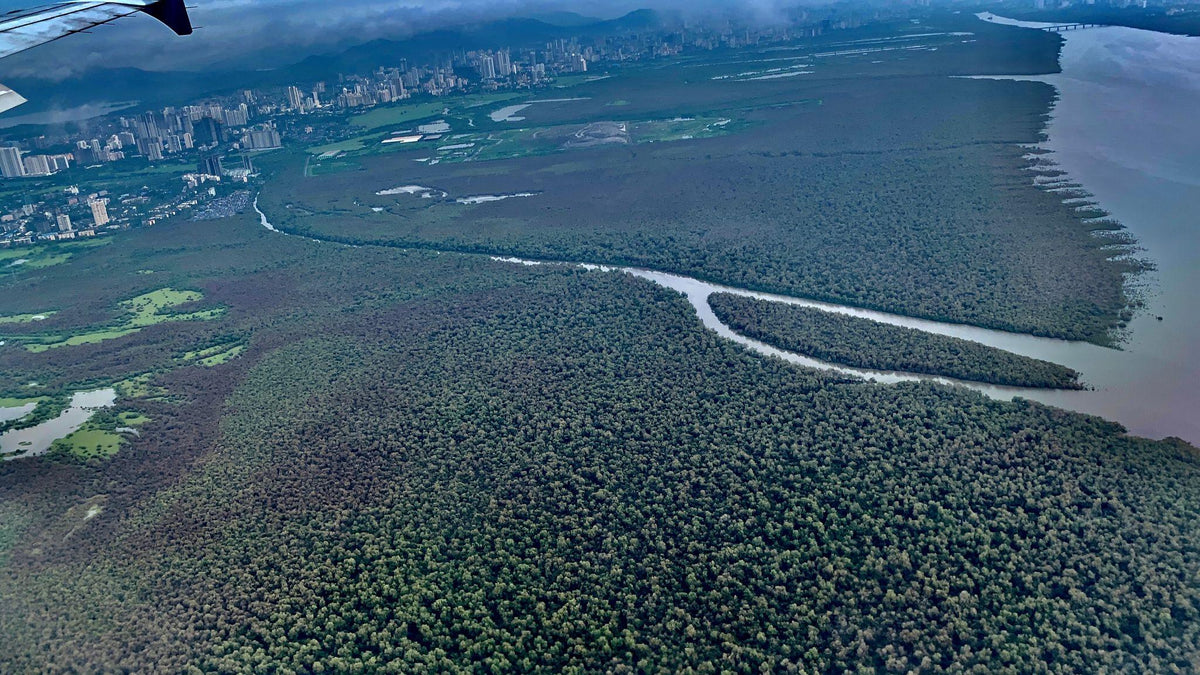
The Mumbai Coastal Road Project (MCRP) is an urban infrastructure initiative connecting Marine Drive to Kandivali that aims to reduce travel time across western Mumbai while impacting approximately 15,000-20,000 mangrove trees across 7-10 hectares of coastal zones, highlighting the tension between urban development needs and coastal ecosystem preservation in India's infrastructure planning.
The Mumbai Coastal Road Project (MCRP) represents one of India's most ambitious urban infrastructure initiatives, yet it highlights a critical challenge: balancing development needs with coastal ecosystem preservation. This massive project, connecting Marine Drive to Kandivali, aims to reduce travel time significantly while raising important questions about environmental sustainability and the future of Mumbai's precious mangrove ecosystems.
As India works toward achieving its Net Zero Targets, projects like the MCRP demonstrate the complex intersection between urban development and environmental conservation. The project's impact on approximately 15,000-20,000 mangrove trees across 7-10 hectares of sensitive coastal zones requires careful examination of both immediate benefits and long-term ecological consequences.
Understanding the Mumbai Coastal Road Project ✅
The Brihanmummai Municipal Corporation Coastal Road Project spans Mumbai's western corridor, designed to serve over 20 million people in the metropolitan region. This infrastructure development aims to decongest arterial roads like the Western Express Highway while creating new opportunities for urban mobility.
Key Project Features:
- Total length connecting Marine Drive to Kandivali
- Significant reduction in travel time across western Mumbai
- Integration with existing transport networks
- Engineered coastal defenses including sea walls and tetrapods
The project received conditional environmental clearance after extensive litigation and scrutiny by the Bombay High Court, National Green Tribunal (NGT), and Ministry of Environment, Forest and Climate Change (MoEFCC). This legal oversight ensures adherence to environmental protection standards while allowing necessary urban development.
Environmental Impact Assessment: The Real Numbers ⚠️
Based on comprehensive environmental impact assessments and court submissions, the project affects approximately 7-10 hectares of mangrove area, with around 90+ hectares of Coastal Regulation Zone (CRZ) area impacted overall. These numbers represent both permanent and temporary disturbances to sensitive coastal ecosystems.
Biodiversity Impact Analysis
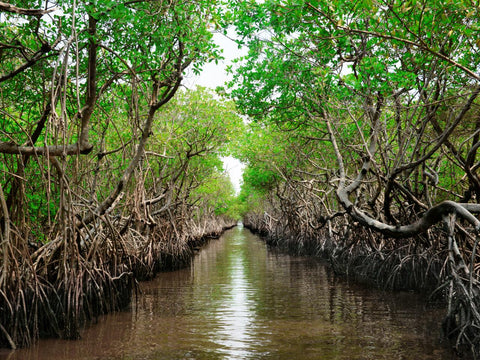
Mumbai's mangroves support over 150+ bird species, including flamingos, while serving as crucial nurseries for juvenile fish, crustaceans, and molluscs. The affected area, though small relative to Mumbai Metropolitan Region's total mangrove cover of 6,000+ hectares, holds disproportionately high ecological value due to urban fragmentation pressures.
According to the World Wildlife Fund's research on deforestation impacts, urban coastal ecosystems face unique vulnerabilities that make every hectare critically important for biodiversity conservation.
Carbon Sequestration Implications
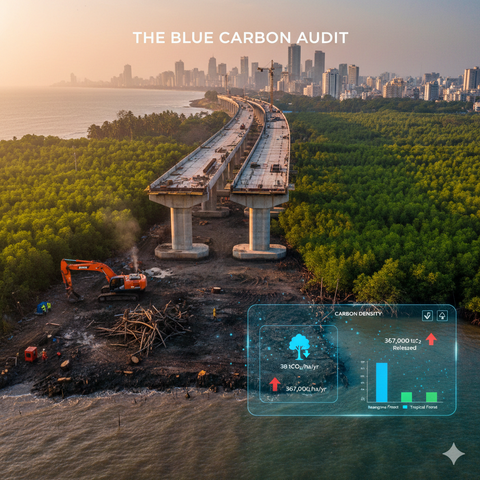
Mangroves rank among Earth's highest carbon-storing ecosystems, with average storage of 800-1,200 tonnes CO₂ equivalent per hectare. The 7-10 hectares affected by the MCRP potentially disturb 5,600-12,000 tonnes CO₂ equivalent in total carbon stock, with annual sequestration loss of approximately 50-80 tonnes CO₂ per year.
While numerically small compared to Mumbai's total annual emissions, this loss represents significant ecological value given the rarity of urban blue carbon ecosystems. The United Nations Climate Change initiatives emphasize the critical importance of protecting these natural carbon sinks in urban environments.
Government Mitigation and Offset Strategies 💡
The BMC and government agencies have developed comprehensive mitigation plans addressing environmental concerns while enabling infrastructure development. These strategies demonstrate Combating Climate Change Through Collective Action through structured environmental protection measures.
Compensatory Afforestation Program
The mitigation plan includes mangrove plantation in degraded areas at ratios of 1:3 or higher, focusing on restoration in Thane Creek and other coastal zones. This approach aims to create net positive environmental outcomes despite immediate habitat disturbance.
Engineered Coastal Defense Systems
Advanced coastal protection measures include:
- Reinforced sea walls for storm surge protection
- Tetrapods for wave energy dissipation
- Flood-resilient embankments
- Integrated stormwater drainage systems
These engineered solutions complement natural coastal defenses while providing enhanced protection for Mumbai's growing population.
Critical Gaps in Current Conservation Approach ⭐
Despite comprehensive planning, several important considerations require attention to ensure truly sustainable development outcomes.
Ecosystem Maturation Timeline
Newly planted mangroves require 15-25 years to reach ecological maturity, meaning immediate ecosystem functions cannot be immediately replaced. Soil carbon accumulation and nursery functions for marine life depend on complex sediment dynamics that develop over decades.
The United Nations Environment Programme's forest conservation research highlights the importance of long-term ecological restoration frameworks rather than simple plantation counts.
Urban Fragmentation Challenges
Mumbai's mangroves already face significant pressures from sewage discharge, plastic waste, and encroachment. Loss of even small patches increases edge effects and ecosystem vulnerability, requiring comprehensive protection strategies beyond individual project mitigation.
Innovative Solutions for Sustainable Development 🌱
Balancing infrastructure needs with environmental protection requires innovative approaches that serve both development and conservation goals effectively.
Mangrove Biodiversity Corridors
Creating legally protected corridors across Mumbai's coastline can address fragmentation while supporting both existing and restored mangrove ecosystems. These corridors enable wildlife movement and genetic diversity maintenance essential for ecosystem resilience.
Blue Carbon Accounting Integration
Incorporating comprehensive carbon accounting into project planning ensures accurate environmental impact assessment and creates opportunities for carbon offset programs. This approach aligns with global climate goals while supporting local ecosystem services.
Community-Based Conservation Programs
Engaging local communities in mangrove restoration and monitoring creates sustainable conservation outcomes. Programs like Plant a tree in your Name can expand to include mangrove restoration, connecting urban residents with coastal conservation efforts.
Technology Integration for Environmental Monitoring 💡
Advanced monitoring systems ensure ongoing environmental protection throughout project implementation and operation phases.
GeoTag Technology for Ecosystem Tracking
Similar to 2-3ft Tree Planting + 3 Years Care + GeoTag programs, mangrove restoration can benefit from GPS tracking and monitoring systems. This technology enables precise measurement of restoration success and ecosystem development over time.
Biodiversity Monitoring Systems
Periodic monitoring of bird populations, marine biodiversity, and water quality provides essential data for adaptive management. Real-time monitoring systems can detect environmental changes and trigger protective measures when necessary.
Learning from Global Best Practices 🌍
International examples provide valuable insights for balancing infrastructure development with coastal conservation in urban environments.
Singapore's approach to urban coastal development demonstrates successful integration of green infrastructure with transportation networks. Their mangrove restoration programs alongside major infrastructure projects show how cities can achieve both development and conservation goals simultaneously.
The United Nations Sustainable Development Goals framework provides guidance for achieving sustainable urban development that protects coastal ecosystems while meeting infrastructure needs.
Corporate Environmental Responsibility 💼
The Mumbai Coastal Road Project creates opportunities for corporate environmental partnerships and responsibility programs that support both infrastructure development and conservation goals.
Companies seeking to achieve Net Zero Targets can participate in mangrove restoration programs that offset project impacts while contributing to Mumbai's environmental resilience. These partnerships demonstrate how infrastructure projects can catalyze broader environmental benefits.
Future Implications for Urban Coastal Development
The MCRP sets important precedents for future coastal infrastructure projects in India and globally. Lessons learned from this project's environmental management approach will influence how cities balance development needs with ecosystem protection.
Success in achieving both infrastructure and conservation goals depends on continued monitoring, adaptive management, and community engagement. The project's long-term environmental outcomes will demonstrate whether large-scale urban development can truly coexist with sensitive coastal ecosystems.
Further reading: Mumbai Coastal Road Project's Impact on Mumbai's Mangroves Forest · Mangroves : Guardians of the Coast
Frequently Asked Questions
How many mangroves are affected by the Mumbai Coastal Road Project?
The project directly impacts approximately 15,000-20,000 individual mangrove trees across 7-10 hectares of coastal area. However, mitigation plans include compensatory afforestation at ratios of 1:3 or higher to ensure net positive environmental outcomes.
What are the main environmental benefits of Mumbai's mangroves?
Mumbai's mangroves provide storm surge buffering, wave energy reduction of up to 60-80%, shoreline stabilization, and flood mitigation. They also support over 150+ bird species and serve as crucial nurseries for marine life while storing significant amounts of carbon.
How does the project address coastal protection concerns?
The MCRP includes engineered coastal defenses such as sea walls, tetrapods, and flood-resilient embankments designed to compensate for natural buffer loss. These systems work alongside preserved and restored mangrove areas to maintain coastal protection.
What is the timeline for mangrove restoration maturity?
Newly planted mangroves require 15-25 years to reach ecological maturity and fully replace ecosystem functions. This timeline emphasizes the importance of protecting existing mangroves while supporting long-term restoration efforts.
How can citizens support coastal conservation in Mumbai?
Citizens can participate in mangrove restoration programs, support organizations working on coastal conservation, and advocate for sustainable urban development policies. Programs that allow individuals to contribute directly to restoration efforts help build community engagement in environmental protection.
What monitoring systems ensure environmental compliance?
The project includes periodic monitoring of bird populations, marine biodiversity, sediment quality, and water quality. Advanced tracking systems similar to GeoTag technology can provide real-time data on restoration progress and ecosystem health.
How does this project align with India's climate goals?
The MCRP demonstrates the challenge of balancing infrastructure development with climate commitments. While the project may result in some carbon loss from mangrove disturbance, compensatory measures and improved urban efficiency contribute to overall climate goal achievement.
What lessons can other cities learn from this project?
The MCRP provides valuable insights into comprehensive environmental impact assessment, stakeholder engagement, legal oversight, and mitigation planning. Other coastal cities can adopt similar approaches to balance development needs with ecosystem protection.
Are there opportunities for corporate environmental partnerships?
Yes, companies seeking Net Zero Targets can participate in mangrove restoration programs that support project mitigation while contributing to broader environmental goals. These partnerships create win-win outcomes for development and conservation.
What is the long-term vision for Mumbai's coastal development?
Mumbai's future coastal development should integrate lessons from the MCRP to create sustainable urban growth that protects and enhances coastal ecosystems. This vision includes expanded mangrove corridors, community-based conservation, and innovative green infrastructure solutions.The Mumbai Coastal Road Project represents both the challenges and opportunities of sustainable urban development. By learning from this experience and continuing to innovate in environmental protection, Mumbai can serve as a model for coastal cities worldwide. Combating Climate Change Through Collective Action requires exactly this kind of thoughtful approach to balancing human needs with environmental stewardship.Ready to contribute to coastal conservation? Explore mangrove restoration opportunities and join the movement toward sustainable urban development that protects our precious coastal ecosystems for future generations.
Keep reading
 Mumbai Coastal Road Project's Impact on Mumbai's Mangroves Forest
 Mangroves : Guardians of the Coast
 Dr. Reddy's Pledges to Restore 2,900 Hectares with Trees and Mangroves Under 1t.org
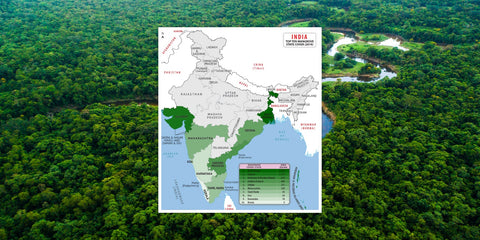 Top 10 Mangrove Forests in India: Coastal Ecosystem Treasures
 Seaside Mahoe Tree: The Ultimate Coastal Conservation Marvel
 Mangrove restoration for coastal refineries, terminals and ports


Leave a comment