
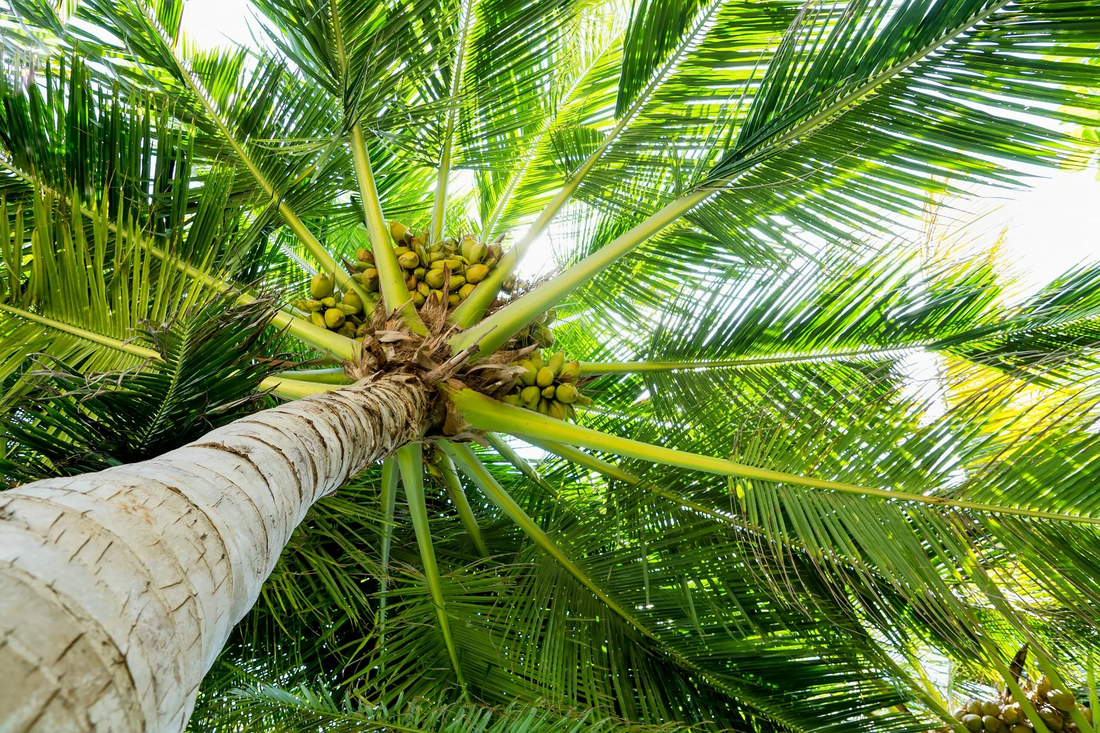
The coconut tree stands as one of nature's most revered gifts, earning its title as the "Tree of Life" through centuries of spiritual significance and practical benefits. This majestic palm (Cocos nucifera) represents purity, divinity, and prosperity Read more
Trending Tree Plantations - Most Popular Environmental Programs
-
Trees for Mother
Regular price ₹ 299Regular priceUnit price per -
Trees to Honor the Memory of your Loved Ones
Regular price ₹ 299Regular priceUnit price per -
Trees for Women's Day (8th Mar)
Regular price ₹ 299Regular priceUnit price per -
Trees for Wedding Anniversary Celebration
Regular price ₹ 299Regular priceUnit price per -
Trees for Grandmother
Regular price ₹ 299Regular priceUnit price per





Trees for Corporates - Achieve Net Zero Targets Through Strategic Tree Planting
-
 Project Closed
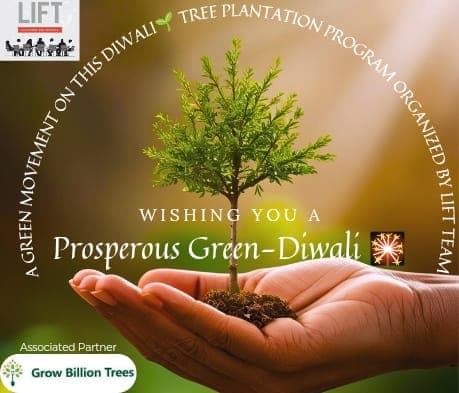
Trees by LIFT Team for Green Diwali: Transform Your Festival
Regular price ₹ 299Regular priceUnit price per -
Trees for a Greener Tomorrow - by Mahindra Lifespaces
Regular price ₹ 299Regular priceUnit price per -
Trees for Environment Day: Plant Your Impact on June 5th
Regular price ₹ 299Regular priceUnit price per -
 Project Closed
Trees for Bangalore: Plant Native Trees in Garden City ₹299
Regular price ₹ 799Regular priceUnit price per -
Trees for Employees: Transform Your Corporate Culture in 2026
Regular price ₹ 299Regular priceUnit price per
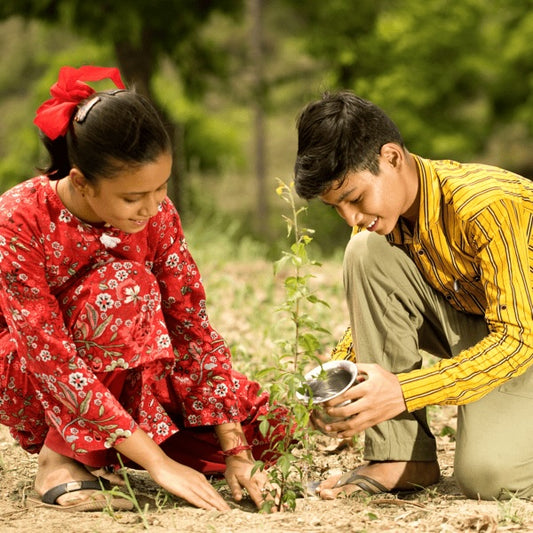

Coconut Tree: Sacred Tree of Life, Purity & Prosperity Guide
The coconut tree stands as one of nature's most revered gifts, earning its title as the "Tree of Life" through centuries of spiritual significance and practical benefits. This majestic palm (Cocos nucifera) represents purity, divinity, and prosperity in Indian culture, making it far more than just a source of nourishment. From temple rituals to coastal tourism, the coconut tree continues to inspire millions while providing sustainable solutions for communities worldwide.
The Divine Origins of the Coconut Tree in Hindu Mythology ✅
In Hindu mythology, the coconut is known as "Sriphala"—the fruit of the gods. Legend says that Sage Vishwamitra created the coconut tree as a divine offering when he attempted to create a new heaven. The three distinct marks on the coconut shell are believed to represent the eyes of Lord Shiva, making it a sacred fruit in Shaivism.
Breaking a coconut before any auspicious event symbolizes the breaking of the ego, offering oneself to the divine. It is also a ritualistic offering in temples across South India, especially in Kerala and Tamil Nadu, where priests break coconuts as part of daily worship ceremonies. This sacred practice connects devotees to ancient traditions while honoring the coconut tree's spiritual significance.
In the Vedas, the coconut is referred to as the "Kalpavriksha," the divine tree that grants all desires. It is said to have emerged from the churning of the cosmic ocean (Samudra Manthan) along with other divine items. Its presence in rituals across Vaishnavite and Shaivite traditions signifies its importance across sects.
Sacred Tourism: Where Coconut Trees Meet Spirituality ⭐
Tourists visiting temples in coastal India often witness coconut offerings as part of vibrant spiritual traditions. These experiences create lasting memories while supporting local communities and preserving ancient customs.
Sri Padmanabhaswamy Temple, Kerala
Visitors can see thousands of coconuts being offered daily to Lord Vishnu. Coconut oil lamps light up the premises, creating a divine ambiance that draws spiritual travelers from around the globe. The temple's connection to coconut trees showcases how these sacred palms enhance religious experiences.
Murudeshwar Temple, Karnataka
Set on a cliff facing the Arabian Sea, this temple features coconut palms lining the coast. Pilgrims and tourists alike offer coconuts and enjoy panoramic views of coconut groves and sea. The natural beauty of coconut trees against ocean backdrops creates unforgettable spiritual moments.
Rameswaram, Tamil Nadu
Tourists often engage in coconut-breaking rituals before taking a holy dip at Agni Theertham, as it's believed to cleanse sins and purify the soul. The coconut tree's role in these purification ceremonies demonstrates its deep spiritual significance.
Eco-tourism circuits in Kerala and Goa now include guided visits to traditional coconut farms, where tourists can learn to climb palms, extract coconut oil, and drink tender coconut water fresh from the tree—offering an immersive, cultural experience.
Environmental Benefits: The Coconut Tree's Role in Sustainability 💡
Beyond its spiritual importance, the coconut tree serves as a champion of environmental conservation. According to the United Nations Sustainable Development Goals, sustainable agriculture and forest conservation are crucial for our planet's future. Coconut trees perfectly embody these principles through their remarkable environmental contributions.
These resilient palms require minimal water compared to other crops, making them ideal for coastal regions facing climate challenges. The United Nations Environment Programme emphasizes how trees like coconuts help prevent soil erosion and maintain coastal ecosystems.
Key environmental benefits include:
- ✅ Carbon sequestration for up to 80 years
- ✅ Soil stabilization in coastal areas
- ✅ Habitat creation for diverse wildlife
- ✅ Natural windbreak protection
- ✅ Minimal water requirements
The Economic Prosperity of Coconut Tree Cultivation
The coconut tree truly lives up to its "Tree of Life" reputation by providing multiple income streams for farmers and communities. Every part of this remarkable palm serves a purpose, from the nutritious coconut water to the versatile coir fiber.
Economic benefits include:
- Coconut oil production for cooking and cosmetics
- Coir fiber for sustainable products
- Coconut water as a health beverage
- Palm fronds for roofing and crafts
- Tourism revenue through coconut farms
The United Nations Climate Change initiative recognizes how sustainable tree cultivation like coconut farming helps communities adapt to climate change while generating income.
Grow Billion Trees: Reviving Sacred Coconut Plantations ➡️
Grow Billion Trees is working to revive the mythological legacy of sacred trees like coconut by encouraging their plantation in temple towns and coastal belts. Our mission to plant 100 crore trees in India includes dedicated coconut tree programs that honor both environmental and spiritual values.
The initiative is gaining momentum in areas like Kanchipuram, Udupi, and Alappuzha, where community members and spiritual centers are collaborating to plant thousands of coconut palms. When you Plant a tree in your Name for just ₹299, you're supporting this sacred mission while contributing to India's green future.
These plantations are designed not just for ecological restoration but to enhance spiritual tourism. Sacred groves are being reimagined to include coconut palms where tourists can meditate, participate in rituals, and learn about Vedic ecology. Our comprehensive program includes 4ft Tree Planting + 3 Years Care + GeoTag technology, ensuring your coconut tree thrives for generations.
Health and Nutritional Benefits of Coconut Products
The coconut tree's reputation as the "Tree of Life" extends to its remarkable health benefits. Every part of the coconut offers unique nutritional advantages that have sustained coastal communities for centuries.
Coconut water benefits:
- Natural electrolyte replacement
- Rich in potassium and magnesium
- Low in calories and sugar
- Supports heart health
Coconut oil advantages:
- Medium-chain triglycerides for energy
- Antimicrobial properties
- Skin and hair nourishment
- Cooking versatility
Combating Climate Change Through Collective Action
Coconut trees play a vital role in our fight against climate change. These resilient palms can withstand harsh coastal conditions while providing carbon sequestration benefits for decades. By supporting coconut tree plantations, we're investing in both environmental protection and cultural preservation.
Our corporate partners working toward Net Zero Targets often choose coconut tree plantations as part of their sustainability initiatives. These trees offer long-term carbon storage while supporting local communities and preserving sacred traditions.
The Cultural Heritage of Coconut Trees in India
Coconut trees are deeply woven into India's cultural fabric, representing prosperity and auspiciousness across various traditions. From wedding ceremonies to housewarming rituals, coconuts mark significant life events and spiritual milestones.
In South Indian classical dance forms like Bharatanatyam and Kathakali, coconut trees often appear in storytelling, symbolizing fertility and abundance. The tree's graceful form and life-sustaining properties make it a perfect metaphor for divine blessings and earthly prosperity.
Sustainable Coconut Farming Practices
Modern coconut cultivation embraces sustainable practices that honor both tradition and environmental responsibility. Organic farming methods, integrated pest management, and water conservation techniques ensure coconut trees continue thriving while minimizing ecological impact.
Sustainable practices include:
- Organic fertilization methods
- Rainwater harvesting systems
- Intercropping with compatible plants
- Natural pest control solutions
- Soil health monitoring
Frequently Asked Questions
Why is the coconut tree called the Tree of Life?
The coconut tree earns this title because every part serves a purpose - from nutritious coconut water and oil to versatile coir fiber and palm fronds. It provides food, shelter, income, and spiritual significance, truly sustaining life in multiple ways.
What makes coconut trees sacred in Hindu mythology?
Coconut trees are considered sacred because they're known as "Sriphala" (fruit of the gods) and "Kalpavriksha" (wish-fulfilling tree) in Hindu scriptures. The three marks on coconuts represent Lord Shiva's eyes, making them essential in temple rituals and spiritual ceremonies.
How do coconut trees contribute to environmental conservation?
Coconut trees provide excellent carbon sequestration, prevent coastal erosion, require minimal water, and create habitats for wildlife. They're naturally resistant to storms and help protect coastal communities from harsh weather conditions.
Can I plant a coconut tree through Grow Billion Trees?
Yes! You can Plant a tree in your Name for ₹299 through our coconut tree plantation program. We provide 4ft Tree Planting + 3 Years Care + GeoTag tracking, ensuring your tree thrives while contributing to our goal of planting 100 crore trees in India.
What are the main economic benefits of coconut cultivation?
Coconut cultivation provides multiple income streams including coconut oil production, coir fiber manufacturing, coconut water bottling, tourism revenue, and craft materials. A single tree can generate income for 60-80 years.
How do coconut trees support spiritual tourism in India?
Coconut trees enhance spiritual tourism by creating sacred atmospheres at temples, providing materials for religious ceremonies, and offering immersive cultural experiences. Many coastal temples feature coconut groves that attract pilgrims and tourists seeking spiritual connections.
What role do coconut trees play in achieving Net Zero Targets?
Coconut trees contribute to Net Zero Targets through long-term carbon sequestration, sustainable agriculture practices, and reduced environmental impact compared to other crops. Corporate partners often choose coconut plantations for their carbon offset initiatives.
Are coconut trees suitable for coastal climate conditions?
Absolutely! Coconut trees are perfectly adapted to coastal conditions, thriving in sandy soils and salt-laden air. They're naturally resistant to cyclones and provide excellent protection against coastal erosion and strong winds.
Conclusion: Nurturing Sacred Traditions Through Tree Plantation
The coconut tree stands at the crossroads of myth and mindfulness—its form symbolizing self-sacrifice, its fruit symbolizing purity, and its presence enriching both ecology and spirituality. Whether through a temple ritual or a coastal retreat, people connect with the essence of the coconut tree not just through sight, but through sacred experience.
By preserving and planting coconut trees, we're not only conserving a resilient species but also nurturing a lineage of sacred traditions. Our mission of Combating Climate Change Through Collective Action includes honoring these ancient symbols while building a sustainable future.
Join Grow Billion Trees in celebrating the coconut tree's legacy of life, purity, and prosperity. Plant your coconut tree today and become part of India's green revolution while preserving sacred traditions for future generations. Together, we can ensure the Tree of Life continues to flourish—one coconut, one prayer, and one meaningful action at a time.
You may also like
-
Gift a Tree - Meaningful Environmental Gifts That Make a Difference
Transform your gift-giving with meaningful environmental gifts that create lasting impact for...
-
Trees For Shiv Ji - Sacred Tree Planting to Honor Lord Shiva
Honor Lord Shiva through sacred tree planting with Trees For Shiv Ji,...
-

Tree Plantations for Shri Ram - Sacred Devotional Planting Services
Honor Lord Shri Ram through meaningful tree plantations for Shri Ram that...
-
Tree Plantation on Navratri - Celebrate Divine Festivals with Environmental Devotion
Tree plantation on Navratri transforms the sacred nine-day festival into a powerful...
-
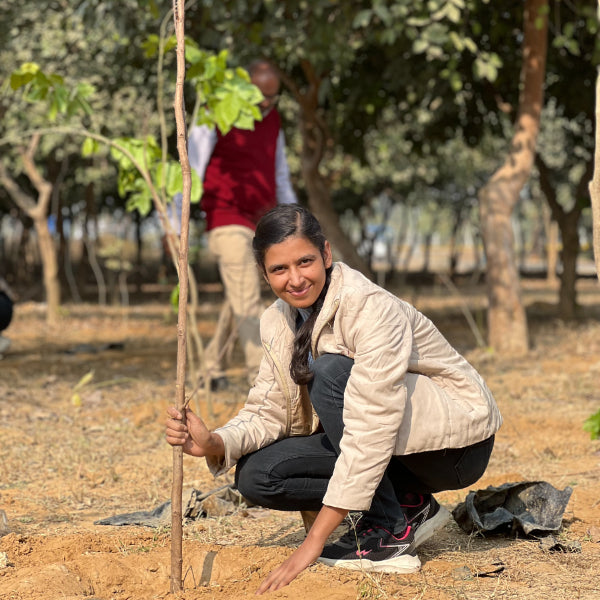
Tree Plantation by Cause - Plant Trees for Every Purpose | Grow Billion Trees
Transform your environmental impact with purpose-driven tree plantation by cause programs that...
Corporate Plantations
-
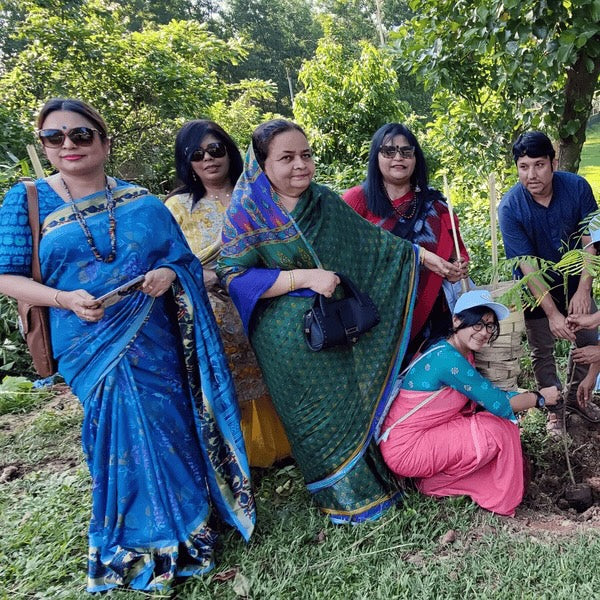
Trees for Corporates - Achieve Net Zero Targets Through Strategic Tree Planting
Trees for Corporates - Strategic Environmental SolutionsTransform your corporate environmental impact with...
-
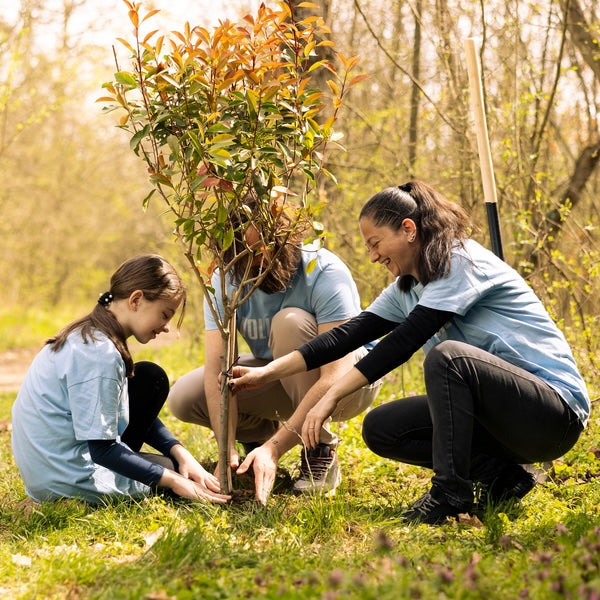
Tree Plantation for CSR - Corporate Environmental Programs | Grow Billion Trees
Tree Plantation for CSR - Transform Your Corporate Environmental ImpactTree plantation for...
-
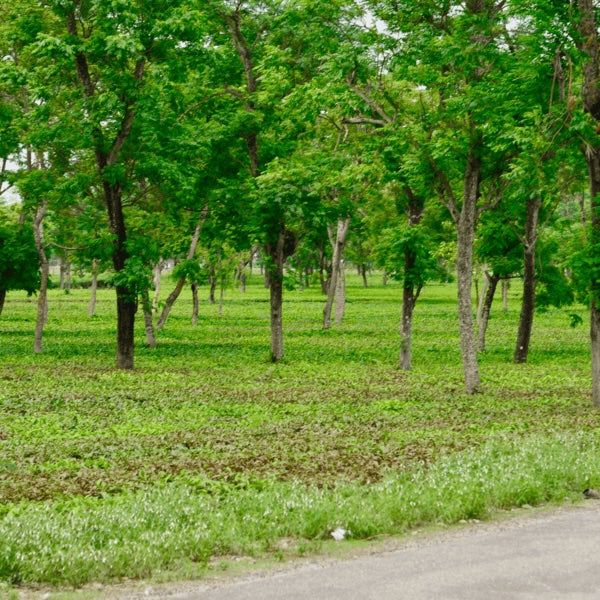
Tree Plantation for SDG - Support Sustainable Development Goals
Tree plantation for SDG initiatives represents a powerful pathway to achieving multiple...
-

Corporate Tree Plantation Programs - Sustainable ESG Environmental Solutions for Net Zero Targets
Transform your organization's environmental impact with our comprehensive Corporate Tree Plantation Programs...
-
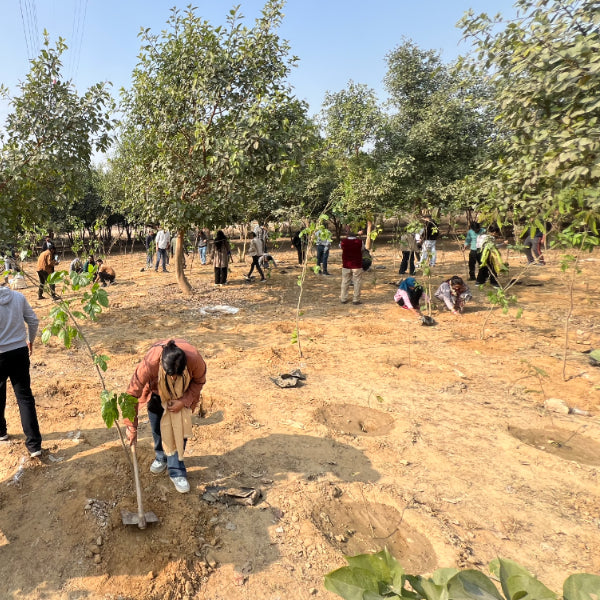
Tree Plantation by Location - Plant Trees Across India
Transform landscapes nationwide through our comprehensive tree plantation by location program. When...
Most Popular Tree Plantations - Top Choices for Environmental Impact
-
Trees for Mother
Regular price ₹ 299Regular priceUnit price per -
Trees to Honor the Memory of your Loved Ones
Regular price ₹ 299Regular priceUnit price per -
Trees for Wedding Anniversary Celebration
Regular price ₹ 299Regular priceUnit price per -
Trees for Grandmother
Regular price ₹ 299Regular priceUnit price per -
Trees for Grandfather
Regular price ₹ 299Regular priceUnit price per

Connect with us
-
👥 Corporates
If you are looking for:
- 🌲 Tree Plantation Events
- 📊 CSR Projects
📧 corporate@growbilliontrees.com
📞 +91 9699723523
💬 +91 9325931304 WhatsApp (Only)
🕒 Mon - Sat | 10am - 7pm IST
-
🧩 Tree Plantation NGOs
If you are looking for:
- 💰 Financial Assistance
- 🤝 Operational Support
📧 support@growbilliontrees.com
📞 +91 9699723523
💬 +91 9325931304 WhatsApp (Only)
🕒 Mon - Sat | 10am - 7pm IST
-
🌼 Individuals
If you are looking for:
- 👥 Group Tree Plantation Drive
- 🌳 Bulk Tree Plantation
📞 +91 9699723523
💬 +91 9325931304 WhatsApp (Only)
🕒 Mon - Sat | 10am - 7pm IST
