
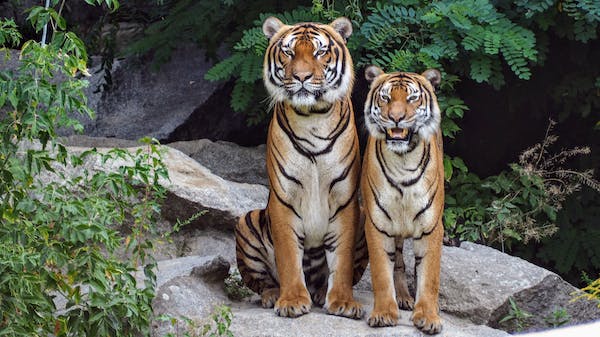
A single tree can support anywhere from 50 to over 500 animal species on average, depending on the tree's size, age, and species. This remarkable number demonstrates how trees serve as complete ecosystems, providing food, shelter, and breeding ground Read more
Trending Tree Plantations - Most Popular Environmental Programs
-
Trees for Mother
Regular price ₹ 299Regular priceUnit price per -
Trees to Honor the Memory of your Loved Ones
Regular price ₹ 299Regular priceUnit price per -
Trees for Women's Day (8th Mar)
Regular price ₹ 299Regular priceUnit price per -
Trees for Wedding Anniversary Celebration
Regular price ₹ 299Regular priceUnit price per -
Trees for Grandmother
Regular price ₹ 299Regular priceUnit price per





Trees for Corporates - Achieve Net Zero Targets Through Strategic Tree Planting
-
 Project Closed
Trees by LIFT Team for Green Diwali: Transform Your Festival
Regular price ₹ 299Regular priceUnit price per -
Trees for a Greener Tomorrow - by Mahindra Lifespaces
Regular price ₹ 299Regular priceUnit price per -
Trees for Environment Day: Plant Your Impact on June 5th
Regular price ₹ 299Regular priceUnit price per -
 Project Closed
Trees for Bangalore: Plant Native Trees in Garden City ₹299
Regular price ₹ 799Regular priceUnit price per -
Trees for Employees: Transform Your Corporate Culture in 2026
Regular price ₹ 299Regular priceUnit price per

How Many Animals Does a Tree Support? Wildlife & Biodiversity
A single tree can support anywhere from 50 to over 500 animal species on average, depending on the tree's size, age, and species. This remarkable number demonstrates how trees serve as complete ecosystems, providing food, shelter, and breeding grounds for countless creatures. Understanding this intricate relationship reveals why protecting and planting trees is crucial for biodiversity conservation.
Trees are nature's apartment buildings, housing diverse communities of animals from microscopic insects to large mammals. Each tree creates a unique microhabitat that supports life at multiple levels, from its roots deep underground to its crown reaching toward the sky.
✅ The Tree-Animal Connection: A Complex Web of Life
It is difficult to give a precise answer to this question because it depends on the species of tree and the type of ecosystem it is growing in. Some trees may support very few animals, while others may support a wide variety of animals.
The relationship between trees and animals is symbiotic and multifaceted. Trees provide essential resources while animals contribute to tree health through pollination, seed dispersal, and pest control. This interconnected system forms the backbone of forest ecosystems worldwide.
According to the World Wildlife Fund's forest conservation initiatives, trees in tropical rainforests can support the highest diversity of animal species, with some individual trees hosting over 1,000 different species when including all microorganisms and insects.
🐛 Insects: The Most Abundant Tree Residents
Many trees are home to a wide variety of insects, including beetles, ants, butterflies, moths, and more. These insects may feed on the tree's leaves, flowers, or fruit, or they may use the tree as a place to lay their eggs.
Insect diversity on trees includes:
- Leaf-eating caterpillars and beetles
- Nectar-feeding butterflies and bees
- Wood-boring insects like termites and carpenter ants
- Predatory insects that control pest populations
- Decomposer insects that break down organic matter
A mature oak tree alone can support over 500 species of insects. These tiny creatures form the foundation of the tree's food web, supporting larger animals up the chain. Research shows that insects make up approximately 80% of all animal species living in trees.
🐦 Birds: Feathered Tree Inhabitants
Many species of birds rely on trees for food and shelter. Some birds, such as woodpeckers, feed on insects that live in trees, while others, such as fruit-eating birds, feed on the tree's fruit. Trees also provide nesting sites for many bird species.
Birds utilize trees for:
- Nesting and breeding sites in branches and cavities
- Food sources including insects, fruits, and seeds
- Roosting spots for rest and protection
- Territorial perches for communication
- Migration stopover points
Different tree species attract different bird communities. Fruit trees support seed-dispersing birds, while coniferous trees provide year-round shelter and attract insect-eating species. A single large tree can host 20-50 bird species throughout the year.
🐿️ Mammals: From Tiny to Large Tree Dwellers
Some tree species provide food and shelter for mammals, such as squirrels, which feed on the tree's nuts or seeds. Trees may also provide habitat for larger mammals, such as monkeys or bats, which may live in the tree's canopy or use the tree for roosting.
Mammalian tree residents include:
- Small mammals: squirrels, chipmunks, and mice
- Arboreal primates in tropical regions
- Bats using tree cavities for roosting
- Large mammals using trees for shade and shelter
- Nocturnal mammals like opossums and raccoons
Tree cavities created by decay or woodpecker activity provide crucial nesting sites for mammals. These natural homes are especially important in urban environments where other shelter options are limited.
⭐ Factors Affecting Animal Diversity in Trees
Overall, the number of animals that a tree can support depends on the tree's size, age, and the resources it provides. Some trees may support a small number of animals, while others may support a diverse community of animals.
Tree Size and Age
Larger, older trees support significantly more animals than younger ones. Mature trees offer:
- More surface area for insects and nesting sites
- Complex bark structures providing hiding places
- Developed root systems supporting soil organisms
- Greater food production through flowers and fruits
Tree Species Characteristics
Native tree species typically support 10-50 times more animals than non-native species. This occurs because local animals have evolved alongside native trees, developing specialized relationships over thousands of years.
Ecosystem Context
Trees in diverse forest environments support more species than isolated urban trees. However, even single urban trees can host 100-200 animal species when properly maintained and connected to green corridors.
💡 The Miyawaki Method: Creating Biodiverse Urban Forests
The United Nations Environment Programme recognizes innovative forest restoration methods like the Miyawaki technique for creating dense, biodiverse urban forests. This method plants native species close together, creating forests that mature 10 times faster and support 30 times more biodiversity than conventional plantations.
At Grow Billion Trees, we implement the Miyawaki method to maximize animal habitat creation. Our 4ft Tree Planting + 3 Years Care + GeoTag program ensures each tree reaches its full potential for supporting wildlife. When you Plant a tree in your Name for just ₹299, you're creating a future home for hundreds of animals.
🌳 Trees as Climate Change Solutions
The United Nations climate change initiatives emphasize that protecting and restoring forests is crucial for achieving global climate goals. Trees supporting diverse animal communities create more resilient ecosystems that better withstand climate impacts.
Our mission of planting 100 crore trees across India directly contributes to wildlife conservation. Each tree becomes a beacon of life, supporting countless animals while helping achieve Net Zero Targets for a sustainable future.
🏙️ Urban Trees: Wildlife Oases in Cities
Urban trees face unique challenges but remain vital for city wildlife. Despite pollution and limited space, city trees can support:
- Migratory birds during seasonal movements
- Urban-adapted mammals like squirrels and bats
- Pollinating insects crucial for urban gardens
- Beneficial predators that control pest populations
Strategic urban tree planting creates green corridors that connect fragmented habitats, allowing animals to move safely through cities. Our urban forestry programs in Mumbai, Bangalore, Delhi, Chennai, and Hyderabad focus on creating these vital wildlife pathways.
🌱 Agroforestry: Supporting Farm Animals and Wildlife
Agroforestry systems integrate trees into agricultural landscapes, supporting both farm productivity and wildlife diversity. These systems can host 2-3 times more animal species than conventional farms while providing farmers with additional income sources.
Our agroforestry programs help farmers plant trees that support beneficial insects, birds that control pests, and soil organisms that improve crop yields. This approach demonstrates how Combating Climate Change Through Collective Action benefits both people and wildlife.
Frequently Asked Questions
How many insects can a single tree support?
A mature tree can support 200-500 insect species on average, with some tropical trees hosting over 1,000 species. Oak trees are particularly rich, supporting over 500 insect species in temperate regions.
Do different tree species support different numbers of animals?
Yes, native tree species typically support 10-50 times more animals than non-native species. Oak, willow, and birch trees are among the highest supporters of wildlife diversity.
How does tree age affect animal diversity?
Older trees support significantly more animals due to complex bark structures, cavities for nesting, and established root systems. A 100-year-old tree may support 5-10 times more species than a 10-year-old tree.
Can urban trees support as many animals as forest trees?
Urban trees typically support fewer species due to pollution and isolation, but they can still host 100-200 animal species. Connecting urban trees through green corridors increases their wildlife value significantly.
What role do trees play in supporting endangered species?
Many endangered species depend entirely on specific tree species for survival. Protecting and planting native trees is crucial for conservation efforts, as trees provide irreplaceable habitat and food sources.
How do trees support animals during different seasons?
Trees provide year-round support through seasonal fruits, winter shelter, spring nesting sites, and summer shade. Deciduous trees offer different resources than evergreens, supporting diverse seasonal animal communities.
What happens to animal populations when trees are removed?
Tree removal can eliminate habitat for hundreds of animal species locally. The World Wildlife Fund reports that deforestation is a primary threat to global biodiversity, disrupting entire ecosystem food webs.
How can individuals help increase tree-supported animal populations?
Plant native trees, maintain existing trees properly, create wildlife-friendly gardens, and support reforestation organizations. Even small actions like providing nesting boxes can significantly increase local animal populations.
🌍 Join the Movement: Plant Trees, Save Wildlife
Understanding how many animals trees support reveals the urgent need for massive reforestation efforts. Every tree we plant creates a thriving ecosystem that supports hundreds of species while combating climate change.
At Grow Billion Trees, we're committed to planting trees that maximize wildlife benefits. Our comprehensive approach includes native species selection, proper spacing for wildlife movement, and long-term care ensuring trees reach their full potential as animal habitats.
Take action today by planting a tree that will support countless animals for generations. Visit Grow Billion Trees to start your journey toward creating a more biodiverse, sustainable future. Together, we can build living ecosystems that nurture both wildlife and our planet's health.
You may also like
-

Gift a Tree - Meaningful Environmental Gifts That Make a Difference
Transform your gift-giving with meaningful environmental gifts that create lasting impact for...
-
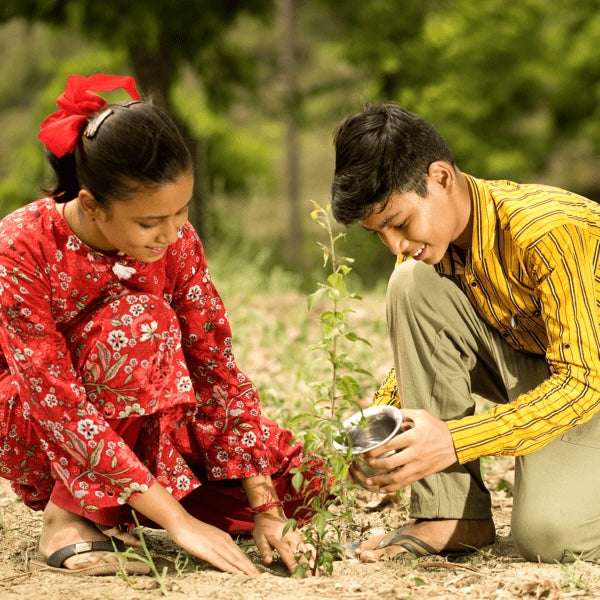
Trees For Shiv Ji - Sacred Tree Planting to Honor Lord Shiva
Honor Lord Shiva through sacred tree planting with Trees For Shiv Ji,...
-

Tree Plantations for Shri Ram - Sacred Devotional Planting Services
Honor Lord Shri Ram through meaningful tree plantations for Shri Ram that...
-
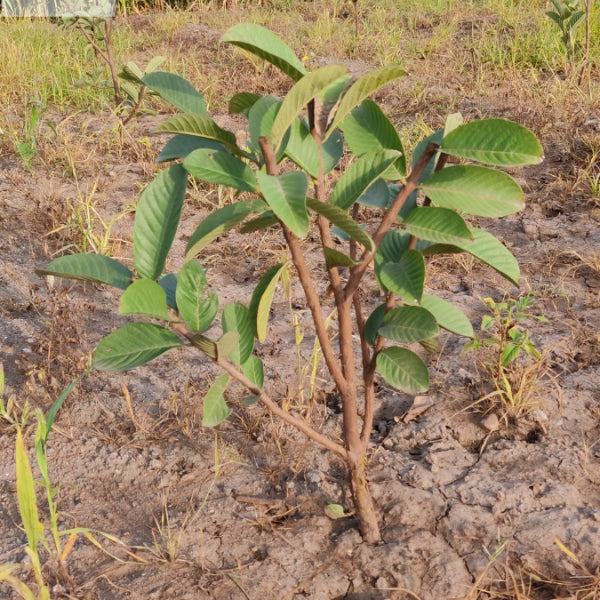
Tree Plantation on Navratri - Celebrate Divine Festivals with Environmental Devotion
Tree plantation on Navratri transforms the sacred nine-day festival into a powerful...
-
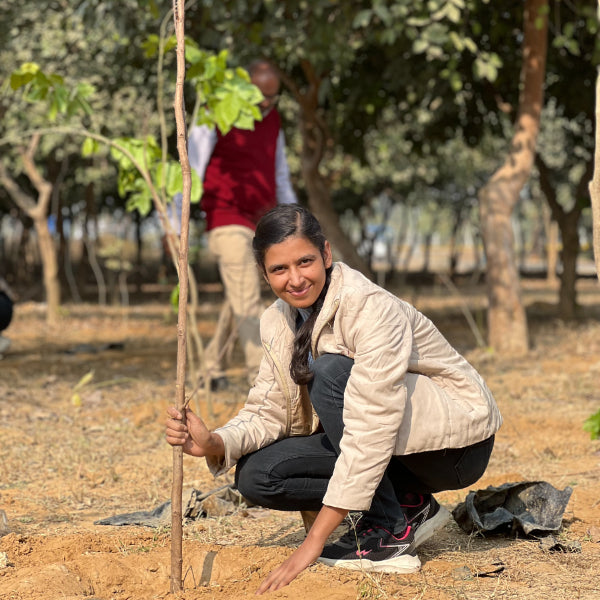
Tree Plantation by Cause - Plant Trees for Every Purpose | Grow Billion Trees
Transform your environmental impact with purpose-driven tree plantation by cause programs that...
Corporate Plantations
-
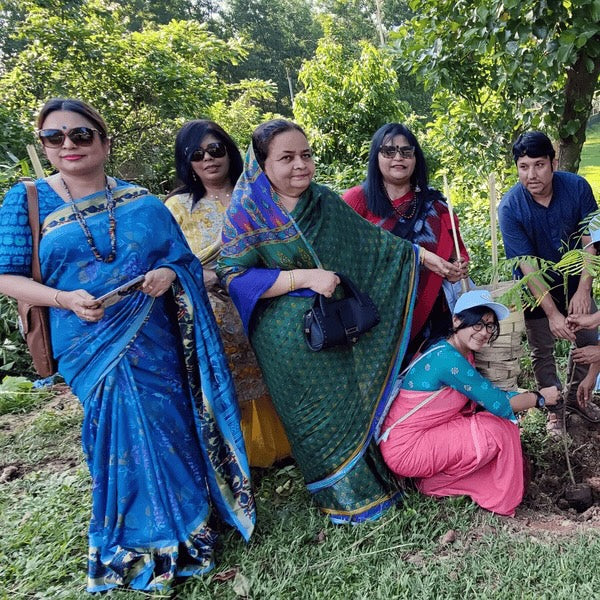
Trees for Corporates - Achieve Net Zero Targets Through Strategic Tree Planting
Trees for Corporates - Strategic Environmental SolutionsTransform your corporate environmental impact with...
-
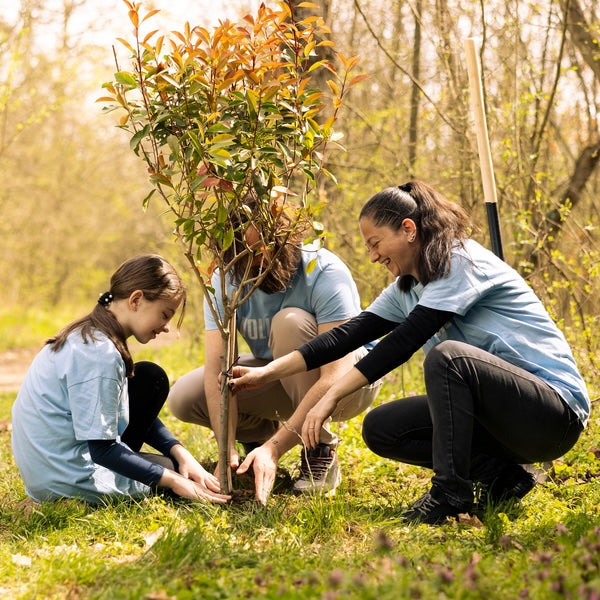
Tree Plantation for CSR - Corporate Environmental Programs | Grow Billion Trees
Tree Plantation for CSR - Transform Your Corporate Environmental ImpactTree plantation for...
-
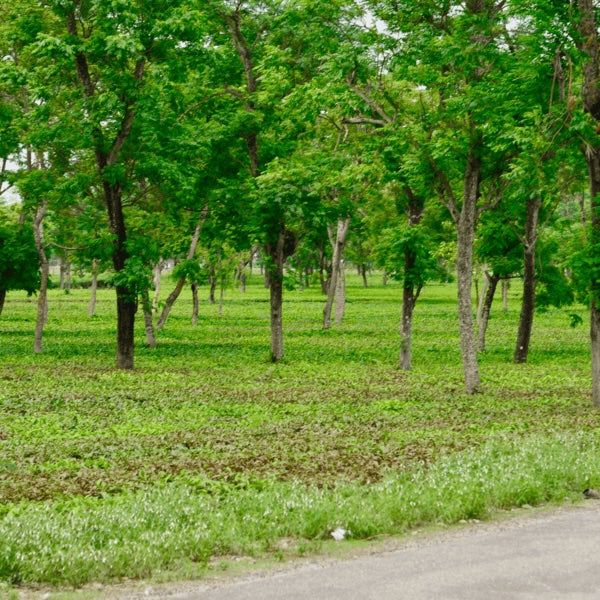
Tree Plantation for SDG - Support Sustainable Development Goals
Tree plantation for SDG initiatives represents a powerful pathway to achieving multiple...
-

Corporate Tree Plantation Programs - Sustainable ESG Environmental Solutions for Net Zero Targets
Transform your organization's environmental impact with our comprehensive Corporate Tree Plantation Programs...
-
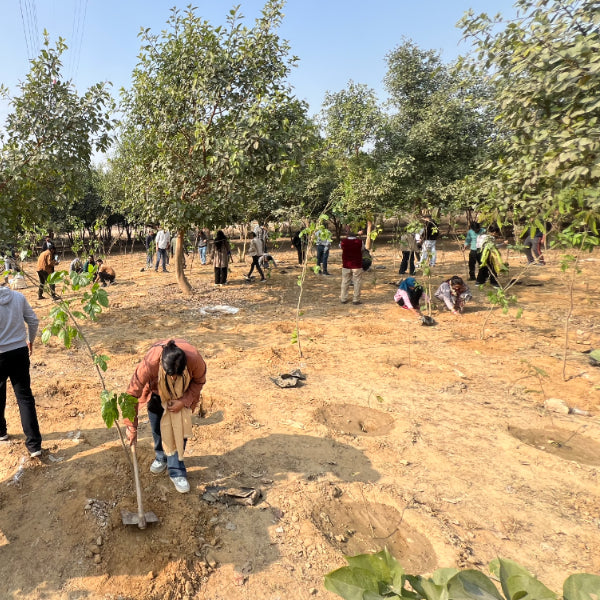
Tree Plantation by Location - Plant Trees Across India
Transform landscapes nationwide through our comprehensive tree plantation by location program. When...
Most Popular Tree Plantations - Top Choices for Environmental Impact
-
Trees for Mother
Regular price ₹ 299Regular priceUnit price per -
Trees to Honor the Memory of your Loved Ones
Regular price ₹ 299Regular priceUnit price per -
Trees for Wedding Anniversary Celebration
Regular price ₹ 299Regular priceUnit price per -
Trees for Grandmother
Regular price ₹ 299Regular priceUnit price per -
Trees for Grandfather
Regular price ₹ 299Regular priceUnit price per

Connect with us
-
👥 Corporates
If you are looking for:
- 🌲 Tree Plantation Events
- 📊 CSR Projects
📧 corporate@growbilliontrees.com
📞 +91 9699723523
💬 +91 9325931304 WhatsApp (Only)
🕒 Mon - Sat | 10am - 7pm IST
-
🧩 Tree Plantation NGOs
If you are looking for:
- 💰 Financial Assistance
- 🤝 Operational Support
📧 support@growbilliontrees.com
📞 +91 9699723523
💬 +91 9325931304 WhatsApp (Only)
🕒 Mon - Sat | 10am - 7pm IST
-
🌼 Individuals
If you are looking for:
- 👥 Group Tree Plantation Drive
- 🌳 Bulk Tree Plantation
📞 +91 9699723523
💬 +91 9325931304 WhatsApp (Only)
🕒 Mon - Sat | 10am - 7pm IST
