
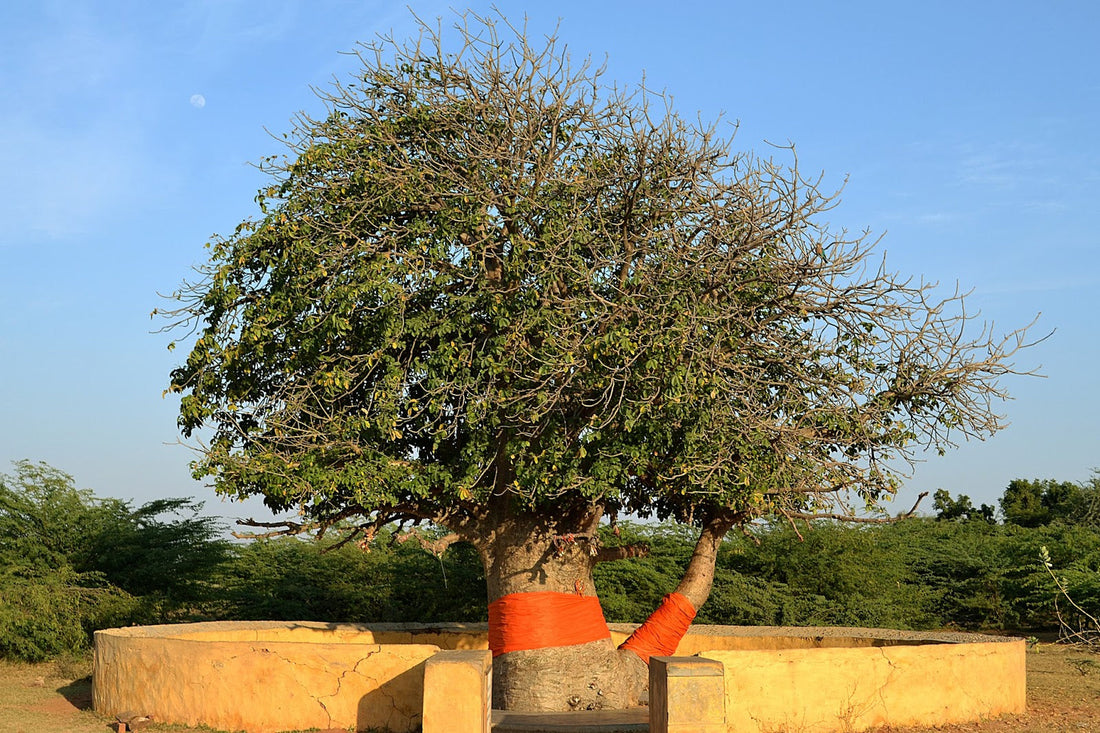
The Kalpavriksha, the celestial wish-fulfilling tree of Hindu mythology, isn't just a symbol—it's a living legend rooted in ancient belief. This divine tree represents humanity's eternal connection with nature and our collective aspiration for harmon Read more
Trending Tree Plantations - Most Popular Environmental Programs
-
Trees for Birthday Celebration - Plant a Meaningful Gift
Regular price ₹ 299Regular priceUnit price per -
Trees for Mother
Regular price ₹ 299Regular priceUnit price per -
Trees as a Gift - Plant Hope & Create Lasting Impact
Regular price ₹ 299Regular priceUnit price per -
Trees to Honor the Memory of your Loved Ones
Regular price ₹ 299Regular priceUnit price per -
Trees for Women's Day (8th Mar)
Regular price ₹ 299Regular priceUnit price per
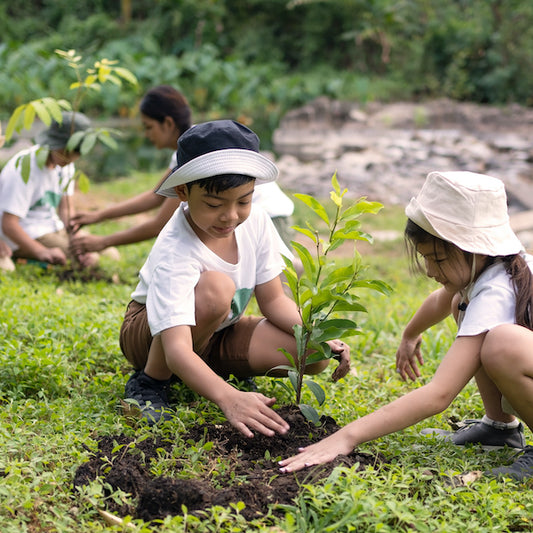


Trees for Corporates - Achieve Net Zero Targets Through Strategic Tree Planting
-
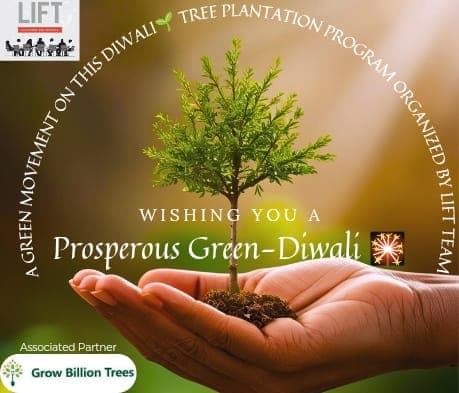
Trees by LIFT Team for Green Diwali - Eco-Friendly Celebration
Regular price ₹ 299Regular priceUnit price per -
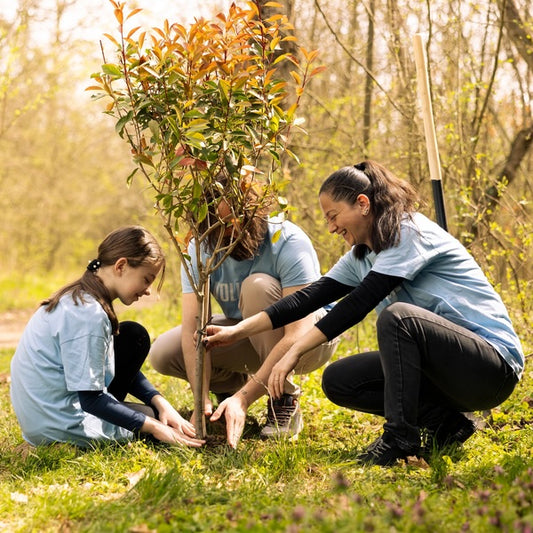
Plant Trees for Environment - Climate Action & Green Future
Regular price ₹ 299Regular priceUnit price per -
Trees for a Greener Tomorrow - by Mahindra Lifespaces
Regular price ₹ 299Regular priceUnit price per -
Trees for Farmers - Sustainable Agroforestry Solutions
Regular price ₹ 299Regular priceUnit price per -
Plant Trees for Environment Day (5th Jun) - Make an Impact Today
Regular price ₹ 299Regular priceUnit price per

Kalpavriksha: The Divine Wish-Fulfilling Tree of Indian Mythology
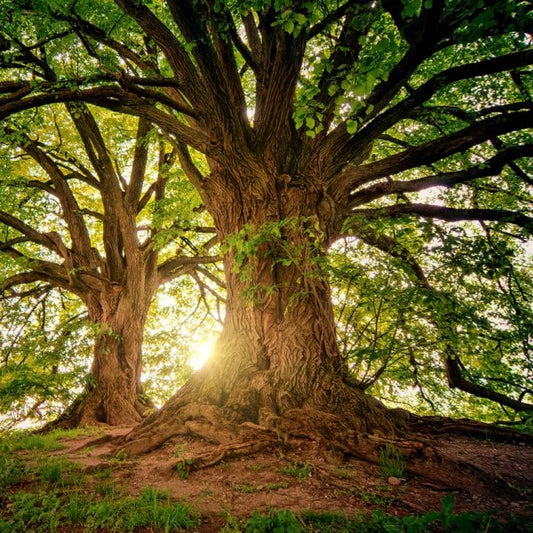
The Kalpavriksha, the celestial wish-fulfilling tree of Hindu mythology, isn't just a symbol—it's a living legend rooted in ancient belief. This divine tree represents humanity's eternal connection with nature and our collective aspiration for harmony between spiritual wishes and environmental preservation. Across India, trees believed to be Kalpavriksha incarnations are still worshipped and visited by thousands of pilgrims and tourists every year, creating a bridge between mythology and modern conservation efforts.
✅ Mythological Origins of Kalpavriksha
Kalpavriksha is believed to have emerged during the Samudra Manthan—the cosmic churning of the ocean by gods (Devas) and demons (Asuras) in Hindu mythology. Alongside treasures like Kamdhenu and Lakshmi, the Kalpavriksha appeared as a divine tree capable of granting any wish. The Devas planted it in Indralok (heaven), where it became a source of endless abundance.
This tree is described in scriptures like the Bhagavata Purana and Vishnu Purana, where it stands in the heavenly gardens of Lord Indra, surrounded by apsaras and sages. Seeking its blessings is considered equivalent to receiving divine grace. The mythology emphasizes how trees serve as divine intermediaries, much like how modern environmental science recognizes forests as crucial for planetary health.
⭐ Tourist Attractions Linked to Kalpavriksha
Kalpavriksha Tree in Joshimath, Uttarakhand
In the sacred town of Joshimath, a 1200-year-old Mulberry tree is locally revered as the Kalpavriksha. Legend says Adi Shankaracharya meditated beneath this tree before establishing the four mathas (monastic centers). Pilgrims and tourists visit the spot to witness this divine tree believed to fulfill spiritual aspirations.
Tour operators in Uttarakhand include this stop in religious circuits, especially those exploring Badrinath and Hemkund Sahib. The ancient tree stands as a testament to how forest conservation efforts can preserve both cultural heritage and biodiversity for future generations.
Kalpavriksha Tree in Vrindavan, Uttar Pradesh
In Vrindavan, the land of Lord Krishna, a sacred Banyan tree near the Madan Mohan temple is worshipped as Kalpavriksha. Devotees tie threads around its branches and whisper their wishes into the wind, believing that Krishna himself blesses them. Visitors from around the world, especially during Holi and Janmashtami, flock to this site as part of their spiritual itinerary.
The Banyan tree's extensive root system symbolizes the interconnectedness of all life, reflecting principles similar to those outlined in the United Nations Sustainable Development Goals, which emphasize environmental protection and spiritual well-being.
Kalpavriksha at Manikarnika Ghat, Varanasi
At Manikarnika Ghat in Varanasi, a Peepal tree associated with the Kalpavriksha stands close to cremation grounds. Locals believe that dying under or near this tree ensures moksha (liberation from rebirth). Spiritual seekers, sadhus, and even curious international tourists visit this sacred tree as part of the "Death and Rebirth" themed spiritual tours of Varanasi.
Kalpavriksha-like Tree at Akshardham Temple, Delhi
While not ancient, the Akshardham Temple in Delhi features a symbolic Kalpavriksha made of brass. Pilgrims and sightseers engage with this interactive installation that narrates mythological stories tied to the wish-fulfilling tree. It draws both religious devotees and tourists, especially those interested in Hindu art, culture, and digital storytelling.
Mythical Kalpavriksha in Jain Temples, Gujarat
In Jain cosmology, Kalpavrikshas fulfill the needs of those in the early Utsarpini cycle. Jain temples like Palitana feature carvings of Kalpavriksha trees, and pilgrims climbing the 3,800 steps to the Shatrunjaya hills often stop to offer silent prayers near these symbolic representations, asking for spiritual strength and detachment from worldly desires.
💡 Modern Environmental Significance
The Kalpavriksha mythology carries profound environmental wisdom that aligns with contemporary conservation efforts. Just as the divine tree provided for all needs without depleting itself, sustainable forestry practices ensure that forests continue to provide ecosystem services while regenerating naturally.
At Grow Billion Trees, we recognize this ancient wisdom in our mission to Plant a tree in your Name for just ₹299. Our comprehensive approach includes 4ft Tree Planting + 3 Years Care + GeoTag technology, ensuring each tree receives the nurturing it needs to thrive and fulfill its potential as a modern-day Kalpavriksha.
The concept of wish-fulfilling trees resonates with our goal of planting 100 crore trees across India by June 2030. Each tree planted becomes a living prayer for environmental restoration, Combating Climate Change Through Collective Action while honoring the spiritual traditions that have protected forests for millennia.
🌱 Kalpavriksha and Corporate Net Zero Targets
Modern corporations seeking to achieve Net Zero Targets can draw inspiration from the Kalpavriksha concept. Just as the mythical tree provided abundance without depletion, sustainable business practices create value while regenerating natural resources.
Our corporate tree planting programs help organizations fulfill their environmental commitments while connecting with India's rich spiritual heritage. Companies partnering with us receive detailed reports showing how their contributions support both carbon sequestration and cultural preservation, creating a modern interpretation of the wish-fulfilling tree's abundant giving.
According to United Nations Environment Programme research on forests, trees planted through organized reforestation efforts can sequester up to 40 pounds of carbon dioxide annually, making each planted tree a tangible step toward climate goals.
🎁 Planting Trees for Special Occasions
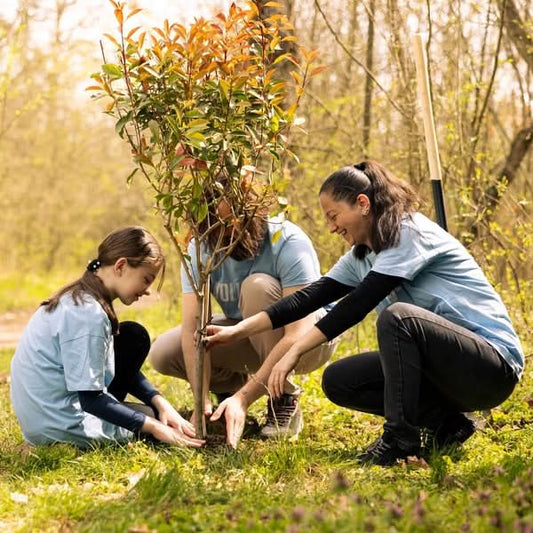
The tradition of seeking blessings from Kalpavriksha translates beautifully into modern tree gifting practices. Whether celebrating birthdays, memorializing loved ones, or marking Women's Day, planting a tree creates a living legacy that grows stronger with time.
Our personalized tree certificates include GeoTag coordinates, allowing gift recipients to visit their tree and witness its growth. This modern twist on the ancient practice of tree worship creates lasting connections between people and nature, fulfilling wishes for meaningful environmental action.
Each tree planted through our programs receives three years of dedicated care, ensuring it establishes strong roots and begins its journey as a carbon-absorbing, oxygen-producing gift to future generations. This commitment reflects the eternal nature of the Kalpavriksha's blessings.
🌿 Conservation Through Cultural Connection
The enduring appeal of Kalpavriksha stories demonstrates how cultural narratives can drive environmental conservation. When people view trees as sacred entities capable of granting wishes, they naturally become protectors rather than exploiters of forest resources.
Our Miyawaki forest creation projects embody this principle by establishing dense, diverse forests that become local sanctuaries. These mini-forests grow 10 times faster and become 30 times denser than conventional plantations, creating spaces where communities can reconnect with nature's abundance.
The United Nations climate change initiatives recognize that indigenous and traditional knowledge systems, like those surrounding sacred trees, offer valuable insights for modern conservation strategies.
Frequently Asked Questions
What is the significance of Kalpavriksha in Hindu mythology?
Kalpavriksha is the divine wish-fulfilling tree that emerged during Samudra Manthan (ocean churning) and was planted in heaven by the gods. It symbolizes abundance, divine grace, and the fulfillment of righteous desires while representing humanity's connection with nature.
Where can I visit real Kalpavriksha trees in India?
You can visit Kalpavriksha trees in Joshimath (Uttarakhand), Vrindavan (Uttar Pradesh), Varanasi, and symbolic representations in Akshardham Temple (Delhi) and various Jain temples in Gujarat. Each location offers unique spiritual experiences and cultural insights.
How does modern tree planting connect to Kalpavriksha mythology?
Modern tree planting honors the Kalpavriksha tradition by creating living legacies that provide environmental benefits like carbon sequestration, oxygen production, and biodiversity support. Each planted tree becomes a wish for a healthier planet and future generations.
Can corporations use Kalpavriksha symbolism for environmental initiatives?
Yes, corporations can adopt the Kalpavriksha concept of abundant giving without depletion to guide their sustainability efforts. Tree planting programs that support both environmental goals and cultural heritage create meaningful corporate social responsibility initiatives.
What makes Grow Billion Trees' approach special for tree planting?
Our comprehensive service includes 4ft Tree Planting + 3 Years Care + GeoTag technology for just ₹299, ensuring each tree receives proper nurturing. We combine modern conservation science with traditional reverence for trees, creating lasting environmental impact.
How do sacred trees contribute to biodiversity conservation?
Sacred trees like those considered Kalpavriksha incarnations are often protected by communities for generations, creating natural wildlife habitats and preserving genetic diversity. This cultural protection complements scientific conservation efforts.
What role does technology play in modern tree planting programs?
GeoTag technology allows tree planters to track their trees' growth and location, creating accountability and connection similar to how pilgrims visit sacred trees. This transparency ensures proper care and allows donors to witness their environmental impact.
How can individuals participate in creating modern Kalpavriksha forests?
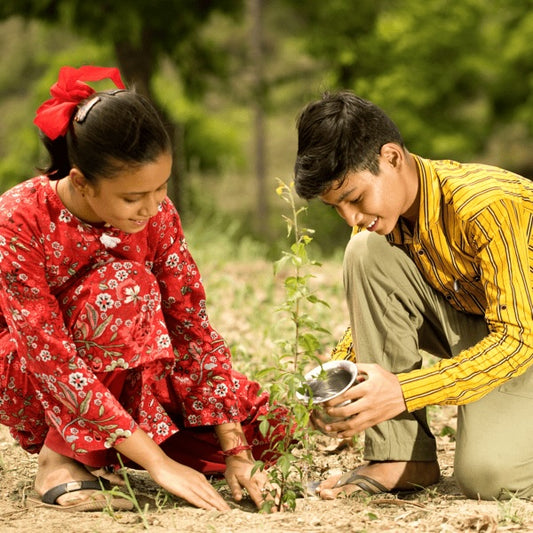
Individuals can plant trees for special occasions, support reforestation projects, or participate in community tree planting events. Each action contributes to creating forests that provide abundant benefits like the mythical Kalpavriksha.
What environmental benefits do trees provide that align with Kalpavriksha's abundant nature?
Trees provide oxygen, absorb carbon dioxide, prevent soil erosion, support wildlife, regulate temperature, and purify air and water. These abundant gifts mirror the Kalpavriksha's nature of providing for all needs without depletion.
How does tree worship tradition support modern conservation efforts?
Traditional tree worship creates emotional and spiritual connections that motivate long-term protection. When communities view trees as sacred, they naturally become conservation advocates, supporting both cultural heritage and environmental sustainability.
🌈 A Tree That Transcends Time
Kalpavriksha is not just a tale from scripture—it's a living part of India's sacred geography that continues to inspire environmental action today. Across various states, trees associated with this myth attract tourists, seekers, and devotees alike, creating bridges between ancient wisdom and modern conservation needs.
Whether seeking spiritual enlightenment, wish fulfillment, or environmental impact, the Kalpavriksha continues to draw people to its shade, one wish at a time. At Grow Billion Trees, we honor this tradition by making tree planting accessible, meaningful, and impactful for everyone who dreams of a greener future.
Ready to plant your own wish-fulfilling tree? Discover how you can Plant a tree in your Name and join our mission of Combating Climate Change Through Collective Action. Together, we can create forests that fulfill our collective wish for a sustainable, thriving planet.
You may also like
-
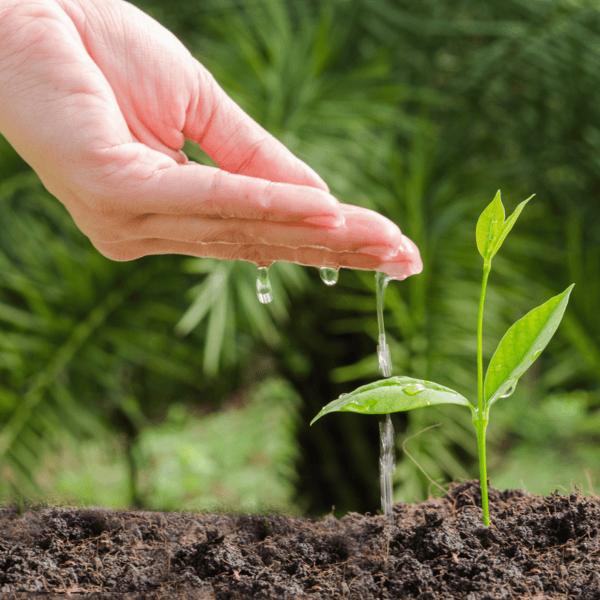
Gift a Tree - Meaningful Environmental Gifts That Make a Difference
Transform your gift-giving with meaningful environmental gifts that create lasting impact for...
-
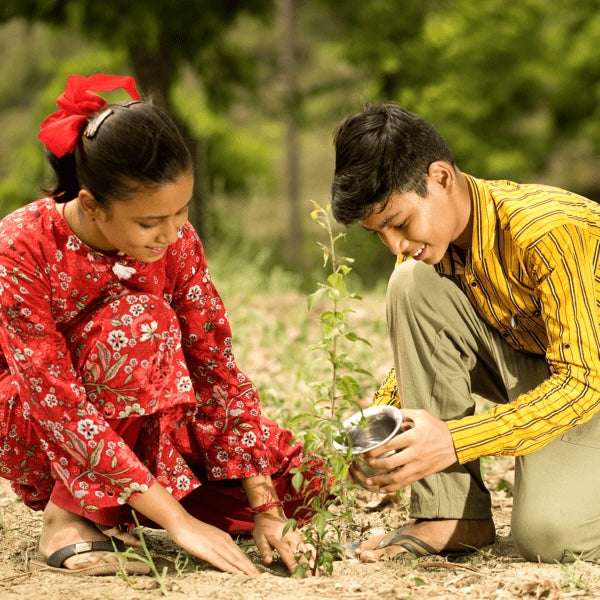
Trees For Shiv Ji - Sacred Tree Planting to Honor Lord Shiva
Honor Lord Shiva through sacred tree planting with Trees For Shiv Ji,...
-
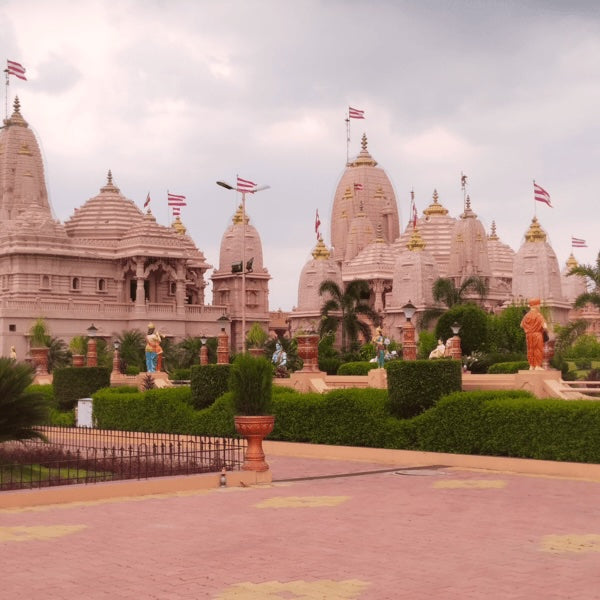
Tree Plantations for Shri Ram - Sacred Devotional Planting Services
Honor Lord Shri Ram through meaningful tree plantations for Shri Ram that...
-
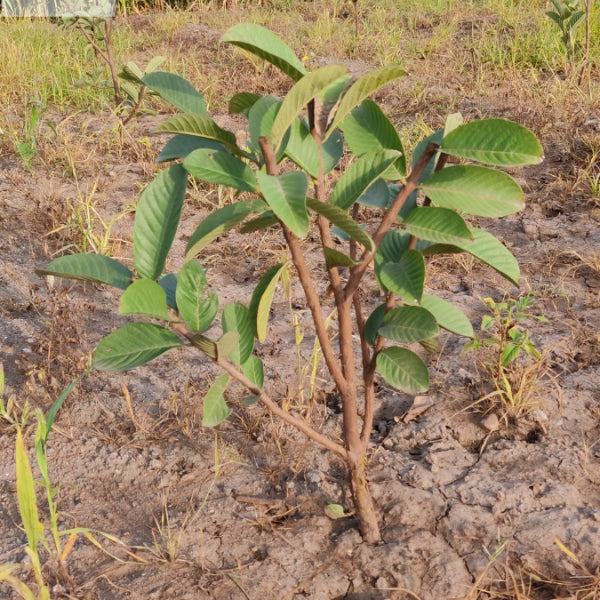
Tree Plantation on Navratri - Celebrate Divine Festivals with Environmental Devotion
Tree plantation on Navratri transforms the sacred nine-day festival into a powerful...
-
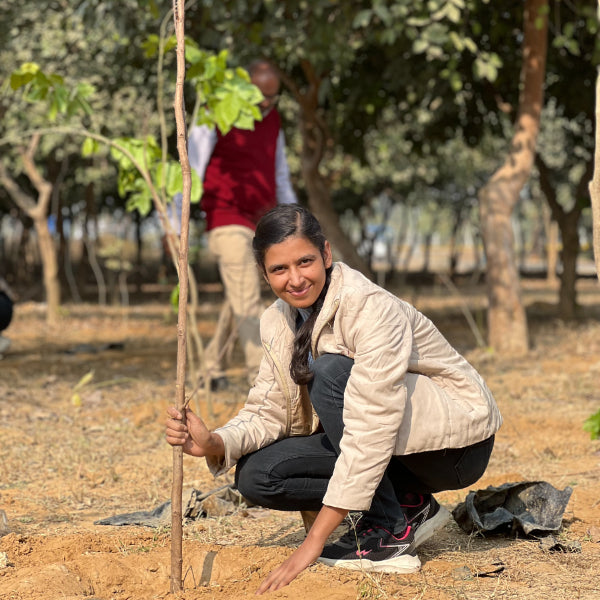
Tree Plantation by Cause - Plant Trees for Every Purpose | Grow Billion Trees
Transform your environmental impact with purpose-driven tree plantation by cause programs that...
Corporate Plantations
-
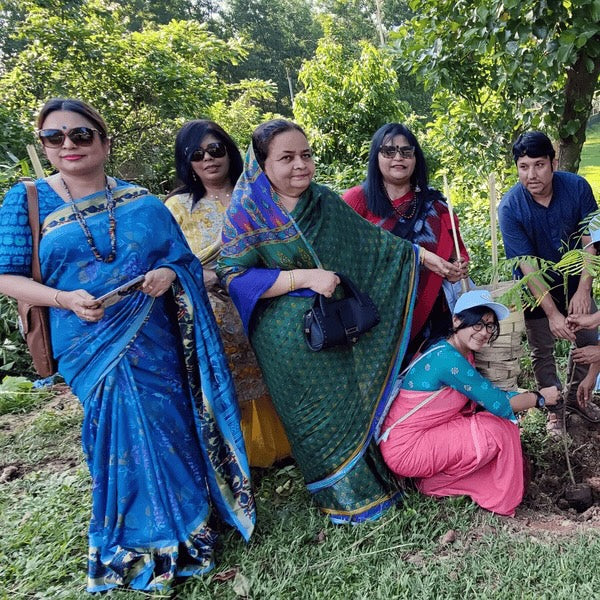
Trees for Corporates - Achieve Net Zero Targets Through Strategic Tree Planting
Trees for Corporates - Strategic Environmental SolutionsTransform your corporate environmental impact with...
-
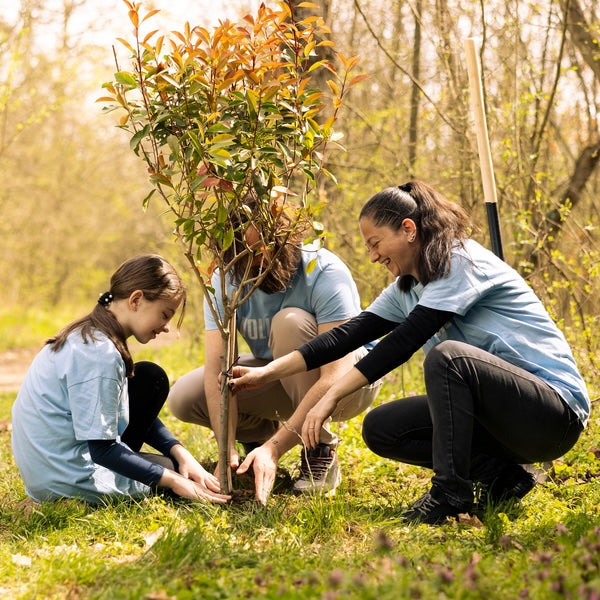
Tree Plantation for CSR - Corporate Environmental Programs | Grow Billion Trees
Tree Plantation for CSR - Transform Your Corporate Environmental ImpactTree plantation for...
-
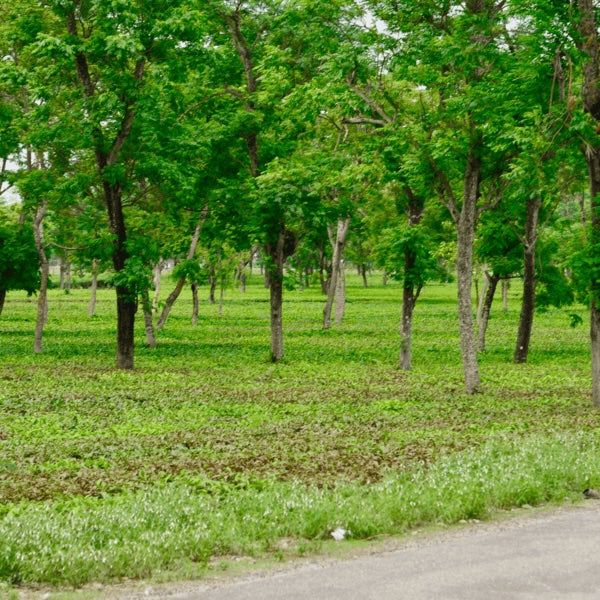
Tree Plantation for SDG - Support Sustainable Development Goals
Tree plantation for SDG initiatives represents a powerful pathway to achieving multiple...
-
Corporate Tree Plantation Programs - Sustainable ESG Environmental Solutions for Net Zero Targets
Corporate Tree Plantation Programs for Sustainable ESG SolutionsTransform your organization's environmental impact...
-
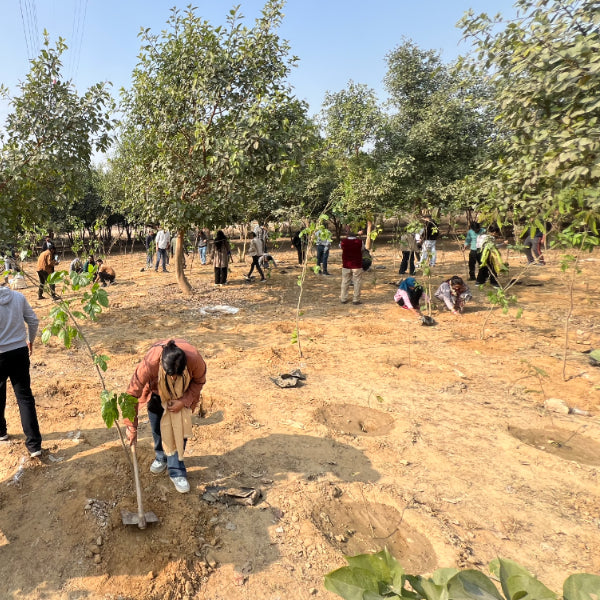
Tree Plantation by Location - Plant Trees Across India
Transform landscapes nationwide through our comprehensive tree plantation by location program. When...
Kalpavriksha Mythology
Mythology lovers and culture nerds love this tree!
Kalpavriksha in Hinduism
perfect for spiritual seekers and divine symbolism enthusiasts!
Kalpavriksha Tree in India
great for heritage travel, temple tourism, and culture-based search queries.
Kalpavriksha Story
stories about this tree attract readers hunting for mythical drama with moral undercurrents.
Kalpavriksha and Indian Culture
ideal for culture-centric audiences and people searching symbolic meaning in traditions.
Kalpavriksha Symbolism
keyword gold for spiritual meanings, dream manifestations, and life coaching parallels.
Kalpavriksha in Temples
works for temple tourism, devotional content, and sacred tree traditions.
Kalpavriksha vs Banyan Tree
ideal for botanical, cultural, and myth-busting queries.
Kalpavriksha and Ayurveda
excellent for wellness blogs, natural remedy fans, and holistic living enthusiasts.
Kalpavriksha and Ecology
link it to sustainability, tree plantation drives, and environmental impact.
Kalpavriksha and Meditation
perfect for mindfulness, spiritual retreats, and meditative symbolism.
Kalpavriksha Art and Architecture
brilliant for art historians, cultural bloggers, and myth-inspired design hunters.
FAQ
What is Kalpavriksha: The Divine Wish-Fulfilling Tree of Indian Mythology?
– It's not your average tree! Kalpavriksha is a celestial tree from Hindu mythology that grants every wish—yes, every one. Born during the cosmic churning of the ocean, it's basically the mythological genie with branches. Think of it as the ancient Indian Amazon Prime—no delivery fee!
Where is Kalpavriksha mentioned in Indian scriptures?
– The Kalpavriksha pops up in the Vedas, Puranas, and epics like the Mahabharata. It's often chilling in Indra’s heaven, surrounded by other divine treasures. Clearly, it had A-list status in ancient mythological circles—scripturally verified and spiritually certified.
Is Kalpavriksha a real tree or just a myth?
– While the legendary version is mythical, several earthly trees like Baobab and Banyan are believed to be its earthly avatars. So yes, it's both myth and matter—a tree with one root in heaven and the other on Instagram.
What is the significance of Kalpavriksha in Hinduism?
– It symbolizes abundance, divine blessings, and wish fulfillment. Basically, if Lakshmi had a houseplant, this would be it. Worshipping it is like adding the universe's customer support to your speed dial for hopes and dreams.
Can Kalpavriksha be found on Earth today?
– Sort of. In places like Madhya Pradesh and Gujarat, ancient Baobab trees are worshipped as Kalpavrikshas. While they don’t hand out Ferraris or true love, people still visit to make wishes and leave offerings—just in case.
Why is Kalpavriksha associated with wish fulfillment?
– Because mythologically, it was planted by the gods to fulfill every desire. No limits. No “Out of Stock.” Whether you wanted wisdom or wedding bells, the Kalpavriksha was your leafy life coach and divine vending machine.
Is there a specific day or ritual to worship Kalpavriksha?
– No fixed calendar date, but it’s often worshipped during tree-planting festivals like Van Mahotsav. Devotees walk around it, tie sacred threads, and whisper their wishes. It’s like a cosmic DM to the universe—no WiFi needed.
What does Kalpavriksha symbolize in modern times?
– In today's world, it’s a green metaphor for sustainability, abundance, and conscious living. From eco campaigns to art installations, Kalpavriksha is the ultimate influencer of the tree world—rooted in myth, branching into modernity.
Are there temples dedicated to Kalpavriksha in India?
– While not standalone temples, many ancient temples, especially in Gujarat and Karnataka, feature these divine trees within their premises. Devotees often treat them like VIP deities—no idol, just roots and reverence.
How is Kalpavriksha linked to spirituality and meditation?
– Meditating under the Kalpavriksha is said to amplify your intentions and help manifest your desires. Spirituality meets manifestation power. It's like journaling your goals under a tree that already read your mind.
Can planting a tree be considered planting a Kalpavriksha?
– Absolutely. Every time you plant a tree, you’re basically channeling your inner myth-maker. You may not grow divine wish power, but you’re still gifting the planet something priceless—oxygen, shade, and maybe a few fulfilled dreams.
What are the most popular legends involving Kalpavriksha?
– One legend says it grew from the ocean of milk during Samudra Manthan, another that it grants boons to sages and gods. Basically, Kalpavriksha was the OG influencer in heaven—zero filters, infinite blessings.
Most Popular Tree Plantations - Top Choices for Environmental Impact
-
Trees for Birthday Celebration - Plant a Meaningful Gift
Regular price ₹ 299Regular priceUnit price per -
Trees for Mother
Regular price ₹ 299Regular priceUnit price per -
Trees as a Gift - Plant Hope & Create Lasting Impact
Regular price ₹ 299Regular priceUnit price per -
Trees to Honor the Memory of your Loved Ones
Regular price ₹ 299Regular priceUnit price per -
Sacred Trees for Krishna on Janmashtami - Divine Gift ₹299
Regular price ₹ 299Regular priceUnit price per
Connect with us
-
👥 Corporates
If you are looking for:
- 🌲 Tree Plantation Events
- 📊 CSR Projects
📧 corporate@growbilliontrees.com
📞 +91 9699723523
💬 +91 9325931304 WhatsApp (Only)
🕒 Mon - Sat | 10am - 7pm IST
-
🧩 Tree Plantation NGOs
If you are looking for:
- 💰 Financial Assistance
- 🤝 Operational Support
📧 support@growbilliontrees.com
📞 +91 9699723523
💬 +91 9325931304 WhatsApp (Only)
🕒 Mon - Sat | 10am - 7pm IST
-
🌼 Individuals
If you are looking for:
- 👥 Group Tree Plantation Drive
- 🌳 Bulk Tree Plantation
📞 +91 9699723523
💬 +91 9325931304 WhatsApp (Only)
🕒 Mon - Sat | 10am - 7pm IST
