
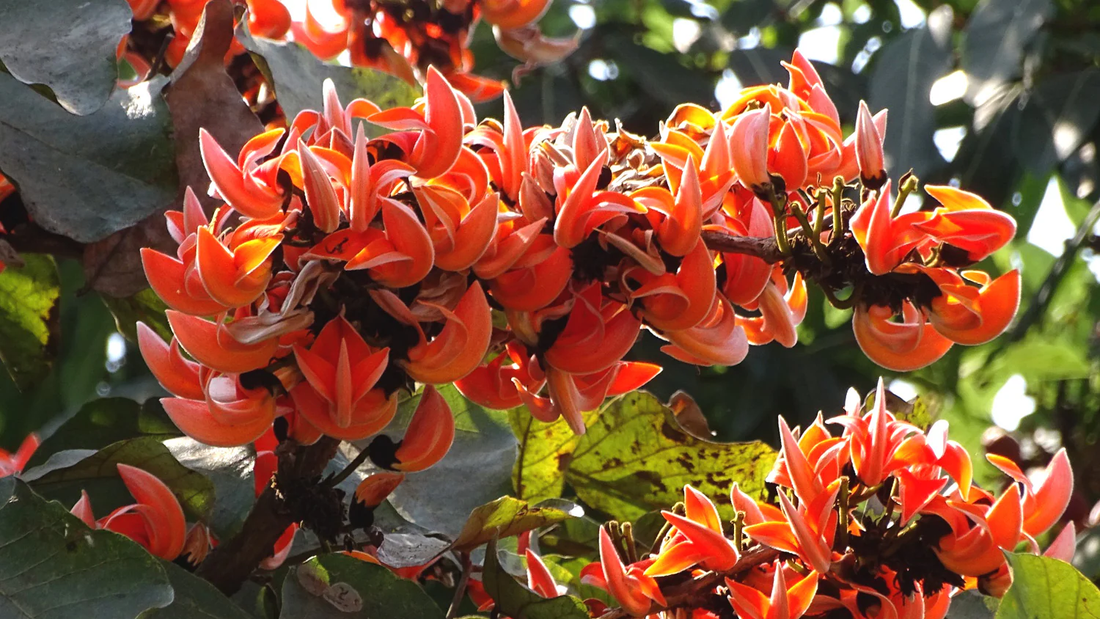
The Palash tree (Butea monosperma), known as the "Flame of the Forest," stands as one of India's most spiritually significant trees. With its brilliant orange-red blossoms that set forests ablaze each spring, this sacred tree has been revered in Hind Read more
Trending Tree Plantations - Most Popular Environmental Programs
-
Trees for Birthday Celebration - Plant a Meaningful Gift
Regular price ₹ 299Regular priceUnit price per -
Trees for Mother
Regular price ₹ 299Regular priceUnit price per -
Trees as a Gift - Plant Hope & Create Lasting Impact
Regular price ₹ 299Regular priceUnit price per -
Trees to Honor the Memory of your Loved Ones
Regular price ₹ 299Regular priceUnit price per -
Trees for Women's Day (8th Mar)
Regular price ₹ 299Regular priceUnit price per


Trees for Corporates - Achieve Net Zero Targets Through Strategic Tree Planting
-
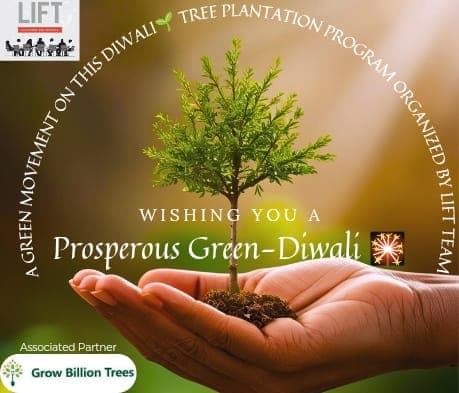
Trees by LIFT Team for Green Diwali - Eco-Friendly Celebration
Regular price ₹ 299Regular priceUnit price per -
Plant Trees for Environment - Climate Action & Green Future
Regular price ₹ 299Regular priceUnit price per -
Trees for a Greener Tomorrow - by Mahindra Lifespaces
Regular price ₹ 299Regular priceUnit price per -
Trees for Farmers - Sustainable Agroforestry Solutions
Regular price ₹ 299Regular priceUnit price per -
Plant Trees for Environment Day (5th Jun) - Make an Impact Today
Regular price ₹ 299Regular priceUnit price per

Palash Tree: Sacred Flame of Forest - Cultural & Spiritual Guide
The Palash tree (Butea monosperma), known as the "Flame of the Forest," stands as one of India's most spiritually significant trees. With its brilliant orange-red blossoms that set forests ablaze each spring, this sacred tree has been revered in Hindu mythology, Buddhist traditions, and tribal cultures for millennia. From Vedic rituals to modern conservation efforts, the Palash tree continues to inspire both spiritual seekers and environmental enthusiasts across India.
✅ The Mythological Significance of Palash Tree
The Palash tree holds profound importance in Hindu mythology and finds mention in the Rigveda as sacred wood used in yajnas (sacrificial rituals). Its distinctive trifoliate leaves symbolize the Hindu trinity—Brahma, Vishnu, and Shiva—making it highly auspicious for religious ceremonies. Ancient sages believed that no Vedic ritual was complete without Palash twigs, which served as samidha (sacrificial fuel).
According to the United Nations Sustainable Development Goals, preserving culturally significant trees like the Palash is crucial for maintaining both biodiversity and cultural heritage. The tree's spiritual significance extends beyond Hinduism, finding reverence in Buddhist and Jain traditions where it symbolizes enlightenment and purity.
⭐ Palash Tree in Festivals and Cultural Celebrations
The vibrant red flowers of the Palash tree play a central role in India's most colorful festival—Holi. Legend connects the tree's fiery blossoms to Holika Dahan, the ceremonial bonfire lit before Holi. In tribal regions of Jharkhand and Chhattisgarh, communities create natural colors from Palash flowers, reviving eco-friendly traditions rooted in ancient wisdom.
During the spring blooming season (February to March), entire forests transform into spectacular displays of orange-red flames. This natural phenomenon attracts thousands of tourists, photographers, and nature enthusiasts who witness one of India's most breathtaking seasonal spectacles.
🌿 Environmental Impact and Conservation Efforts
The Palash tree plays a crucial role in forest ecosystems and environmental conservation. As highlighted by the United Nations Environment Programme on forests, native trees like the Palash are essential for maintaining biodiversity and supporting wildlife habitats. The tree provides nectar for various bird species and serves as a host plant for numerous insects.
At Grow Billion Trees, we recognize the importance of preserving culturally significant species like the Palash tree. Our mission to plant 100 crore trees includes native species that hold both ecological and cultural value. When you Plant a tree in your Name through our programs, you contribute to preserving India's natural and cultural heritage.
💡 Tourism and Spiritual Journeys
The Palash tree attracts spiritual tourists and cultural enthusiasts to various destinations across India. Ancient temple sites in Uttar Pradesh, Bihar, and Madhya Pradesh, where Palash trees grow around yajna shalas (ritual grounds), offer visitors a living connection to Vedic traditions.
Popular destinations include:
- Kashi (Varanasi) - Vedic cultural tours and tree meditation
- Bodh Gaya - Buddhist pilgrimage sites with sacred groves
- Ujjain - Ancient temples surrounded by Palash trees
- Simlipal National Park - Nature trails during blooming season
- Kanger Valley - Guided forest walks and folklore sessions
🌺 Tribal Traditions and Sacred Groves
In tribal cultures of Odisha, Chhattisgarh, and Maharashtra, the Palash tree is worshipped as a guardian spirit. Communities like the Gonds and Santhals consider it the dwelling place of local deities, conducting full-moon rituals under its branches. These sacred groves preserve not only the trees but also ancient wisdom and traditional ecological knowledge.
The World Wildlife Fund's forest conservation initiatives emphasize the importance of protecting such culturally significant forest areas that maintain both biodiversity and indigenous traditions.
→ How to Experience Palash Tree Tourism
Visitors can experience the magic of Palash trees through various tourism programs:
- Spring Bloom Tours - March is the ideal time to witness forests ablaze with Palash flowers
- Cultural Heritage Walks - Guided tours explaining the tree's role in ancient rituals
- Tribal Tourism Programs - Immersive experiences with communities that worship Palash trees
- Photography Expeditions - Specialized tours for capturing the spectacular blooms
- Meditation Retreats - Spiritual programs conducted under Palash groves
🌱 Growing and Caring for Palash Trees
The Palash tree is relatively easy to grow and maintain, making it an excellent choice for reforestation projects. It thrives in various soil conditions and requires minimal water once established. The tree typically reaches 12-15 meters in height and begins flowering after 3-4 years.
Our 4ft Tree Planting + 3 Years Care + GeoTag program ensures that each Palash tree receives proper care during its crucial establishment period. Through our technology-driven approach, you can track your tree's growth and witness its transformation from sapling to magnificent flowering tree.
⚠️ Conservation Challenges and Solutions
Despite its cultural importance, Palash trees face threats from deforestation and urbanization. Climate change also affects their blooming patterns and distribution. Combating Climate Change Through Collective Action requires protecting native species like the Palash that have adapted to local conditions over millennia.
Organizations and individuals working toward Net Zero Targets increasingly recognize the value of planting culturally significant native trees. The Palash tree's ability to thrive in degraded soils makes it particularly valuable for restoration projects.
Frequently Asked Questions
What makes the Palash tree special in Hindu culture?
The Palash tree is considered sacred because its trifoliate leaves represent the Hindu trinity (Brahma, Vishnu, Shiva), and it's mentioned in the Rigveda as essential for Vedic rituals. The tree's wood serves as sacrificial fuel in yajnas, making it spiritually significant.
When is the best time to see Palash trees in bloom?
The Palash tree blooms from February to March, creating spectacular displays of orange-red flowers. This is the ideal time for tourism and photography, as entire forests appear to be on fire with the brilliant blossoms.
Where can I find Palash trees in India?
Palash trees are found across central and eastern India, particularly in states like Jharkhand, Odisha, Chhattisgarh, Madhya Pradesh, Bihar, and parts of Maharashtra. They thrive in deciduous forests and sacred groves.
Can I plant a Palash tree in my garden?
Yes, Palash trees can be grown in gardens with adequate space. They prefer well-drained soil and full sunlight. The tree requires minimal maintenance once established and will reward you with spectacular blooms after 3-4 years.
How does the Palash tree benefit the environment?
Palash trees support biodiversity by providing nectar for birds and habitat for insects. They help prevent soil erosion, improve air quality, and contribute to forest ecosystem health. Their deep roots also help in groundwater recharge.
What is the significance of Palash flowers in Holi celebrations?
Palash flowers are traditionally used to create natural orange and red colors for Holi. The tree's fiery blooms symbolize the fire of Holika Dahan, connecting the festival to nature's seasonal cycle and promoting eco-friendly celebrations.
How can I participate in Palash tree conservation?
You can support Palash tree conservation by participating in tree planting programs, visiting and supporting sacred groves, choosing eco-tourism options that benefit local communities, and spreading awareness about the tree's cultural and ecological importance.
Are there any medicinal uses of the Palash tree?
Traditional medicine systems use various parts of the Palash tree for treating skin conditions, wounds, and digestive issues. However, always consult healthcare professionals before using any plant-based remedies.The Palash tree stands as a magnificent symbol of India's rich cultural heritage and natural beauty. From ancient Vedic rituals to modern conservation efforts, this sacred tree continues to inspire and unite communities across the subcontinent. By protecting and planting Palash trees, we preserve not just a species but an entire cultural legacy for future generations.Join Grow Billion Trees in our mission to plant and protect culturally significant trees like the Palash. Discover how you can plant a tree in your name and contribute to India's green future while honoring our ancient traditions.
You may also like
-
Gift a Tree - Meaningful Environmental Gifts That Make a Difference
Transform your gift-giving with meaningful environmental gifts that create lasting impact for...
-
Trees For Shiv Ji - Sacred Tree Planting to Honor Lord Shiva
Honor Lord Shiva through sacred tree planting with Trees For Shiv Ji,...
-
Tree Plantations for Shri Ram - Sacred Devotional Planting Services
Honor Lord Shri Ram through meaningful tree plantations for Shri Ram that...
-
Tree Plantation on Navratri - Celebrate Divine Festivals with Environmental Devotion
Tree plantation on Navratri transforms the sacred nine-day festival into a powerful...
-
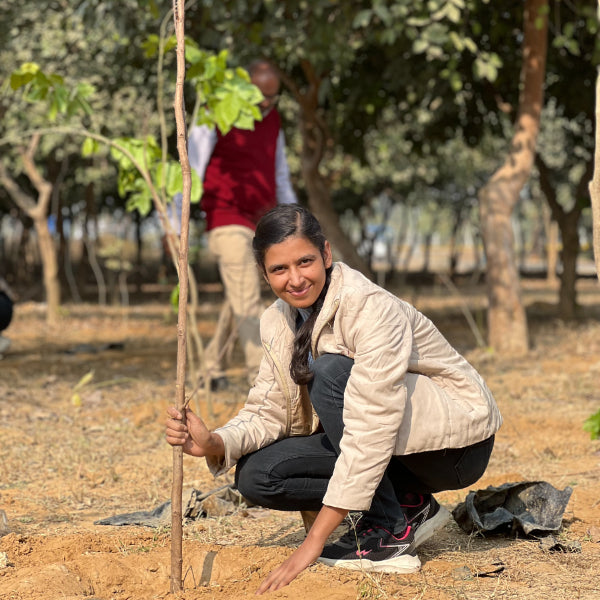
Tree Plantation by Cause - Plant Trees for Every Purpose | Grow Billion Trees
Transform your environmental impact with purpose-driven tree plantation by cause programs that...
Corporate Plantations
-
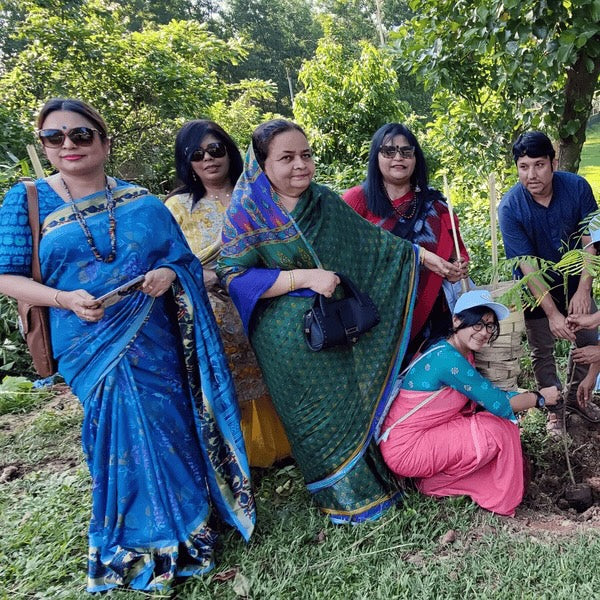
Trees for Corporates - Achieve Net Zero Targets Through Strategic Tree Planting
Trees for Corporates - Strategic Environmental SolutionsTransform your corporate environmental impact with...
-
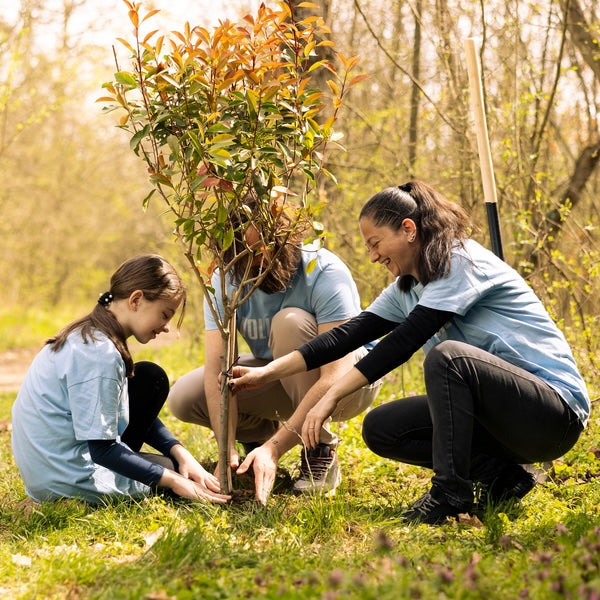
Tree Plantation for CSR - Corporate Environmental Programs | Grow Billion Trees
Tree Plantation for CSR - Transform Your Corporate Environmental ImpactTree plantation for...
-
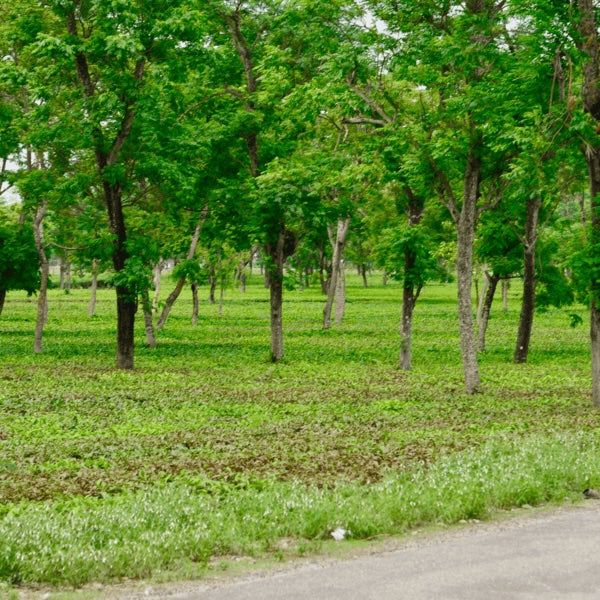
Tree Plantation for SDG - Support Sustainable Development Goals
Tree plantation for SDG initiatives represents a powerful pathway to achieving multiple...
-
Corporate Tree Plantation Programs - Sustainable ESG Environmental Solutions for Net Zero Targets
Corporate Tree Plantation Programs for Sustainable ESG SolutionsTransform your organization's environmental impact...
-
Tree Plantation by Location - Plant Trees Across India
Transform landscapes nationwide through our comprehensive tree plantation by location program. When...
Palash Tree Mythology
The Palash Tree isn’t just flora; it’s a fiery character in ancient Indian myths. Linked to tales of sacrifice and spiritual strength, it’s said sages performed yagnas under its flaming canopy. Hindu scriptures even call it Brahma’s favorite tree! This legend-rich tree is basically the OG influencer of the forest—wise, old, and always on fire (literally, with those red blooms). If mythology had a red carpet, the Palash would be strutting down it, petals blazing, with the gods cheering from the sidelines.
Flame of the Forest
Known by this poetic alias, the Palash Tree sets landscapes ablaze with its scarlet-orange blooms. Not actual fire, mind you—just nature showing off its color palette. When the dry season hits and everything else wilts, the Palash decides it’s showtime. It’s the tree version of a mic drop—fiery, unapologetic, and impossible to ignore. If your Instagram feed had a botanical diva, this would be it. No filters needed, just petals.
Palash Tree in Ayurveda
Who knew the tree that looks like it’s on fire is actually a healer in disguise? Palash has been flexing its medicinal muscles for centuries in Ayurveda. From treating worms to boosting skin health, this tree’s parts are like an all-natural first-aid kit. The bark, leaves, and flowers aren’t just pretty—they mean serious herbal business. Think of it as the ancient Indian pharmacy with petals. Modern medicine, meet your sassy, petal-powered cousin.
Palash Tree Flowers
These aren’t just pretty faces. Palash flowers bloom in bold reds and oranges, like tiny flames flirting with the breeze. They're so iconic, they’re used in Holi powders and even as natural dye. And when they fall? It’s like the forest got a confetti cannon. These blooms aren’t just seasonal eye candy—they’re eco-friendly, Insta-worthy, and basically the tree’s way of saying, “Look at me now!”
Cultural Significance of Palash
In Indian traditions, the Palash isn’t just admired—it’s revered. Used in rituals, festivals, and poetry, this tree is a cultural celeb. It shows up in Puranas, folk songs, and even love tales. Palash leaves double as eco-friendly plates, and flowers become Holi’s natural color bombs. Basically, it’s the tree that RSVPs to every Indian occasion and steals the spotlight. Talk about rooted in culture—with flair.
Palash Tree and Holi
Forget synthetic colors—real Holi pros know the best reds come from Palash flowers. These petals don’t just party; they protect your skin while doing it. Boil them up and boom—organic color that smells like spring and feels like tradition. The tree literally blooms just in time for the festival, like it got the memo. Mother Nature’s own event planner? The Palash is it.
Butea Monosperma
That’s the Palash Tree’s scientific stage name. Sounds like a fancy cocktail, right? But this isn’t just Latin for fun—it’s your keyword ticket to impress Google and botanists alike. This fiery flora belongs to the Fabaceae family and flaunts its monosperma seed like it's a VIP pass to the biodiversity club. When you drop “Butea Monosperma” into your content, you’re basically SEO name-dropping a botanical celebrity.
Palash Tree Leaves
While the flowers hog the limelight, the leaves are low-key multitaskers. Used for traditional thalis (plates) and even in sacred rituals, these leaves are the green sidekicks with real utility. They're tough, eco-friendly, and slightly rebellious—refusing to rot quickly, even in compost. So while everyone’s busy praising the blooms, the leaves are out here being practical, sustainable legends.
Palash Tree Habitat
The Palash isn’t picky—it thrives in dry deciduous forests, scrublands, and even open grasslands. You’ll find it blazing away across central and northern India like a floral wildfire. It's the tree that doesn’t need perfect soil or pampering, just a bit of sunshine and space to flaunt. Think of it as the tough beauty that blooms where others barely survive—resilient, radiant, and rooted in grit.
Ecological Role of Palash
The Palash doesn’t just look good—it works hard. Bees, birds, and butterflies? All RSVP to its seasonal flower fest. It helps prevent soil erosion, improves fertility, and adds vibrant energy to ecosystems. It’s like that friend who’s always throwing the best parties and helping you clean up afterward. Stylish and sustainable—the Palash is nature’s overachiever in a fiery dress.
Palash Tree Symbolism
The Palash stands for sacrifice, purity, and strength—basically the forest’s philosopher-king. It’s said to symbolize warrior spirit and unwavering resilience, blooming in harsh summers like it’s no big deal. Want to inspire courage or channel sacred energy? The Palash has the vibe. It’s not just a tree—it’s a leafy life coach with a crown of flame.
Palash Tree Tourism
Want to chase fire without getting burned? Head to places like Jharkhand, Chhattisgarh, or Madhya Pradesh in peak bloom season and witness nature’s own color festival. Forests turn into glowing canvases of red-orange magic, and eco-tourism gets a petal-powered boost. Forget tulip gardens—India’s got the Palash trail, where every turn looks like it was painted by a fire-tipped brush.
FAQ
What is the Palash tree and why is it called the "Fiery Blossom of Sacrifice and Strength"?
The Palash tree, known for its blazing orange-red blooms, is more than eye candy—it’s rooted in Indian folklore as a symbol of valor and purity. It’s called the “Fiery Blossom” because it flourishes in drought, standing strong while others wilt. Now that’s what we call blooming with bravery!
Where is the Palash tree commonly found in India?
From the plains of Madhya Pradesh to the edges of Jharkhand and Chhattisgarh, the Palash tree proudly paints India’s dry forests in fire. It thrives where few others dare, making it a botanical rebel with roots. So if you’re in central India during spring, keep your eyes peeled for the red riot!
Is the Palash tree sacred in Indian culture?
Myth has it the tree grew from Lord Shiva’s sweat during battle. So yes, it’s sacred, stylish, and spiritually stacked.
Why is the Palash tree associated with sacrifice and strength?
Because it thrives in tough soil and harsh climates, it’s a living metaphor for resilience. Its flowers are used in rituals symbolizing purity and sacrifice. If trees had superhero capes, Palash would rock one with fiery flair—standing tall even when the going gets gritty.
What are the benefits of the Palash tree?
From healing wounds to dyeing fabrics, the Palash tree does it all. Its bark, flowers, and seeds are used in Ayurveda, plus it attracts pollinators like bees. Who knew this floral flame was also a multitasking eco-warrior
Can I grow a Palash tree in my garden?
”
What’s the flowering season of the Palash tree?
Doesn’t matter. These flowers make their own rules.
Is the Palash tree good for biodiversity?
Oh, totally. Birds, bees, and butterflies are big fans. The tree’s nectar-rich flowers are a five-star buffet for pollinators. Plus, its shade and structure support small mammals and insects. Basically, it’s a botanical Airbnb with excellent guest reviews.
Why is the Palash flower used during Holi?
Go old-school with Palash petals.
Does the Palash tree have any mythological stories?
Yes—and they’re epic. Legend says Brahma used a Palash twig in sacred rituals, and sages preferred it for yajnas. Some say it grew from drops of divine blood. Either way, this tree’s got a backstory worthy of a Netflix series.
Is the Palash tree used in Ayurveda?
Oh yes, it’s like the multi-vitamin of trees. Bark for ulcers, seeds for worms, flowers for skin. The Palash tree’s been fixing things since way before pharmacies existed. It’s ancient, it’s effective, and it smells better than your medicine cabinet.
What makes the Palash tree unique among Indian natives?
Still fabulous. Palash stands apart with fire-colored blooms, spiritual legacy, and eco-benefits galore. Among Indian native trees, it’s the fiery fashionista with a heart of gold.
Most Popular Tree Plantations - Top Choices for Environmental Impact
-
Trees for Birthday Celebration - Plant a Meaningful Gift
Regular price ₹ 299Regular priceUnit price per -
Trees for Mother
Regular price ₹ 299Regular priceUnit price per -
Trees as a Gift - Plant Hope & Create Lasting Impact
Regular price ₹ 299Regular priceUnit price per -
Trees to Honor the Memory of your Loved Ones
Regular price ₹ 299Regular priceUnit price per -
Sacred Trees for Krishna on Janmashtami - Divine Gift ₹299
Regular price ₹ 299Regular priceUnit price per
Connect with us
-
👥 Corporates
If you are looking for:
- 🌲 Tree Plantation Events
- 📊 CSR Projects
📧 corporate@growbilliontrees.com
📞 +91 9699723523
💬 +91 9325931304 WhatsApp (Only)
🕒 Mon - Sat | 10am - 7pm IST
-
🧩 Tree Plantation NGOs
If you are looking for:
- 💰 Financial Assistance
- 🤝 Operational Support
📧 support@growbilliontrees.com
📞 +91 9699723523
💬 +91 9325931304 WhatsApp (Only)
🕒 Mon - Sat | 10am - 7pm IST
-
🌼 Individuals
If you are looking for:
- 👥 Group Tree Plantation Drive
- 🌳 Bulk Tree Plantation
📞 +91 9699723523
💬 +91 9325931304 WhatsApp (Only)
🕒 Mon - Sat | 10am - 7pm IST
