
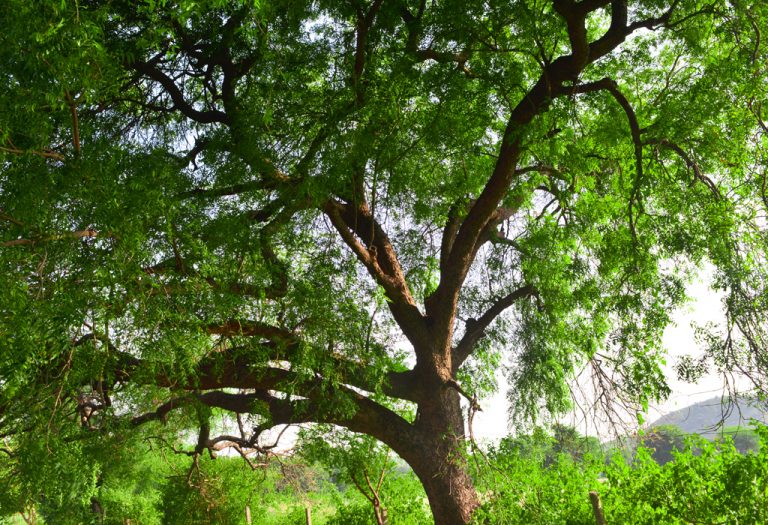
The Peepal tree (Ficus religiosa) produces the most oxygen among Indian trees, generating approximately 1,478 pounds of oxygen annually. This sacred tree releases oxygen both during the day and night, making it exceptional among trees that typically Read more
Trending Tree Plantations - Most Popular Environmental Programs
-
Trees for Birthday Celebration - Plant a Meaningful Gift
Regular price ₹ 299Regular priceUnit price per -
Trees for Mother
Regular price ₹ 299Regular priceUnit price per -
Trees as a Gift - Plant Hope & Create Lasting Impact
Regular price ₹ 299Regular priceUnit price per -
Trees to Honor the Memory of your Loved Ones
Regular price ₹ 299Regular priceUnit price per -
Trees for Women's Day (8th Mar)
Regular price ₹ 299Regular priceUnit price per


Trees for Corporates - Achieve Net Zero Targets Through Strategic Tree Planting
-
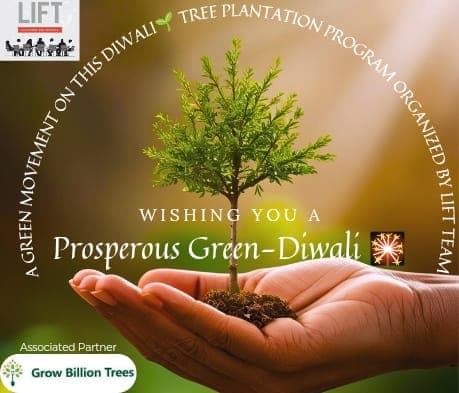
Trees by LIFT Team for Green Diwali - Eco-Friendly Celebration
Regular price ₹ 299Regular priceUnit price per -
Plant Trees for Environment - Climate Action & Green Future
Regular price ₹ 299Regular priceUnit price per -
Trees for a Greener Tomorrow - by Mahindra Lifespaces
Regular price ₹ 299Regular priceUnit price per -
Trees for Farmers - Sustainable Agroforestry Solutions
Regular price ₹ 299Regular priceUnit price per -
Plant Trees for Environment Day (5th Jun) - Make an Impact Today
Regular price ₹ 299Regular priceUnit price per

Which Indian Tree Produces Most Oxygen? Top 8 Species Guide
The Peepal tree (Ficus religiosa) produces the most oxygen among Indian trees, generating approximately 1,478 pounds of oxygen annually. This sacred tree releases oxygen both during the day and night, making it exceptional among trees that typically only produce oxygen during daylight hours through photosynthesis.
Trees are vital for human survival and serve as Earth's primary oxygen factories. While we face the dangers of climate change and declining oxygen levels in the atmosphere, certain Indian tree species excel at sustaining life by producing exceptional amounts of oxygen for all living organisms. According to the United Nations Sustainable Development Goals, forest conservation and tree planting are crucial for combating climate change and ensuring sustainable development.
⭐ Top 8 High-Oxygen Producing Indian Trees
Understanding which Indian trees produce the most oxygen helps us make informed decisions for reforestation and urban planning. Here are the top oxygen-producing native and naturalized trees in India:
1. Peepal Tree (Ficus religiosa) - The Oxygen Champion
The Peepal tree stands as India's oxygen production champion. This sacred tree, revered in Hinduism, Buddhism, and Jainism, uniquely releases oxygen 24 hours a day. Unlike most trees that only produce oxygen during photosynthesis, the Peepal continues oxygen release at night through a specialized process called Crassulacean Acid Metabolism (CAM).
- ✅ Produces 1,478 pounds of oxygen annually
- ✅ Releases oxygen both day and night
- ✅ Grows up to 30 meters tall
- ✅ Provides dense canopy for wildlife habitat
2. Banyan Tree (Ficus benghalensis) - The Spreading Giant
The majestic Banyan tree, India's national tree, creates vast oxygen-producing canopies through its distinctive aerial roots. These roots eventually form new trunks, creating expansive groves that function as massive oxygen generators.
- ✅ Can spread up to 100 meters wide
- ✅ Multiple trunks increase oxygen production capacity
- ✅ Provides shelter for diverse wildlife
- ✅ Long-lived with centuries of oxygen production
3. Neem Tree (Azadirachta indica) - The Medicinal Oxygen Producer
The Neem tree combines high oxygen production with exceptional medicinal properties. This hardy evergreen thrives in India's diverse climatic conditions while contributing significantly to local air quality improvement.
- ✅ Fast-growing with high oxygen output
- ✅ Tolerates drought and poor soil conditions
- ✅ Reaches heights up to 30 meters
- ✅ Provides medicinal benefits alongside oxygen production
4. Eucalyptus Tree (Eucalyptus globulus) - The Rapid Grower
Though originally from Australia, Eucalyptus trees have naturalized across India and demonstrate exceptional oxygen production rates. Their rapid growth and large leaf surface area contribute to substantial oxygen generation.
- ✅ Can reach 60 meters in height
- ✅ Fast growth rate increases oxygen production quickly
- ✅ Lives up to 500 years
- ✅ Fragrant leaves with therapeutic properties
5. Teak Tree (Tectona grandis) - The Durable Oxygen Producer
Native to India, the Teak tree provides long-term oxygen production while offering valuable timber. Its longevity ensures decades of consistent oxygen generation for the environment.
- ✅ Grows up to 40 meters tall
- ✅ Lives up to 100 years
- ✅ Hardy and drought-tolerant
- ✅ Valuable for both oxygen and timber
6. Silver Oak (Grevillea robusta) - The Elegant Producer
The Silver Oak tree combines aesthetic beauty with substantial oxygen production. Its distinctive silver-gray bark and fern-like leaves create an attractive addition to any landscape while contributing to air purification.
- ✅ Reaches heights up to 45 meters
- ✅ Lives up to 500 years
- ✅ Tolerates various soil conditions
- ✅ Beautiful ornamental value
7. Indian Laurel (Ficus microcarpa) - The Urban Champion
The Indian Laurel excels in urban environments, making it perfect for city oxygen production initiatives. Its glossy leaves and dense canopy effectively filter air pollutants while generating oxygen.
- ✅ Grows up to 30 meters tall
- ✅ Dense spreading canopy
- ✅ Popular for urban landscaping
- ✅ Lives up to 100 years
8. Rubber Tree (Ficus elastica) - The Versatile Producer
The Rubber tree offers dual benefits of oxygen production and economic value through its latex production. Its thick, glossy leaves provide excellent photosynthetic surface area for oxygen generation.
- ✅ Fast-growing evergreen
- ✅ Large, efficient leaves for oxygen production
- ✅ Economic value through rubber production
- ✅ Adaptable to various climates
💡 How Trees Produce Oxygen: The Science Behind It
Trees produce oxygen through photosynthesis, a remarkable process where they absorb carbon dioxide from the atmosphere and convert it into oxygen using sunlight and water. The United Nations Environment Programme emphasizes that forests are crucial for maintaining atmospheric balance and supporting life on Earth.
During photosynthesis, trees use chlorophyll in their leaves to capture solar energy. This energy powers the conversion of carbon dioxide and water into glucose and oxygen. The oxygen is then released into the atmosphere, while glucose provides energy for the tree's growth and metabolic processes.
⭐ Factors Affecting Oxygen Production in Trees
Several factors influence how much oxygen different Indian trees produce:
- Leaf Surface Area: Trees with larger, more numerous leaves generally produce more oxygen
- Growth Rate: Fast-growing trees often have higher metabolic rates and oxygen production
- Tree Age and Size: Mature trees typically produce more oxygen than young saplings
- Environmental Conditions: Adequate sunlight, water, and nutrients optimize oxygen production
- Tree Health: Healthy trees without disease or pest damage produce oxygen more efficiently
🌱 Grow Billion Trees: Your Partner in Oxygen Production
At Grow Billion Trees, we're committed to Combating Climate Change Through Collective Action by helping you Plant a tree in your Name for just ₹299. Our mission to plant 100 crore trees across India focuses on high-oxygen producing species like the Peepal, Banyan, and Neem trees.
Our comprehensive tree planting service includes 4ft Tree Planting + 3 Years Care + GeoTag technology, ensuring your tree thrives and contributes maximum oxygen to the environment. Whether you're an individual seeking to offset your carbon footprint or a corporation working toward Net Zero Targets, we provide the expertise and support needed for successful reforestation.
We specialize in Miyawaki forest creation, agroforestry programs, and urban forestry initiatives that maximize oxygen production while supporting biodiversity. Our GeoTag technology allows you to track your tree's growth and monitor its oxygen contribution over time.
🌍 Environmental Impact of High-Oxygen Trees
The environmental benefits of planting high-oxygen producing Indian trees extend far beyond oxygen generation. According to the World Wildlife Fund's forest conservation initiatives, trees play crucial roles in:
- Carbon dioxide absorption and climate regulation
- Air pollution filtration and purification
- Soil erosion prevention and water conservation
- Wildlife habitat creation and biodiversity support
- Temperature regulation and urban heat island reduction
A single mature Peepal tree can absorb up to 48 pounds of carbon dioxide annually while producing enough oxygen to support two people for an entire year. This makes strategic tree planting an essential component of environmental restoration and climate action.
🏙️ Urban Oxygen Production: Choosing the Right Trees
Urban areas particularly benefit from high-oxygen producing trees that can thrive in challenging city environments. The Indian Laurel and Neem trees excel in urban settings, tolerating pollution while providing substantial oxygen production.
For urban planning, consider these factors when selecting oxygen-producing trees:
- Pollution tolerance and air purification capabilities
- Root system compatibility with urban infrastructure
- Water requirements and drought tolerance
- Maintenance needs and growth patterns
- Aesthetic value and community acceptance
Frequently Asked Questions
Which Indian tree produces oxygen at night?
The Peepal tree (Ficus religiosa) is unique among Indian trees for producing oxygen at night. Unlike most trees that only release oxygen during daylight photosynthesis, the Peepal continues oxygen production through CAM photosynthesis, making it beneficial for nighttime air quality.
How much oxygen does a Peepal tree produce daily?
A mature Peepal tree produces approximately 4 pounds of oxygen daily, which is enough to support the breathing needs of 2-3 people for 24 hours. This makes it one of the most efficient oxygen-producing trees in India.
Can I plant high-oxygen producing trees in my backyard?
Yes, many high-oxygen producing Indian trees like Neem, Peepal, and Indian Laurel can be planted in residential areas. Consider the tree's mature size, root system, and local climate conditions before planting. Grow Billion Trees offers expert guidance for residential tree planting.
Which tree produces more oxygen: Neem or Banyan?
While both trees are excellent oxygen producers, the Banyan tree typically produces more total oxygen due to its larger canopy and multiple trunk system. However, Neem trees are more suitable for smaller spaces and offer additional medicinal benefits.
How long does it take for a tree to start producing significant oxygen?
Most Indian trees begin producing meaningful amounts of oxygen within 2-3 years of planting. Fast-growing species like Eucalyptus and Neem start contributing to oxygen production earlier, while slower-growing trees like Teak take longer but produce oxygen for many decades.
Do all trees produce the same amount of oxygen?
No, oxygen production varies significantly among tree species. Factors like leaf surface area, growth rate, and photosynthetic efficiency determine oxygen output. The Peepal tree produces the most oxygen among Indian species, followed by Banyan and Neem trees.
Can planting trees really help combat climate change?
Absolutely. Trees are among the most effective natural solutions for climate change mitigation. They absorb carbon dioxide, produce oxygen, and help regulate local and global climate patterns. Large-scale tree planting initiatives like Grow Billion Trees' goal of 100 crore trees can make significant environmental impact.
Which oxygen-producing tree is best for Indian cities?
The Indian Laurel and Neem trees are excellent choices for Indian cities due to their pollution tolerance, moderate size, and high oxygen production. These trees adapt well to urban conditions while providing substantial environmental benefits.
🌟 Take Action: Plant High-Oxygen Trees Today
The question "Which Indian tree produces the most oxygen?" leads us to the remarkable Peepal tree, but the real answer lies in collective action. By planting diverse, high-oxygen producing trees like Peepal, Banyan, Neem, and others, we create a powerful network of natural air purifiers that sustain life and combat climate change.
Every tree planted contributes to a healthier planet and cleaner air for future generations. Whether you choose the night-time oxygen production of the Peepal tree or the expansive canopy of the Banyan, your contribution matters in our mission to plant 100 crore trees across India.
Ready to make a difference? Plant a tree in your name today and join thousands of environmentally conscious individuals creating positive change. Together, we can ensure abundant oxygen production for generations to come while building a sustainable future for our planet.
You may also like
-
Gift a Tree - Meaningful Environmental Gifts That Make a Difference
Transform your gift-giving with meaningful environmental gifts that create lasting impact for...
-
Trees For Shiv Ji - Sacred Tree Planting to Honor Lord Shiva
Honor Lord Shiva through sacred tree planting with Trees For Shiv Ji,...
-

Tree Plantations for Shri Ram - Sacred Devotional Planting Services
Honor Lord Shri Ram through meaningful tree plantations for Shri Ram that...
-
Tree Plantation on Navratri - Celebrate Divine Festivals with Environmental Devotion
Tree plantation on Navratri transforms the sacred nine-day festival into a powerful...
-
Tree Plantation by Cause - Plant Trees for Every Purpose | Grow Billion Trees
Transform your environmental impact with purpose-driven tree plantation by cause programs that...
Corporate Plantations
-

Trees for Corporates - Achieve Net Zero Targets Through Strategic Tree Planting
Trees for Corporates - Strategic Environmental SolutionsTransform your corporate environmental impact with...
-
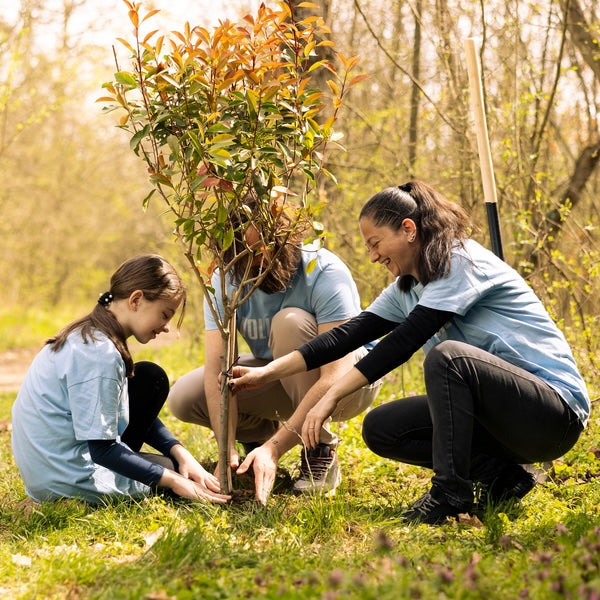
Tree Plantation for CSR - Corporate Environmental Programs | Grow Billion Trees
Tree Plantation for CSR - Transform Your Corporate Environmental ImpactTree plantation for...
-
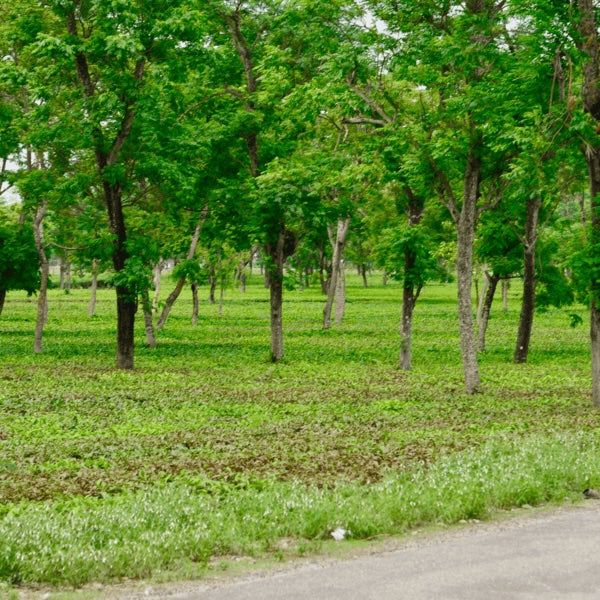
Tree Plantation for SDG - Support Sustainable Development Goals
Tree plantation for SDG initiatives represents a powerful pathway to achieving multiple...
-
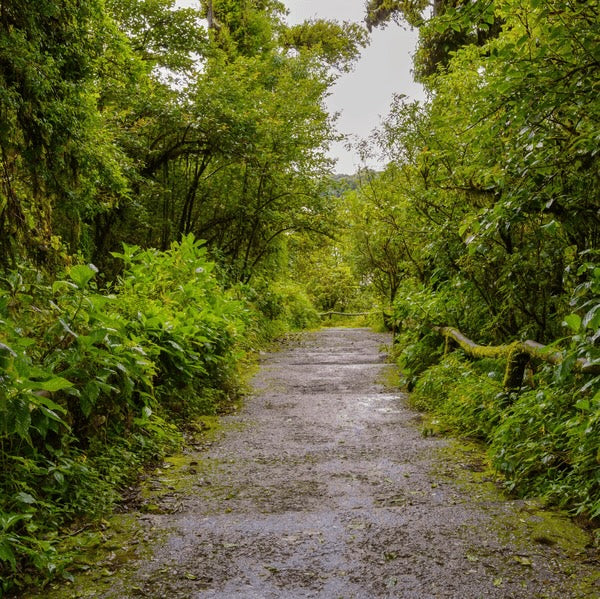
Corporate Tree Plantation Programs - Sustainable ESG Environmental Solutions for Net Zero Targets
Corporate Tree Plantation Programs for Sustainable ESG SolutionsTransform your organization's environmental impact...
-
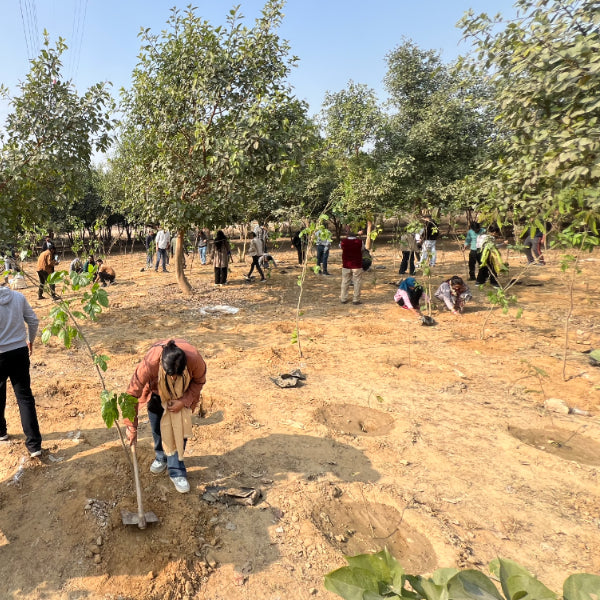
Tree Plantation by Location - Plant Trees Across India
Transform landscapes nationwide through our comprehensive tree plantation by location program. When...
FAQ
Why are trees often mentioned as the top oxygen producers?
Trees are often highlighted as major oxygen producers because they undergo photosynthesis, a process that involves converting carbon dioxide into oxygen, and their large size enables them to produce significant amounts of oxygen.
How much oxygen does a tree produce?
The amount of oxygen produced by a tree varies depending on factors such as species, size, and environmental conditions. On average, a mature leafy tree can produce enough oxygen to meet the needs of two to ten people per year.
Do all parts of a tree produce oxygen?
The majority of oxygen production in trees occurs in their leaves through photosynthesis. While other tree parts, such as stems and roots, also contribute to oxygen production, it is relatively minimal compared to leaves.
Do different tree species produce varying amounts of oxygen?
Yes, different tree species vary in their oxygen production rates due to variations in factors like leaf size, density, and photosynthetic efficiency. However, the overall contribution of trees to oxygen levels is significant, regardless of species.
Can trees help improve air quality through oxygen production?
Absolutely! Trees play a crucial role in improving air quality by releasing oxygen and absorbing carbon dioxide, as well as other air pollutants, through their leaves.
Are forests the primary source of atmospheric oxygen?
Forests and other ecosystems with dense tree cover contribute significantly to atmospheric oxygen production. However, it's important to note that the exchange of oxygen and carbon dioxide occurs globally, not just in forests.
Can planting more trees increase the oxygen levels in an area?
Planting more trees can indeed increase the local oxygen levels over time, especially in areas with limited vegetation. However, the overall balance of oxygen and carbon dioxide in the atmosphere is determined by global processes.
Do trees produce oxygen at night?
No, trees do not produce oxygen during the night. In the absence of sunlight, photosynthesis ceases, and trees consume a small amount of oxygen through respiration.
Are aquatic plants also significant oxygen producers?
Yes, aquatic plants, such as algae and seagrasses, are essential oxygen producers in aquatic ecosystems. They contribute to oxygen production through photosynthesis, supporting underwater organisms.
Can we rely solely on trees for meeting our oxygen needs?
While trees make a vital contribution to oxygen production, it is important to note that oxygen levels in the atmosphere are already abundant. Oxygen scarcity is not a concern, as it constitutes about 21% of the Earth's atmosphere.
Most Popular Tree Plantations - Top Choices for Environmental Impact
-
Trees for Birthday Celebration - Plant a Meaningful Gift
Regular price ₹ 299Regular priceUnit price per -
Trees for Mother
Regular price ₹ 299Regular priceUnit price per -
Trees as a Gift - Plant Hope & Create Lasting Impact
Regular price ₹ 299Regular priceUnit price per -
Trees to Honor the Memory of your Loved Ones
Regular price ₹ 299Regular priceUnit price per -
Sacred Trees for Krishna on Janmashtami - Divine Gift ₹299
Regular price ₹ 299Regular priceUnit price per

Connect with us
-
👥 Corporates
If you are looking for:
- 🌲 Tree Plantation Events
- 📊 CSR Projects
📧 corporate@growbilliontrees.com
📞 +91 9699723523
💬 +91 9325931304 WhatsApp (Only)
🕒 Mon - Sat | 10am - 7pm IST
-
🧩 Tree Plantation NGOs
If you are looking for:
- 💰 Financial Assistance
- 🤝 Operational Support
📧 support@growbilliontrees.com
📞 +91 9699723523
💬 +91 9325931304 WhatsApp (Only)
🕒 Mon - Sat | 10am - 7pm IST
-
🌼 Individuals
If you are looking for:
- 👥 Group Tree Plantation Drive
- 🌳 Bulk Tree Plantation
📞 +91 9699723523
💬 +91 9325931304 WhatsApp (Only)
🕒 Mon - Sat | 10am - 7pm IST
